01
SWIM / HIGH SCHOOL / DALLAS
Mila

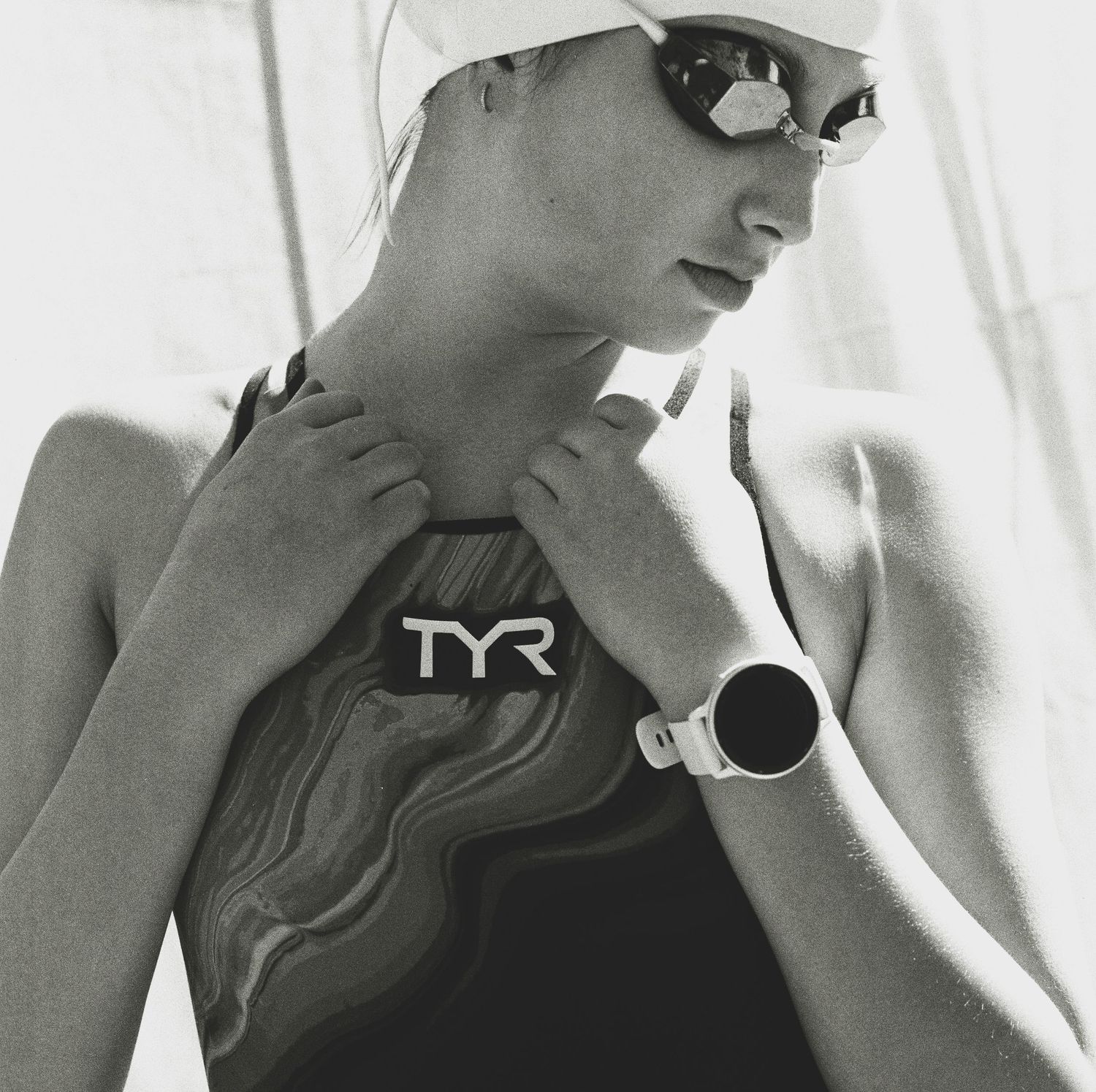
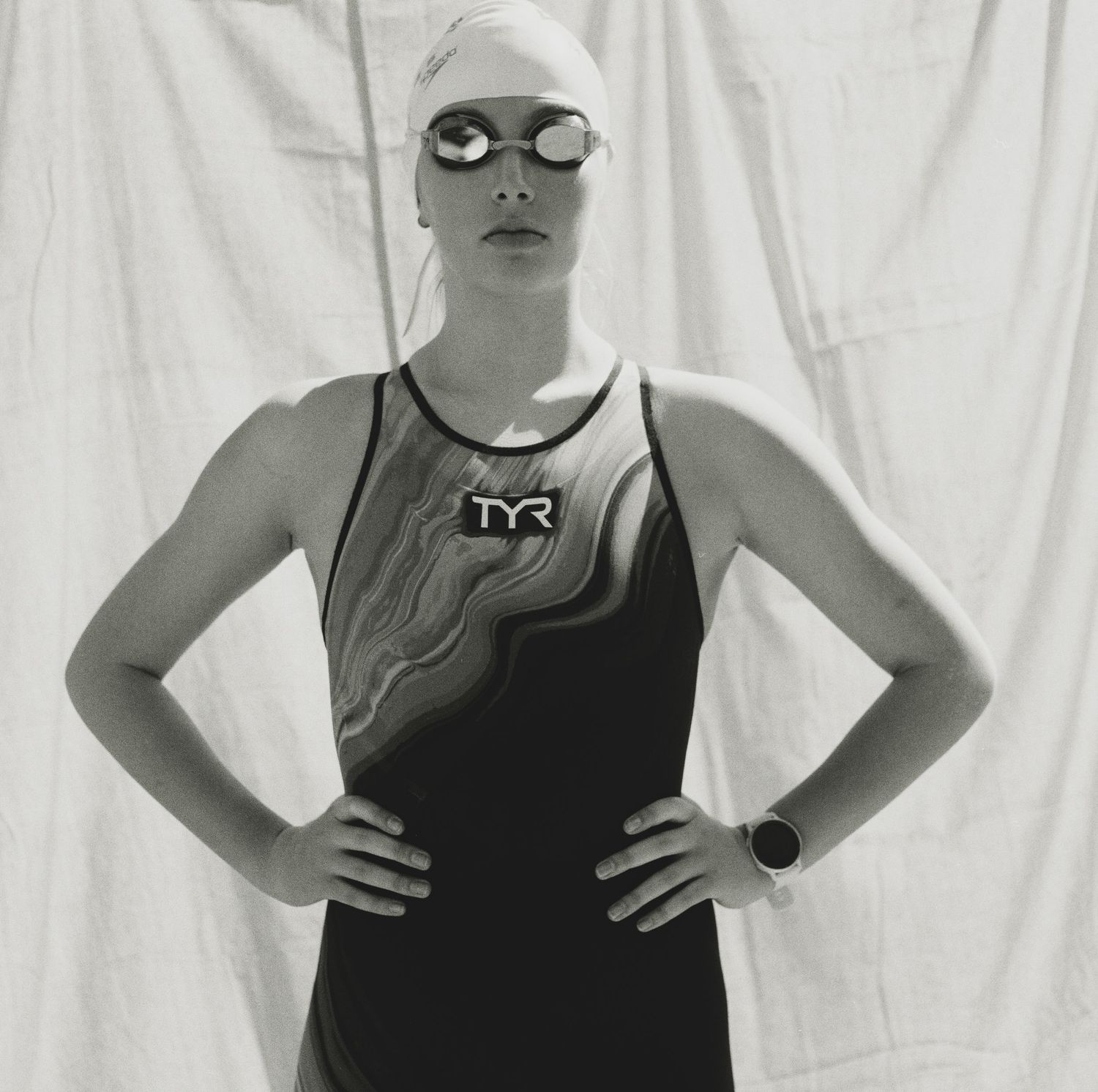
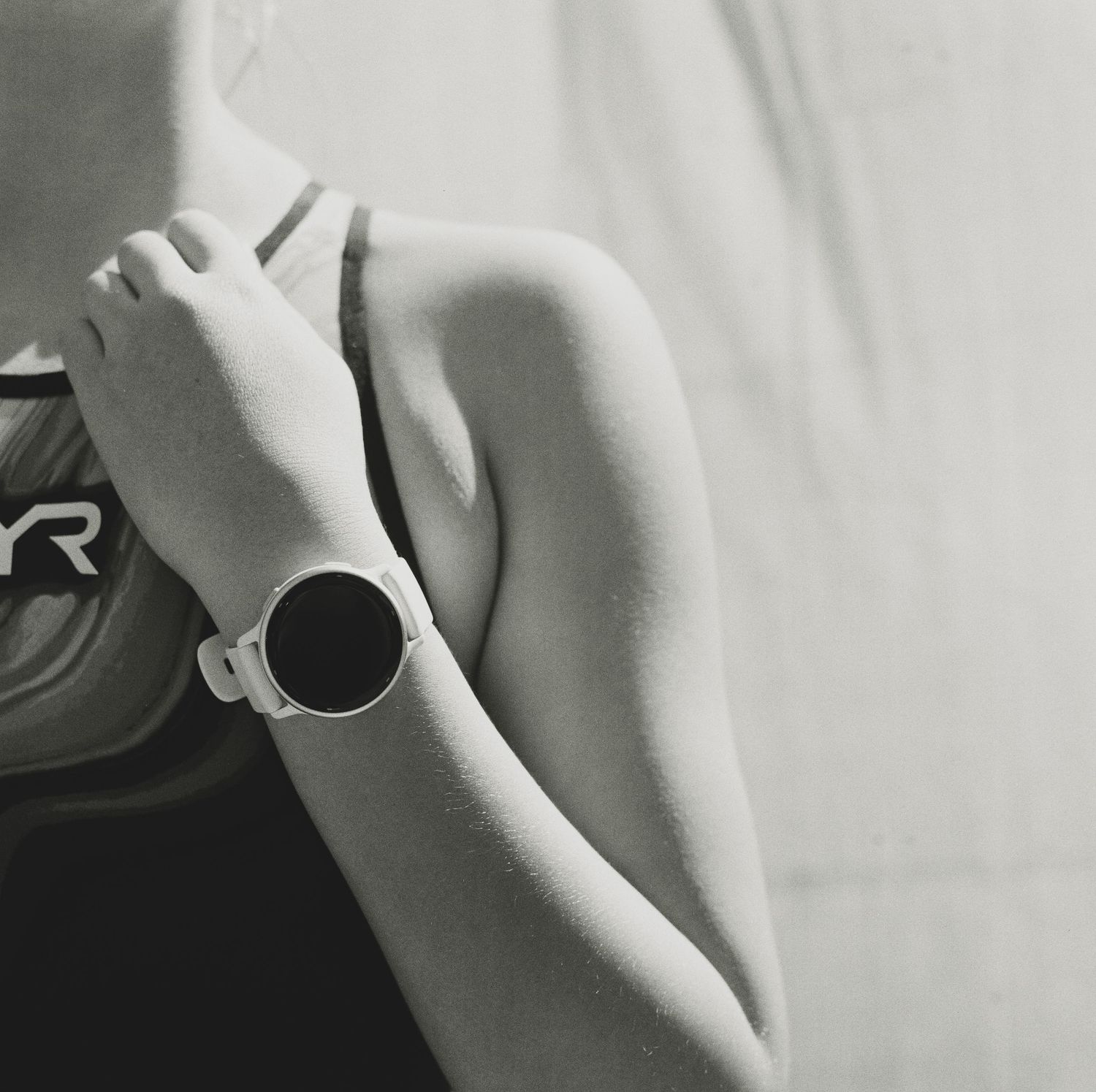
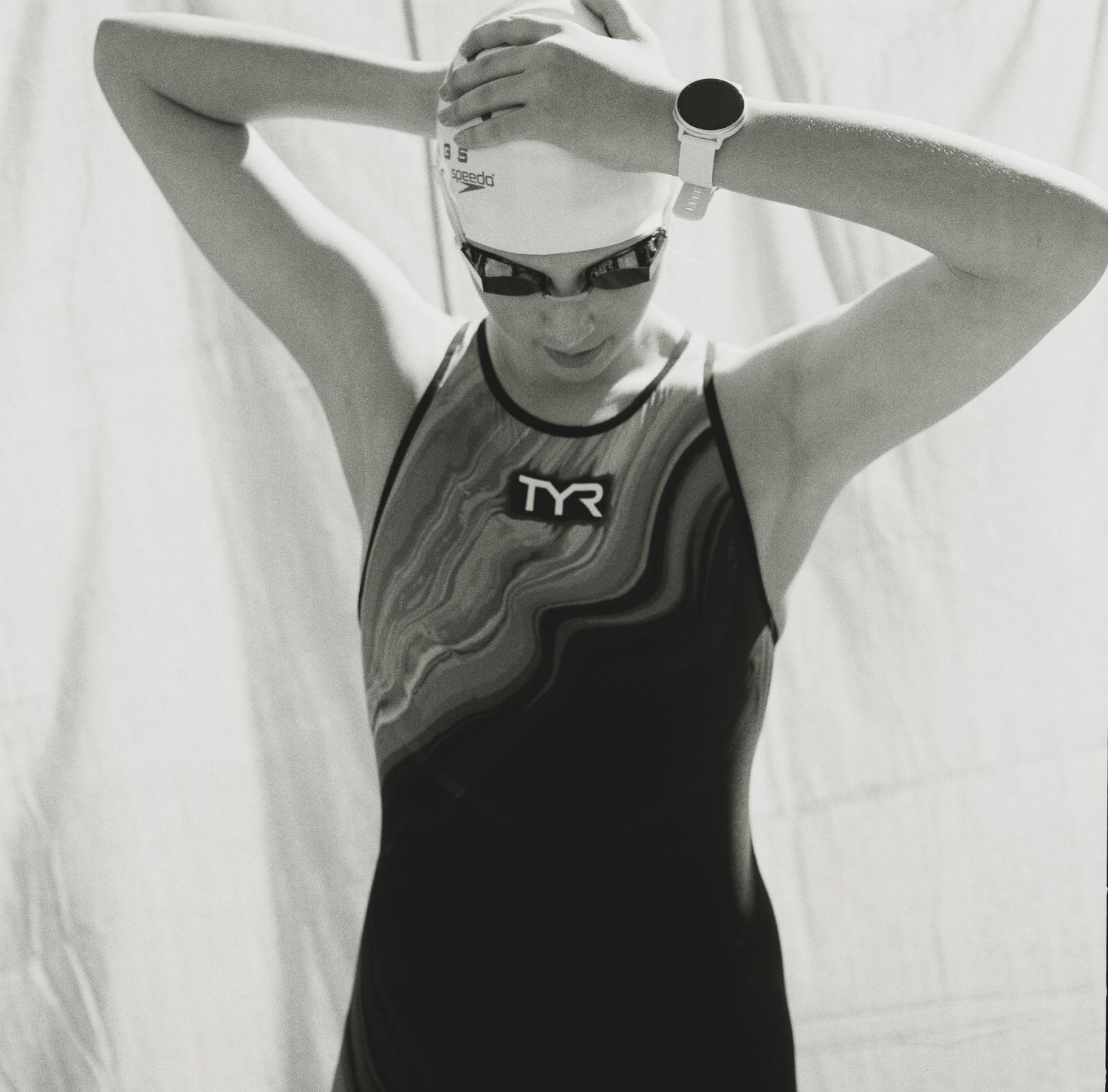
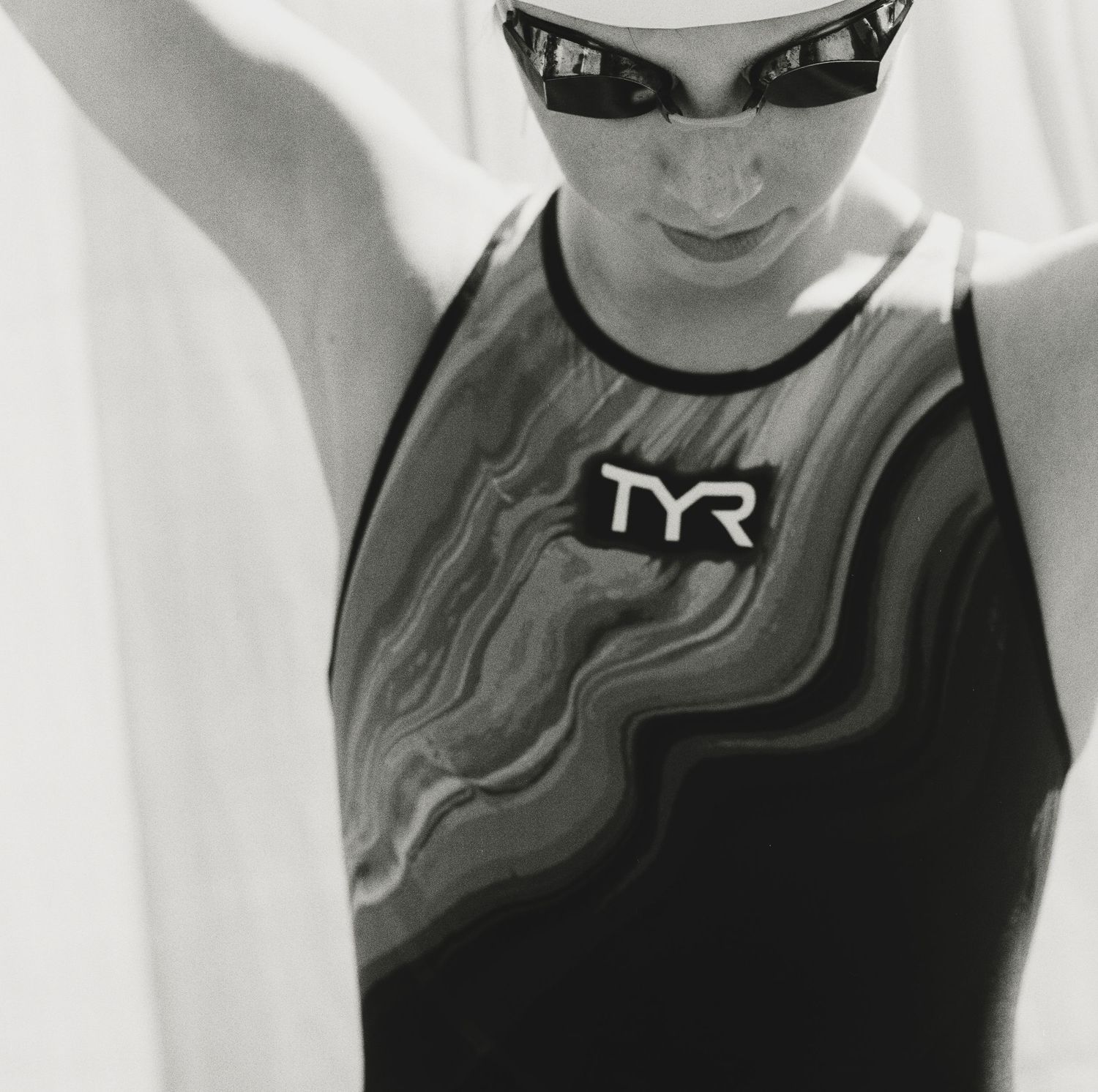
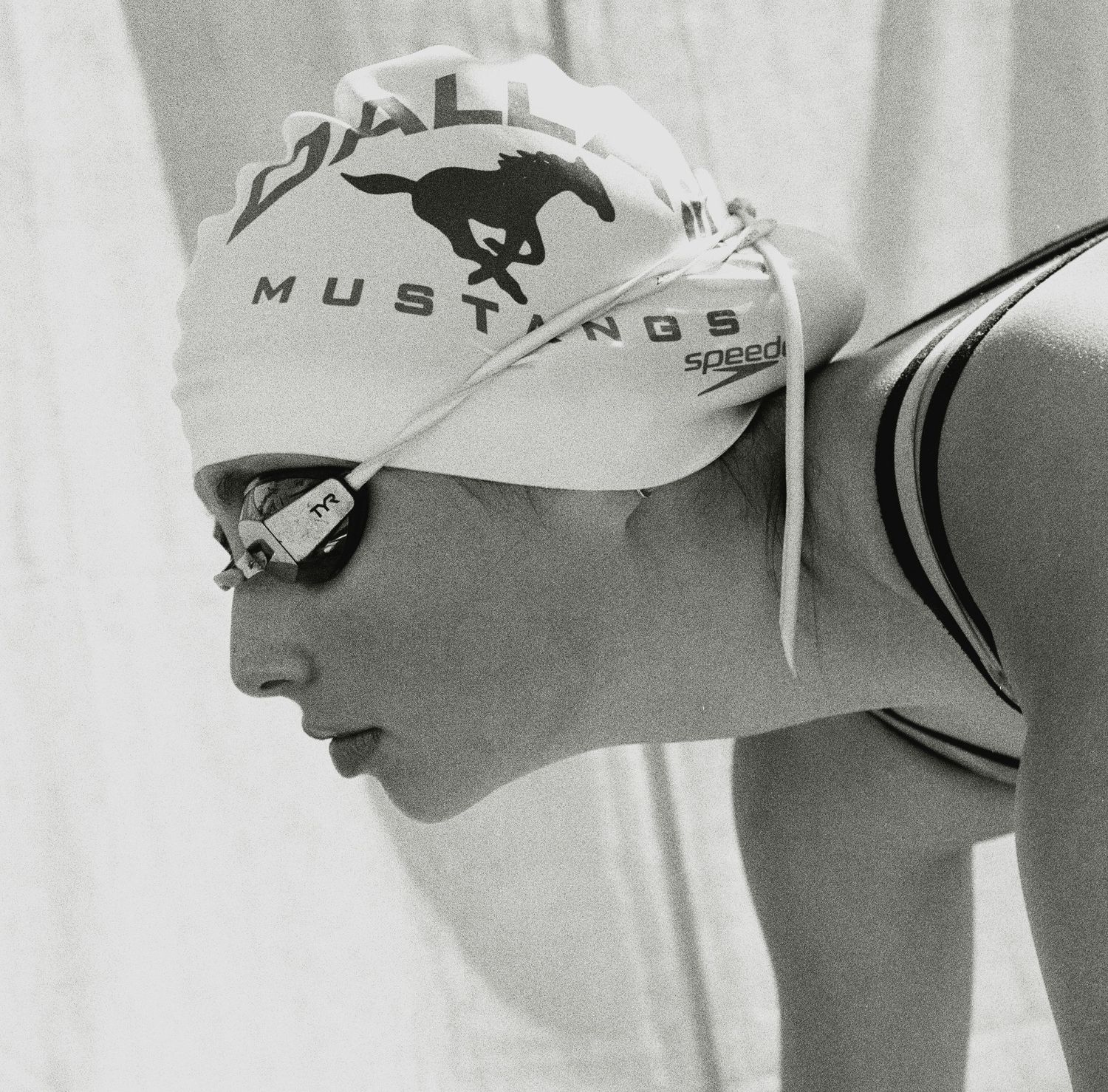
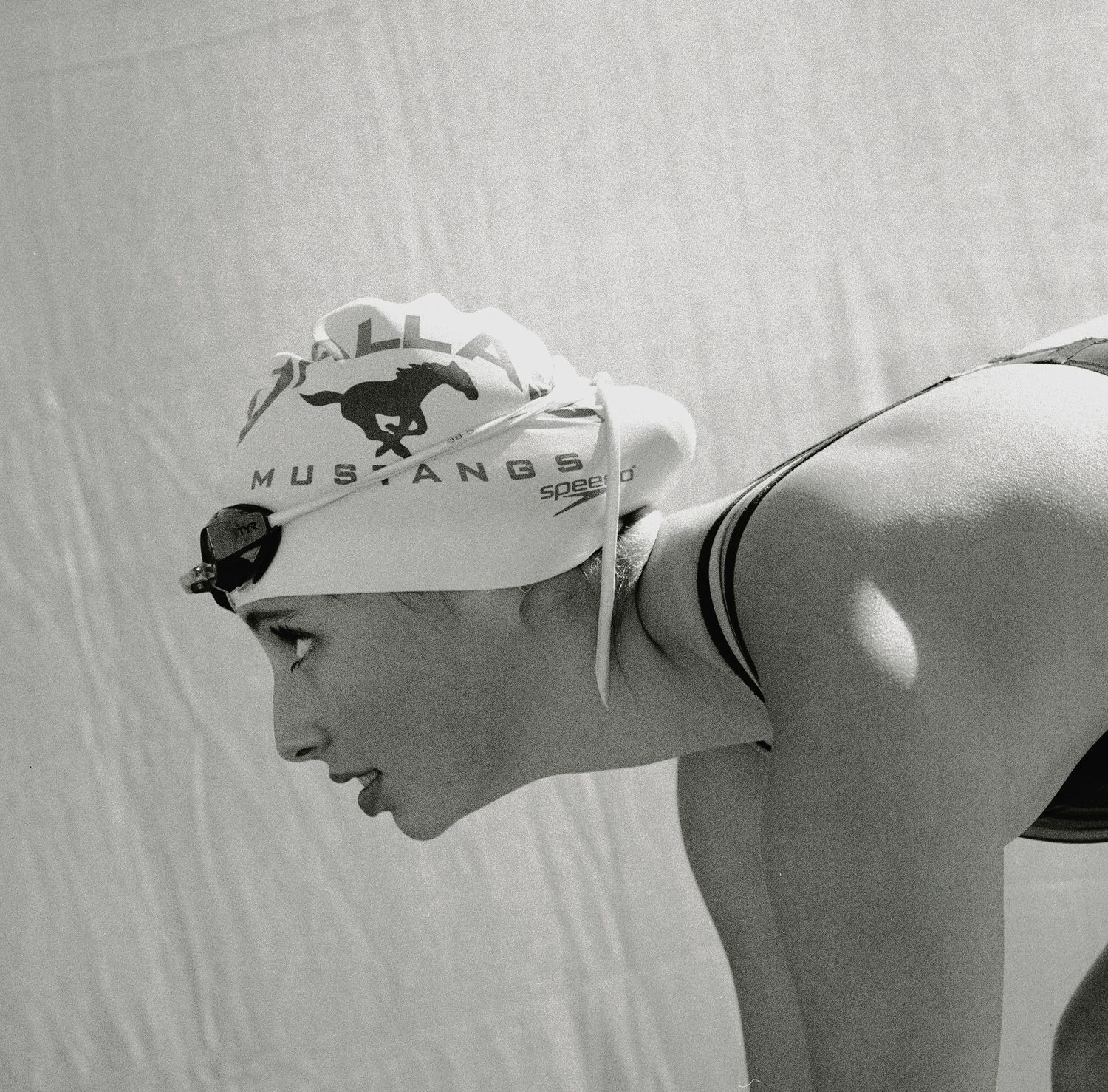
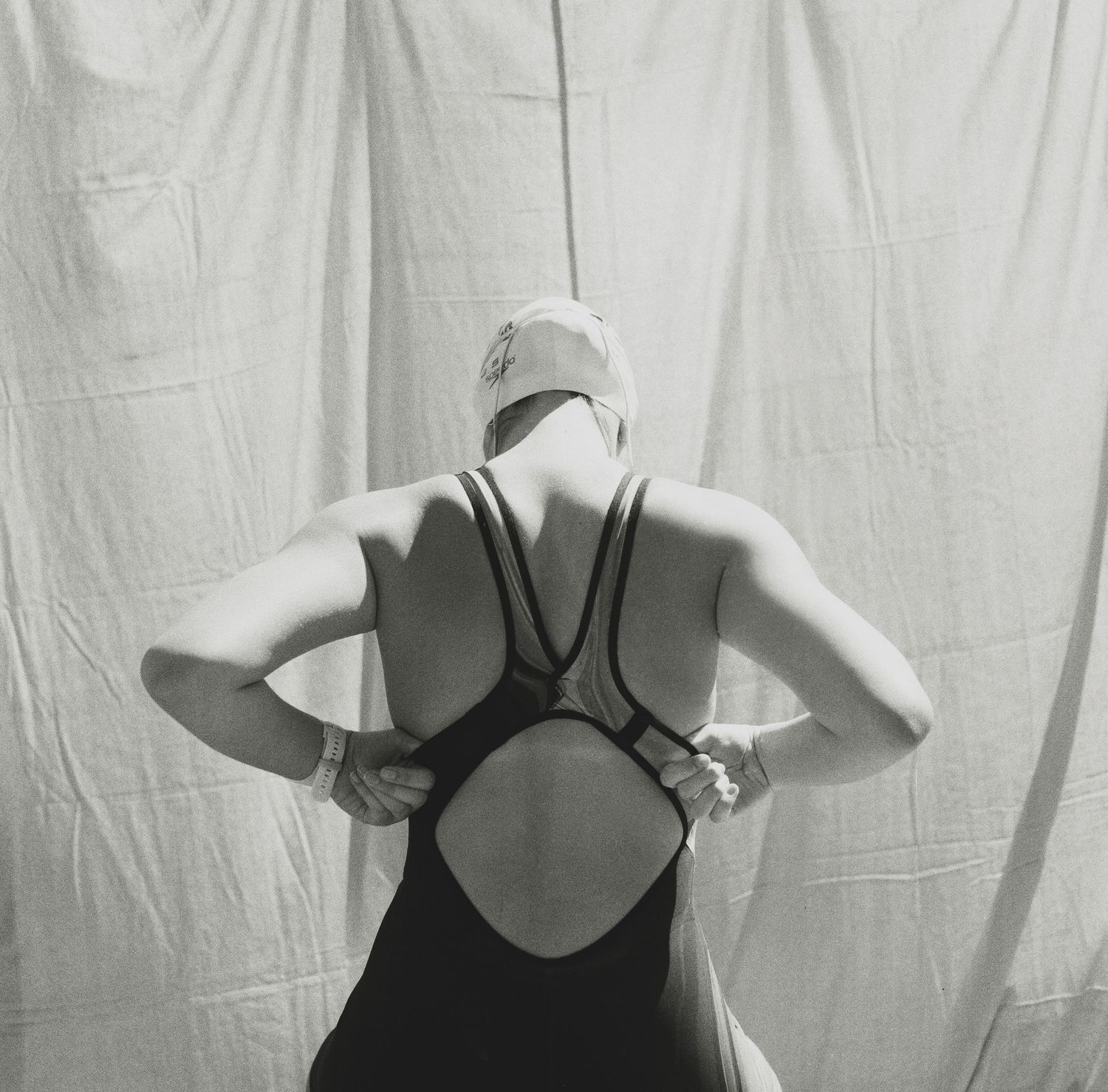
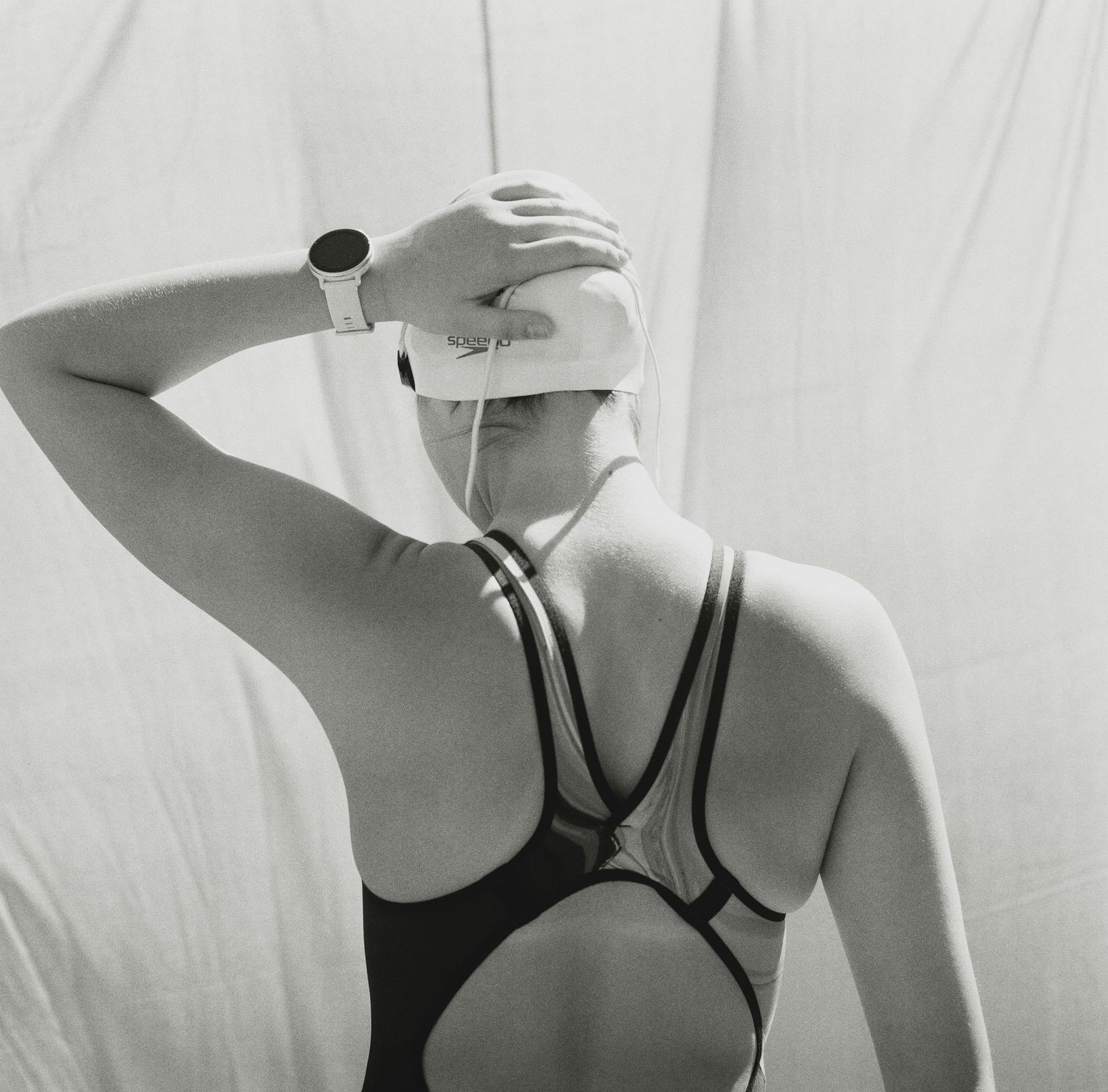
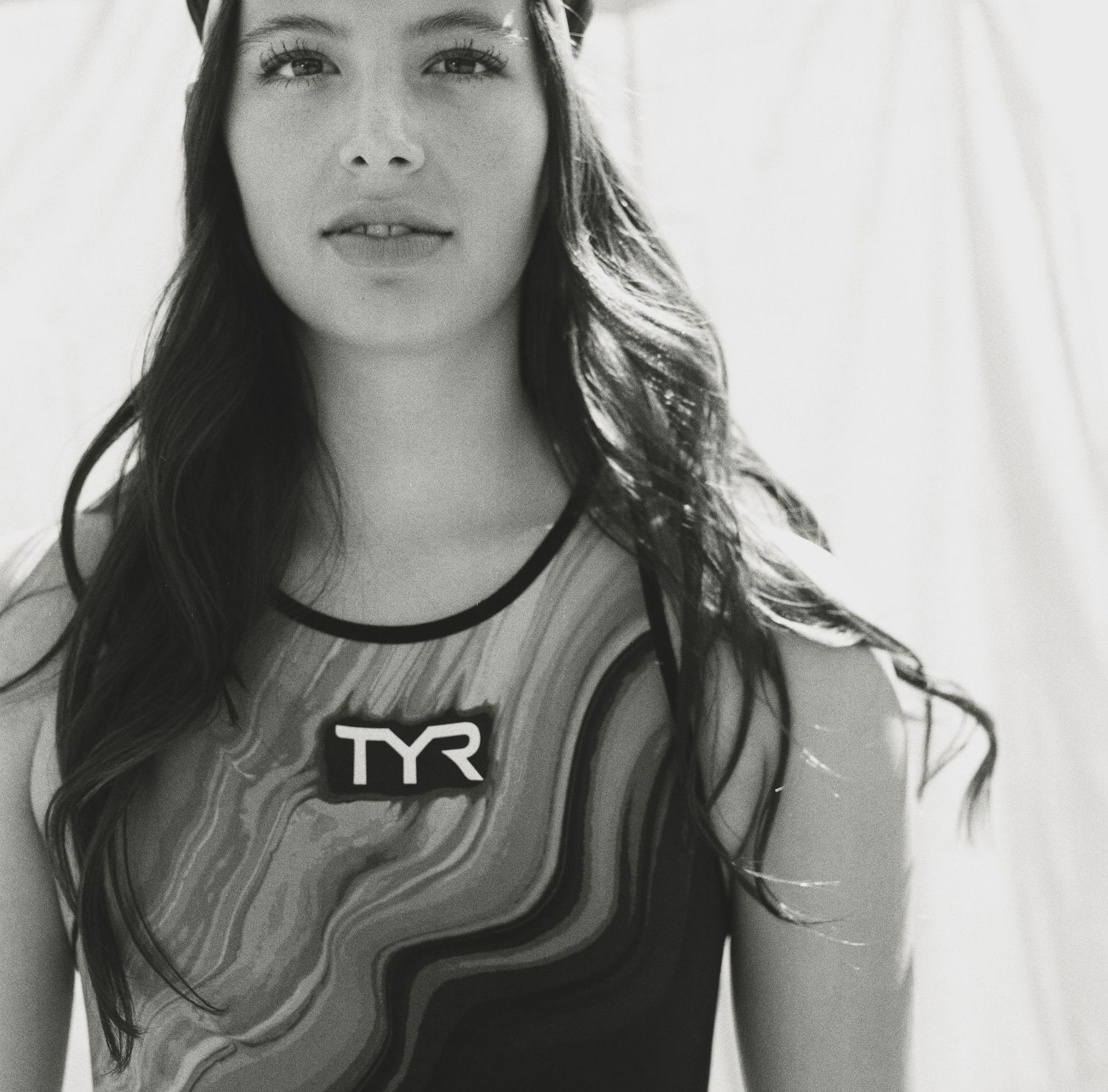
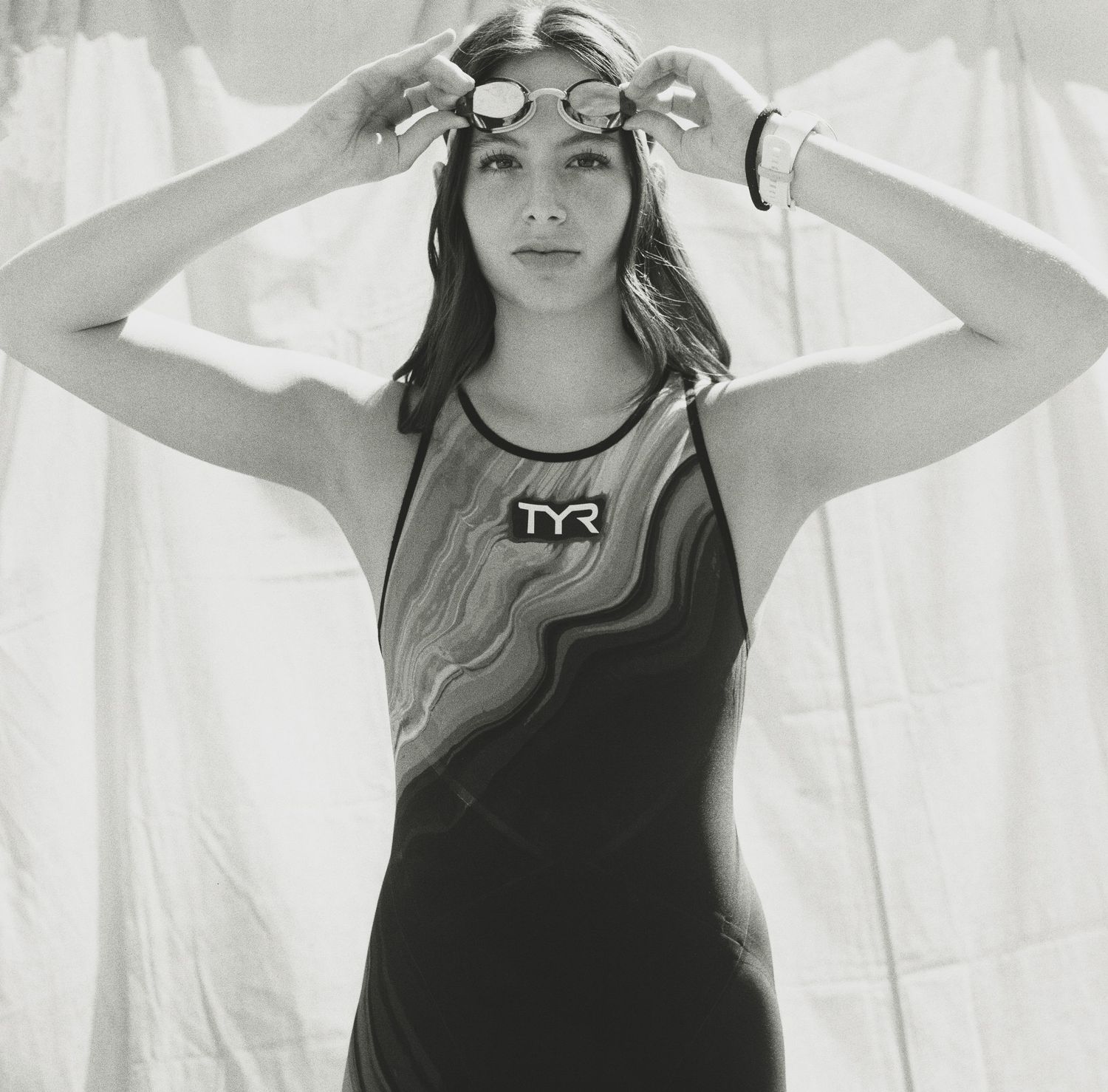


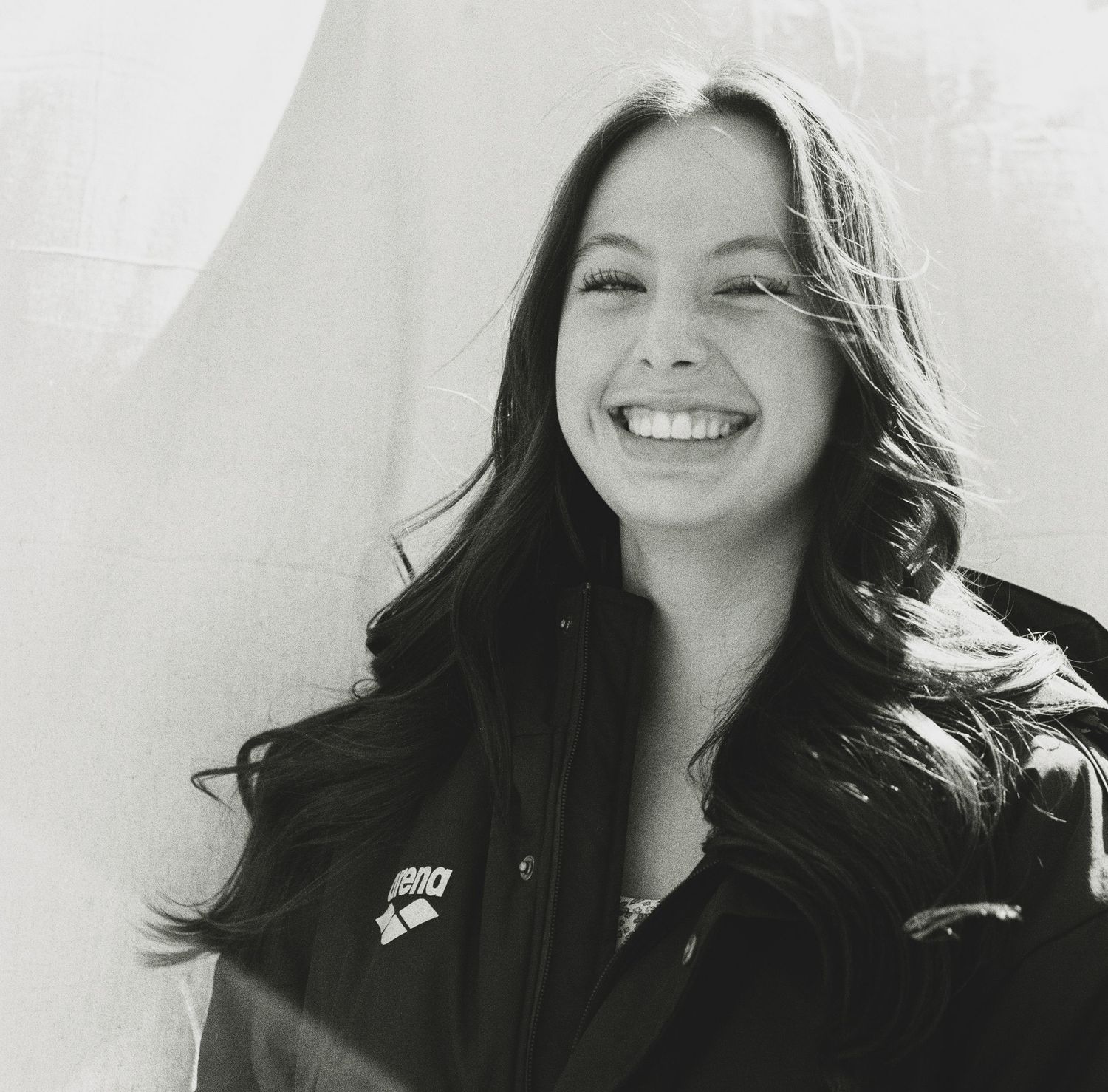


I’m here to get stronger
AN INTERVIEW WITH MILA
by
Respect Their Game
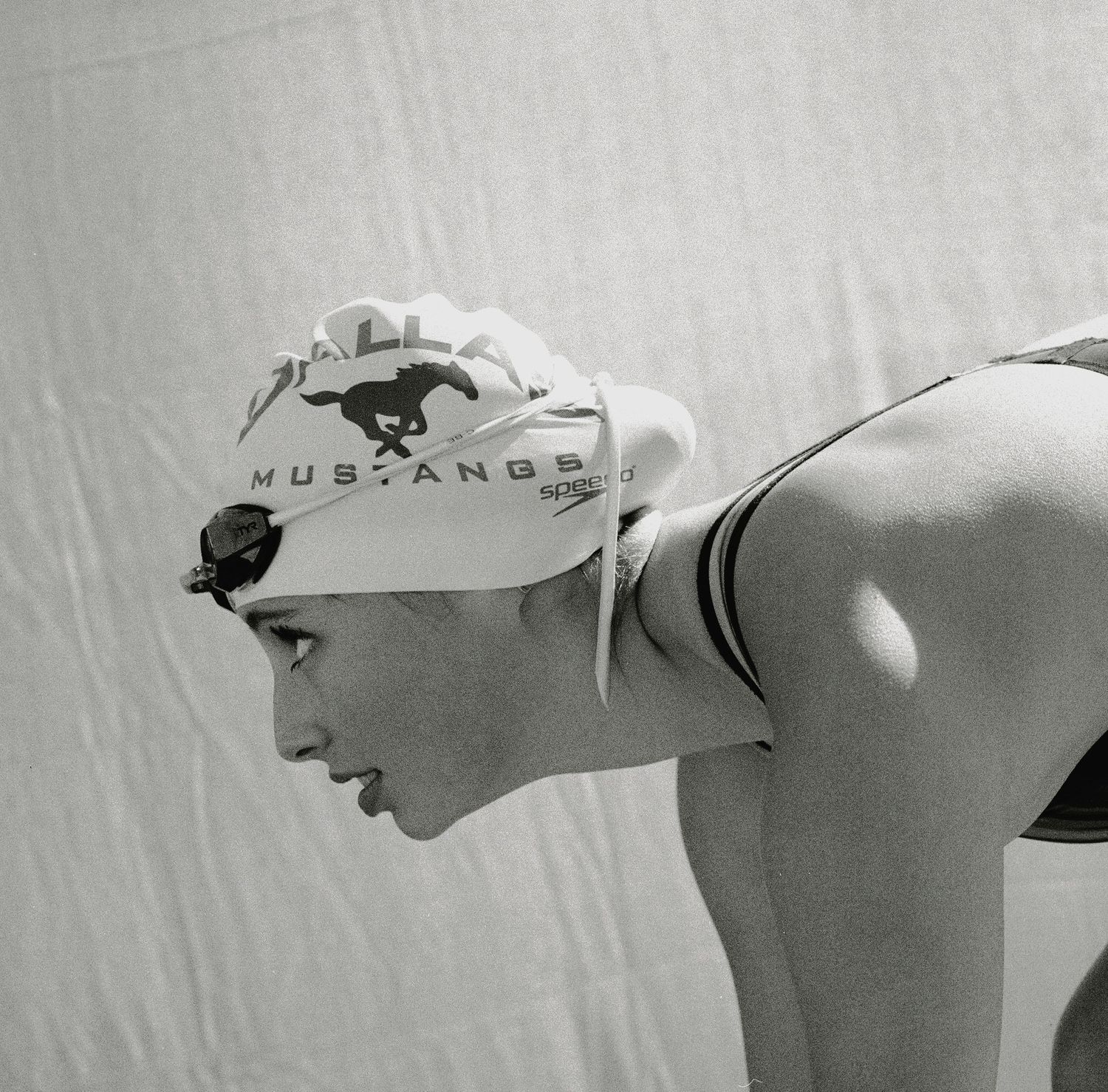
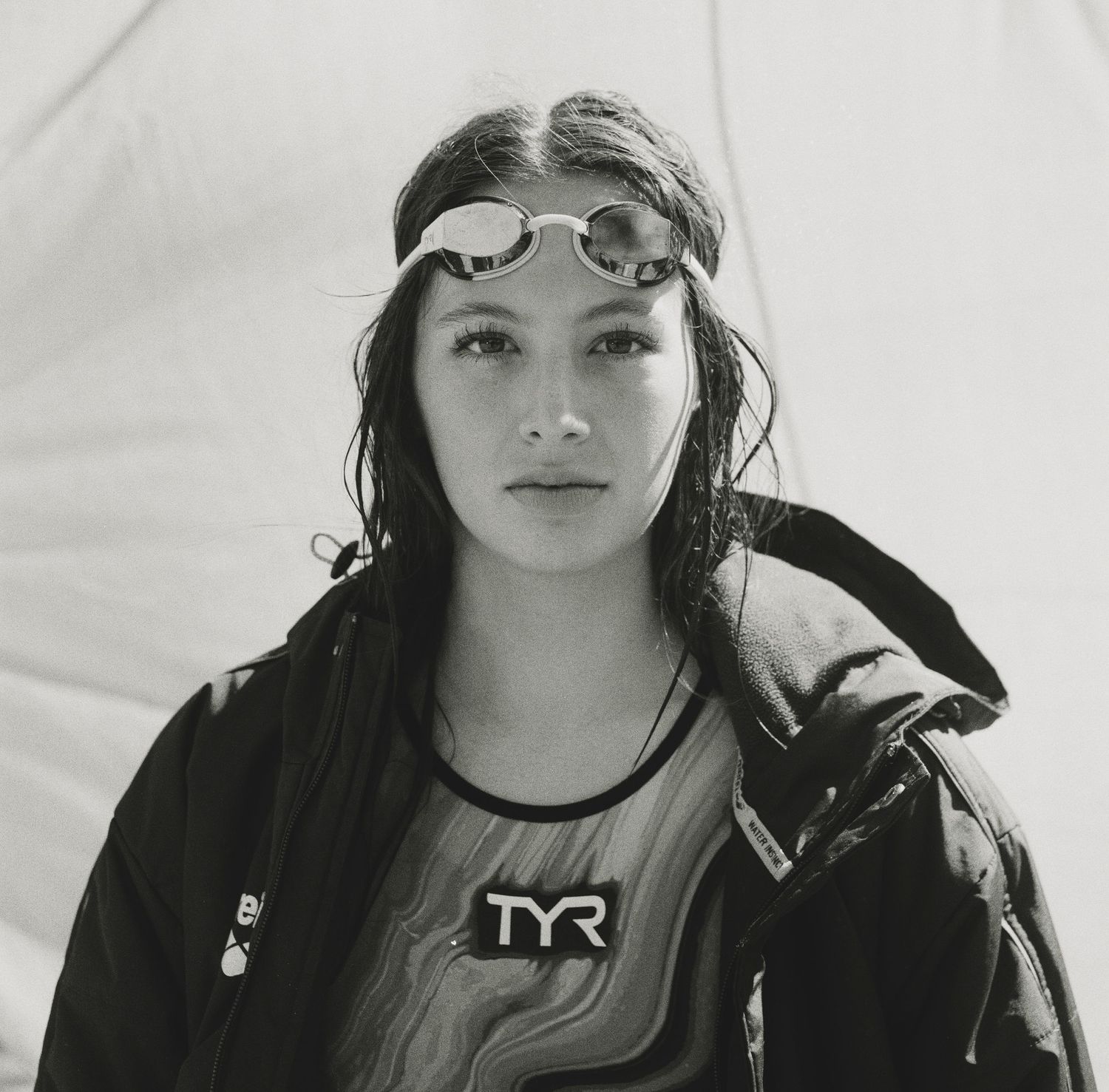
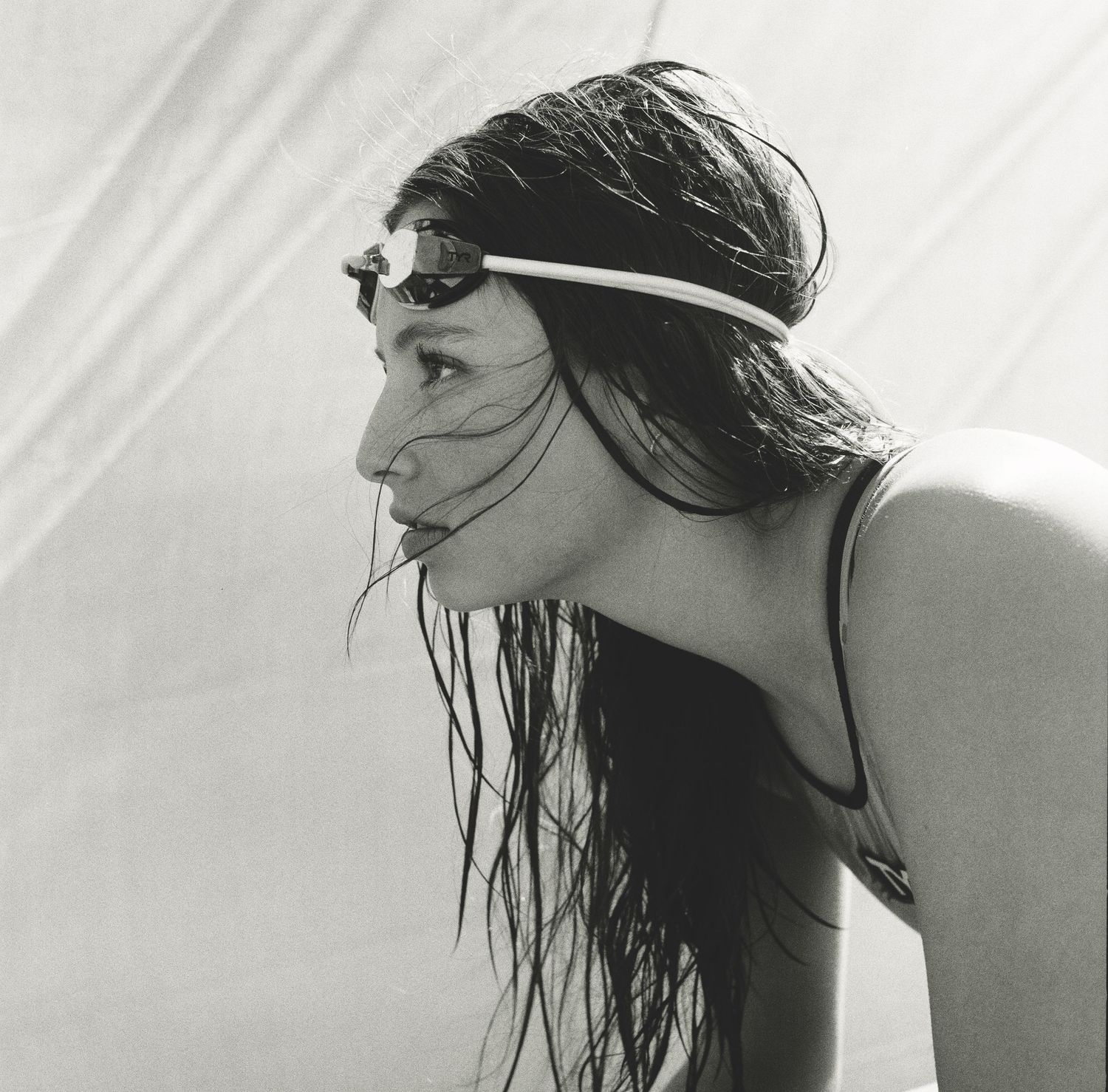
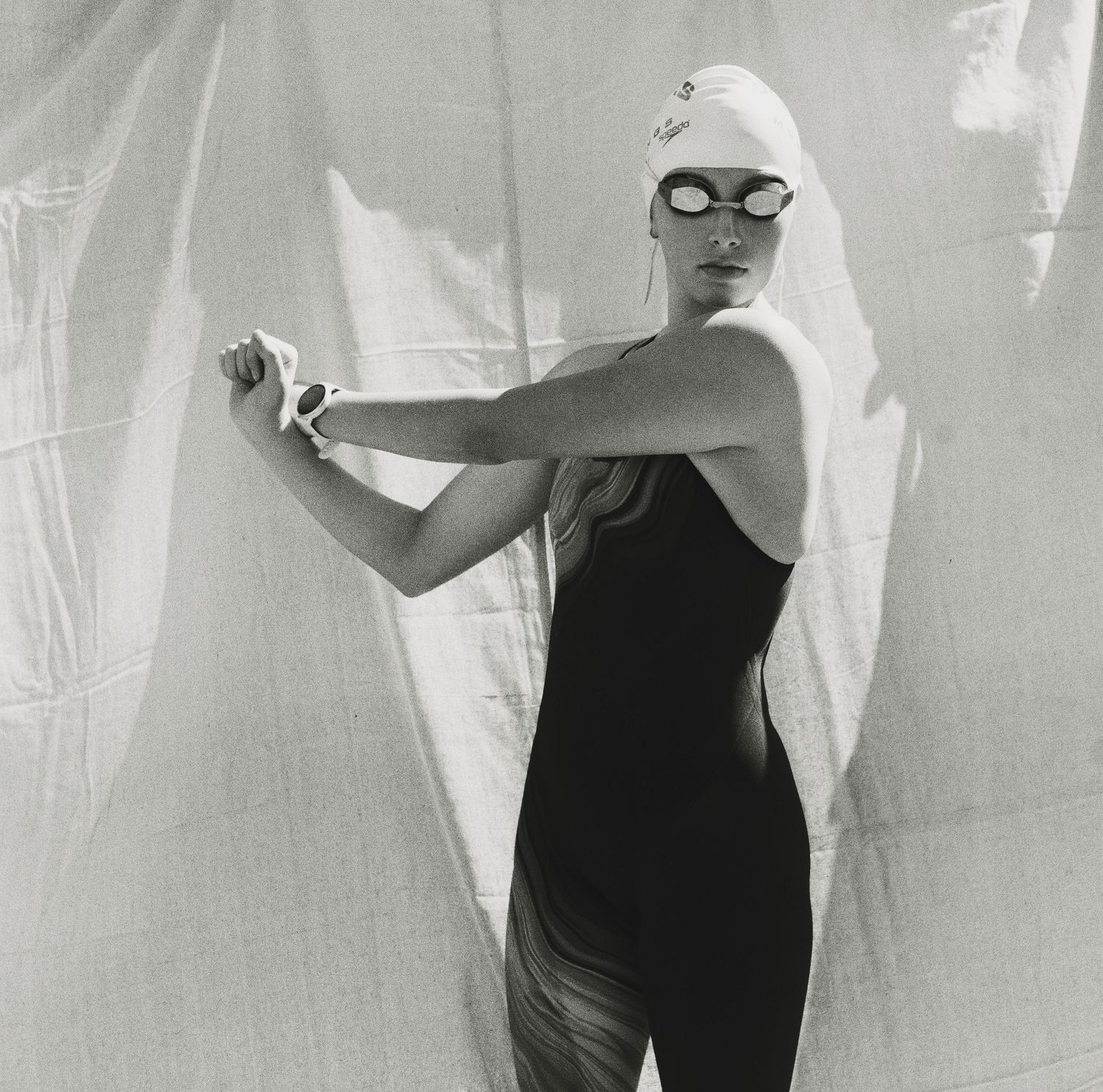
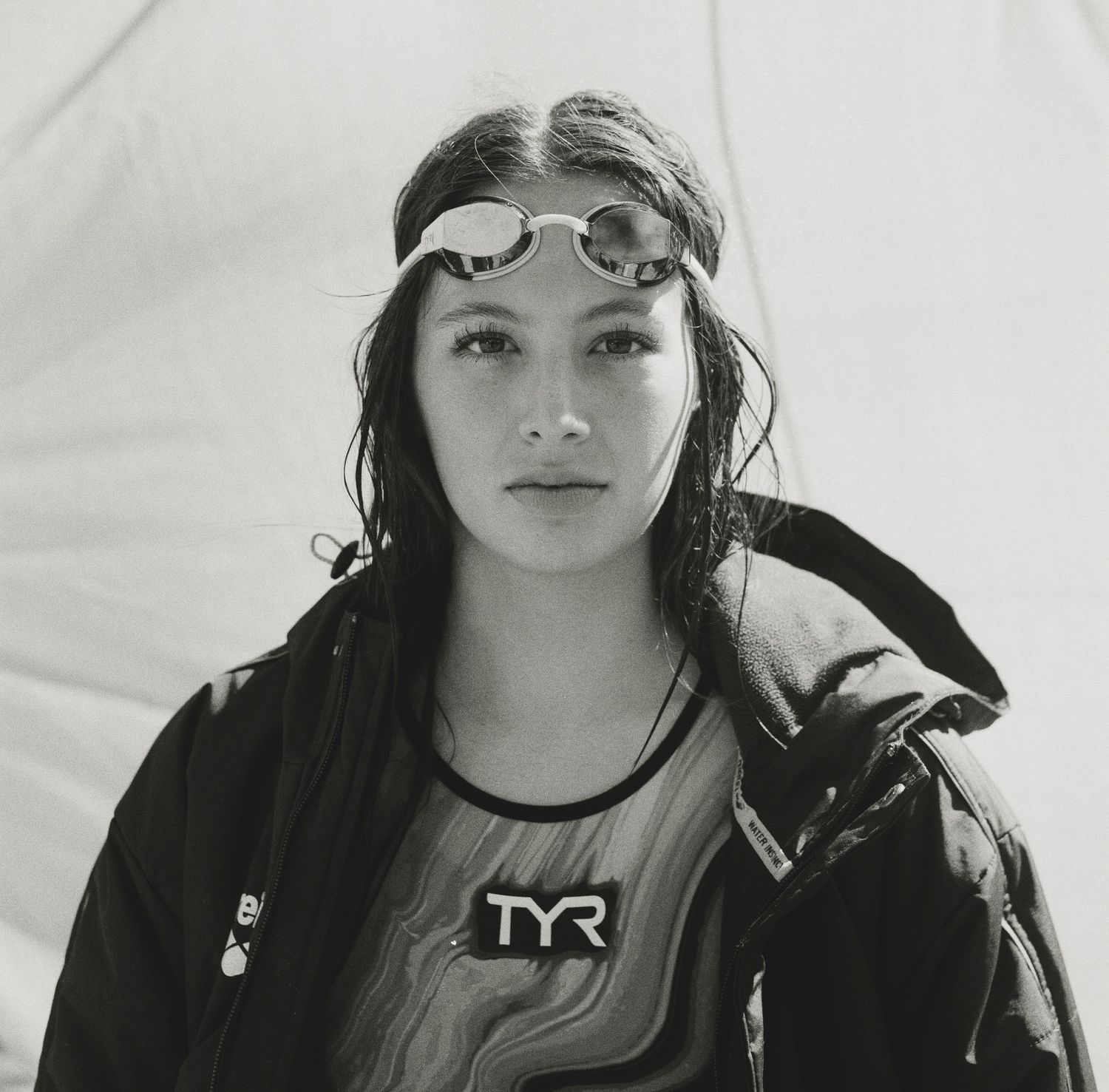
Welcome to the Respect Their Game — a collection of conversations with women athletes about commitment, identity, discipline, and the interior life of sport. These interviews are part of the ongoing portrait project documenting women in sport through film photography and their own words. Today’s conversation features Mila, a high school freshman swimmer balancing club training, school, and the mental challenges of competing as a young female athlete.
So your mom told me you’re a competitive swimmer. What does that mean exactly? Do you swim for your school?
Yeah, so I swim club all year round, and then I swim for my high school during the season. Our season just ended a couple weeks ago with our state meet, so now it’s mostly club until next year.
How long have you been swimming?
(Mila) On a team since third grade. But honestly probably since forever — just getting in the water and learning to swim and things like that.
(Mila’s mother) Since she was little, she’s loved the water. We have videos of trying to give her baths and she never wanted to get out. Being in the water always calmed her. So we thought, wow, she might actually be a good swimmer, which is why we put her in swim really young.
There was definitely a period where she didn’t want to do it though. We were doing the whole parent thing — karate, soccer, tennis, gymnastics — and I think there was a time she was just like, I don’t want to do any sport. But swimming always stuck.
Even now you can tell — when she’s in the pool, it kind of takes her somewhere else.
You started swimming in third grade. What made you stick with it?
I think I couldn’t really do any other sport. (laughs) I’m really bad at throwing a ball or kicking stuff or doing anything in a direction. So I just did swim. My parents were always like, you have to do a sport, so I stuck with it — but I actually hated it until maybe fifth or sixth grade.
Then I went to a UT swim camp. You go there, stay overnight, and just train. And I was like, okay wait… I actually really like this.
That’s when I started thinking I could be good at it if I trained and worked hard. So I started doing that and I kept getting faster. The coach I moved to really helped with that — she was like, okay, you need to train like this, I’m going to help you. I started doing privates with her and just kept dropping time.
So I guess I started late in really deciding I wanted to do this. A lot of the girls my age had already moved up to the gold group maybe a year before me. I moved up in October 2024, and since then I’ve just been trying to get faster and make those competitions.
You mentioned getting stronger. Is that more about health or competition?
I think it’s both. I just don’t want to be unfit and I want to look strong. I love having muscle and being maybe stronger maybe than the girls around me. And for me, that’s just so fulfilling, knowing that I’m doing all this hard work and it’s paying off and getting me faster, making me look stronger and stuff. And I just love that.
And every time I get in the pool I’m like, okay, I’m here to get stronger, to get faster.
Of course sometimes I’m still like oh my gosh I’m so tired, I want to go home, I have homework.
But I also have this mindset now that I’m doing it to help myself improve and beat people in races.
Do you think that mindset comes from your parents?
Especially my mom because she’s more on the nutrition side than the exercising side. And my dad has always been like, okay, yeah, we need to go to the gym, we’re going to go for a run, we’re going to ride our bikes, let’s go swim. And of course I’m always like, oh my gosh I don’t want to do that. But I think that’s definitely where some of it comes from.
But I also think it’s a big swim thing. In my friend group we’re always talking about it — like, I’ve been doing this workout, or I’ve been eating more protein so I can build more muscle. We’re always talking about training or going to the gym, so it definitely feels like a big swim community thing.
So it’s like a culture.
I think it’s also because so much of our skin is exposed. We’re basically just walking around in swimsuits all the time.
So you kind of want to look strong when you’re around all these other swimmers who also look strong. And I think there’s also a little bit of insecurity in it too. Nobody wants to look weak or flabby because it almost makes you look not fast.
When you’re behind the blocks you’re looking around and you’re like, oh… she looks fast. She has a lot of muscle.
And I think part of it is also trying to scare the competition a little bit — just look strong and confident.
That motivates you.
Your mom mentioned you recently changed coaches from a male coach to a female coach. Has that helped?
She’s always trying to help her swimmers get faster. She’s not just doing it to run practice — she really wants to get kids to these competitions and help them reach their goals.
What’s a normal training day like?
It kind of depends. If I have morning practice for high school — because in the summer we do morning practice for club — I’m getting up at 5:20 in the morning.
I usually pack everything the night before, so in the morning I just put my swimsuit on, brush my teeth, eat something quick, and go. At the beginning of the year I was eating rice cakes with peanut butter, but I ate them so much I got sick of them. Recently I’ve been having toast with peanut butter and banana.
Then I head to practice. High school practice isn’t quite as rough — usually about 1,000 to 5,000 yards, depending on the day. It’s about an hour and a half.
After practice we’ll shower there at school and then go to class, which is kind of funny because you’ve already had a whole workout before the day even starts.
If it’s club, it’s different. I’ll go through the whole school day first, eat a little snack to get my energy up, and then go to practice after school. Sometimes I bring my stuff to school, sometimes my mom brings it and picks me up.
Club practice is longer — around 6,000 to 7,000 yards, so about two hours in the pool…it’s a lot.
After practice I’ll usually drink chocolate milk because it helps with recovery. Then I go home, do homework, and go to bed.
I love sleeping, so I’m usually in bed by 9 or 10, especially if I have another 5 a.m. practice the next day.
Do people at school mostly know you as an athlete? Is that kind of your identity?
Probably not. I’m a freshman, so you don’t really know that many people yet, and there are just so many kids. And swimming is such an unknown sport. People think you’re just jumping in the pool and doggy paddling.
Whenever someone finds out I swim they’re always like, oh my gosh, you swim? What do you do? They’re so surprised.
I also do theater, and I think more people know me for that because of the school shows. Swimming is kind of my secret life. I have my swim friends, but at school I think I’m mostly just seen as a student, not really an athlete.
What do you wish people understood better about women in your sport?
I think people don’t realize how much commitment there is, and how hard it is mentally — especially for girls. When you’re a teenager that’s the time you’re training really hard, trying to get faster, trying to make big meets or even swim D1 someday.
But for girls, once they hit puberty, it’s like you start to plateau.. It gets harder to drop time and build muscle. Meanwhile the boys hit puberty and suddenly they’re getting so fast. I have guy friends I used to beat when we were 12 or 13, and now they’re dropping huge amounts of time.
I have a friend who tells me, no, you’re doing fine, you’re not slow. But that’s from a boy’s perspective — they don’t really see what we go through. Last summer he had a 1:20 in his 100 free, and now he’s down to 0:54. Dropping 26 seconds in a few months is insane. Part of it was training harder, but he also turned 14, got taller, and everything just started clicking.
And I’m sitting there thinking, okay… what’s going on? I want to be dropping that much time in my events.
For girls it’s different. Sometimes you’re dropping milliseconds instead of seconds, and that can be really frustrating when you’re trying to make a cut.
Even for me, if I don’t do well in practice I’m like, oh my gosh I’m so slow, I need to get faster. And there are so many reasons it can happen — sleep, food, hormones, even your period — but a lot of the time you just put it on yourself and think, I’m not good enough.
When you mentioned hormones, it sounds like it’s mental and maybe physical.
It’s both. Yeah because just all the scientific facts about it, unless you’re so committed, not many teenagers know about that. And I mean my mom, she ties into that so much. And so I think I’m definitely more known and I’m a lot more conscious about what I’m eating. I know that I need to be eating carbs and no red meat the night before a swim meet where I’ve had friends who are eating pizza and all this stuff and they just don’t know.
Are you working towards something in your sport? Are you trying to play at the next level, like college?
Yeah, I definitely want to keep swimming. I want to swim D1 in college, and one of my goals would be to win an NCAA or at least get top three. I know that’s really hard because there are Olympians in college swimming for those titles, and it’s like, oh my God, whatever.
But my big reach goal would be making Olympic Trials. Not 2028 — I haven’t been training long enough for that. But 2032, I’ll only be 20, which is still young. Even if I didn’t make the Olympic team, just making trials and saying I did that would be really cool.
Thank you to Mila for her time and trust. If you know an athlete whose story deserves documentation learn more about the project here. Respect Their Game remains reader-supported. If you value this work, consider pledging support to help expand the archive.