07
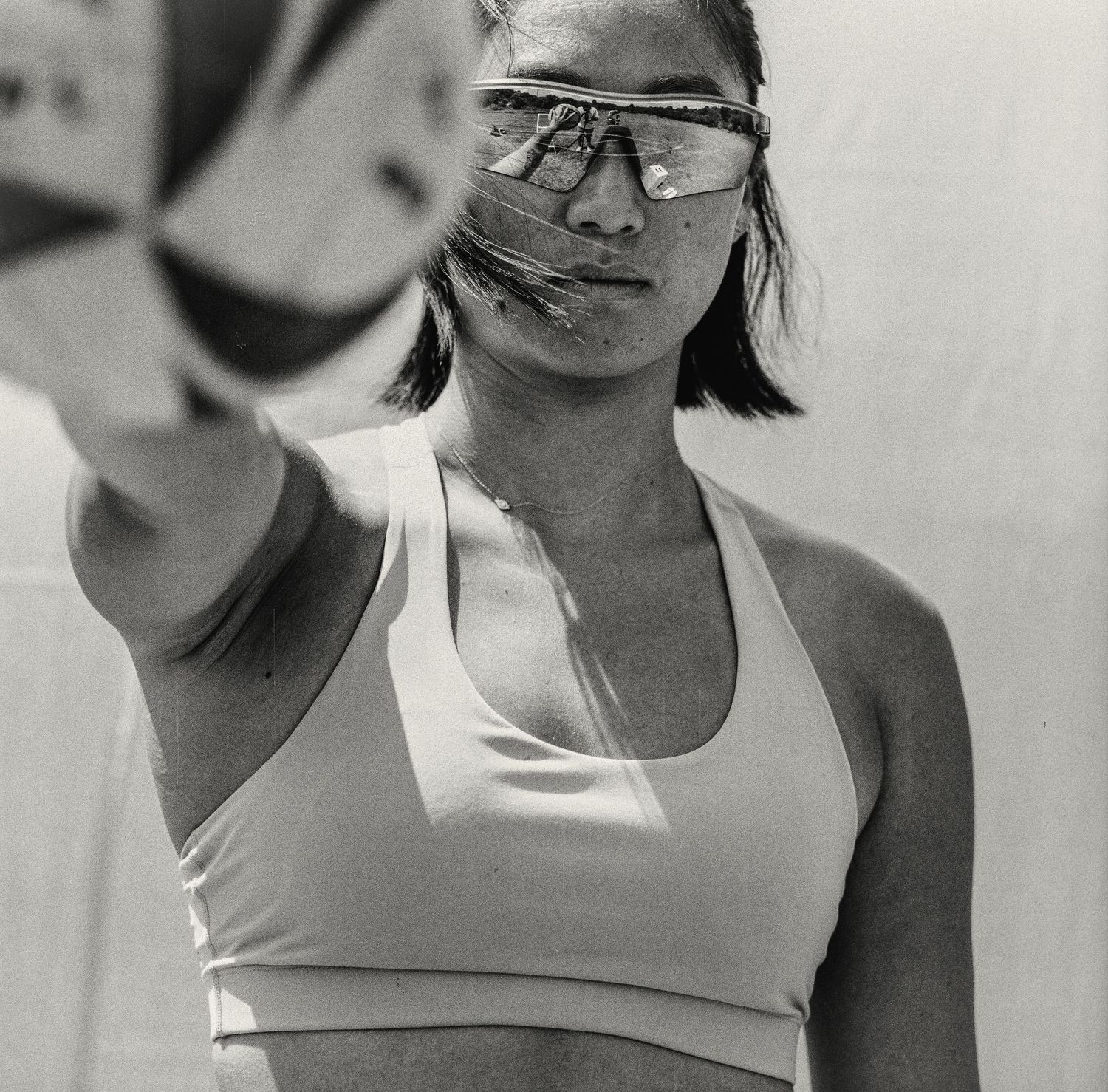
VOLLEYBALL / COLLEGIATE CLUB / AUSTIN
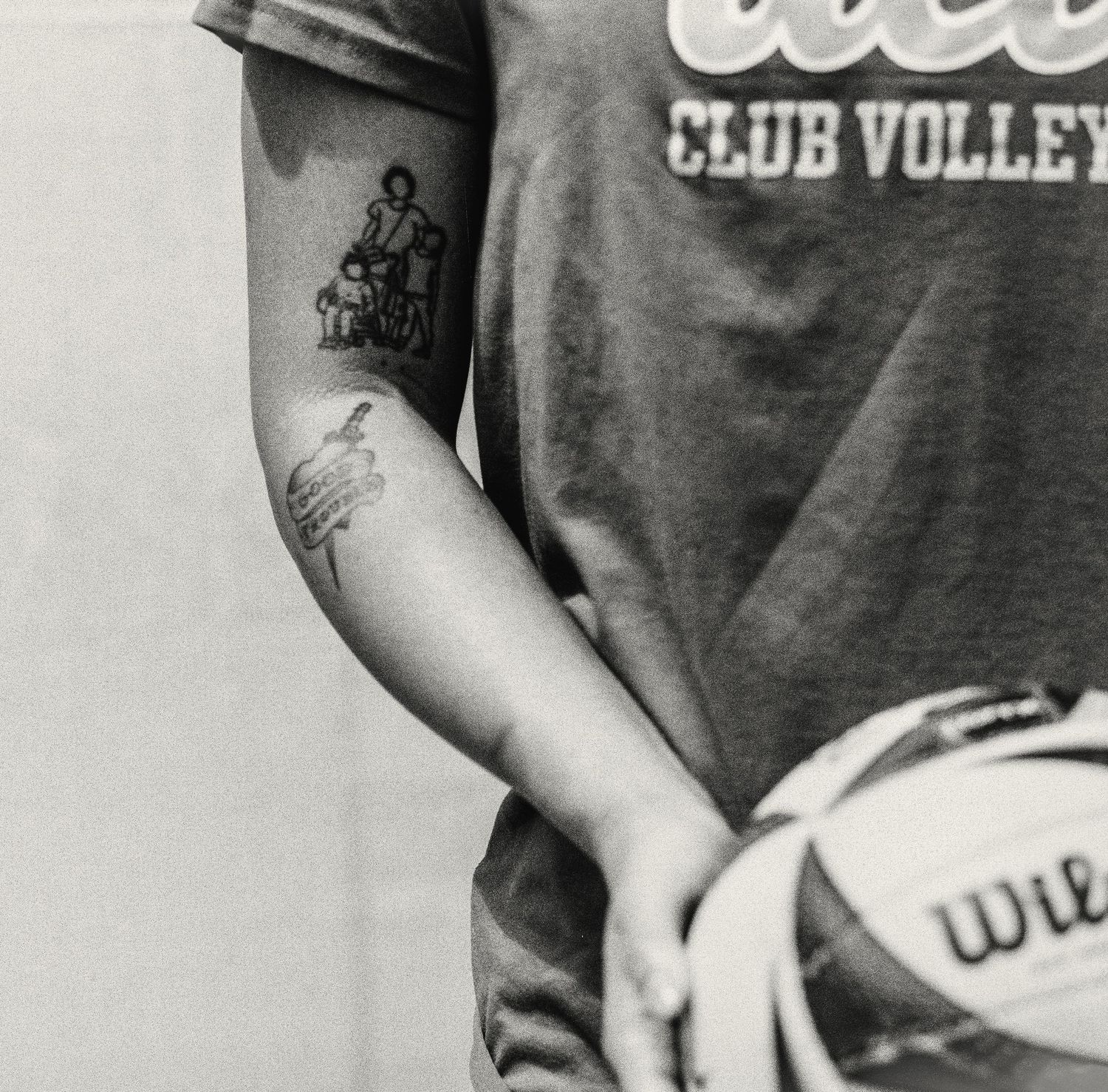
Aileen
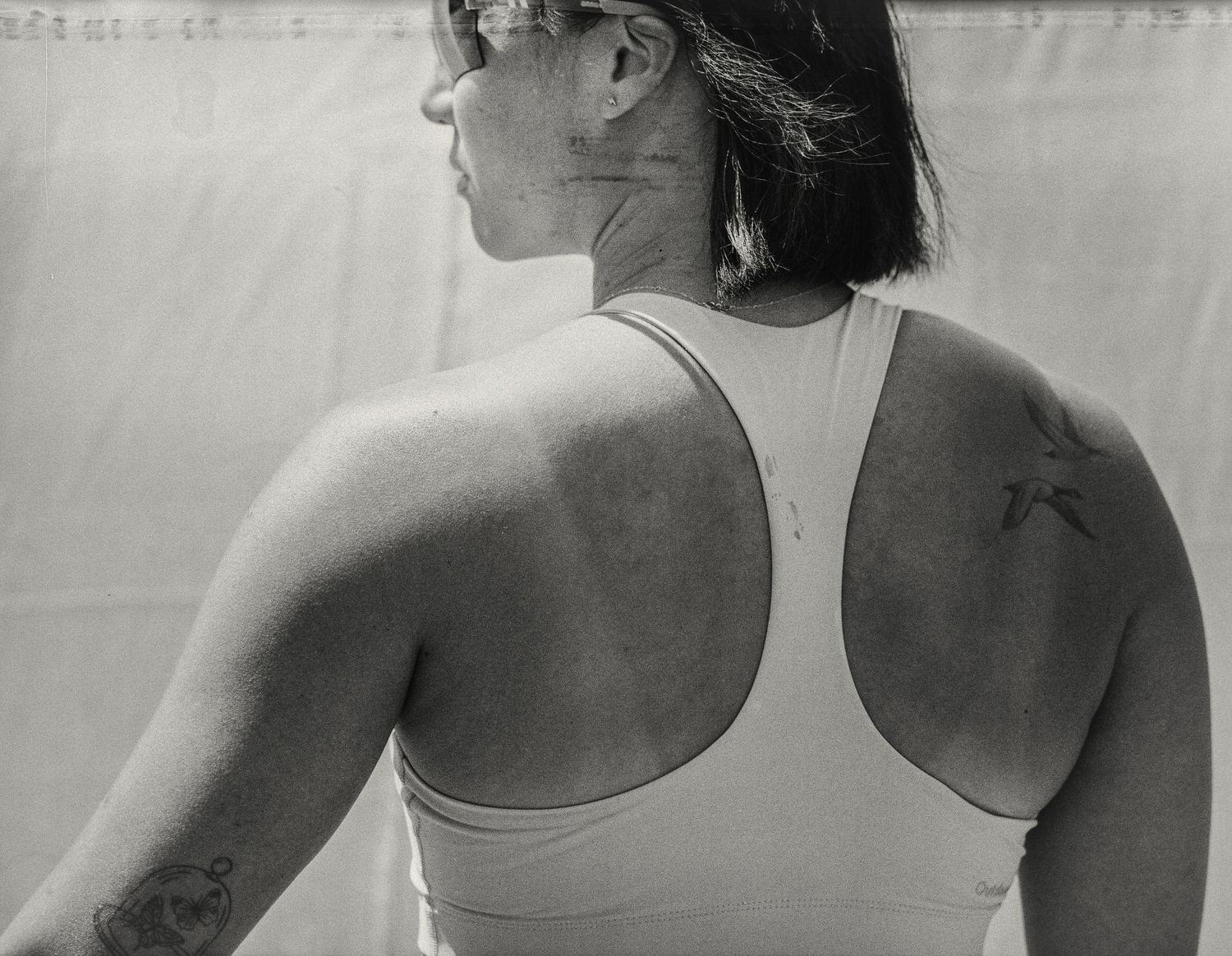
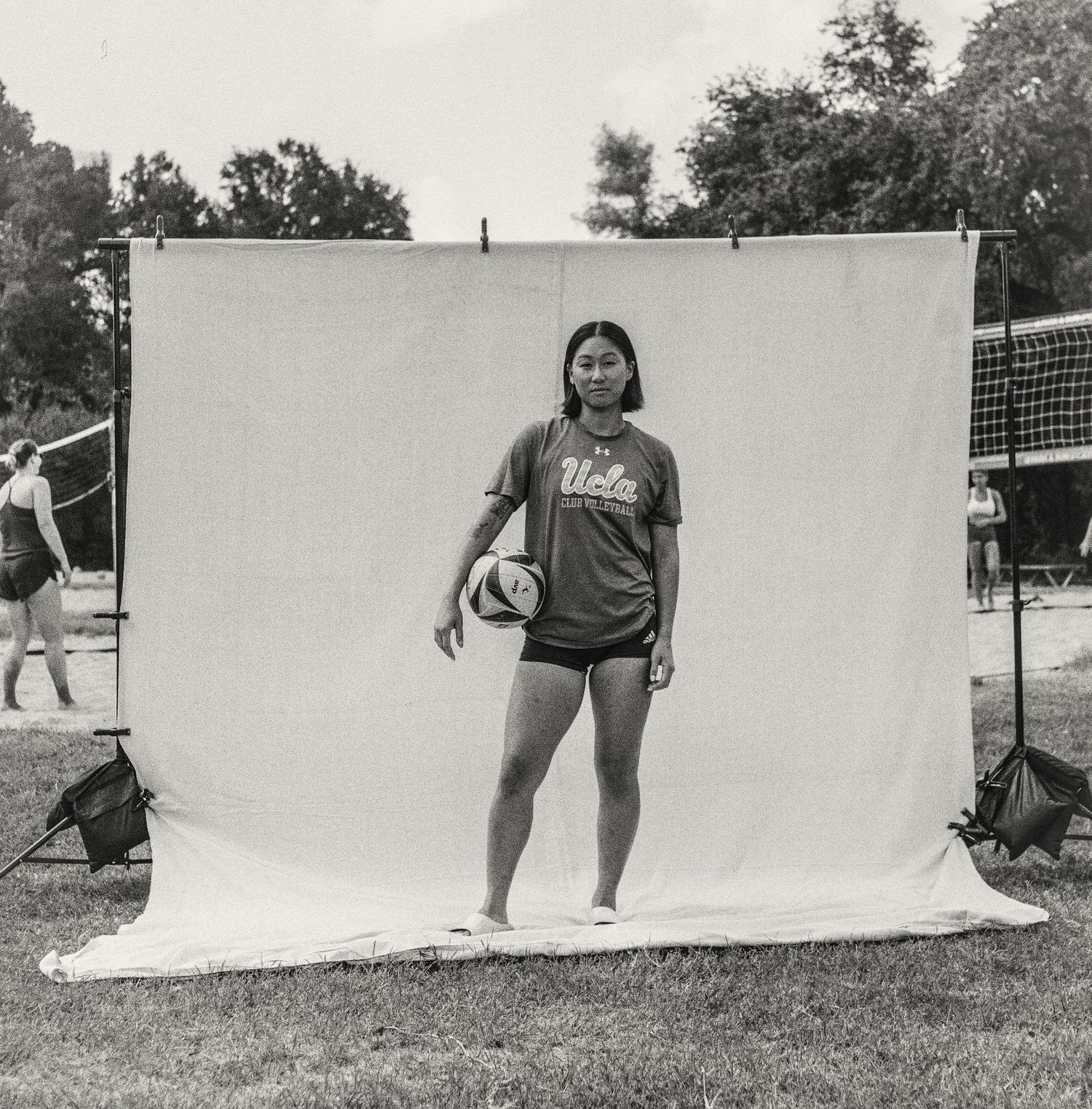
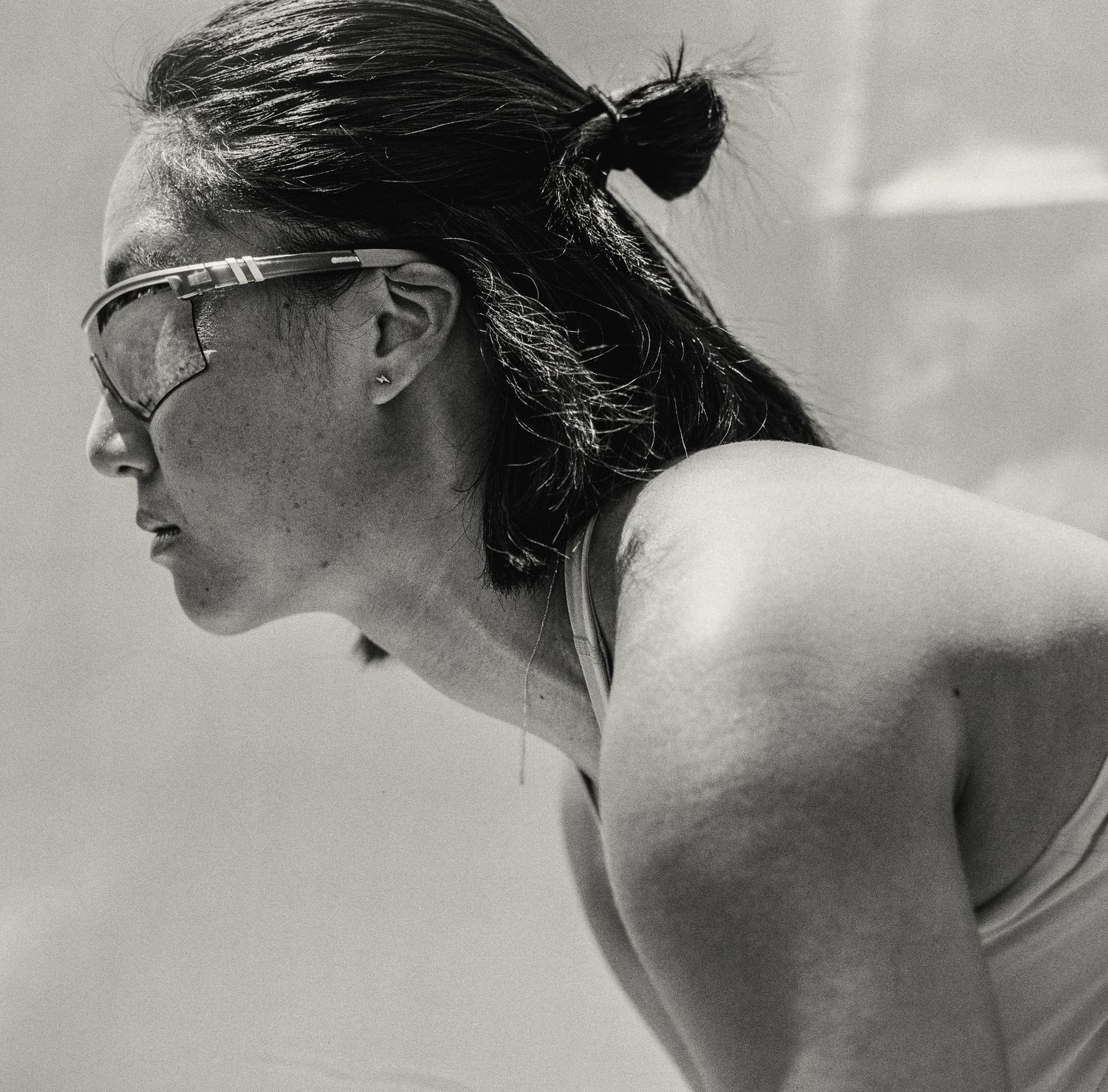
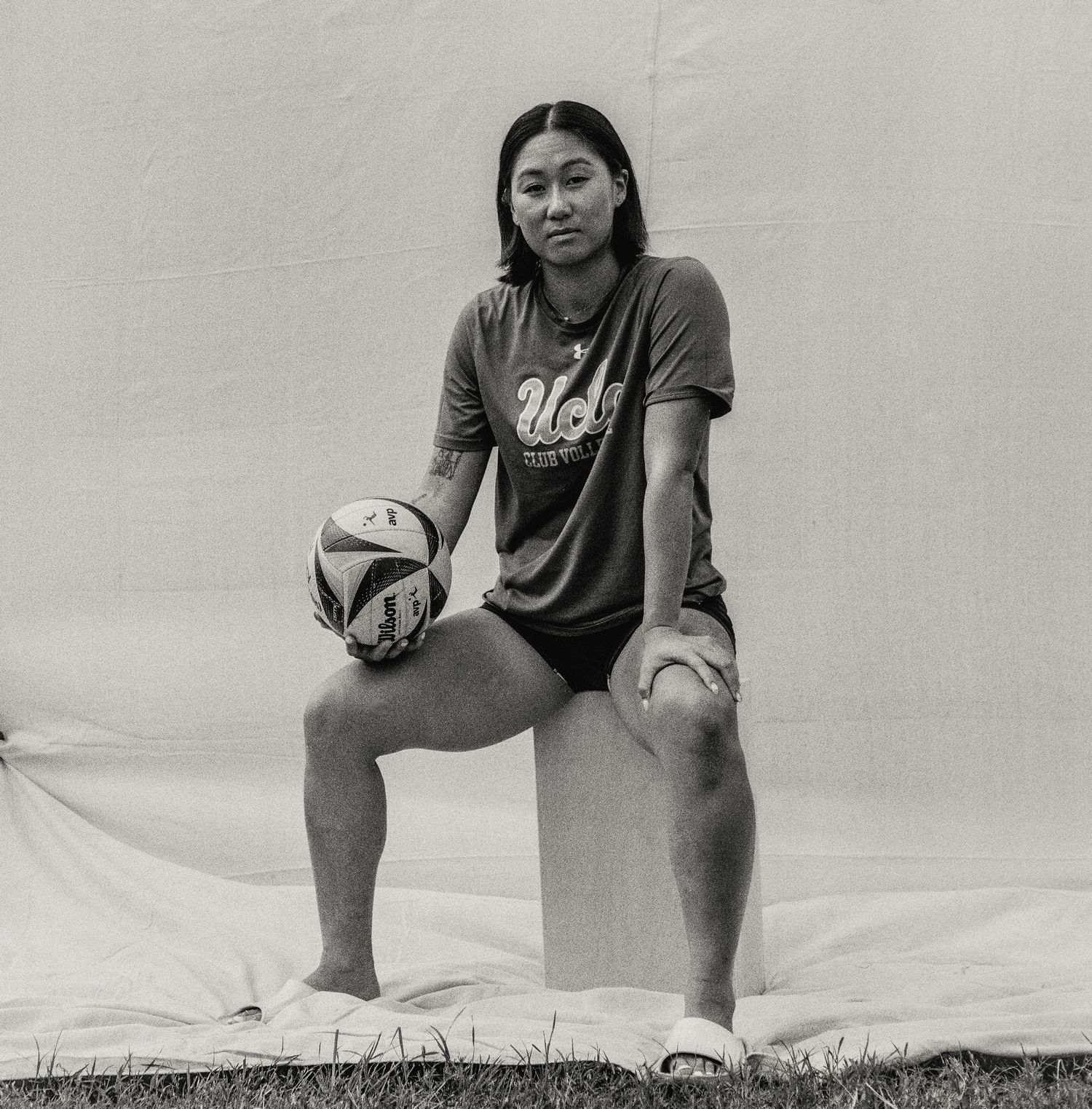
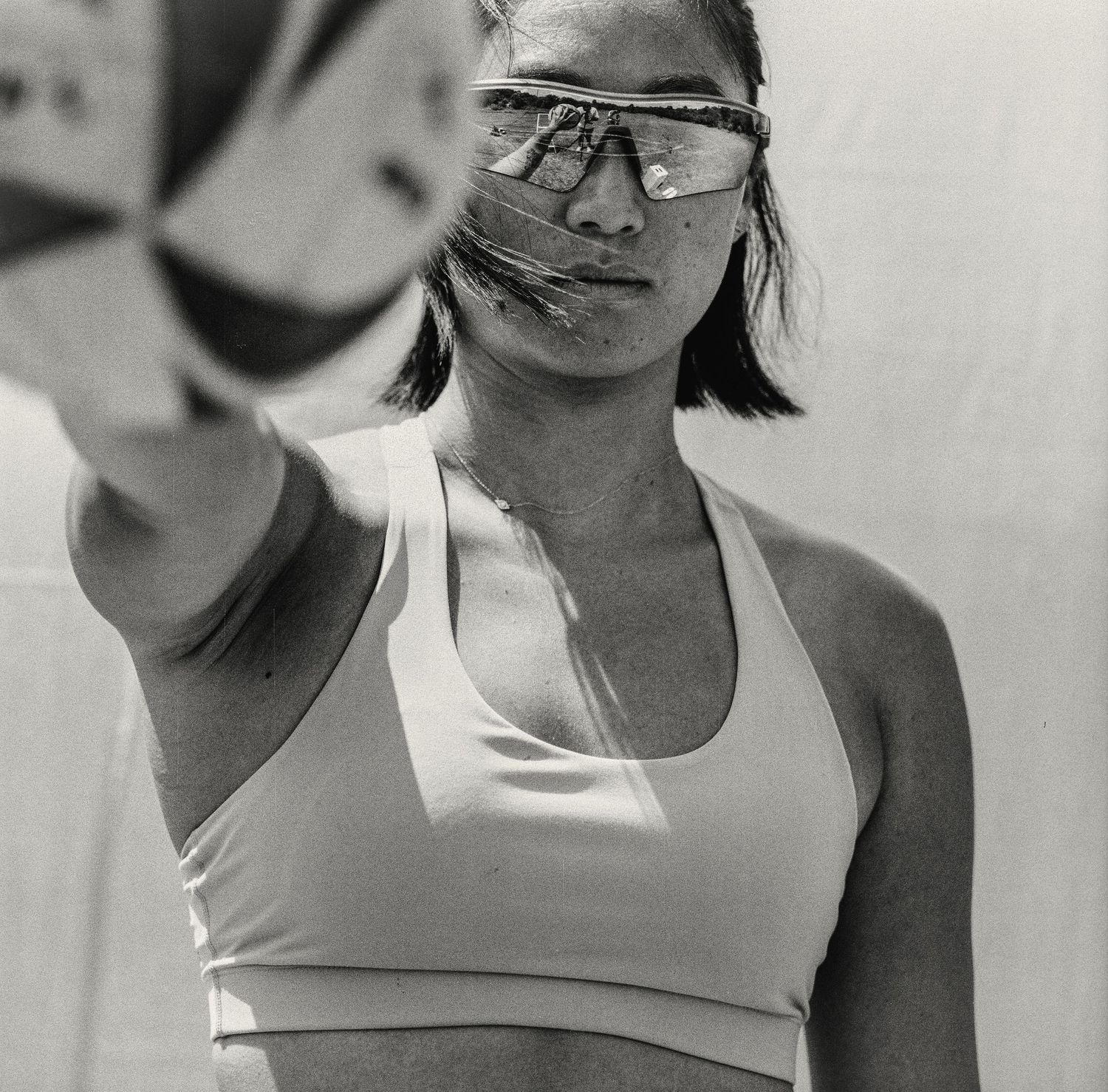
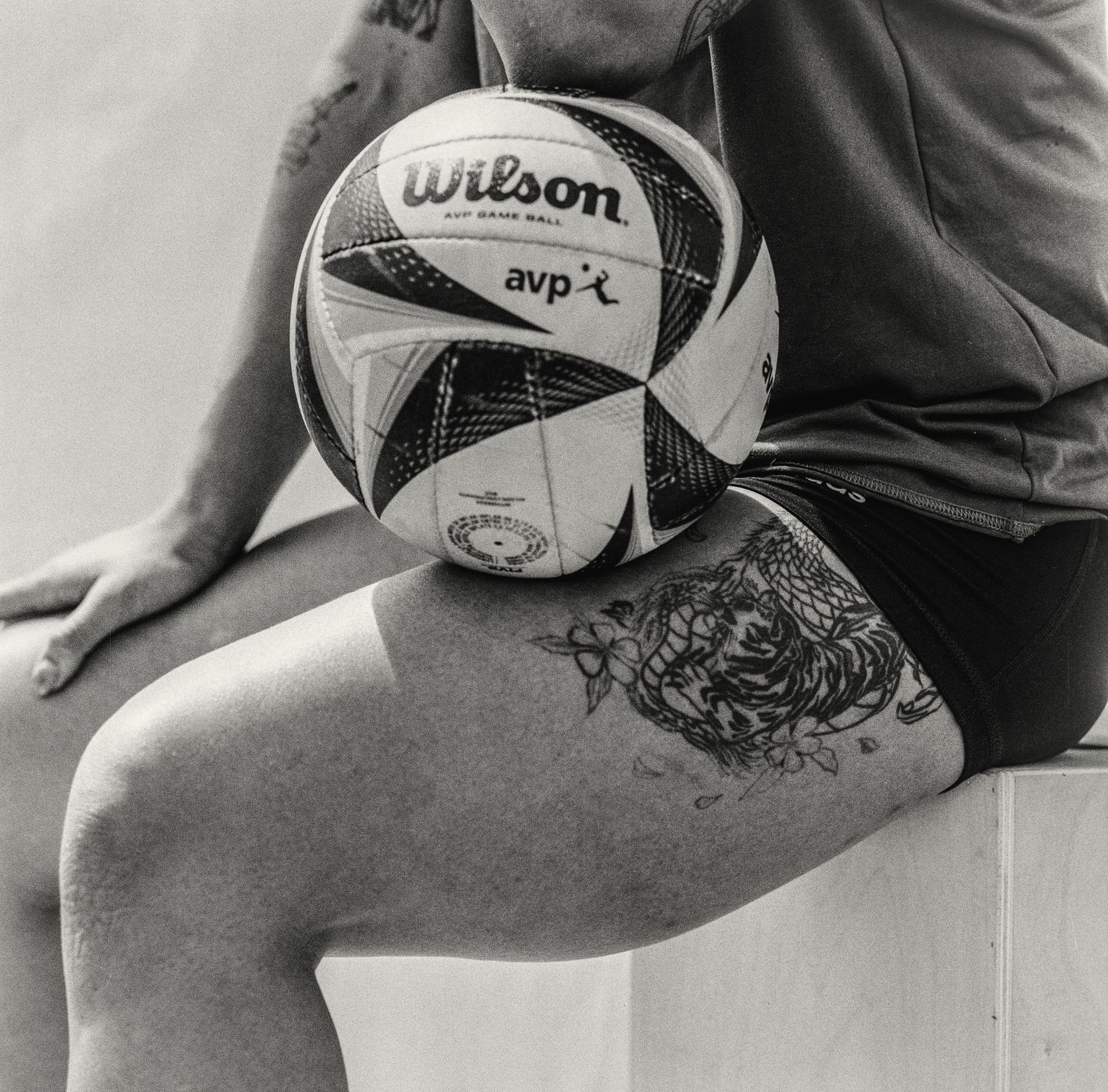
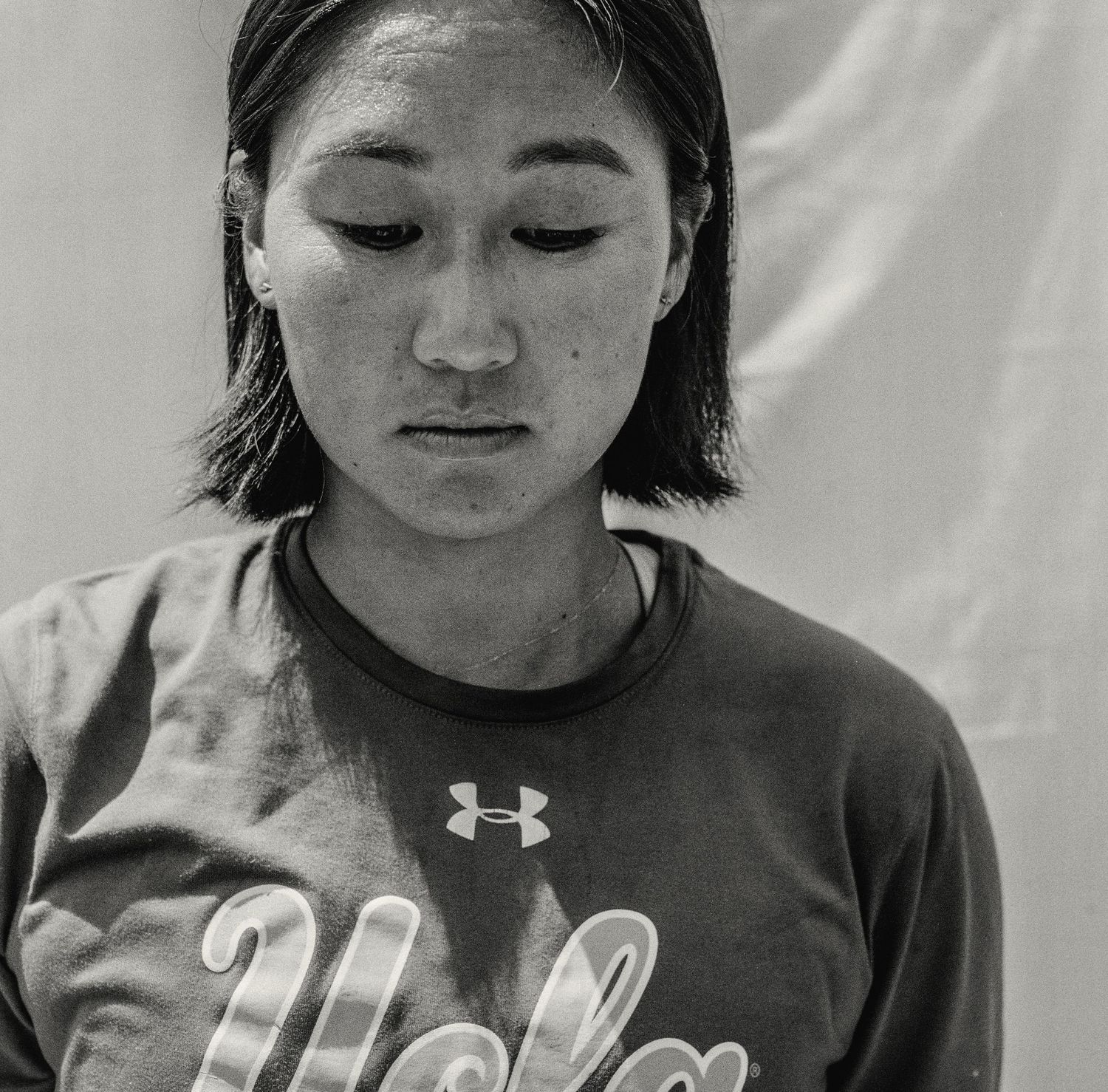
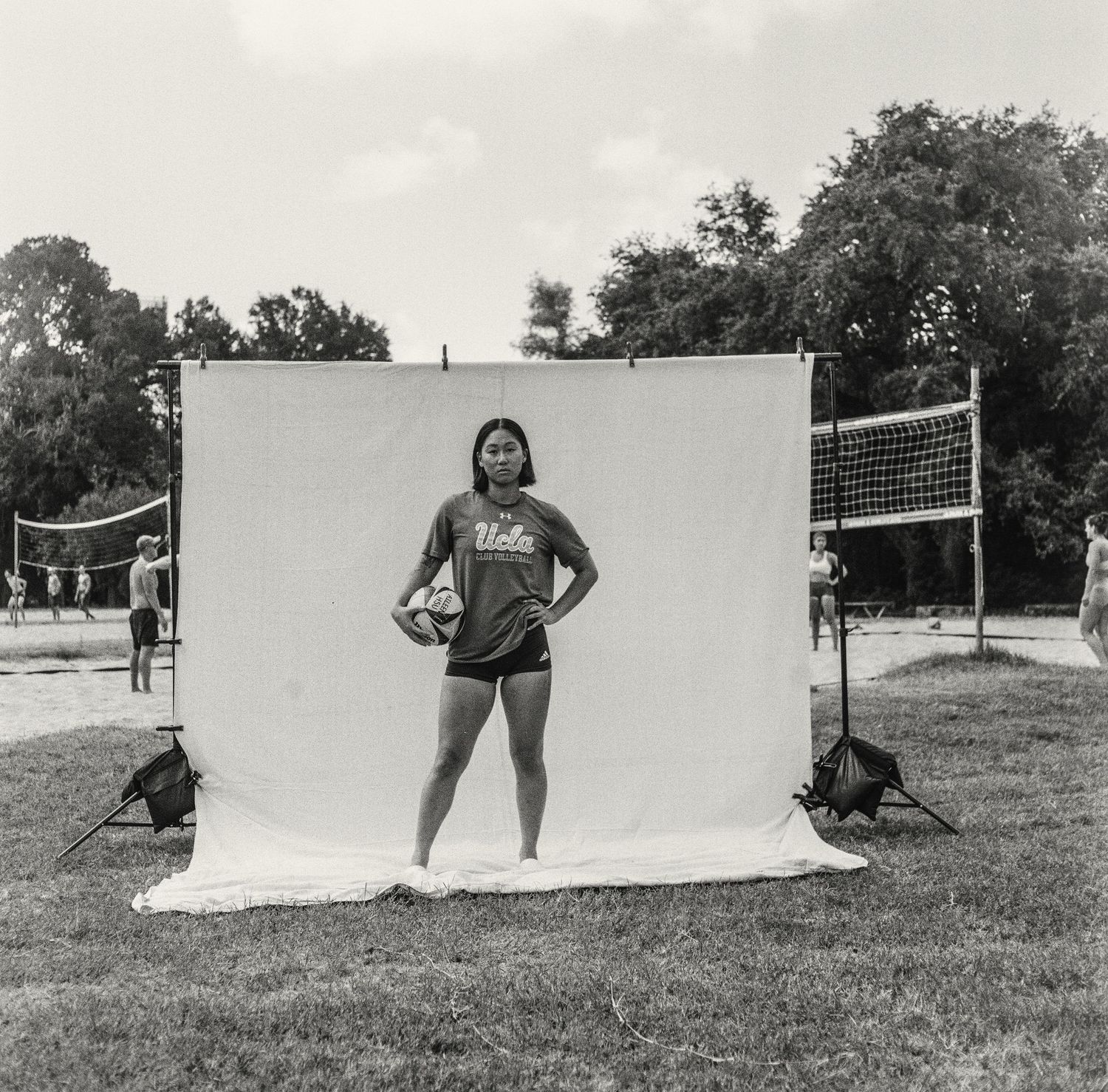
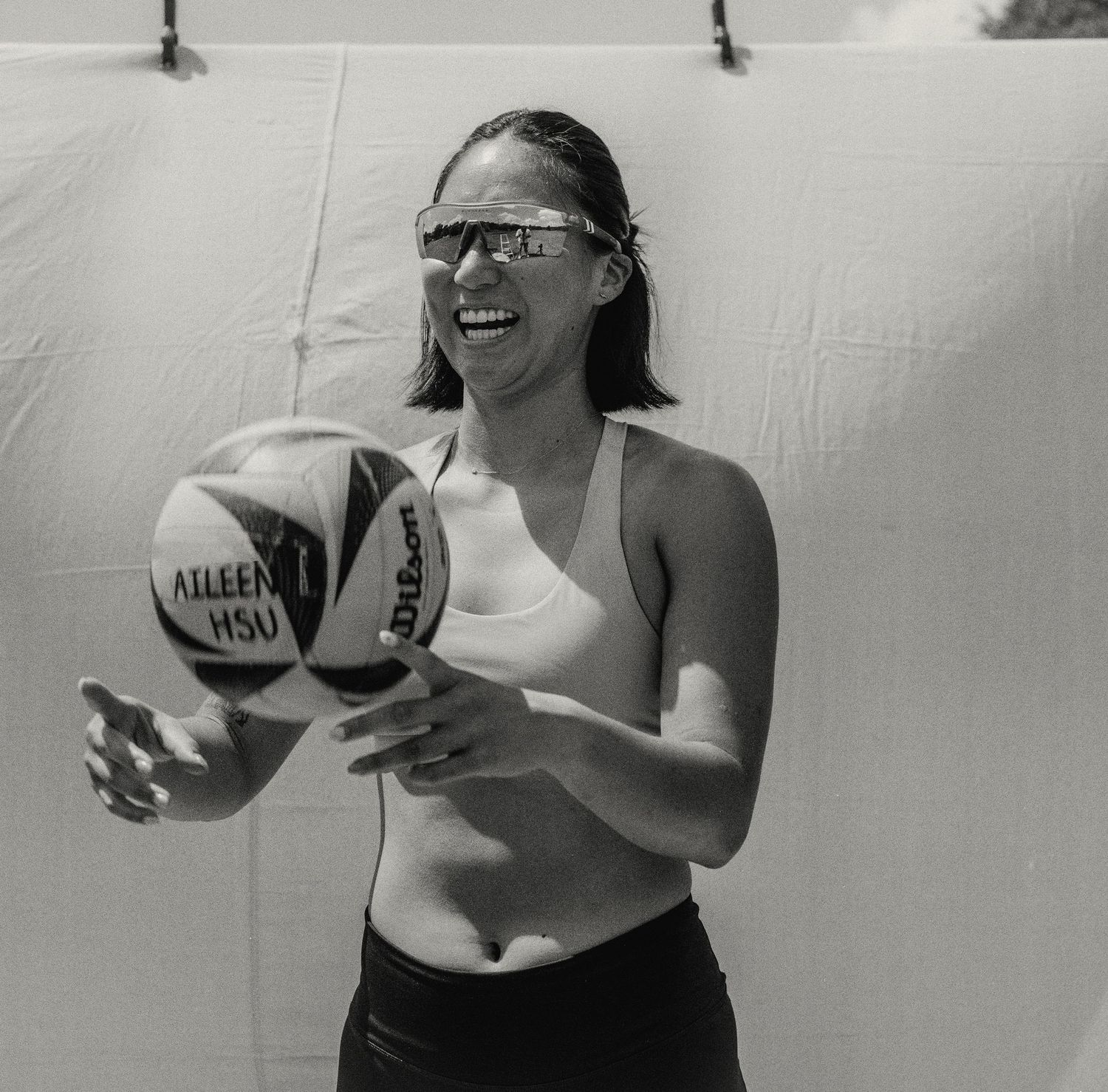
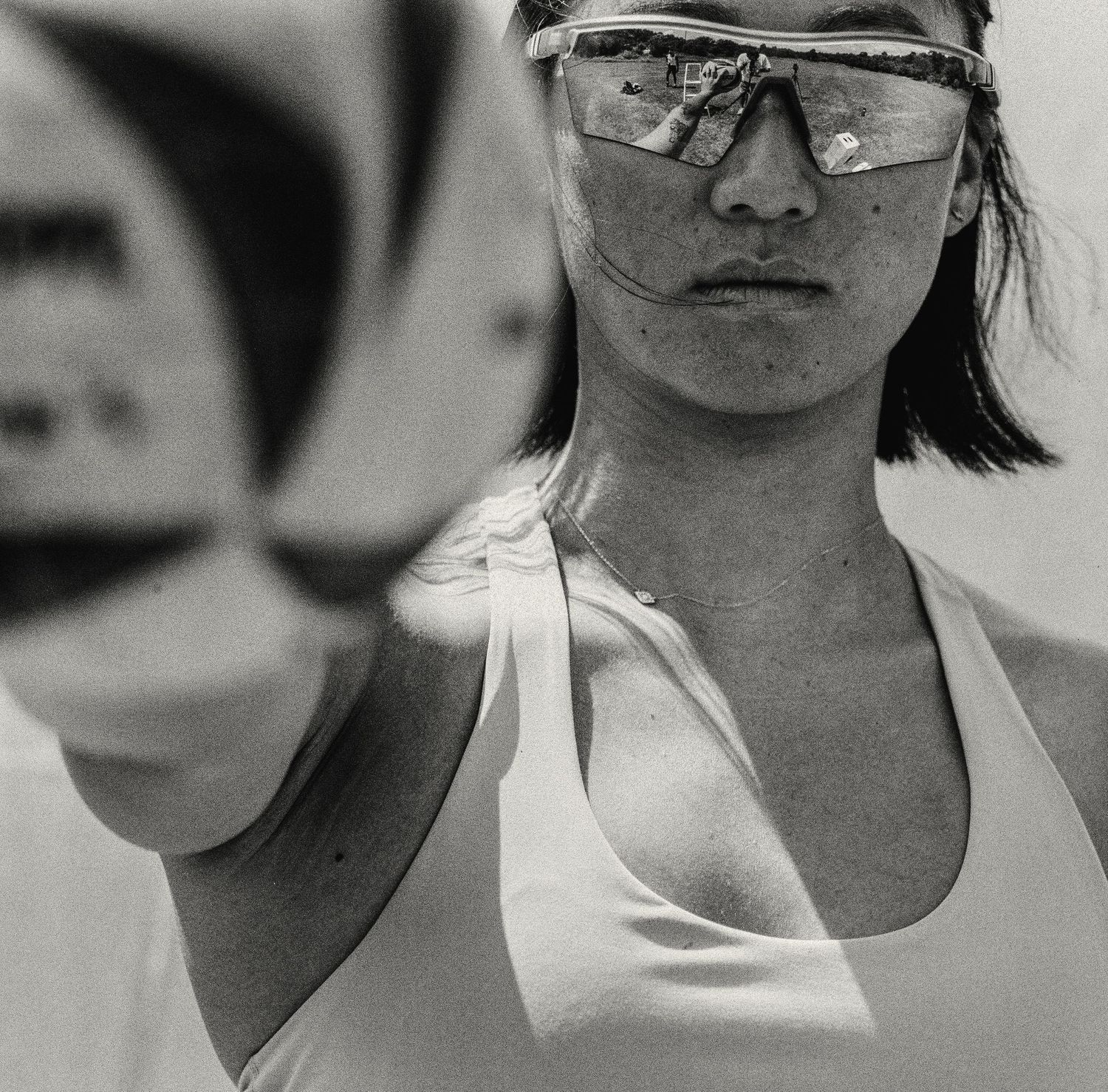
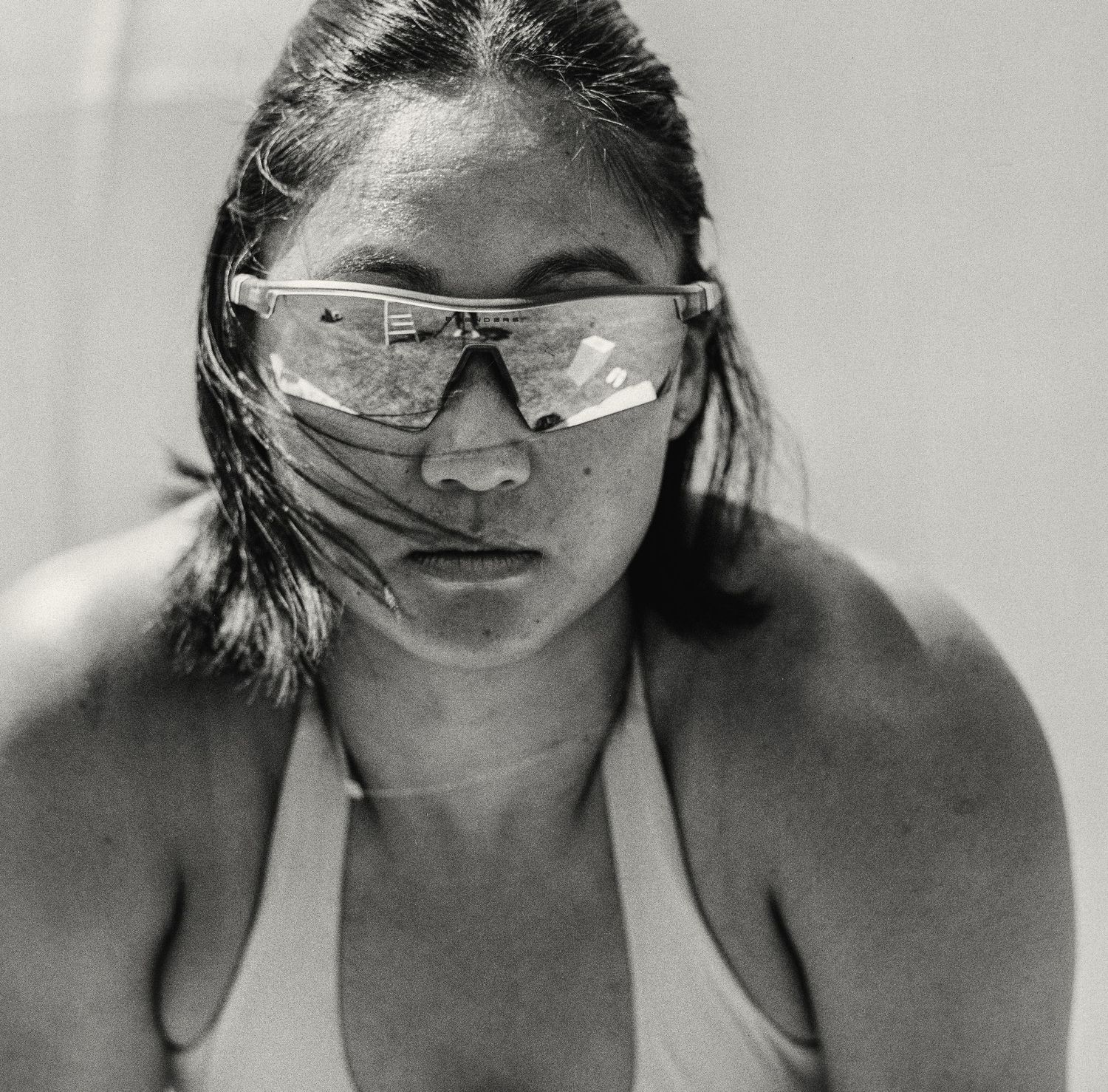
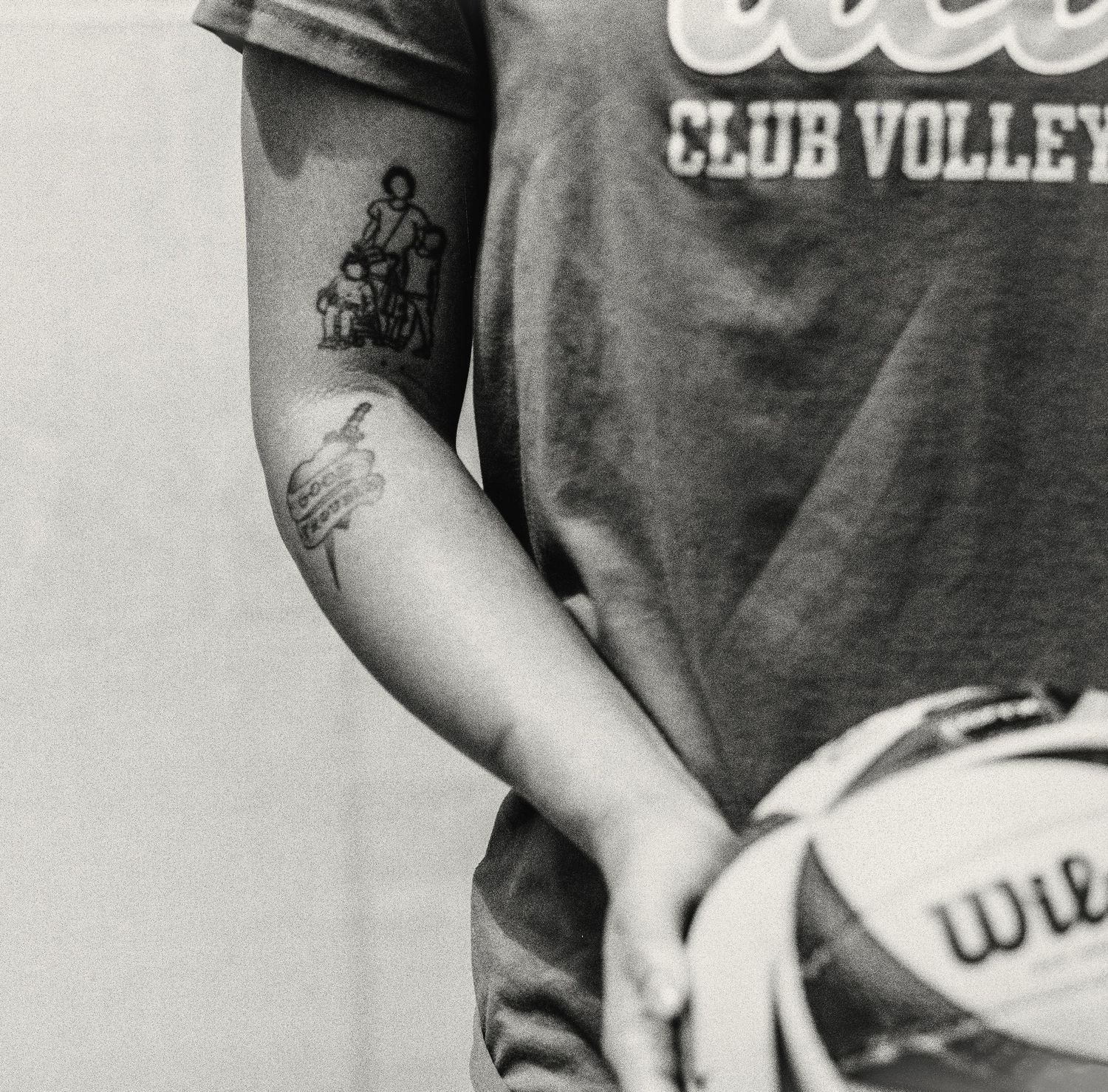
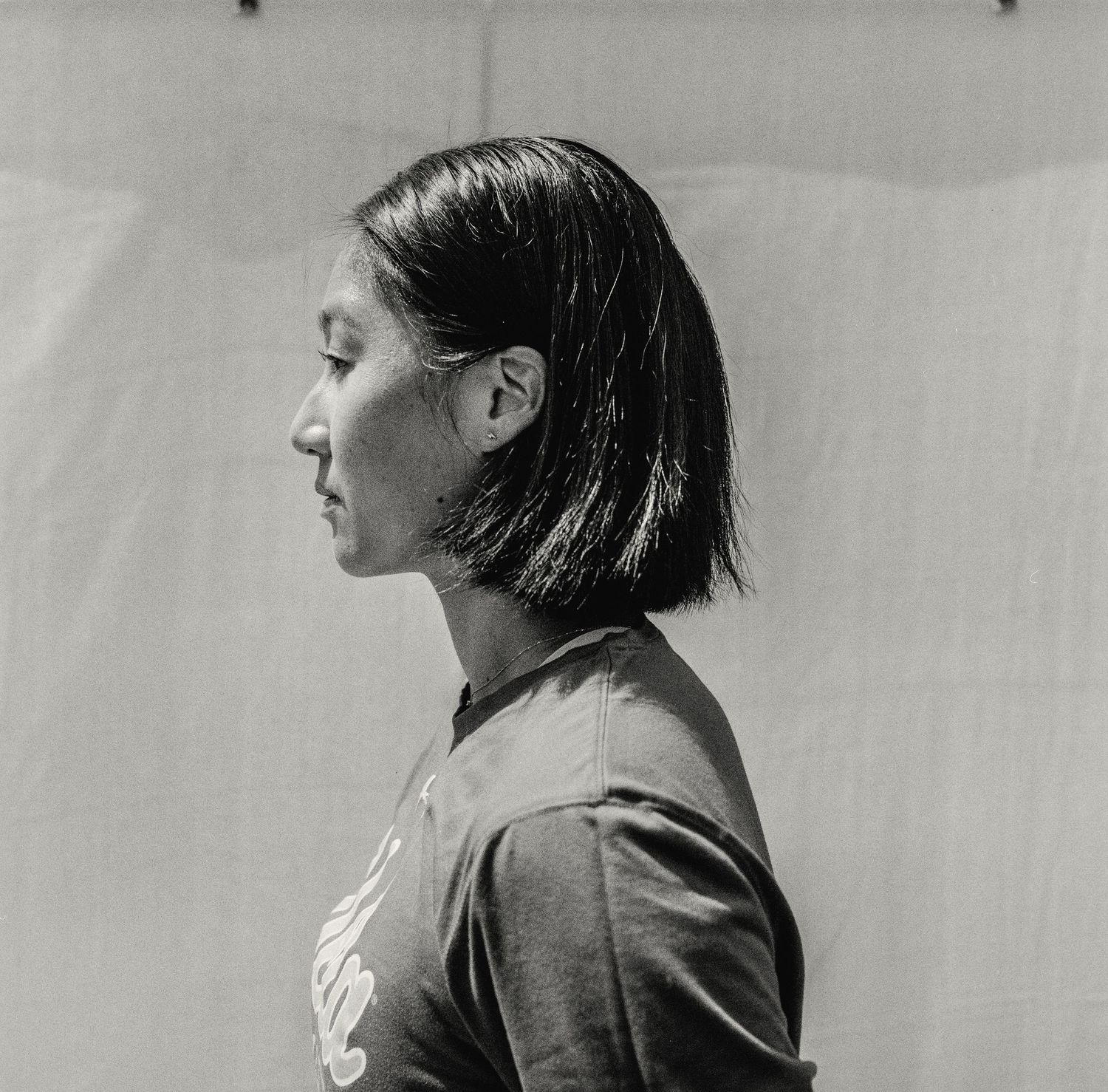
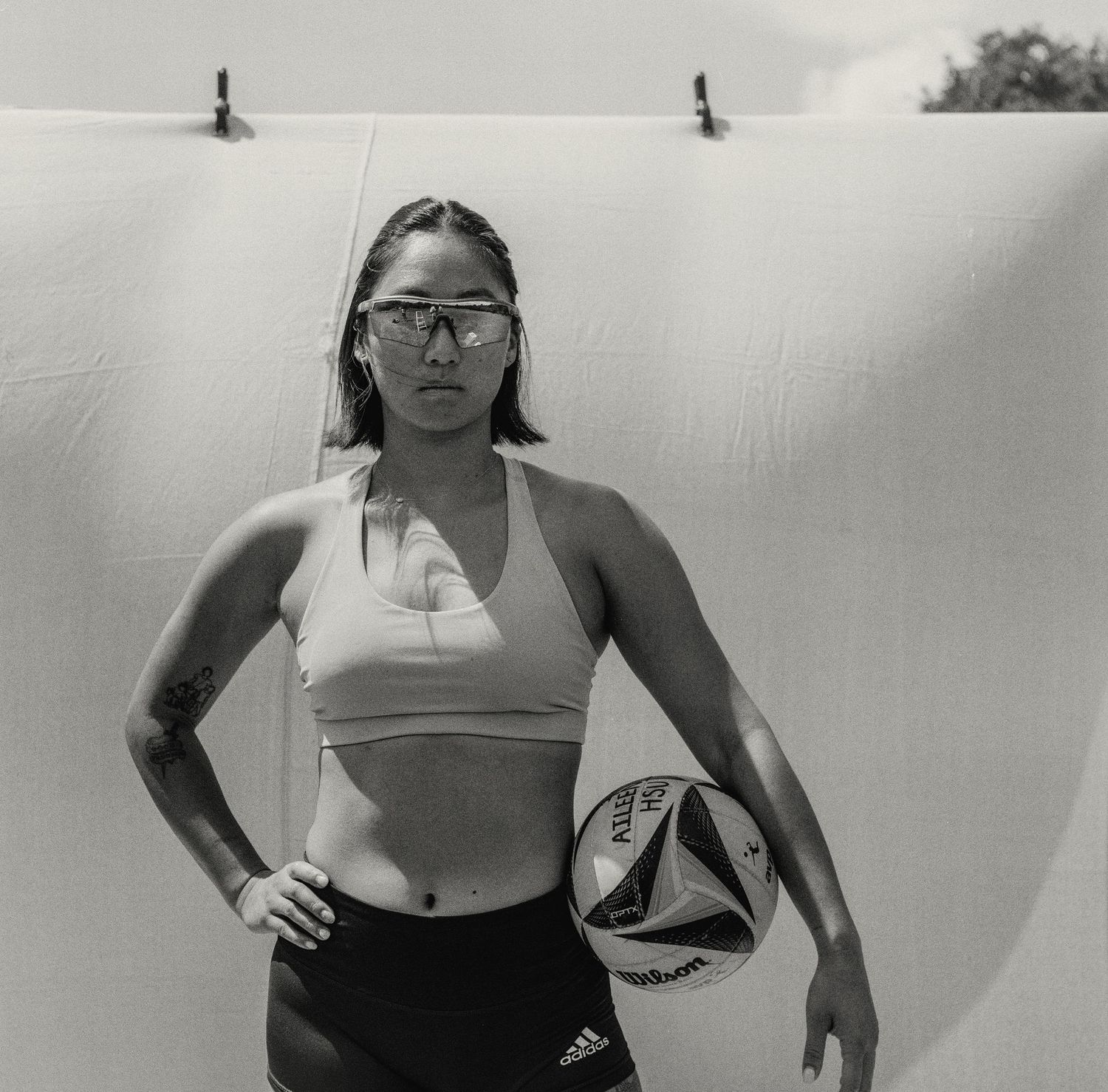
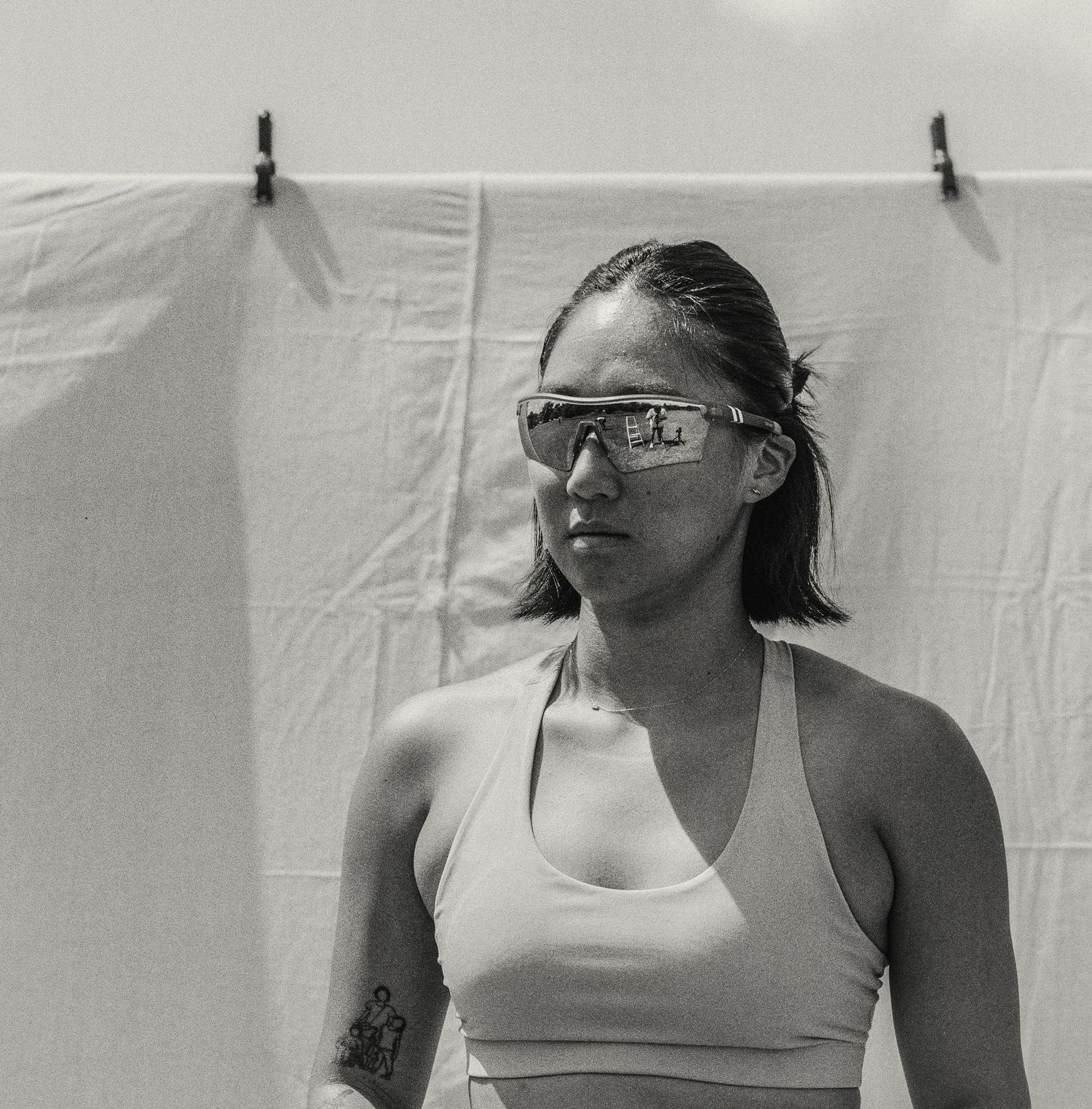
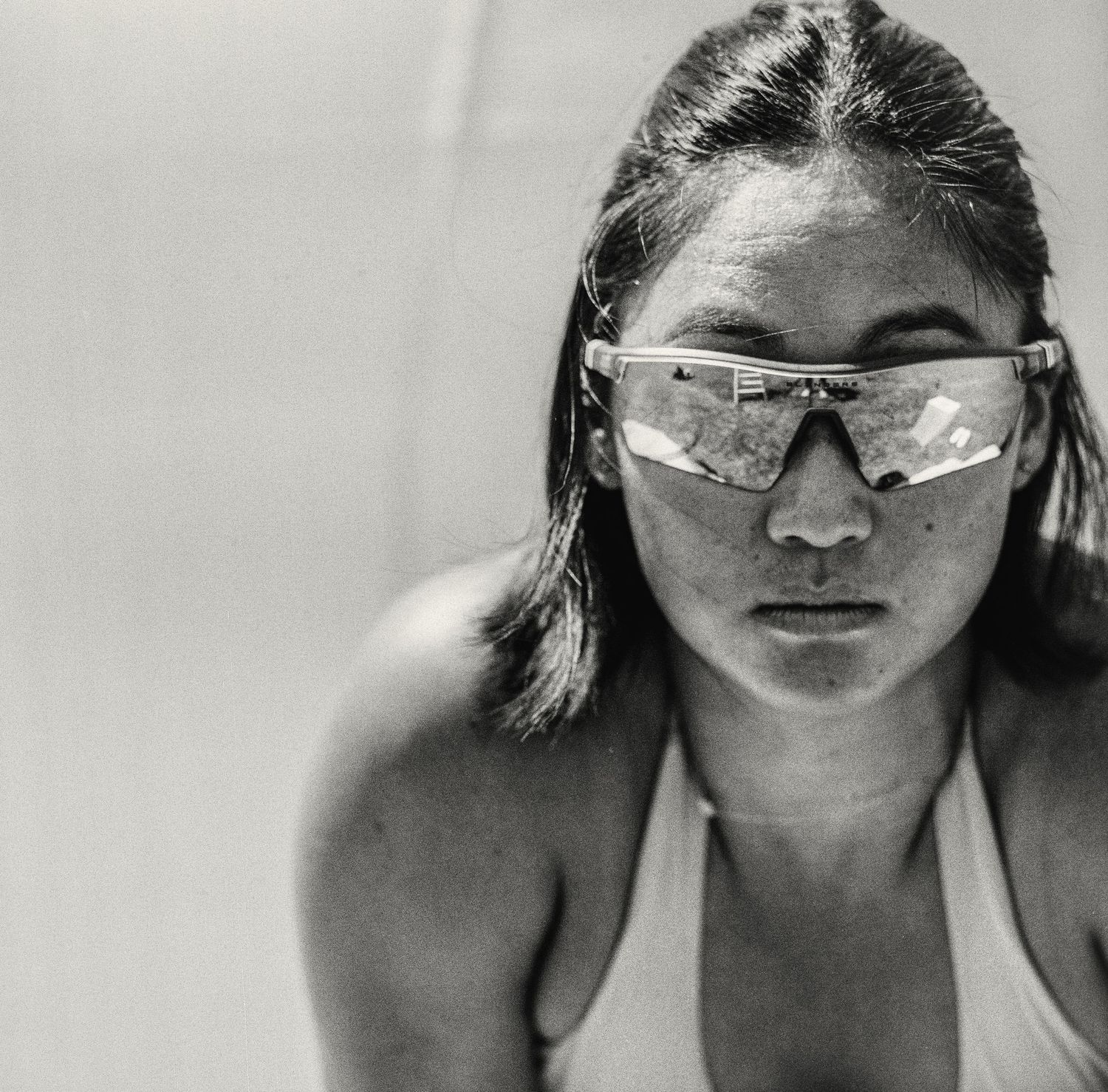
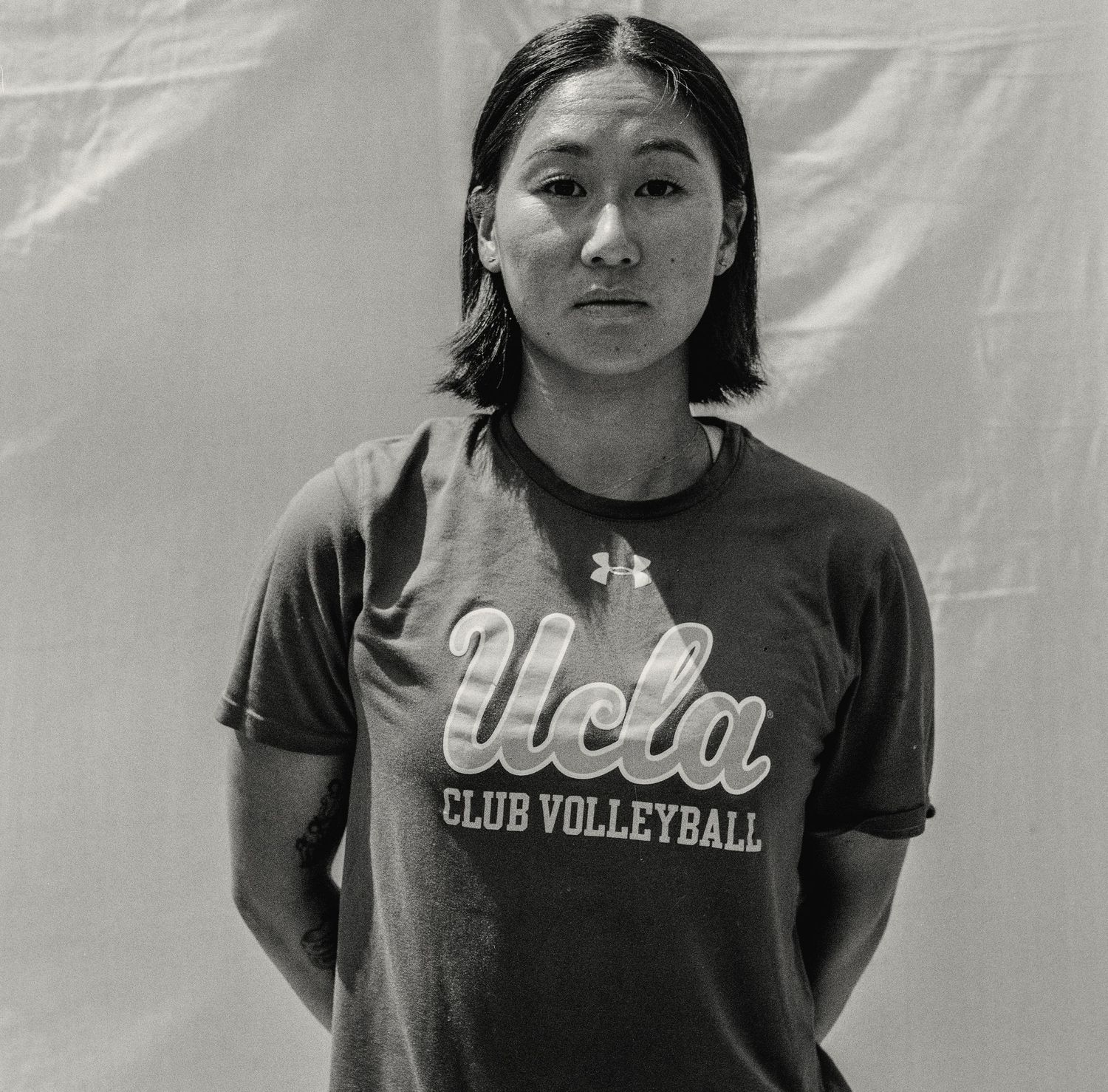
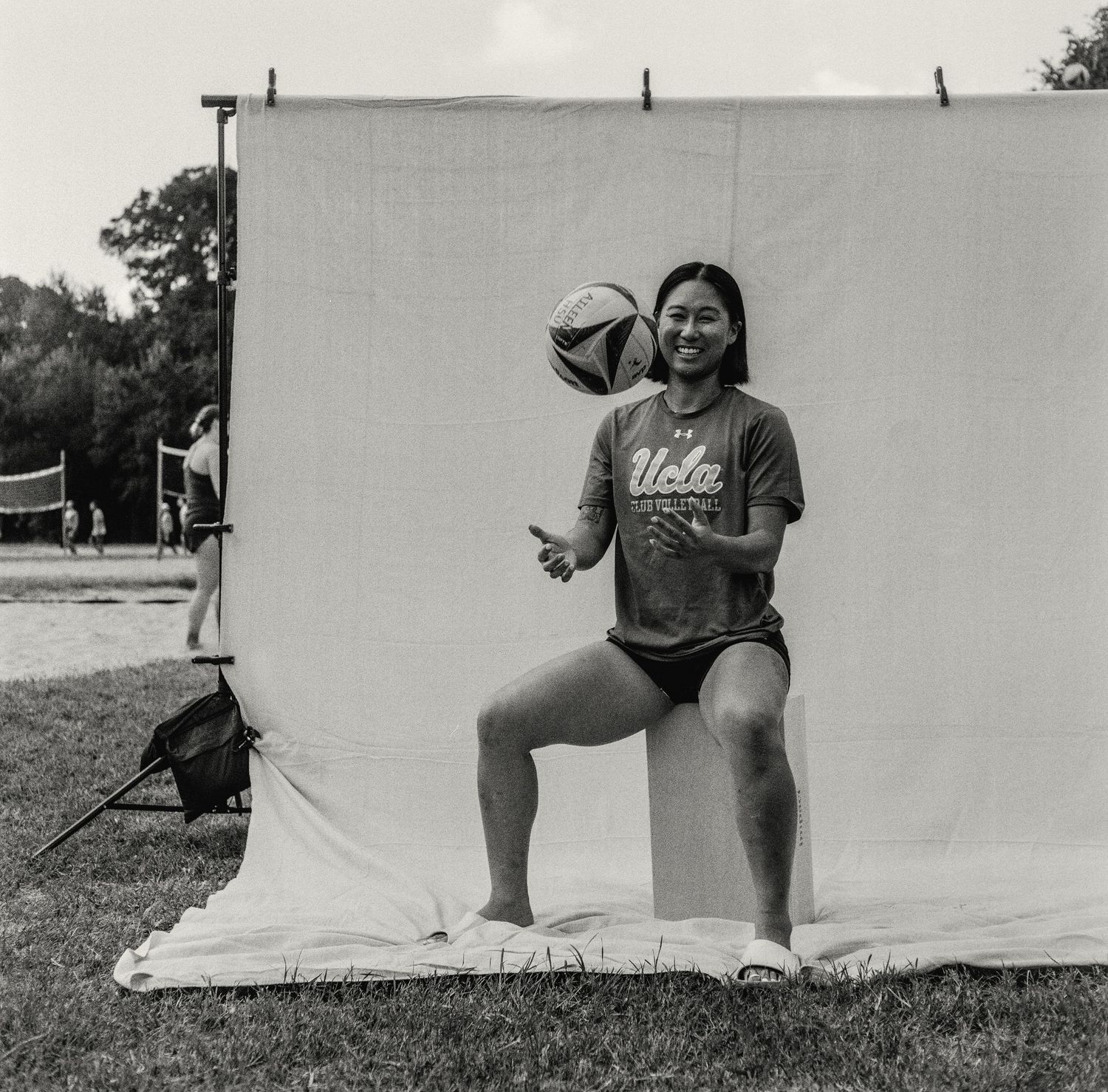
MAMIYA c220 / TRI-X & T-MAX 120 FILM
••• CONTENT WARNING •••
This interview contains discussion of sexual abuse and eating disorders. Please take care of yourself.

The Sport That Hurt Me
Also Saved Me
AN INTERVIEW WITH AILEEN HSU
by
Respect Their Game
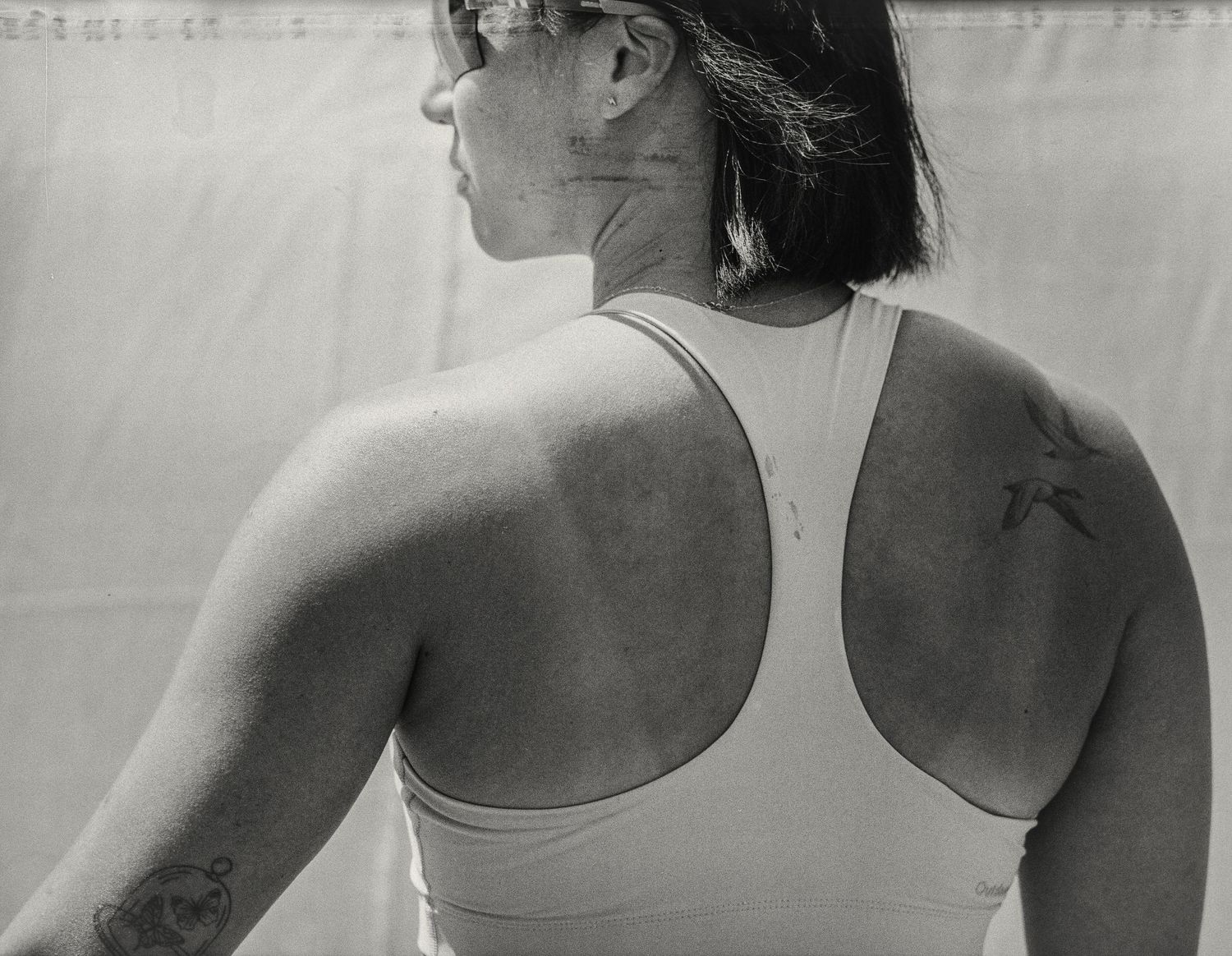
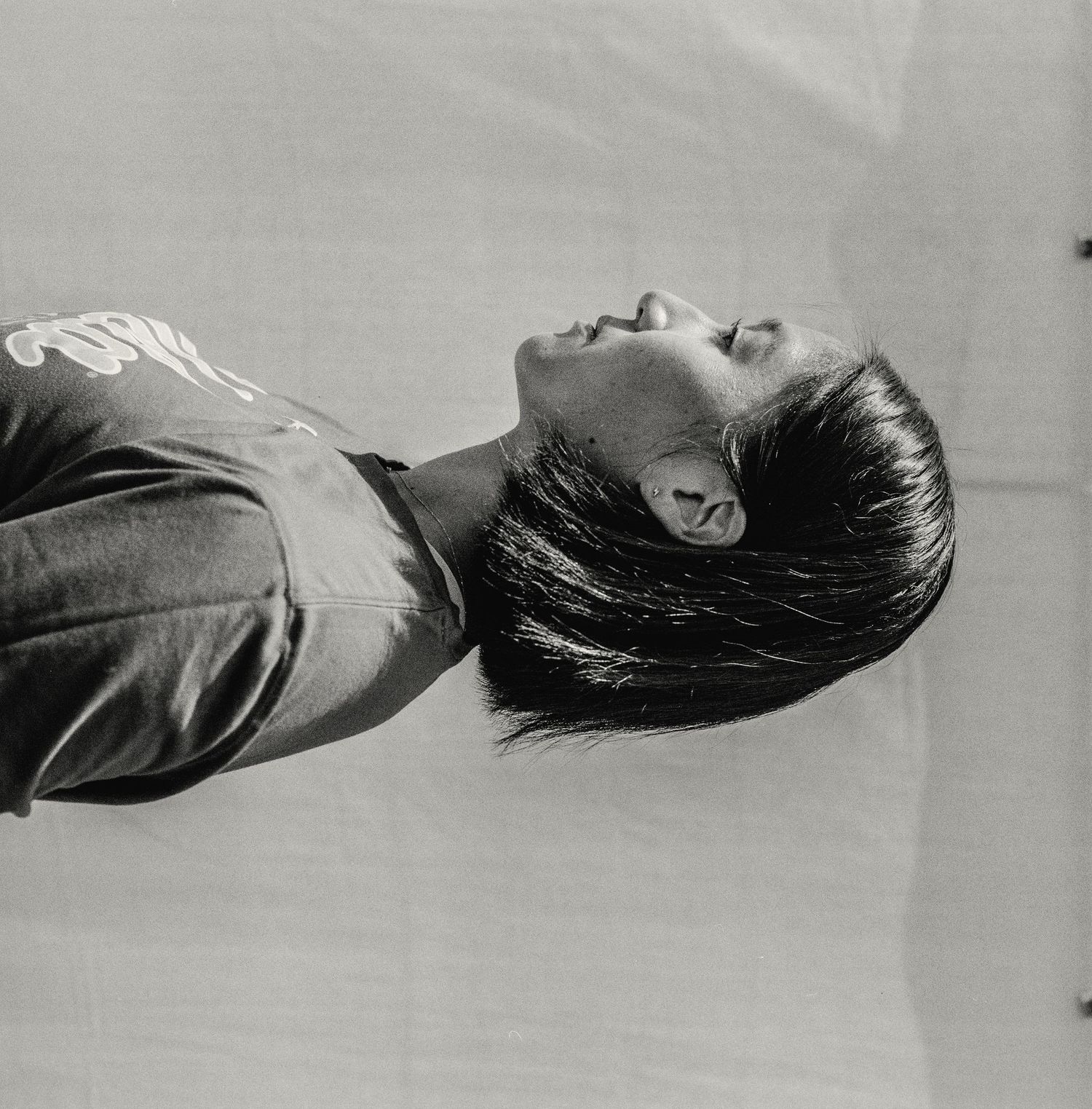
Welcome to the Respect Their Game — a collection of conversations with women athletes about commitment, identity, discipline, and the interior life of sport. These interviews are part of the ongoing portrait project documenting women in sport through film photography and their own words. Taiwanese American volleyball player Aileen Hsu shares how injuries, an eating disorder, and trauma led her to step away from competitive indoor volleyball—and how recovery, therapy, and a return to beach doubles helped her rebuild a healthier relationship with her body, competition, and the game she loves.
Please introduce yourself for our audience.
Okay. My name’s Aileen. I currently play sand volleyball. I come from an indoor volleyball background playing as a libero/defensive specialist. In beach I currently play doubles as a primarily right side player.
How old were you when you first started playing volleyball?
I started playing when I was, I want to say, 13 years old. I didn’t make the volleyball team the first time I tried out in eighth grade, and I just wanted to be around my friends who were all playing volleyball. I couldn’t serve a ball over the net at that point in time. I ended up as the team manager that year and then started playing indoor with a local club team.
And who first encouraged you to play seriously?
No one really encouraged me. My mom supported it, but I wouldn’t say I was encouraged to take it seriously. I feel like in the Asian American community there isn’t a whole lot of encouragement or representation around the pursuit of athletics–a lot of emphasis was placed on career growth and academics. In undergrad, my dad actually discouraged me from playing club volleyball. I could only play if I was getting straight A’s in my classes.
What are your proudest achievements as an indoor volleyball player?
Definitely making the UCLA Women’s Club A-team. That was really big for me. And then that season, getting player of the tournament at a tournament at Stanford University, which is in the Bay Area where I grew up. Getting to travel home, compete and perform very well with my mom and two of my former coaches watching was a big deal for me.
Is there a coach teammate or family member who’s really shaped how you play?
Yeah, I know him as Coach Donny, and I have my entire life beyond the seasons that I played for him. He was the high school varsity coach when I was playing and he has really shaped me as a person and an athlete. Coach Donny is 5'10", Asian-American and plays semi-pro men’s indoor volleyball. Having an Asian-American coach who really understood that underdog/undersized player struggle was so important to me because volleyball is a predominantly white sport with taller players dominating the scene, especially at the higher levels. He runs a channel called Elevate Yourself and does a lot of jump training, volleyball content, and has really just blown up over the years. When I was coming back to play beach volleyball after a five year hiatus, I reached out to him again. And now I’m doing some programming and jump training with him. I was more of a defensive player in my indoor career, and now he’s helping me a lot more with the offensive side of things.
That’s great. What are some setbacks that you faced during your time playing indoor volleyball and what led you to step away from indoor volleyball when you did?
I’ve dealt with a herniated disc and a lot of ankle injuries, if we’re talking about physical injuries. Mental and emotional setbacks are a whole different story. The higher the level I got, the less I saw people around me that looked like me and the more I felt like I had to prove that I was good enough to take up space — on the team, on the court. That resulted in controlling my food and my exercise, which led to over-training, under-fueling, and developing an eating disorder.
Even though I was living my volleyball dream, playing at the most competitive level I ever had, I mentally felt so disconnected from it. Then COVID hit. We didn’t end up going to nationals. Everyone got sent home, and I really felt like I had lost everything. I was so deep in my eating disorder at the time that it really destroyed me mentally and physically. My eating disorder and recovering from that has been one of the biggest setbacks, and I haven’t returned to indoor volleyball since then. It’s been really challenging. There’s a lot of layers to it.
Did you quit essentially?
What had happened was that all the tournaments were canceled due to COVID and at the height of my eating disorder, I ended up going to residential eating disorder treatment. It was more kind of a stepping away due to circumstances — I didn’t want to quit. And I also knew that I couldn’t continue the way that I was. There was so much for me to unpack there about my relationship with indoor volleyball.
Part of my eating disorder and my complicated relationship to indoor volleyball was a very early experience that I had with one of my coaches in my freshman year of high school. I was sexually abused by my freshman year high school volleyball coach. And I think back about how much of that proving and earning and needing to play at a high level was really for myself as a way to try to get that sport back for myself because since then it was in my head that I was only this good or I only learned how to do this because of this coach.
So it was really trying to reclaim that for myself and not in the healthiest way as it ended up. I would say it was more of a pause in terms of trying to figure out what my relationship to volleyball was, because I really love the sport. There were so many great memories that I have from it outside of that, and it was just all tied together. So it was a big, big pause, I would say. Yeah.
What did recovery actually look like to you?
It was grieving the loss of this athletic identity that I had built my life around. It was feeling like my body changing and not really knowing whether it was my body or what people saw of me. Do you know what I mean? If I were to not play a sport, what would my body look like? Would I still be this athletic person that people praised for being so strong and fit? I had to let that go. That was terrifying for me because I felt like that was what people saw as a positive thing, and maybe the only good thing I believed about myself. Underneath that, I didn’t really know who I was. I had to make peace with the fact that I might never play volleyball again to protect my mental health. It was hard because early in my recovery, the desire to compete would bring back the need to have control over my food and my body in a self-destructive way. It was a lot of sitting in uncertainty of not knowing what things would look like — Would I be okay without volleyball? What would everything that had happened to me mean?
Were you having to do therapy sessions regularly?
Yeah, there were different levels of care. In residential treatment, you’re there 24 hours a day, living in the treatment center. They’re monitoring you for higher risk behaviors, and there are often medical complications involved. From there, you step down through different programs, each with a different frequency of individual and group therapy sessions throughout the week and eventually titrate to outpatient care. That whole process involved working with a therapist, a registered dietitian, an exercise physiologist, and a psychiatrist. In outpatient, I worked with a lot of physical therapists, an orthopedic doctor and a pain specialist to heal my physical injuries. I had a really debilitating spine injury that took me out for 2-3 years after recovery. The way I was training and not fueling myself took a massive toll on my body. I’m 26 and I’ve had three or four cortisone shots in my spine. I just didn’t see how much harm I was doing to myself at such a young age.
What gave you strength during this time?
I got a dog. And a couple of really important things my therapists helped me work through: the first was visualizing my ideal life outside of sport, and then actually taking steps to build it. It was really fun to write down on paper — living in San Diego, surfing, living by the beach, working at a restaurant. But then I had to actually live it, and that was hard. Letting go of what I thought my life should look like at that point, and learning to enjoy what it actually was…that was the real work. The things I thought would make me feel recovered and relaxed, they helped, but there was still that voice trying to pull me back into a smaller body and a smaller life.
Another thing one of my therapists helped me see was that I didn’t have to let go of everything I had worked for as an athlete because that's real work I put into developing myself. We started asking: how do I take my grit, my resilience, those parts of myself, and separate them from the sport? How do I see them as core to who I am, not just who I am on the court? And then, how do I bring that same drive into my recovery? That’s when things really clicked for me. Because being an athlete, to me, is more than sport and movement. That’s what I mean, that my sport has saved me. My sport has really hurt me, and my sport has really saved me too.
Is it fair to say it’s more of a lifestyle philosophy now, or just an approach to life instead of just the sport itself?
Yeah, I think I attribute that to Coach Donny because he really emphasized the character and the sportsmanship side of it. I was thinking about this when I think about the highs and lows of my indoor volleyball career. I’ve never been the MVP of any team. I’ve always kind of been a little uncoordinated. When I tried out, they told me I had two left feet. I was barely scraping through JV and barely on varsity, kind of getting a few minutes here and there as a serving specialist. So I wasn’t this big, great volleyball player prospect. And layered on top of that was the doubt from other people as I continued to play, this sense that I hadn't earned it, and that I wasn’t going to go very far with it.
So it was surprising to me when I was named one of the varsity captains my senior year, and it changed the way I saw myself as an athlete. It made me realize I had something to bring to the table outside of just scoring points. Coach Donny made it very clear that it was because of my character and the way I carried myself — he said I had this ability to lead by example and bring people together like a sort of “social glue”. That really resonated with me and shaped what I value about myself. There are always going to be people who are better than you. What matters is how you carry yourself. He saw that in me. And I think that's what athletics has really given me — a sense of integrity and value in who I am.
Regarding the recovery, what are you most proud of from that work?
I think it's the stuff that people don’t see. When you graduate from recovery, it’s easy for people to assume you’re "cured." But for me it felt like the real work started after treatment. They say full eating disorder recovery takes seven years and part of that is challenging old thoughts and behaviors when life gets hard. How do I not go back to the things I used to do? That's the ongoing work. Eating my meals when it would be easy to skip. Having a snack before practice even when I’m not feeling hungry. I'm really proud of how I've held myself to that. It hasn't been perfect, but I've kept showing up for myself. I’ve had to remind myself that I've worked way too hard to go back to my eating disorder. That commitment to showing up, even when things aren't perfect, even when life gets stressful — I think it’s the resilience that I’m most proud of. And also, I'm also really proud of being willing to step away from something I loved and admit I needed help. That was one of the hardest things I've ever done.
So let’s talk about the comeback and why beach instead of indoor after five years away?
During COVID I was in this process of rebuilding my life in recovery, and I really, really committed to building myself up outside of having indoor volleyball as my main thing. I tried a lot of things. I surfed, I pole danced. Tried running again. Hated it (laughs). I found myself back on the sand in Austin after deciding to join a random intramural IM volleyball team with UT. I remember playing and having some of it come back to me and thinking “I really want to get better at this.”
What was it about beach volleyball specifically that brought you back to volleyball?
There's a part of volleyball that I never stopped loving, and stepping away helped me realize that. It was the energy of being around people, and this energy and focus that would come out of me on the court. I'm very loud on the volleyball court. Very, very loud. And I missed that. Playing indoors competitively for so long, I had forgotten what it felt like to just play for fun. It was always practice or the gym, and that was by my own design, no one was telling me to do that. In my mind, it was just the only way to get better.
Beach felt familiar, but also very different. I saw it as an opportunity to allow myself to be a beginner again. People just hop on the sand and play for fun. So I got curious about that. I wanted to know what it would feel like to play again, for fun, in a completely new format, without all of that weight attached to it.
Do you feel like the playing outside is a different energy than playing indoors?
The format is just definitely different. I’m playing doubles right now vs. indoor 6s. In indoor, everything is so precise and specialized — I have one job, and a very specific zones that I transition between in a fast, precise and disciplined way. Beach is a bit more unpredictable. And I was really excited about that mental challenge or learning to operate within that chaos. So much of my indoor mindset was: my pass has to be perfect, or I’ll get subbed out. There are no subs in beach. You just play the game. Things are going to be out of your control, and that's just part of it. I think that's been really freeing for me.
So your relationship with volleyball now, has your relationship changed with competing and with your body since stepping onto the sand?
I can start with my body. There’s something about it that feels very vulnerable and exposed. Being out there in the sun, with the elements, being one of two people on the court. In indoor, you're watching the whole team, the whole system. In doubles, you’re going to touch the ball every time. With how grueling the heat can be and knowing I’m covering that much court with just one other person has made me want to prioritize taking care of my physical body — hydrating, eating enough — so I can show up, play, adjust to the things I need to adjust to every game. I appreciate my body for allowing me to play this amazing sport. That's been a shift.
Competition-wise, I am a competitive person, but beach humbled me so fast. People hear that I played indoor and assume it transfers easily. It does not. I’m so humbled. But my relationship with competing has changed too. It’s less about proving something and more about honestly assessing where I’m at. I want to see how other people are playing. I feel closer to the community in competition now, thinking about who I’d want to play with, who might be a good partner. At the level I'm playing, you pick your partner, you choose your coach. That’s a lot of agency that I didn’t have before. And that feels really empowering.
So what is a healthy relationship with exercise and eating and your body look like now?
I haven’t stepped on a scale in maybe five years. If I do at a doctor’s appointment, I always ask for a blind weight. I look away and ask the nurse not to record it on my chart. Maybe the point isn’t to avoid the scale forever, but right now it’s about knowing myself and knowing what might set me back. One day I’ll get to a place where the number doesn't affect me. But for now, it just doesn’t need to be part of my life.
Food-wise, I’m packing snacks and eating between games at tournaments. That wasn’t always the case. During indoor, there were full tournament days on very limited nutrition. Hydration has become a big one for me too, especially playing in the elements. So it’s snacks throughout the day, a balanced, nourishing meal before a tournament, a real meal after to replenish. That last part is something I’m really intentional about now. It used to be easy to look for ways to cut back after a long day of playing. Now I’m focused on giving my body what it needs to recover.
How do you talk about yourself now after a game compared to how you used to talk about yourself?
The self-talk was honestly one of the hardest things when I first stepped back on the court. It was just as critical. I was trying to build this new foundation around joy and community, and then there was this inner critic running underneath all of it… “every touch needs to be perfect, you should be playing better, you’ve played indoor competitively for eight years.” Instead of turning to the gym or food for control, one of the first conversations I had with the therapist I’m working with now was: I want to play volleyball again, and I need to work on my self-talk, because I’m going to burn myself out again if I don’t.
That also meant being a lot more honest with my coaches about my mental game, not just the physical. Because for me, it starts there. One framework that’s really helped is something my sand volleyball coach gave me: when you show up to a tournament, just play. Don't try to fix everything in the middle of it. Get back in the lab afterward. And then after each tournament — three things you did well, three things to work on. That’s it. It’s given me something to hold onto instead of just spiraling into everything that I felt like I did wrong. And being able to get honest feedback from people I really respect in the sport has made a big difference too.
If the 13-year-old version of you could see you now, what do you think she would feel?
I think she probably thinks I’m so cool (laughs). Really silly and maybe a little bit cringey, but I think I feel like sometimes young athletes need that. I feel like athletes are often told from a young age to be strong, be tough, to not express their emotions. And now when I play volleyball, I’m loud. I can be dramatic and get audibly frustrated. I also laugh at my own mistakes and will just be like, “I’m over it, I just needed to let it out”. She would maybe be a little uncomfortable in the way of “You’re embarrassing me,” but also a sense of like, “Dang, I kind of want to be that free when I play”.
That’s great. And who do you lean on the most when things get tough? Now,
My boyfriend Eli. He ran D1 in college and is a very high level endurance athlete, and I think that’s one of the things we connected over most. It makes me emotional — I actually told him this yesterday — how much it means to me to have someone who really listens and cares about the way my mind processes things as an athlete. Because of everything I’ve shared, about this being a set of values for me, a big piece of my identity — in the past, when I’d try to talk about how frustrated I was on the court, people would just say, "it’s just a sport." But for me, it's so much more than that. When I talk about my game, even when I’m being hard on myself, he listens and offers something more balanced. I just really respect him as an athlete.
He’s there to hear me process every detail of a B level tournament, he shows up with tacos and snacks, takes my dog out so I can focus — I feel support in so many ways. He’s been to almost every single one of my tournaments with a camera, trying to capture all parts of this journey.
So looking ahead, what are you working toward right now? Short term, long term?
I think I’m trying to build sustainability in my game right now. Building with fun as the foundation. Of course, I would love to play at a high level, and I have also seen the side of chasing that goal with endless self-criticism and unhealthy habits. I want to do it differently. I’m trying to figure out what I really want out of this sport and what is really realistic for me right now. I’m a grad student right now which is busy, but I am allowing myself to imagine continuing to play maybe five, 10 years down the line. I feel like the threshold for women in sports is really expanding. People used to say that, oh, they peak at this age, but you see female athletes in their mid thirties, forties having children coming back and just absolutely crushing it. So kind of seeing that for myself, visualizing, and just letting myself have this dream.
What do you wish the sports world talked more openly about?
Mental health and sports. I do think they are starting to get into these conversations - athletes like Katelyn Ohashi, Victoria Garrick, Alyssa Liu, Lauren Betts, Wemby from the San Antonio Spurs. I think it’s really powerful for high level athletes to be expressive because I feel like their intensity, their passion, and their emotion are parts of what drives them to be so good in their game. I wish that we talked more about that and didn’t put so much pressure on athletes to be strong in a way that means hiding their emotions.
If someone came across these photos years from now, what would you want them to understand about you as an athlete?
It’s more than a game for me. Like I said, it’s hurt me in many ways and it’s also saved me in many ways. For me, sport and athletics are a platform. Representation matters, and there’s a reason that I show up in the spaces that I do, that I played with my heart and soul and I didn’t need to be good to have fun and to heal. That’s what I’m discovering right now. I hope I am good though. I know I don’t need to be, but I do feel like it would add to the fun.
That’s great, thank you for your time.
Yeah, thank you so much for just letting me tell my story.
—————
If anything discussed in this interview brought up difficult feelings, please take care of yourself. Support is available.
Sexual abuse
RAINN National Sexual Assault Hotline
Call 1-800-656-HOPE (4673) | Text "HOPE" to 64673 | rainn.org/hotline
Free, confidential, 24/7
Eating disorders
National Alliance for Eating Disorders
Call 1-866-662-1235
Mon–Fri, 9am–7pm ET
Crisis support
988 Suicide & Crisis Lifeline
Call or text 988 | 988lifeline.org
Free, confidential, 24/7
Thank you to aileen for her time and trust. If you know an athlete whose story deserves documentation learn more about the project here. Respect Their Game remains reader-supported. If you value this work, consider pledging support to help expand the archive.