03
BASKETBALL / LSUS / FORWARD
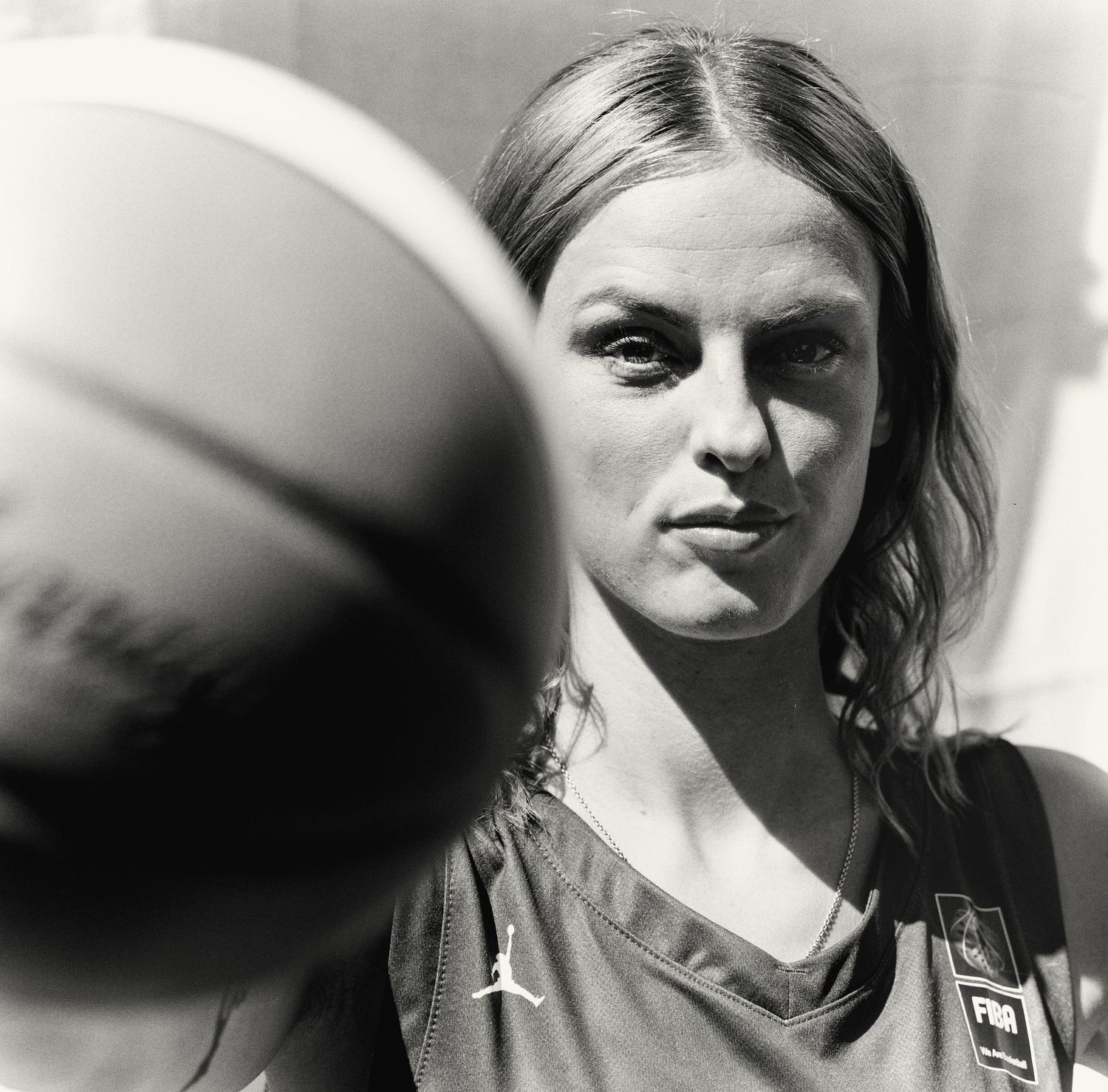
Amandine
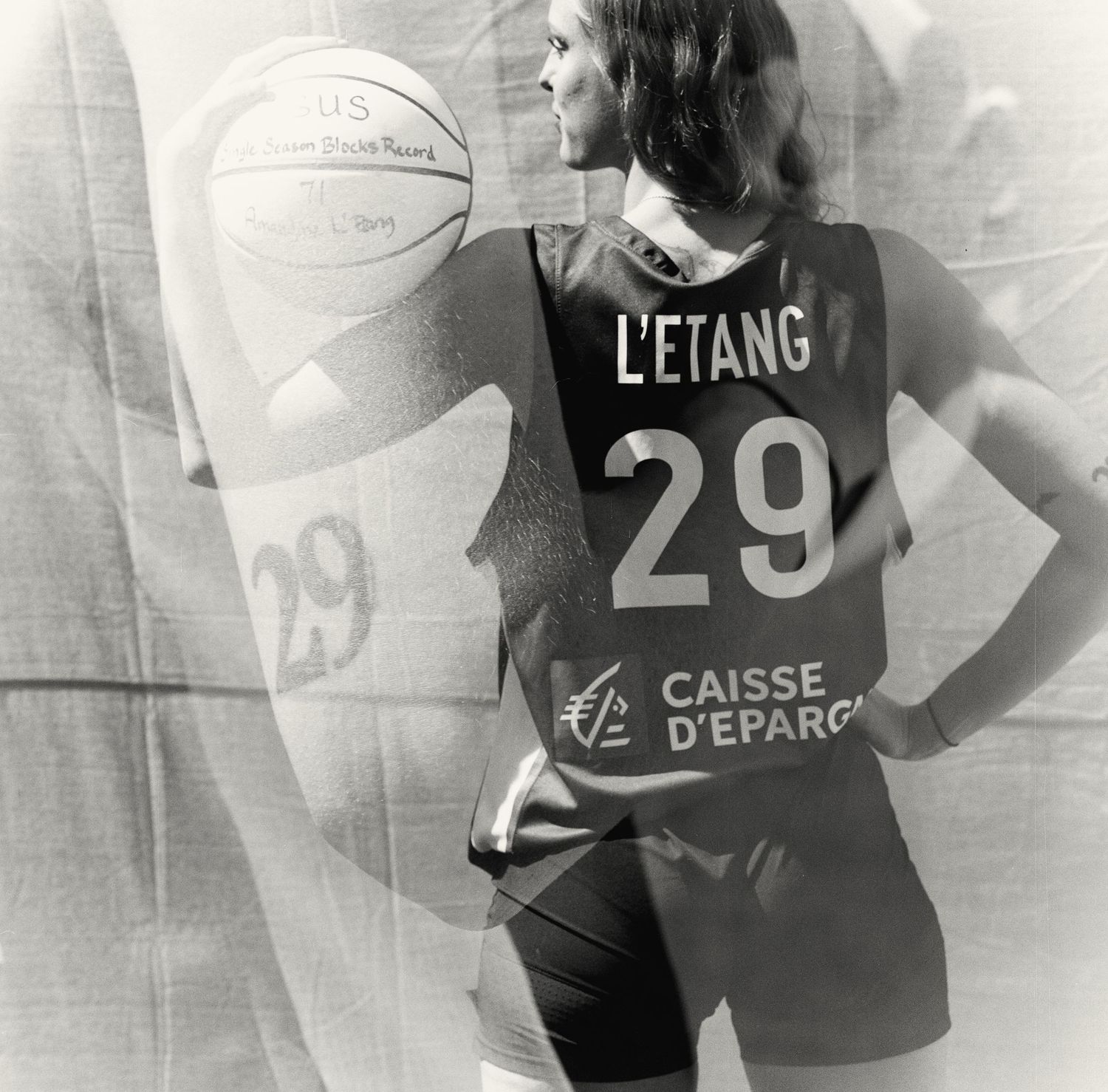
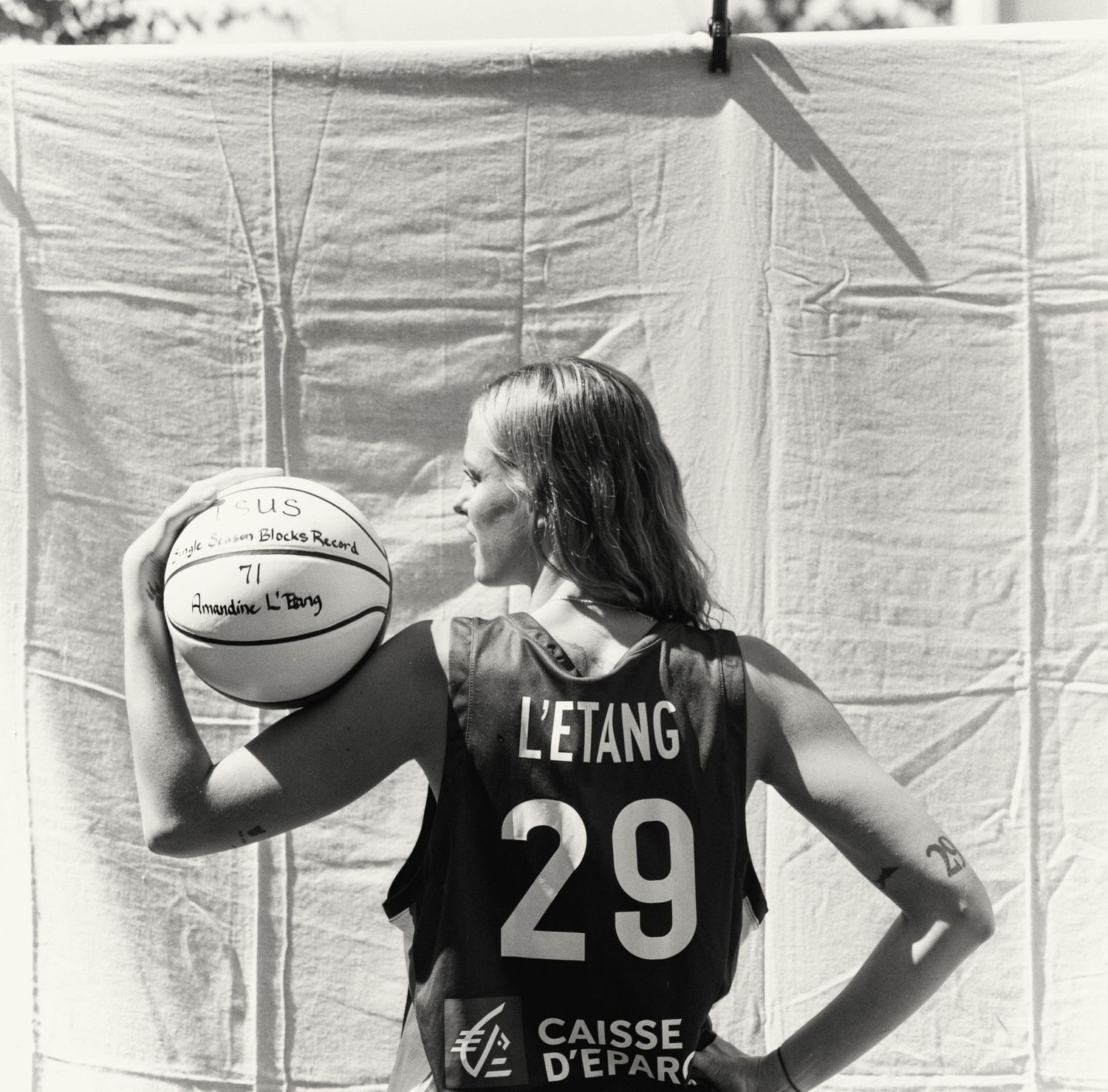
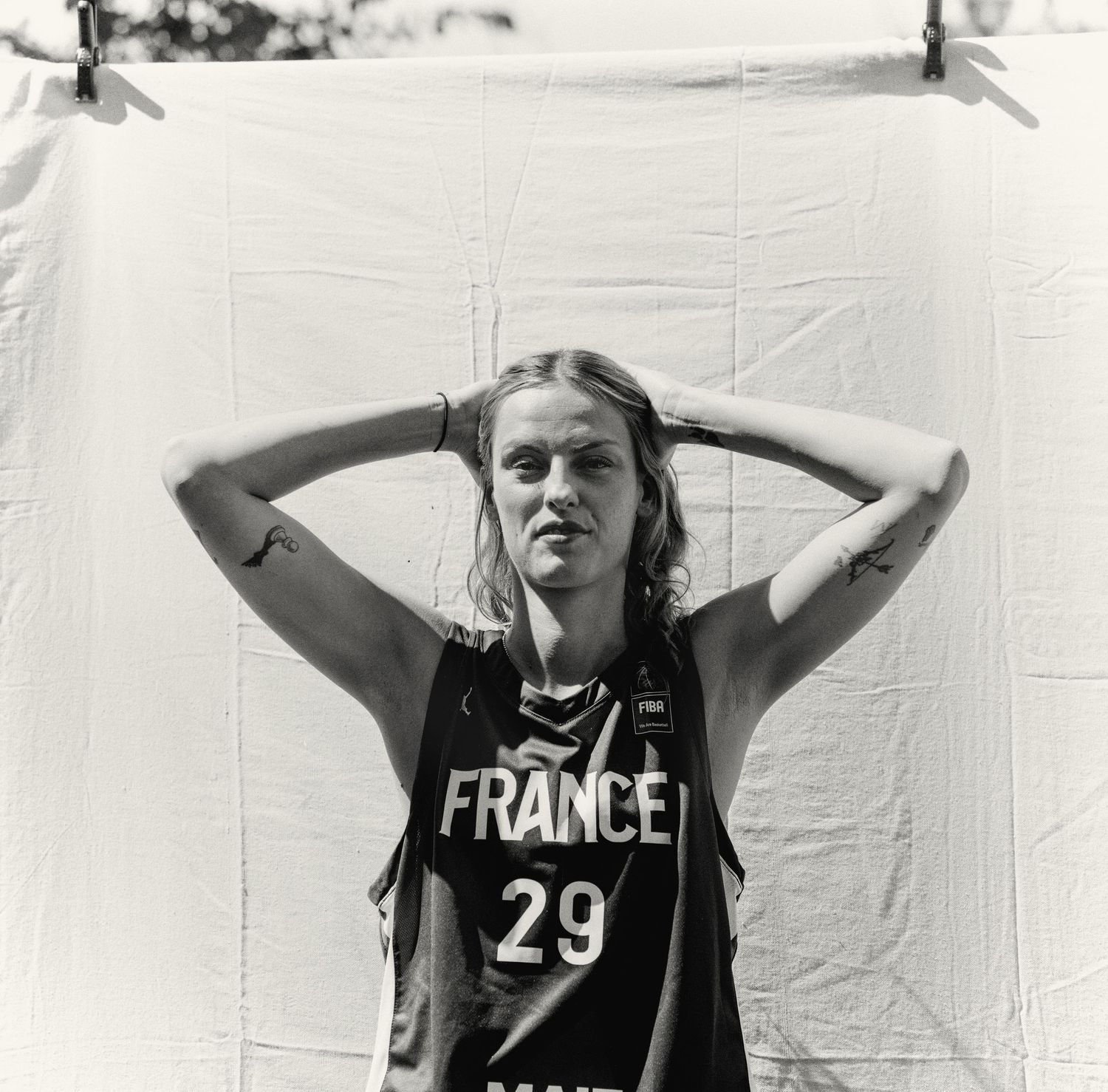
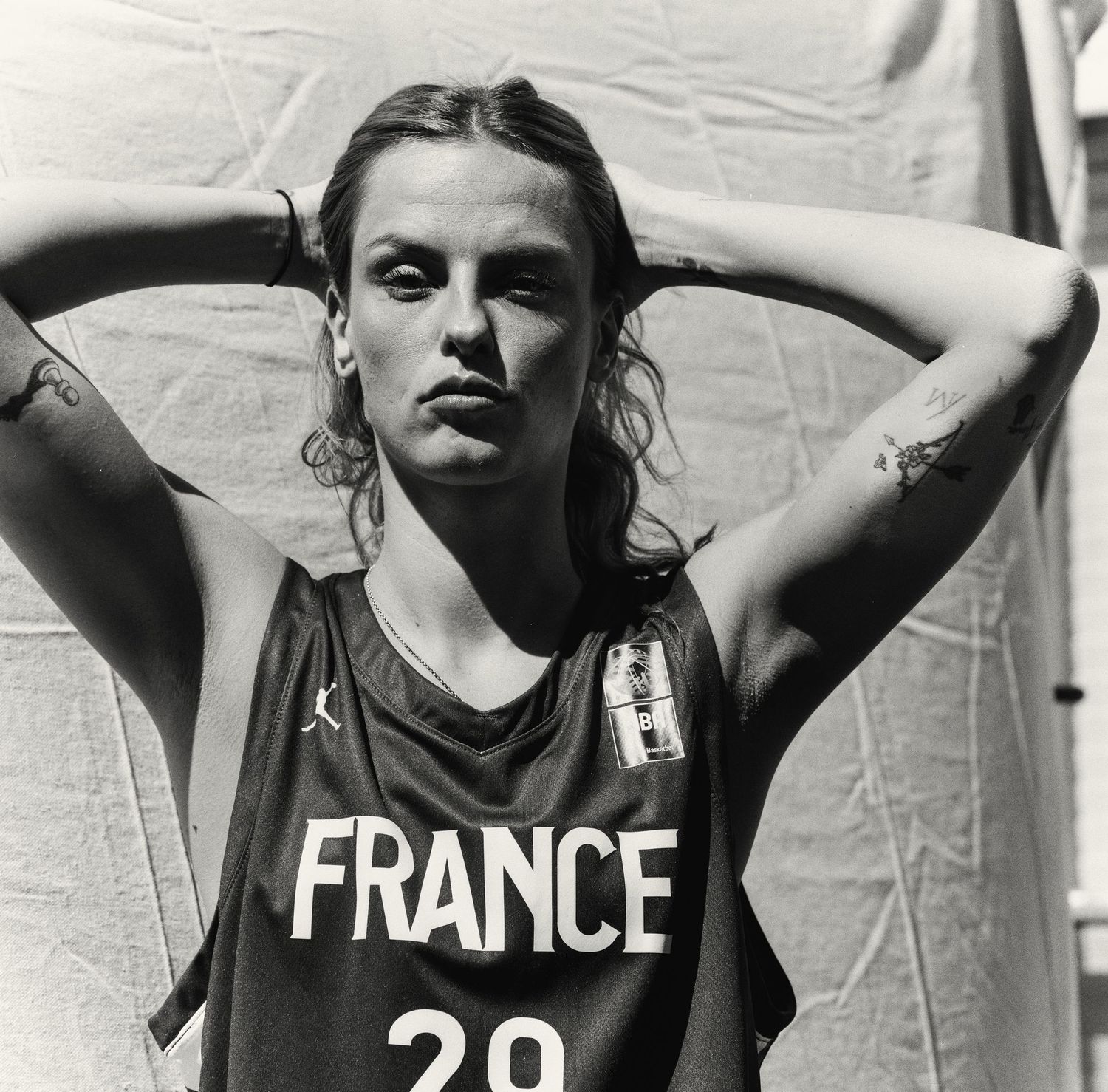
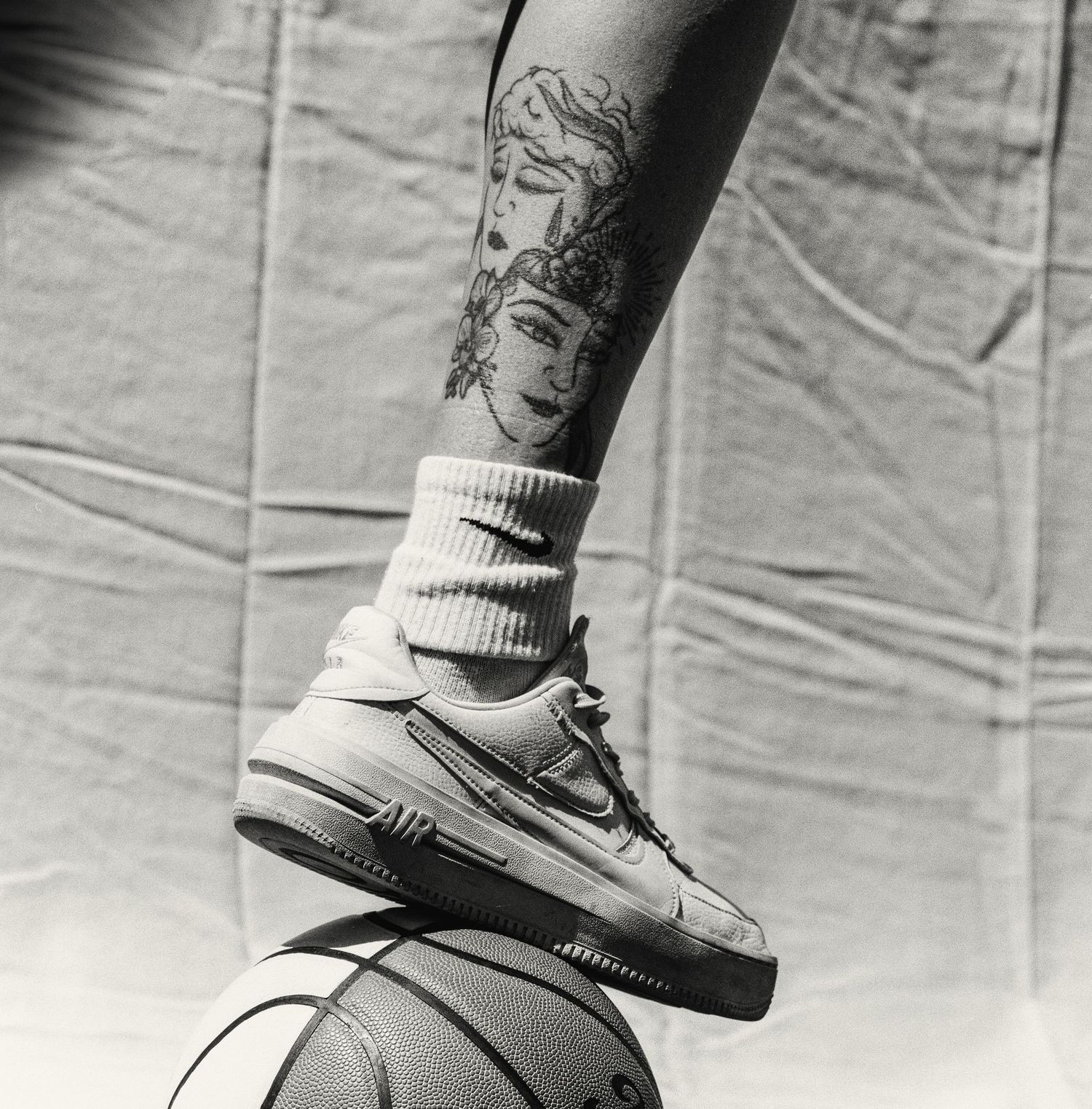
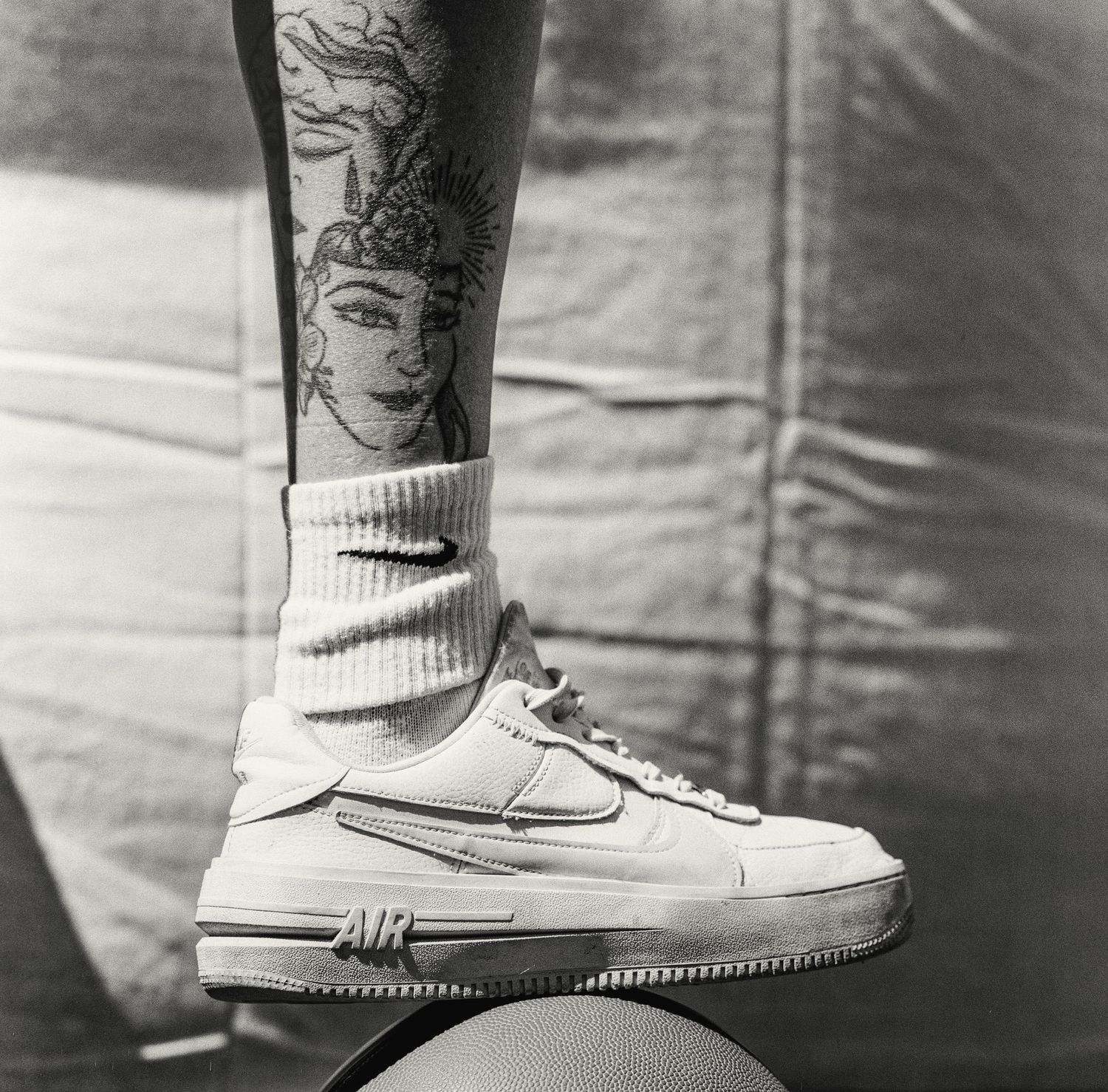
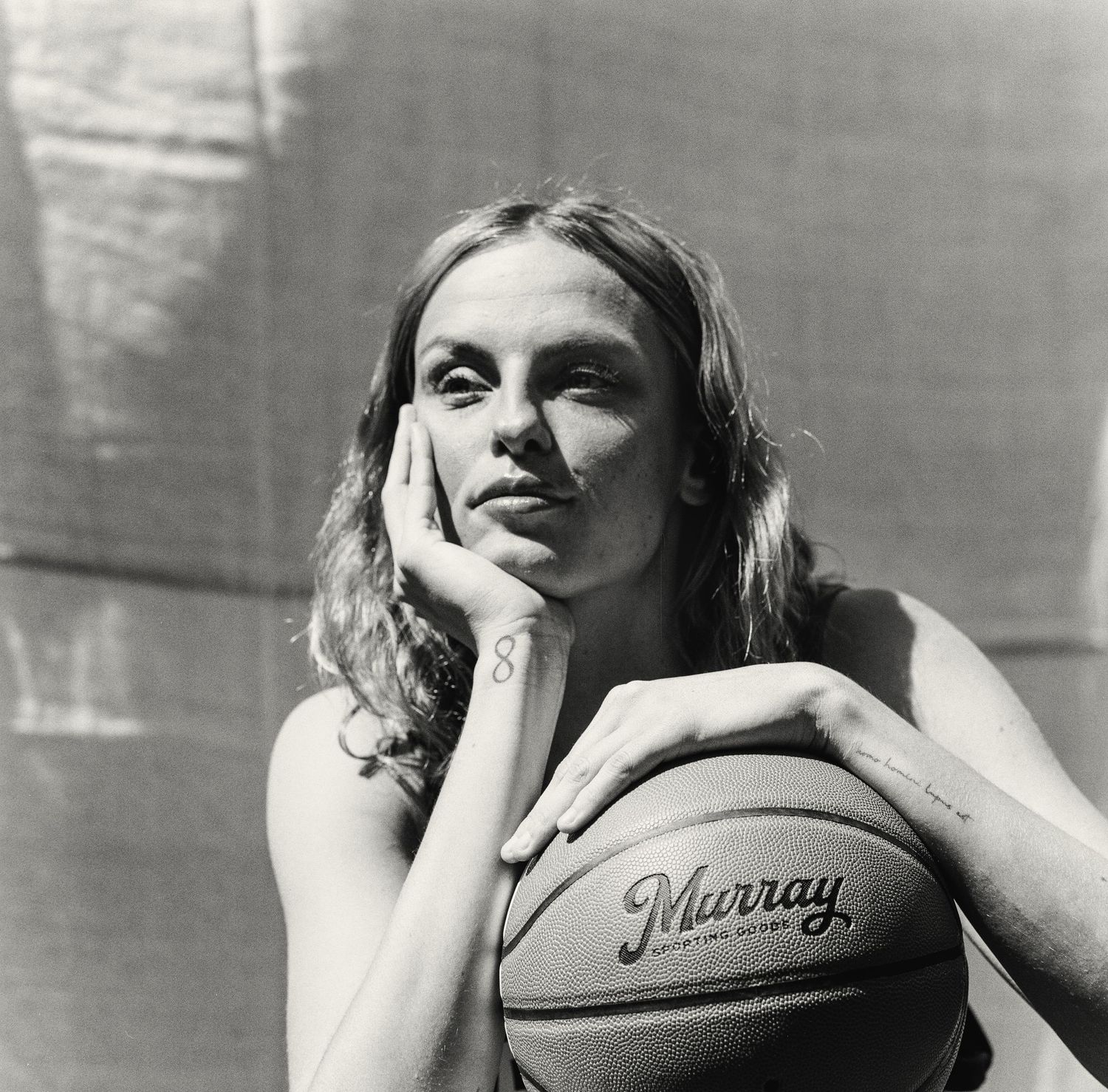
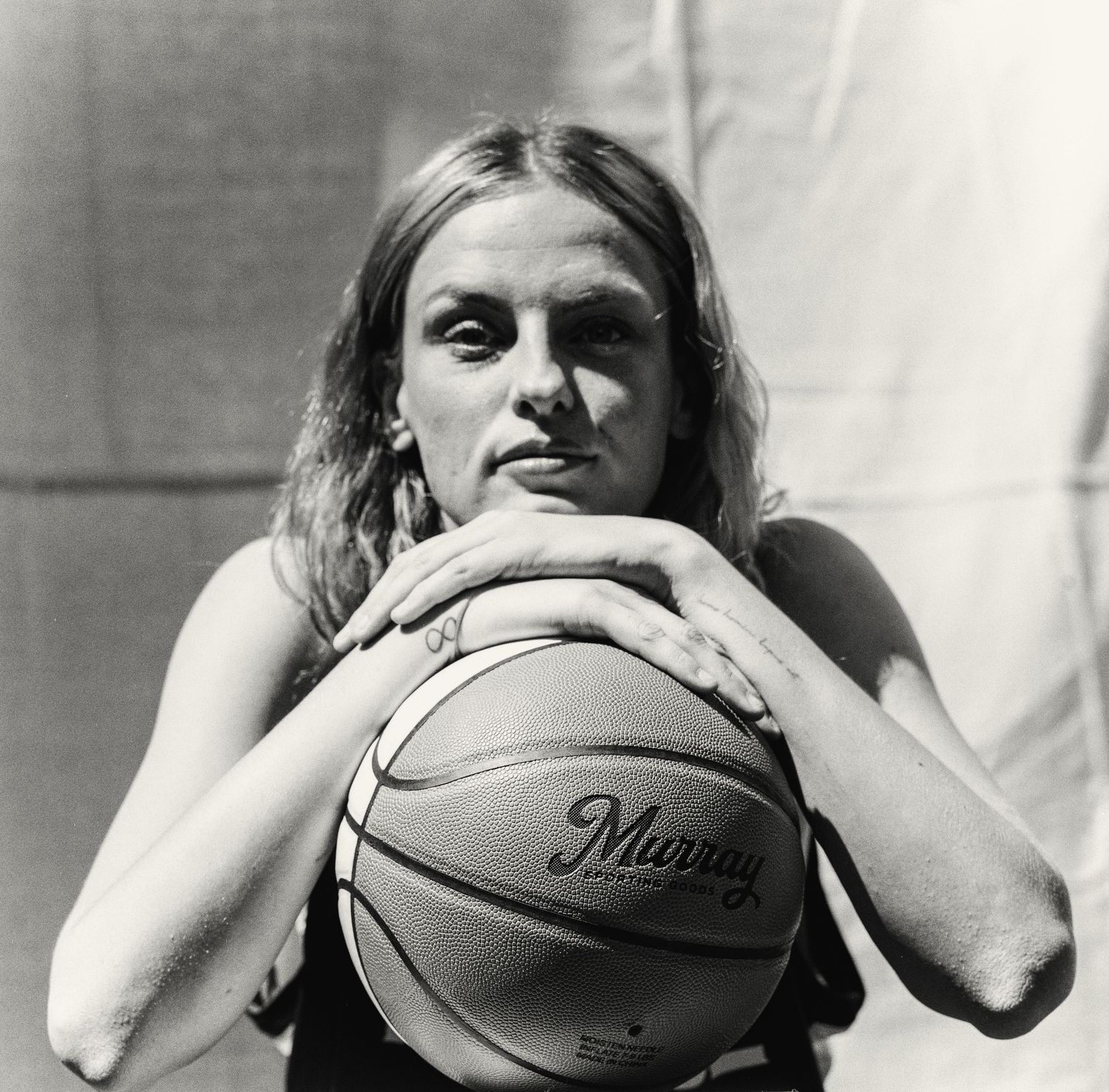
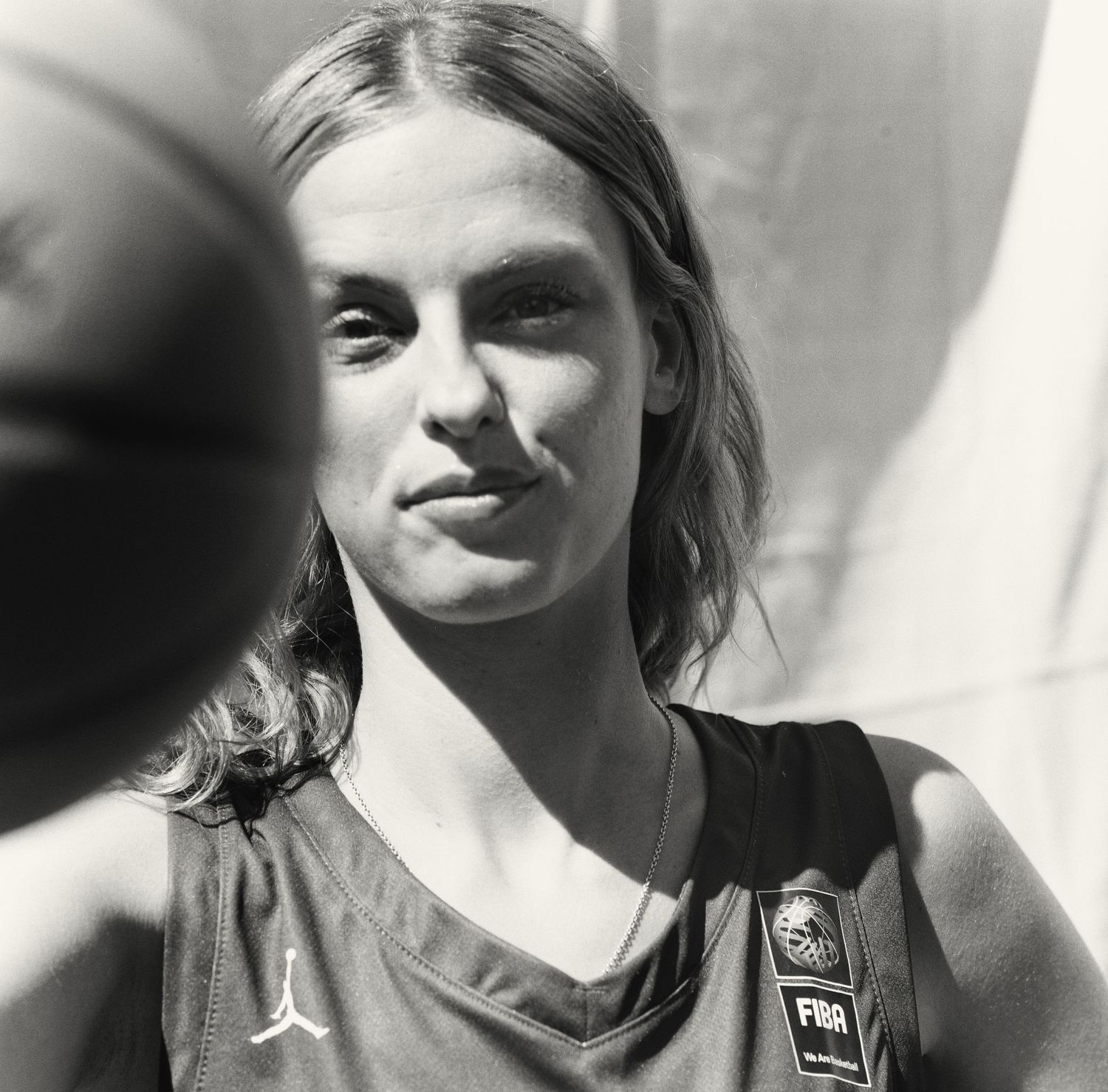
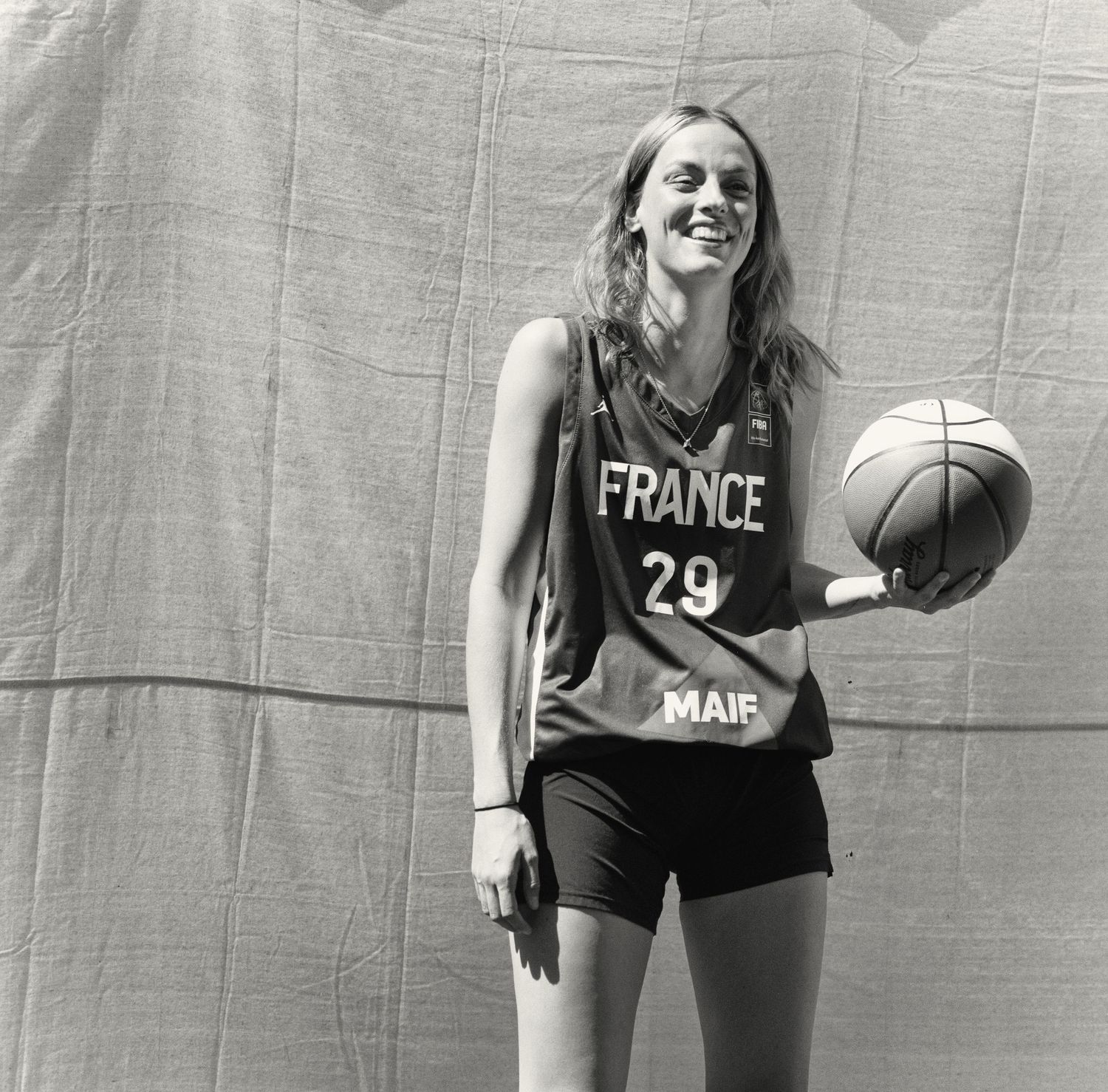
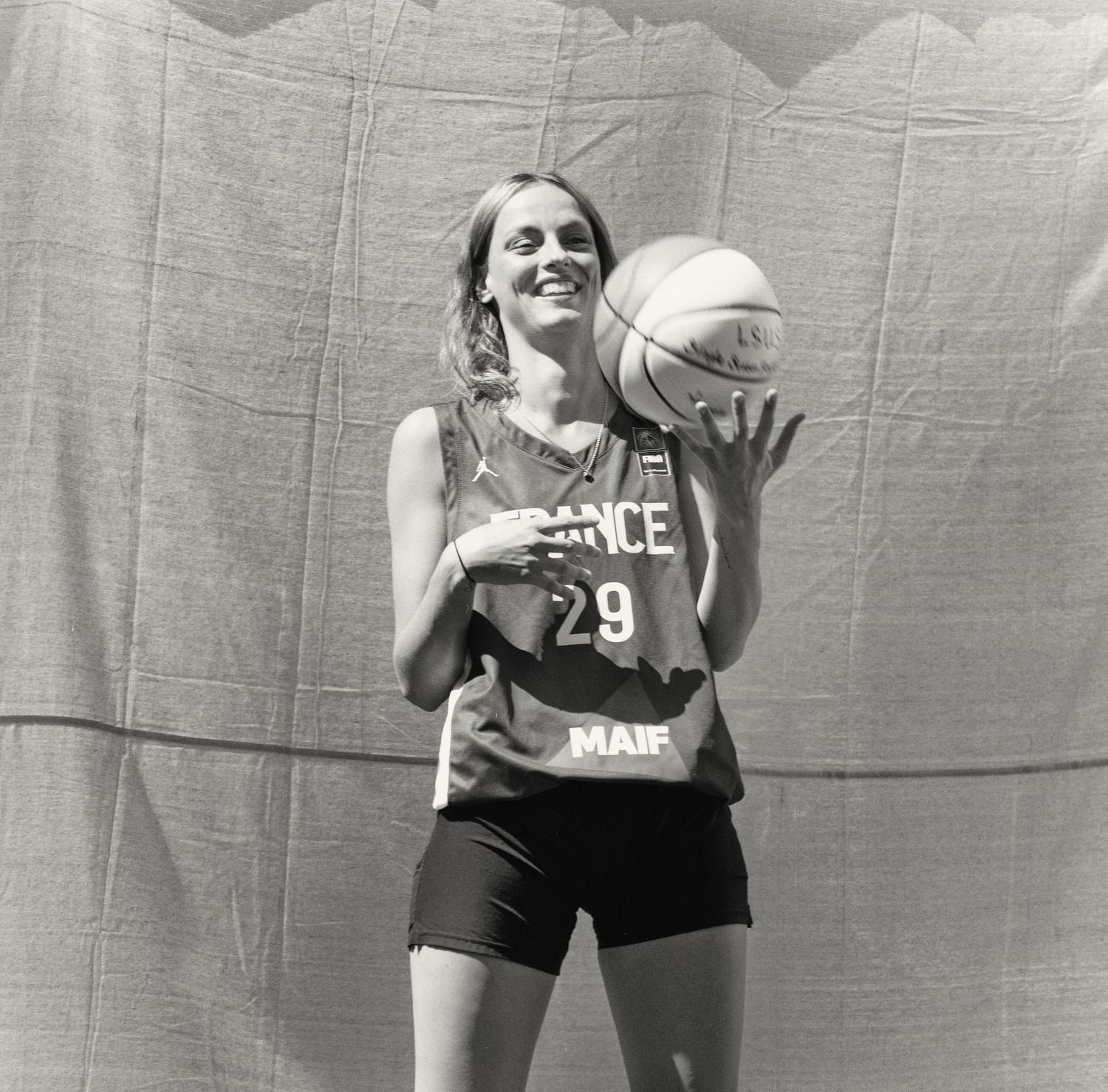
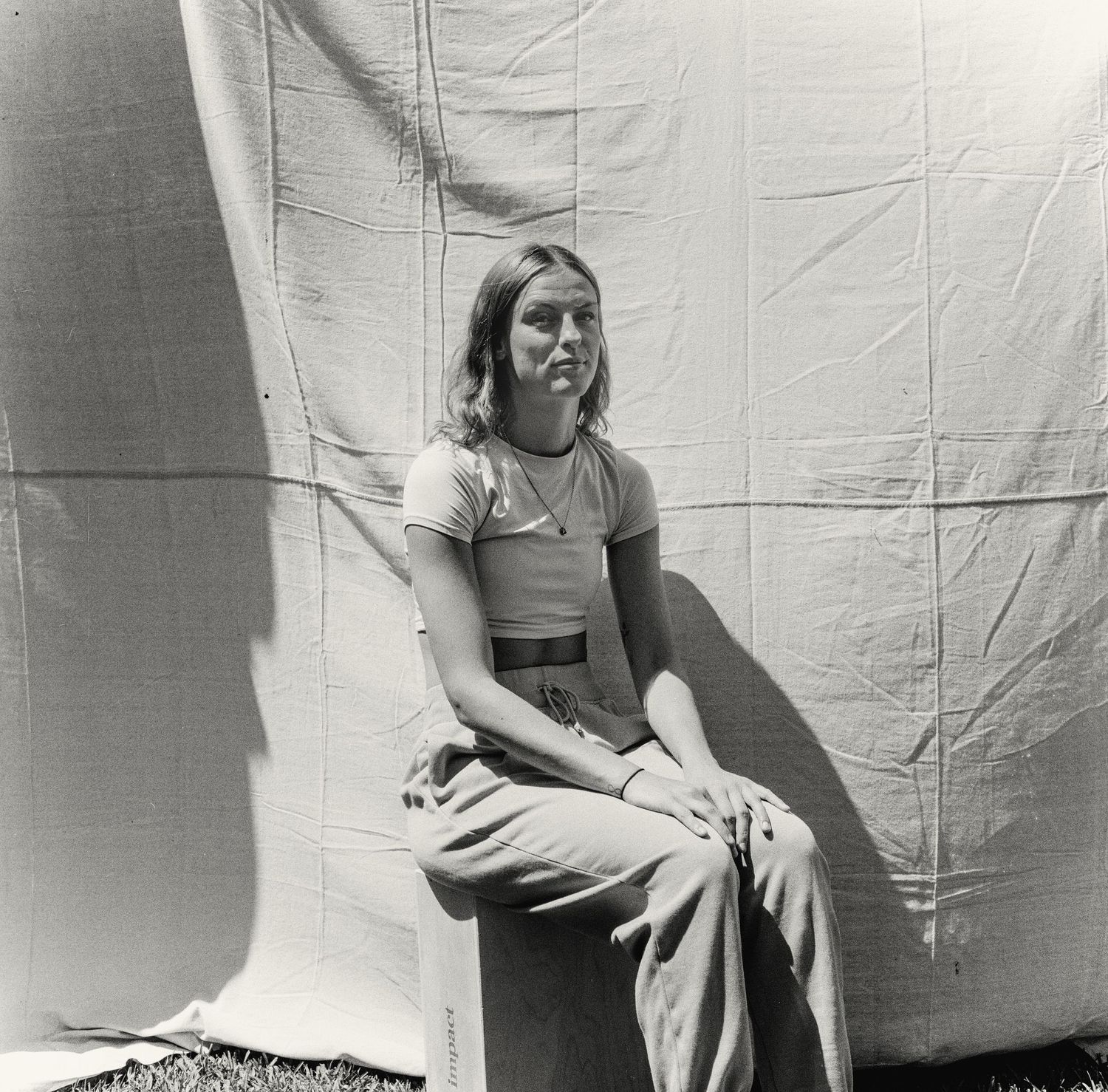
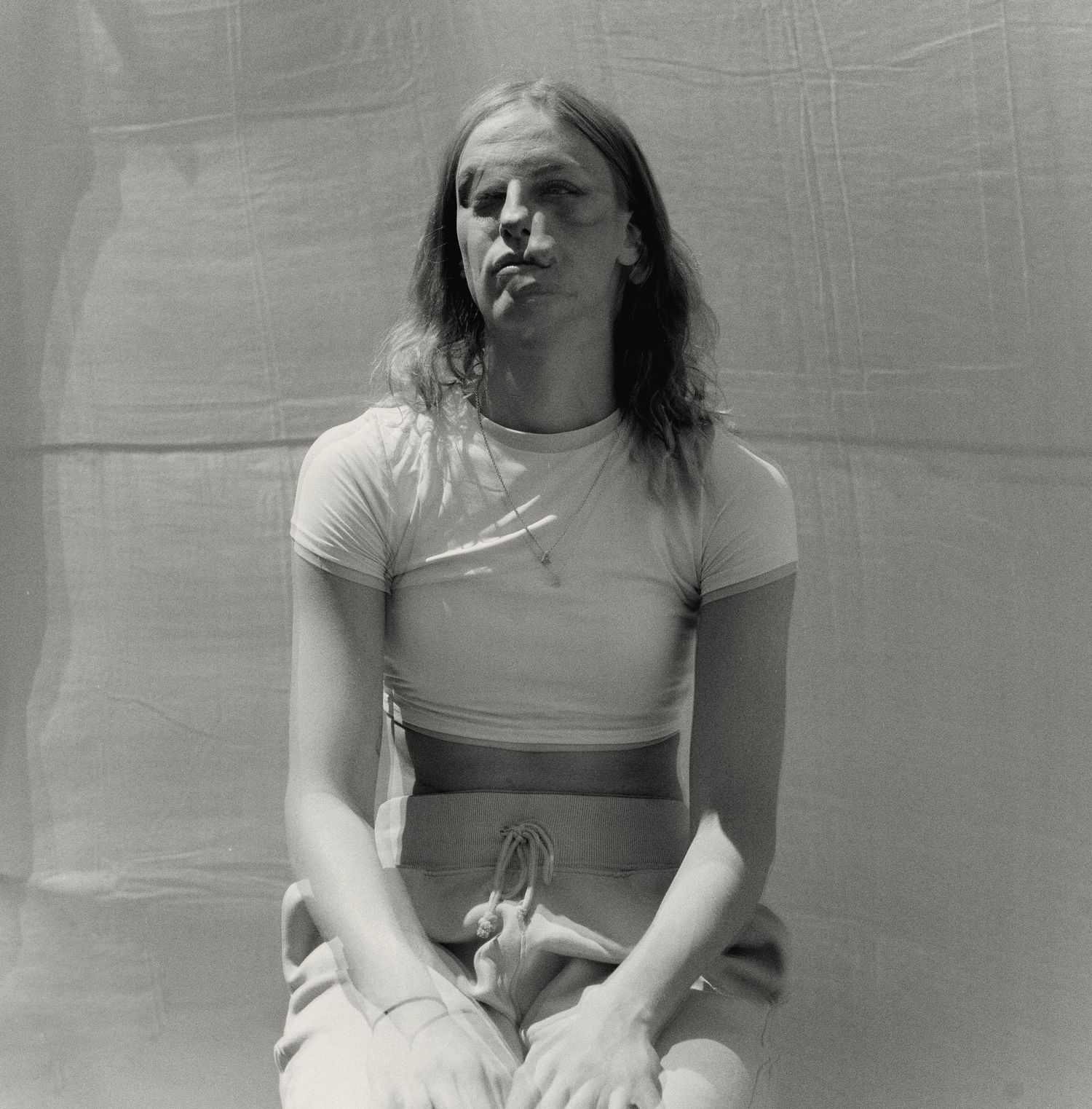
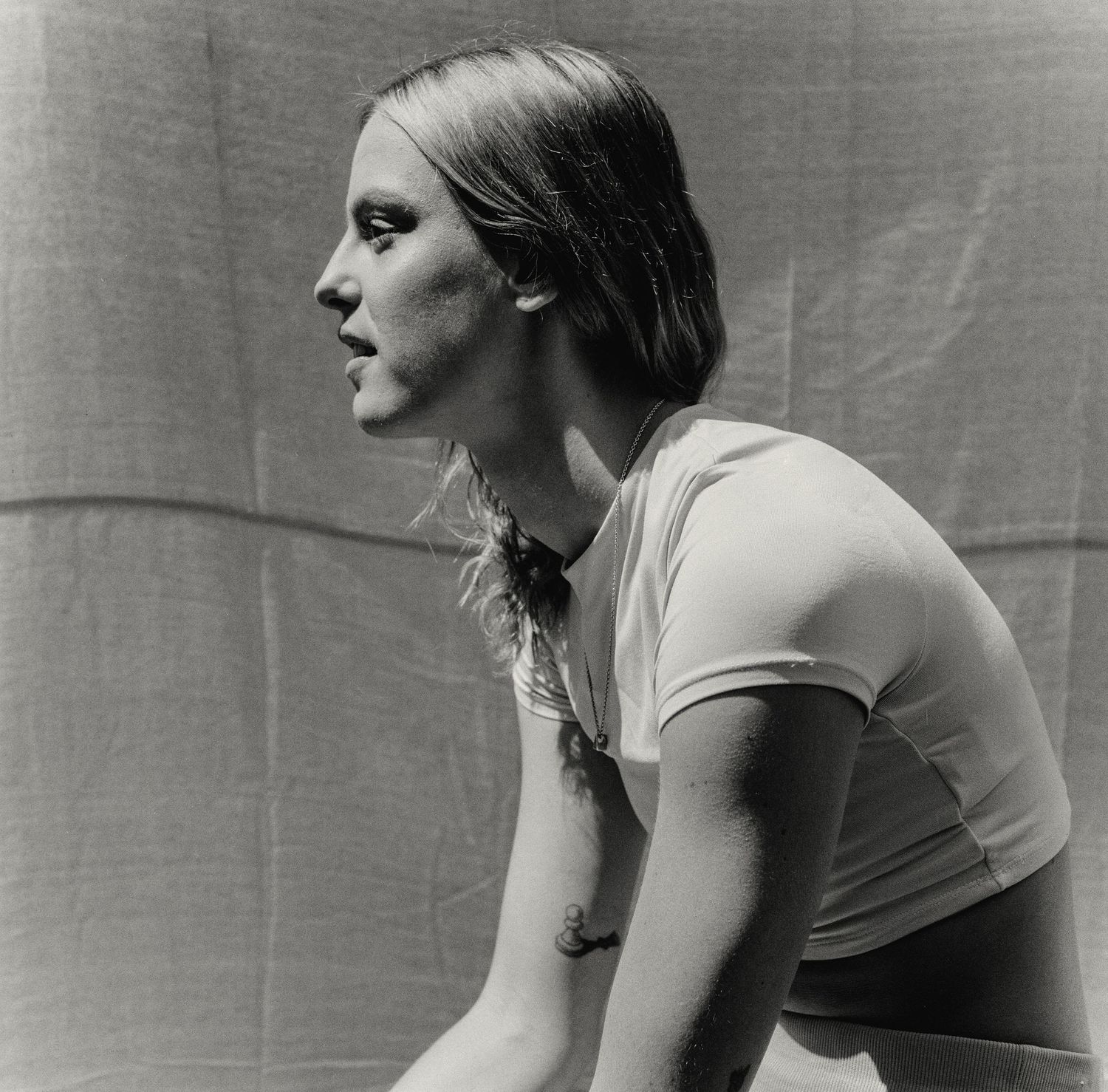
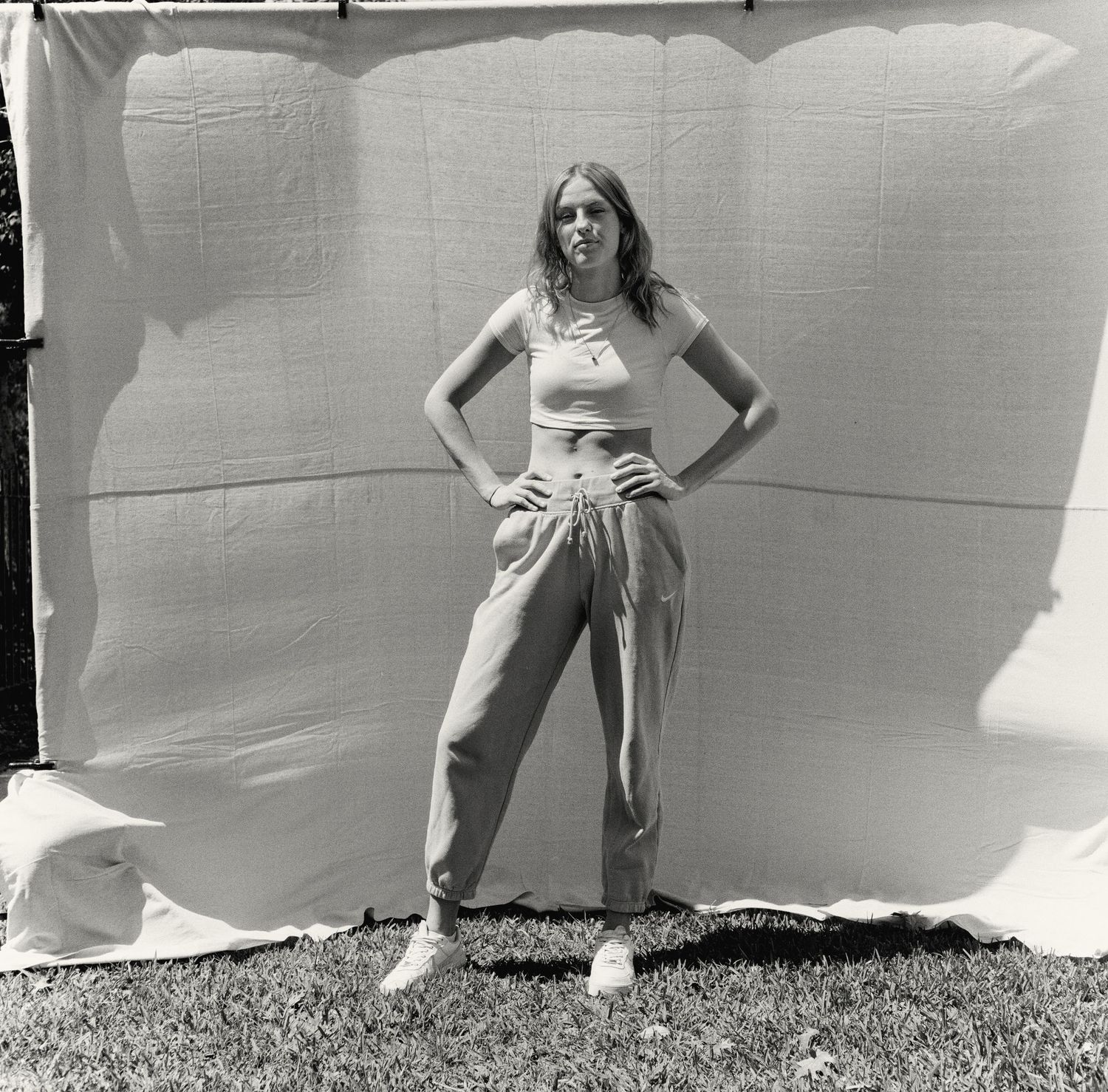
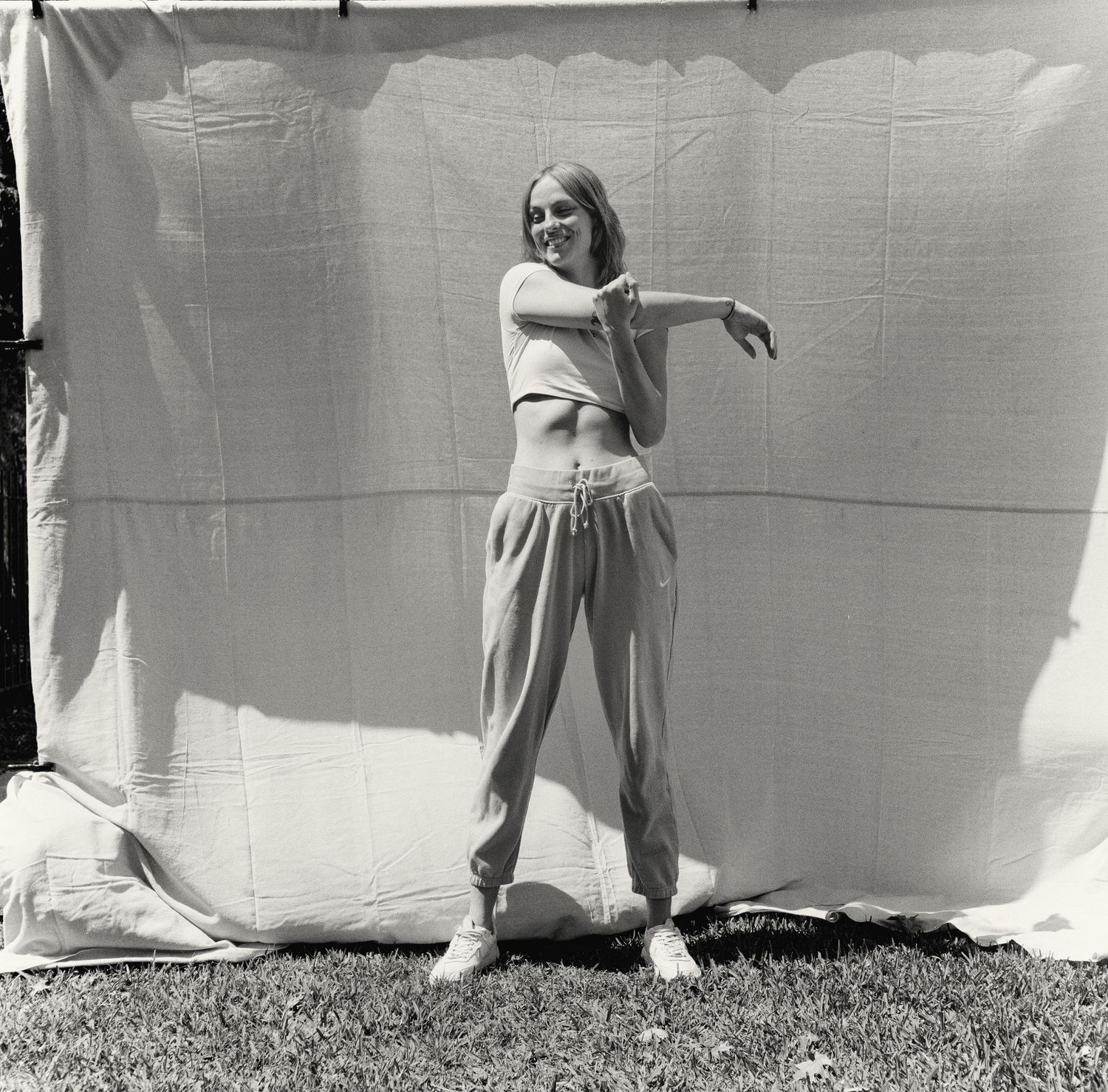
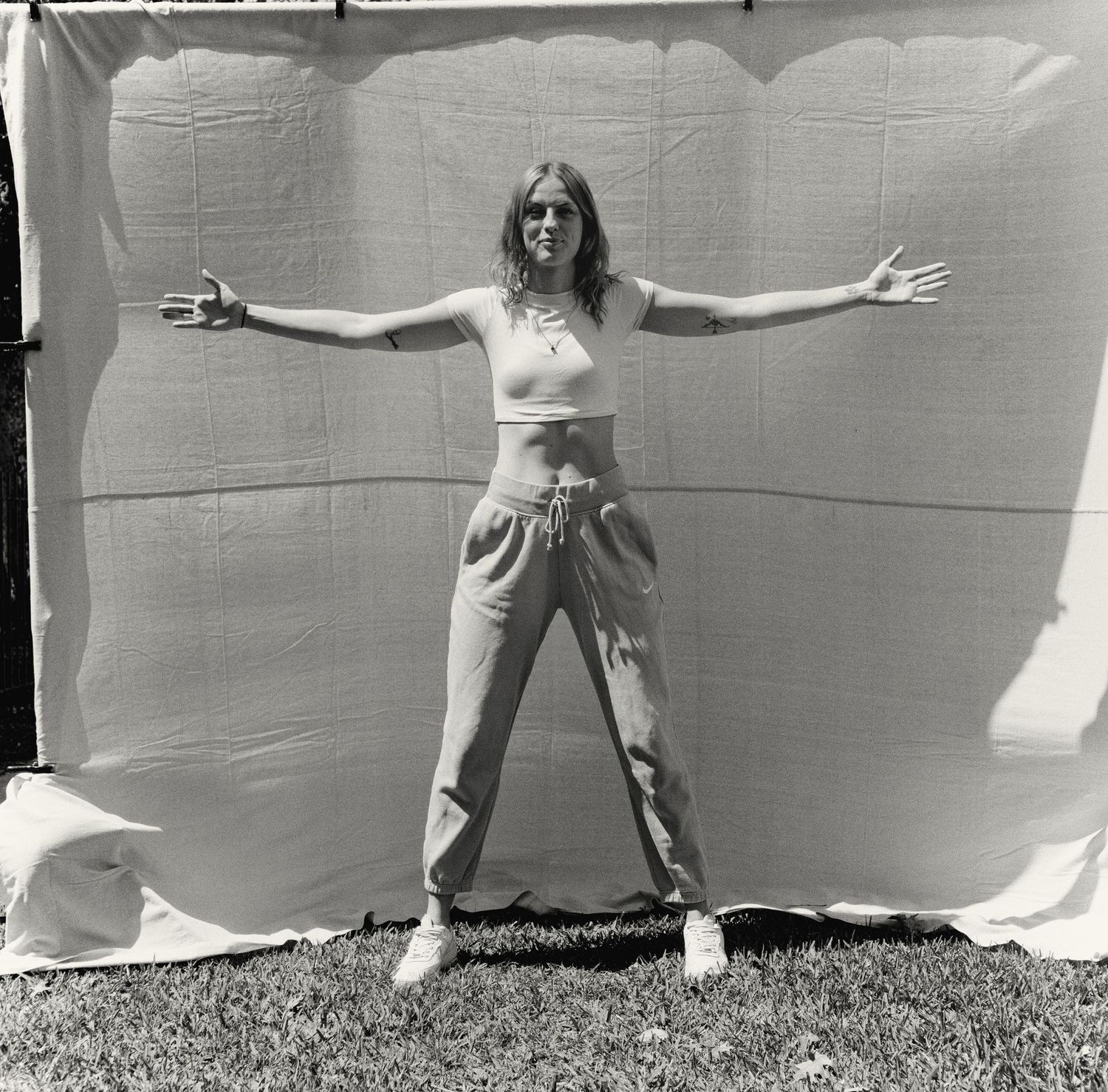
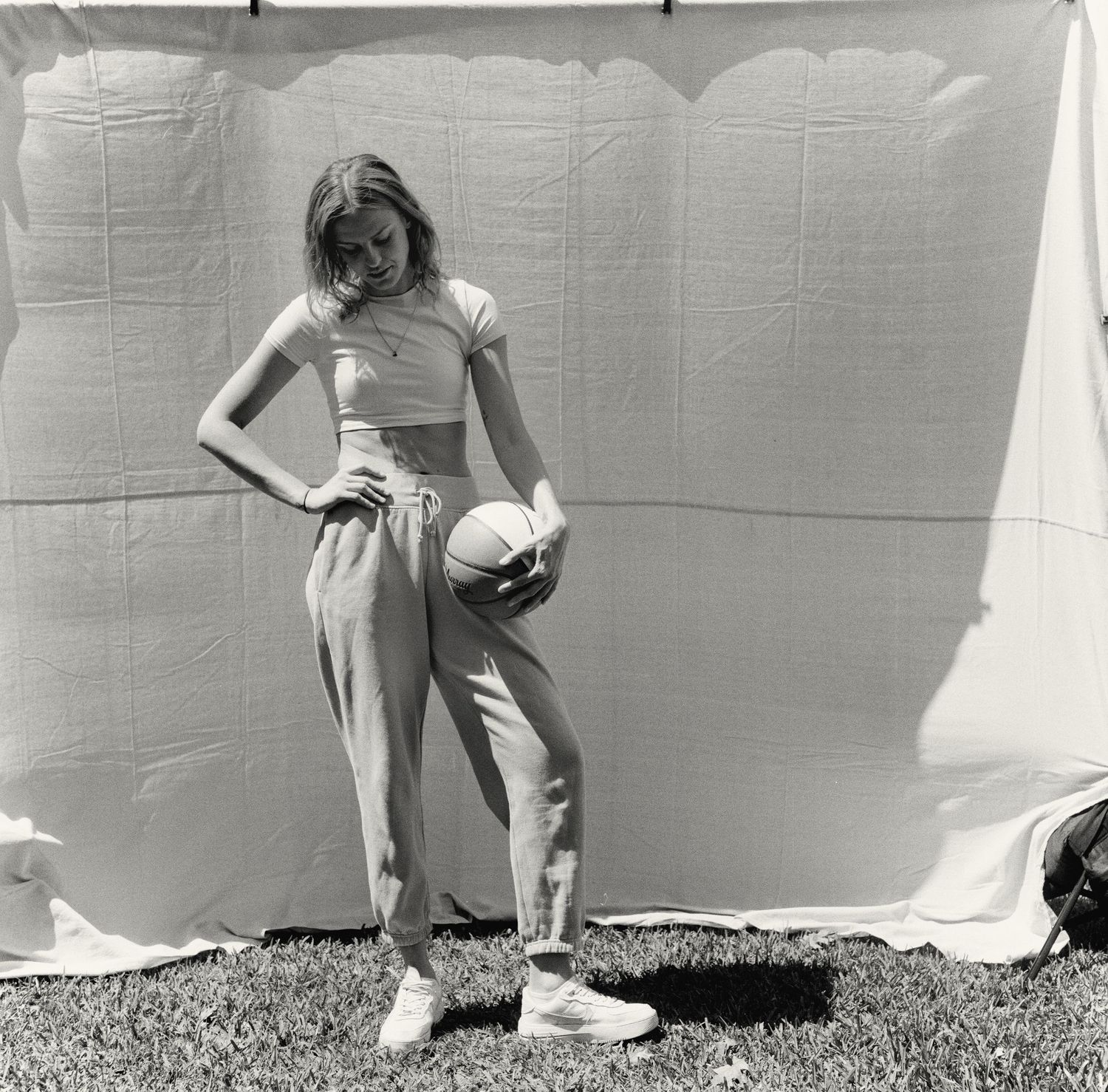
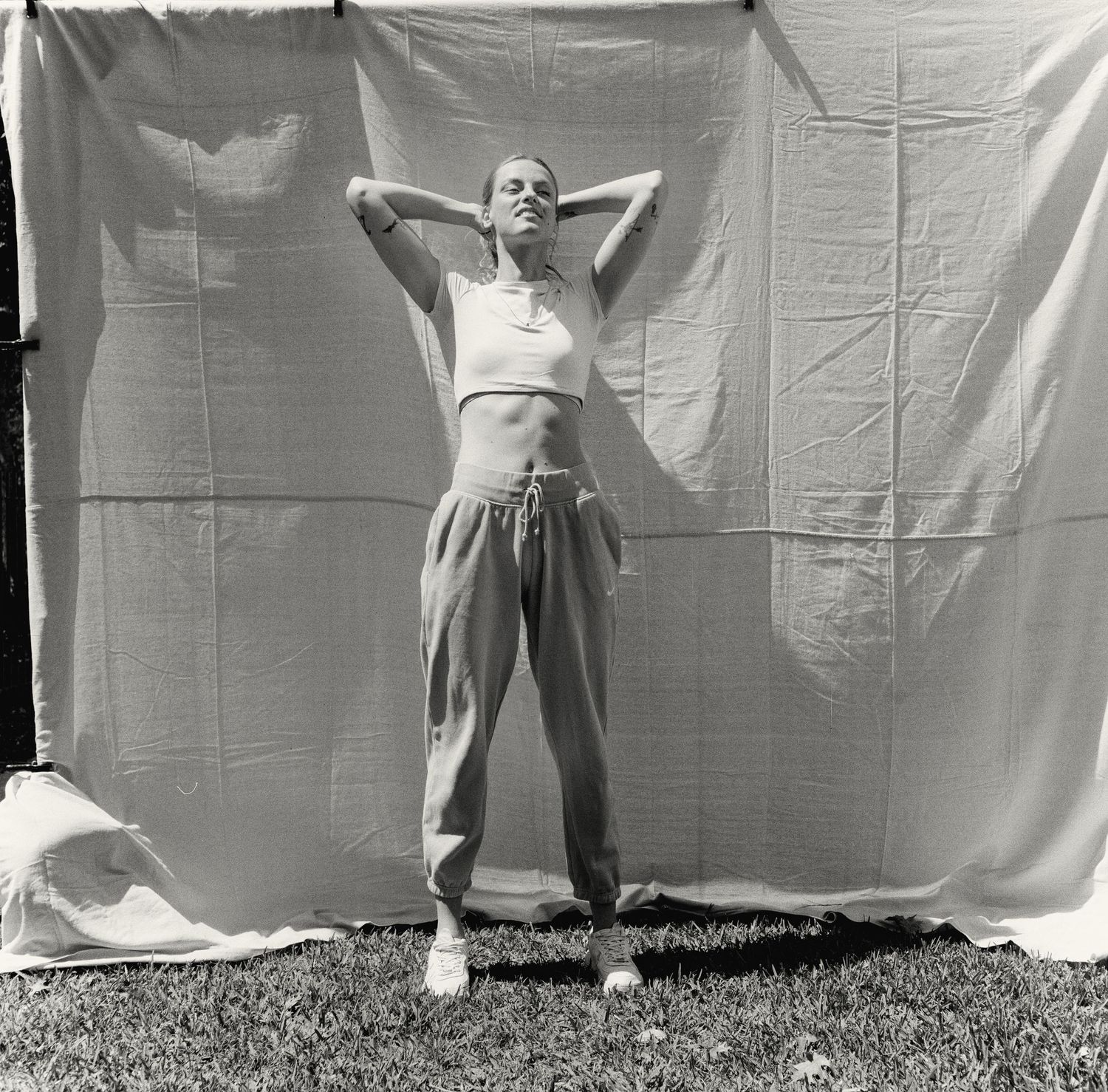
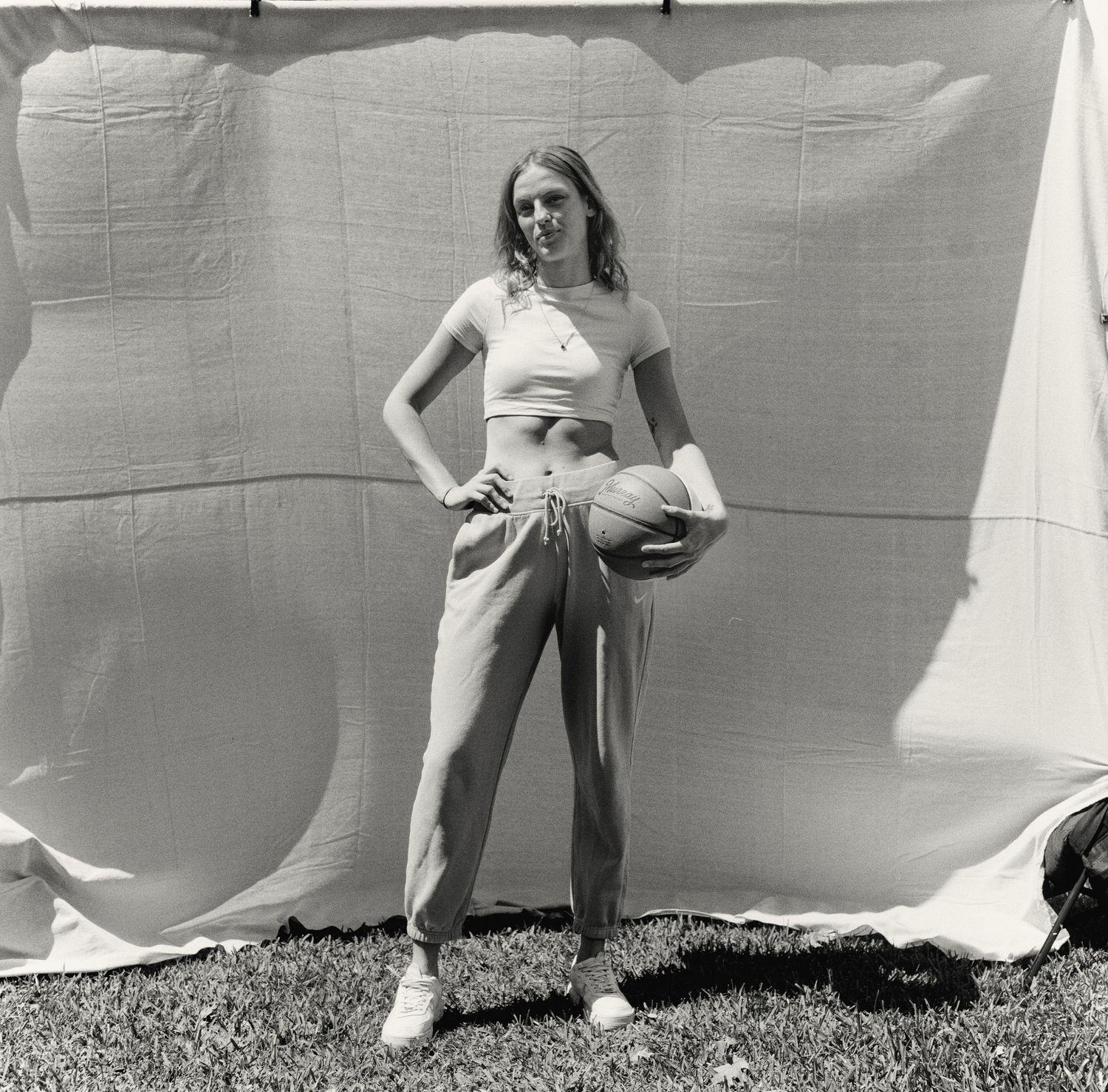
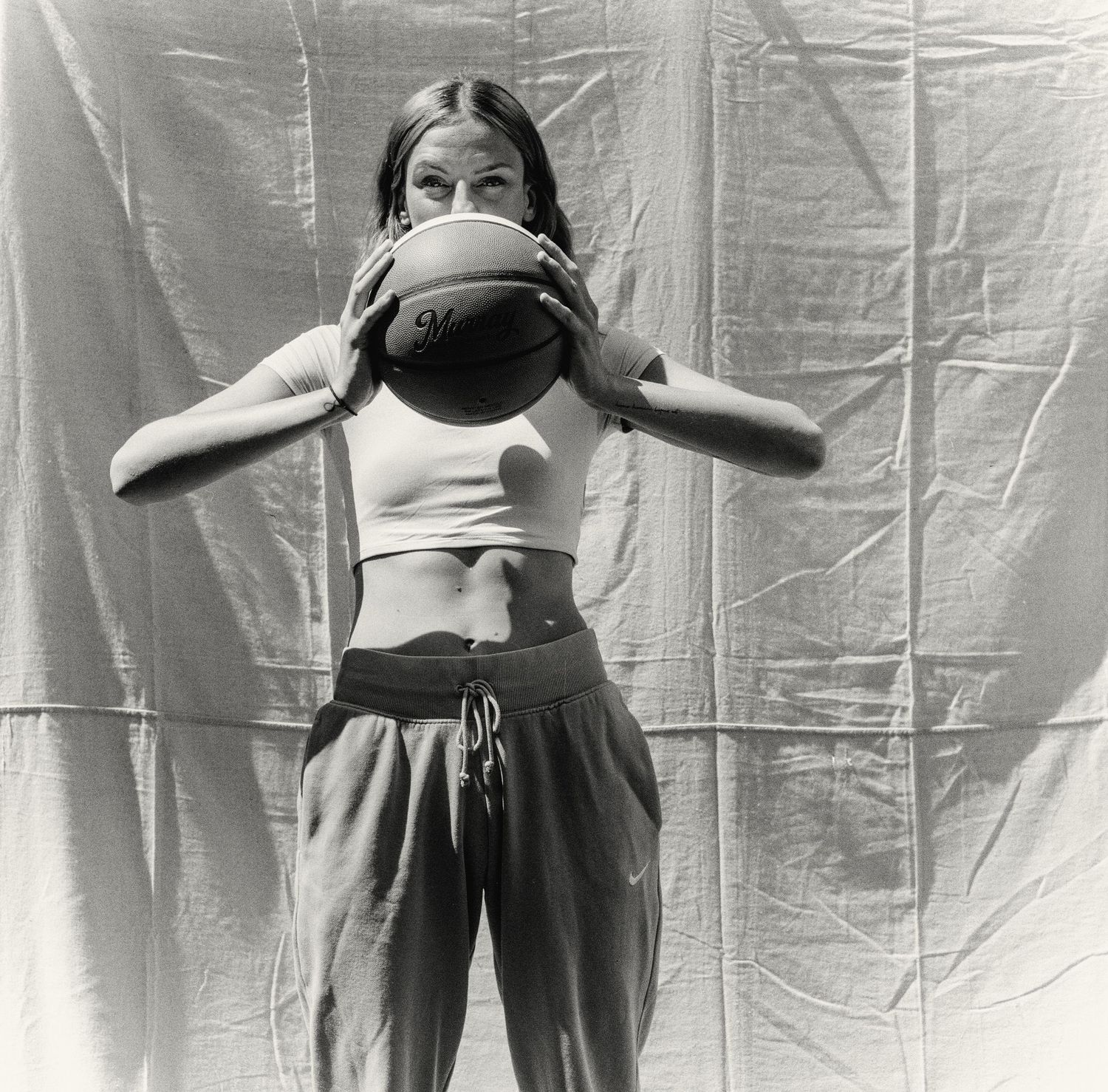
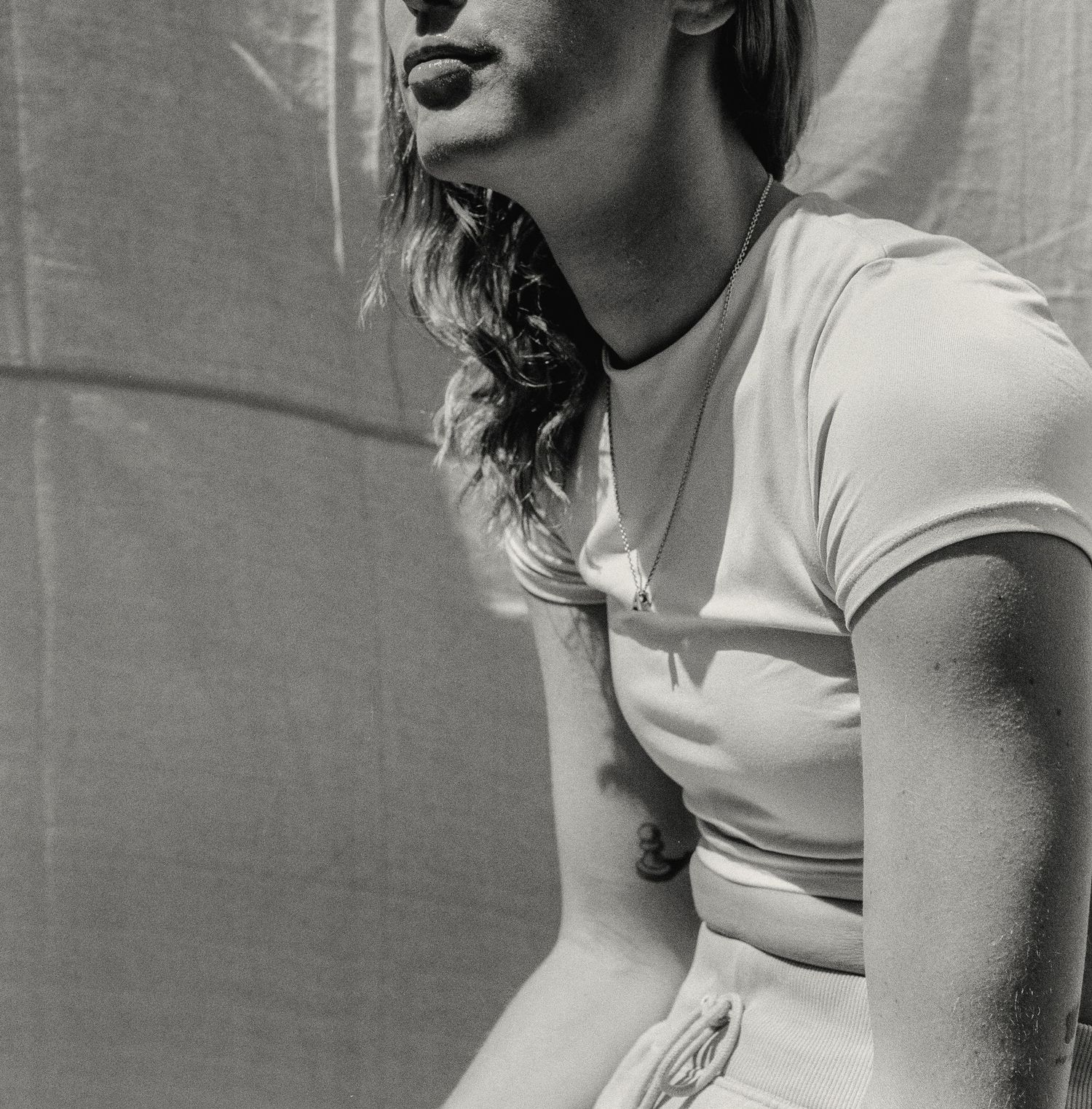
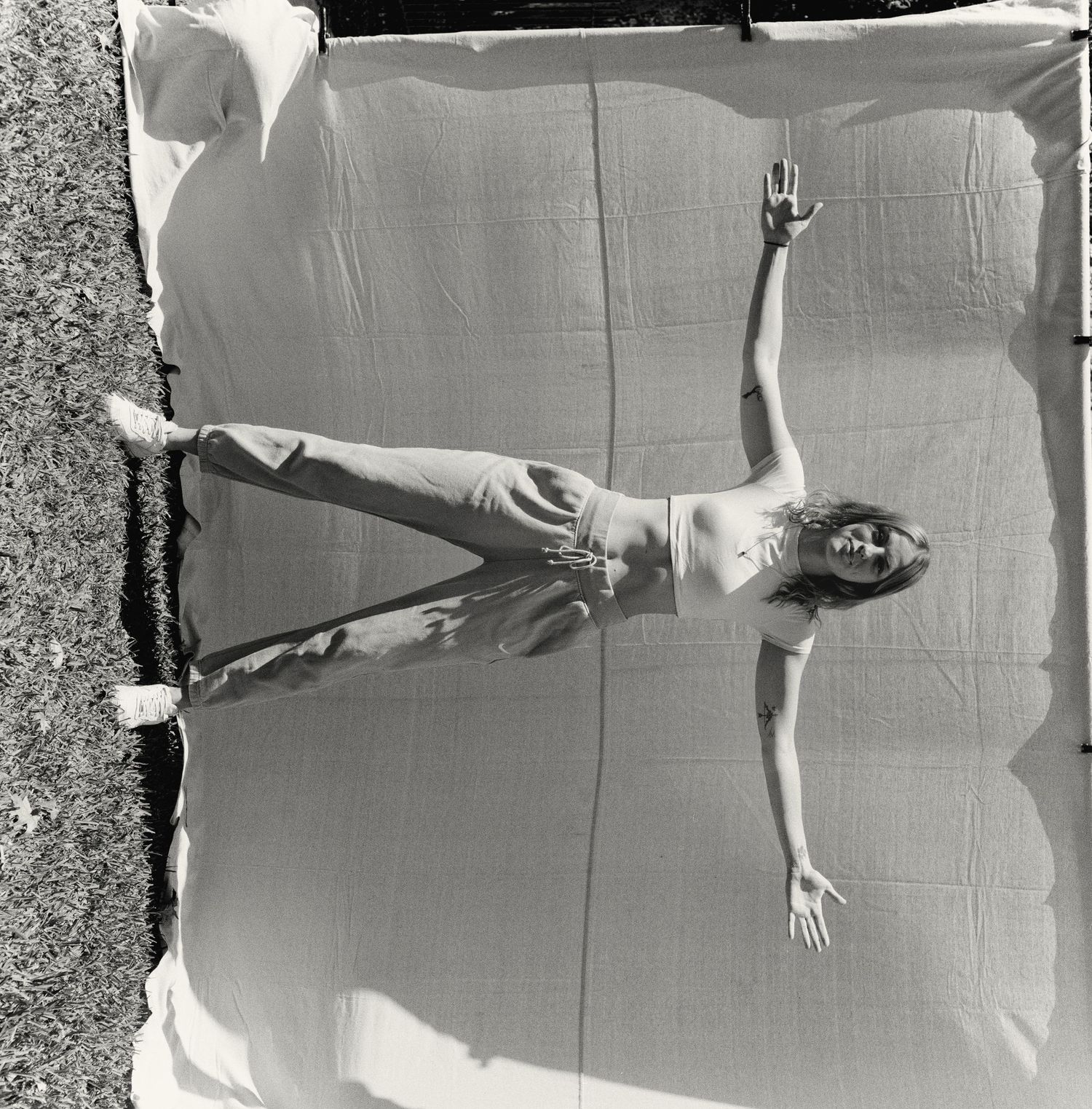
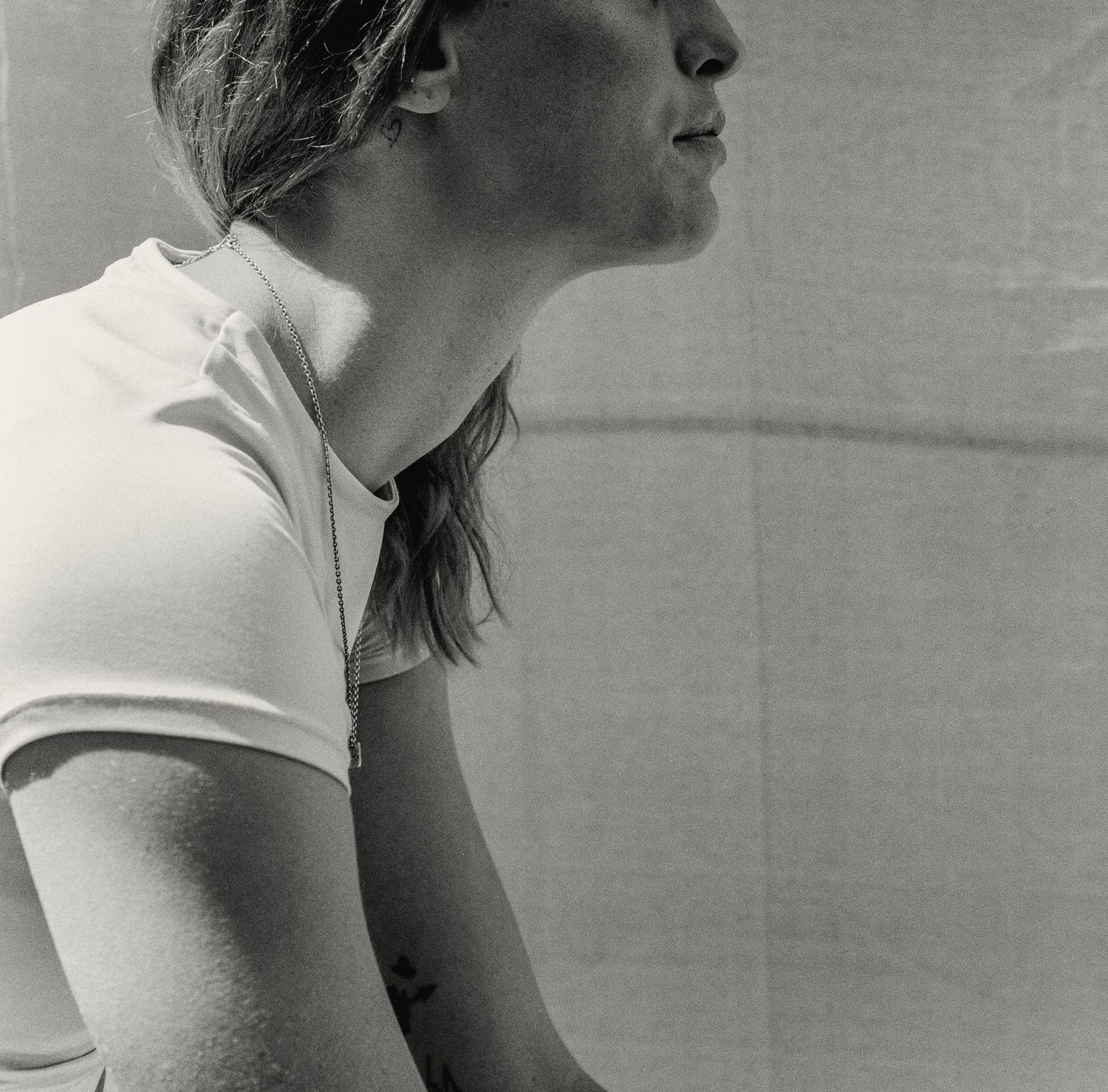
MAMIYA c220 / TRI-X + TMAX 120 FILM
Everything Happens for a Reason
AN INTERVIEW WITH AMANDINE L’ETANG
by
Respect Their Game
Welcome to the Respect Their Game — a collection of conversations with women athletes about commitment, identity, discipline, and the interior life of sport. These interviews are part of the ongoing portrait project documenting women in sport through film photography and their own words. Today French basketball player, Amandine, shares her journey from France to U.S. college ball, her drive to coach, and why everything is possible at any age.
Okay, so how old were you when you first started playing your sport?
I started playing basketball when I was seven.
And what made you stick with it?
My big brother was playing basketball. My dad was playing and coaching, so I guess I had no other choice but to play and start enjoying it, so I kept playing.
Were your brother and your dad the first to really encourage you to play seriously?
Yes, and a coach from my brother’s club, because I was so tall when I was young. I mean, I’m still tall, but I was really tall when I was young, so he was like, you should really start playing basketball when I was four or five. And I started playing a little bit after that. I didn’t want to play. At first I hated basketball. I really didn’t like it.
Was it only basketball, or did anyone try to get you to play volleyball too?
No, volleyball is not as big in France as it is in the U.S., so nobody really told me about volleyball.
What does a normal training day look like for you during the season?
This season we had practice from 3:30pm until 5:00 or 6:00pm, and that would be it. Sometimes I would just go and get some shooting in by myself. That would be just if I need to find my peace again after a rough day or something like that. But that’s pretty much it.
And what was the hardest part of practice or training for you?
This season? Being back playing basketball after a year off was not easy mentally and physically, that's a lot of lost habits to get back into.
What’s something people don’t see or realize about how much work it takes to play at your level?
I feel like, especially me being international, it’s a lot of work obviously, but it’s also a lot of connection. You need to be sometimes at the right place at the right moment. Obviously you need to work hard, but if you want to get a chance to play in the States as a foreign person, you really need to work on the court, but also work in your life to get the right connections to get where you want to be.
Connections with people?
Yes, connections with people. Don’t be scared of asking a lot. Ask for contacts. Go to people that you think can help you. Don’t be scared. Don’t be shy.
Yeah, because you are kind of on your own, right?
Yeah.
How do you feel right before a game starts? Are you nervous? What do you feel?
Yeah, I’ve played basketball for 20 years now, and I still have stress before a game. I’m still nervous. It can be a scrimmage, or the final conference final, or whatever, I’m still going to be nervous.
Do you eat before a game?
I try to eat three or four hours before a game. Not right before. Yeah, not less than that.
What do you tell yourself when things aren’t going well on the court?
That’s funny because that’s going to be my next tattoo, but everything happens for a reason. So if it’s going great that doesn’t mean that’s going to stay like that. You can see a lot of players have a bad first half, but in the second half they are just playing their best basketball — and sometimes they make the team win. So just stay confident, you know what you got to do. You know how to do it. If you’re here, that means you know how to do it. So just stay confident.
Have you ever thought about quitting and what kept you going? (I guess you did kind of quit.)
Yeah, I mean I quit because I didn’t have a choice, but I also quit before when I was younger. So I went to JUCO nine years ago right after I graduated high school, and I had a really bad experience with my coach. I think I was too young to go overseas, so I quit, went back to France… didn’t play for months and months until my best friends made me come back and play with them. So they were like, just come with us, we’re going to take some shots and stuff. Just enjoy it. So I went, and that’s how I enjoyed playing again. I also had to quit to work in NY last year, but I didn’t want to, and that was a tough decision. I was so happy to have the opportunity to play for a team again, but I still don’t know if I’m going to play next year because I really had a challenging season.
But you made the most blocks in the whole country or something, right?
Yeah, I did, and broke the school's record too, but I guess that was not enough.
And what kind of work did you do in New York?
I was an au pair, it’s like a live-in nanny but for foreign people. I was watching and living with a French family of 6 (4 kids), busy schedule but amazing experience, that taught me a lot.
Who do you lean on the most when things get tough?
My family. Yeah. All my family plays basketball, so if it gets really tough, I’m going to close up and stay to myself for a while, but the first person I’m going to talk to are my family and best friend.
Was there someone who really shaped your basketball game?
My dad is the one who taught me the most. He was my first coach when I was younger. And obviously my big brother because I watched him play a lot. He’s three years older than me, so I was going to every games. My first favorite player was Kevin Durant. I think I try to be a little bit like him in some ways because he is so tall and doesn’t really want to be a post player, and that’s a little bit my story, too. So I think he shaped me in some way.
That’s true. I’ve watched some film on you, and you were nailing threes, but you’re super tall and “supposed” to be a post player/inside player, right. But you can play everywhere on the court, like KD (Kevin Durant).
Yeah, I feel that way. I like to play as a tall guard. A three or four, not really a five.
But everyone is trying to make you a five since you’re “the tallest?”
Unfortunately, yeah.
Have you ever felt underestimated in your sport?
Yes, especially in France. I don’t really know how it is here when you are in high school and stuff, but in France everything is so much more focused for men than women once you start playing, especially basketball. Basketball is really a men’s sport in France. So basically at the same age, as girls, you’re not going to have the same clothes, equipment. Everything is so much more for men than women. I mean you don’t realize it when you’re young, but you realize afterwards when you stop and think about it. Even money for pro teams, they really don’t have the same salaries.
Yeah. So what do you wish people understood better about women in your sport?
What I keep saying to people is that women’s basketball and men’s basketball are two different sports. If you are looking for dunks or physicality, go watch men’s basketball. If you are looking for more IQ, three pointers, passes, then go watch women's basketball. There are just two different sports, and you have to understand that. It just depends on what you're looking for.
What does your sport give you that nothing else does?
I want to say peace because if I have a lot going on that's always where I’m going to go. I'm going to go to the gym. I’m going to go get some shots that gives me my peace and patience. That’s really what I like to do. I know I want to be a coach, so I guess a dream career, too. Basketball gave me almost all my relationships and friendships. All my friends are from basketball basically. So that gave me a lot of things. I want to say 70%—75%, if not more, of my life. It gave me a community.
If someone sees these photos years from now, what would you want them to understand about you as an athlete?
That everything is possible. I mean, coming in the U.S. to play in college was my dream since I think I was seven and started playing. I kind of did it 10 years ago, then went back to France, then decided to come back with a clear objective. I know what I want do and why I’m doing it. So everything is possible. Age is just a number. You can do it at whatever age you want, and I hope I’m going to be a successful coach in 10 years. So I want someone to be like, oh, that's her. She’s a coach now. She is really good. She is doing a lot of good things for basketball and women’s basketball.
That's great. So do you think you will end up back in France one day, or do you love the U.S. and want to be here or somewhere else?
I love the U.S. I also have a little brother who’s playing college basketball right now. I want him to go to the league or wherever he wants. We are really close with my brothers, so I want to say, I think I’m going to end up close to wherever they are. I also want to do something basketball related in France. One of my dreams would be to open an academy there where I can go and coach sometimes, but I will live in the States.
What are you trying to do with Hoopairdiary?
I want to use this page to document my very personal and unconventional journey.
I’m originally a French player and coach, and after a difficult last experience as a coach I came to the U.S. to visit my brother’s university. At that visit it made me realize that I wanted to be a coach here.
I came as an au pair because it was the easiest and fastest way to come in the US.
Then at 27, I made the decision to go back to school and play college basketball again, not just to play, but with a clear goal: get a bachelor's degree and find a GA Coach position for my Masters program.
That’s really the core of it. I’m now transitioning from being a player to focusing fully on coaching while finishing my degree, and I’d like Hoopairdiary to help me capturing that shift.
What makes it unique ?
Hoopairdiary is not a typical recruiting story or athlete journey. It’s about starting later, taking unconventional paths, and trying to turn that into a long-term coaching career in the U.S.
So through Hoopairdiary, I want to have a place for journaling and documenting that process honestly, show the challenges, the decisions, and what it really takes to create opportunities for yourself when there isn’t a clear path. And I hope that will inspire others people (especially women).
Very cool, thank you.
You are welcome.
Thank you to AMANDINE for her time and trust. If you know an athlete whose story deserves documentation learn more about the project here. Respect Their Game remains reader-supported. If you value this work, consider pledging support to help expand the archive.