18
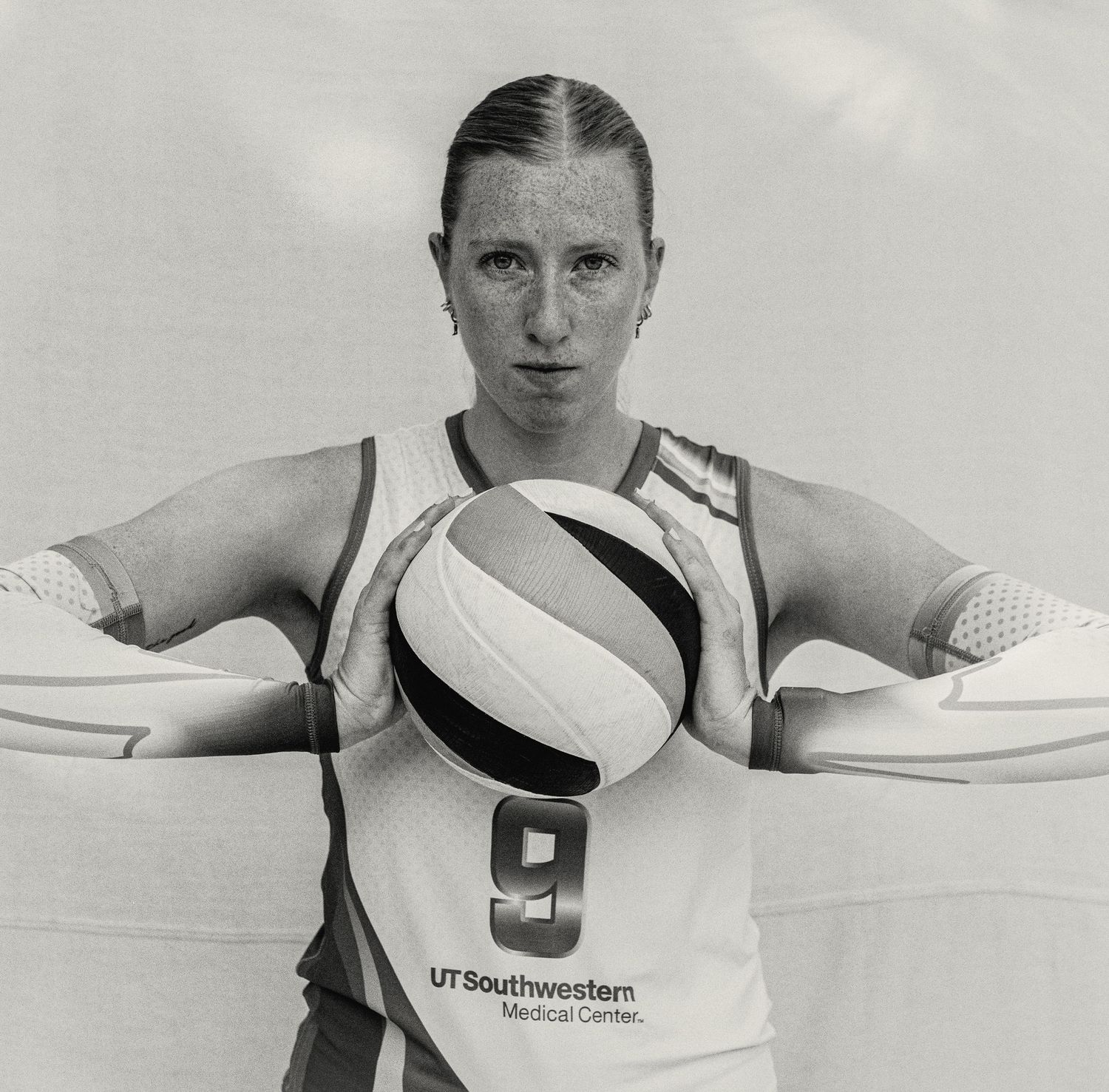
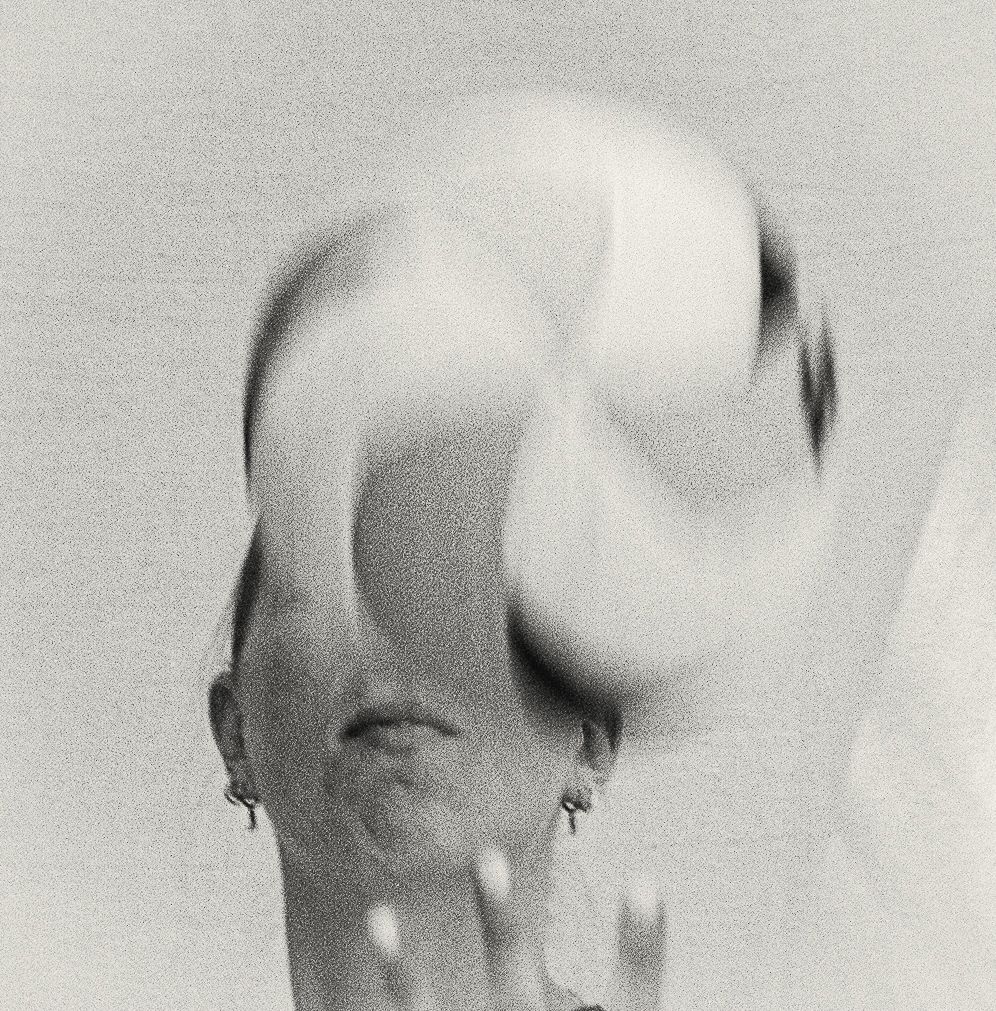
VOLLEYBALL / OUTSIDE HITTER
Kaylee
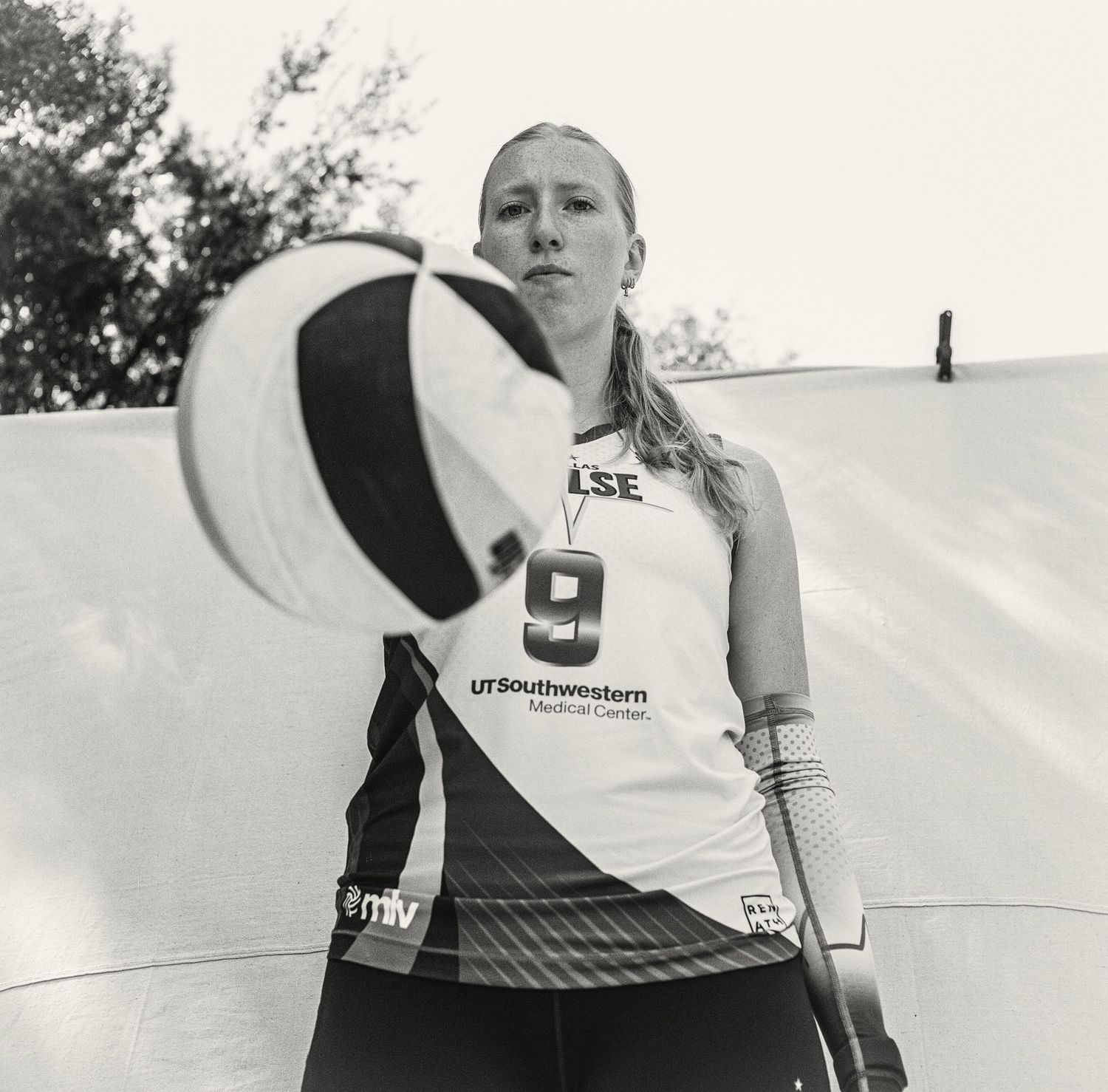
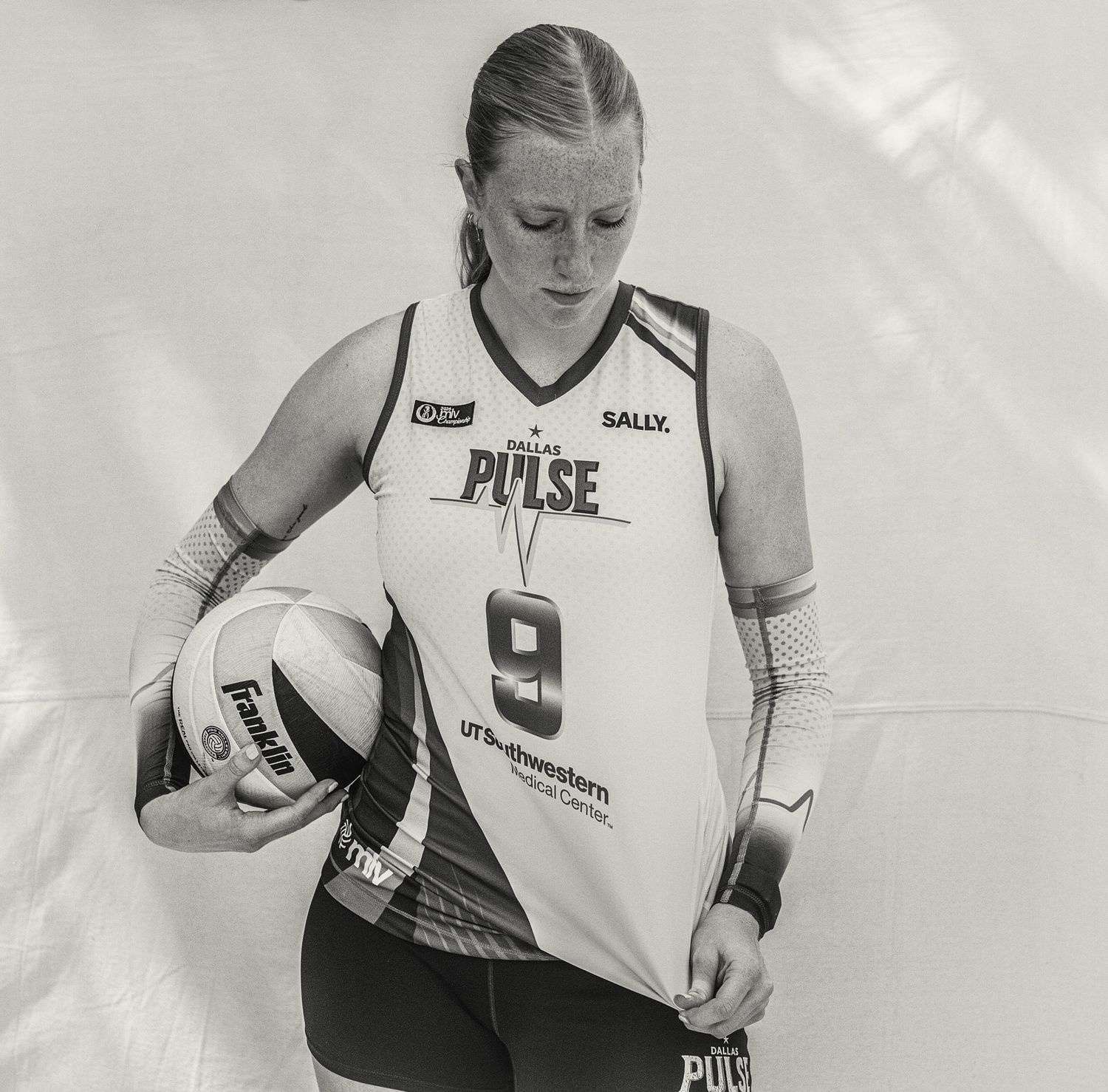
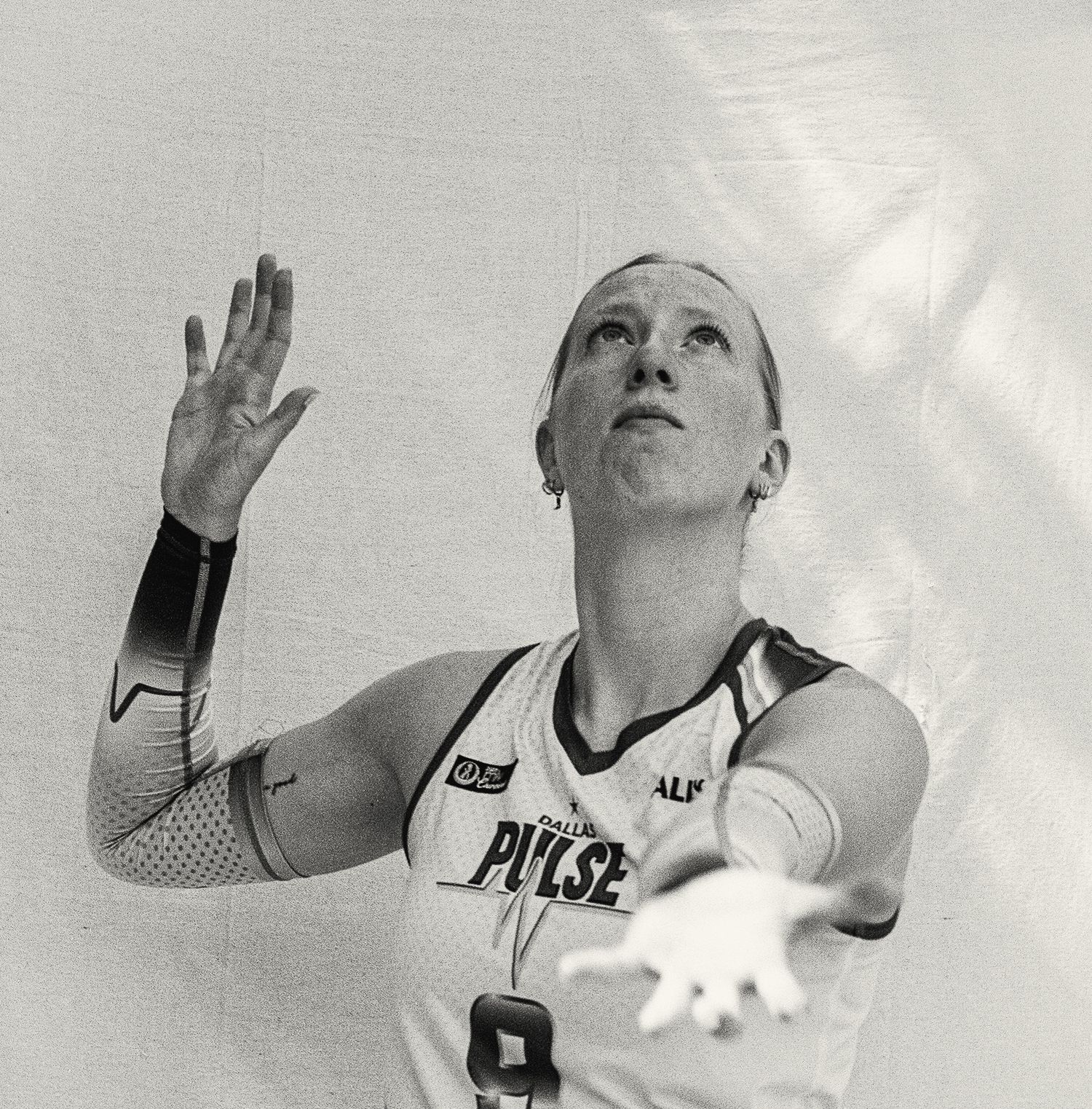
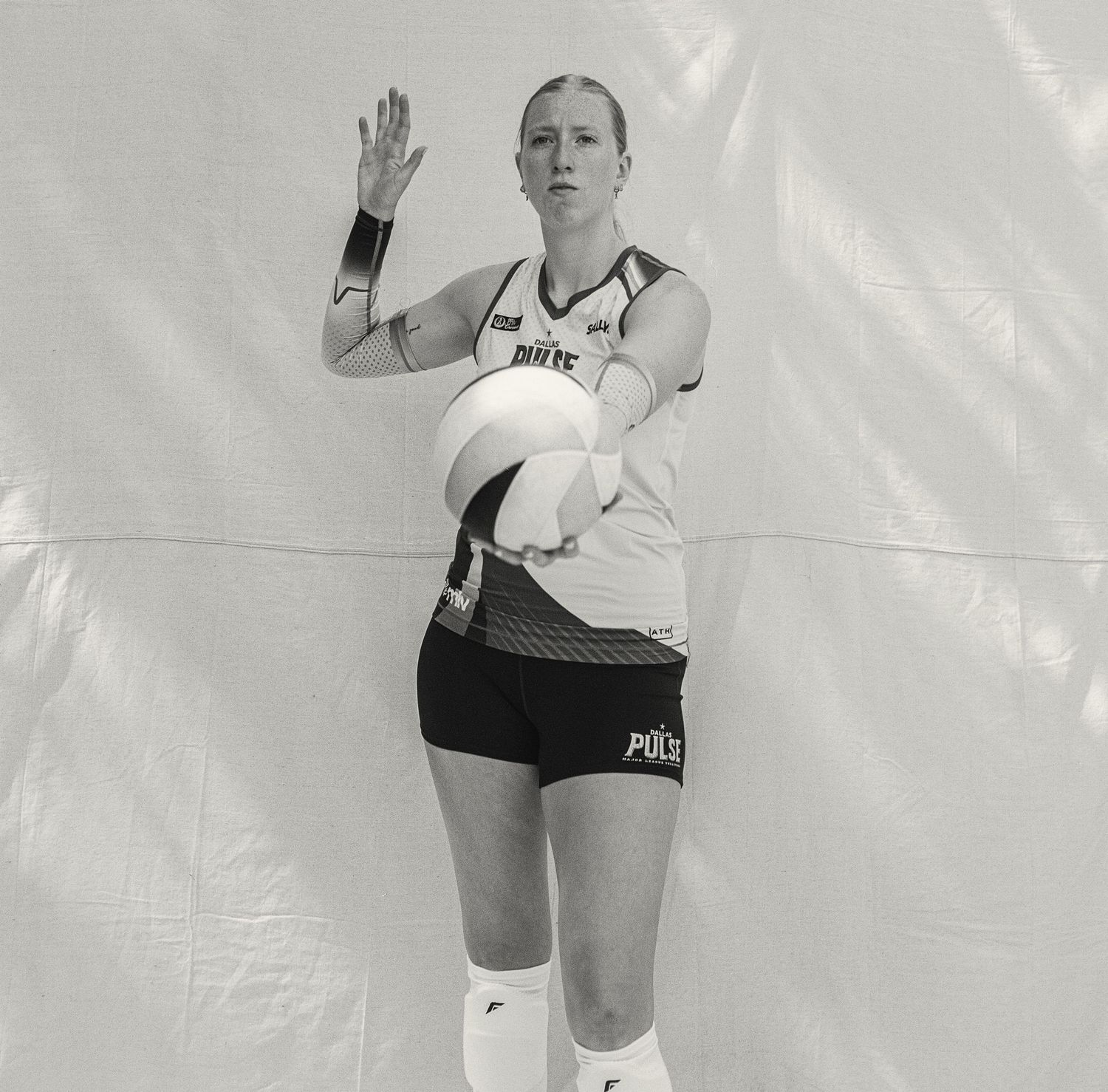
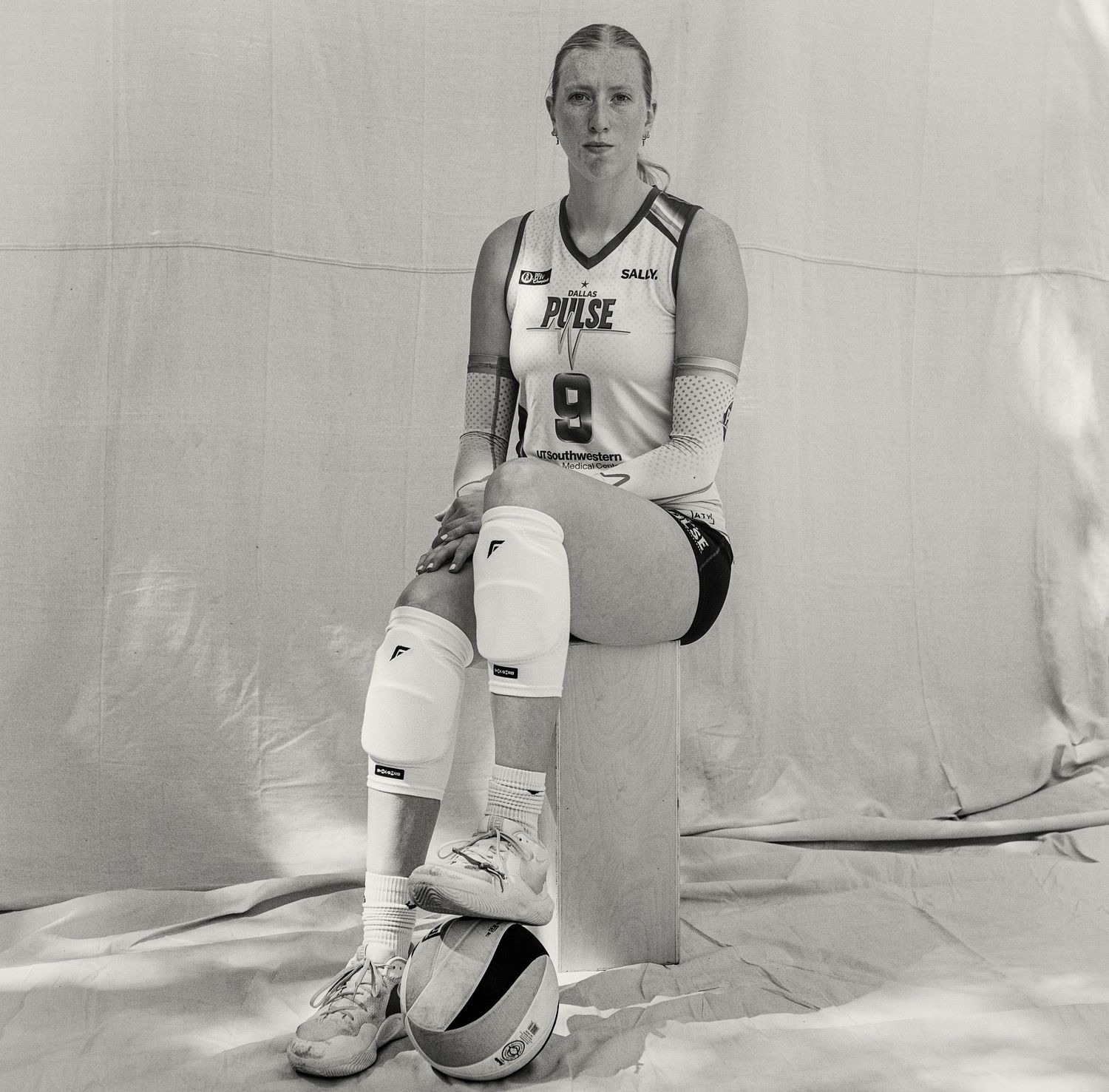
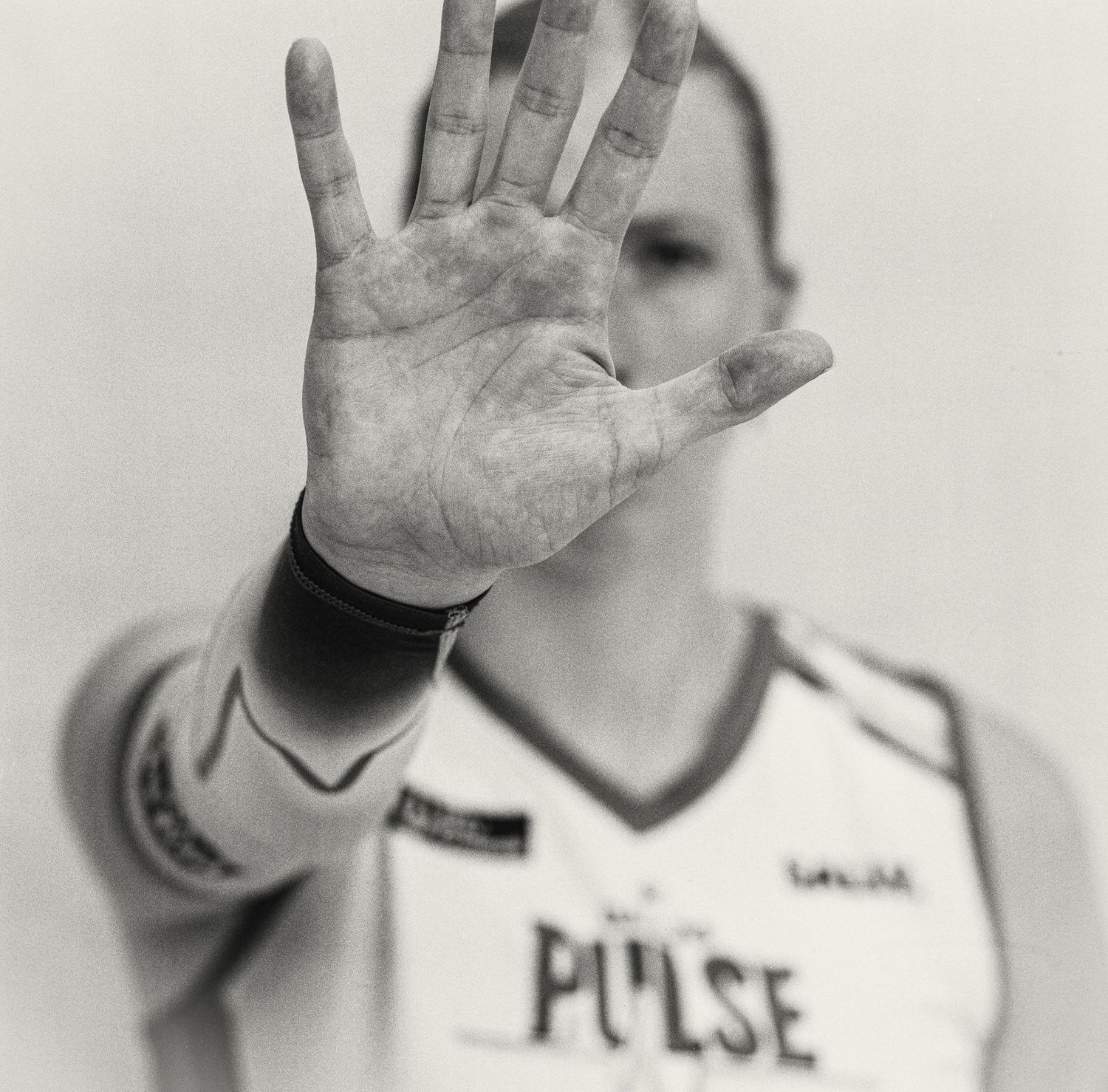
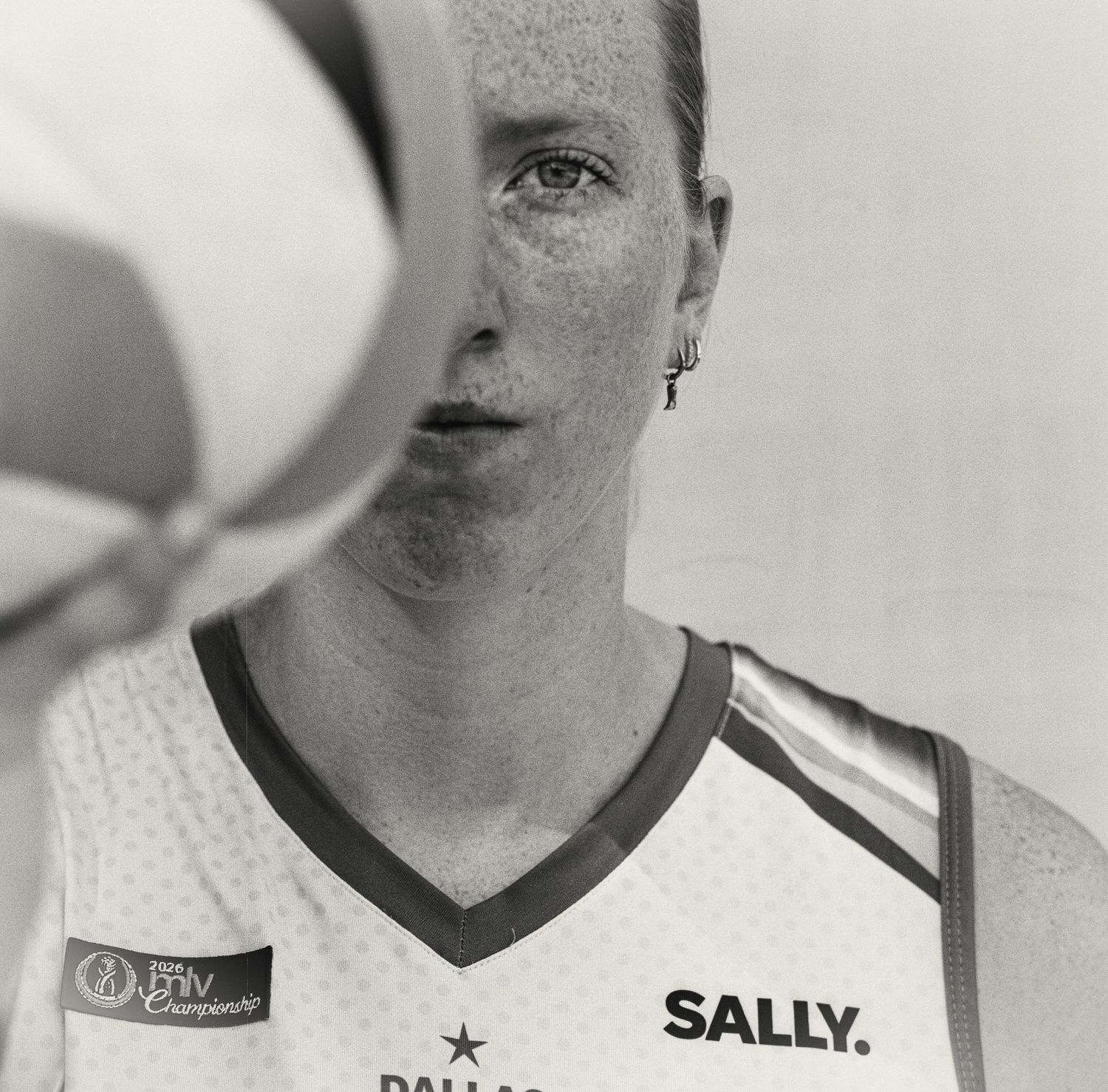
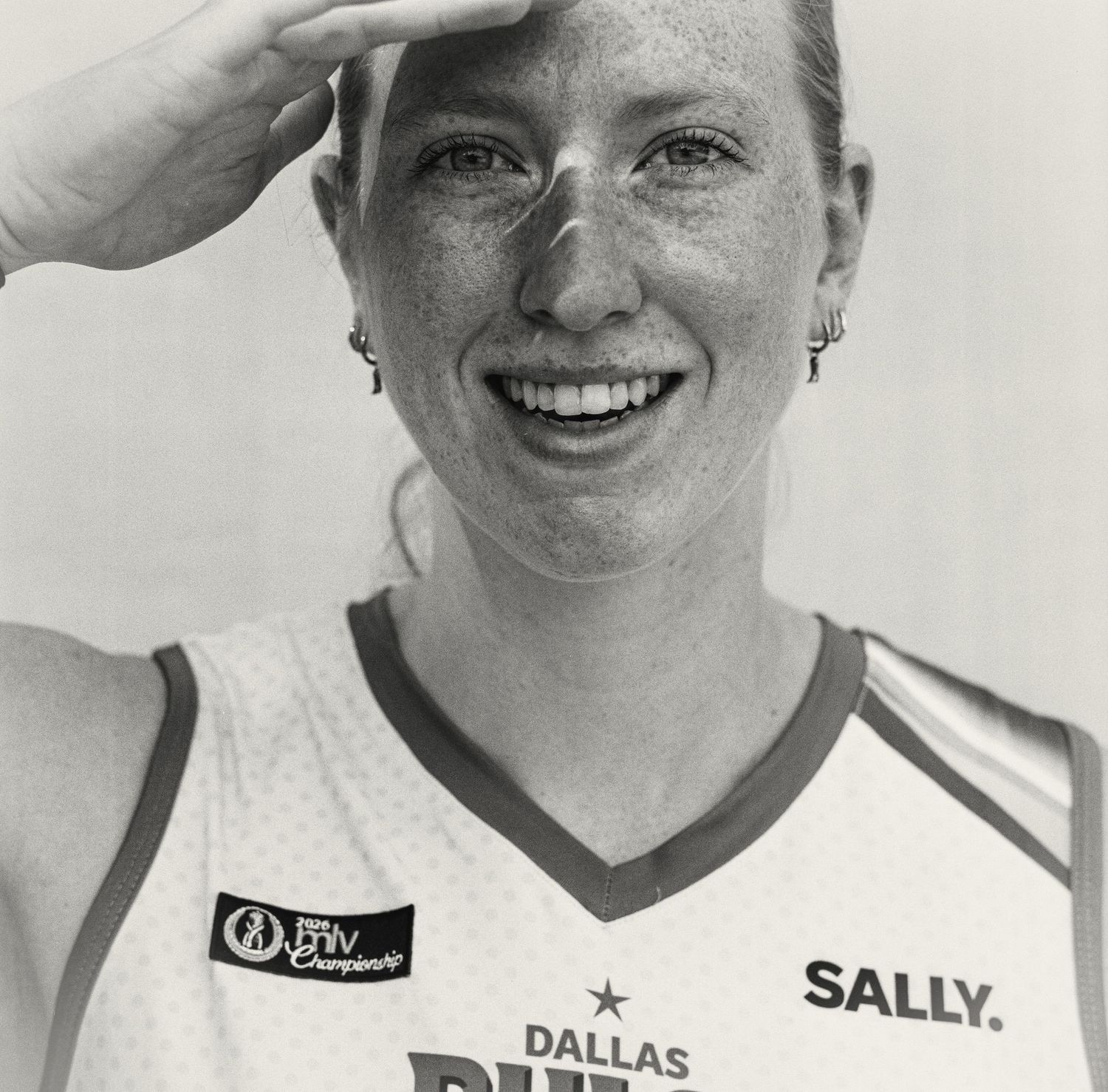
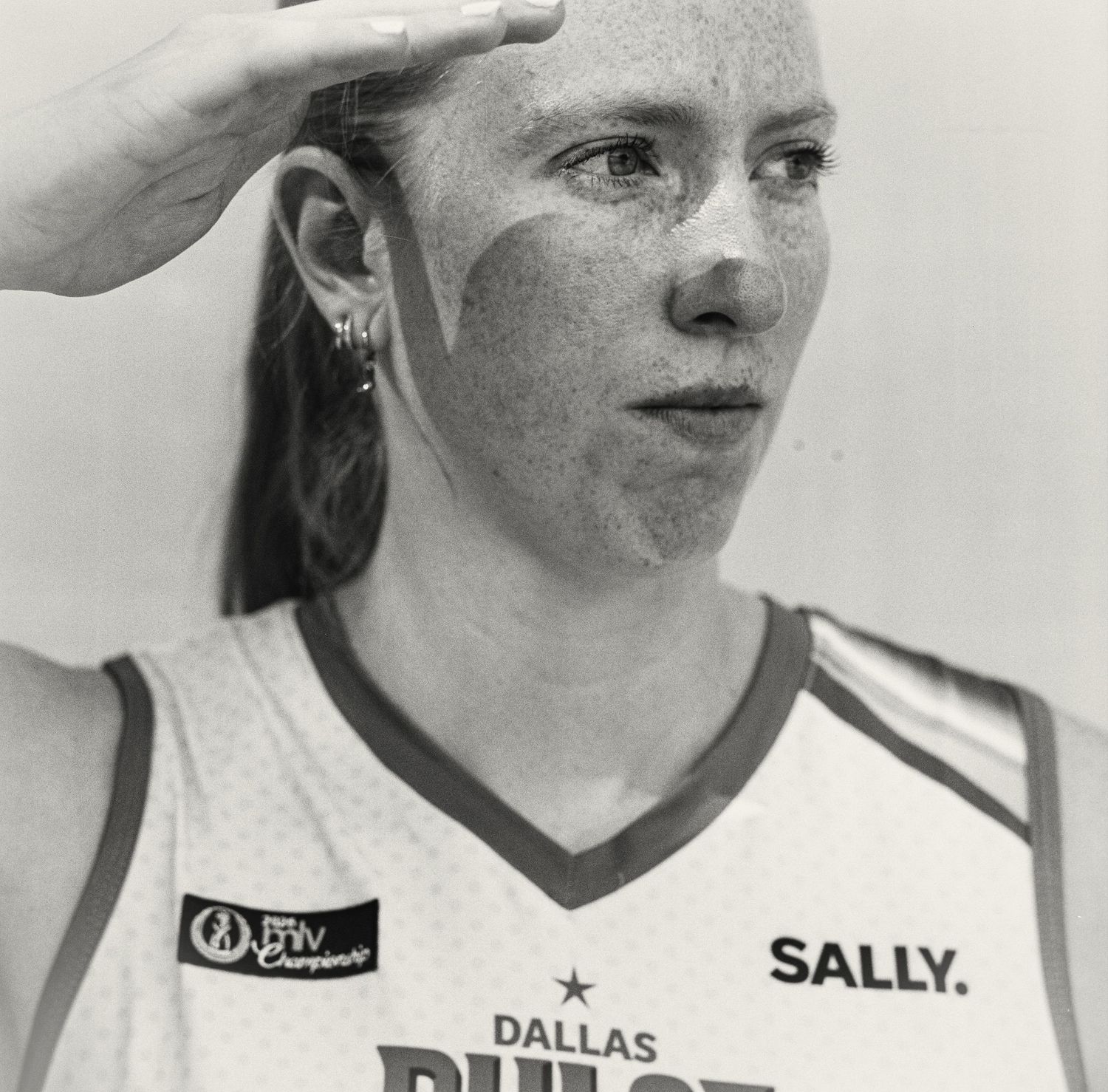
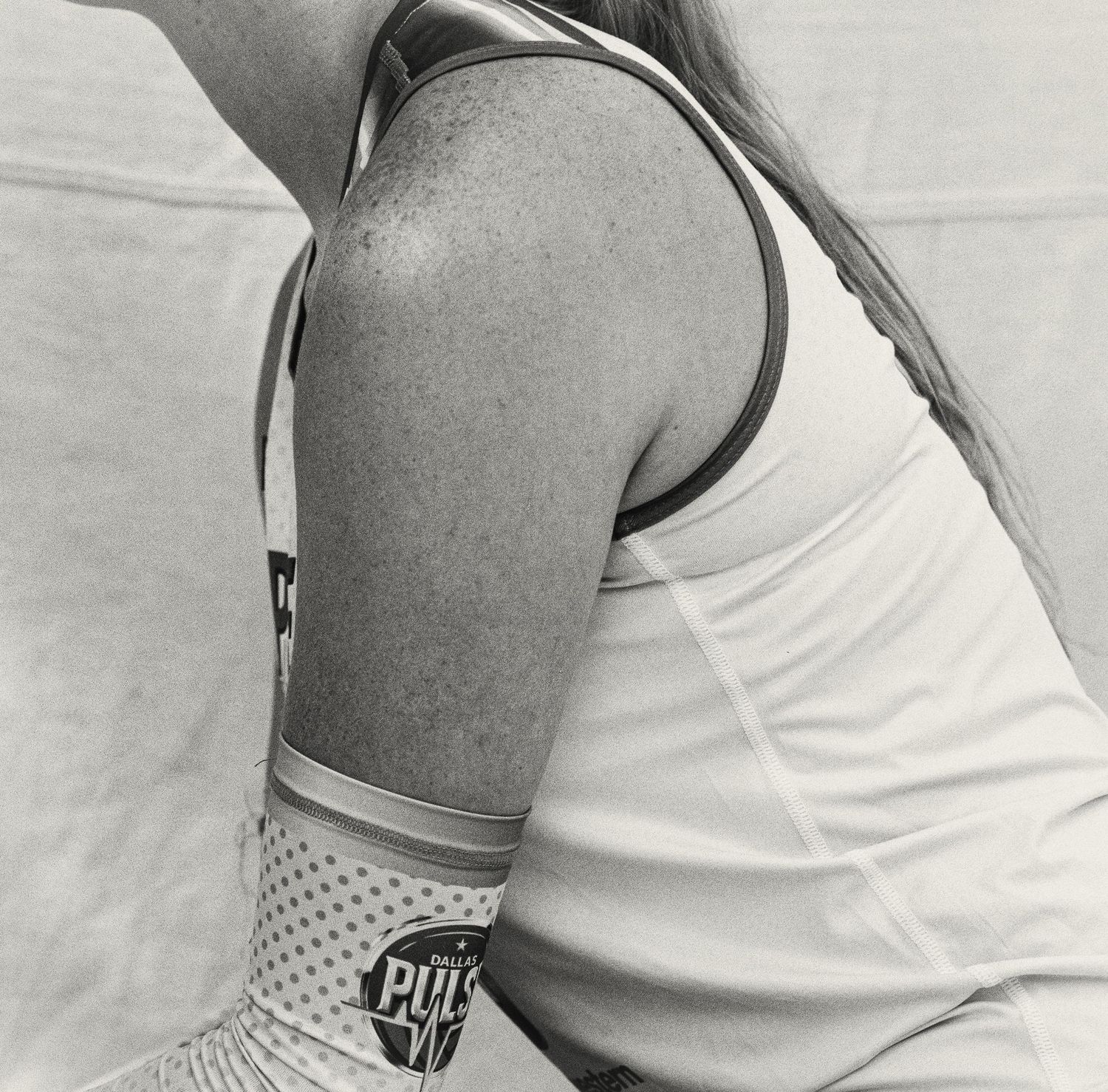
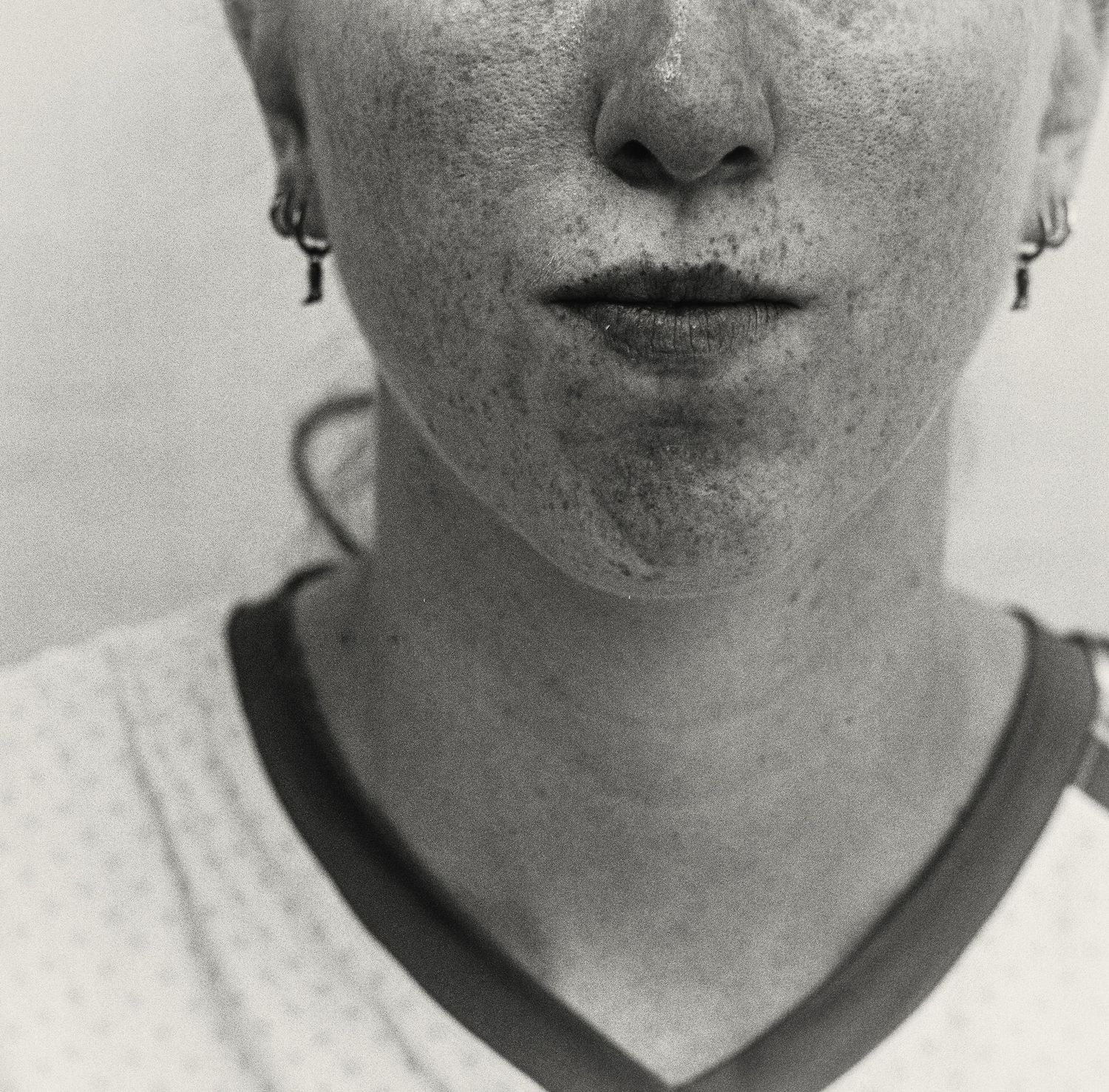
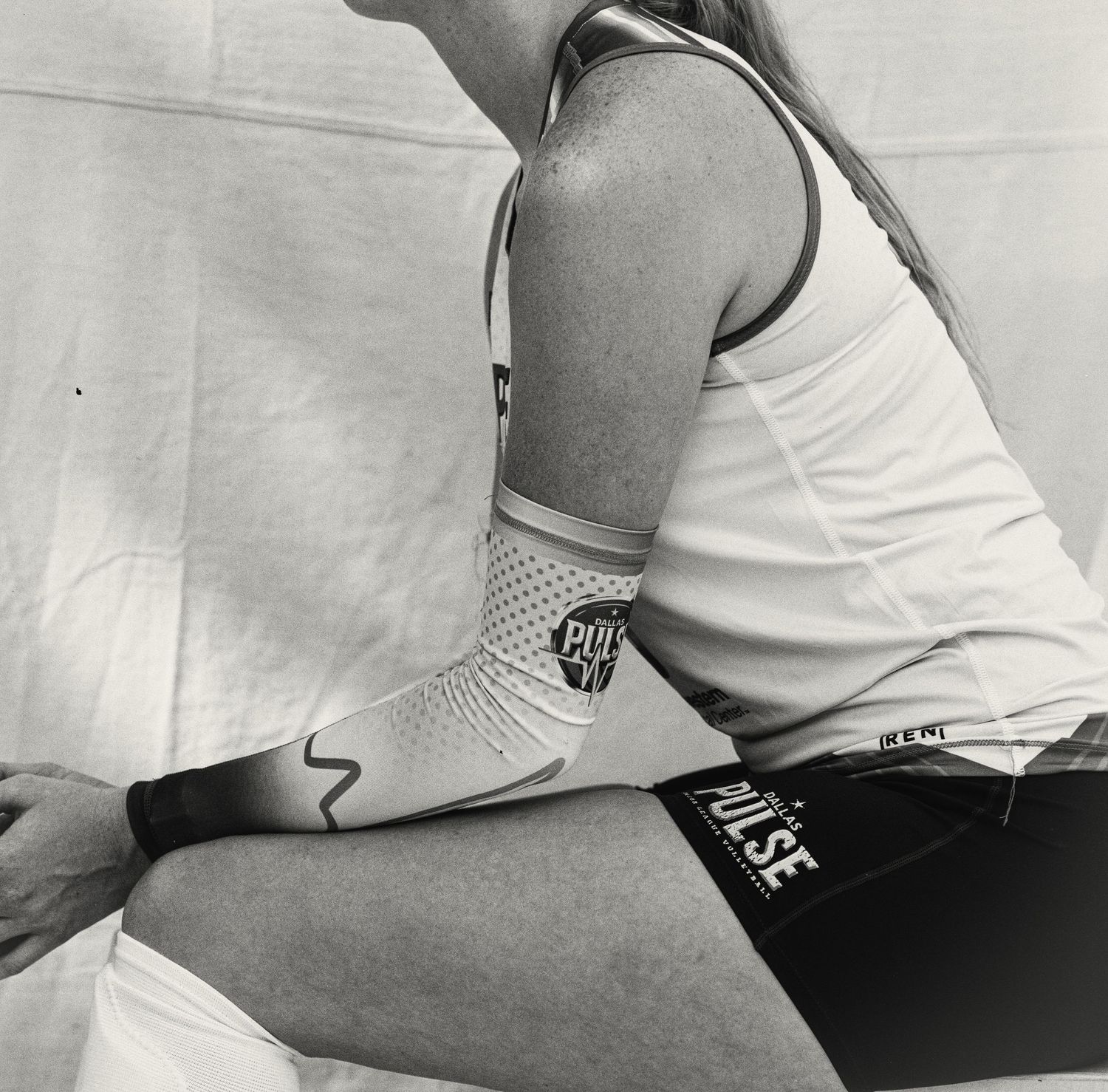
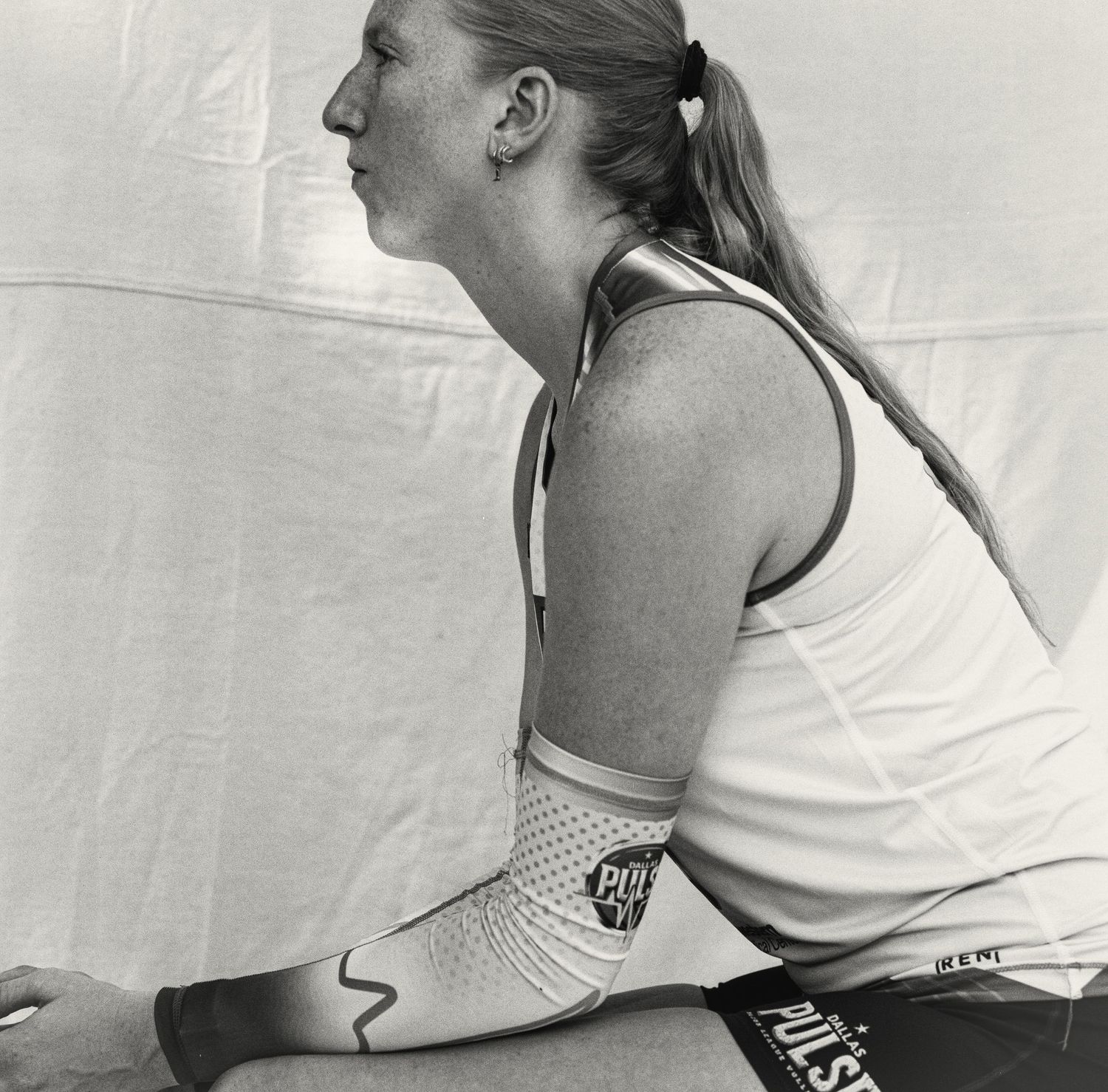
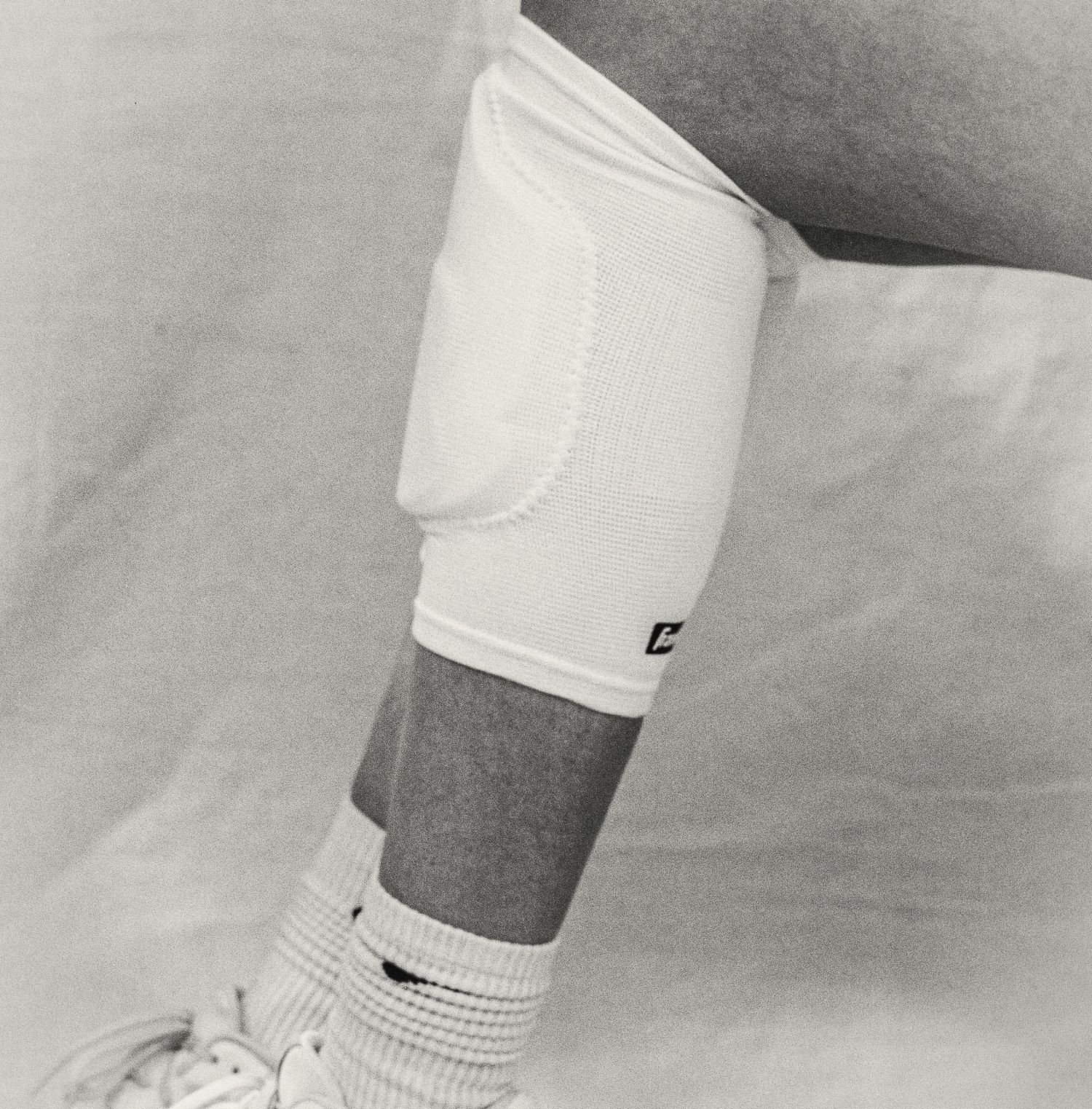
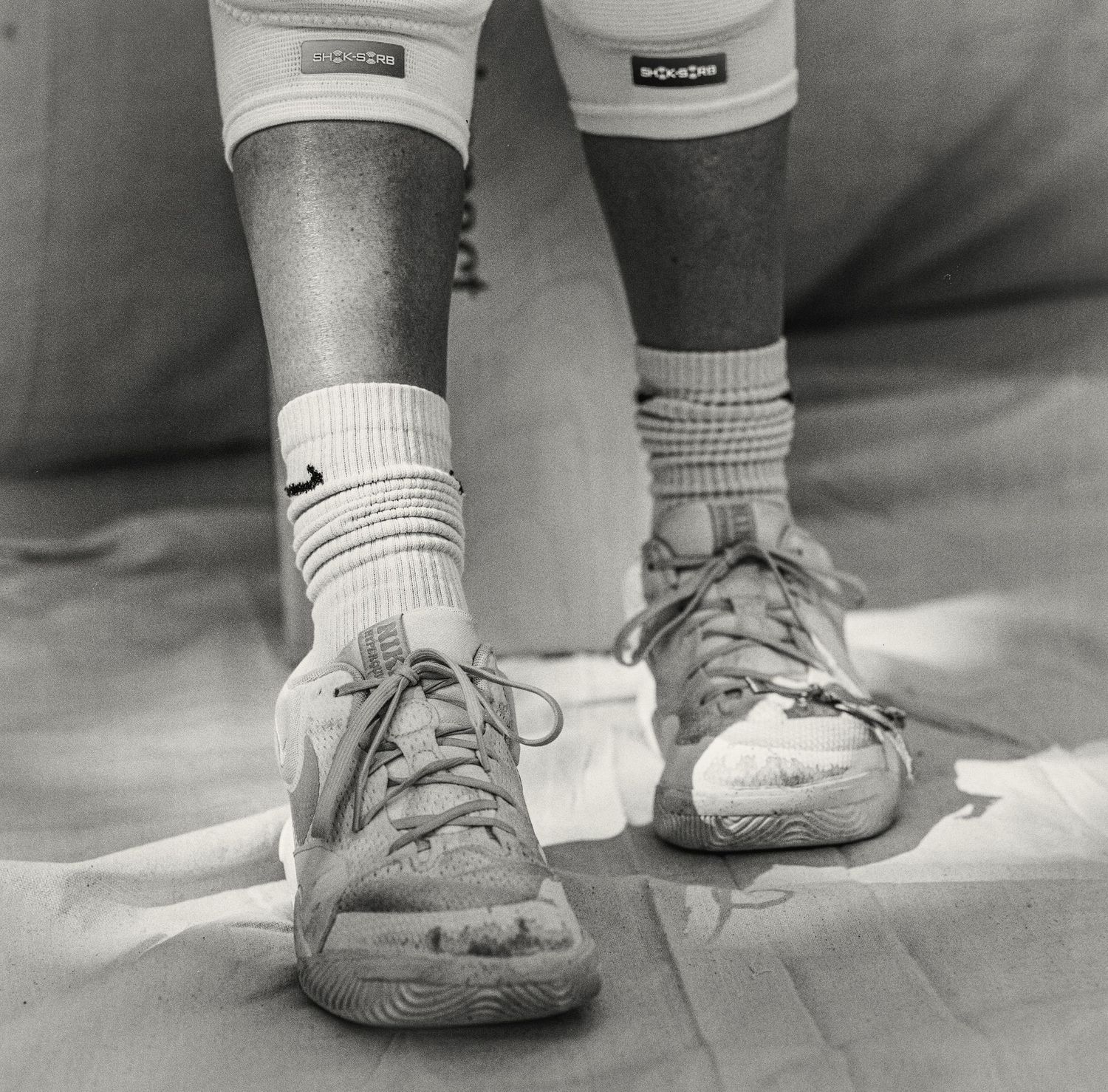
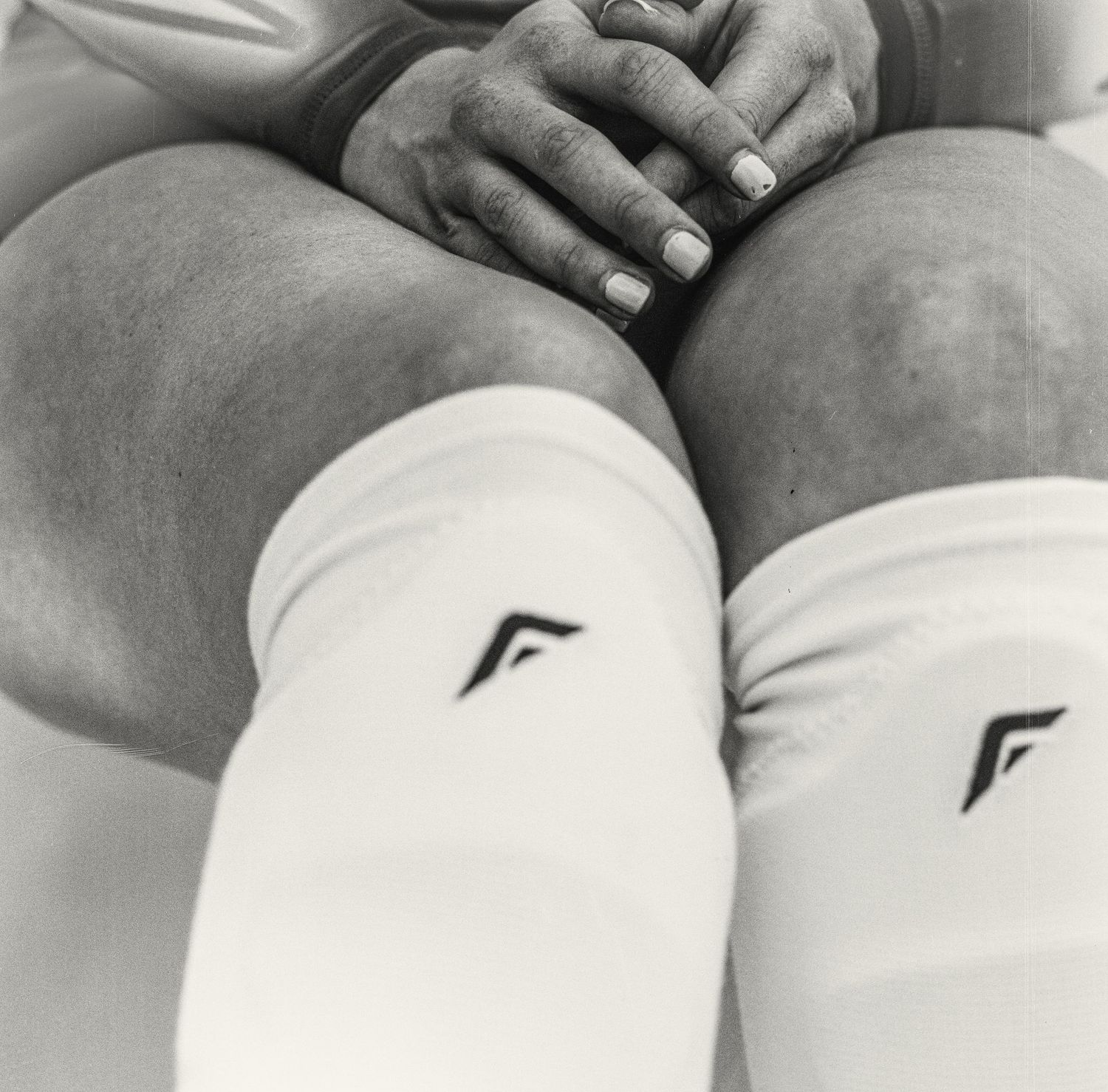
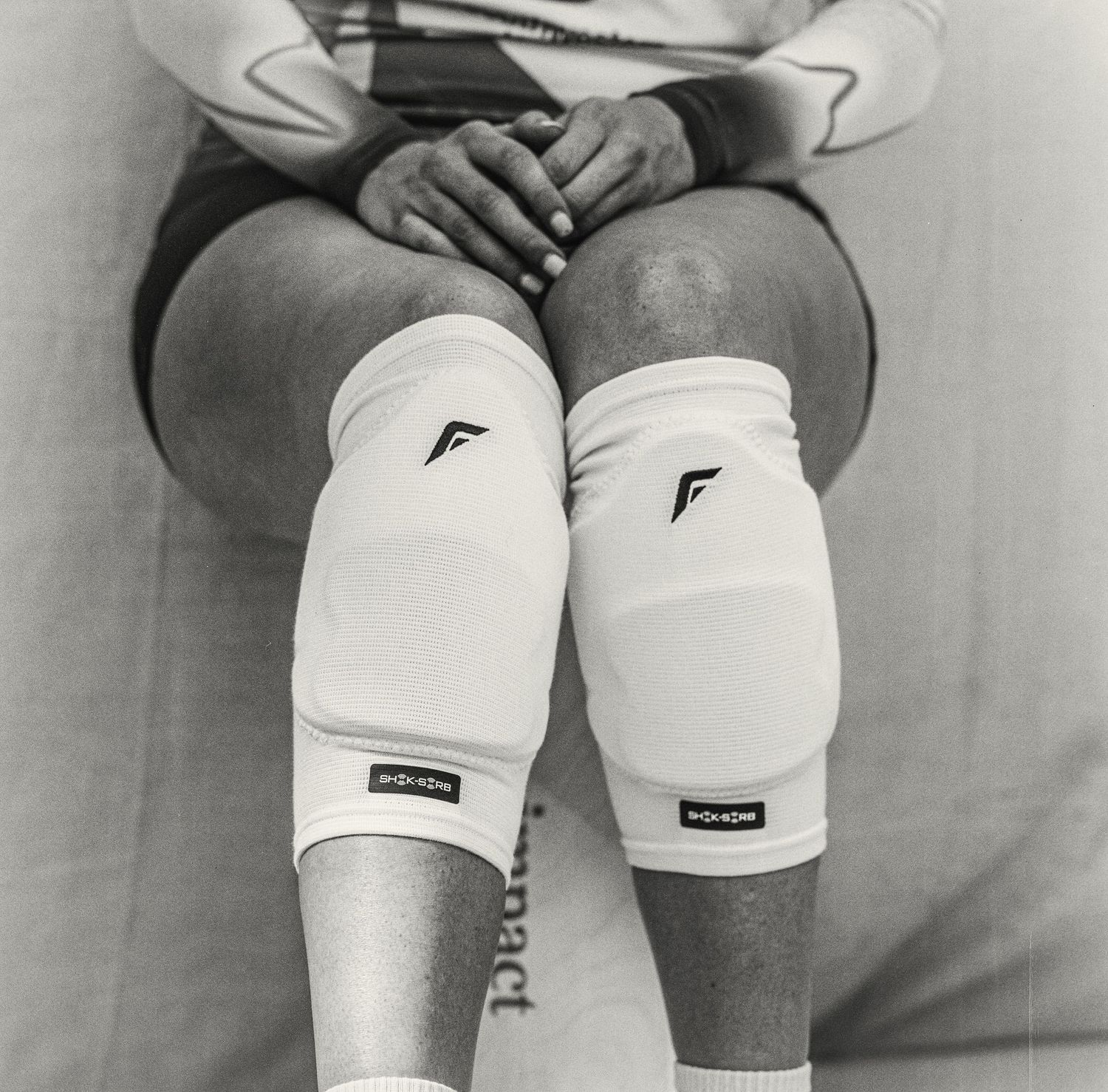
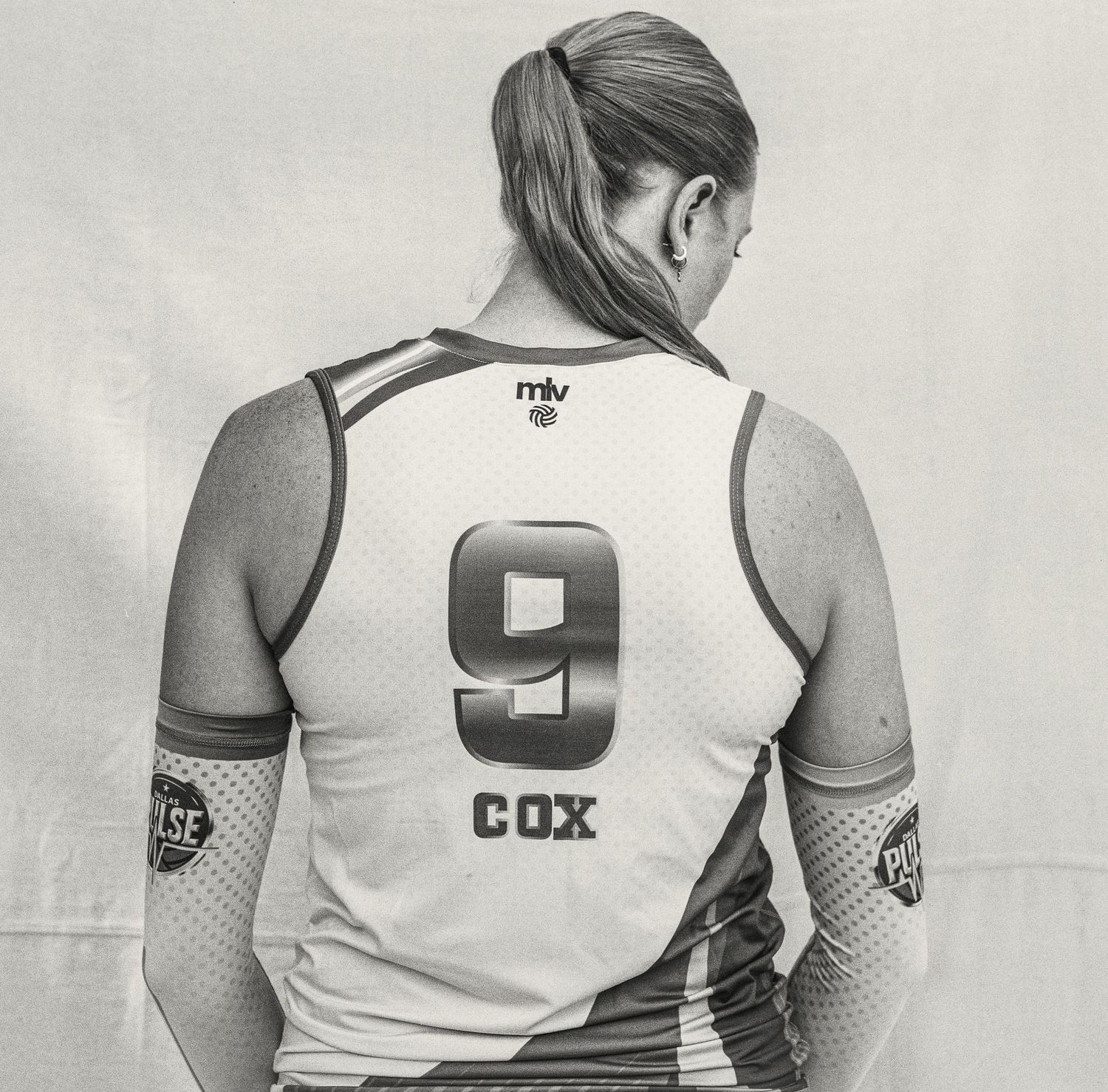
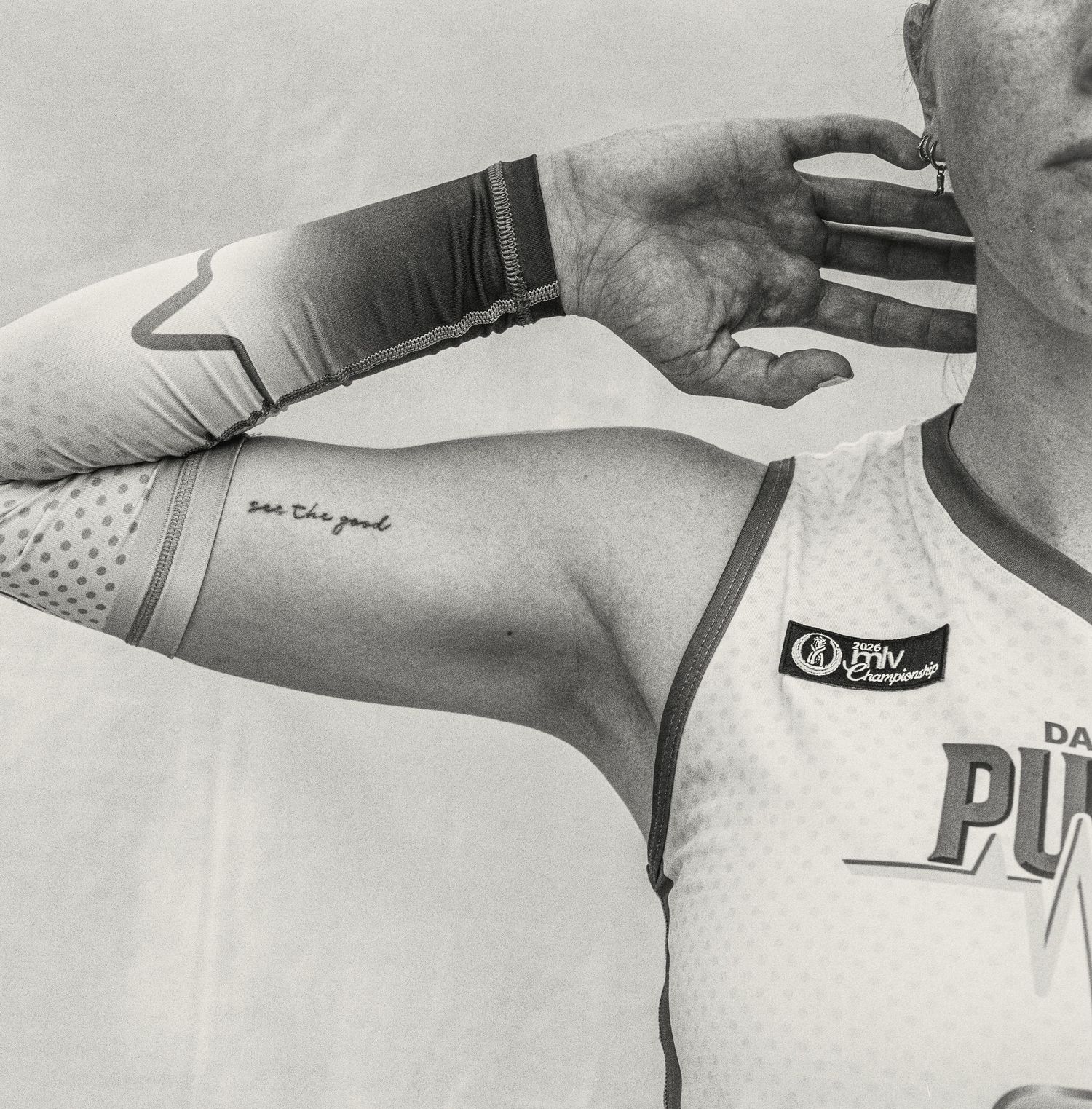
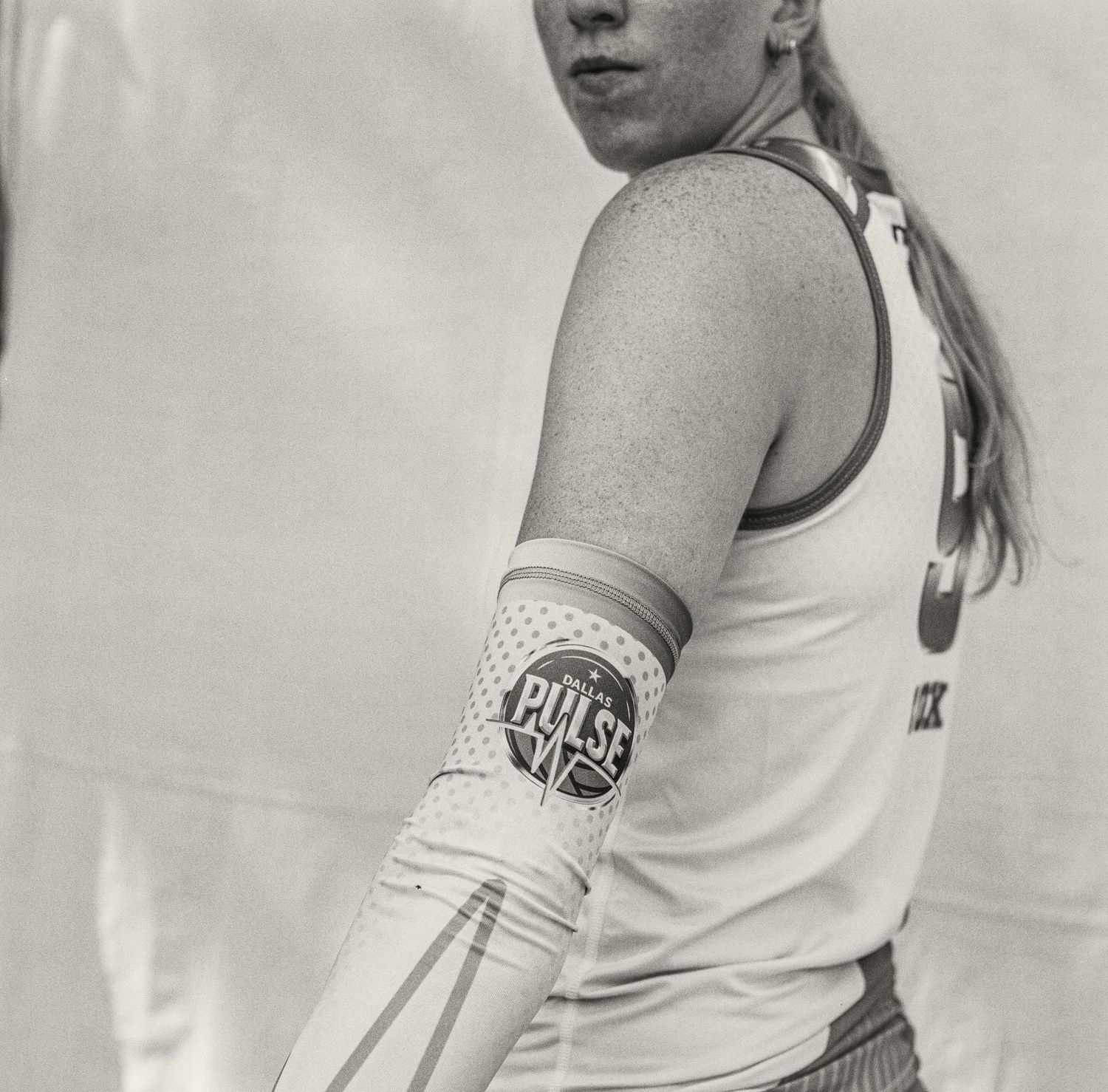
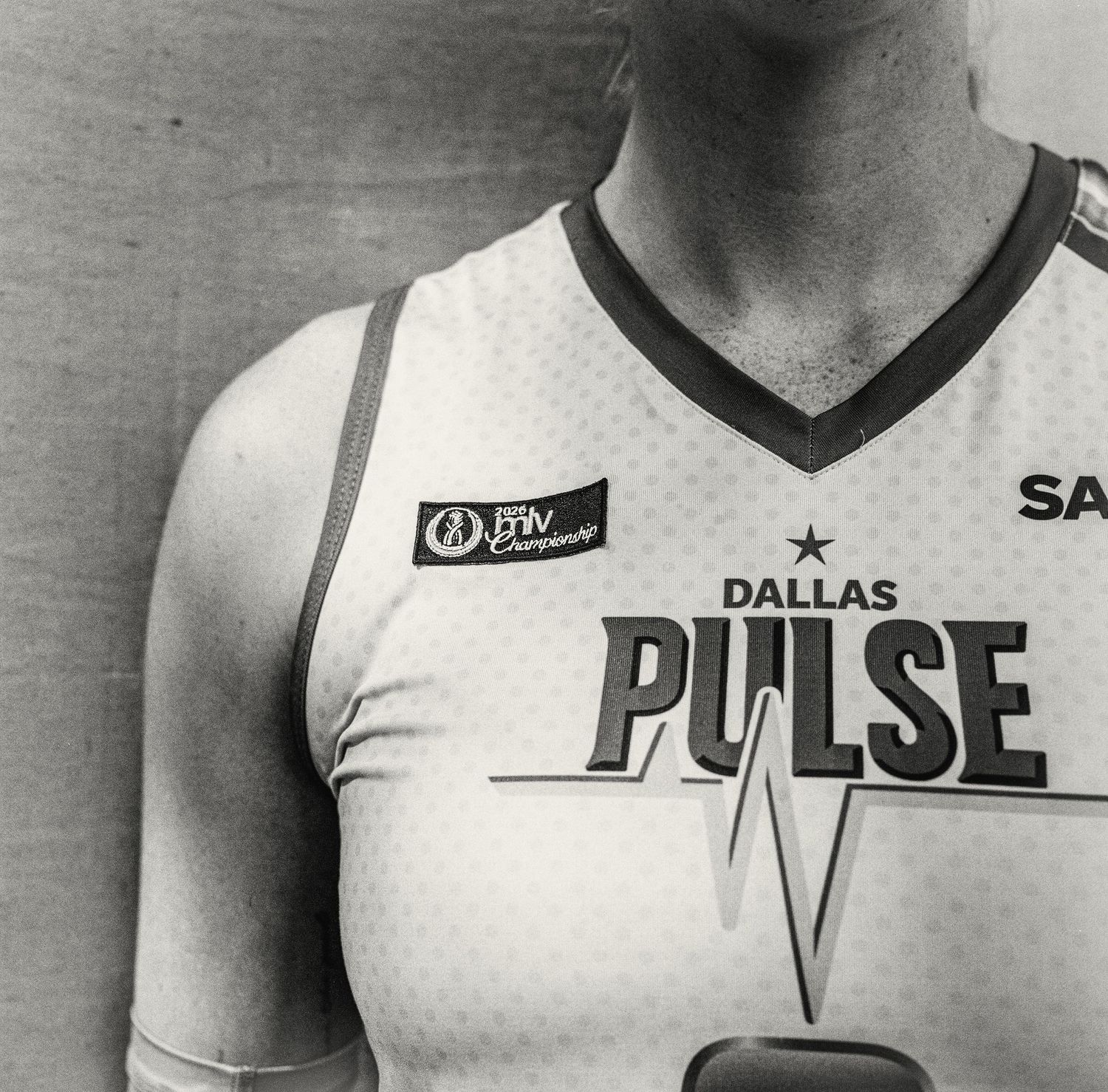
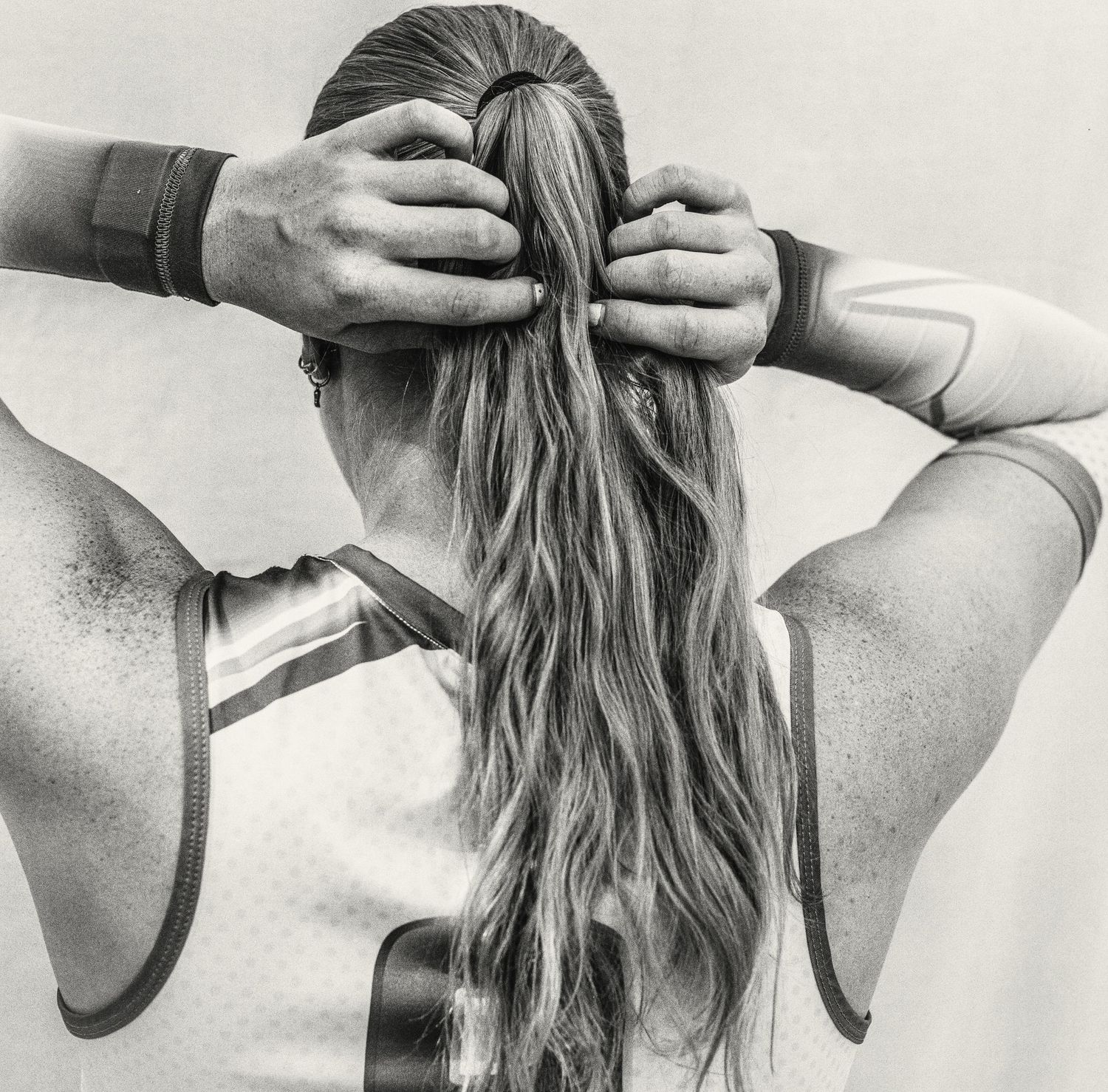
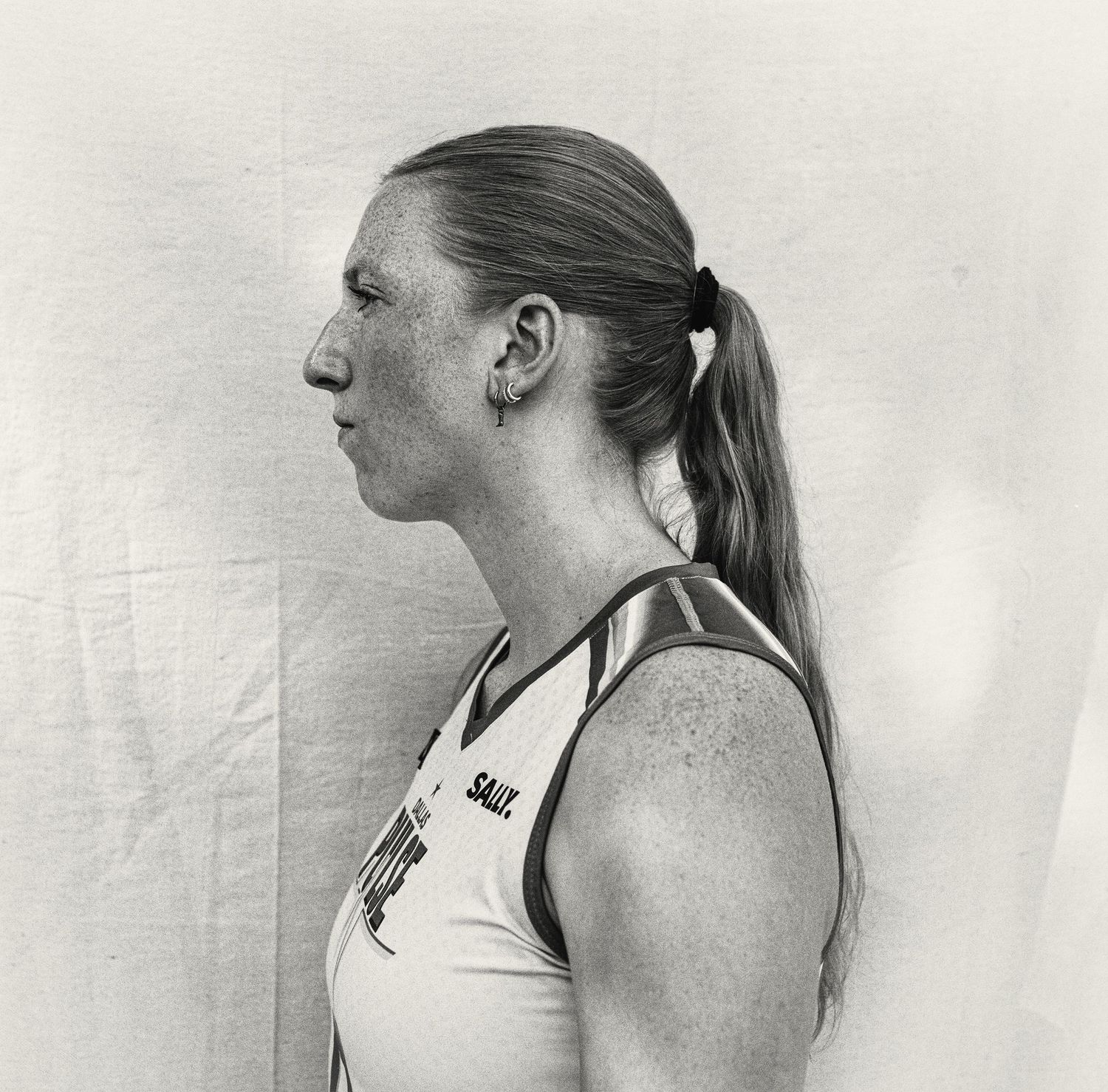
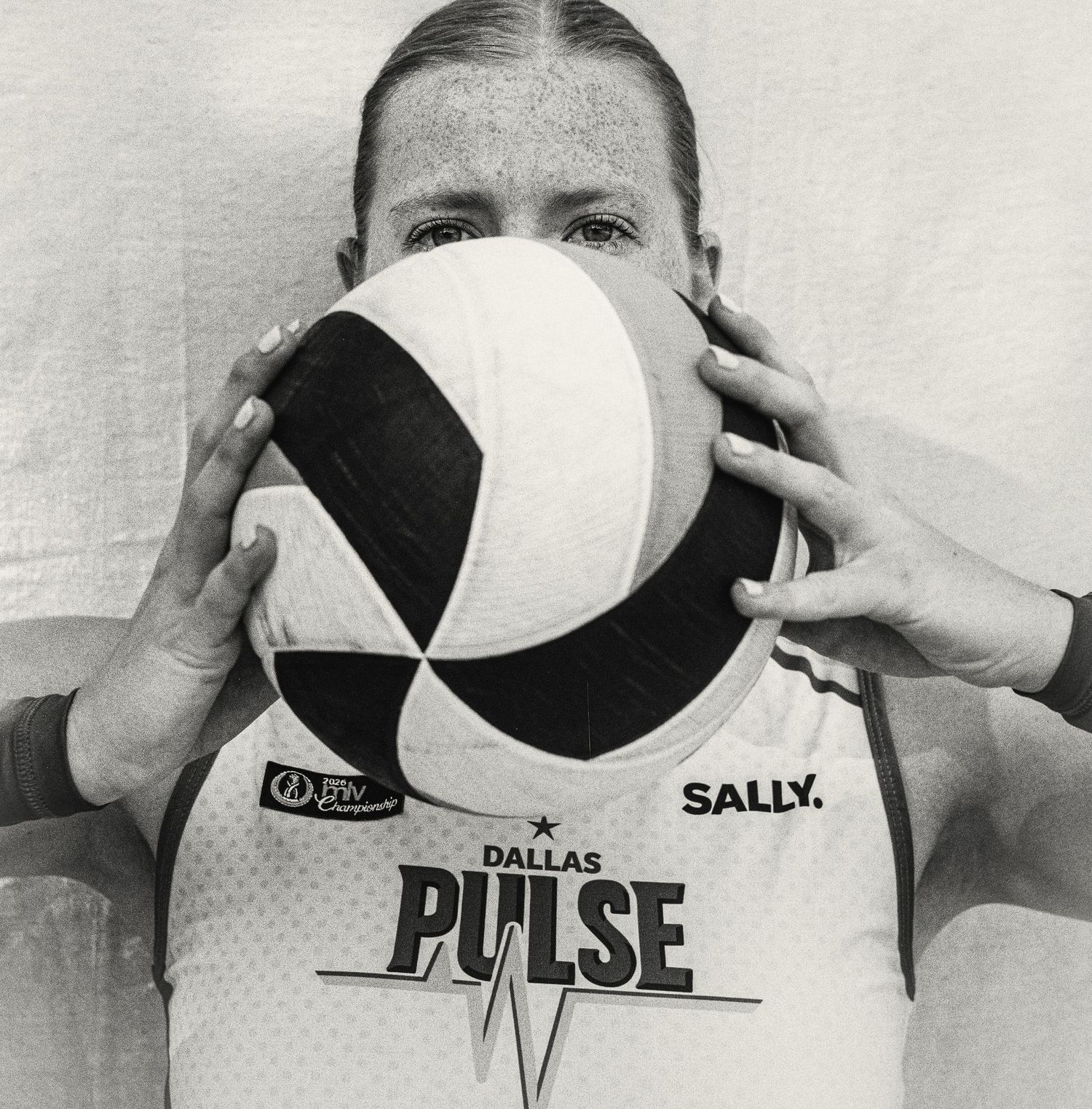
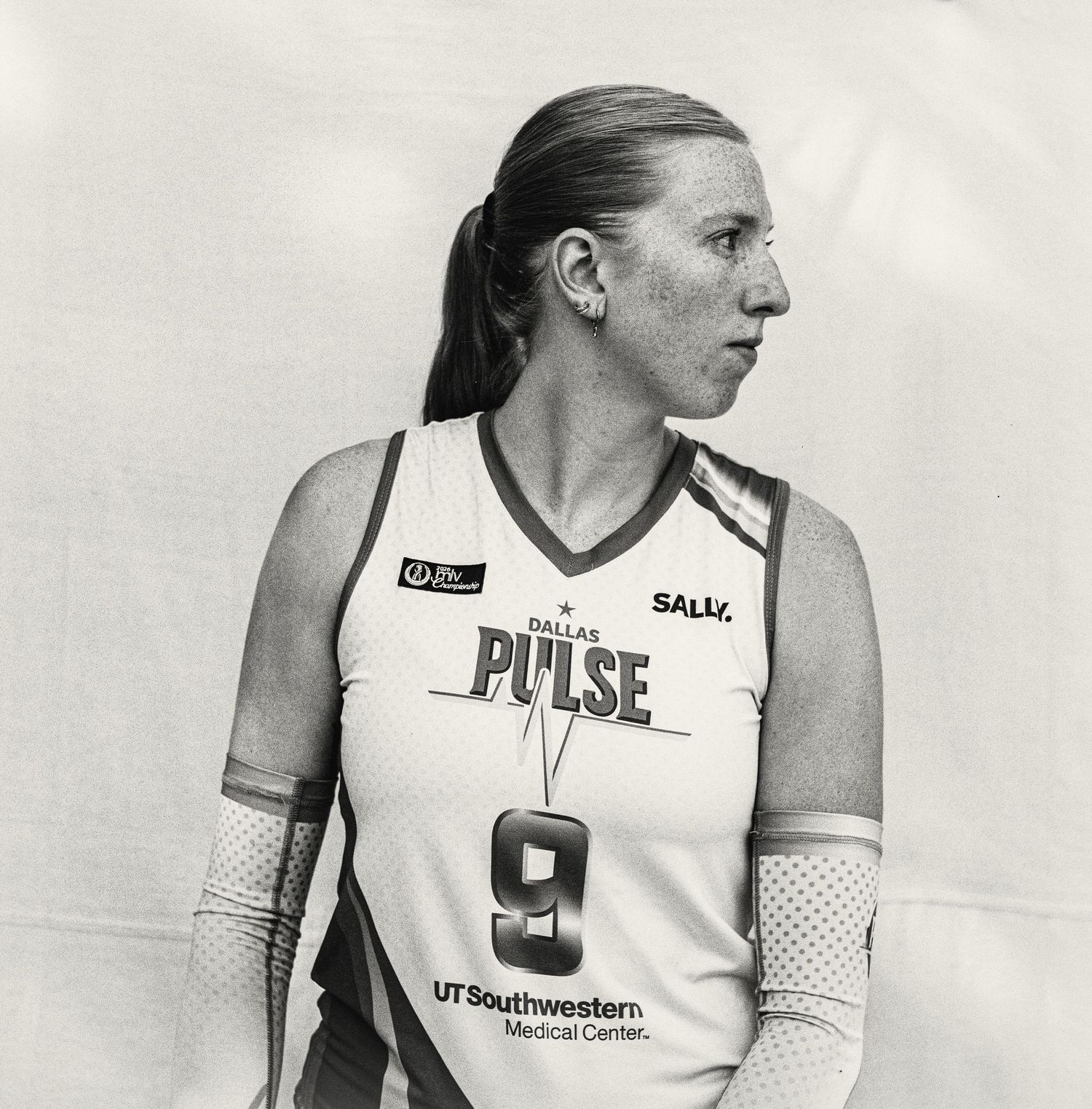
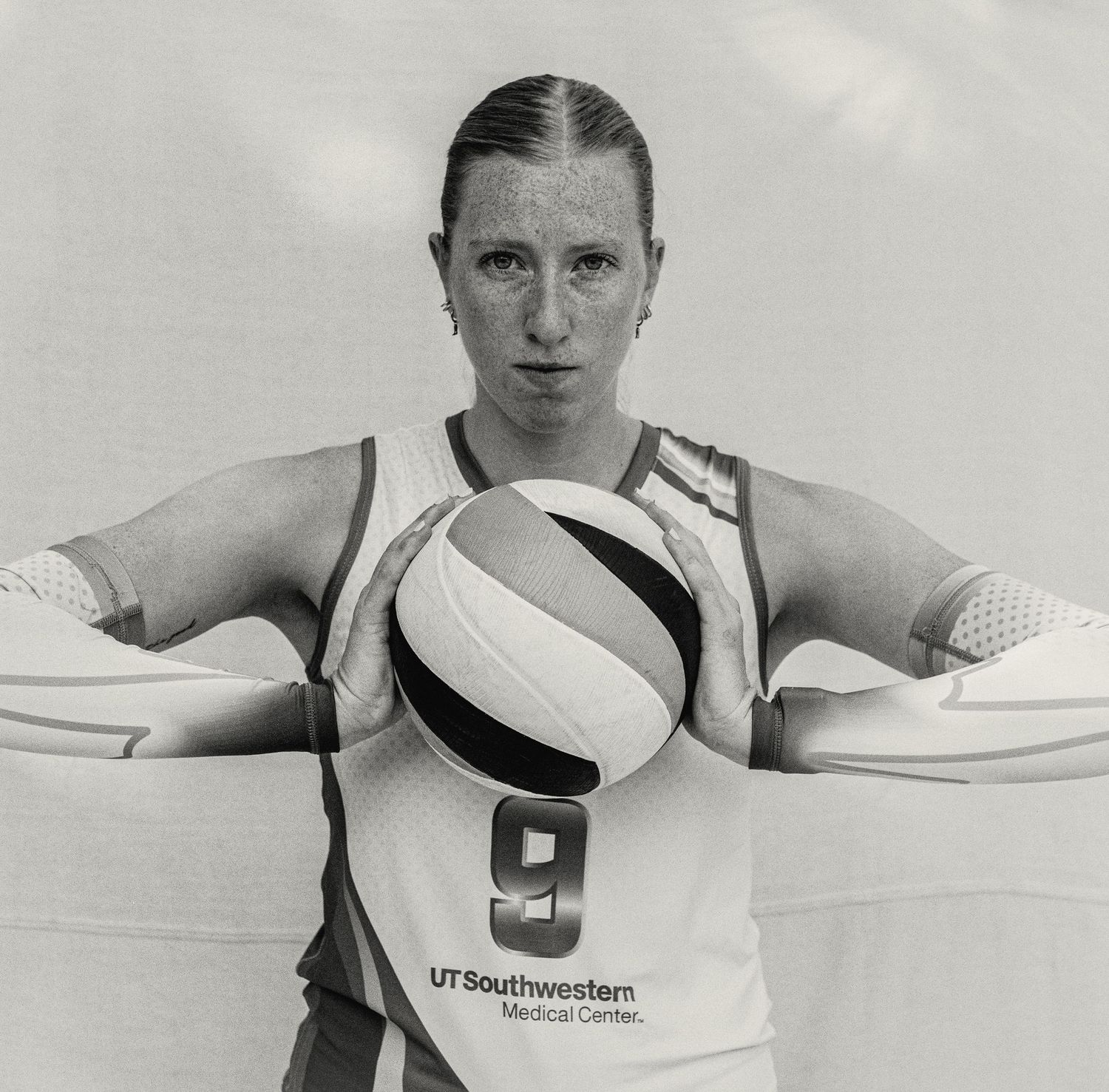
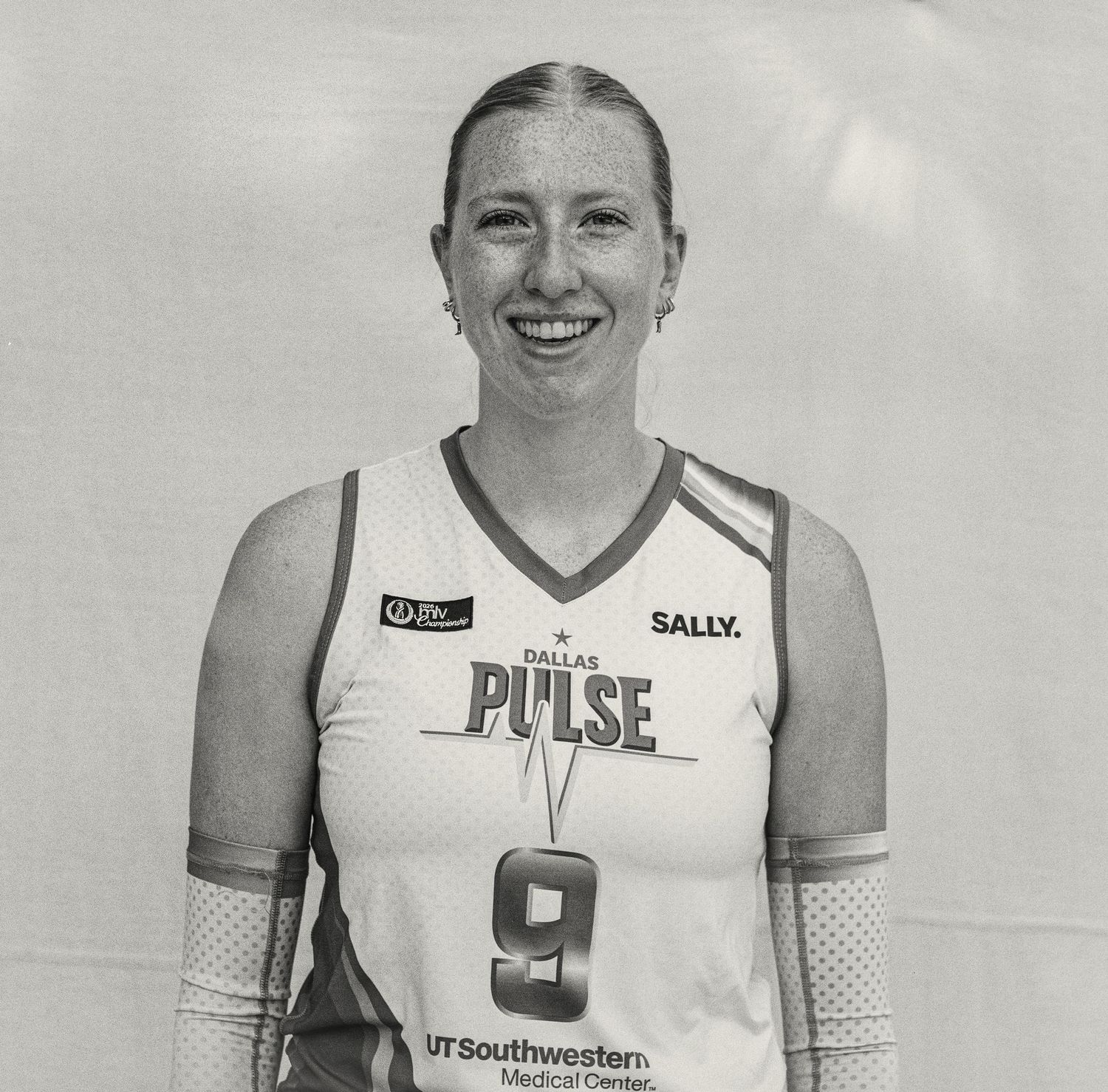
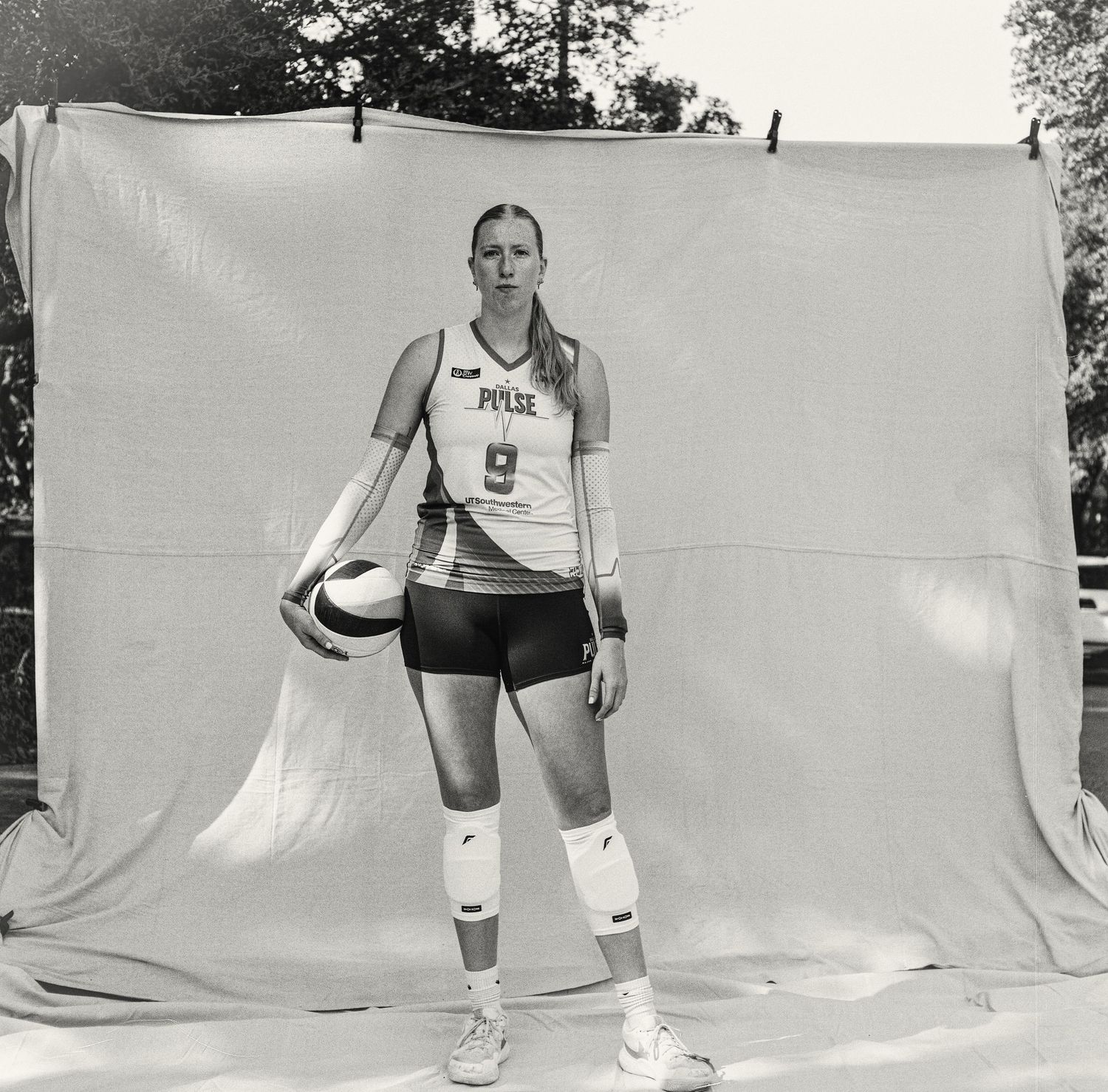
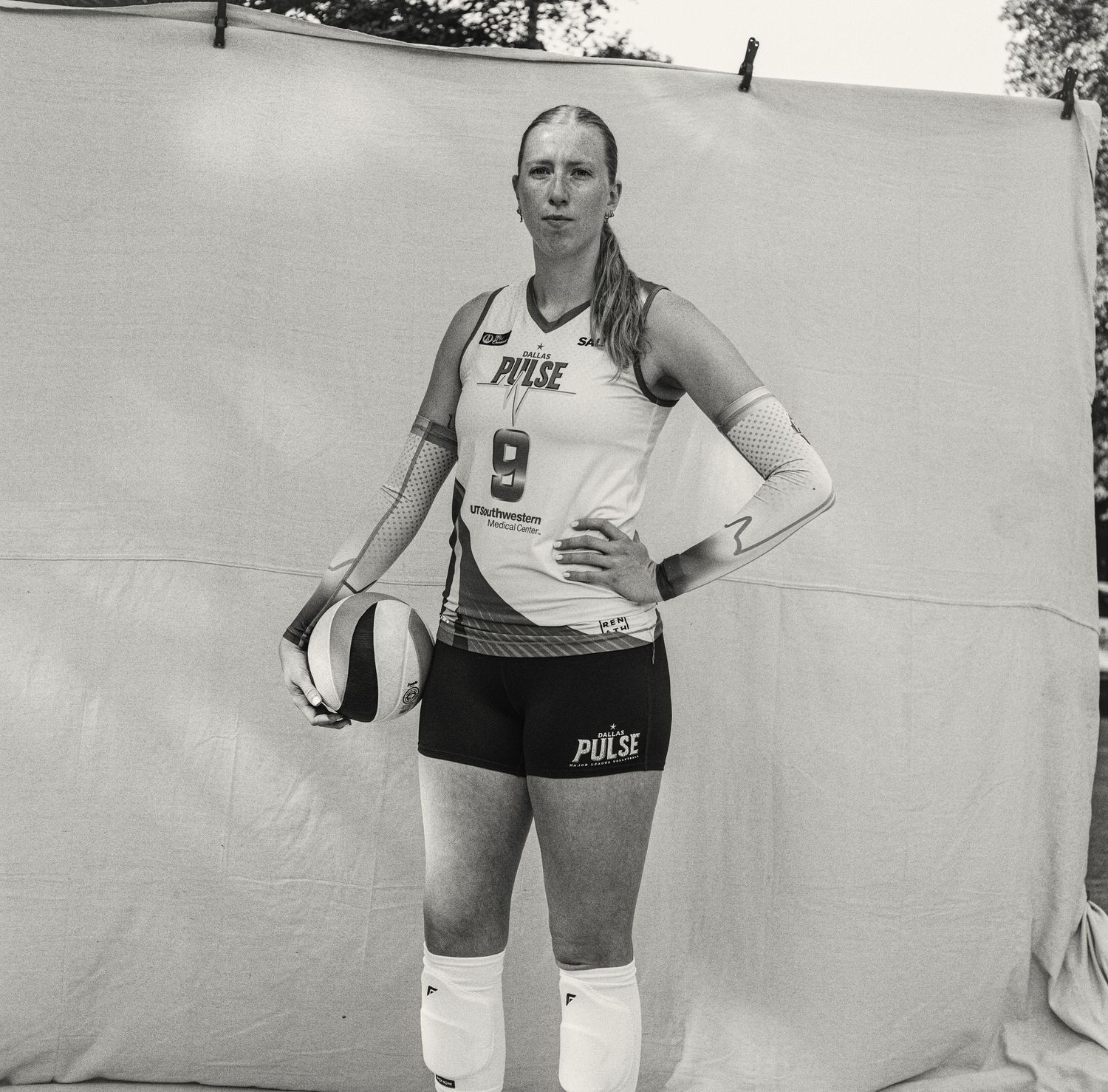
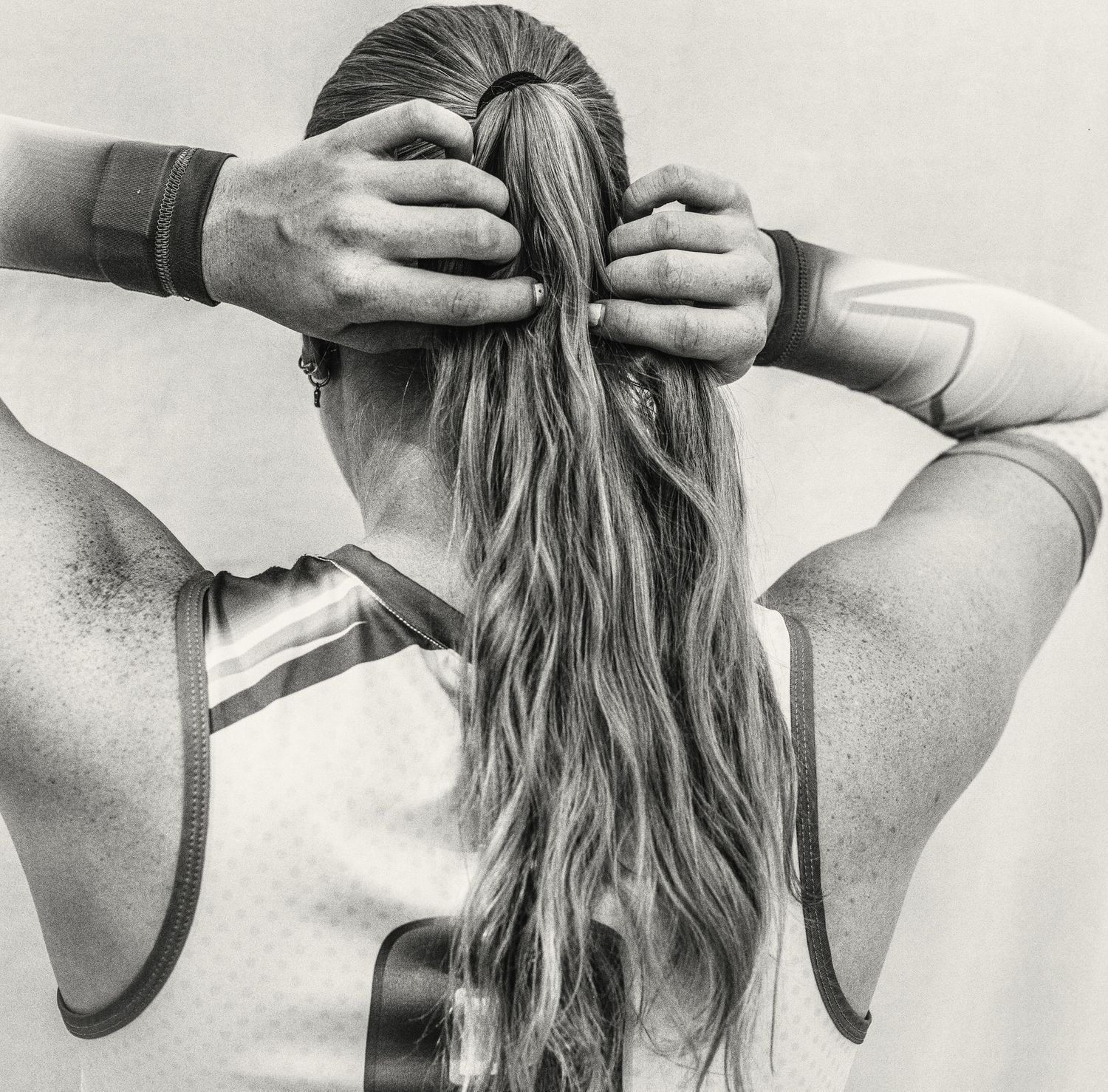
MAMIYA c220 / TRI-X & T-MAX 120 FILM
Height is a Gift
AN INTERVIEW WITH KAYLEE COX
by
Respect Their Game
Welcome to the Respect Their Game — a collection of conversations with women athletes about commitment, identity, discipline, and the interior life of sport. These interviews are part of the ongoing portrait project documenting women in sport through film photography and their own words. Kaylee Cox, a professional volleyball player for the Dallas Pulse in Major League Volleyball, discusses her journey from growing up in Flower Mound, Texas, through her college career at Missouri and Western Kentucky, to winning an MLV championship in her home state, as well as her current recovery from a meniscus injury.
Okay. Kaylee, would you mind introducing yourself?
Yep. I am Kaylee Cox. I play professional volleyball for the Dallas PULSE, which is part of the MLV Major League Volleyball. I started my college career at the University of Missouri and then transferred to Western Kentucky University. And I have been playing volleyball for probably about 13-ish, 14-ish years.
You grew up in Flower Mound. What were you like as a kid and were sports always a big part of your life?
I was very competitive. Sports has always been a part of my life. I played soccer for eight years and then switched over to volleyball. I think just growing up as a kid, I was very stubborn. I knew what I wanted to do, and I knew how I could achieve it. And so I just went after my goals and dreams and went for it.
So you come from a pretty remarkable basketball family. Why were you the one who chose volleyball?
Yeah, I actually hated basketball. I hated playing it. I grew up around it so much, and I think that is kind of what drove me to not liking it as much. I have always played a different sport. Like I said, I played soccer for eight years, and I think I just wanted to pave my own path for myself. I think everybody else in my family was paving the path of basketball and I knew I wanted to be different and I think I’ve always been a little bit different from everybody. So that was kind of why I chose a different sport.
Have you ever been called the black sheep of your family?
Many times, yes. <laughs>
When did you realize volleyball might take you beyond high school and potentially become a career?
I think once I kind of got into my senior year of high school, I think I kind of knew that this is what I wanted to do and knew that I wanted to play professionally. But I think my junior year of college, once I finished that season is when I knew that I could be really good and I could actually play professionally and do this for a job. I think that’s when my game kind of reached a level that I knew was possible.
You won a state championship at Flower Mound High School. What do you remember most about being part of that team?
I think just the underdog mentality that we had. I think that we were good, but we were playing teams that should have beaten us. And I think we kind of went in there and just said, “Screw it, we’re going to win and nobody’s going to stop us.” And so I think we just all bought into the fact that we could really win this thing. And when we did, we finally put our minds to it and knew that we could be unstoppable.
You started your college career at Missouri and eventually transferred to Western Kentucky. What led to that decision and what did the change teach you about yourself?
Yeah, there were a lot of things that went into that. There was coaching decisions, there was how much we were winning. And obviously winning is everything to me and I’m such a competitive person, so I knew that I wanted to be on a winning team. I wanted to go make an NCAA tournament and you couldn’t do that in the spot that I was in. And so I found a school that was right for me. I found a school that was constantly making NCAA tournaments and could prove that I’m the player that I need to be. And so just finding a better coach and finding a better path for me is ultimately what made me decide to transfer.
At Western Kentucky, you developed into an All-American and Conference USA Player of the Year. What changed in your game or in you during those years?
I think what changed in me is realizing that I had the potential to do this. I think when I went to WKU and started playing for Travis Hudson, which he’s an amazing coach, I think that’s kind of what made me into the player that I am today. He just pushed me to be the best that I could be and really showed me that I could have the confidence to go out there and play my best. And I think he instilled confidence in me in my out of system hitting, which is kind of what I struggled with. And I think that once I brought that up to the level that it needed to be, that’s where I really succeeded.
What was it like hearing your name called in the professional draft and realizing, “This is my job now?”
It was really exciting. I mean, I’ve always dreamed of it as a little kid of just playing professional volleyball and I didn’t realize that I could eventually play in the US. I always dreamed that I had to go overseas to play. And so to have the opportunity to now have a professional league in the US is so amazing. And I think it’s really cool that I’m able to get the opportunity to do this.
What was the biggest adjustment going from college to playing professionally?
I think the speed of the game. I think you hear all the time that from high school to college, the speed gets faster. And then even from college to professional, it’s just continuously getting faster. And I think, I mean, I’ve played with a 36-year-old and so you’re playing with people that have been playing for way longer than you have. And so just finding ways to score differently and just understanding that the speed continues to change.
What does being a professional athlete actually look like day-to-day that fans rarely get to see?
I think fans don’t really get to see how much time and effort we put into our sport. I think we’re constantly in the gym working and I don’t think a lot of fans see that. And we’re outside of the gym, we’re watching film, we’re putting in extra work. And so, fans aren’t seeing that side of it and they kind of just expect us to go out there and play for their entertainment. And so, there’s a lot of work that goes unnoticed and I think that that’s what fans miss out on.
After your first professional season in Columbus, you had the opportunity to come home and play for a brand-new Dallas franchise. How meaningful was that decision for you?
It was very meaningful. Like I said, I never realized that I would ever have the opportunity to play in the U.S., let alone my home state. And so to be able to do that, and when I found out my first call was to my parents, and I think my mom actually cried on the phone after I told her, it was just an amazing opportunity to be able to play in front of fans that I grew up and I grew up watching volleyball and TV because there was nothing around here. And so to be able to show up for fans in North Texas and be the hometown kid is really cool.
You went from winning a state championship here to becoming a professional champion here. Does winning the MLV championship in Dallas feel different because this is home?
Yeah, I mean it does feel different. I think to be able to bring that home in our first inaugural season is so cool. And just to be able to do it in front of family and friends I think is so meaningful. When I was playing in Columbus my first season, my parents only got to come to maybe two or three games just because it was just hard for them to get out there. And so to be able to have them at every single one of my games and my sisters and friends and family be there was just so meaningful to be able to do it for the home city.
The PULSE were a first year team and won the championship. What made that group work so quickly?
I think we just all bought in. I think we kind of like how it was with my state championship team. We went in with the underdog mentality and we knew that we could accomplish it. I think we had all the right pieces to do it. And once we bought in and knew that our coach Shannon could get the job done and put out what we needed to put out there and just ultimately finish it off.
Do you feel like there was good chemistry on the team that helped?
Yeah, I think we were a really young team and I think it was the youngness of our team. And then we also had a 36-year-old setter who was our captain. And so I think just the blending of that, I think with her experience and then guiding the younger girls on the team, I think it just blended very well and we were all super close off the court as well. And so I think that led to the chemistry on the court.
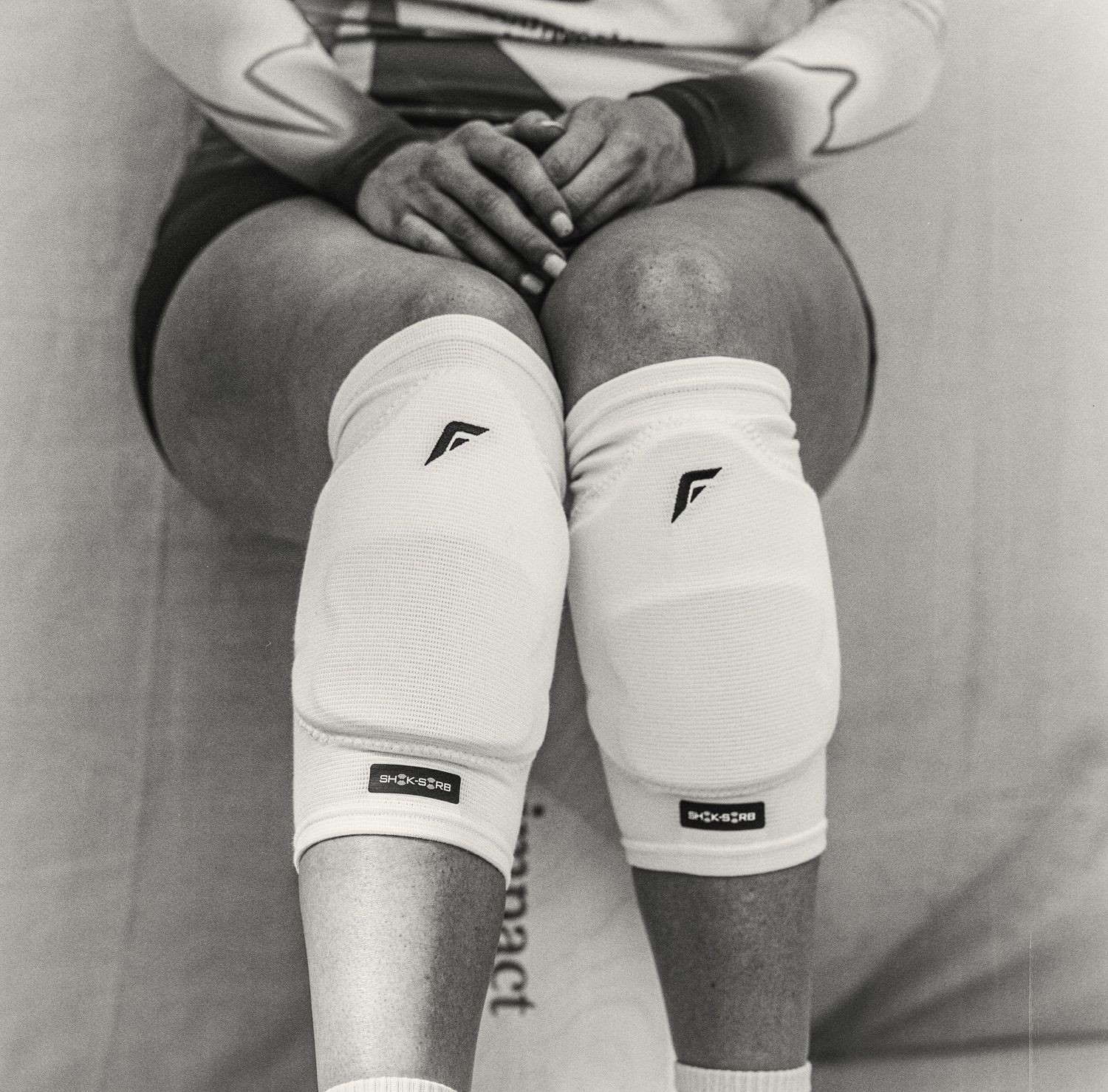
You recently underwent a full meniscus repair, and you’ve described it as your first real injury. What happened?
So once we won the championship, I took about a month off and it was my first practice back. I dove for a ball and my knee kind of got twisted underneath me and I felt a pop. I didn’t really think anything of it. And then the next day I woke up and it was really swollen and I couldn’t really straighten it. Went and saw some doctors, got an MRI, and that’s when I found out that it was a bucket handle meniscus tear.
Bucket handle? What does that mean?
Basically the tear is kind of like a bucket handle where it flips over, and so it was almost fully torn and they had to do a full repair, which is. So, it was a lot of medical terms that I didn’t really understand.
Has going through surgery and rehab changed the way you think about your body or being an athlete?
Yeah, a little bit. I think obviously you can never prevent an injury, but I think I probably could have done more in the month that I took off of just like, yes, I was still lifting, but I think I could have done more to prepare myself to get back onto the volleyball court after taking that month off. And so obviously I could use this in the future, but like I said, you could never really prevent injuries. It’s all in God’s plan what’s going to happen and how your career’s going to go.
What’s been the hardest part of your recovery?
I think the mental side of it. With this being my first real injury, I’ve never really had this much time off from the court. And even when I did take time off, it was different because I was still doing things and this was just really hard because I have not been able to get back on the volleyball court since June 18th. And so, it’s been long. It’s hard to wake up every single day and find the motivation to continue to keep going and continue to keep pushing myself.
When young volleyball players in North Texas can now go watch women like you play professionally in their own backyard, what do you hope changes for them?
I hope that they realize that they can do the same thing when they grew up. I think for me, I never really had the opportunity to go out and watch professional volleyball. If I wanted to do that, I’d have to go travel overseas. I think just having that great opportunity to come see professional women’s sports is really cool for them and just them realizing that, oh wait, I can do that eventually and I can set goals for myself to make it to that point.
What do you think people who haven’t experienced professional women’s volleyball yet would be surprised by if they came to a match?
I think just how much fun it is. I think volleyball is such a fun sport to watch because there’s something happening every single point. I mean, you can kind of compare it to soccer. I mean, I played soccer and I know that there’s not something happening all the time on the field and it’s still a fun sport to watch, but I think volleyball is just so entertaining, such fast paced, and there’s always something going on.
As an outside hitter, you’re asked to contribute in so many different ways. What part of your game are you most proud of?
I honestly think I’m most proud of my all-around game of just being able to do things consistently well. I think I’m a very consistent player of you know what you’re going to get out of me every single game and I’m not going to be an up and down player of one match I’m going to play amazing and then the next I’m going to play horrible. It’s just I’m consistent and you know what you’re going to get out of me.
At 6'3", height is obviously part of your physical identity as an athlete. When did you first realize your height could become an advantage rather than simply something that made you different?
Honestly, I think that was about my freshman year of high school. I was around somewhat taller girls when I started playing volleyball my freshman year. I did make varsity my freshman year, and so it was seniors that I was going up against and they were at their max height. And so, I think once I realized that yes, I could use my height to my advantage was when I really was like, “All right, I have the confidence to go out there and be tall on the court.”
What would you say to a young girl who is self-conscious about being taller than everyone else around her?
I think just embrace it. I think height is a gift and if you use it the correct way, it can help you succeed in a lot of ways if you’re playing sports.
You’ve already experienced championships at multiple levels of sport. Has your definition of success changed as you’ve gotten older?
A little bit. I think I’m just continuing to go out there and play the sport that I love and I want to continue to play for as long as I can. And so, for me, success looks different and yes, I still want to win, and I want to win championships every time I step out onto the court, but it’s not always the accolades that are getting me to be the player that I am.
If volleyball disappeared tomorrow, what part of yourself do you think would remain unmistakably an athlete?
I think a lot of it. I think I’ll always be an athlete at heart. I think even when I’m done playing, I’ll still probably go out and play rec volleyball, and I think I’ll stay invested into it even when I’m done.
How can RTG and our audience support you and your sport?
I think just continuing to show up. I think continue to get the younger generation involved and I think bringing them to games and even for parents to come and support. I think it’s growing. Women’s sports are growing and it’s time to get involved if you aren’t.
Okay. Quick fire questions.
Favorite food?
Pasta.
Favorite movie?
Bee Movie.
Favorite music artist?
Daniel Caesar or Olivia Dean.
Coffee or tea?
Neither.
Beach or mountains?
Beach.
Morning or night?
Night.
Dogs or cats?
Dogs.
Favorite color?
Blue.
Ideal day off?
Bedrotting. <laughs>
One place you want to travel?
Japan.
Thank you so much.
Yeah, that was so cool.
Thank you to KAYLEE for her time and trust. If you know an athlete whose story deserves documentation learn more about the project here. Respect Their Game remains reader-supported. If you value this work, consider pledging support to help expand the archive.