19
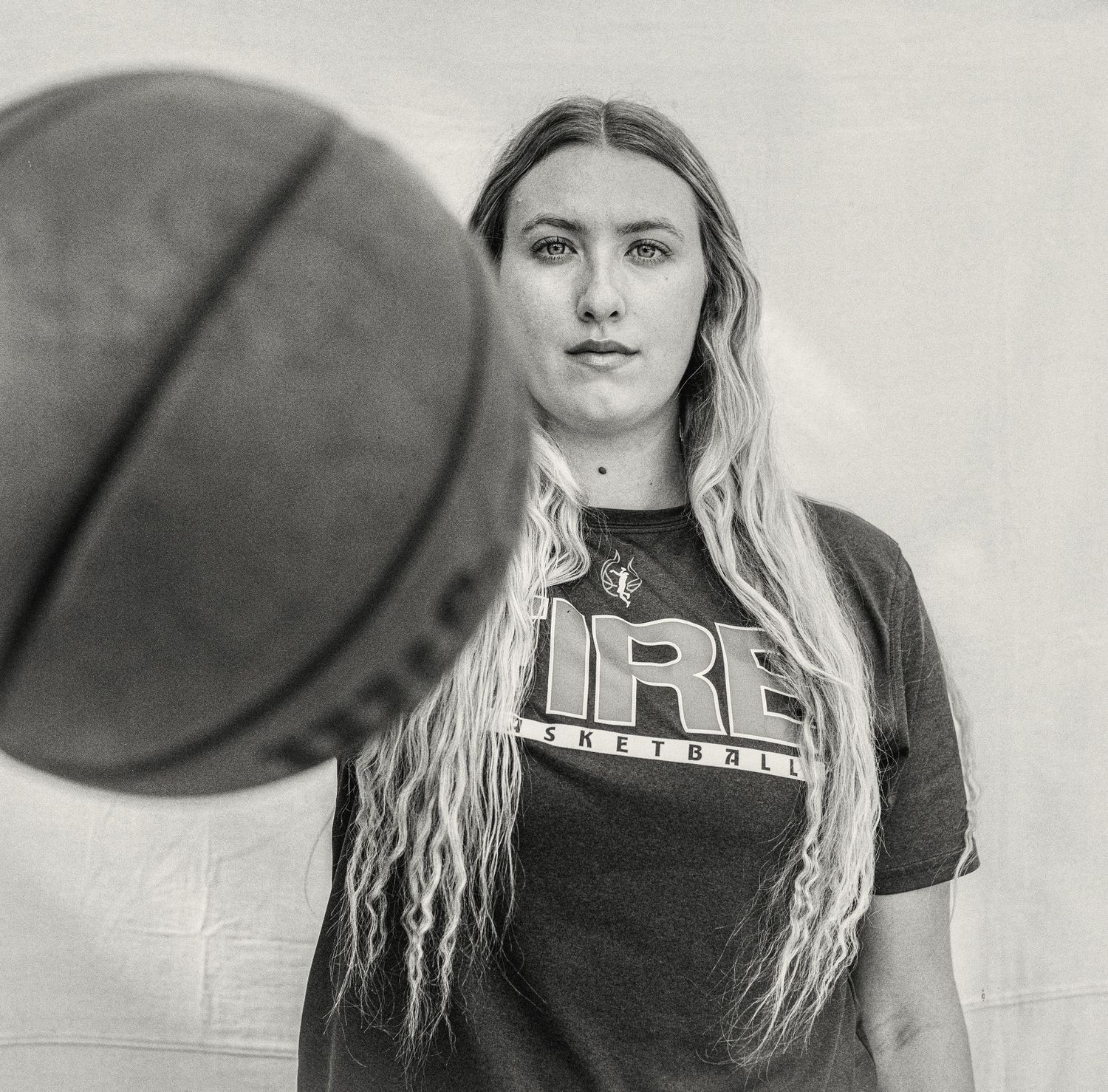
BASKETBALL / CENTER
Lauren
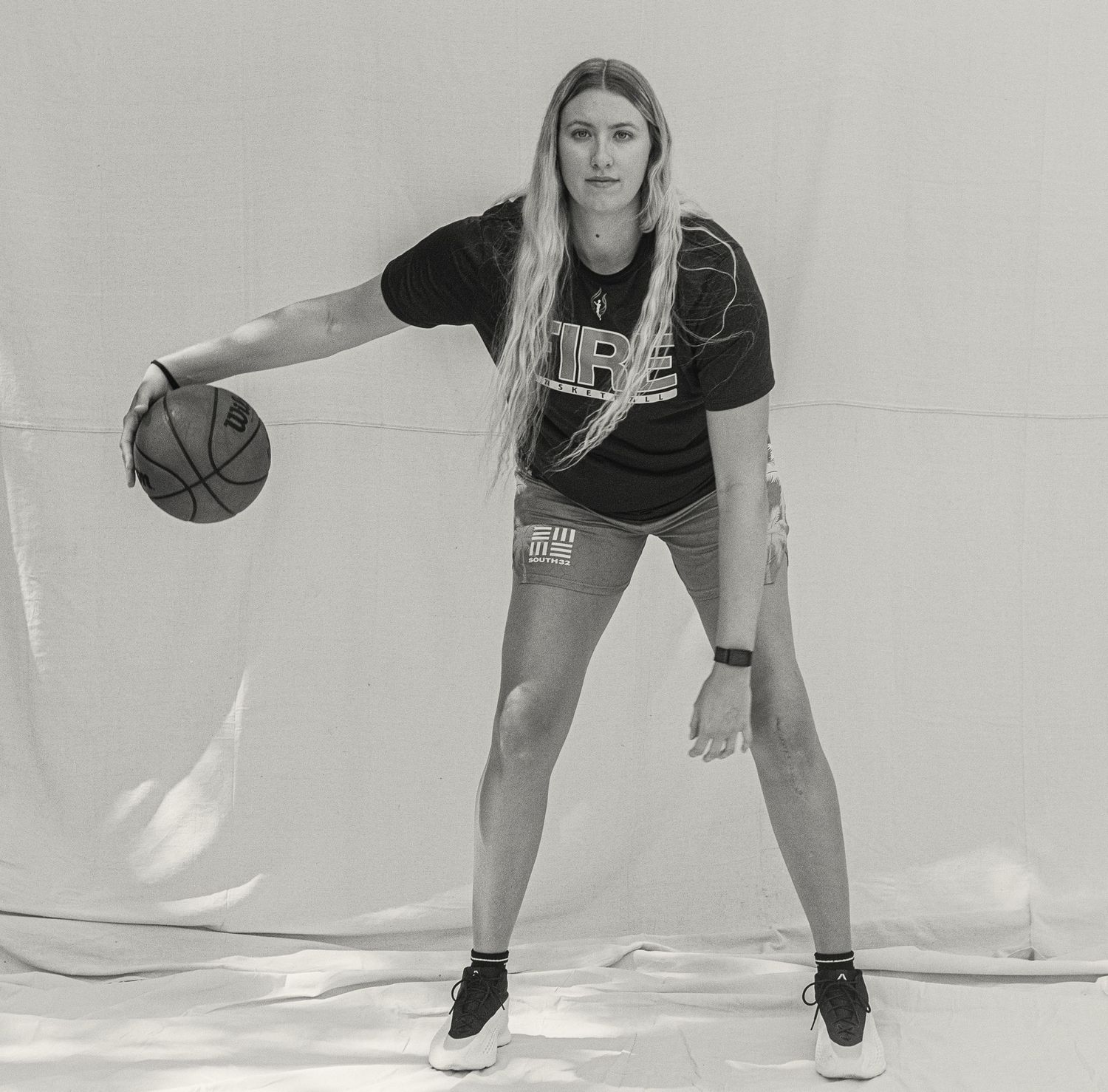
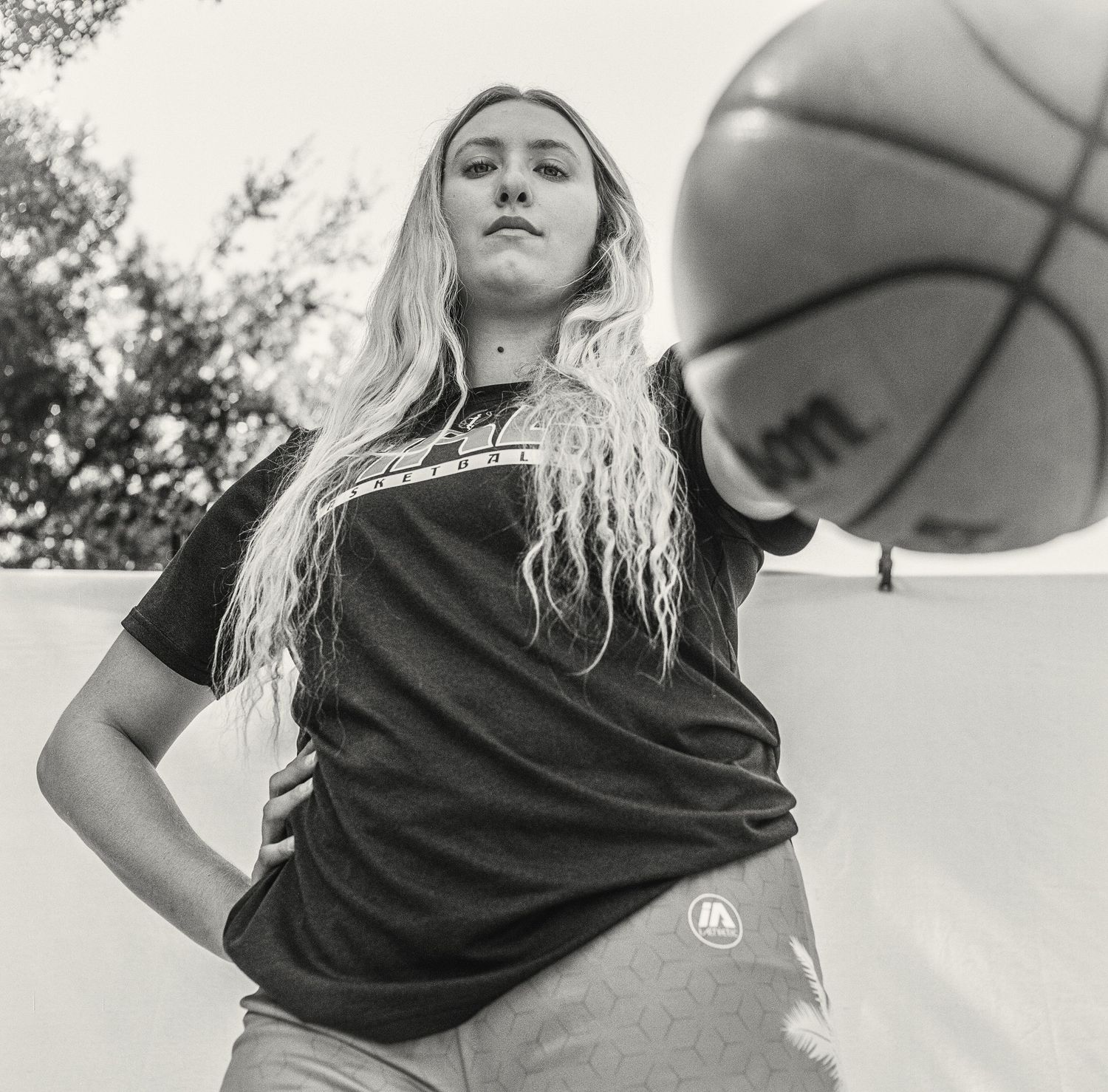
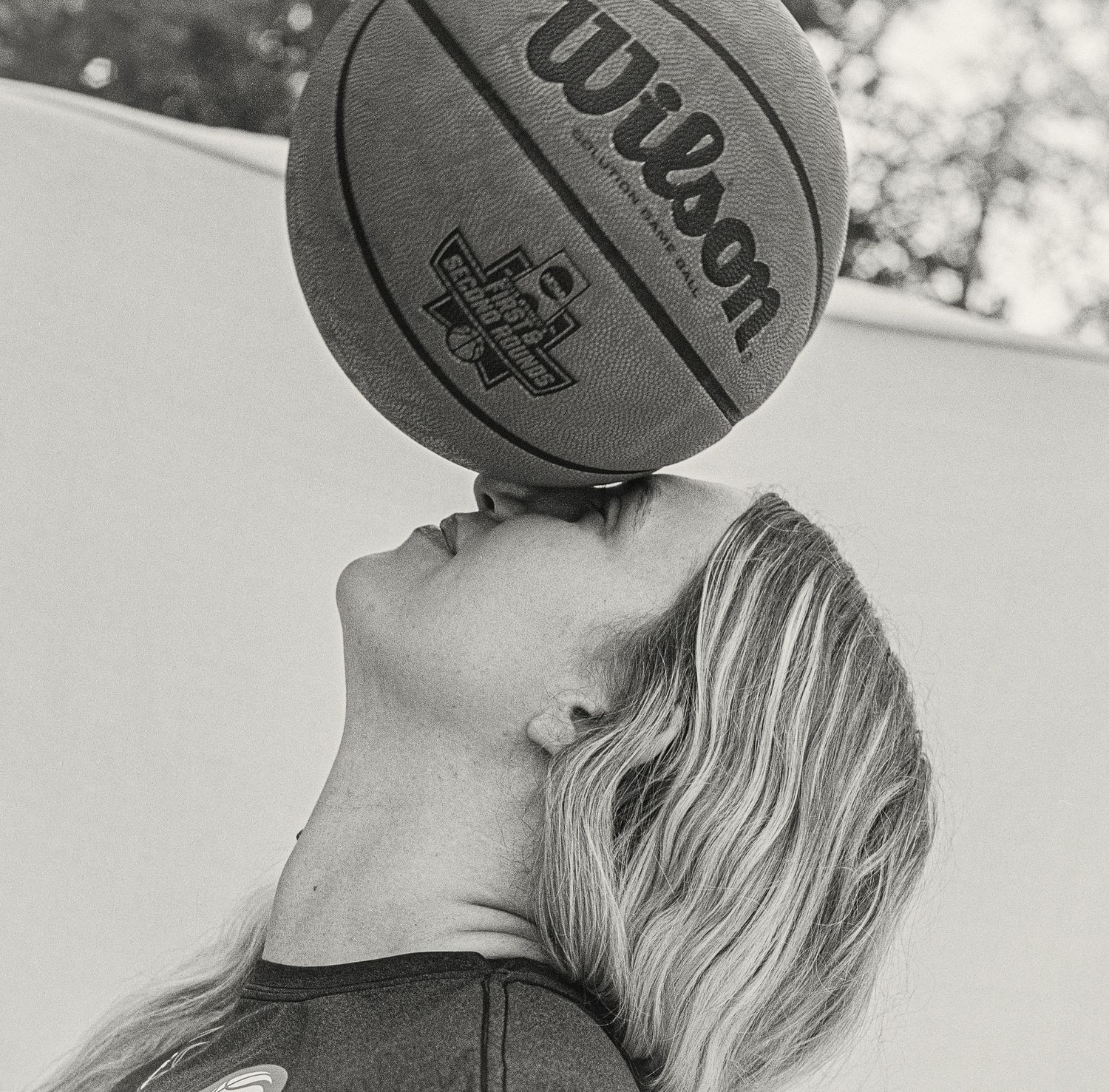
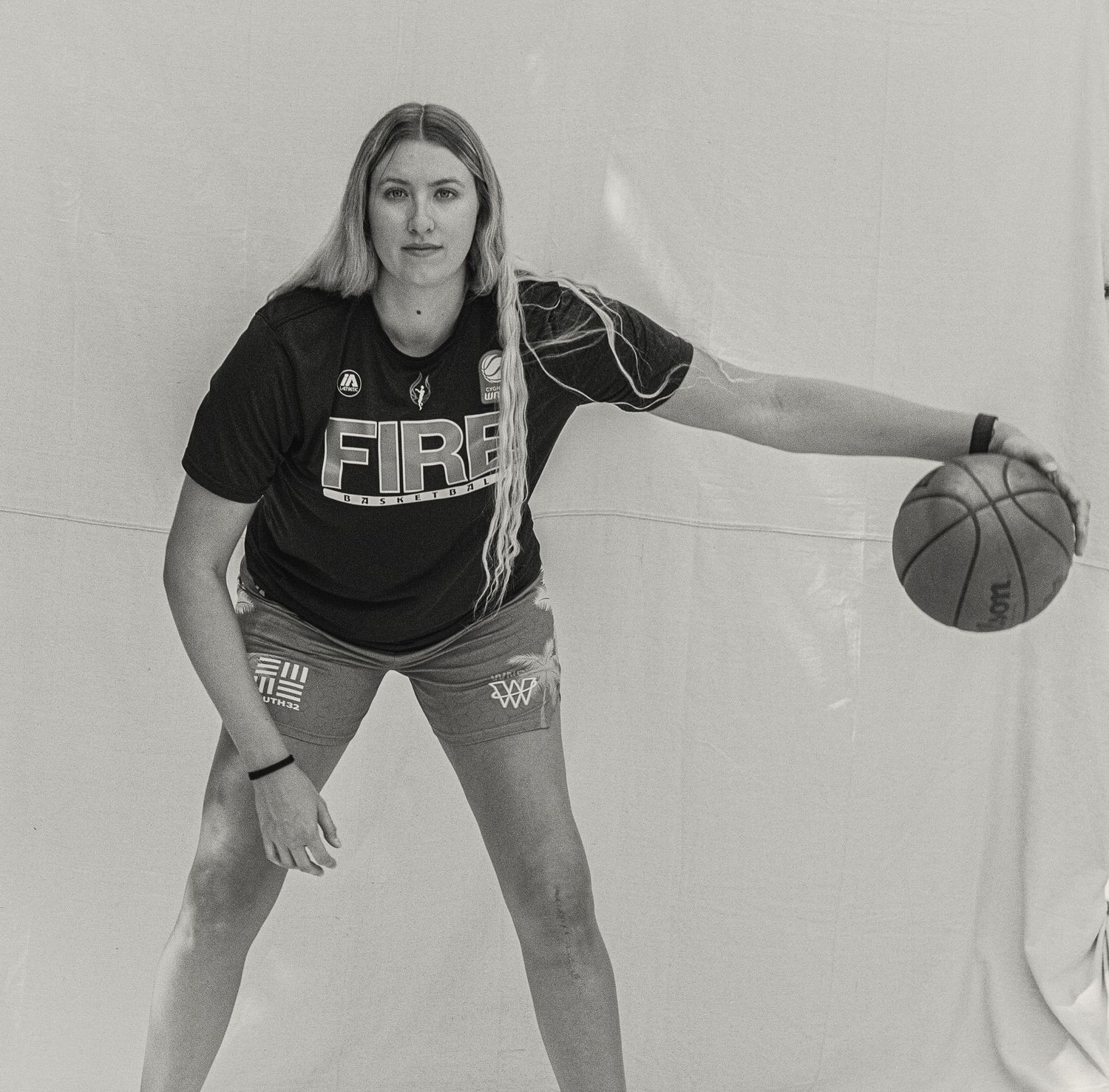
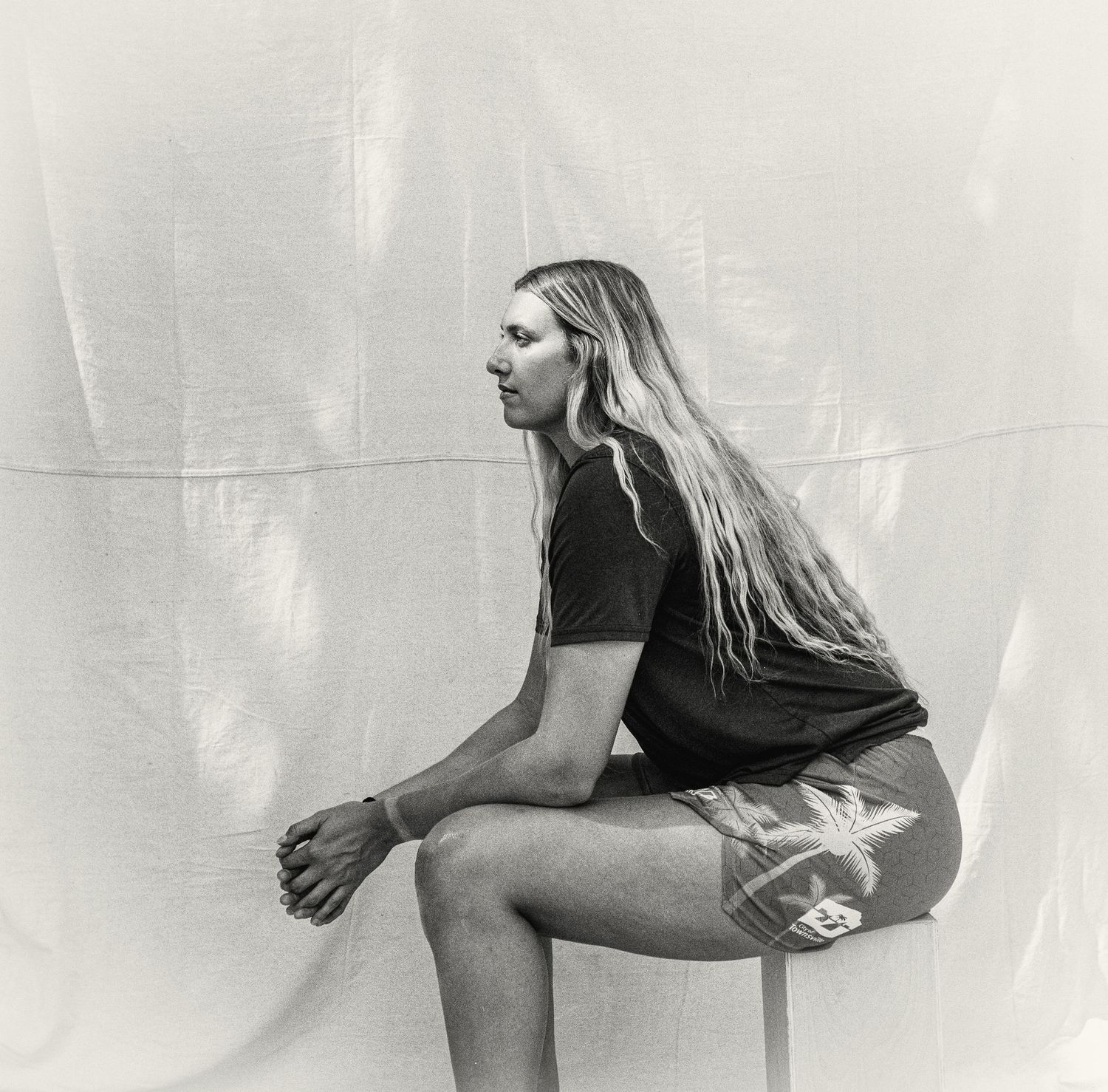
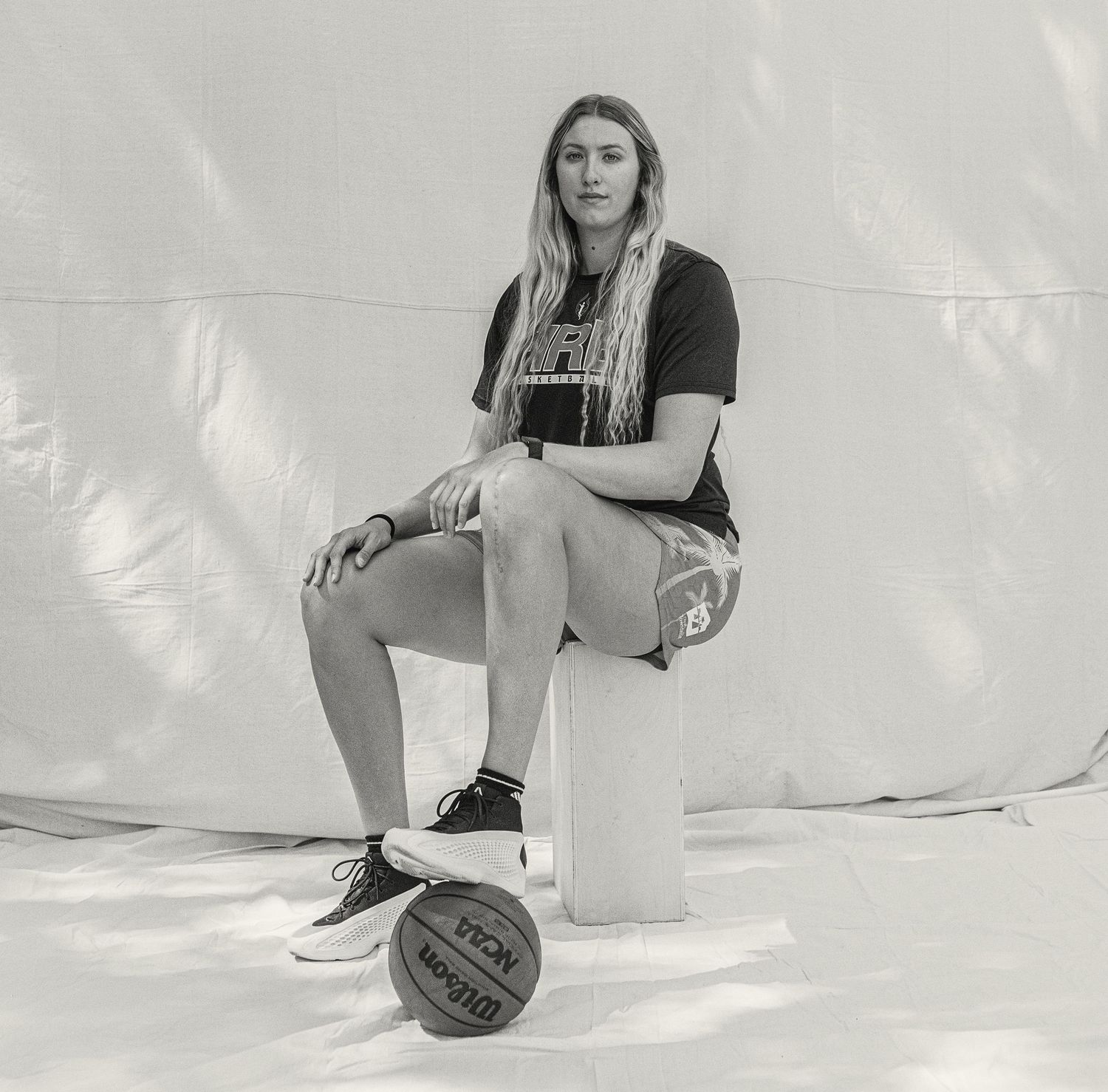
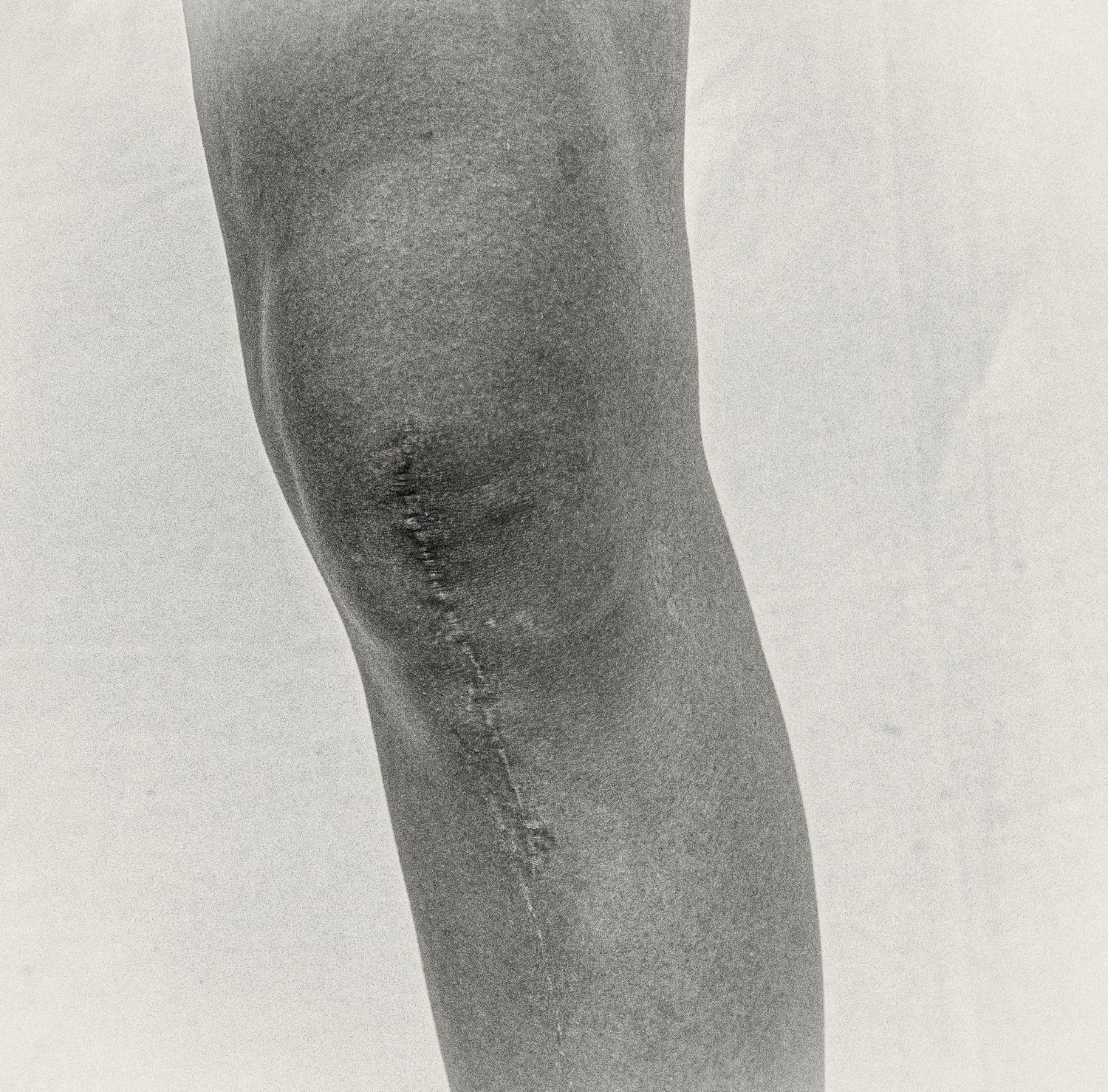
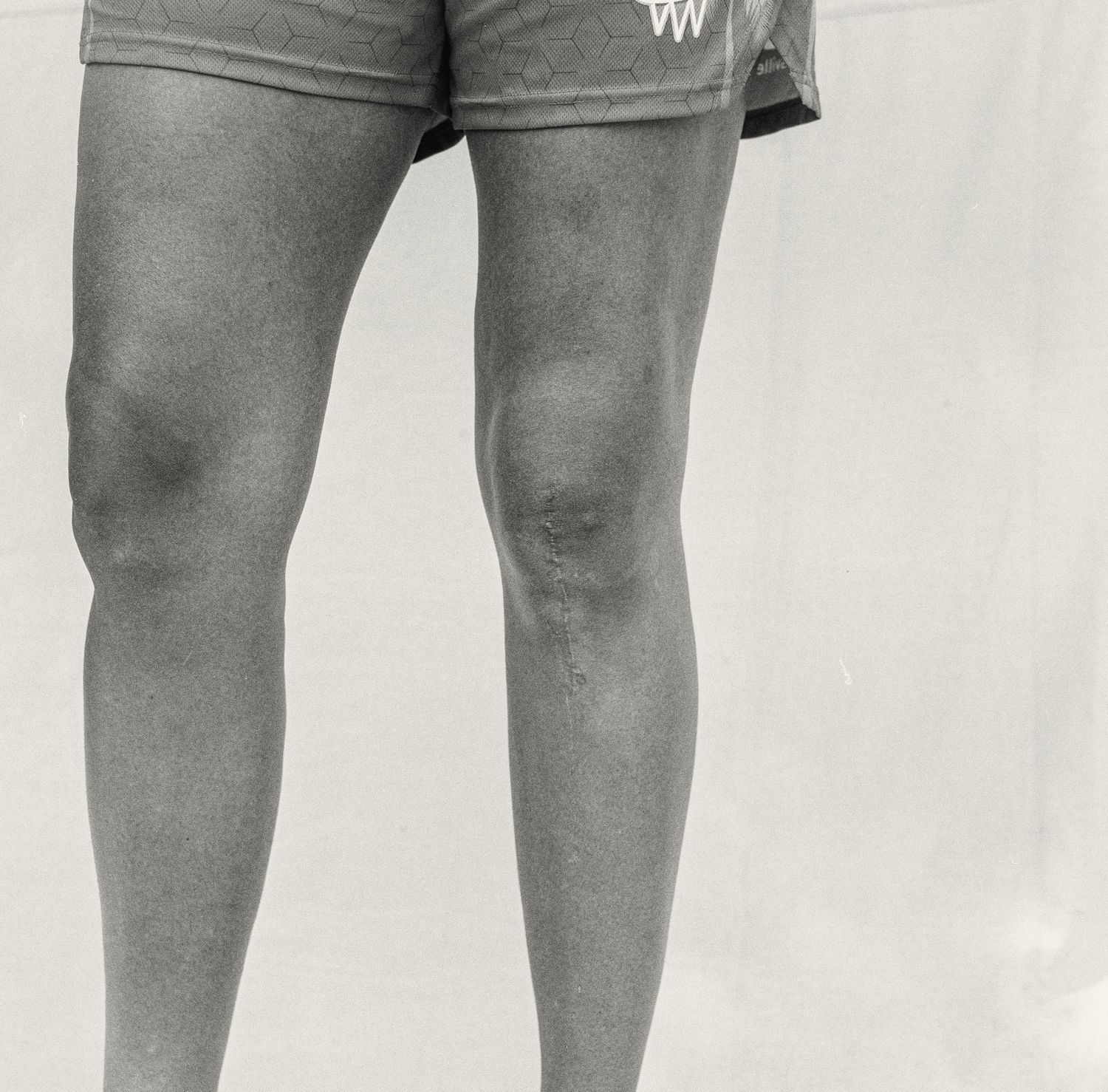
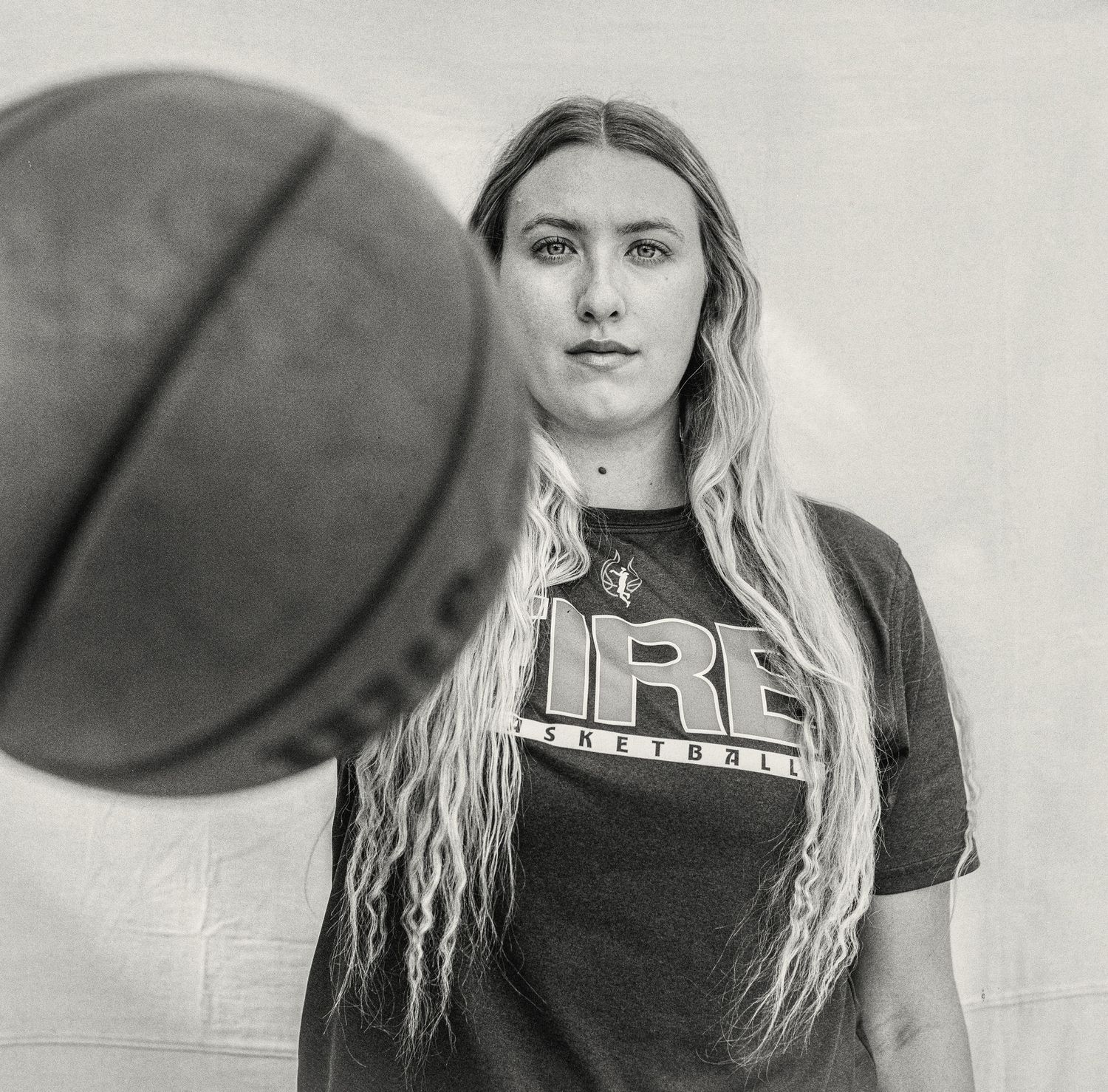
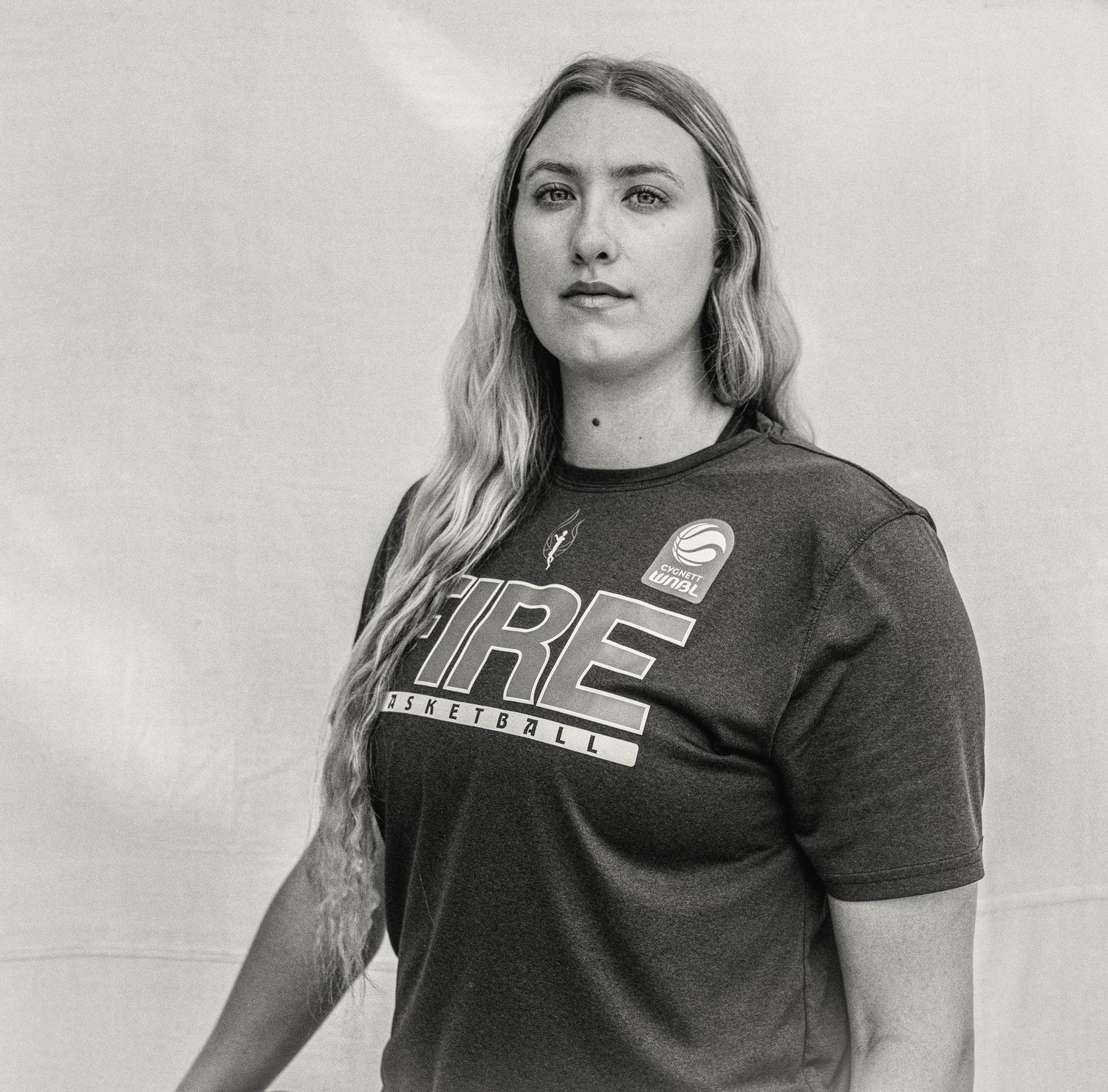
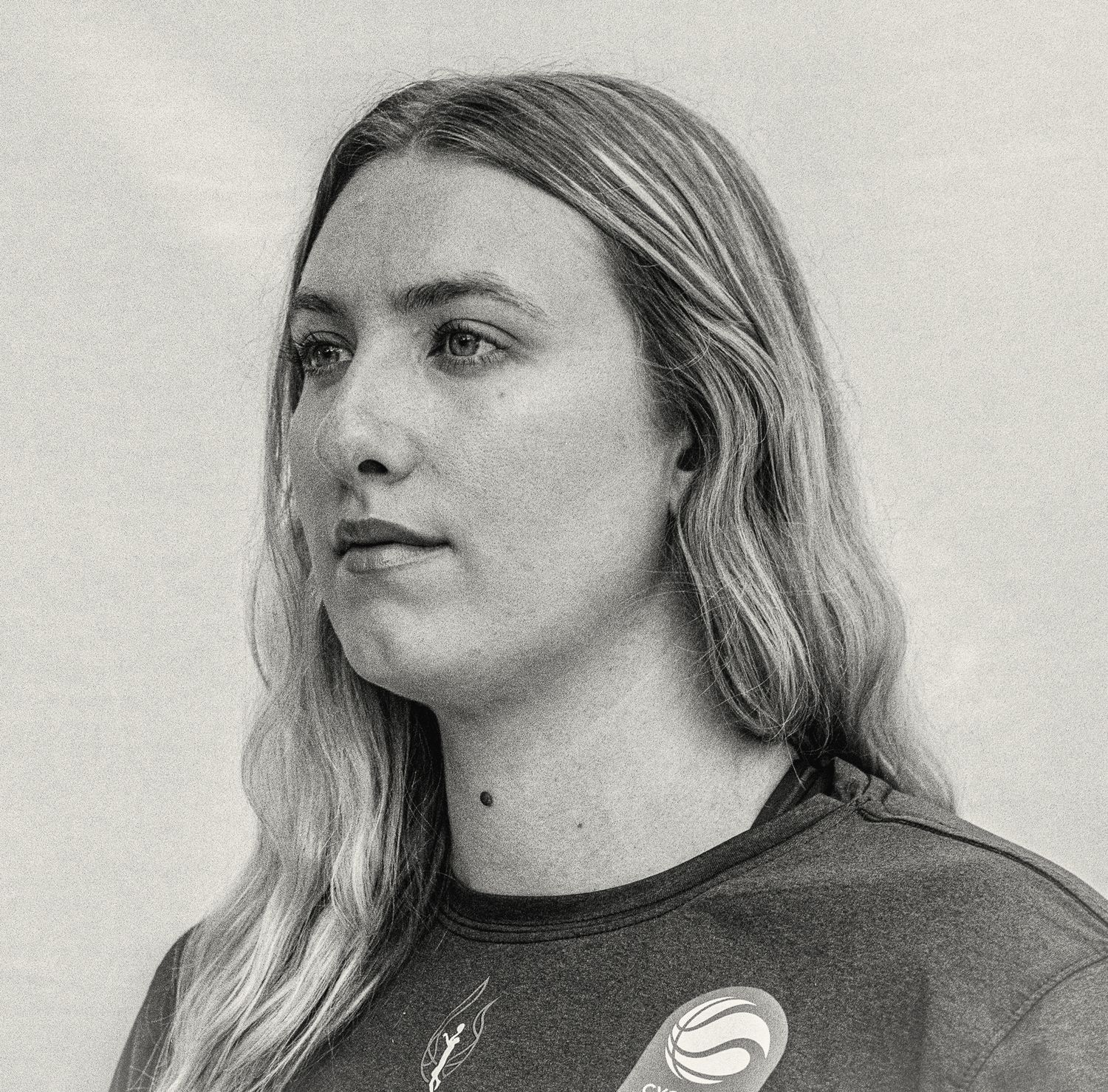
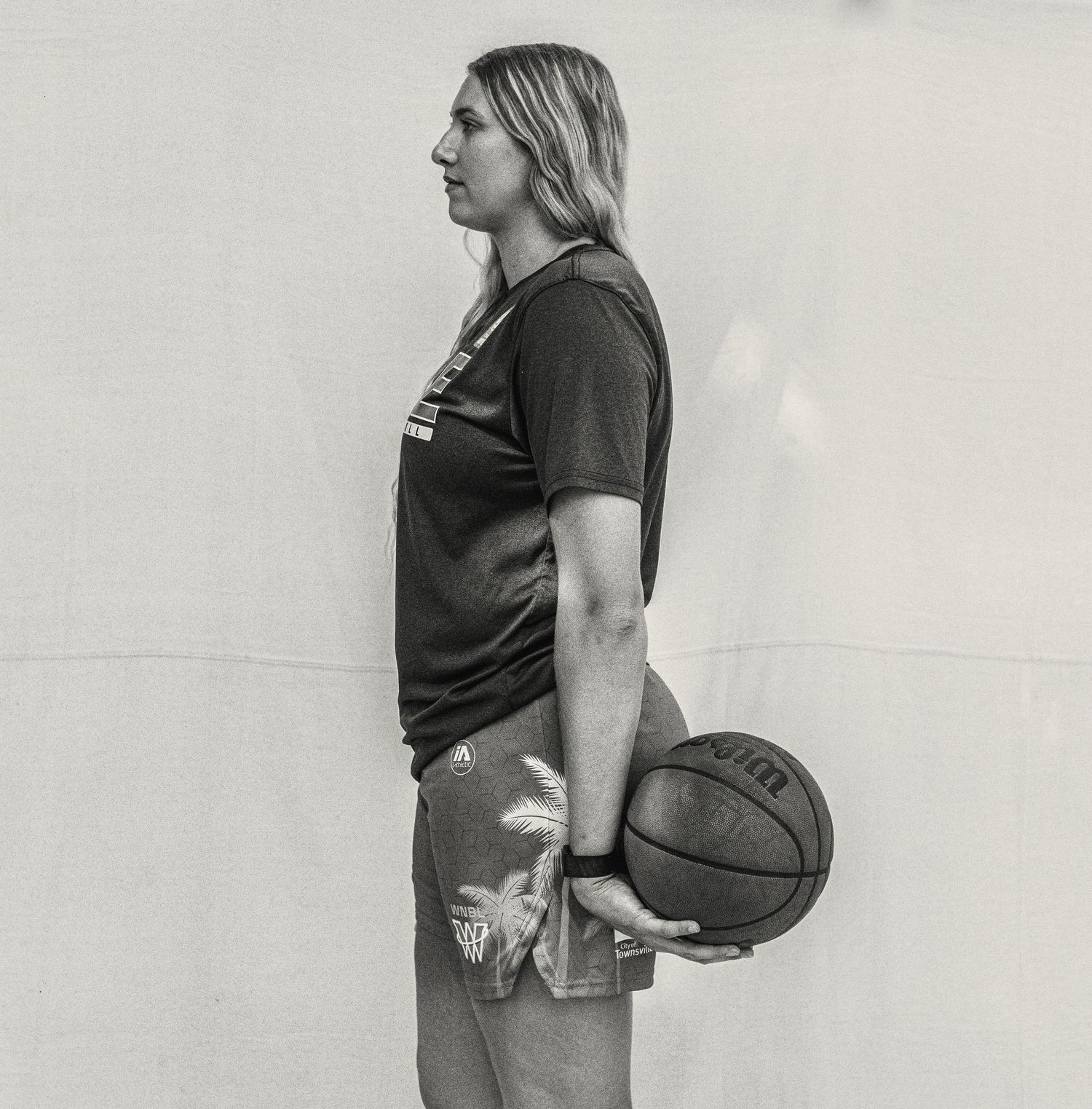
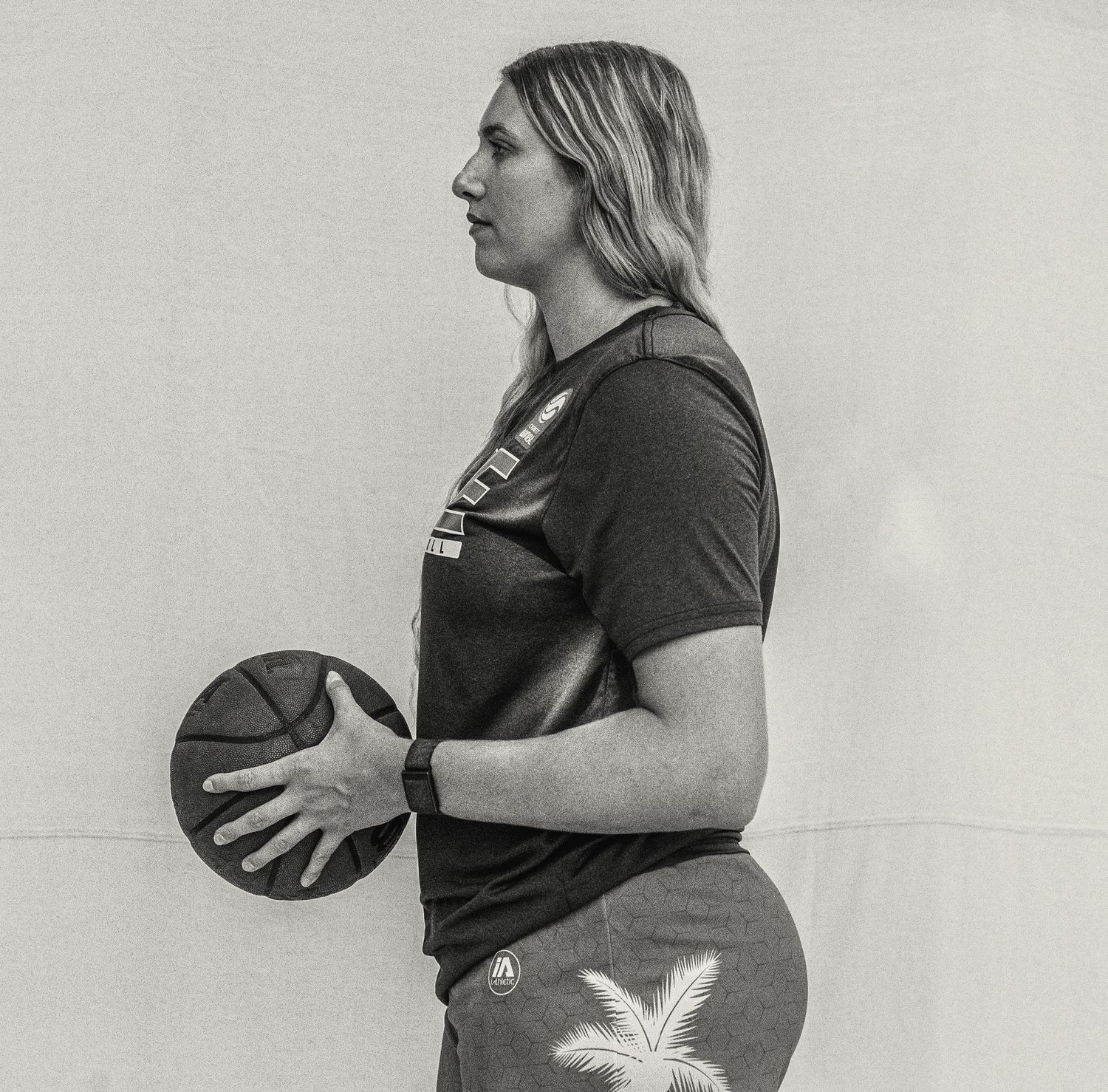
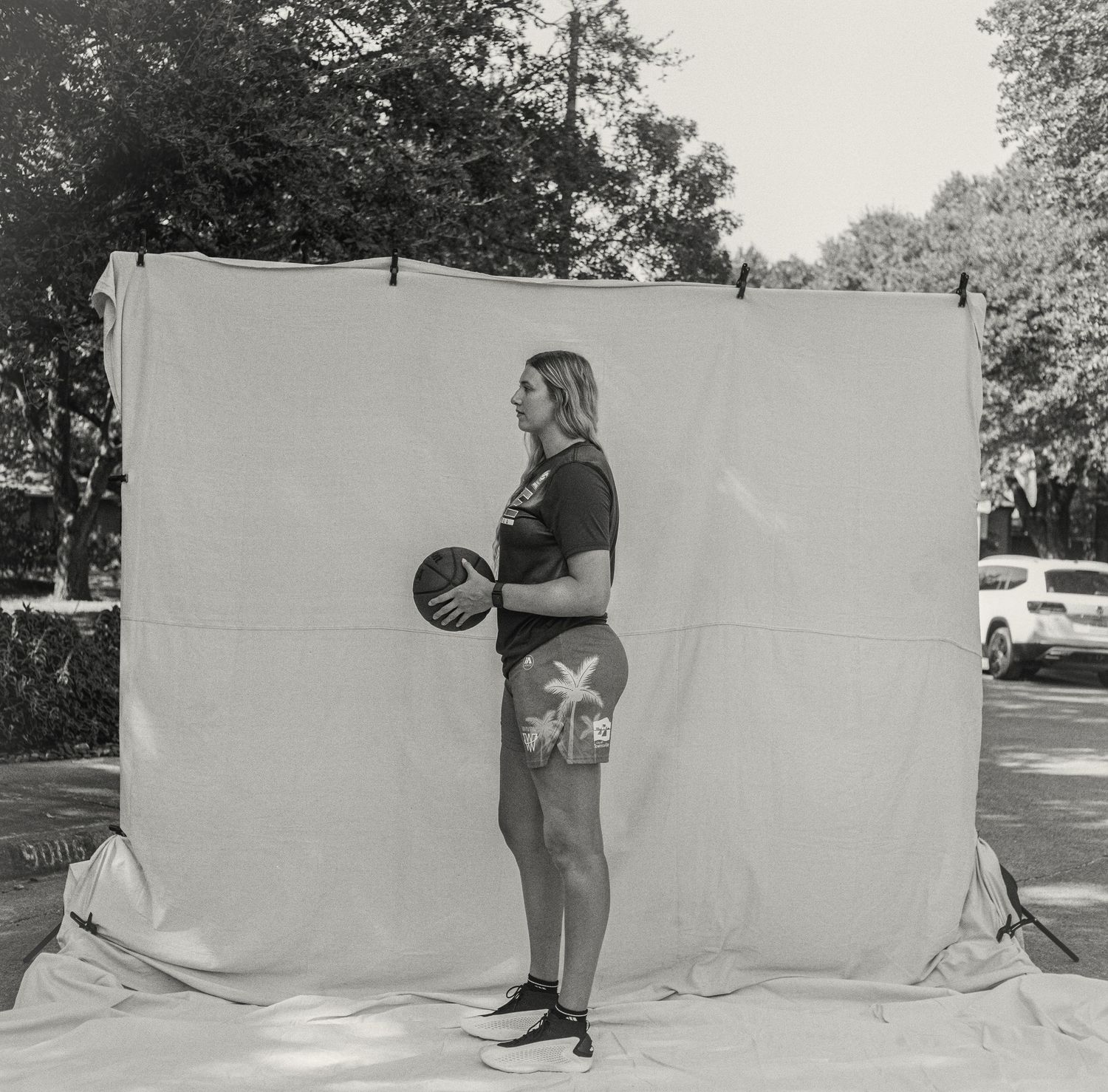
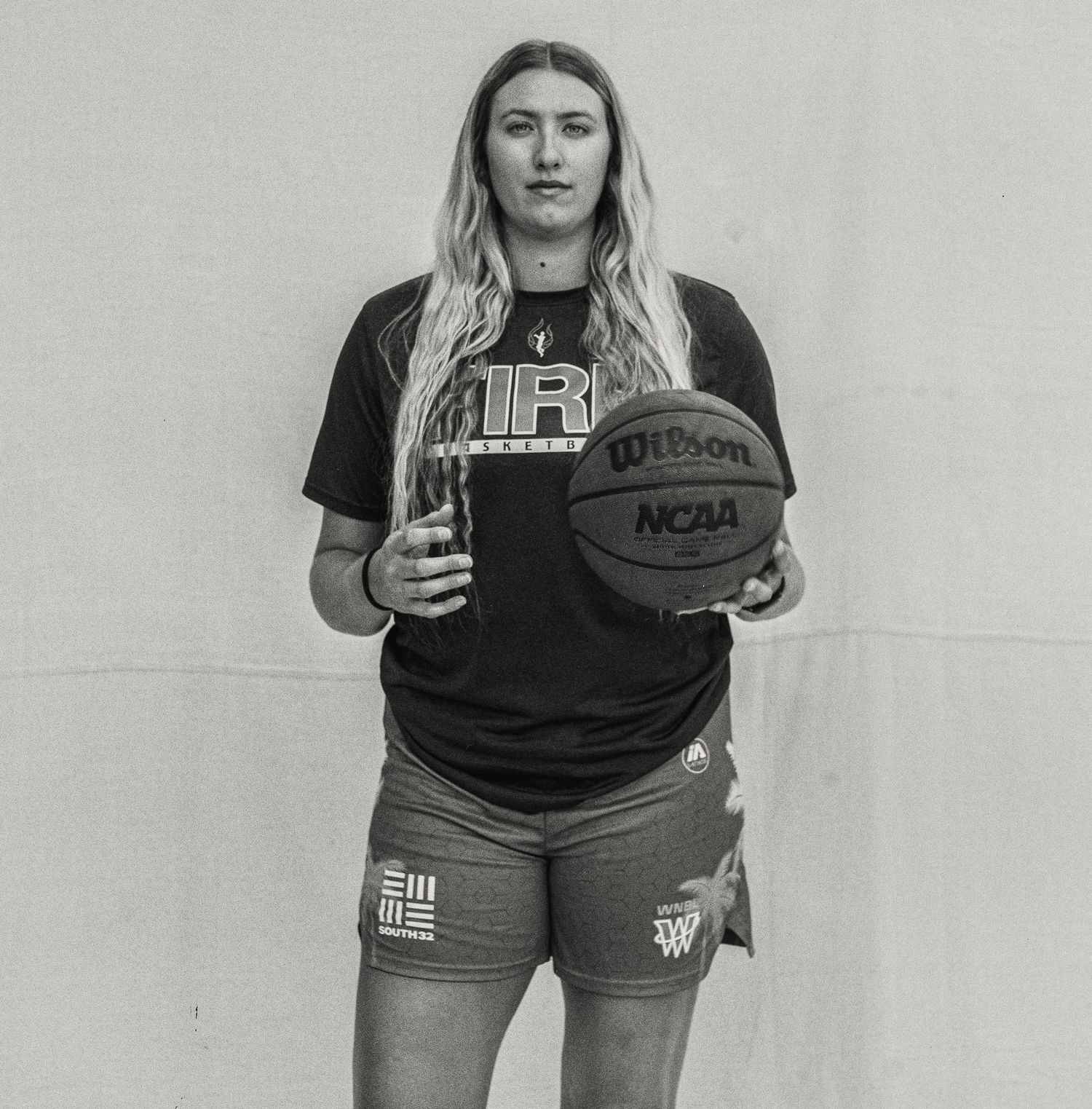
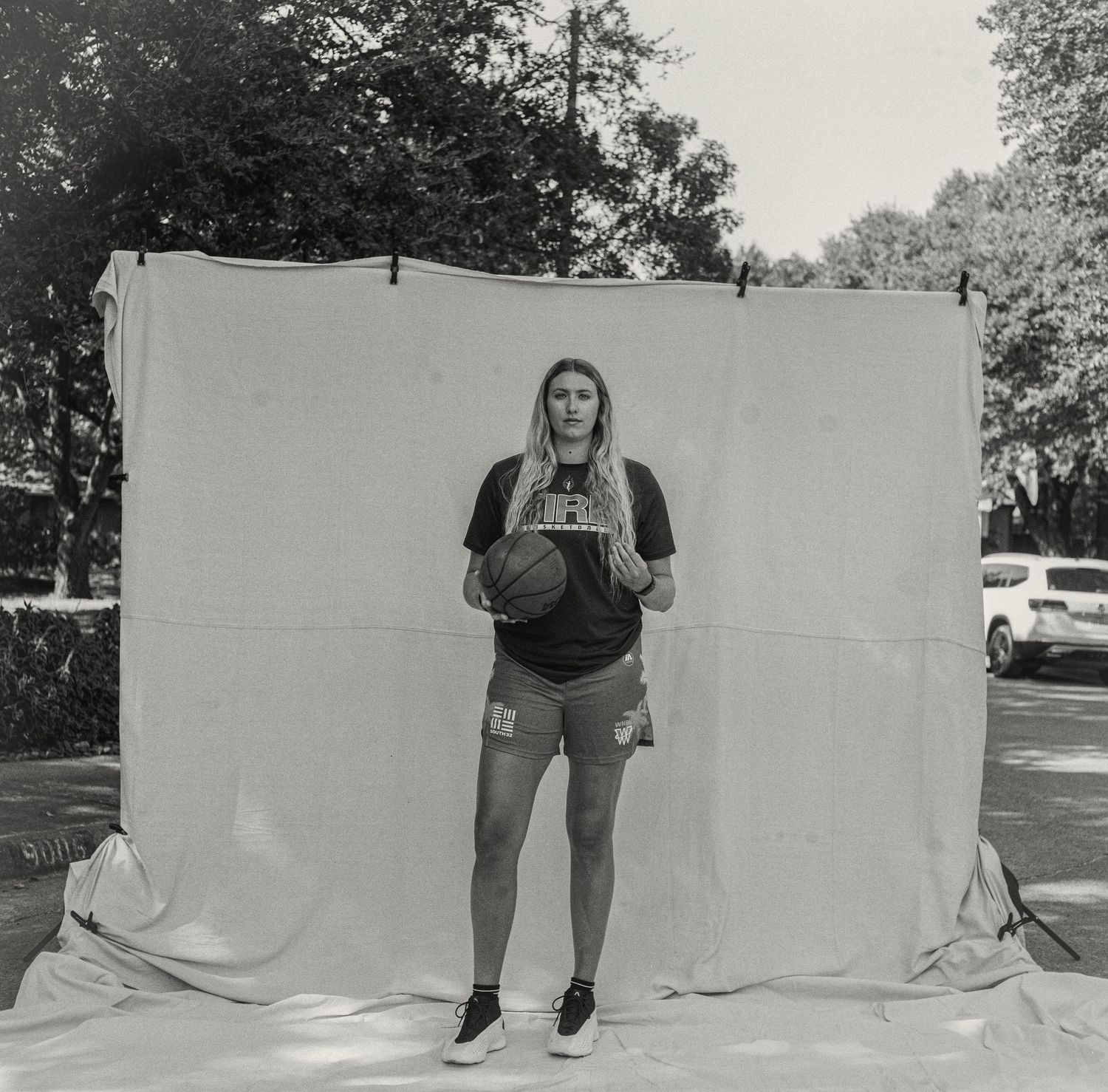
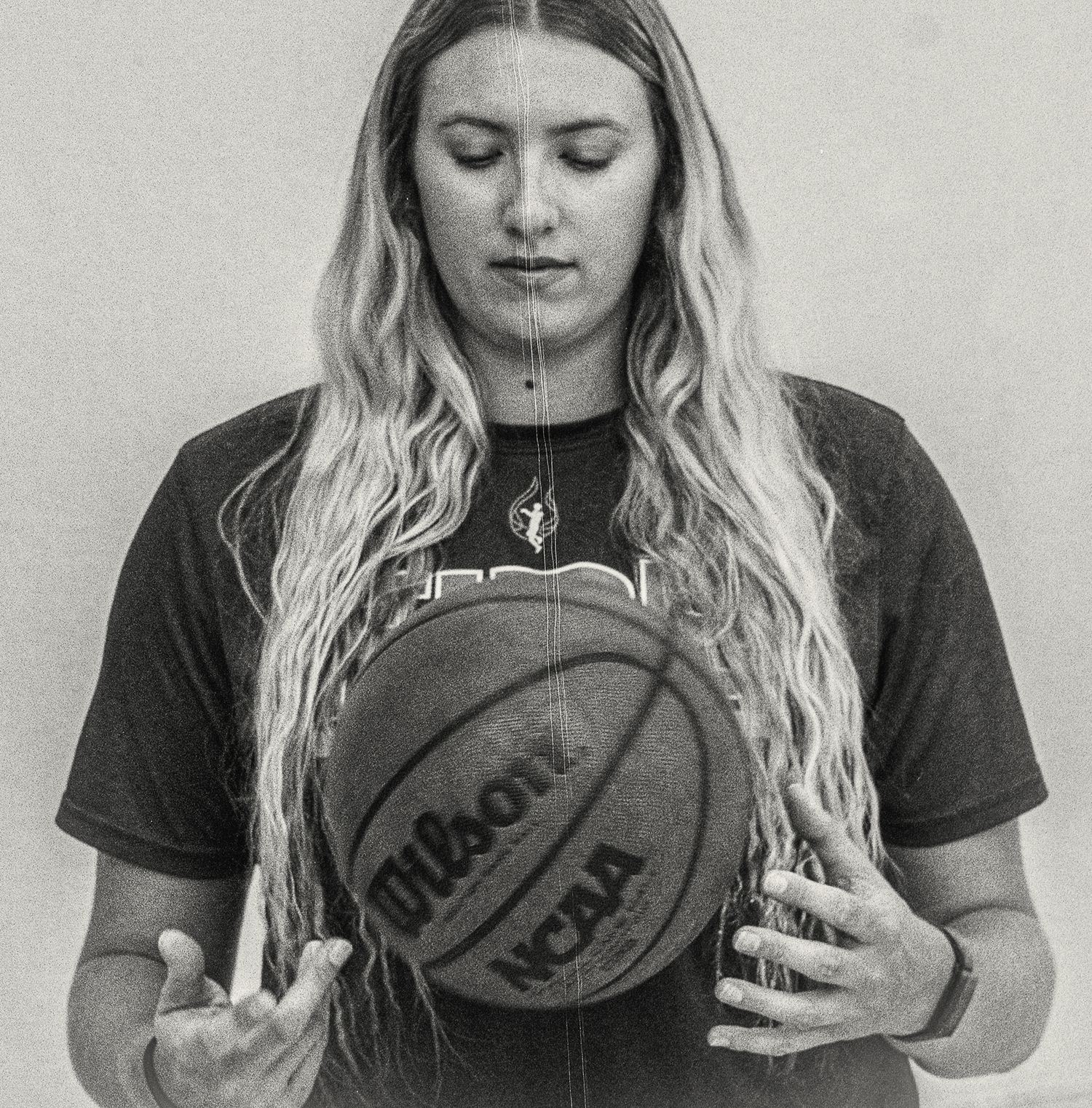
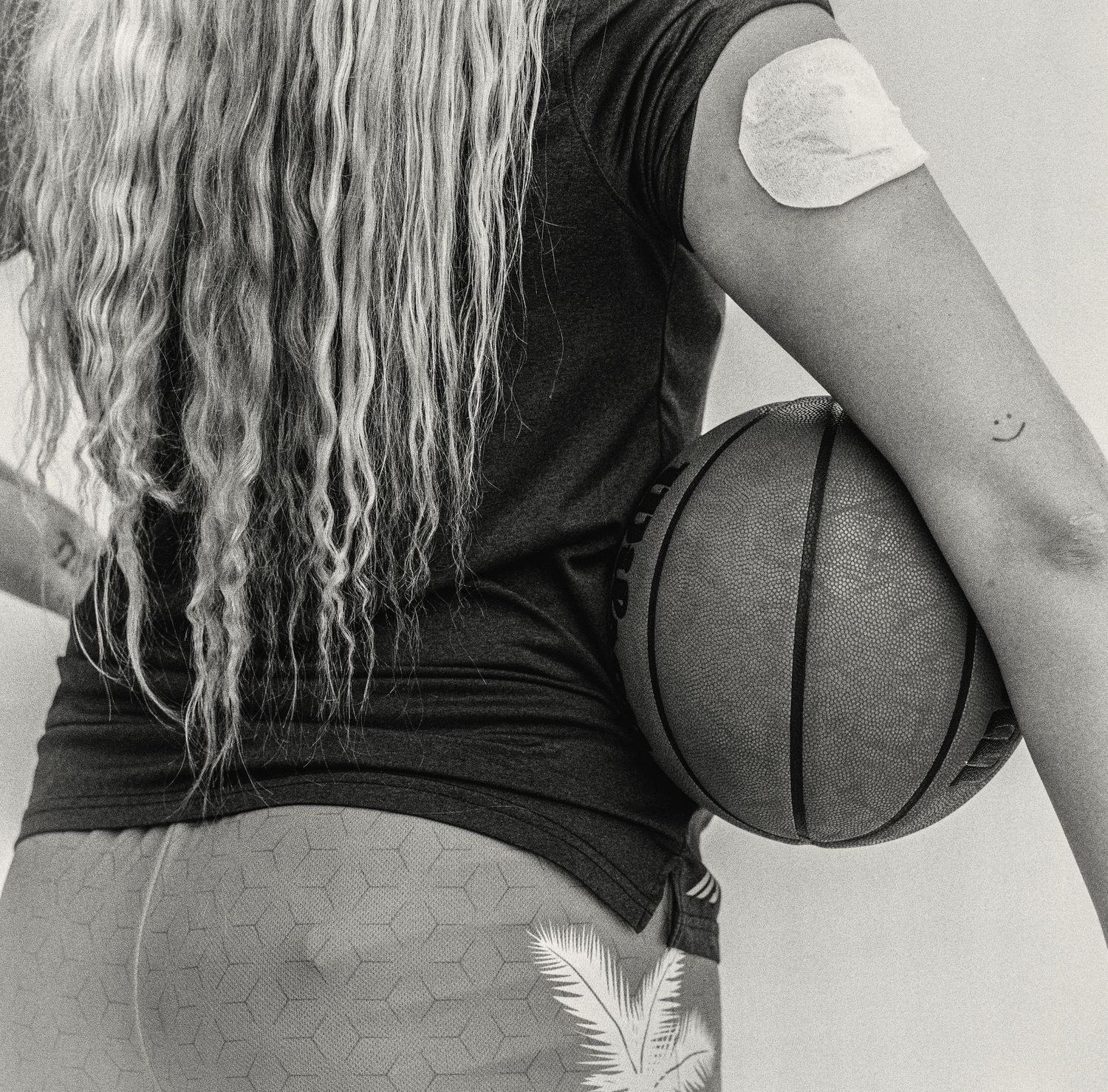
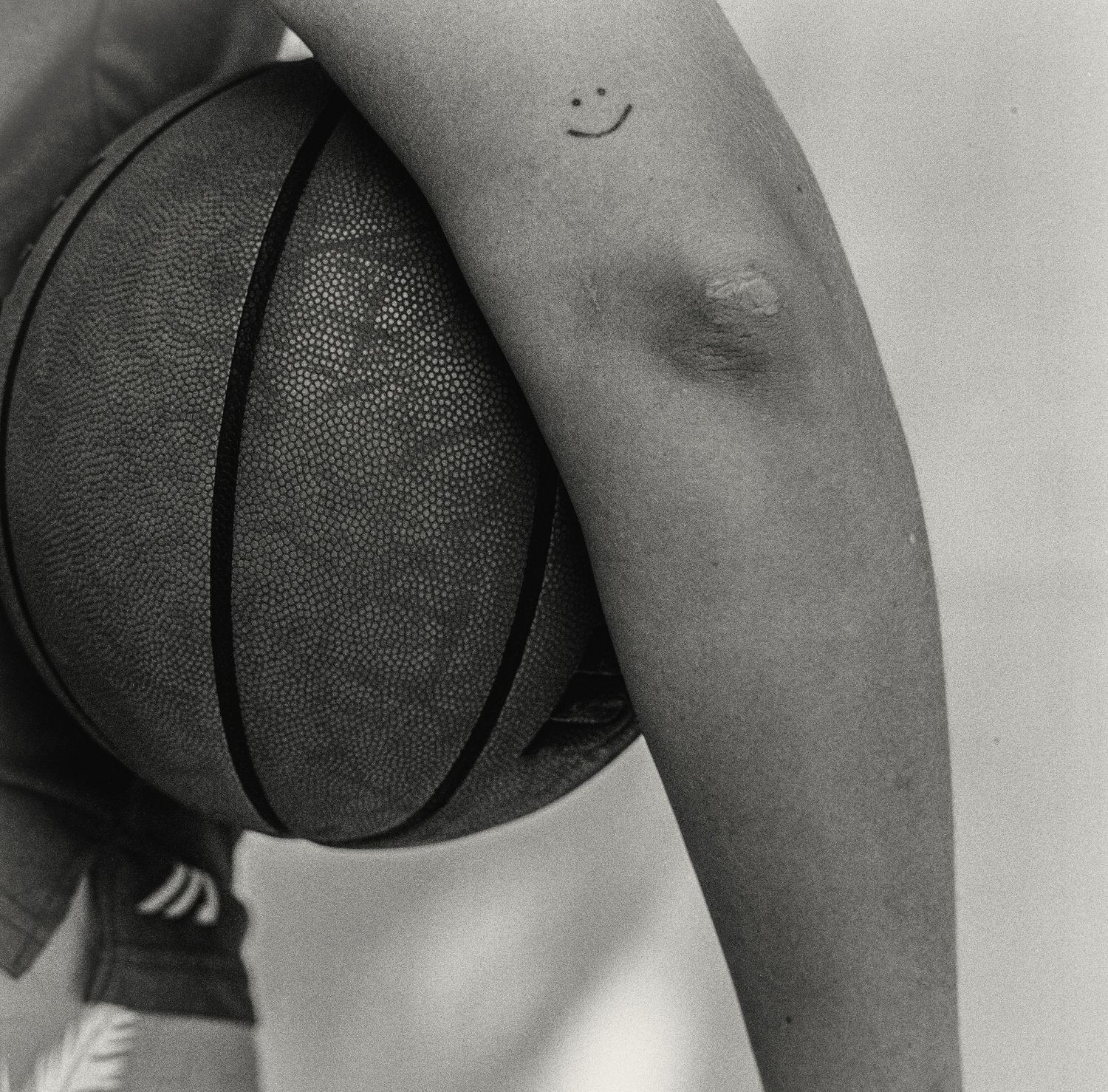
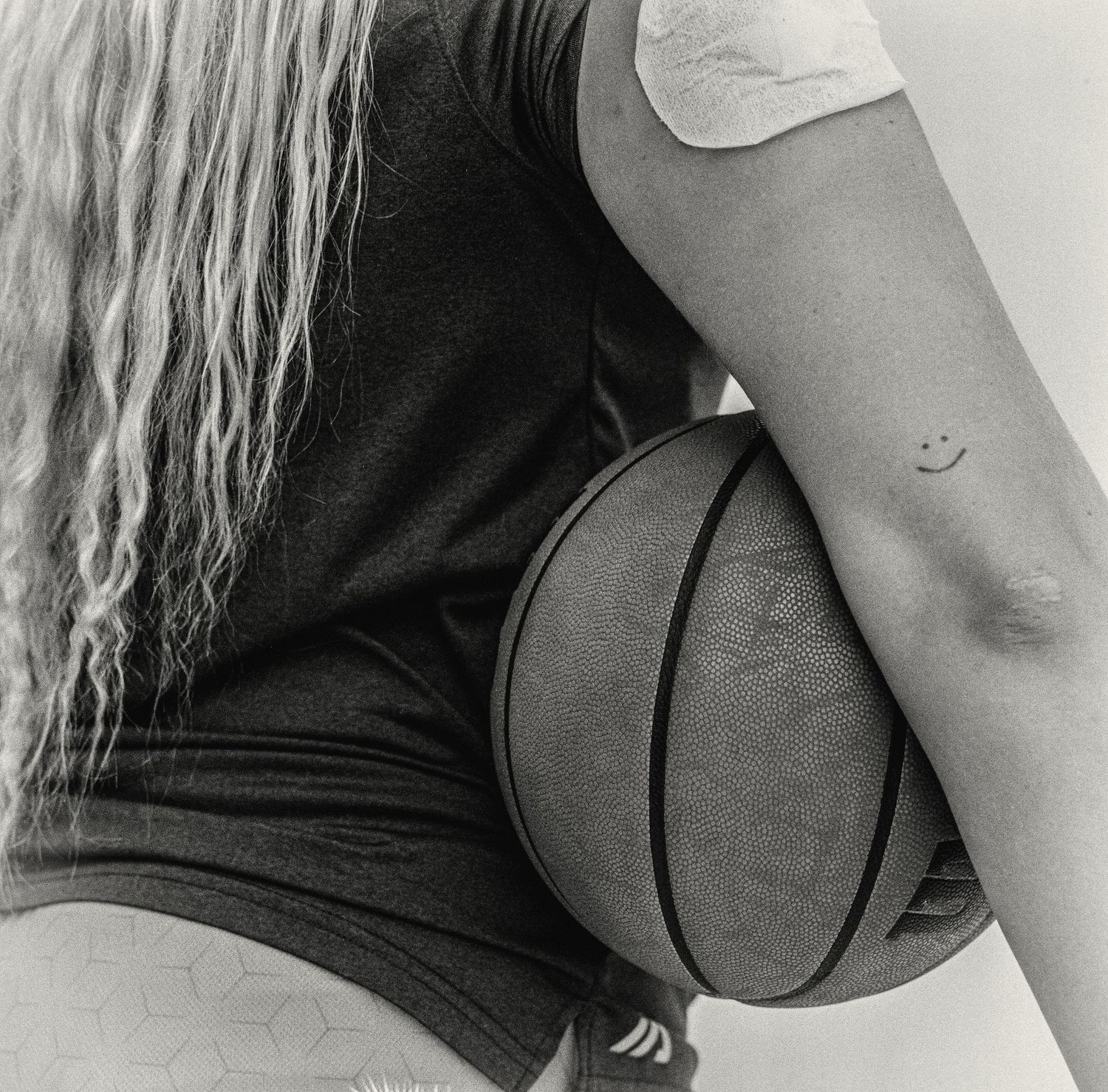
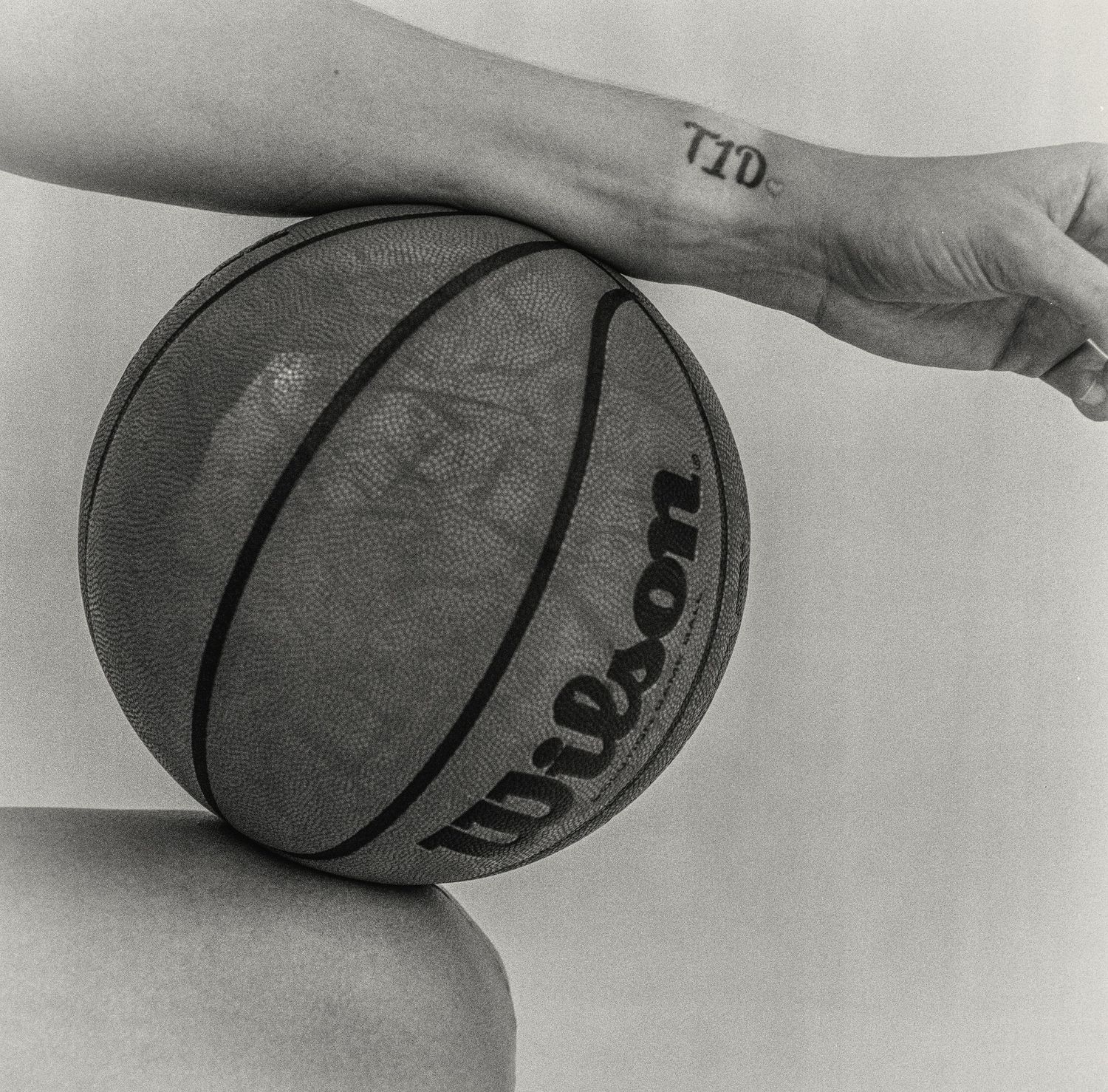
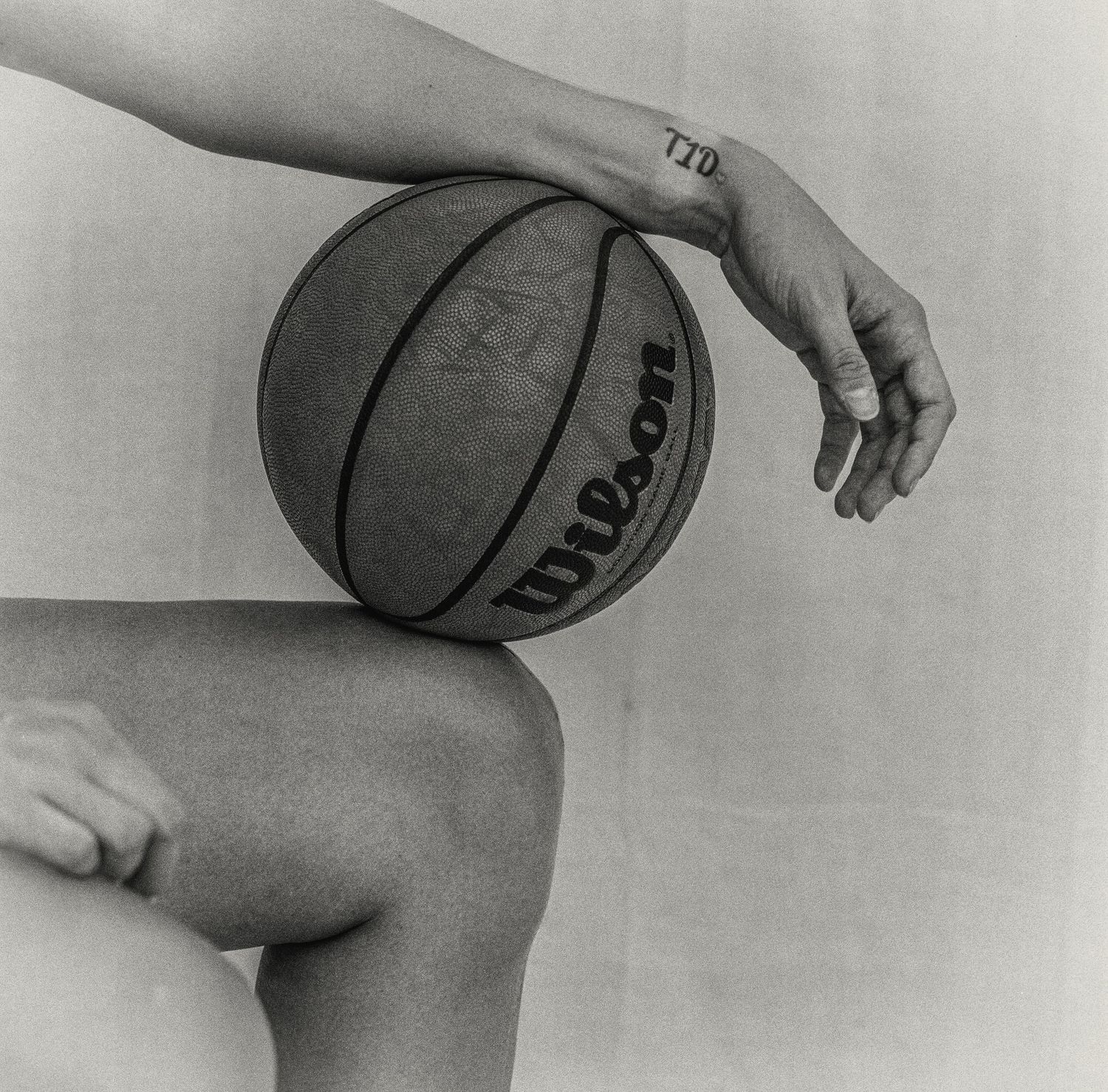
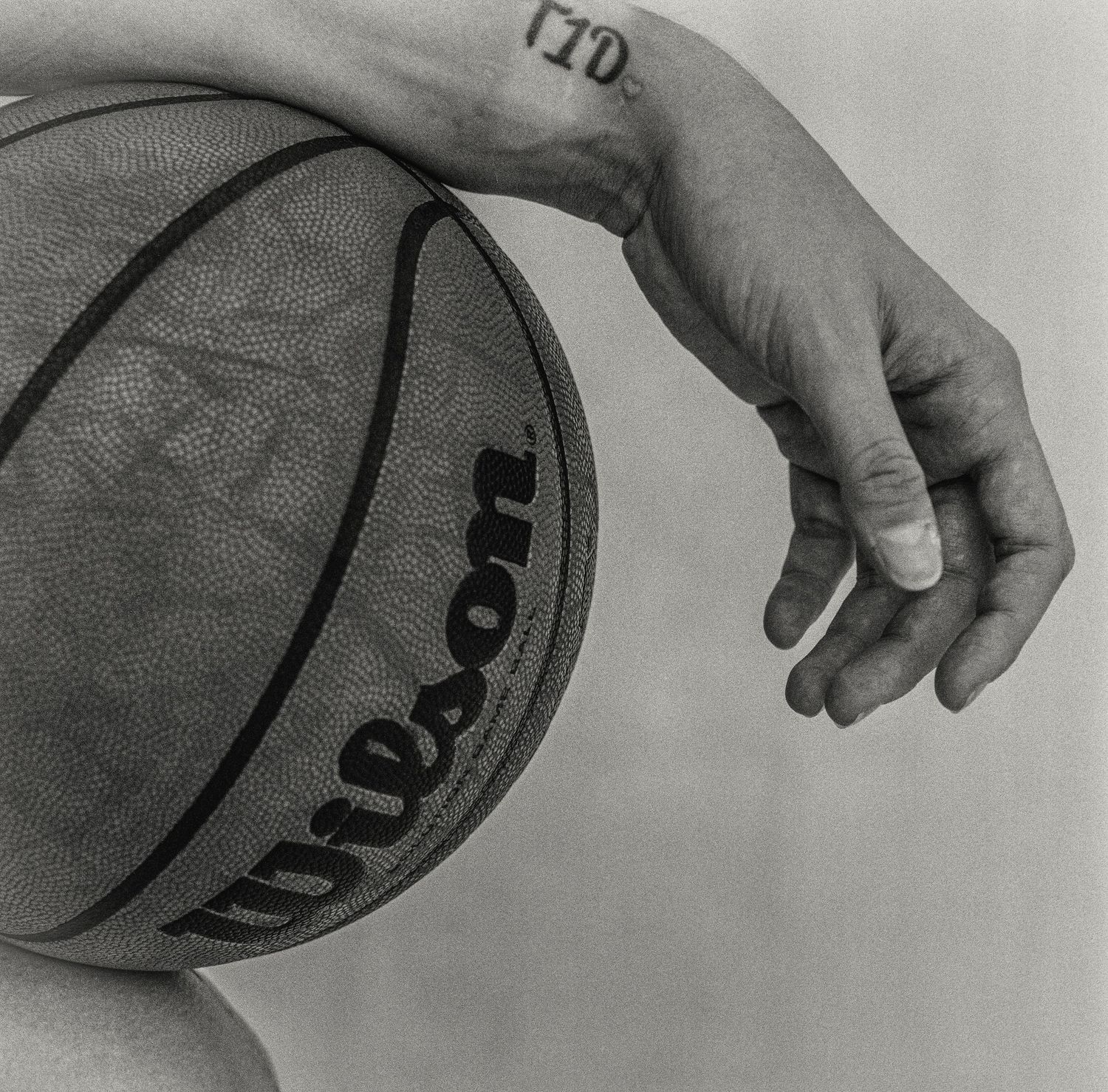
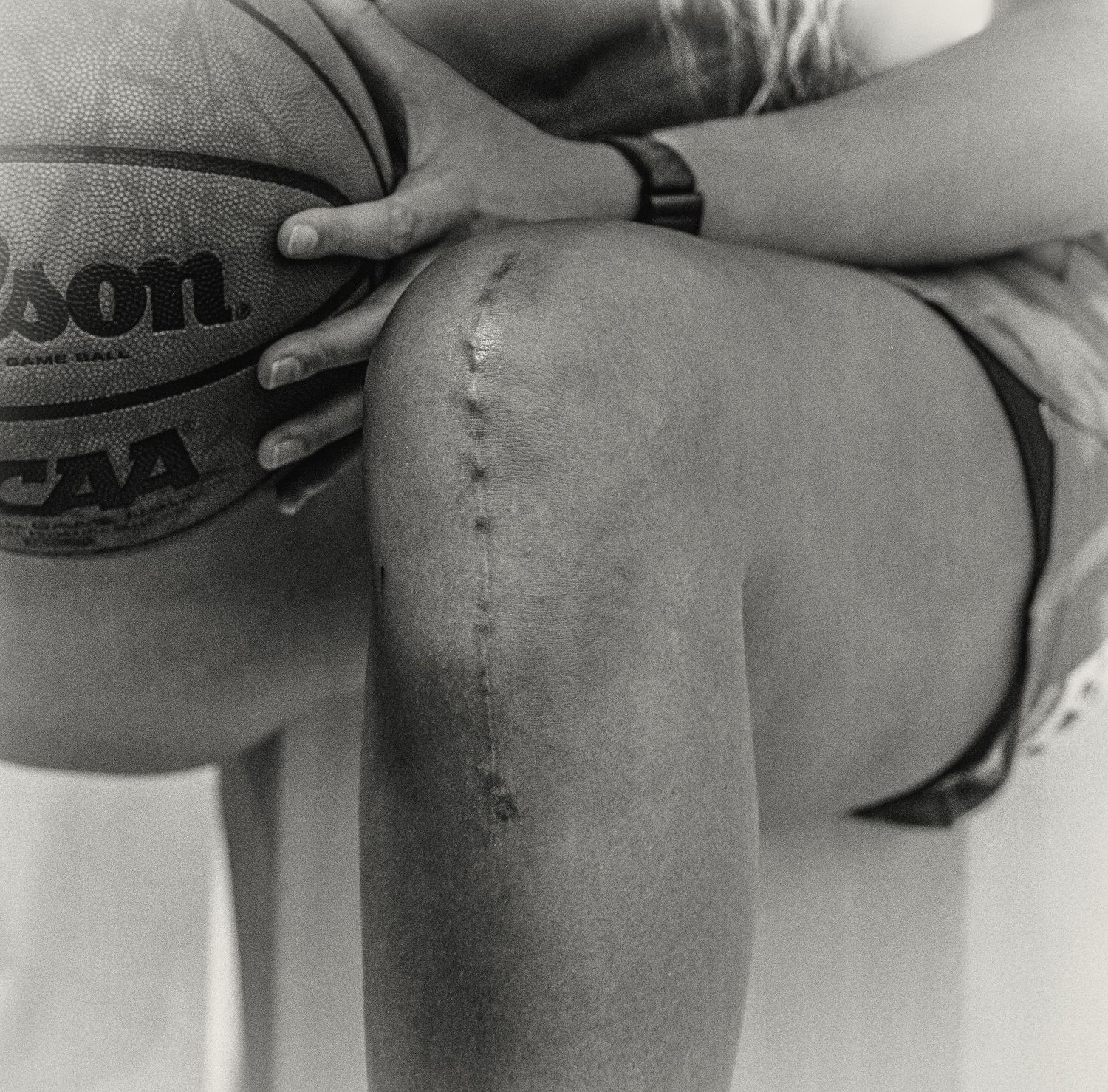
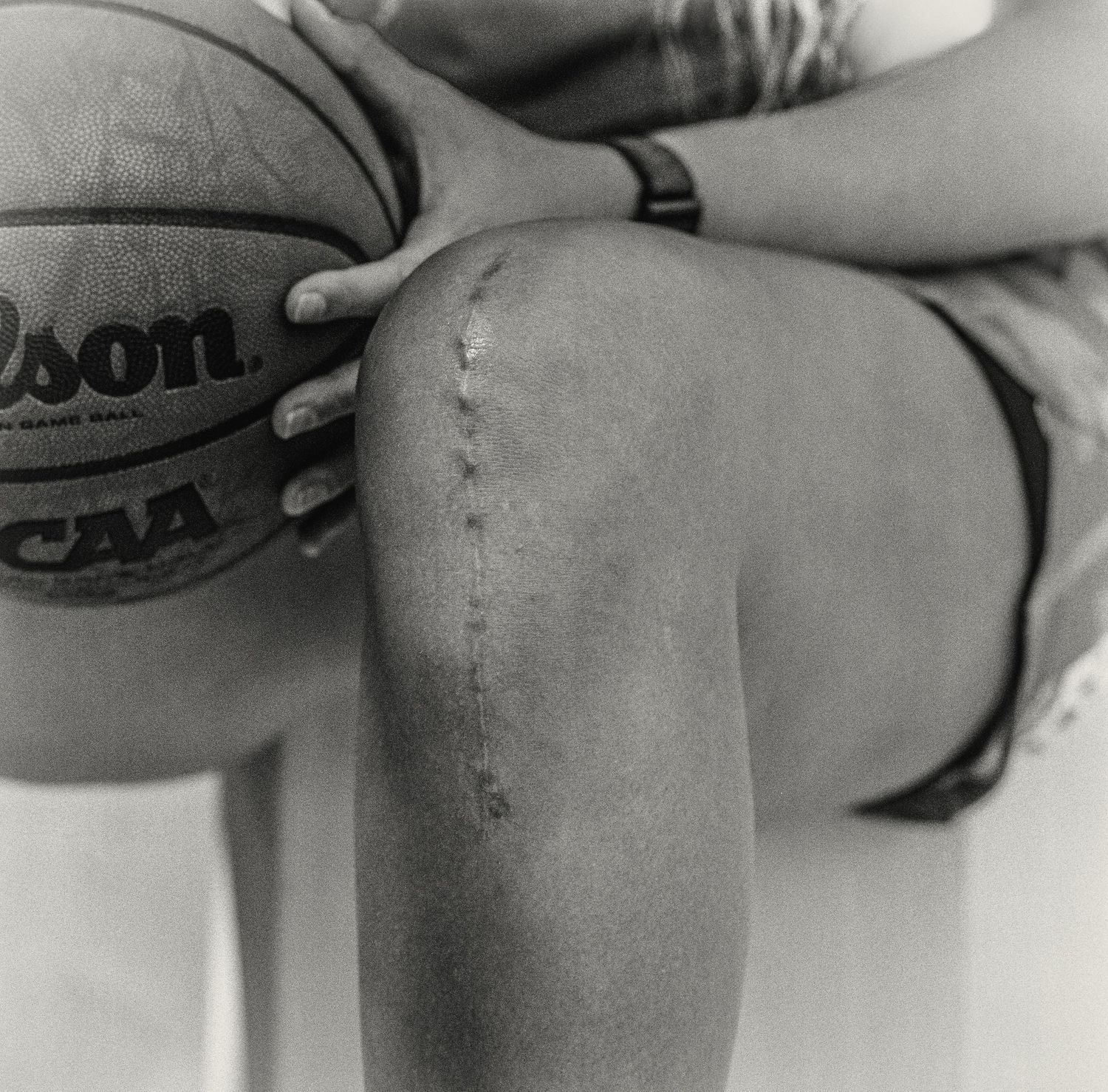
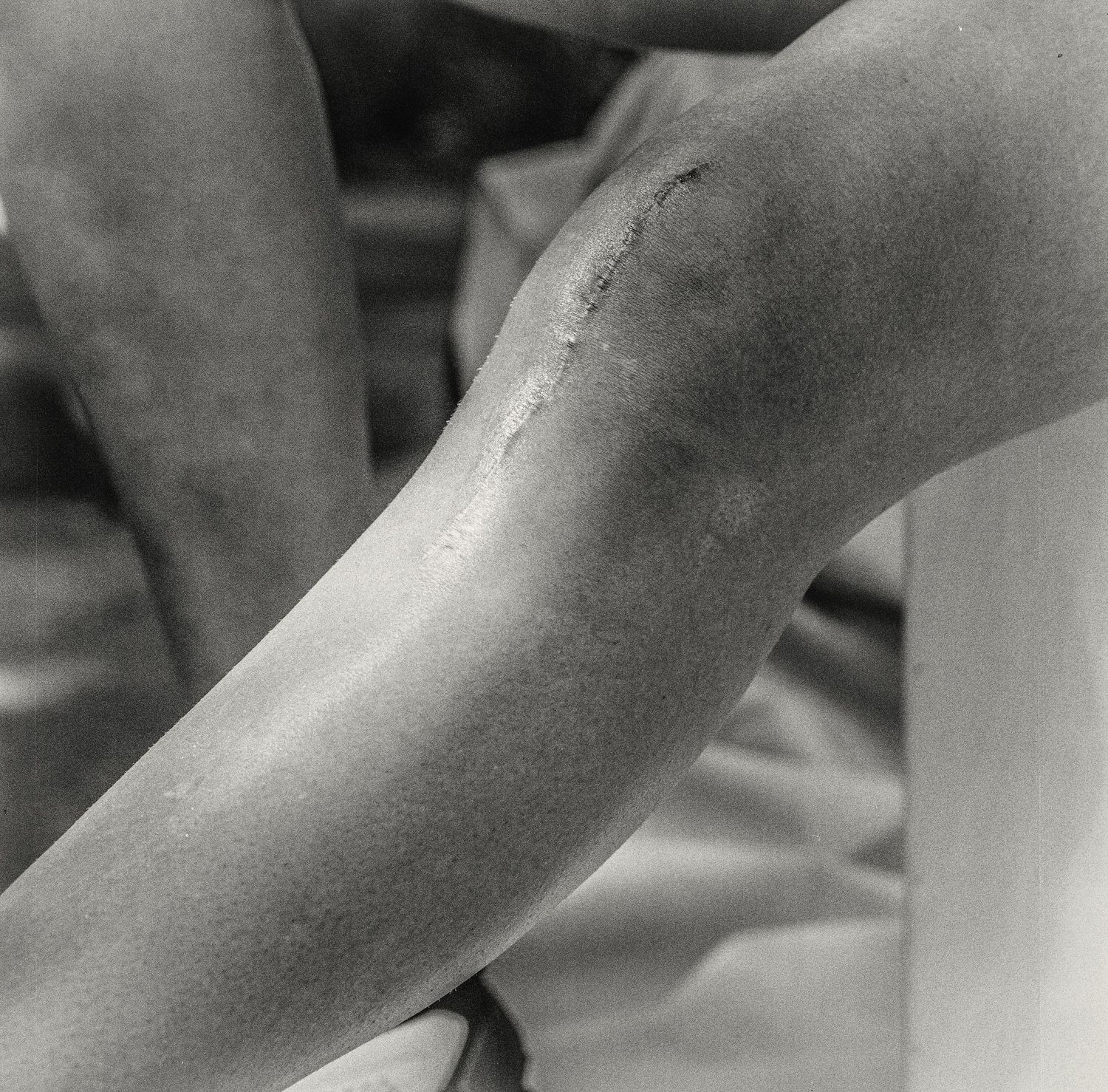
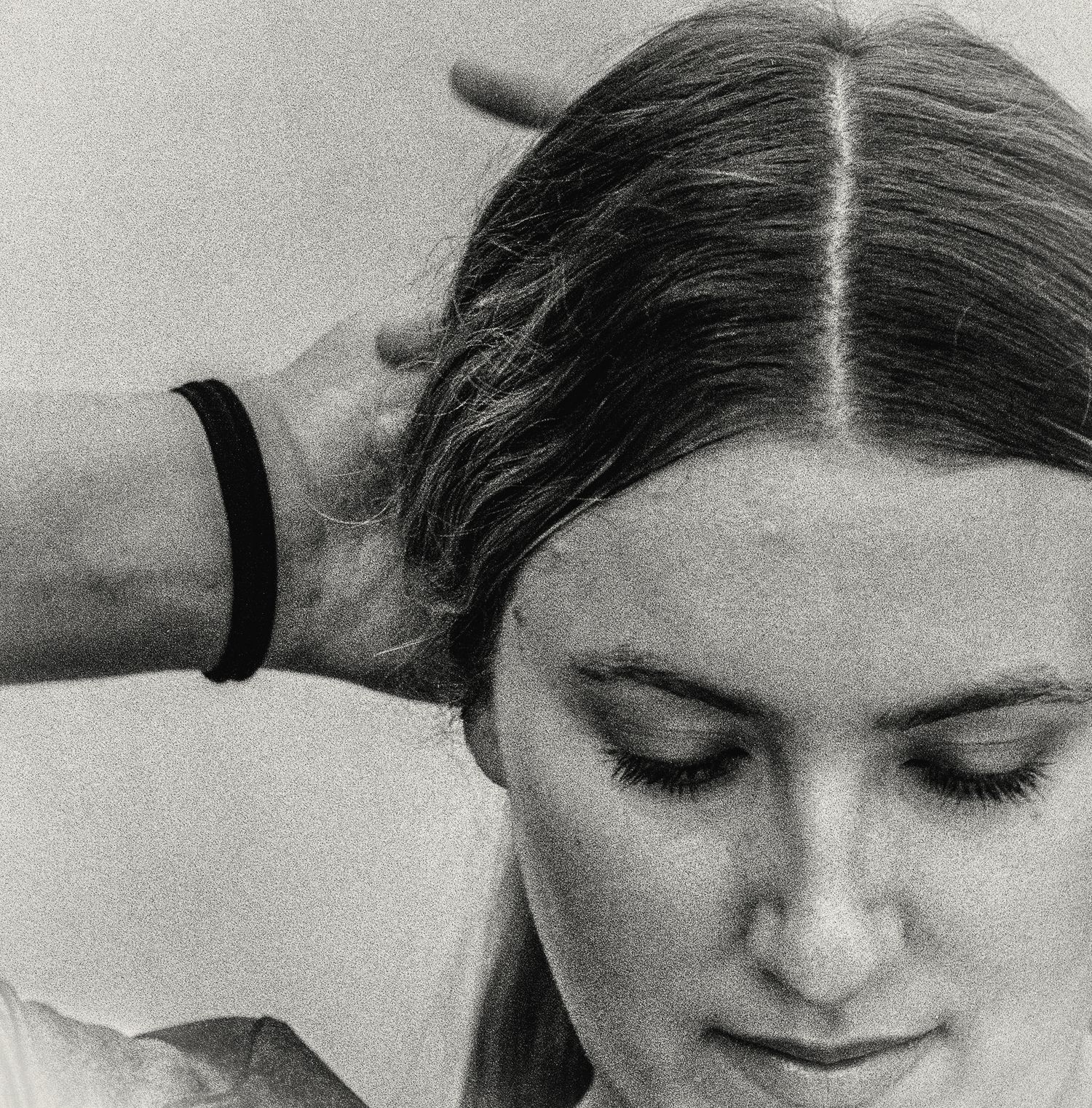
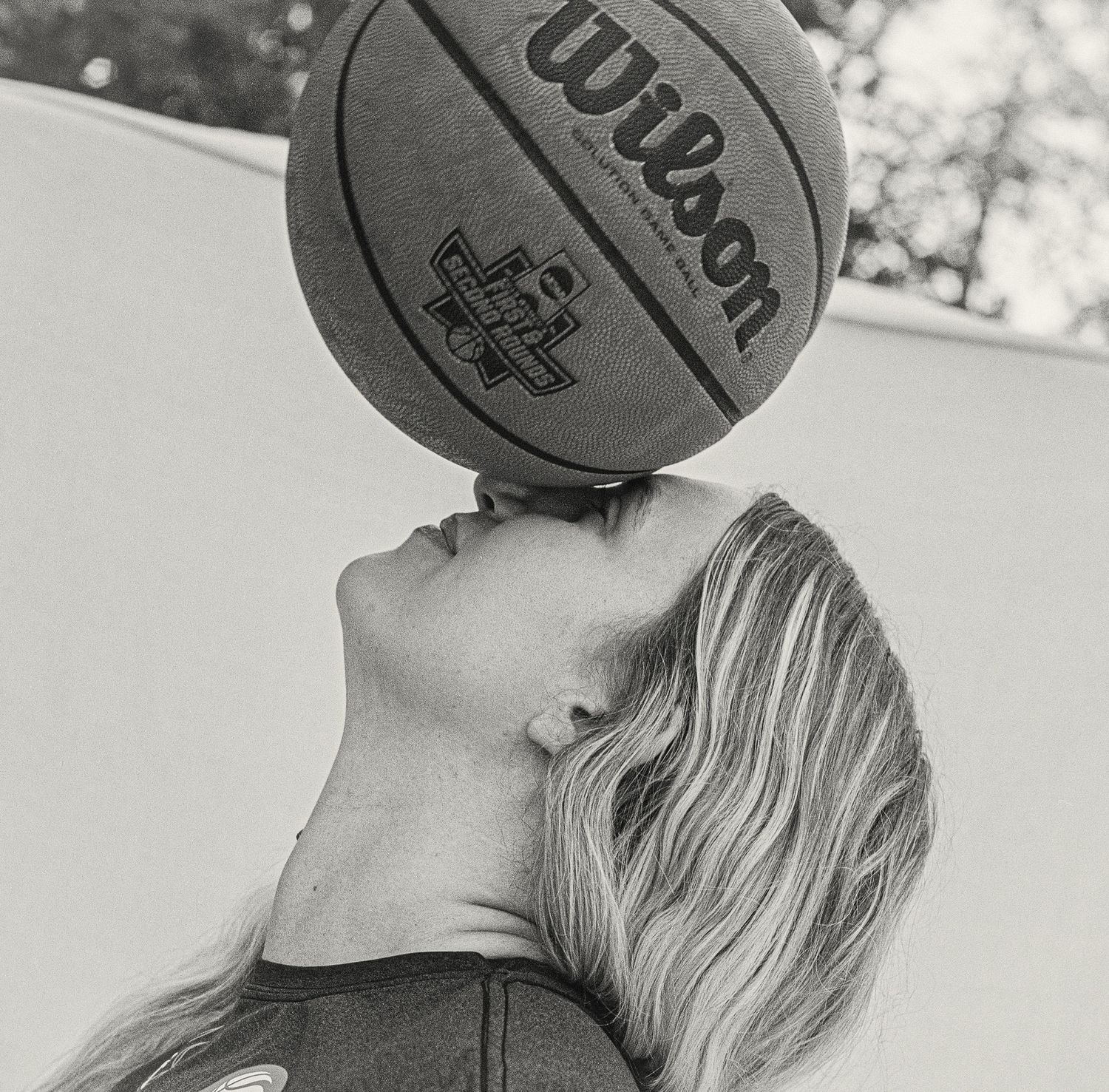
MAMIYA c220 / TRI-X & T-MAX 120 FILM
You Can’t Let it Control You
AN INTERVIEW WITH LAUREN COX
by
Respect Their Game
Welcome to the Respect Their Game — a collection of conversations with women athletes about commitment, identity, discipline, and the interior life of sport. These interviews are part of the ongoing portrait project documenting women in sport through film photography and their own words. Lauren Cox, a professional basketball player who won a championship at Baylor University, was drafted into the WNBA, and has spent five years playing overseas, discusses her athletic career, her experience managing type one diabetes, and her recovery from a ruptured patellar tendon suffered on New Year's Eve while playing in Australia.
Hi Lauren, can you introduce yourself?
My name is Lauren Cox. I am a professional basketball player. I played collegiately at Baylor University. Won some championships there. Was drafted into the WNBA, played a few seasons in the WNBA, and have played the last five years overseas.
So you grew up in a very athletic family. What was the Cox household like when you and your sisters were growing up?
I was very competitive. We competed with everything, whether it was cards, playing outside, racing to see who gets the front seat in the car, those kinds of things. so very competitive. Both my parents were collegiate basketball players, so competition and sports were kind of in our blood.
When did basketball go from being something you loved to something you realized you could potentially build your life around?
I would say probably later in high school, when I knew I was gonna go to a big-time college, known for winning championships and winning games, playing for a winning coach. and then throughout my college career, it kinda solidified that, I did wanna go to the WNBA. I did wanna play professional basketball.
And you were one of the top basketball recruits in the country coming out of Flower Mound. Is that when you realized I’m actually really good at this?
I didn’t really like to admit that I was a pretty good basketball player when I was younger. It’s just not really how I was raised to brag about myself, but yeah, I think all the accolades and everything that I have won and continue to win, shows that, yeah, I might be pretty good at this. <laughs>
So, your journey, you’ve gone from Flower Mound to Baylor, the WNBA, and then professional basketball overseas. Has your definition of success changed along the way?
I think it has changed a little bit. I think when I was younger, it was all about winning games, winning championships. and I’m still super competitive and I wanna win. But there’s also this aspect of wanting to actually enjoy my time, and I will not stay in a situation where I am unhappy off the court just because I’m in a good situation on the court. So, it’s a lot about being happy and wanting to be somewhere, and being around people that want me there.
You’ve experienced being an, an elite college player, a high WNBA draft pick, being waived, and rebuilding your career overseas. Which part of that journey has shaped you the most?
I would say probably being waived from the WNBA after being such a high draft pick. It is a business at the end of the day, and people are gonna make the business decisions that they need to make. And if that’s at my expense, then so be it, but yeah it was definitely hard after I got waived. But I’ve found my love for the game overseas, and I’ve traveled a lot, met a lot of people. So, it’s been a lot of fun.
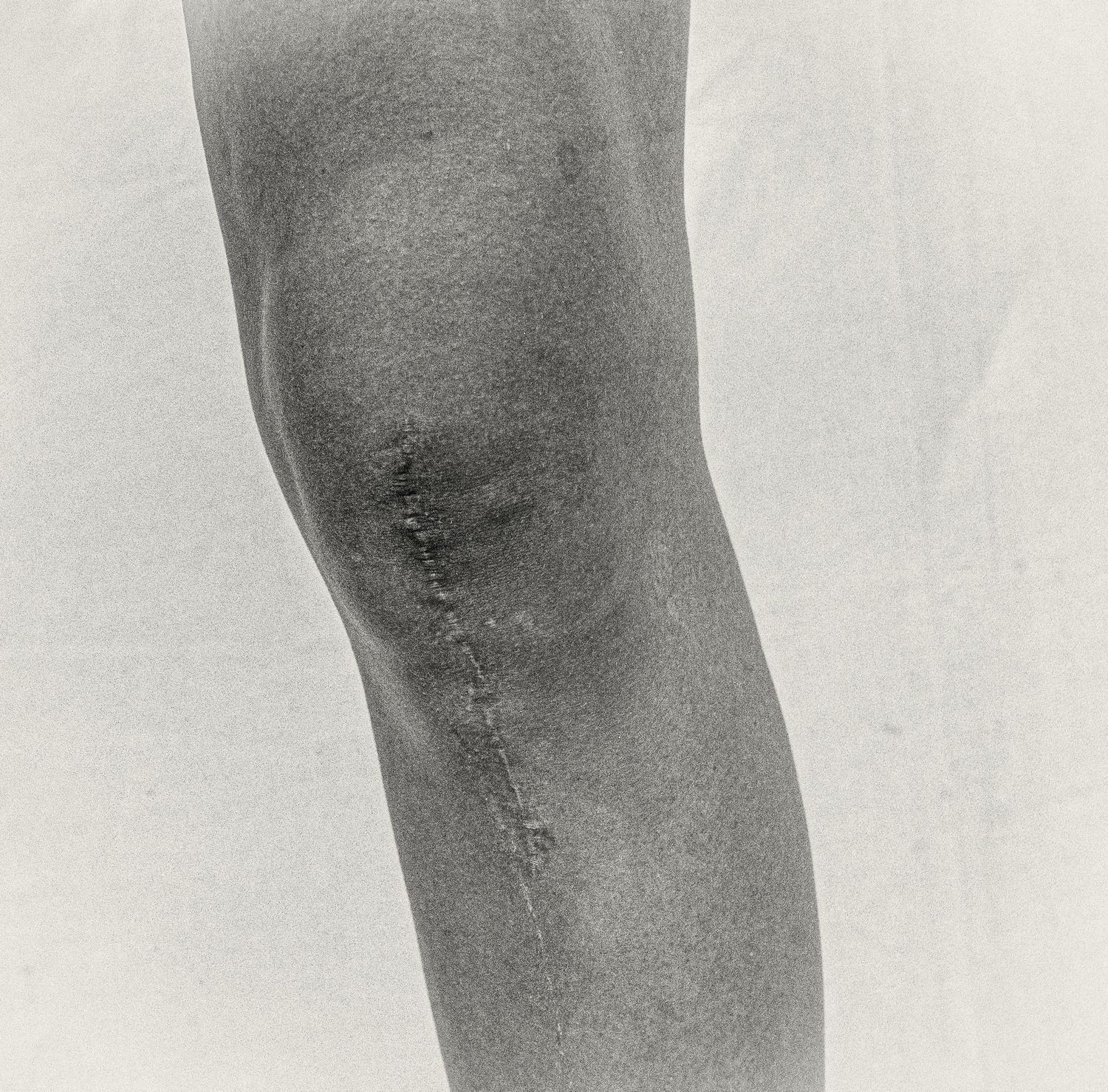
On New Year’s Eve, you ruptured your patellar tendon playing in Australia. Can you take me through that moment and what you remember about realizing something was seriously wrong?
So I was going up for a rebound, and from what I remember, I came down on it a little weird, and then I felt someone hit the back of my knee. So, I think it was a combination of coming down weird and that contact. I felt an immediate “pop,” went down to the floor immediately. I laid there. It seemed like an eternity, but I probably laid there for about five minutes while the trainers and doctors and everybody were around me. They finally carried me off the court. I wasn’t able to walk off on my own. and then got me back in the locker room and called the ambulance and took me to the hospital for MRI’s and x-ray’s and all that.
As an athlete, your body is essentially the instrument that allows you to do your job. What happens mentally when suddenly you can’t trust or use it the way you always have?
It was definitely hard. I was in a foreign country without my family, without my friends around me. I obviously had my team there to help me out, and they were great. They were a good support system, but, I mean, when you go through something like this, no matter how old you are, you wanna call your parents. You want them to be there with you. So, it was definitely hard. It was lonely, and probably one of the hardest things that I’ve had to go through mentally and physically in my life.
What does recovery look like for you right now? And what is the hardest part that people don’t see?
So, I am going to physical therapy once a week right now and then doing stuff on my own every single day. Doing a lot of strength work trying to get full range of motion back into my knee. I haven’t started any running or jumping, anything like that yet. I would say the hardest part that I’ve experienced is just not seeing fast progress. It’s very slow. And just not being able to make that big jump and say, “Oh, I got over this hump, or I got over this.” That’s been the hardest part.
You were diagnosed with type one diabetes when you were only seven. Do you remember what you understood about it at that age?
I did not understand anything. I had never heard of diabetes before. I remember the exact day I was at my sister’s soccer practice, and I was eating a Pop-Tart, and I had had some blood work done. I was running track at the time and kind of went from winning every race to losing every race. And drinking a lot of water, going to the bathroom a lot, typical symptoms of high blood sugar. So, my parents took me in, got some tests done, and they snatched that Pop-Tart out of my hand, and took me to the hospital. I don’t remember much about being at the hospital. I just know that they were poking me with needles every single day. They wouldn’t let me eat what I wanted. so it was very scary, but I did have a good support system. My parents were with me every step of the way and continued to be there with me every step of the way.
For someone watching you play basketball, what are all the things you’re managing with diabetes that they never see?
So, I wear my continuous glucose monitor (CGM) on my arm, which some people usually do see that, and then I also wear my insulin pump while I’m playing. They communicate with each other: my CGM tells my pump what my blood sugar is. If I’m going too high, it automatically gives me insulin. If I’m going too low, it automatically shuts off my insulin. So I take peeks at that every once in a while. and when I’m on the bench, I look at it. If I’m not feeling well during the game, I look at it. So, it’s just little things here and there, but it’s been 21 years that I’ve had diabetes, so it’s my life now. I don’t really know life without it.
Can you tell a difference in how you feel having those instruments helping you?
Yeah, I can. Even without looking at them, I can tell when my blood sugar is too high or when it’s too low, especially on the basketball court.
You’ve become very visible to young athletes with type one diabetes. When someone sees your glucose monitor or insulin pump while you’re competing and realizes she’s like me, what does that mean to you?
It means a lot. When I was first diagnosed, there weren’t many athletes that I could really look to. And so now that I’m older and playing professional basketball, I wanna show kids that they can do whatever they want, whether it’s sports, whether it’s whatever they wanna do. They, they can do it regardless of their diabetes. I always tell people, “You have to control your diabetes. You can’t let it control you.”
You’ve experienced women’s basketball at almost every level and in several countries. What do you think people still must understand about the life of a professional women’s basketball player?
I would say that it can get lonely sometimes, especially playing overseas when you’re away from family. You may be in a country that no one speaks English, so it can be very lonely and isolating sometimes. And it’s just as much a mental battle as it is a physical battle.
Women’s basketball has changed enormously since you entered Baylor. What has it been like watching the sport finally receive this level of attention?
It’s been fun. I think more and more people are getting into i,t and it’s just gonna grow more and more over the years. So I’m excited to see what the future has in store for women’s basketball.
Basketball has been part of your identity for most of your life. During a long injury recovery, who is Lauren when basketball is temporarily taken away?
I spend a lot of time with my family, big family person, a lot of time with my sisters, friends. I think right now it’s kind of a blessing in disguise that I did hurt my knee because I’m gonna be home for holidays this winter. Something that I haven’t experienced, in five years, I would say. <laughs> So yeah, spending a lot of time with family. I really like to read. I’m doing a lot of reading and working out. It’s just not with a basketball, or on a court or anything.
What has basketball taught you about yourself?
I would say that it’s taught me that I can go through a lot of adversity and still be okay. I’ve been through a lot from injuries to being waived, to not playing on a team, to starting on a team. I’ve had a lot of different experiences. so it’s taught me that I can get through anything and be just fine.
At this point in your life, what are you still chasing?
I would say I’m still chasing my love of the game. I guess chasing might be the wrong word. I wouldn’t still be playing if I didn’t love the game. I’ve won championships, and it’s great to continue to win championships, but I’m still playing because I love the game.
How can the RTG audience support you and your sport?
I would say go to games. whether that’s WNBA, whether it’s college, local high schools—go to games, support women, whether it's basketball, volleyball, or any type of sport. Just go and support. Go to games, watch it on TV, that kind of thing.
Favorite food?
Oh, Tex-Mex. I guess that’s broad, but <laughs> Tex-Mex.
Favorite movie?
I’m gonna say Focus. Margot Robbie, Will Smith.
Favorite musician or band?
We’ll go Randall King.
Coffee or tea?
Neither.
Morning or night?
Night.
Beach or mountains?
Beach.
Favorite place you’ve lived overseas?
I’m gonna go with Australia.
Favorite city you’ve ever visited?
Florence, Italy.
Dogs or cats?
Dogs.
Something you’re surprisingly bad at?
Gosh, I don’t know, that’s a good question. I don’t really do stuff that I’m bad at. <laughs> I don’t know because I don’t like seeing myself bad at something, I guess.
Fair enough. Thank you for your time and presence.
Yeah, of course. Thank you.
Thank you to lauren for her time and trust. If you know an athlete whose story deserves documentation learn more about the project here. Respect Their Game remains reader-supported. If you value this work, consider pledging support to help expand the archive.