05
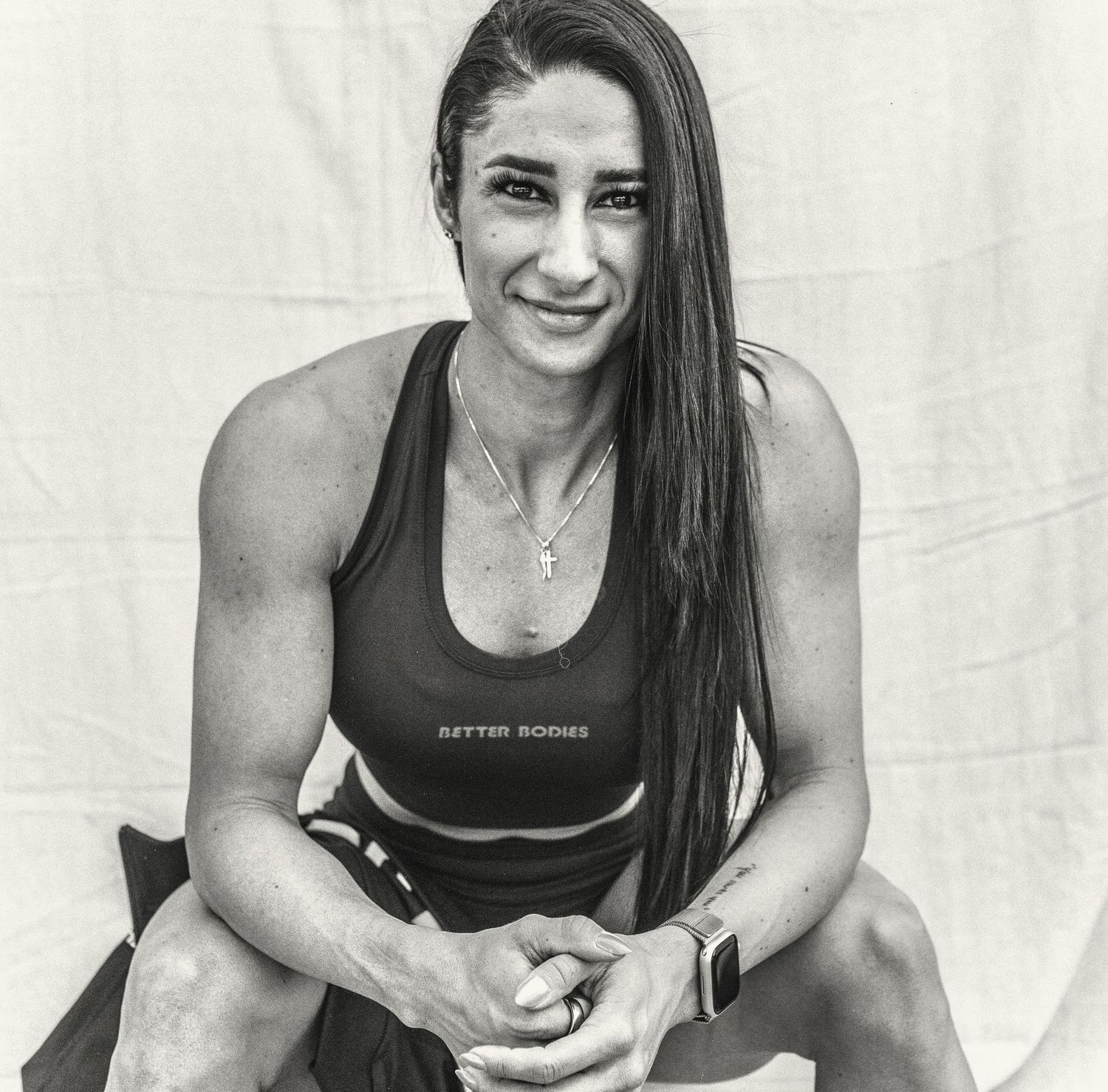
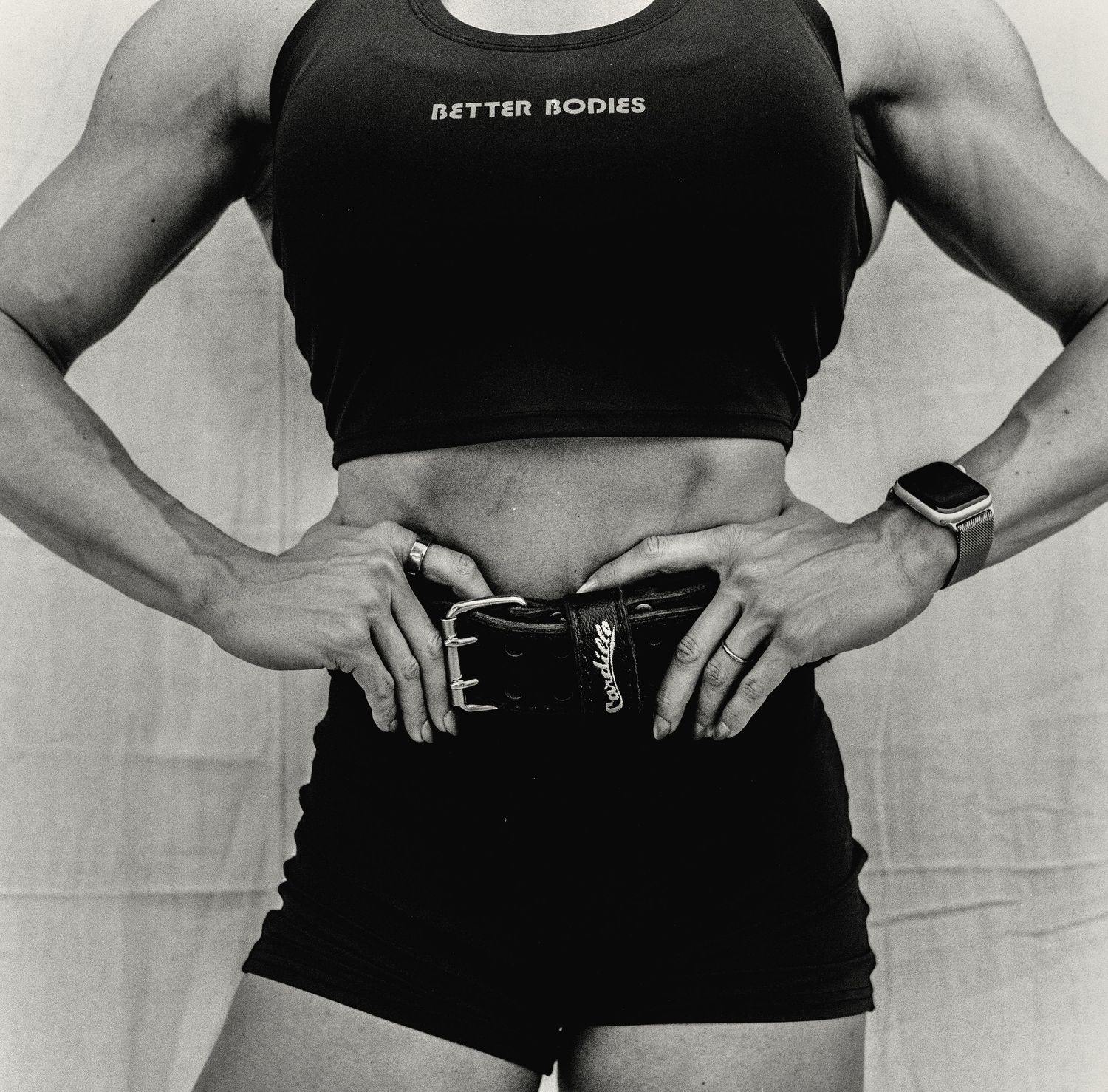
BODYBUILDING / IFBB PRO / WELLNESS
Lianna
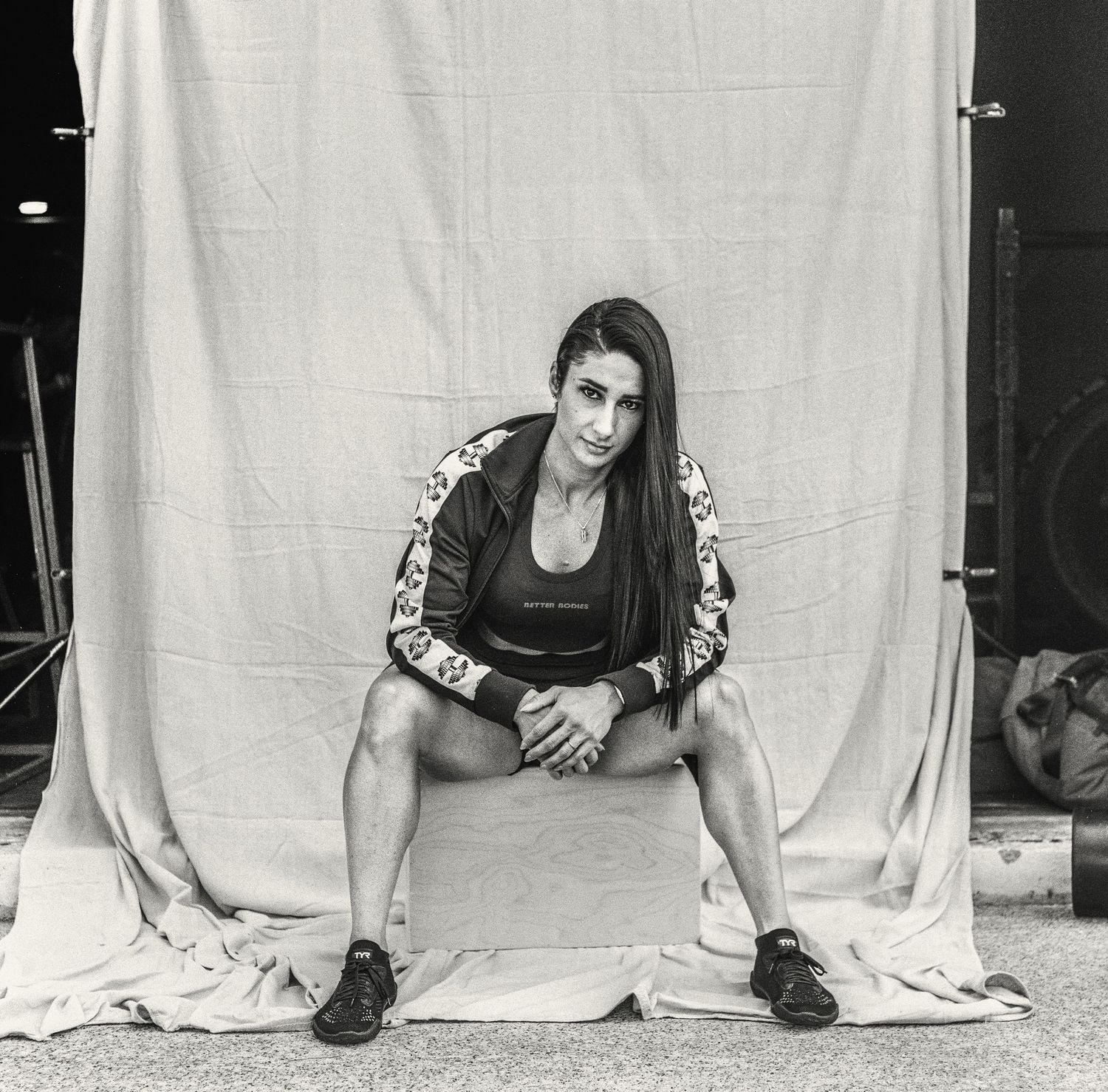
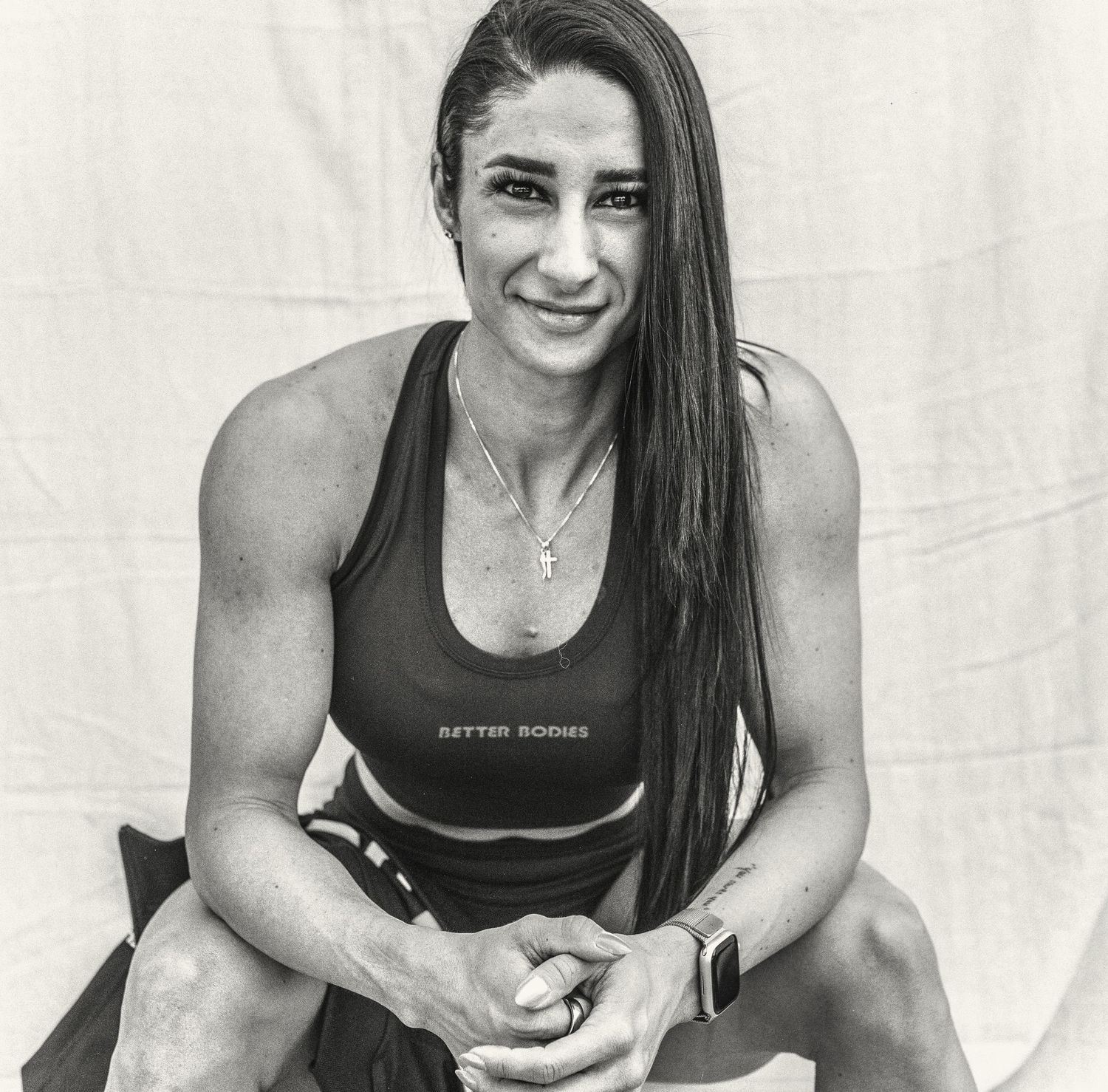
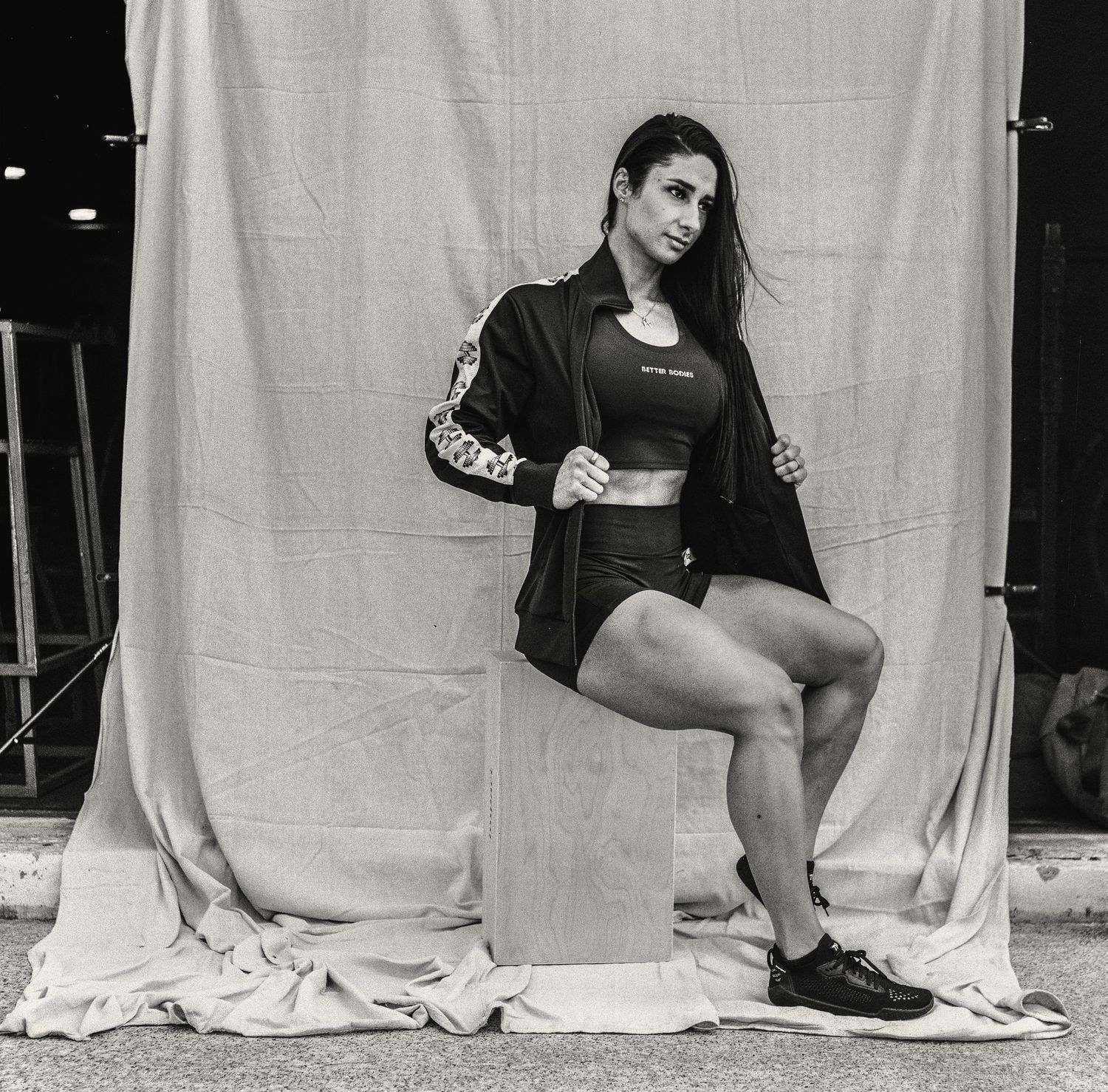
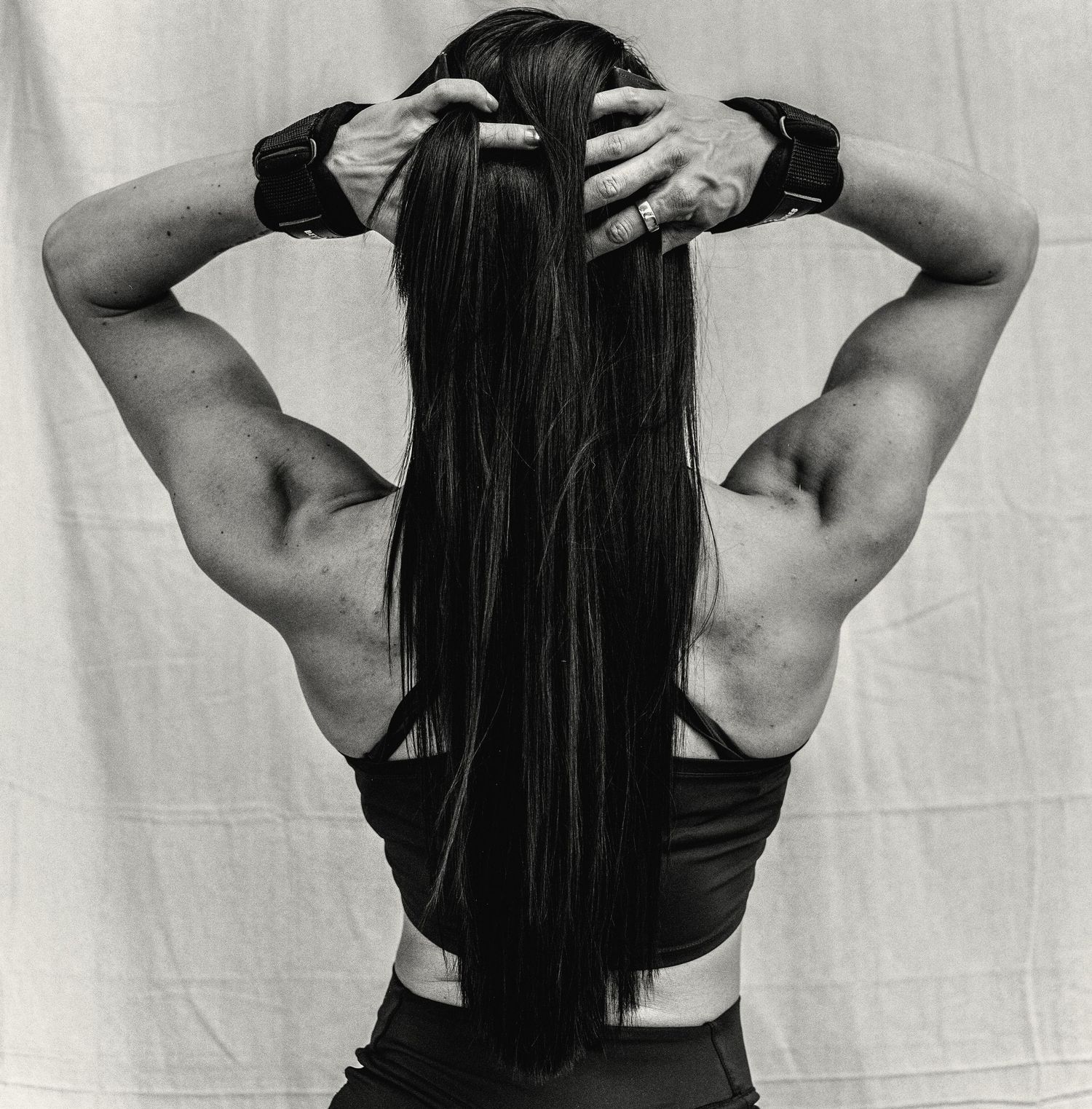
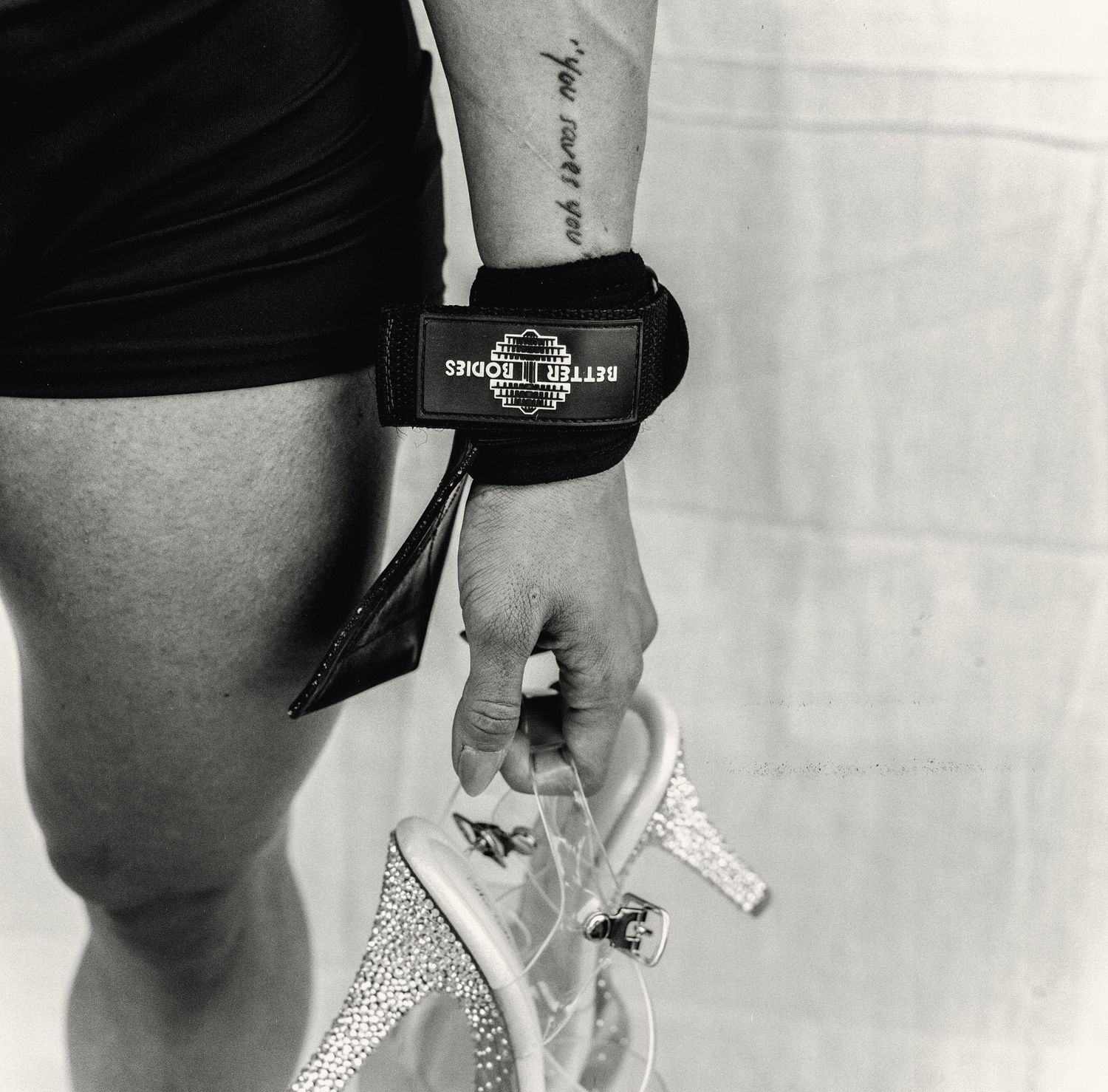
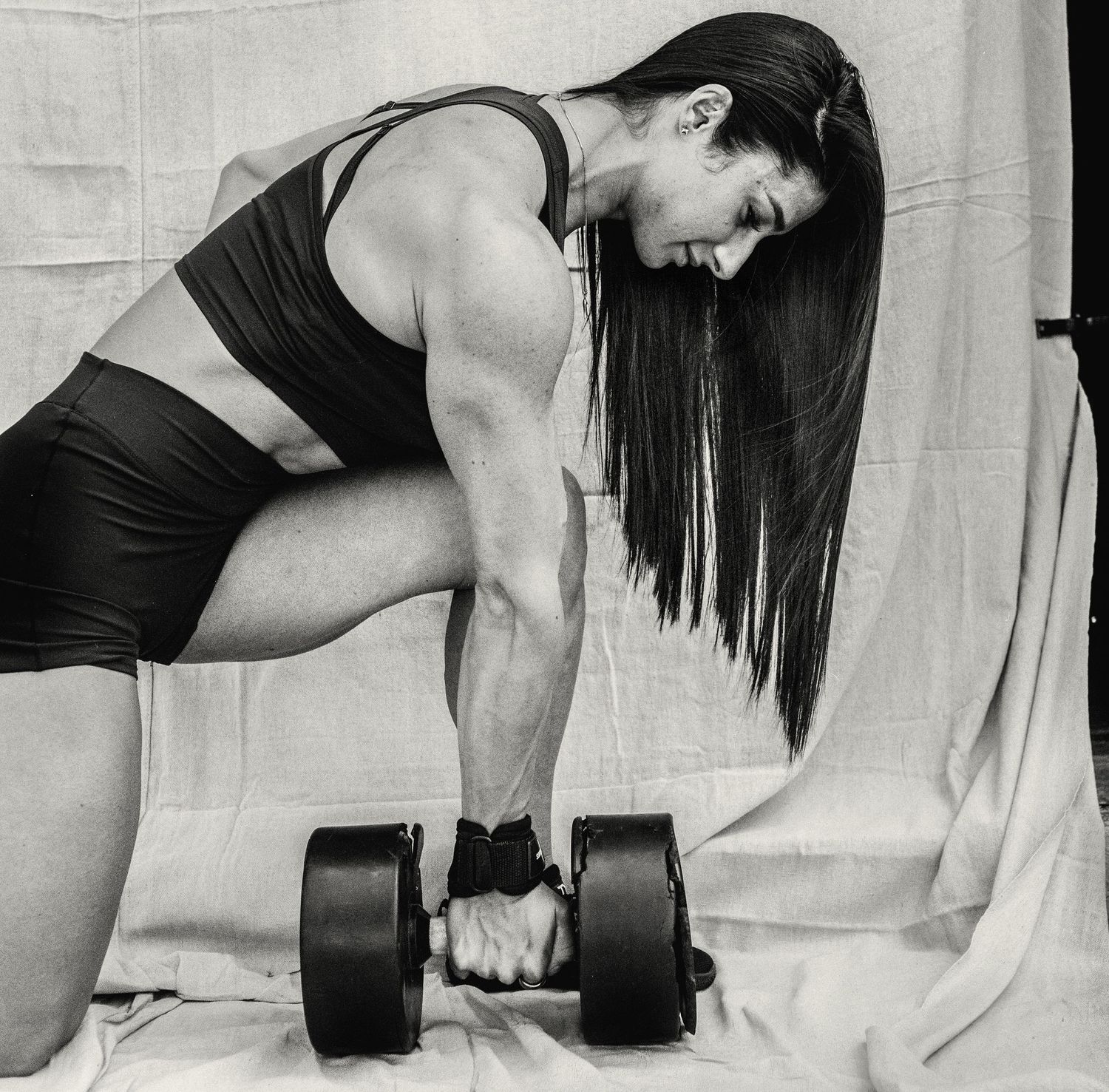
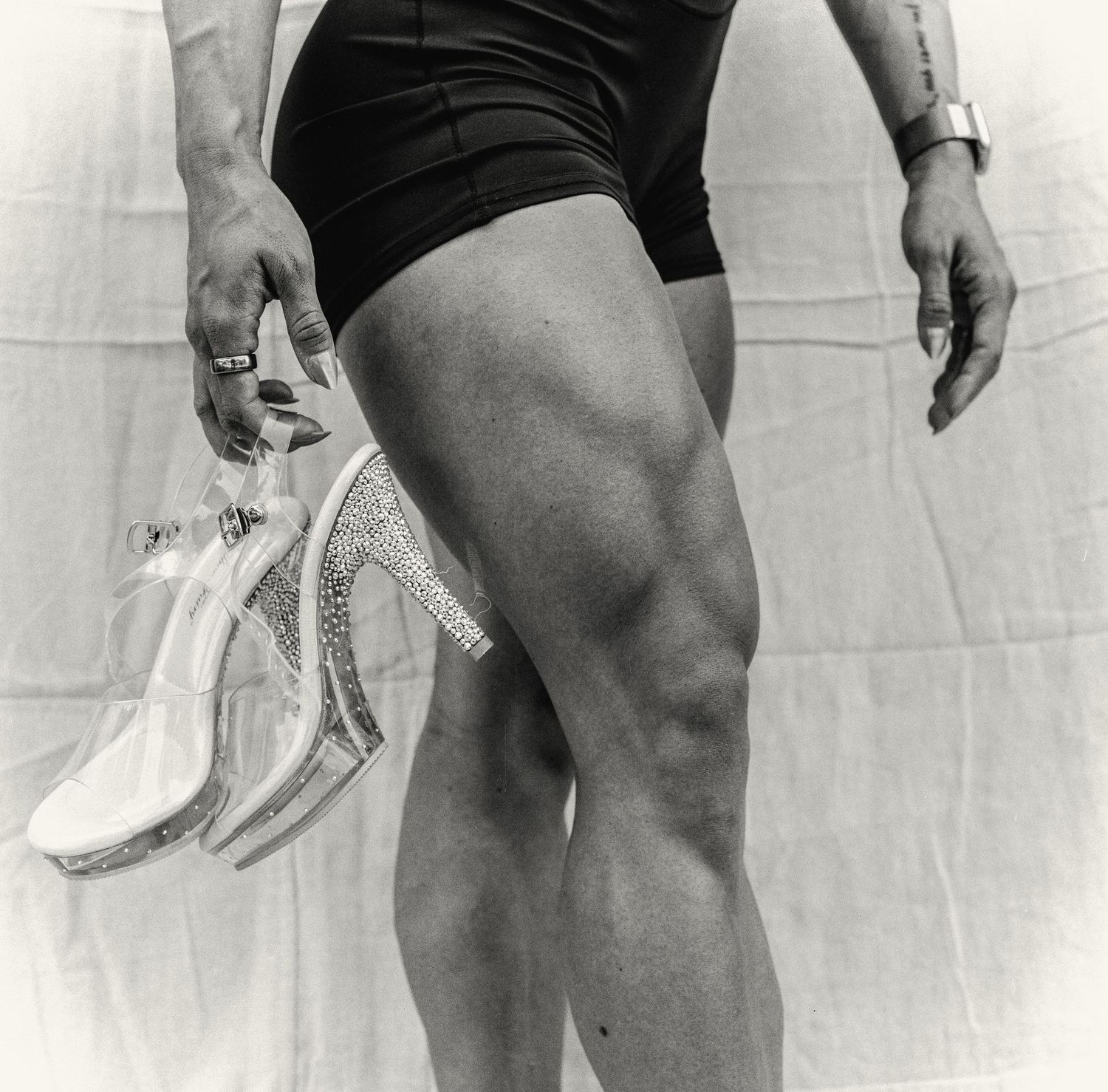
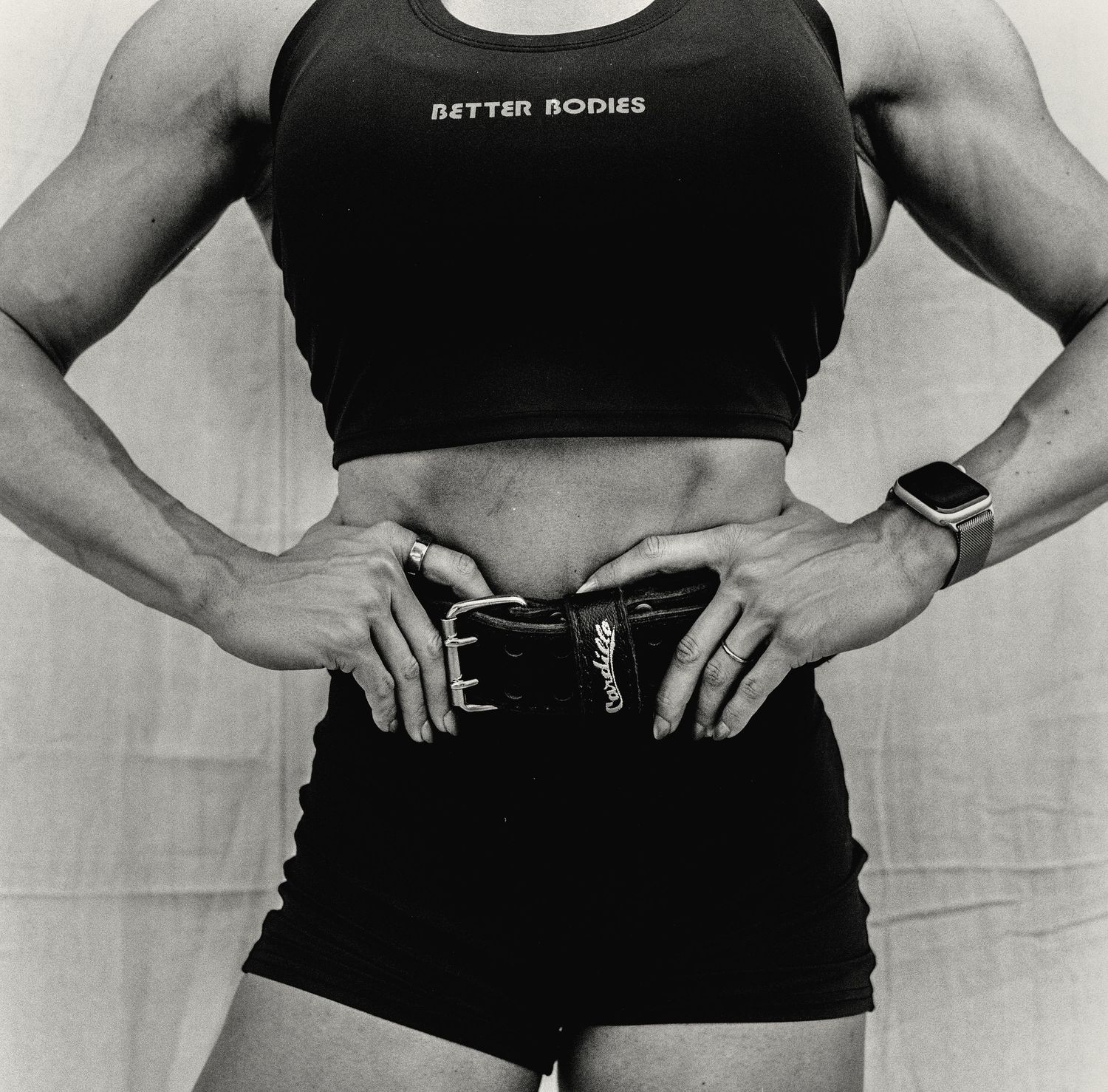
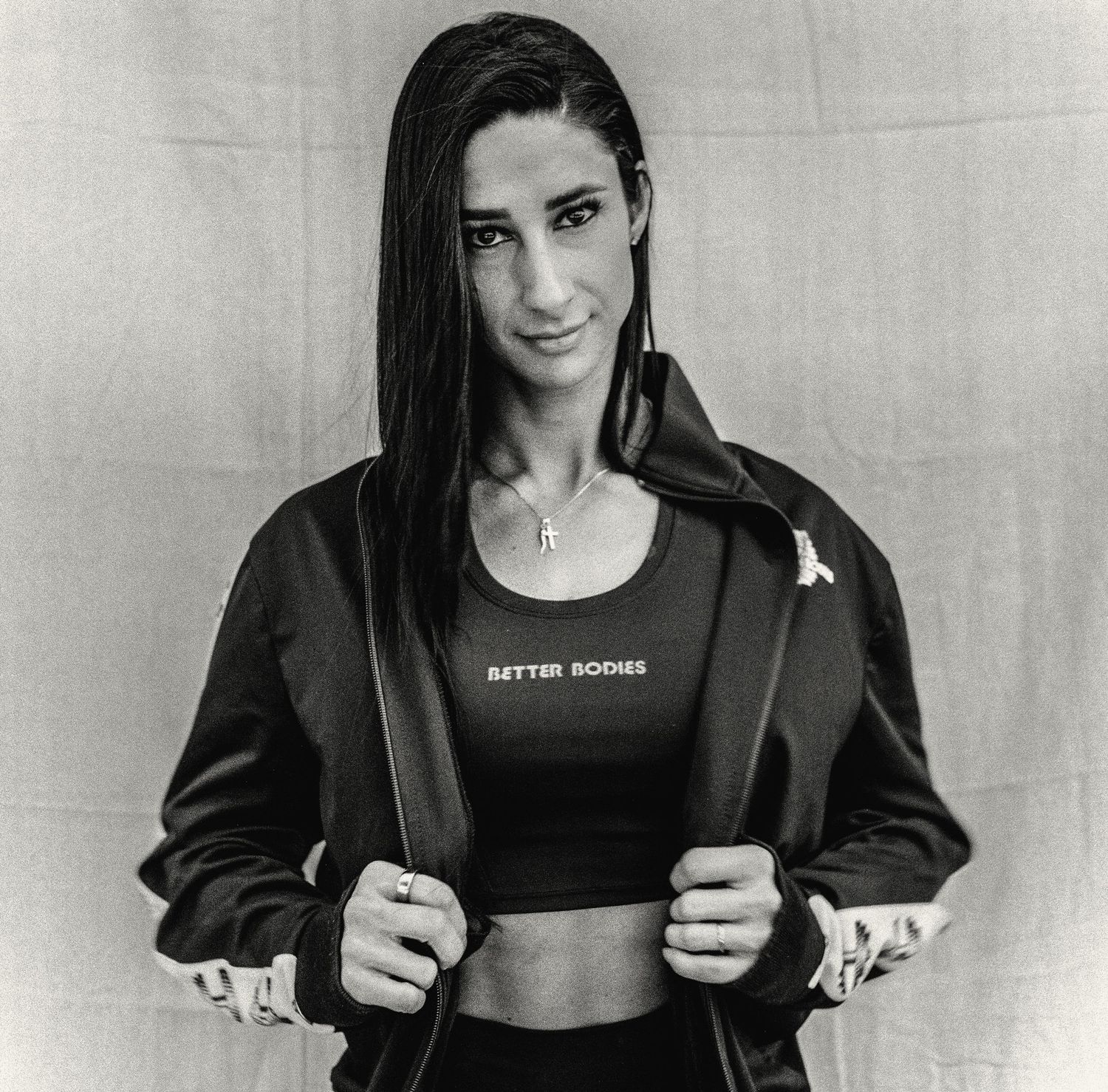
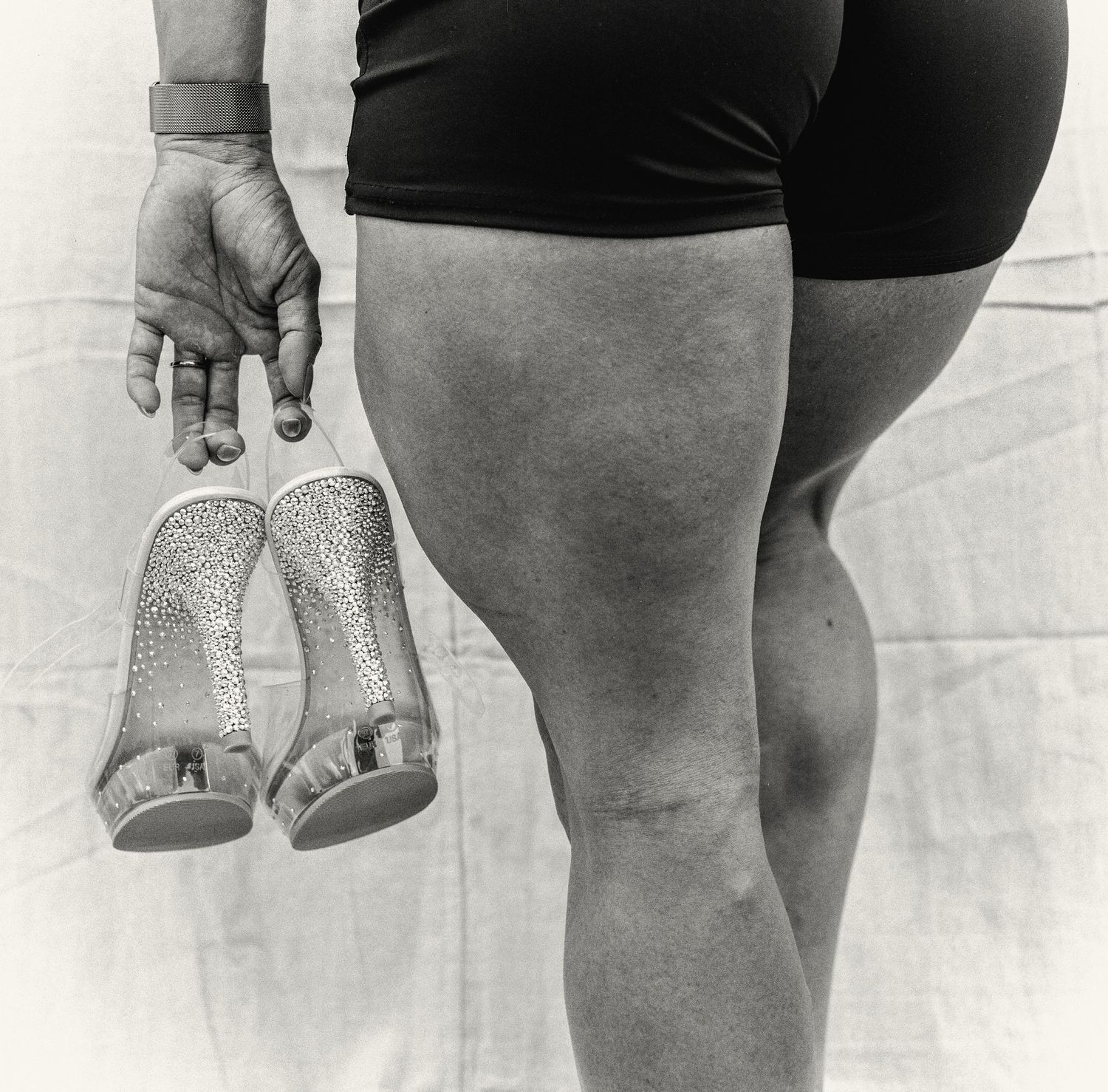
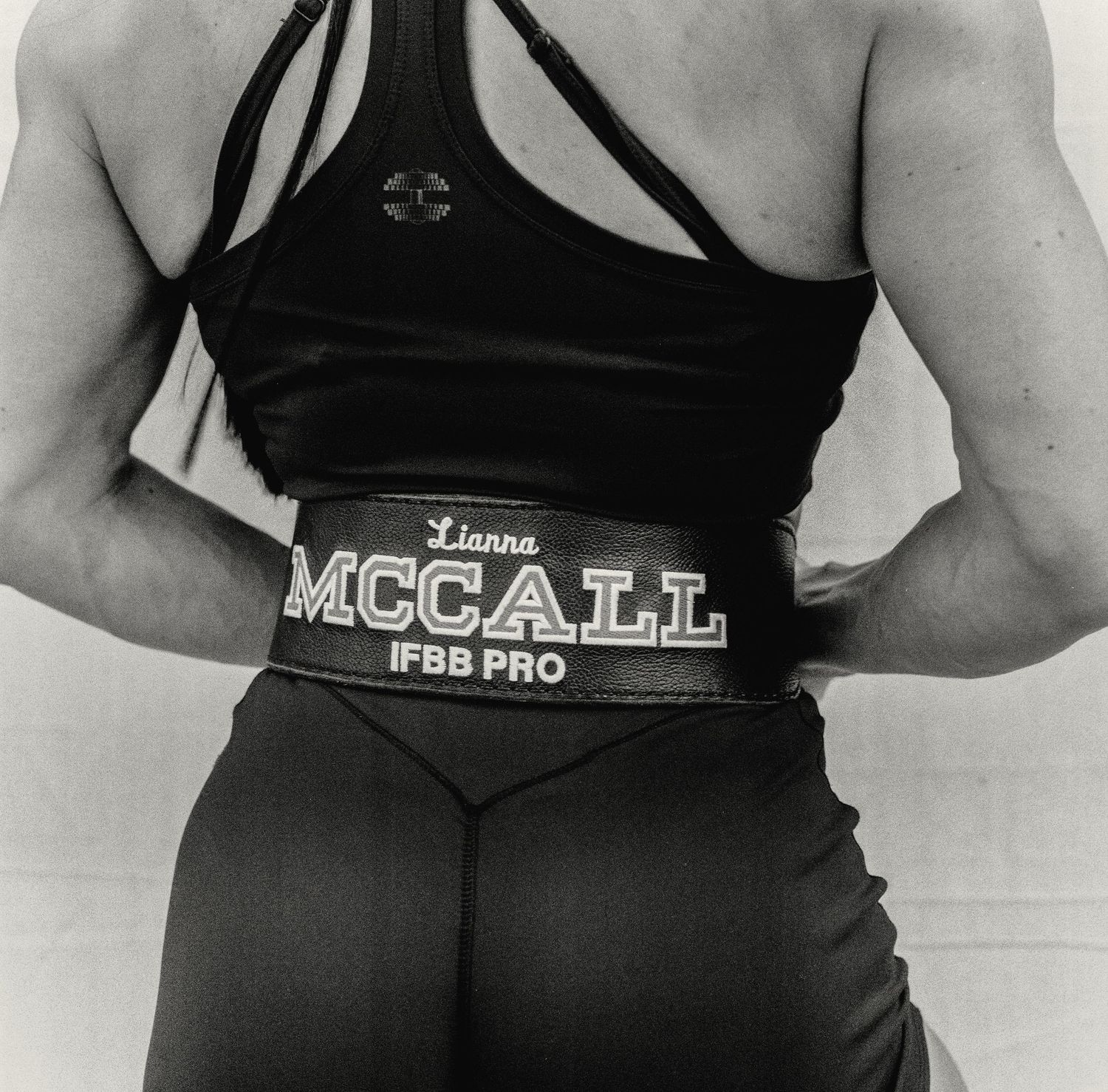
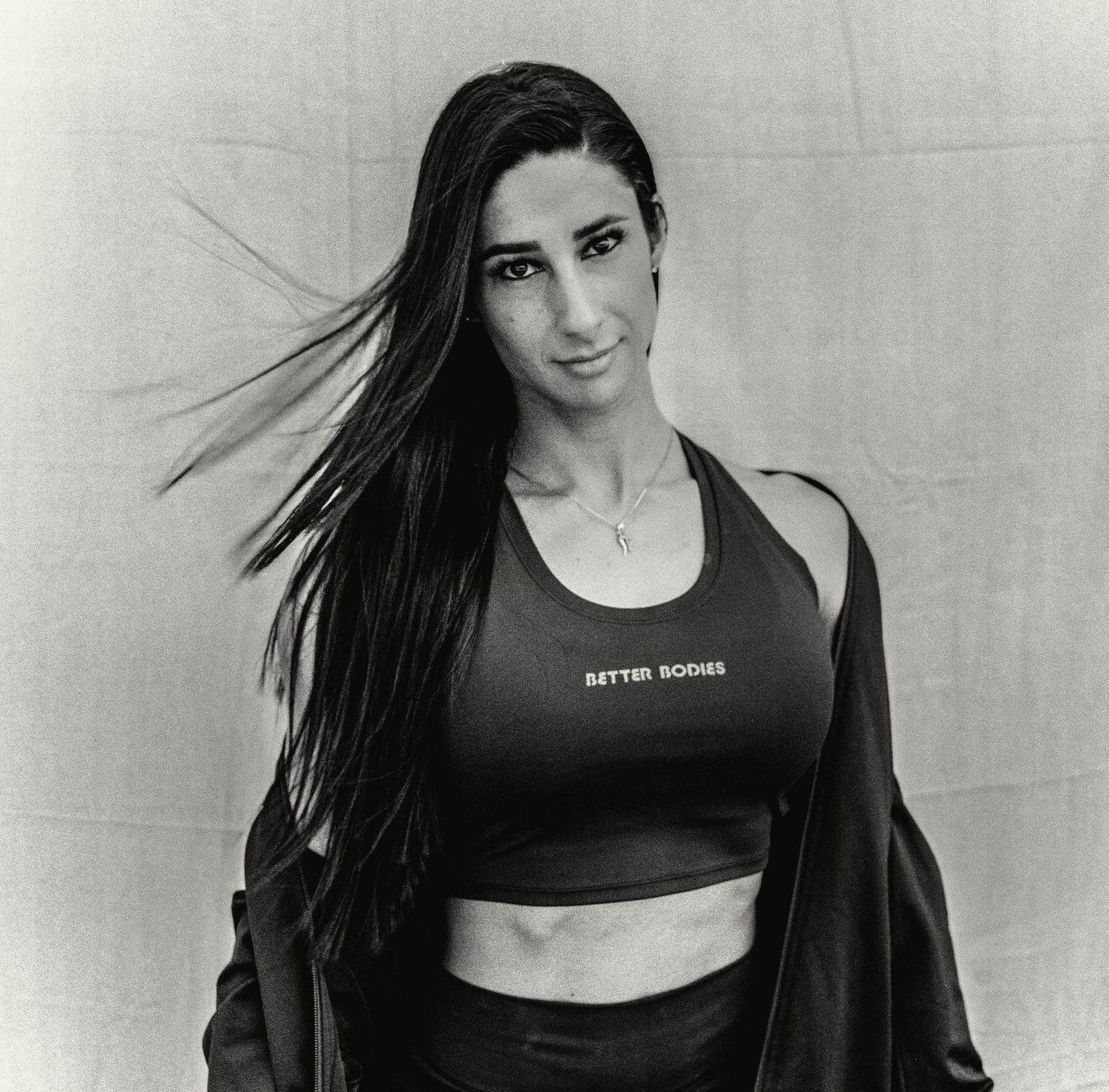
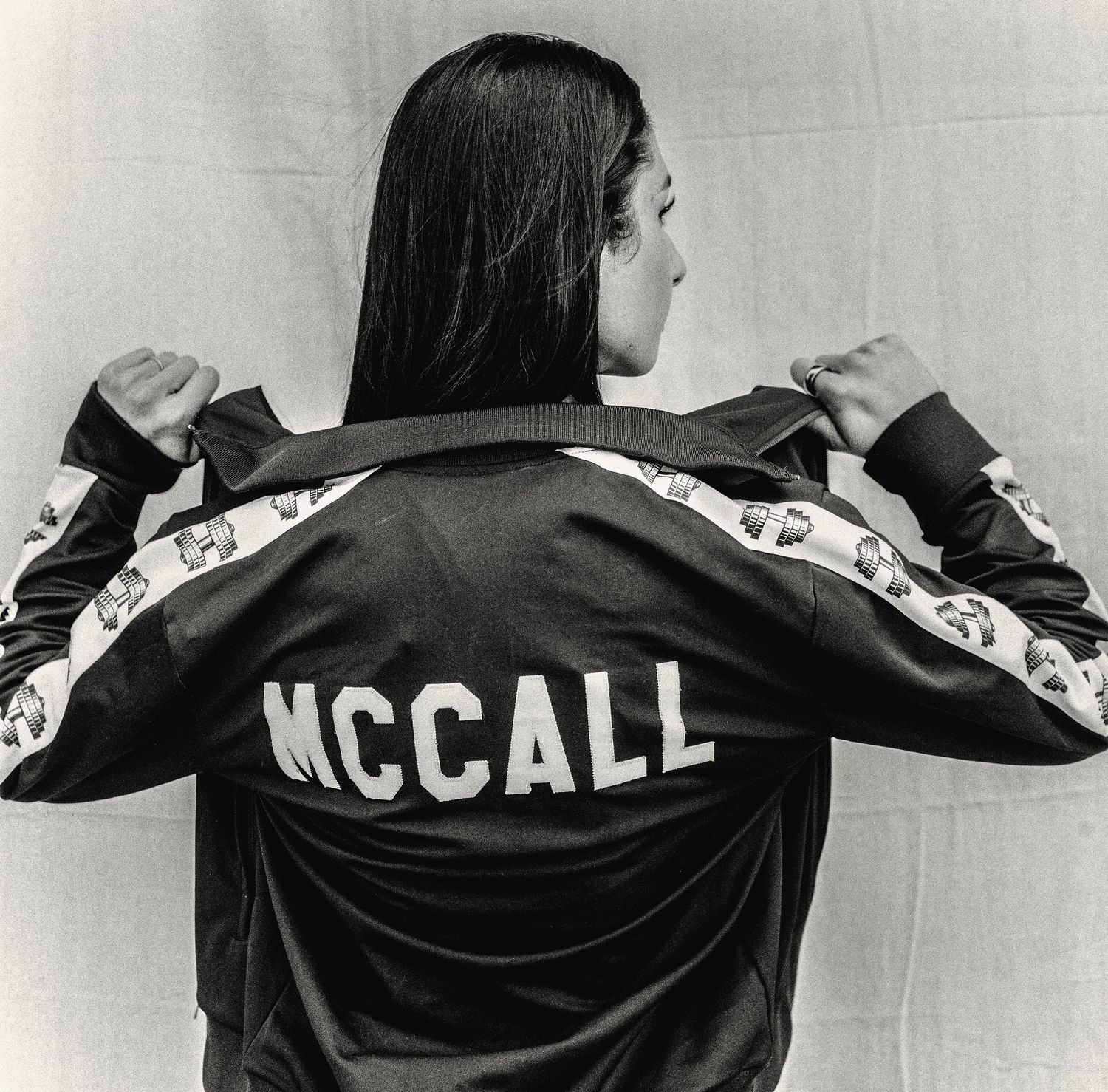
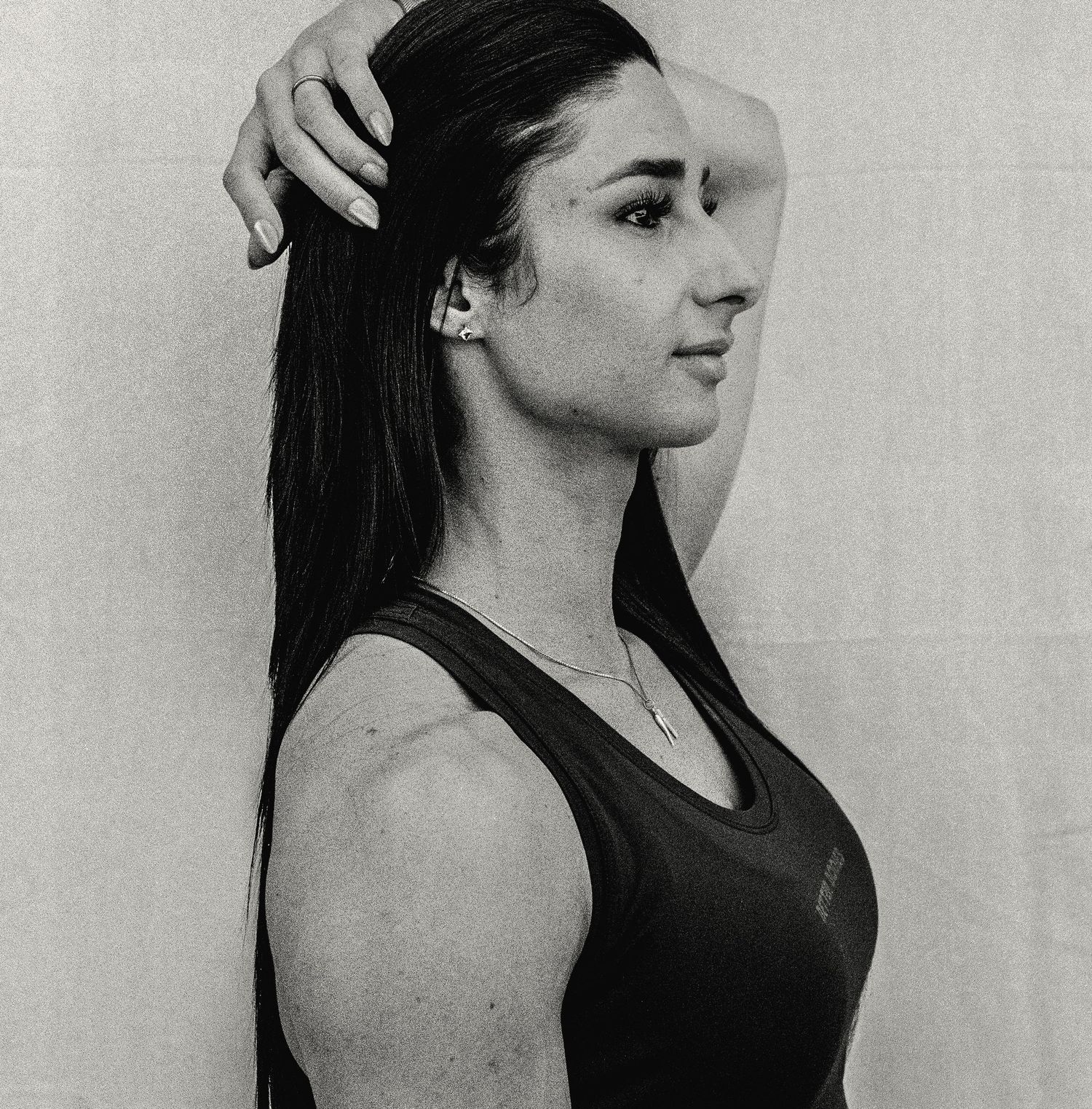
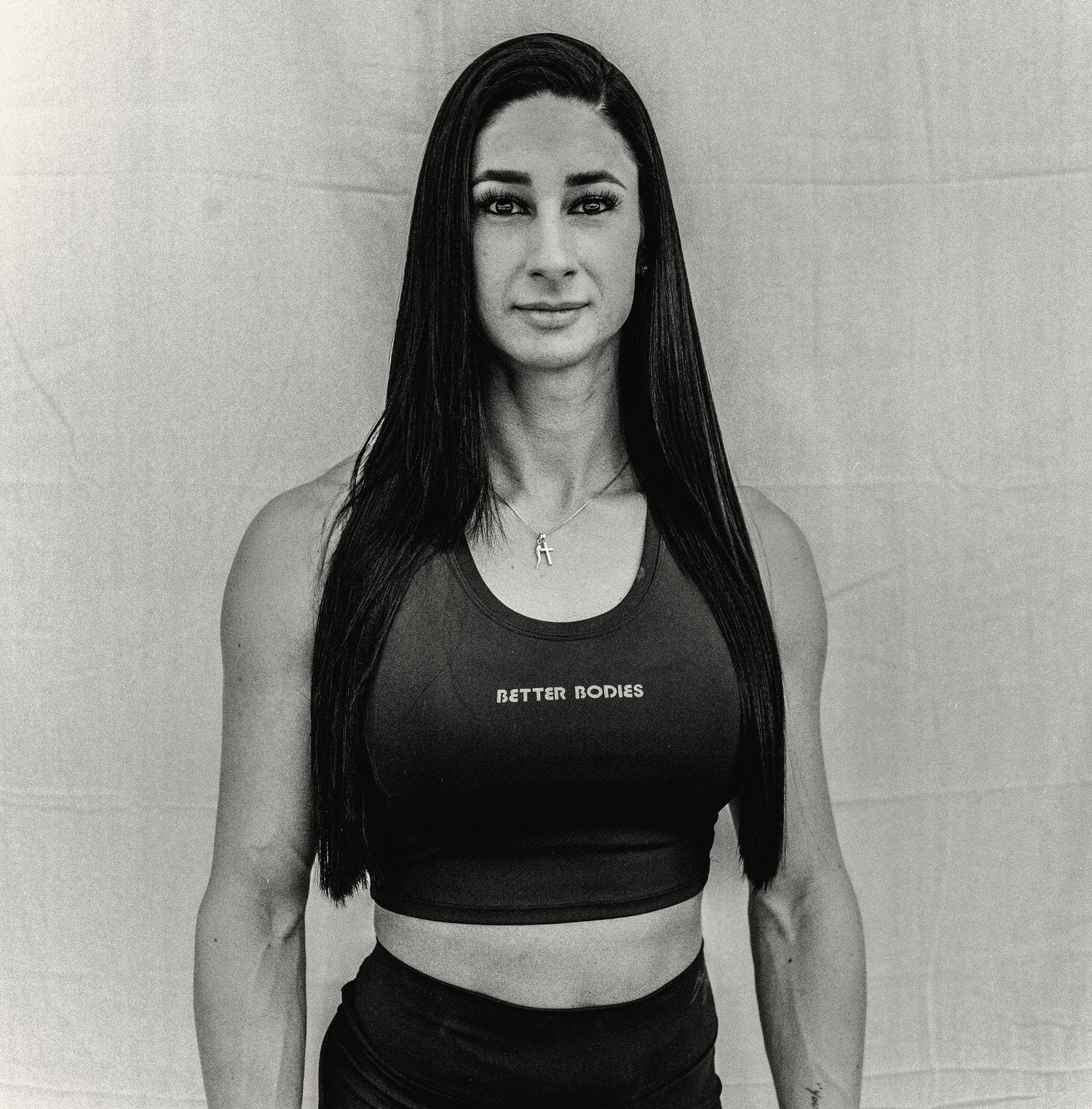
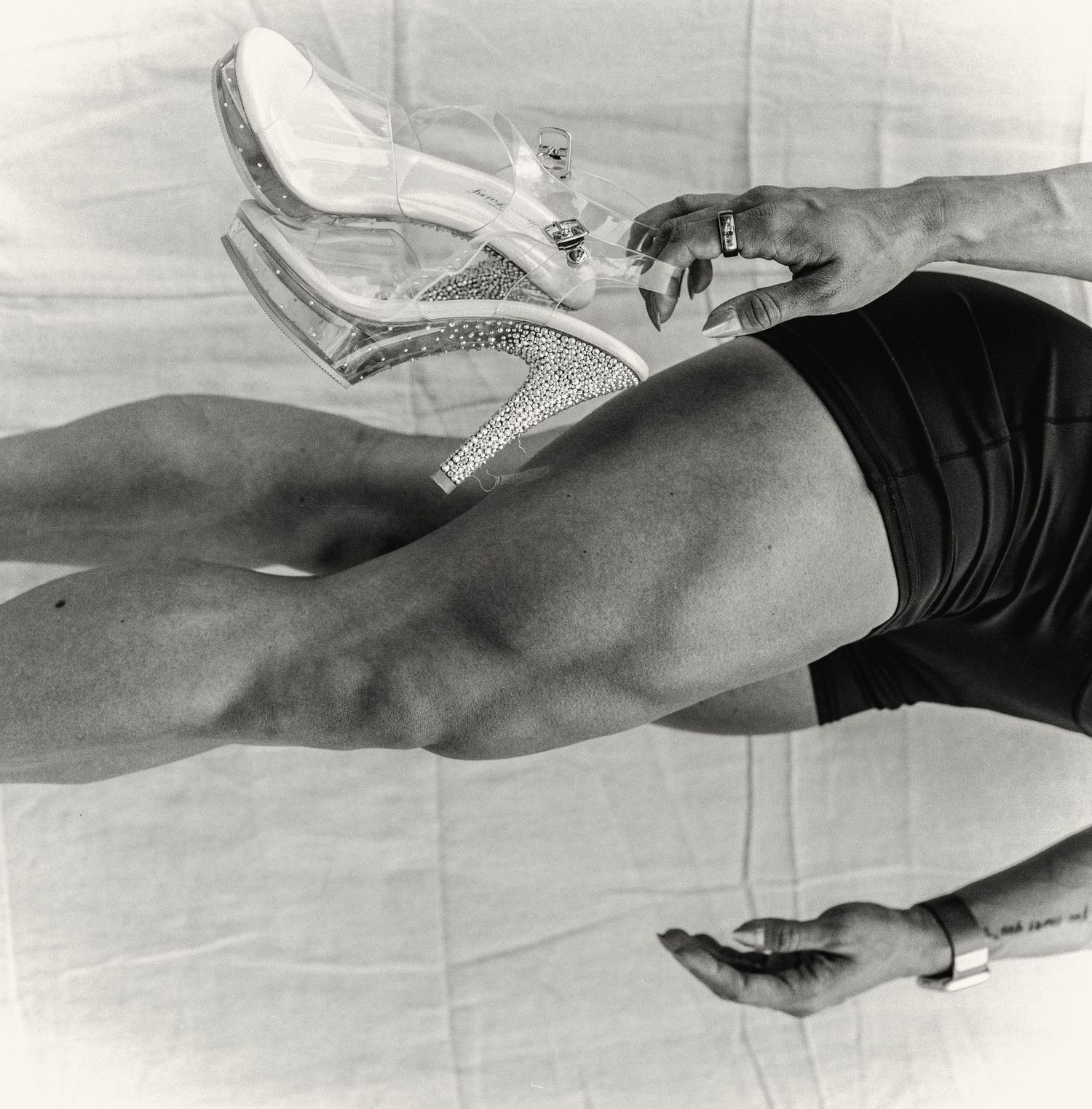
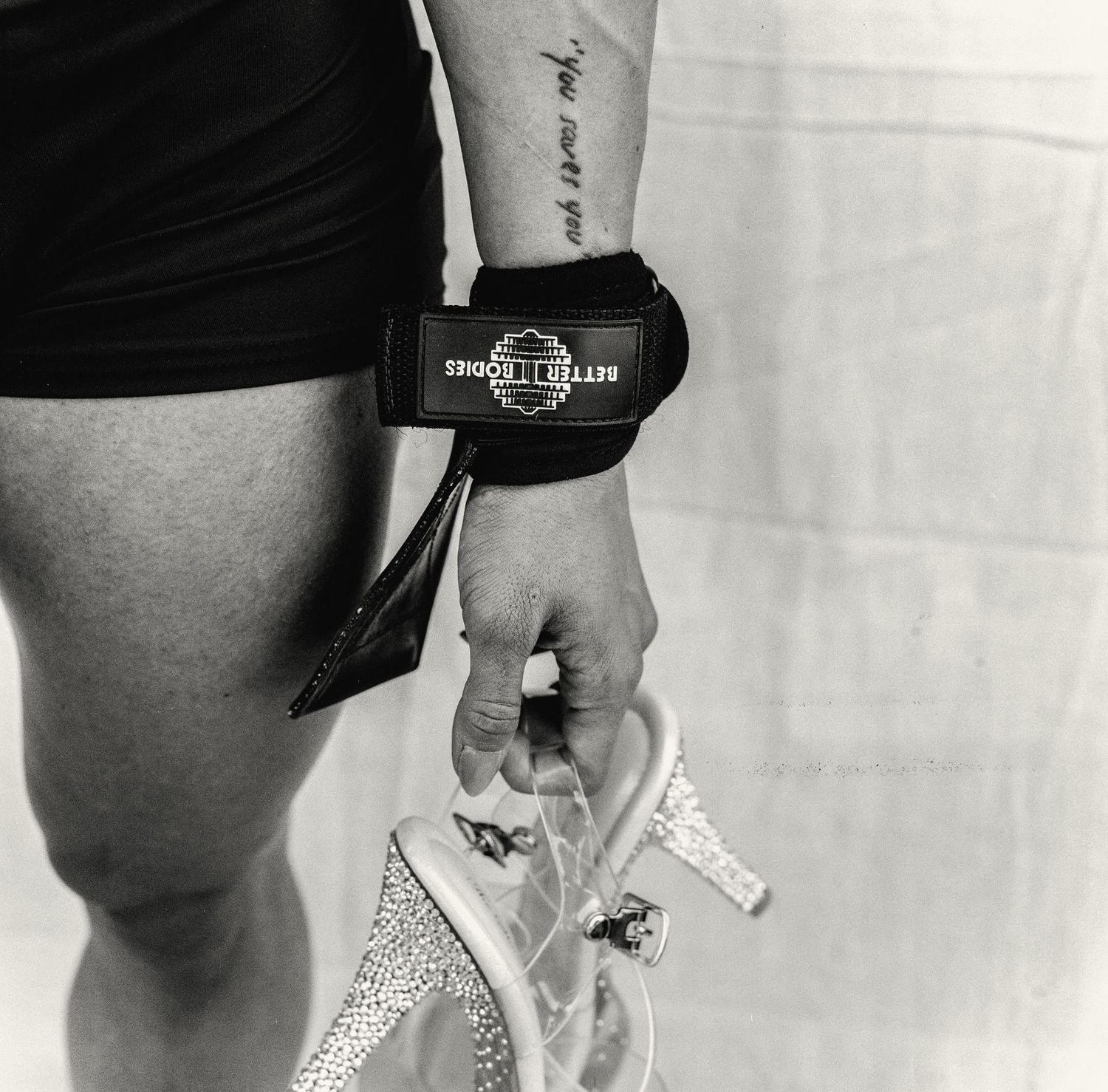
MAMIYA c220 / TRI-X 120 FILM
“It’s a 24-hour thing.”
AN INTERVIEW WITH LIANNA McCALL
by
Respect Their Game
Welcome to the Respect Their Game — a collection of conversations with women athletes about commitment, identity, discipline, and the interior life of sport. These interviews are part of the ongoing portrait project documenting women in sport through film photography and their own words. IFBB pro Lianna McCall breaks down the 24/7 mental grind, meticulous prep, and off-season discipline it takes to sculpt a world-class, feminine physique in a male-dominated sport.
Can you introduce yourself, what you do, and where you’re from?
My name is Lianna McCall. I’m an IFB pro bodybuilder in the Wellness division, and I live in McKinney, Texas.
So how did you first get into bodybuilding?
So I did competitive sports growing up as a child. I did TaeKwonDo art, martial arts, gymnastics, and cheerleading a little bit in high school. I did competitive weightlifting in high school as well. I went to college and kind of lost some of that, and then I wanted a way to continue being competitive. I don’t have some crazy story for bodybuilding. I just kind of fell into it and realized it was something I’m good at and love it and just kept going with it.
When was that moment you realized, “I’m pretty good at this?”
I think in bodybuilding you have enough people tell you, but you also get on stage and you start to have maybe a coach that believes in you or sees something in you. For me, it was one of my coaches that I worked with in the past who told me, I had a lot of potential in this sport. And it took someone that I respected saying that for me to believe that in myself. You do have to have objectiveness with it where a lot of people that aren’t in the industry will tell you, “Oh, you look really good, you’re going to do this.” But when someone that has experience in the industry and has seen a lot of people says that then you believe them more than someone that hasn’t, if that makes sense.
So understanding the sport for people who don’t know bodybuilding well, how would you explain what you actually do?
So bodybuilding is an aesthetic sport in a sense where the only thing that matters is what you look like on stage. It only matters what you look like on stage that day, and there’s a process of peaking properly and growing muscle tissue in the right places for a specific division. So there are six different female divisions and all of them are very different in what the judges look for. And they’ll be as specific as saying, you have too much quad in this area, or too much glute in this area, and you have to come into a different show looking different for the next show. And at the pro level, it’s very specific and the physiques are very close to each other and everybody kind of looks very similar. So they’re very tiny little tweaks that you’re making when you’re going into another show. It’s also how lean you can get, but each of those divisions have different levels of leanness too. So the lowest division, or smallest division muscularity-wise, is Fit model. And then there’s bikini Wellness, which is what I do, and then there’s Figure women’s physique and women’s Bodybuilding. So women’s Bodybuilding is the biggest of them all, but each of them are different. They all have different poses, they all have different muscularity, they all have different levels of leanness that judges look for. I’ve been doing this for 10 years, so I’ve studied all of the divisions and know what they look for and stuff.
What’s something people misunderstand about bodybuilding?
I’d say that, especially with women, there’s a certain body fat percentage that they’re looking for, or there’s a certain weight you have to lift. A lot of people ask, “Oh, how much do you squat?” It doesn’t matter how much I squat or how much I press. It only matters what I look like on stage that day, so the rest doesn’t matter. There could be a girl that can squat or leg press more than me that I could beat on stage just because I’m leaner and my legs are bigger. But a lot of it comes down to genetics.
So a little bit about process: What does a typical day look like for you training wise?
So in a prep setting, which I’m in now, I’ll wake up; I typically do fasted cardio, which I do at home on the elliptical that we have in our garage; then I’ll eat a meal after that. Then I do some work for clients. I’m a coach for competitors, and I coach lifestyle people as well, so non-competitors. So I do a lot of that online at home, on my computer. Then I’ll eat another meal. I’ll drive to the gym, train for an hour, two hours. Usually I’ll pose after that. Both of the gyms that I go to have posing rooms, so I bring my heels with me. I’ll pose in there for like 10–15 minutes. Sometimes I’ll bring my food with me to the gym and eat it in the parking lot in my car, or I’ll go home and eat. Then I’ll go back home, do some more client work. I have posing clients as well that I work with on FaceTime and in person. So all of my days are kind of different. And then I eat a meal an hour before I go to bed, and then I go to sleep.
So every day is different, those chunks before and after I train, but I typically put clients in between there as well. So just depends what I have scheduled.
What’s the hardest part of prep that nobody sees?
I guess if your sleep ends up getting poor because you’re hungry or it gets impacted in any kind of way, it really throws your day off and then you don’t recover as well. I’d say the worst parts of prep are probably if you’re not sleeping well or if anything happens with your sleep because it throws everything off.
Interesting. How different is your life in-season versus off-season, or is there any difference at all?
So when I’m in an off-season, I go out on dates to eat with my husband every week. But when either one of us are prepping, because he’s a bodybuilder too, we’ll typically just order food in and he’ll eat it, and I just sit there, and it’s not a big deal, neither one of us really care, but typically we’re going out to eat on the weekends. But other than that, doing more cardio is the only thing that really changes and eating less food. But my day-to-day life doesn’t change too much because I live and breathe this. I’m still eating on a meal plan. I’m still eating the same things every day. Nothing really changes for me. I’ve been doing this for 10 years, and I’ve probably been taking it that serious for six to eight years where nothing really changes from when I’m prepping to when I’m not prepping.
And that’s what allows you to be a really good bodybuilder is when you’re consistent in the off-season and you’re able to build muscle tissue. And if you don’t take it seriously in the off-season, you don’t build the tissue in the off-season, then you have nothing. You’re not going to grow when you’re prepping. So there’s nothing to all of the work happens in the off-season when it’s hard to eat a lot of food or it’s hard to push really hard with your training. This is just the other hard part. It’s just a different kind of part.
What’s harder, the training, the nutrition ,or the consistency?
That’s a tough thing. The consistency is not hard for me because I’ve been doing this for so long. I’d say in an off-season the nutrition is harder because it’s really hard to eat a lot of food in the off-season. And then when I’m prepping, training is harder. So they’re both different in different phases I guess. But a lot of people have motivation issues or consistency issues, but I’ve just been doing this so long that I just don’t even think about it anymore.
How far in advance are you thinking about a competition?
So I’m typically picking what shows I want to do or looking at timelines for shows like a year in advance. I don’t really consider when I start prep because it’s just all the same for me. We have different phases that will pull food up, and then even in a prep setting, I’m having days like today, I have a really high calorie day and yesterday and the day before, but it’s very on-the-fly based on what my pictures look like that I send to my coach. So he’s just looking at my pictures saying, okay, today you’re flatter and you’re less recovered, so we’re going to feed you more today. And then he looked at my pictures this morning and he was like, well, you’re still flat even after those two days of higher food, so we’re going to feed you more. So it’s very dependent and there’s different phases of that as well.
Do you feel more connected to your body or more critical of it?
I was more critical of it when I first started competing, but I think I’m able to objectively look at myself and kind of separate what I look like from what a normal female would look at their body as I am not criticizing myself in a way that attaches that to my person. It’s more like, what can I do better to look like this for when I compete? It's not so much of, “I don't like how I look”, or I’m hating on myself because of this or that. It’s like, how can I make that better? Or how can I improve this? Or what am I doing that this isn’t looking the way that I want it to? It’s not like an emotional attachment to it very much.
How do you handle the pressure of being judged on appearance?
That’s another thing that after so many years I’ve just shut my brain off to, and you kind of really have to separate who you are from the physique that’s being judged and not so much take an offense or take it personally. If someone’s like, well this part of your body doesn’t look the way it needs to because you should be able to take pictures or ask a judge, “Hey, what can I improve on?” And if you’re not asking what you can improve on and what you can do better at, then you’re not ever going to improve. So if you take offense to that, or you don’t accept that as constructive criticism, you’re never going to get better.
How has being a woman shaped your experience in bodybuilding?
I think bodybuilding is a very male dominated sport. Females make less money in the industry. They’re not given as many sponsorship opportunities, and a lot of women have a problem with this, but it is because men bring more fans and attraction to the sport than women do. So the only thing that I can do as a female is to market myself in a way that makes people want to go watch on stage what we do. I don’t really take offense to it. I am a fan of men’s bodybuilding as well, and I enjoy watching it. And there are a lot of women that get very angry or upset that they’re not paid or given the same opportunities as men, but you just have to work a little bit harder or put yourself out there more or make yourself more, what’s the word? Exciting and marketable. Marketable. And that’s all it is. I see that a lot with my husband because he’s very high up in the industry as a pro bodybuilder, and he gets opportunities that I don’t sometimes, but he always includes me in those and he makes it a package deal for both of us with whatever we do. So we’re able to do things together, but I know a lot of females don’t have that same opportunity,
So it’s harder, but I don’t take offense to it and I see why it is the way it is, and I would never look down on men or think it should be equal because in the industry, men are more marketable. It is cool to look at a big, giant dude on stage. I’m never going to get that big, and I don’t want to get that big, but it’s really cool to look at a big guy that’s that big and be like, wow, that’s insane. But there’s no wow factor like that with a female and there never will be.
Have you ever felt pressured to balance strength with femininity? Do you have thoughts on that?
Yeah, so I think I started in the figure division and that is a bit more of a muscular division. And I chose to switch divisions to wellness because I feel like it’s a more feminine division. And the figure division was getting a bit bigger than I wanted to look as a female in my off-season, just putting a jacket on or clothes on in the off-season when I did that division was uncomfortable. I didn’t like how I looked in a dress. Yes, I do this for the sport, but I still want to like how I look and how I feel on a day-to-day basis. So the wellness division came out, and I think I switched into it two years after it came about, and I feel more comfortable. I like how I train more and I just like how I feel on a daily basis. So that would be some time where that femininity factor played into account.
What keeps you going on days you don’t feel like showing up?
I think just keeping the bigger vision in mind and where I want to be. The goal would be to win a pro show and qualify for the Olympia, which is the Super Bowl of bodybuilding. So just always zooming out and thinking about what your number one goal is and what you have to do in the little steps day to day, or hour to hour, to get there.
For you, is bodybuilding more physical or more mental?
I think a lot of it’s mental. There’s a lot of things that most people don’t realize go into this that you probably don’t want to do, or you don’t want to eat this, or you don’t want to go to sleep at a certain time, or do cardio or train on days that you don’t feel like your body can do. And that takes a lot of mental strength and it’s easier over the years, but it’s still hard to do those things that you don’t want to do.
And it’s a 24-hour thing, there’s no other sport where 24 hours of the day anything that you do reflects how you look and what you end up doing.
Was there ever a moment where you almost quit?
Yes. There have been multiple times in my career where I’ve thought, is this right for me, or is this what I should be doing? But I think having people in your life that remind you why you’re where you’re supposed to be is very important, and that’s what’s kept me in the right head space. So it’s very important to have a circle of people that remind you why you’re doing what you need to do or want to do.
What does respecting the game mean to you and your sport?
What is your definition of that?
Respect Their Game? Well, the whole idea of how I came up with that name was that I’m a traditional male sports fan, but I like women’s sports, too. And it slowly happened over time to where I am now. But I wanted to say to other men, “Hey, respect their game.” Respect women athletes because they’re working just as hard as the guys are: the discipline, the sacrifices, the injuries. They should be respected in equal measure to men. So that’s what it meant for me in “respecting their game.” I want to celebrate and lift up women’s sport as a fan. The more I support it, the more I can watch and enjoy it.
I’d say that every bodybuilder and every athlete puts in the same amount of work. And some people in bodybuilding have to work harder than others based on their genetics. If someone’s not as genetically blessed, they’ll have to work harder to work against their genetics, just respecting the effort that people put into their craft.
Well said, thank you.
Yeah, of course.
Thank you to LIANNA for her time and trust. If you know an athlete whose story deserves documentation learn more about the project here. Respect Their Game remains reader-supported. If you value this work, consider pledging support to help expand the archive.