
08
SWIM / UNIVERSITY OF TEXAS / AUSTIN
Lucy
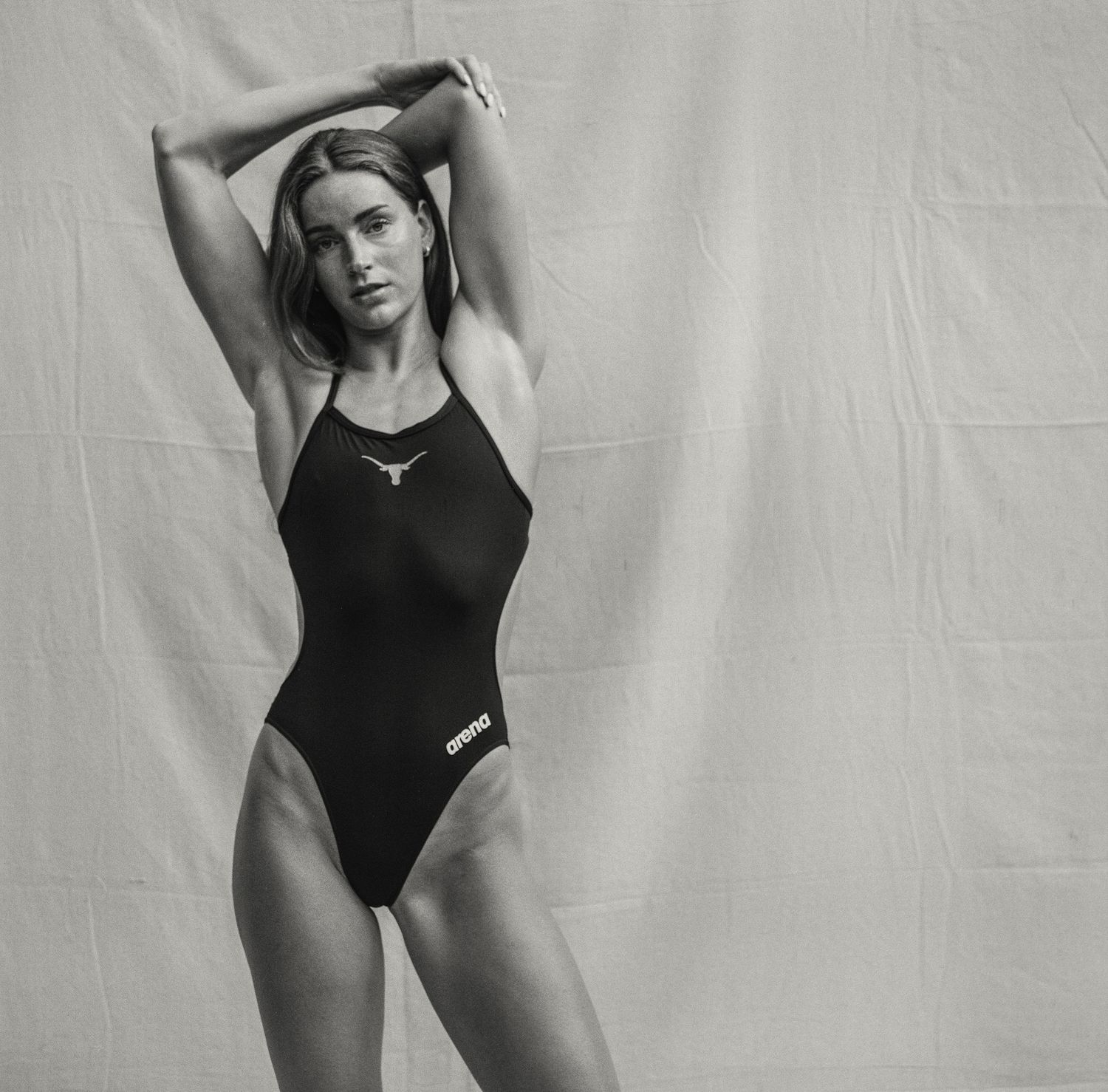
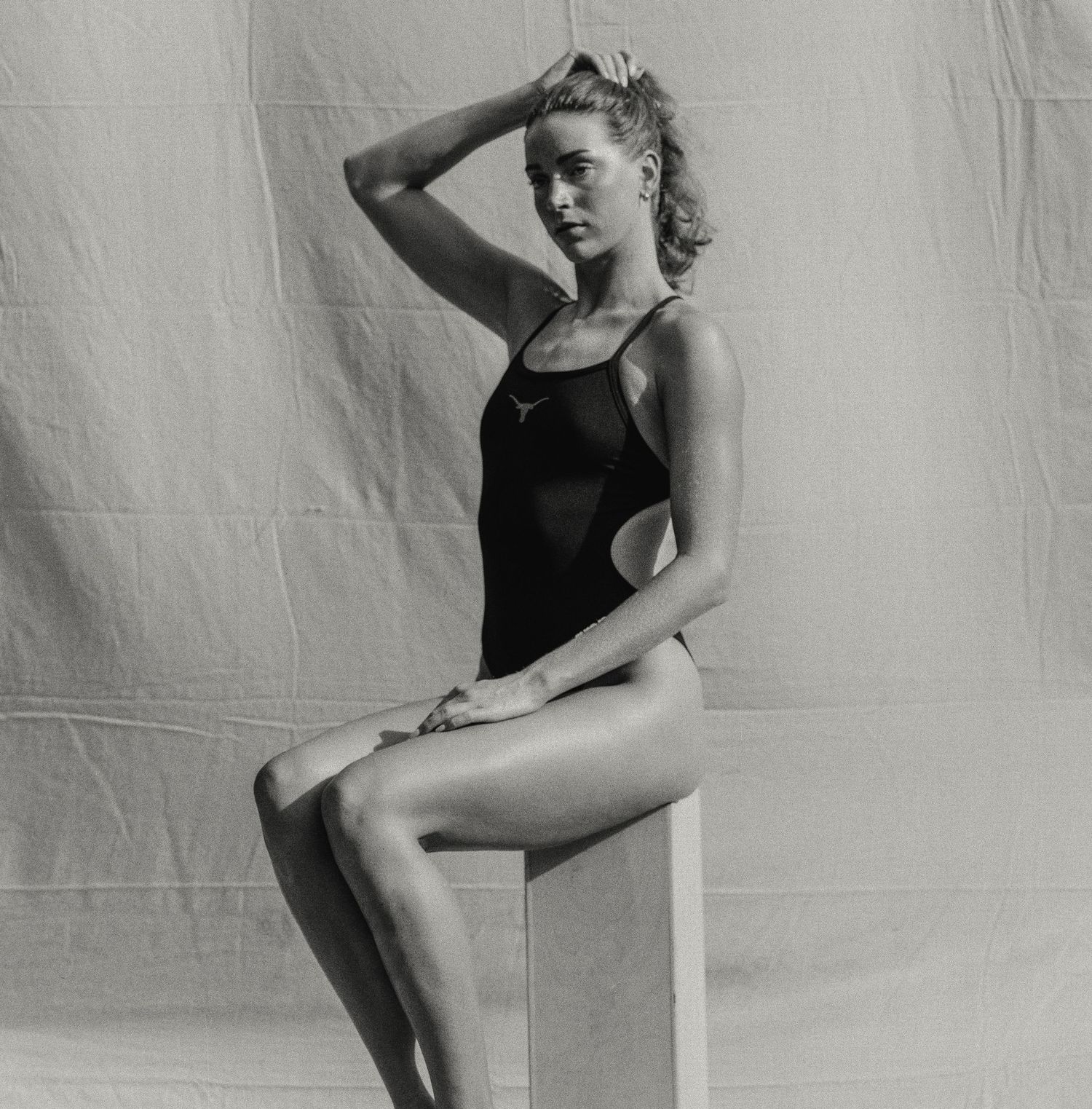
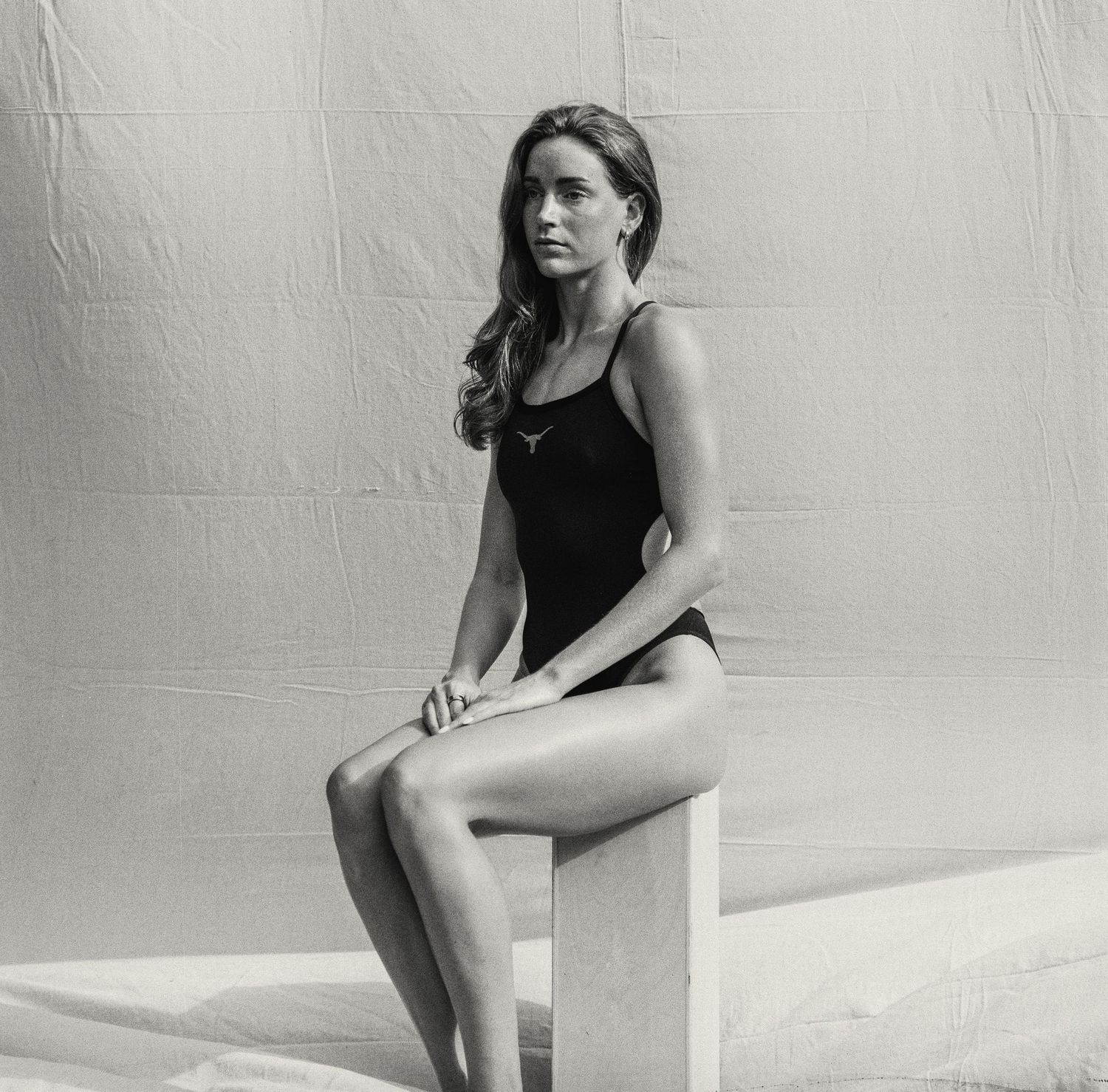


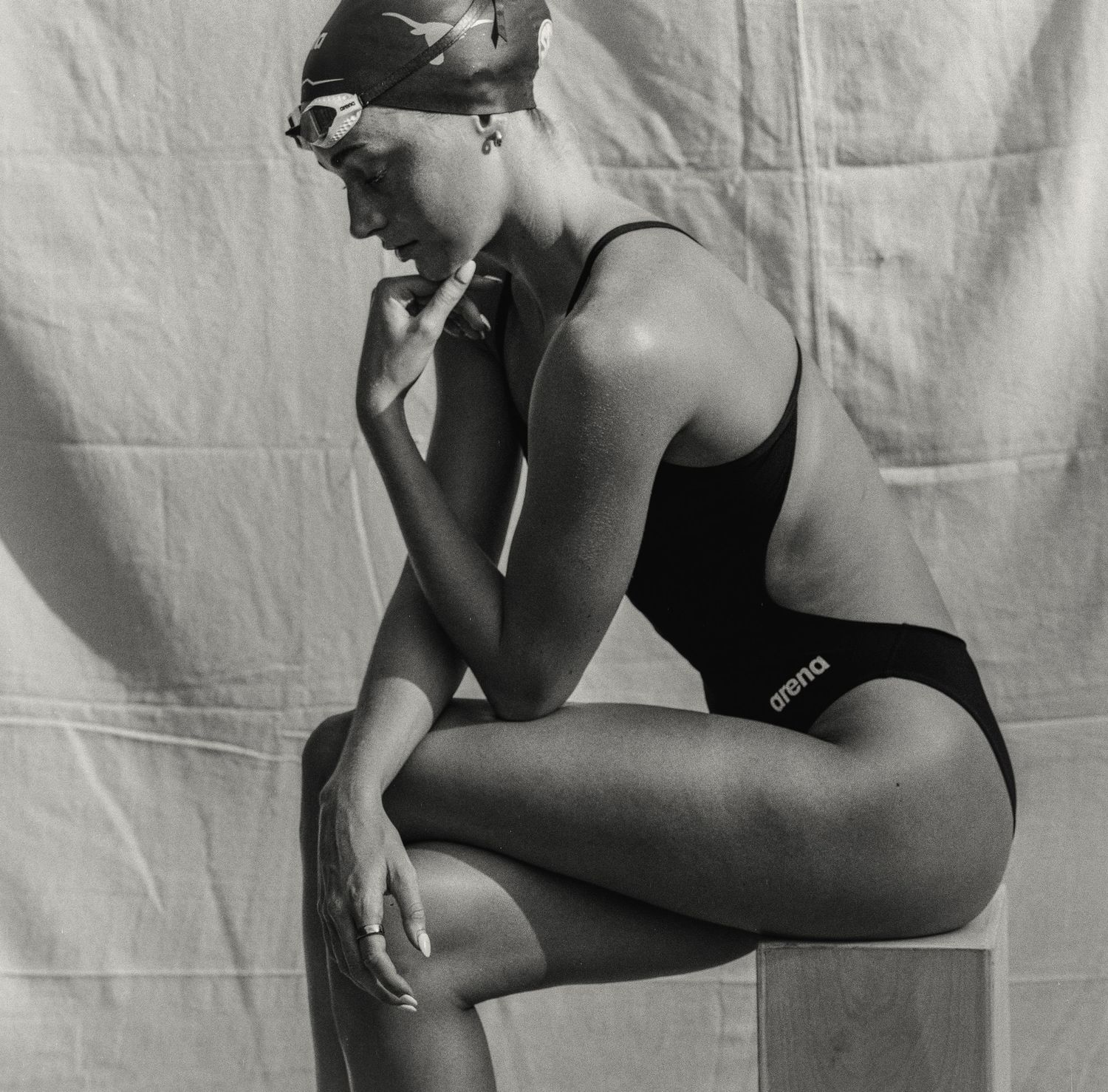
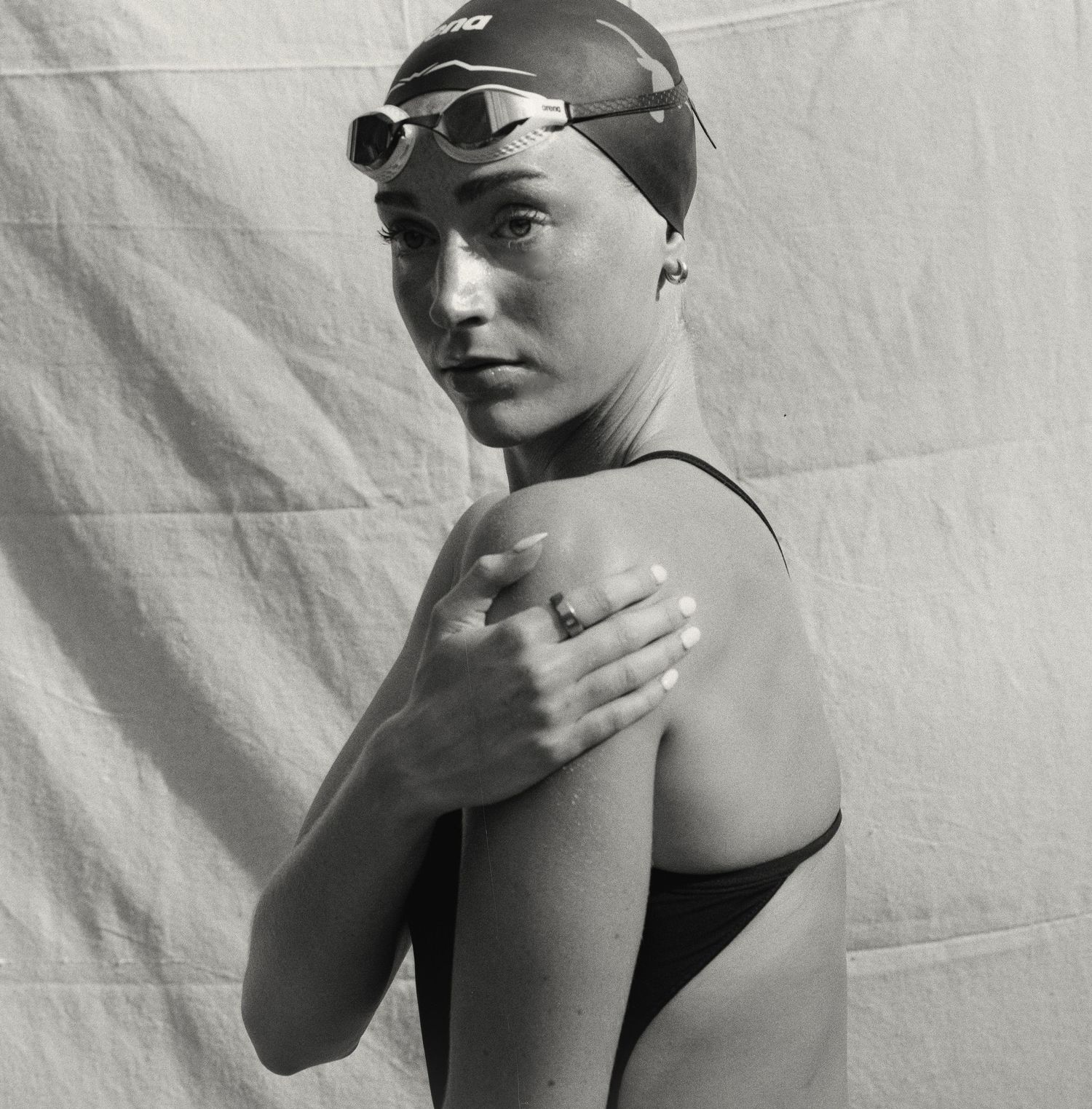
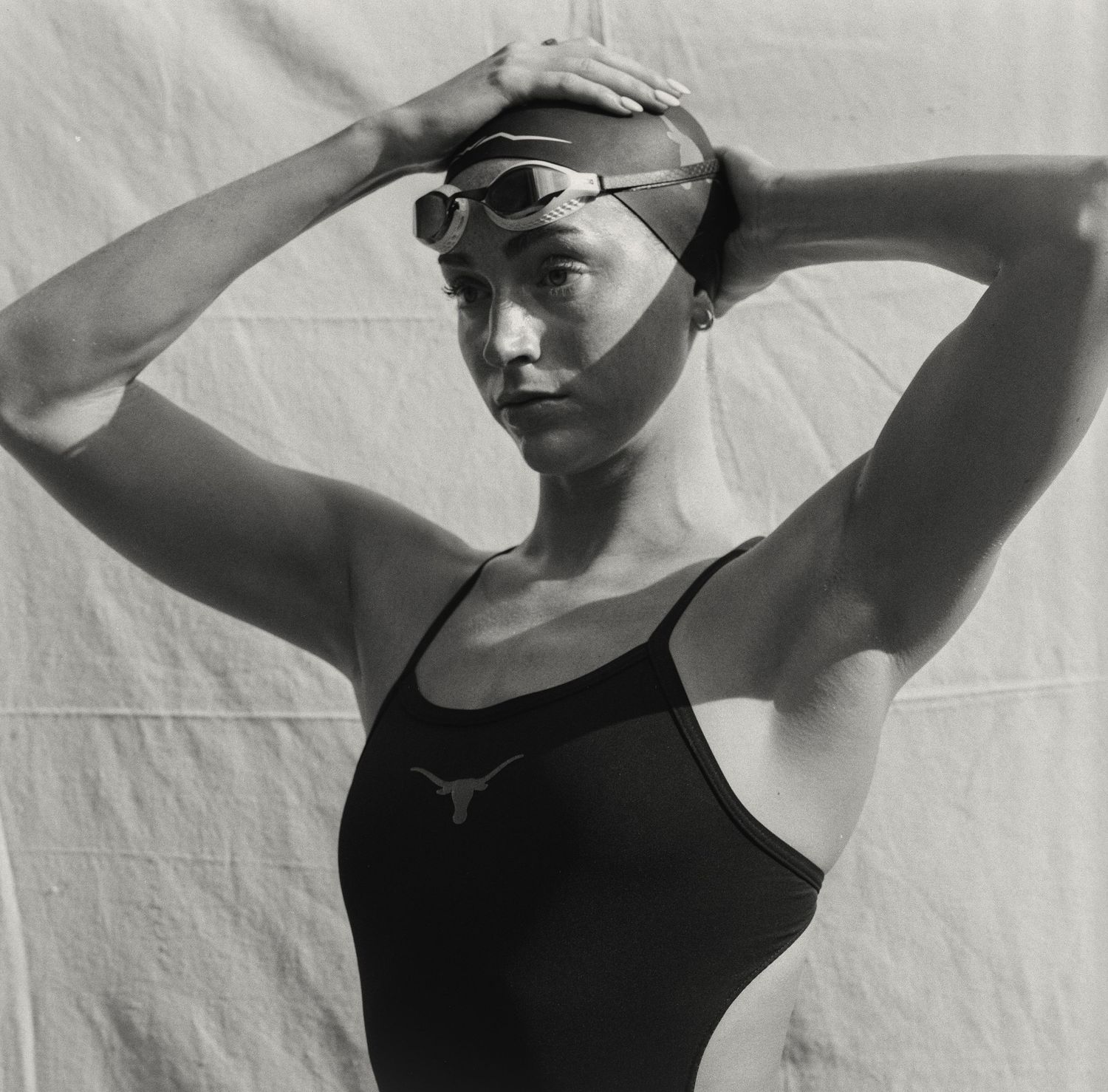
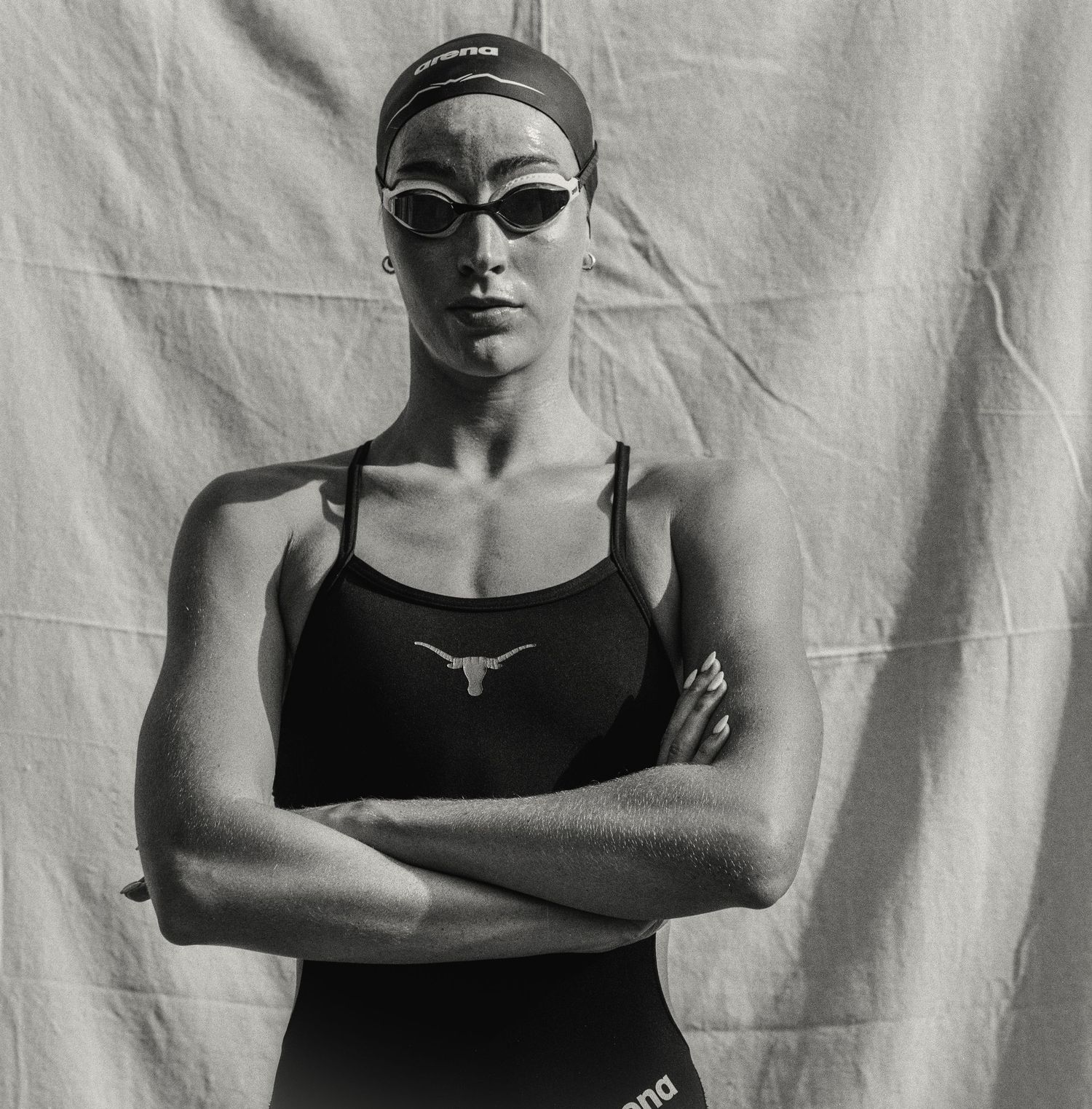
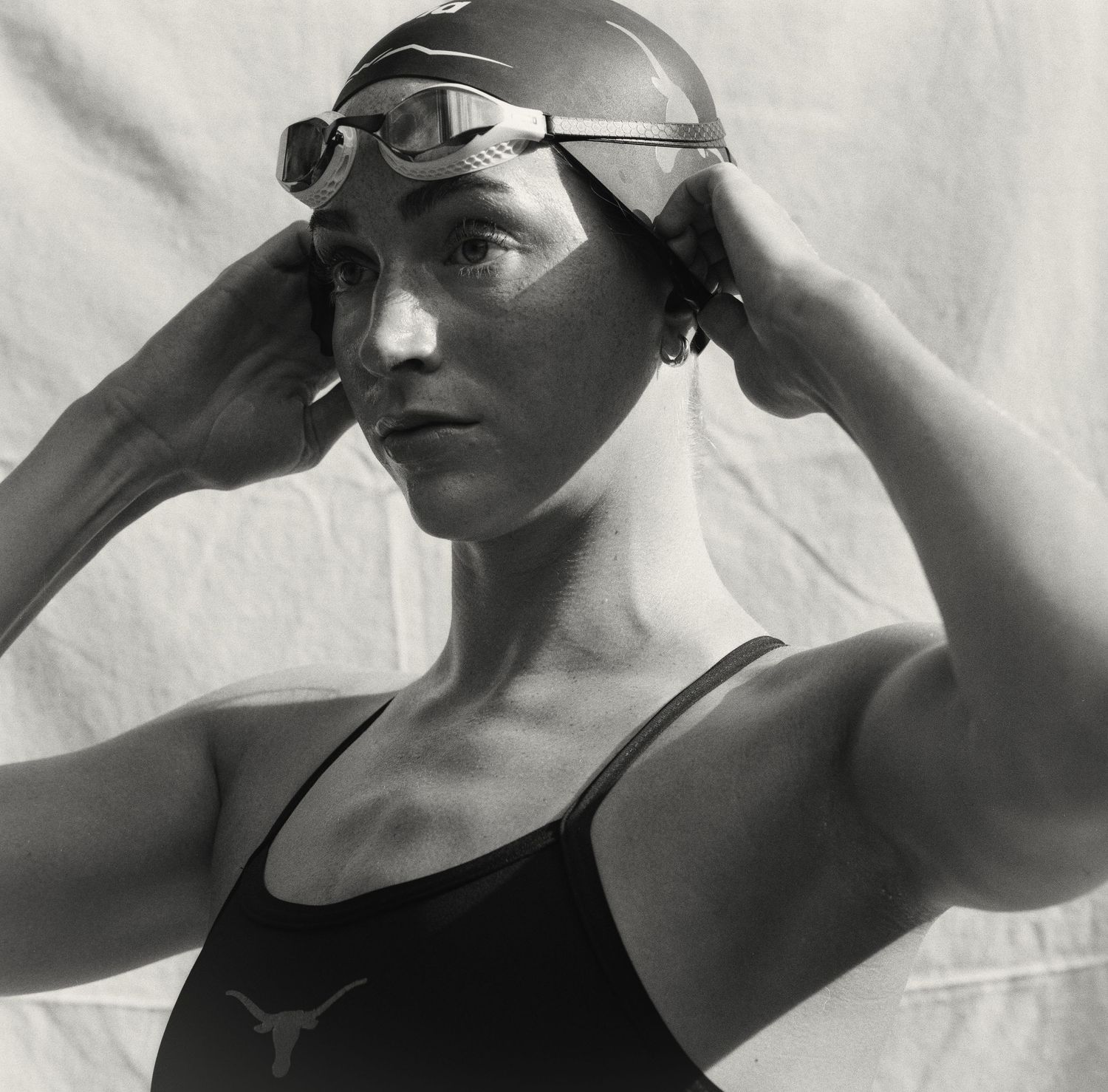
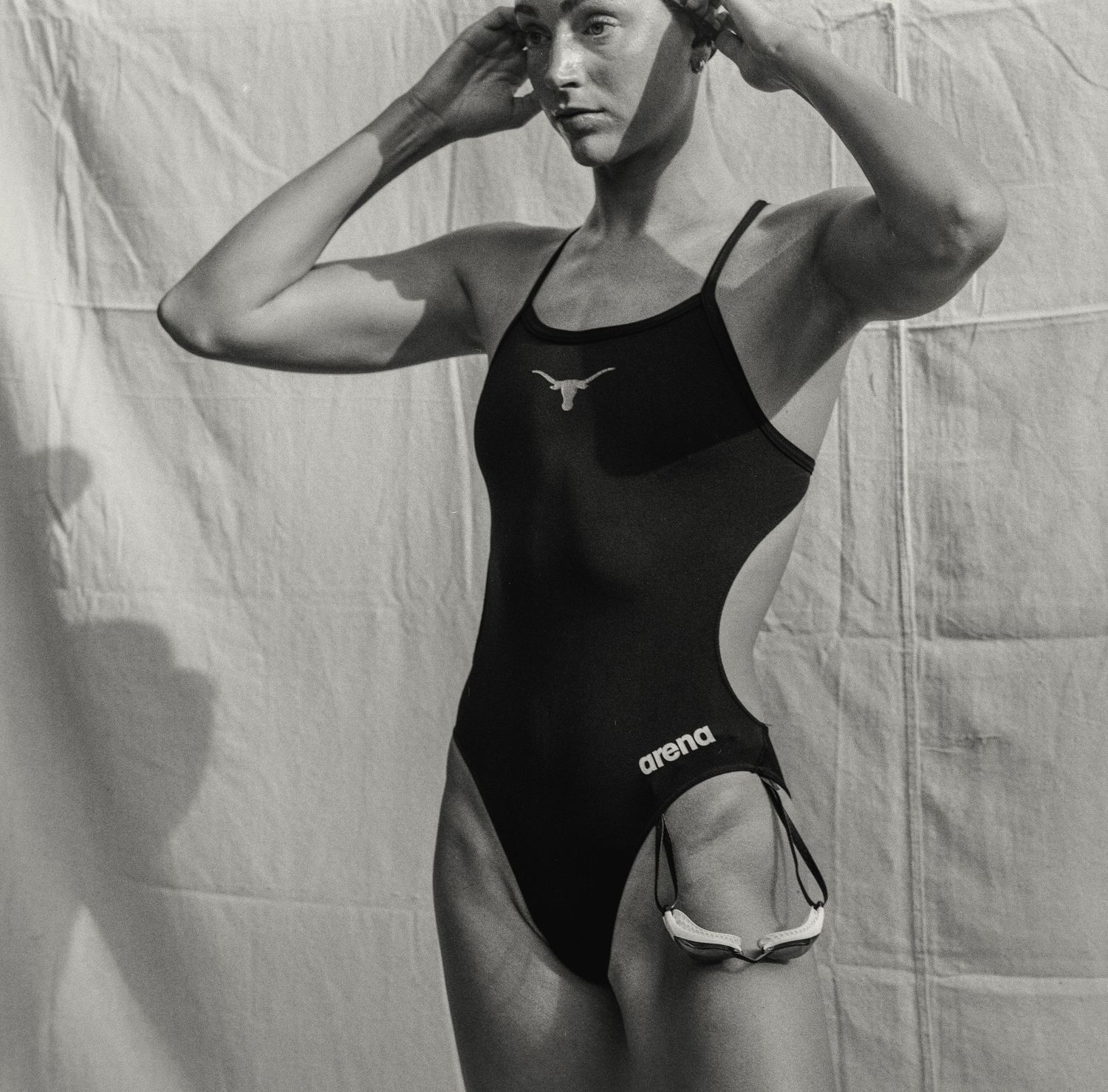
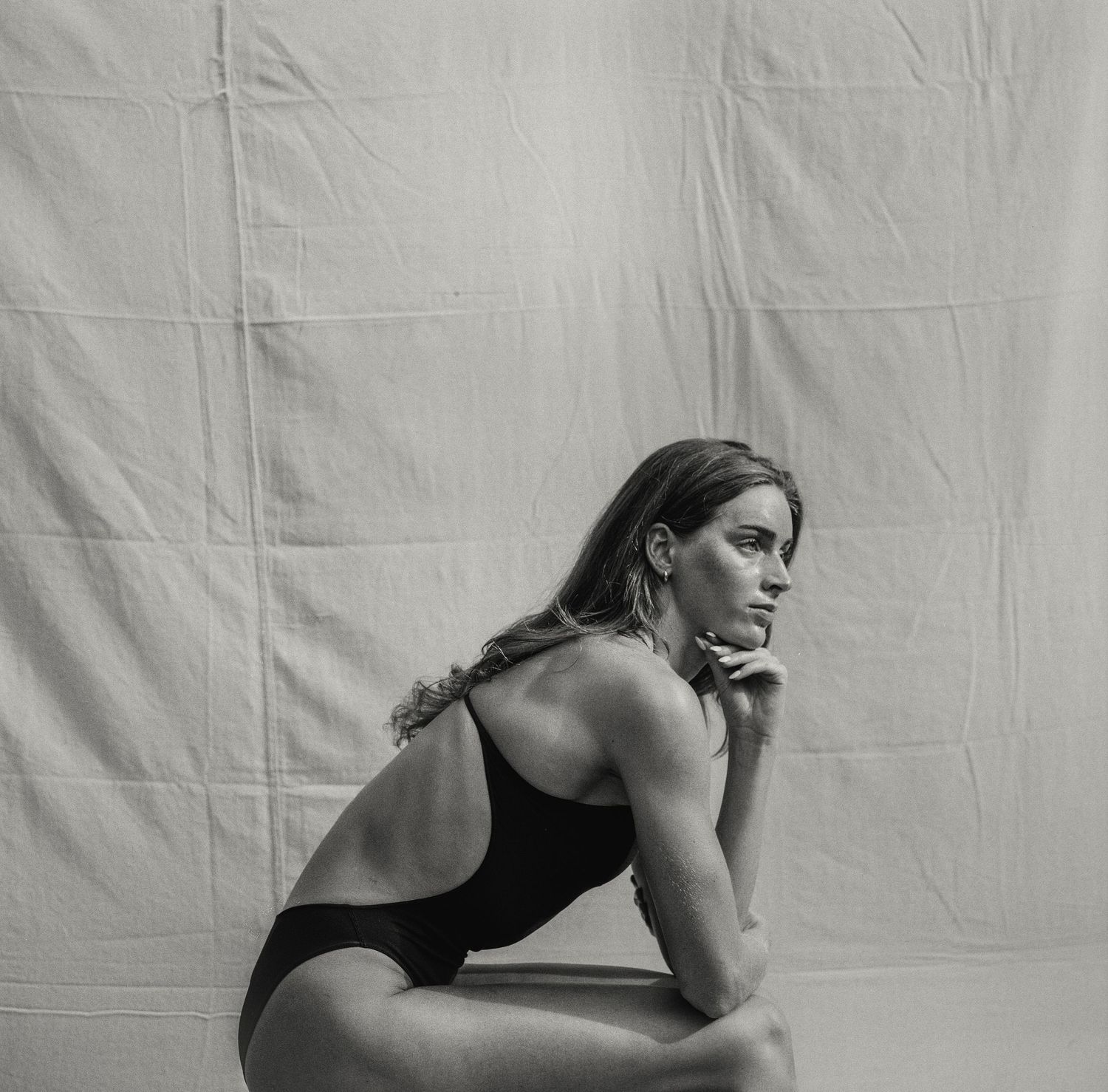
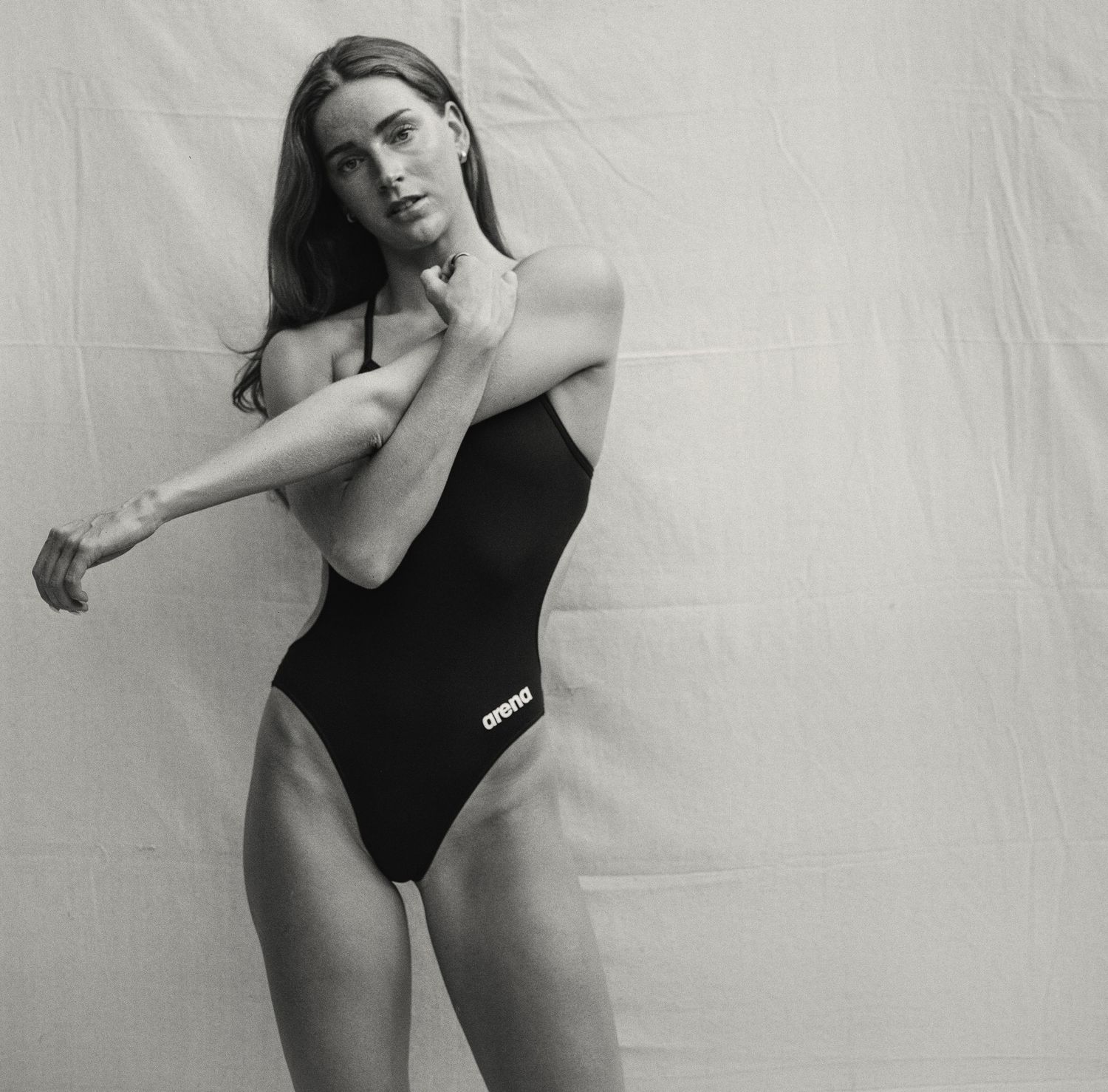



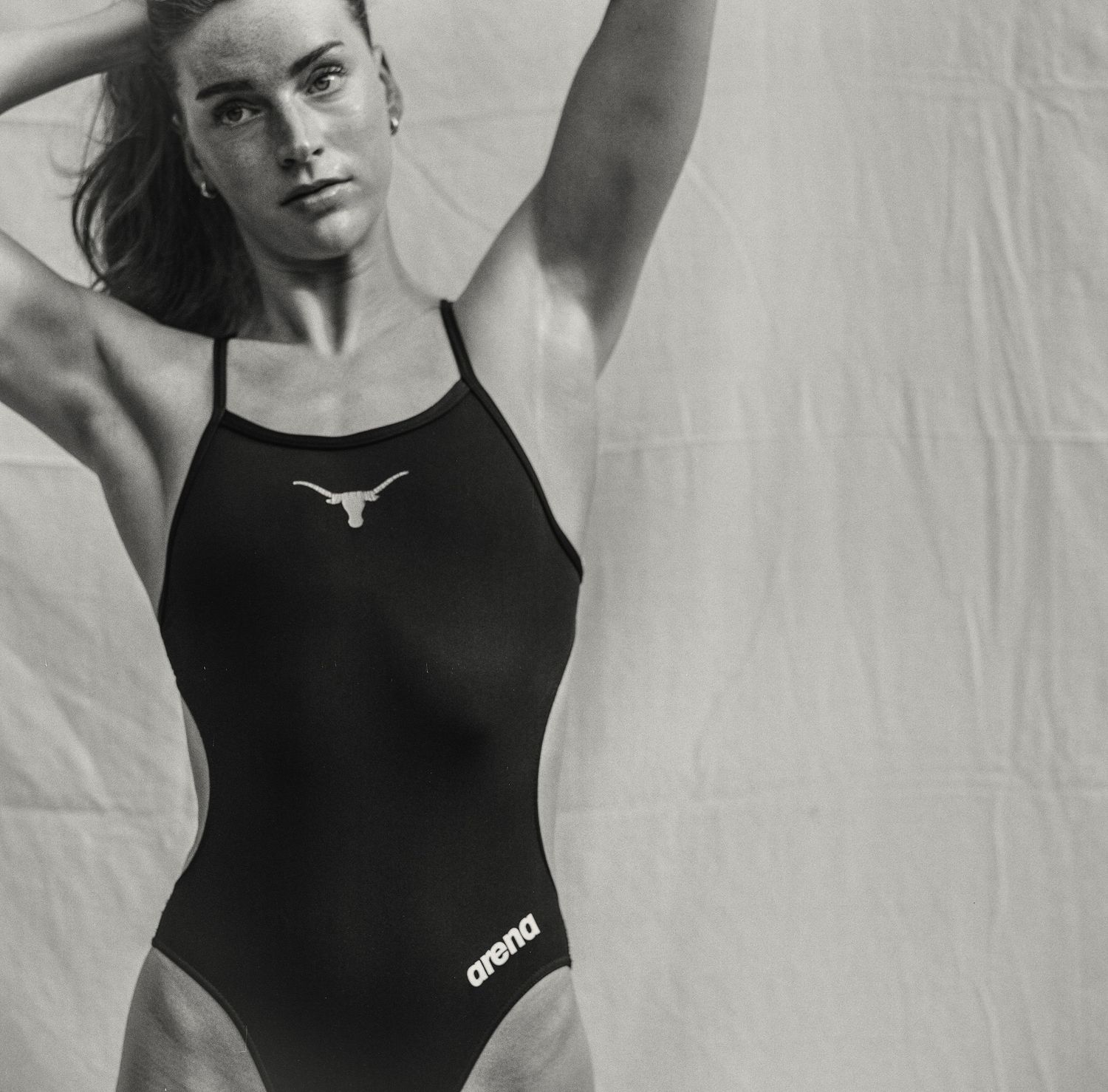
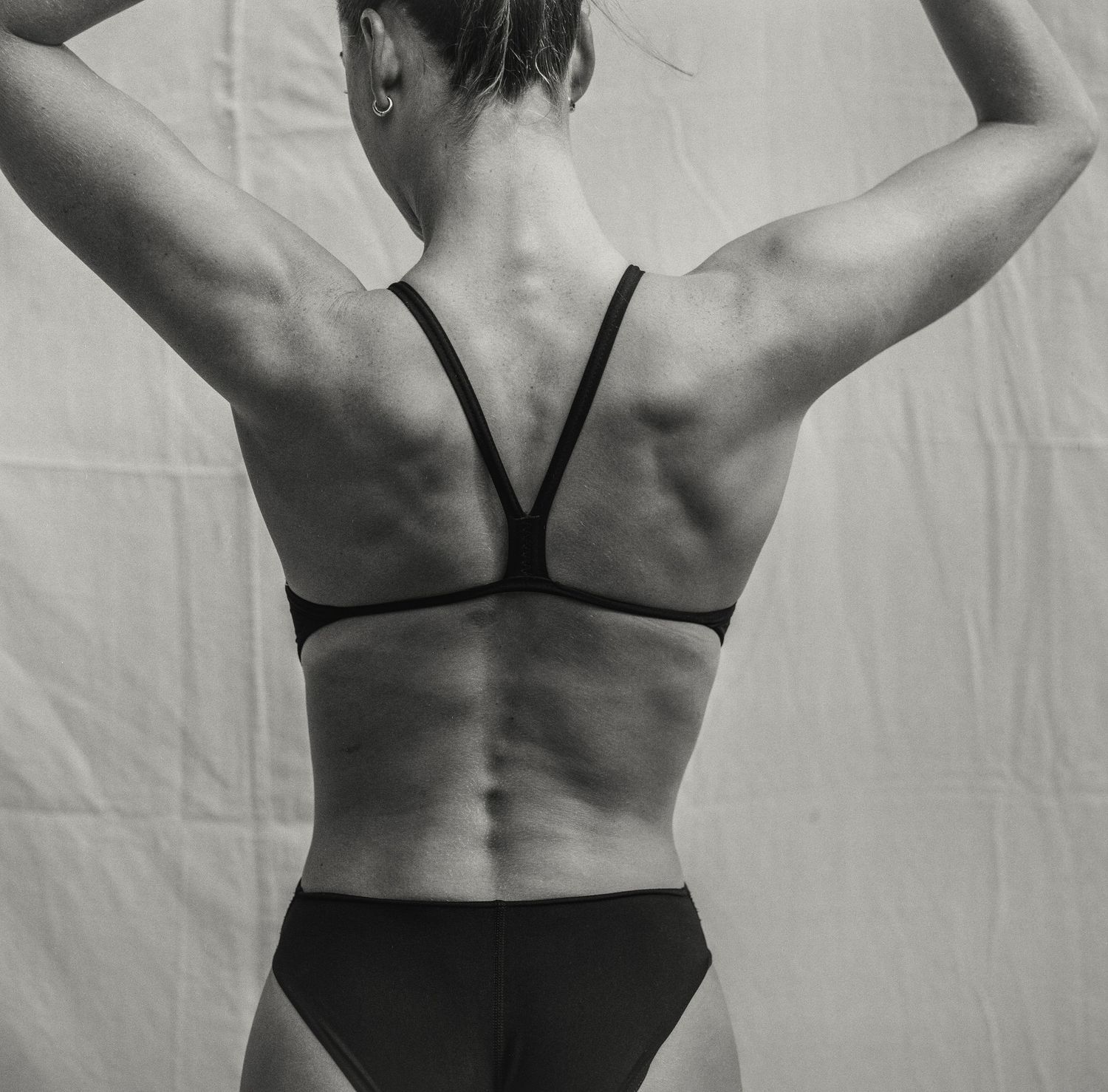


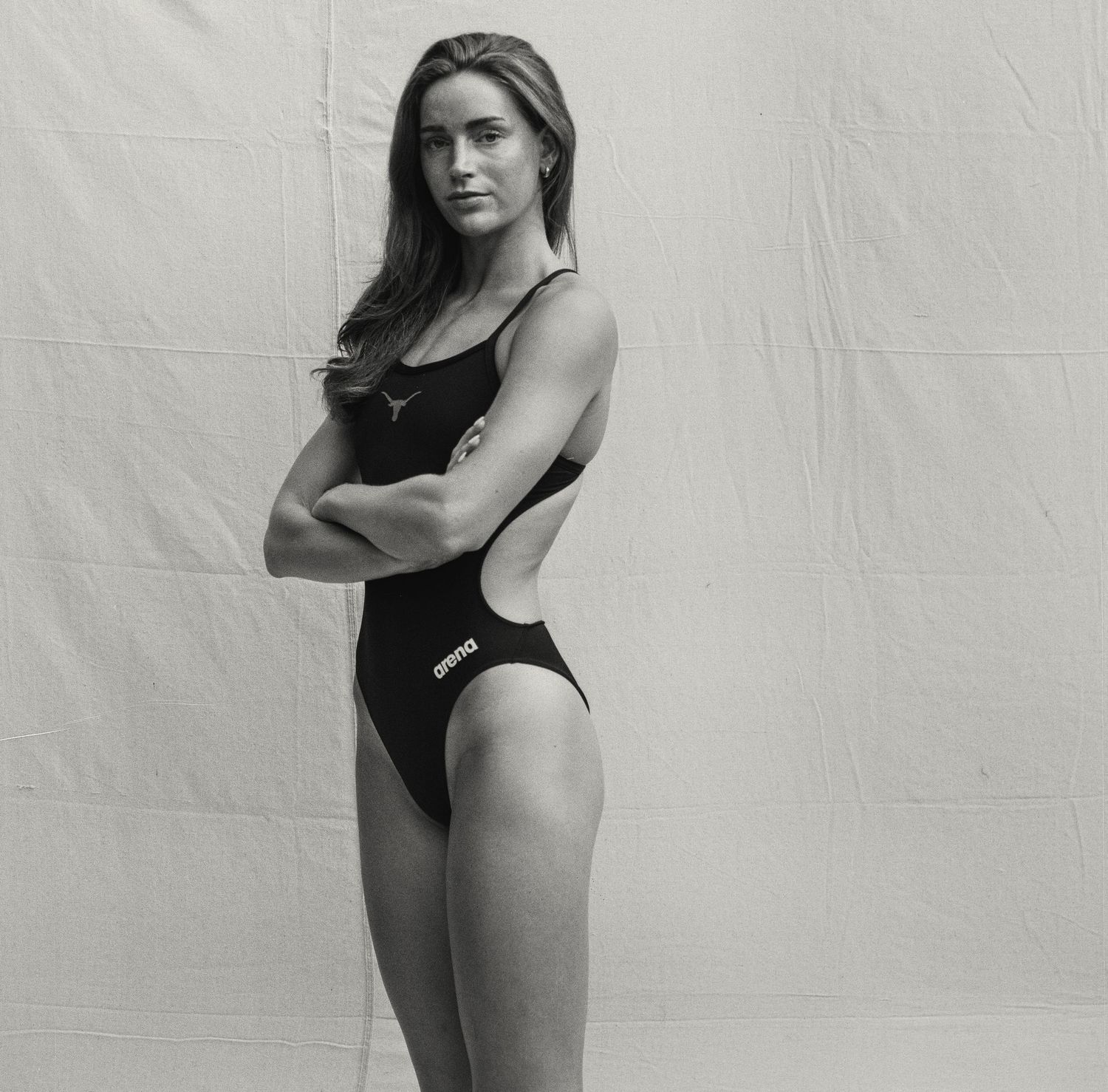
MAMIYA c220 / TRI-X & T-MAX 120 FILM
The Grass Isn’t
Always Greener
AN INTERVIEW WITH LUCY MEHRABAN
by
Respect Their Game
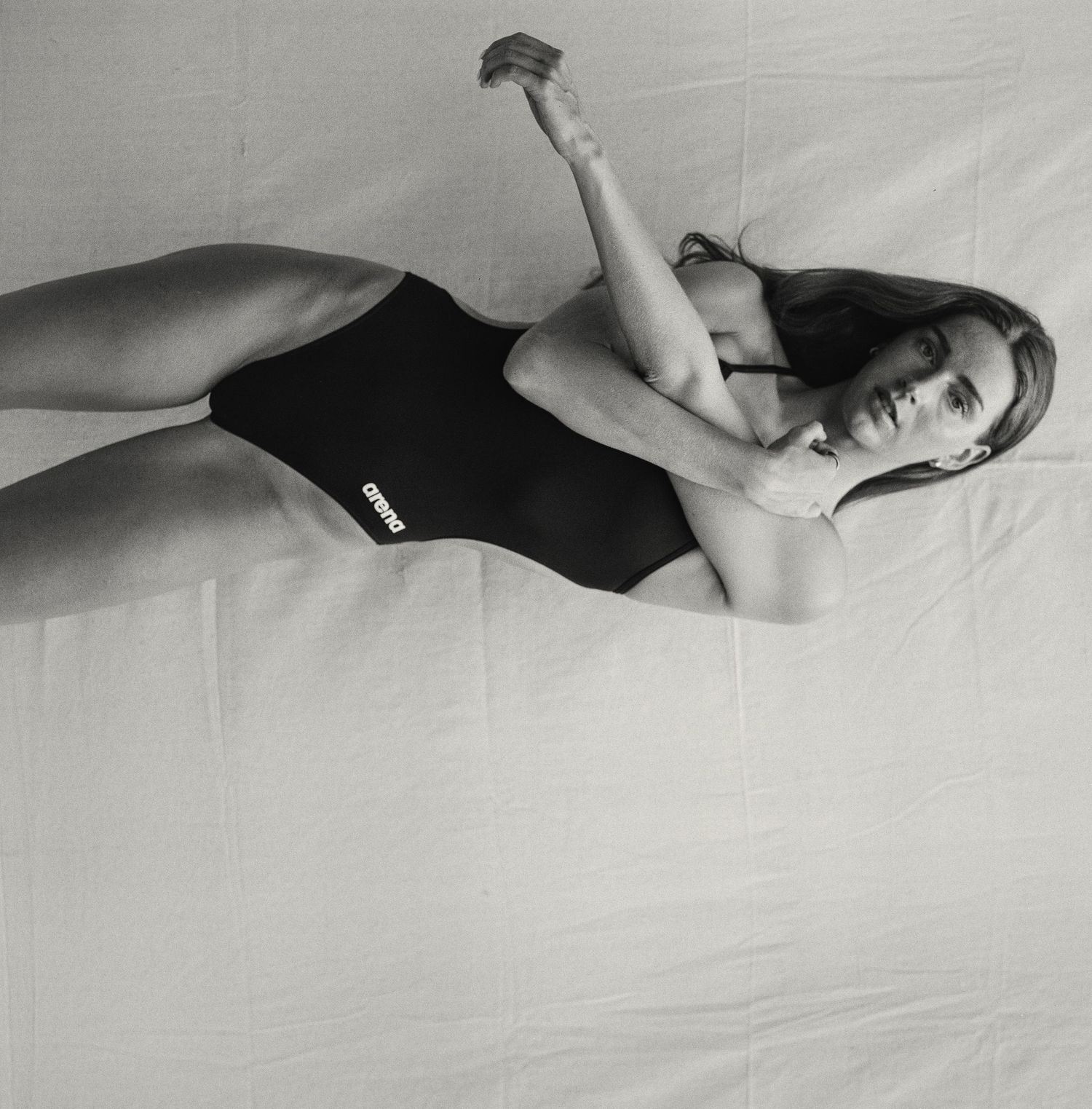
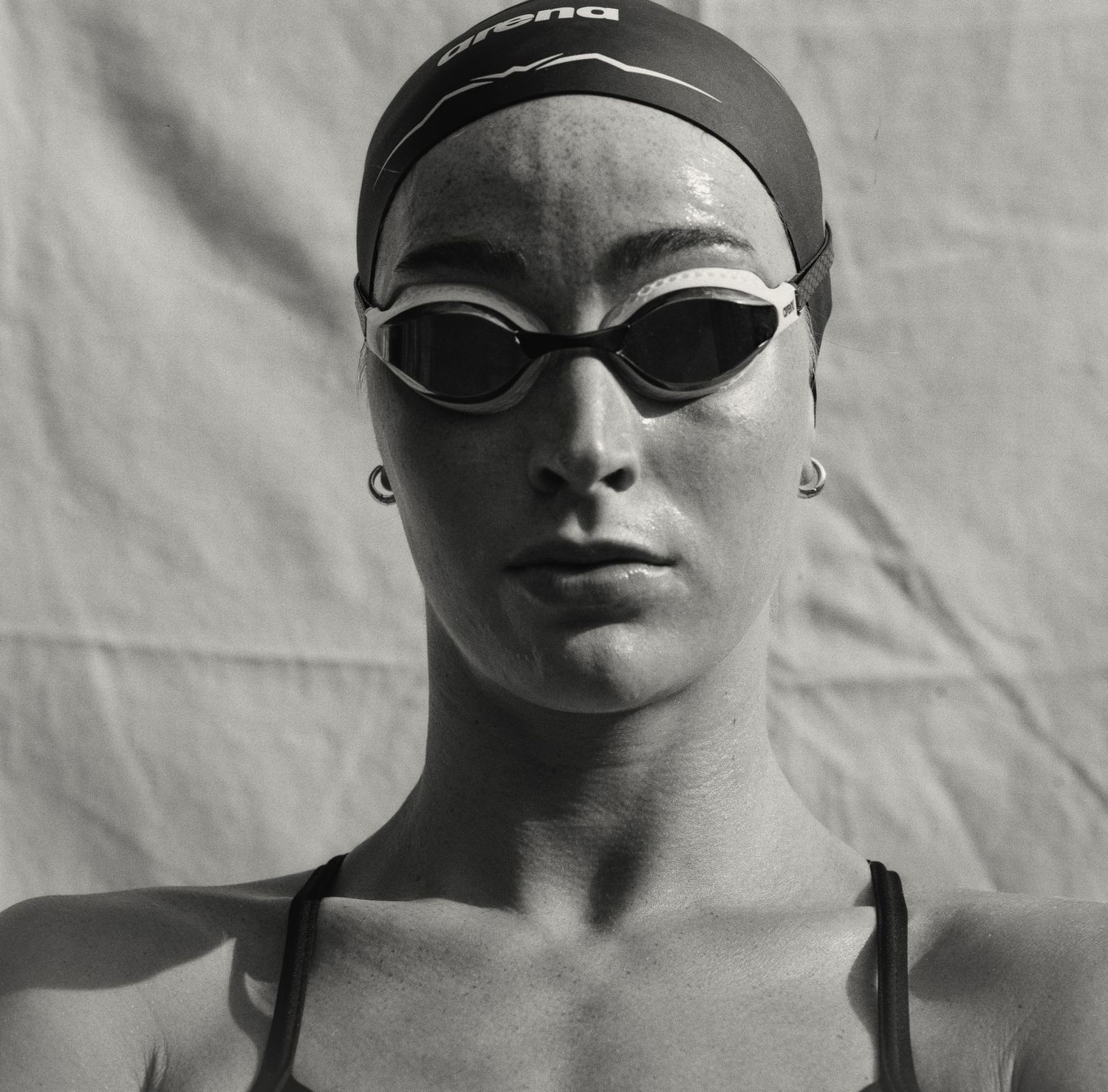
Welcome to the Respect Their Game — a collection of conversations with women athletes about commitment, identity, discipline, and the interior life of sport. These interviews are part of the ongoing portrait project documenting women in sport through film photography and their own words. University of Texas sprint freestyler Lucy Mehraban, a naturally gifted athlete, explains her sports journey and how almost giving up only strengthened her love of her sport.
.
So what I like to do is just have you introduce yourself, your name, your school, your sport.
Okay, sounds good. So I’m Lucy Mehraban. I’m going into my senior year here at Texas, and I’m a sprint freestyler and I’m studying communications, which is awesome. But yeah, that’s a little bit about me.
And how did swimming first enter your life?
Swimming first entered my life when I was about five. And at that age, I mean your parents kind of pick your sport for you. And I had an older sister, she’s two years older than me, and my parents kind of put us both in the sport and I started off doing it in summer league just for a local summer team and kind of realized that I was really good at it. So I started doing club with my sister and just fell in love with the water and eventually kind of paired down to swimming being my main sport. Yeah.
And do you remember when it shifted from something fun to something a little more serious?
Yeah, I think the competitive aspect of the sport definitely drew me into it. I think compared to other sports, swimming is so cool because it’s a little bit more individual and it is still a team sport and you’re swimming for your team, but you’re also trying to get better just for yourself. So I think I realized that and I was very competitive growing up. So when I realized that I was the one touching the wall first, that, I mean, I kind of love that and I love to win, so I kind of went all in after that.
When did you first realize you might be able to compete at a high level?
I think that was when I started doing club swimming. I was on Club Wolverine in Michigan, and I just remember I had some really great coaches that told me, oh, you could be really good if you focus on this. And I think at such a young age, you’re kind of all around with the kind of strokes that you’re swimming and the kind of events you’re doing, you kind of try everything. But I do remember more so in middle school that I started focusing on the sprint freestyle events and getting really good and going to meets in other states and coming back with the high point of the meet and that kind of stuff. And also when I think I was in eighth grade that I got selected for a select camp for Michigan and kind of was surrounded with all the other top athletes in the state, and I kind of realized this is something I really want to do at that point in time.
Did Sprint kind of naturally emerge as something you were best at?
Yeah, I would say so. I think that I like just going fast and just trying to win the race and that kind of came naturally to me. And also just freestyle. I think with my height and everything, it was just kind of my favorite thing to do. So I kind of lean more into that as I got older.
So speaking of height, were you always taller than everyone else?
Yeah. I’ve always been the tallest one in my class, taller than the boys, and I think at a young age that was something I was insecure about. And I think swimming was a good outlet for me to find confidence in my height and my muscle and just know that, I mean, I was built this way for a reason and it’s actually has great advantage in athletics, so that was good. Yeah, absolutely.
Do you get it from your parents?
Yes. So my mom I think is 5’11”, and my dad is 6’4”, so I think I got mostly my dad’s height. But yeah, my parents growing up were also athletic. They were never swimmers, but my dad was football, basketball, my mom was track.
So at one point you stepped away from competitive swimming?
Yes, I did.
What led to that decision?
I would say so in high school I think I’ve kind of committed to swimming full time and swimming’s a really big commitment. I mean, just like any sport, it’s so many hours and dedication and sacrifices. And honestly at that point, I think I was a freshman in high school and I was very successful and I was on a great path. And I guess the reason I stepped away was because I wasn’t swimming for myself. I was swimming for because my parents signed me up for it and I wanted to explore other things in life and find my identity outside of the sport.
So I basically quit after freshman year. That was right during COVID, and I honestly wasn’t really planning to come back to the sport. And it wasn’t until the summer before senior year that I started to get this itch like, oh, maybe I do want to come back to swimming. And I kind of knew that it was my last chance to ever be a swimmer again in my life. And I was like, if I don’t do it now, I’m never going to experience it. So I kind of took a week to think about it and basically decided to come back as senior year, high school season was starting and kind of just jumped right back in. And I knew that it was a big decision, but it was kind of a decision for myself instead of to make other people happy.
Was it physically hard to catch up after those years off, or were you able to jump right back into it?
I think it was definitely physically challenging to get back into it. I think that my body had kind of turned away from the athletic side of things, like over those two and a half years I lost a lot of muscle and athleticism and coming back into it was definitely a shock to the body and I’d never been so sore in my life, but it was honestly refreshing to take that break and come back. And I had so much energy that I saw others around me didn’t have, and I was really motivated to swim in college, so I knew I had to focus in on swimming again and get back to those times that I went freshman year if I wanted to pursue it in college.
Do you think that time off taught you something that you wouldn’t have otherwise learned if you had just kept swimming?
Yeah, definitely. I think I kind of found how to be my own person outside of the sport and not rely on my identity just on swimming. I think that those high school years are really crucial in forming who you are, and I think I was able to experience what it’s like to not be an athlete, and it kind of made me appreciate even more all the amazing things that swimming has to offer. Yeah, I do think it really impacted me going forward just knowing that I can be a successful person outside the sport, but also I can do the sport for myself and do it to the best of my ability and also have a lot of success in that.
It’s almost like that break saved you from burning out.
Yes, it definitely did, I think, and honestly, it’s really interesting. I think honestly, that break that I took from swimming during those two and a half years where my body was growing and just giving it that break from the intense training. I mean, even now I am going into my senior year and knock on wood, I haven’t had any injuries and I feel healthy and not burnt out. And I feel like when I came back to swimming, I had that young motivation and energy for the sport and I think it’s honestly really carried me well through college.
Speaking of injuries, is there a common type of injury for swimmers?
Yes. I mean, you can get any kind of injury, but I would say the most common is shoulder injury. Anything in your back, like upper body mostly. But I would say a lot of people in college just have endless shoulder pain and back pain, and it’s been kind of nice to see that maybe taking that break has helped my body just recover well and succeed.
Can you walk us through a typical training day?
Yes. So I would say a typical training day for us during the school year would be, we have practice at 6:00 till 7:30 AM, so usually wake up around 5:00, go to practice, go to class, and then we come back to practice from 2:00 to 4:00 PM and then go eat dinner, sleep. And then we usually alternate that day with our lifting days, which would be a swim from 7:00 to 9:00 AM, and then a lift from 9:00 to 10:00. So we have nine swims a week and three lifts in total, and we get Sundays off. So it’s a lot.
How many hours a week do you think you are in the water?
Probably 18 hours. A lot of water time.
And how much of your sport happens outside the pool?
I would say it’s 50/50. I mean, I think what you’re doing outside the pool is going to affect what you’re doing in the pool, so also getting eight hours of sleep every night and nutrition swimming’s kind of like a full-time job. It’s all around the clock. And I would say recovery is just as important as the training is.
Do your coaches help you with guides of what to eat and how to recover? Do they educate you on how to do that?
Yes. I mean, especially at Texas, we have a really good support system, nutritionists and people that are tracking our workouts and basically just giving us meal plans when we need it and just daily tips on what we can do outside the pool to help us succeed the most. So it’s really a good system here.
I’m told to really get focused on “the black line.” Is that a thing?
Yes, the black line. And it’s really interesting because I think for all swimmers, it’s pretty rare to have a sport where you’re kind of just head in the water for two hours straight and staring quite literally at a black line the whole time. And honestly, I think that’s one of the best things about the sport is that it does give you time to think and have your phones put away and there’s not any music, no talking, and you’re just kind of there for the work. So honestly, I find it really peaceful, and if I go a few days without swimming, I kind of find myself missing that time to just reflect on my day and just find peace.
Even when you’re physically going hard, you can mentally find that peace?
Yeah, I mean, I would say there’s specific times during practice where there’s not really any peace and it’s just brutal training that makes you want to puke your guts out. But I mean, still, I think swimming is such a good workout for your body. It’s full body workout and not too much strain on your muscles or bones or whatever. So I think it’s good to just keep moving and warm up and cool down is probably the time I would say is the most peaceful.
Do you think swimming attracts a certain type of personality?
That’s kind of a hard question. I mean, I would say yes and no. I think that swimming, especially at the college level, attracts someone with great determination and dedication to something they love with a lot of grit. It takes a lot of grit to swim at this level. But I would also say that outside of the pool, we’re all very different. My teammates and I, different interests and different personalities, and I think that’s kind of the beautiful thing about the sport is that we’re kind of able to all come together for our shared love of the water. But yeah, kind of yes, no.
How do you stay motivated when improvements are hard to see?
I think this is something I still kind of struggle with when you’re not seeing improvement, it’s definitely hard to keep going every day and working hard. But I would say the most important thing is just kind of remembering why I love the sport in the first place. And I think that’s why the break was so good for me because it did remind me, okay, even if I’m not successful in this, it’s something I like to do. And I think in those moments when I’m maybe not dropping time or getting the place that I want in the pool, just remembering I’m doing this because I love it and not because of the success I see through it.
It’s almost like you don’t know what you’ve got until it’s gone.
Exactly. The grass isn’t always greener.
So why Texas?
So originally I was at University of Louisville for two years out of high school, and I decided to transfer to UT after sophomore year. I kind of knew that with the place I was at in swimming that I could be at a higher ranked program and kind of going into the transfer portal, I knew that I wanted to go to Texas and I was just hoping that they would also want me here. So I mean, I kind of just loved the energy of the team. It was so vibrant at NCAAs and I was able to see that from afar. And I mean, I talked about the resources here on any other place that I’ve ever seen, they really support you. And I think something about UT that makes it really special is they care about you as a person before they care about you as a swimmer. So that’s something I was really looking for when I transferred.
Do you think women’s swimming receives the respect it deserves?
Honestly, I don’t think so. And the reasoning behind that is I think people don’t realize how challenging of a sport swimming is and how much physical capability, mental capability, and just how much time goes into it. And I do think that popularity of the sport is swimming is growing nowadays, and I think it should continue to grow because I, the girls that I train with and the girls that you see on the big stage, they are absolute bad asses. And I just think swimming is such a unique sport, and if people knew more about it, I think they could really get into it.
What would you like young girls entering the sport to know?
Oh, that’s a good question. I think something that makes swimming a really hard sport to get into at a young age is the fact that it is such a vulnerable sport. I think that it’s kind of hard to show up in a swimsuit every day, and you’re kind of, especially at a young age, kind of mixed in with the boys. And I think it is a really intimidating sport. Even just being in the water is kind of scary. So I would say just to pursue it, if you really love it and if you love being in the water, just remind yourself. That’s really important. And definitely at a young age, don’t take it too seriously and just kind of have fun with it. I think the friendships and life lessons that I’ve learned throughout the sport starting at a young age have carried with me until now. So I would just stick with it, even if it gets really hard. And lean on your teammates and make sure you find a good support system to help you reach your goals.
Yeah, for sure. What has swimming required you to give up? Ice cream? (my dumb, recurring joke)
Not ice cream (laughs). The best thing about being a swimmer is you can kind of eat whatever you want.
I would say swimming has required me to give up just a lot of my time and energy. I think that because it’s such a demanding sport in the training sense events that I have had to give up some opportunities to hang out with other friends and kind of live that normal college, high school, middle school experience of having a little bit more freedom. But I would say that because of that, I’ve formed really great relationships with the people that are on my team in the same boat as me. And honestly, it’s really rewarding in the end when you’re at a big meet and you see the time you want to see, and it kind of makes it all worth it, giving up all that free time in the first place.
I would imagine a student athlete has to give up a lot of socializing.
Definitely. You’re on a pretty strict schedule for yourself because you want to perform well.
Okay. So what does race day feel like from the moment you wake up?
Race day is kind of like a mix between excitement and nervousness. Your stomach’s just kind of doing flips, but I would say that one thing that’s kind of different about swimming is that the meets are usually they can go from three days to a week long. So having that mental strength to stay focused that whole time you’re at a meet is really important. And I think race day, it’s kind of like the most important thing is to just stick to your plan and kind of know what you’re going to do when you get to the pool with warming up, race prep, putting your suit on, just having that down pat so you have that confidence when you get behind the blocks. Ultimately, what’s going to determine your race in the end? Is that confidence that you bring?
Do you have a consistent routine that you have to do?
I would say I’m one of the more flexible people when it comes to race day, but there is definitely a warmup routine that I have to do and caffeine and a good breakfast, and kind of just listening to music and getting my head right before the race is usually what helps the most.
What do you know now that you wish your younger self knew?
I kind of wish my younger self knew, probably just that her worth wasn’t determined in the place that she got at the meet or dropping time. I think something I’ve learned as I’ve gotten older is you’re not always going to have a perfect swim. You can’t always go best time. And really that there’s so much more to life than who you are in the pool. So I would kind of tell her that everything’s going to be okay and just keep doing it. You love it and don’t do it for anyone else but yourself.
And then how do you see yourself after college in relation to your sport?
I would say that, well, if you would’ve asked me two years ago, I would’ve told you that I wanted to be an Olympian the highest level and just kind of keep going all in on swimming. But as I’ve kind of gone through college, I’ve kind of learned that I have many other interests outside of swimming and passions. And I mean, if I’m able to compete at that level and have those opportunities, I would definitely consider them. But I don’t think I’m scared anymore of being in the real world with swimming in the background. And I think it’s always going to be something that I love to do, whether leisurely or competition. But I think I see myself kind of pursuing other things and exploring the world and taking what swimming has taught me and putting it into other aspects of my life.
If someone looked at these photos 50 years from now, what would you hope they understood about you?
I would kind of hope it would just show the duality of what women are and how many amazing capabilities we have and how strong we are. And I would just kind of hope that they would look at that and see a strong, confident, beautiful woman and know that, I don’t know, just kind of see that there’s strength in women, women athletes, and yeah. Yeah, just hopefully inspire others to do the same.
That’s great. Thank you for sharing.
Thank you so much.
Thank you to LUCY for her time and trust. If you know an athlete whose story deserves documentation learn more about the project here. Respect Their Game remains reader-supported. If you value this work, consider pledging support to help expand the archive.