17
TRIATHLON / PARALYMPIAN
Rachel
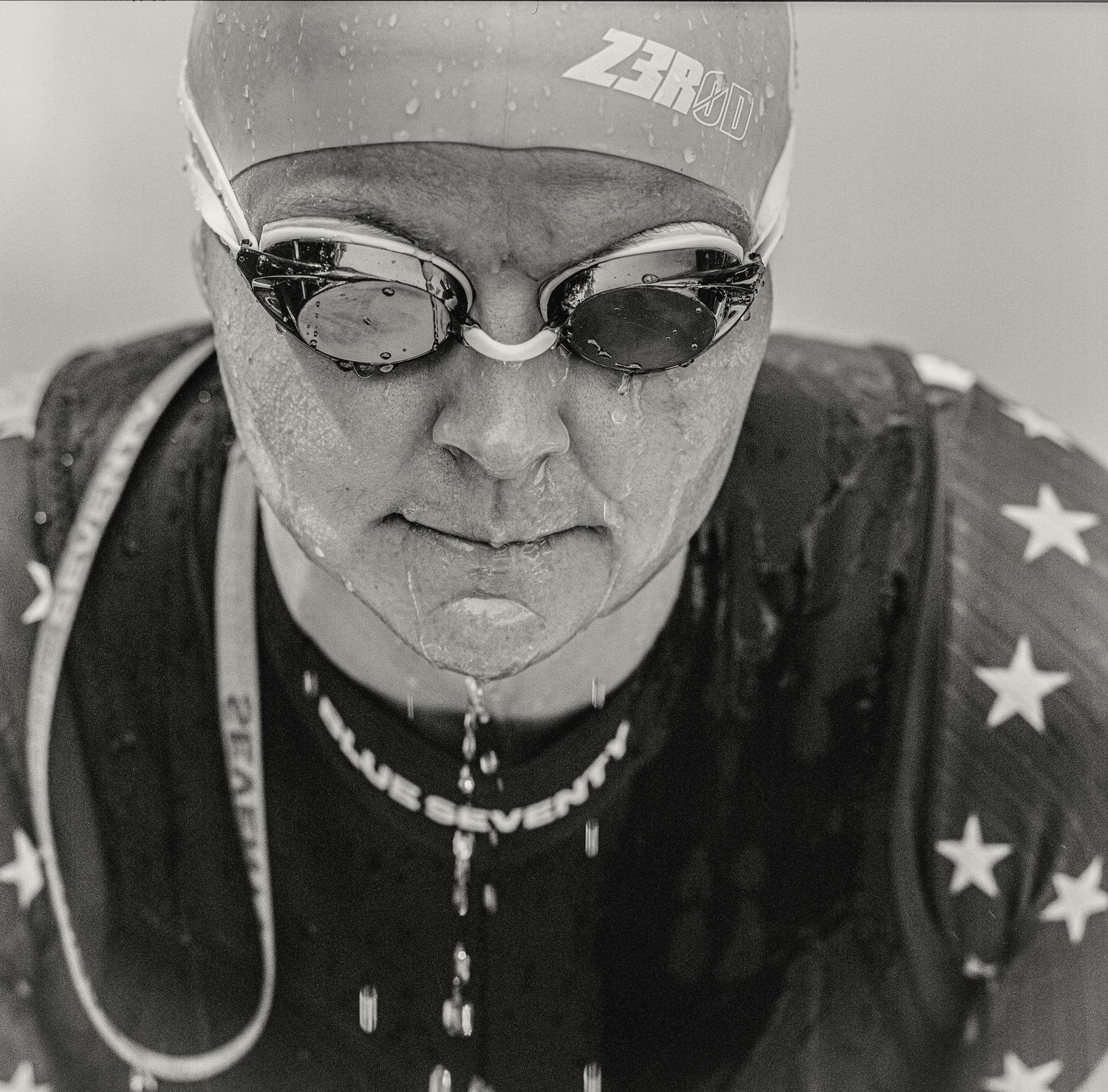
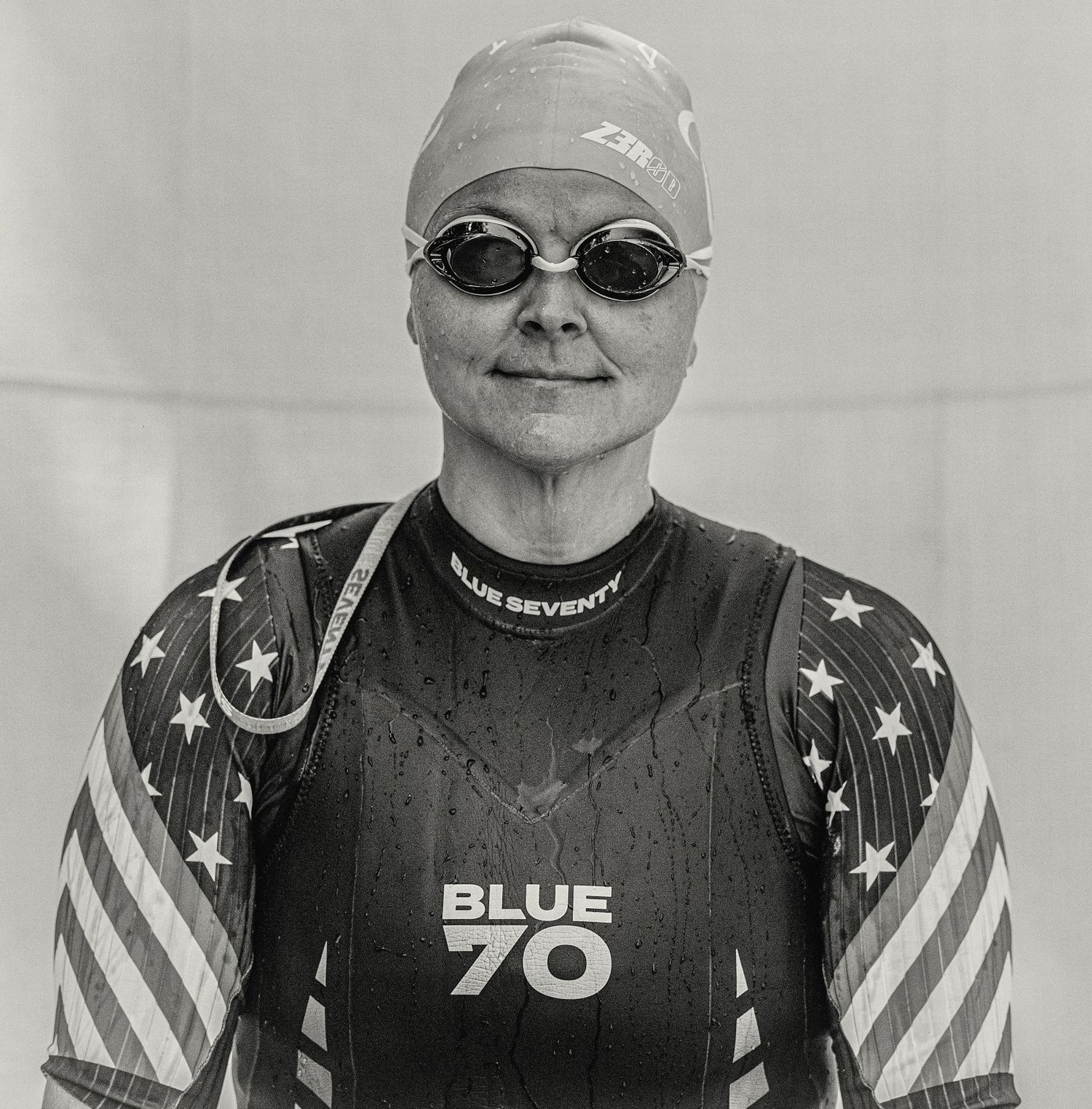
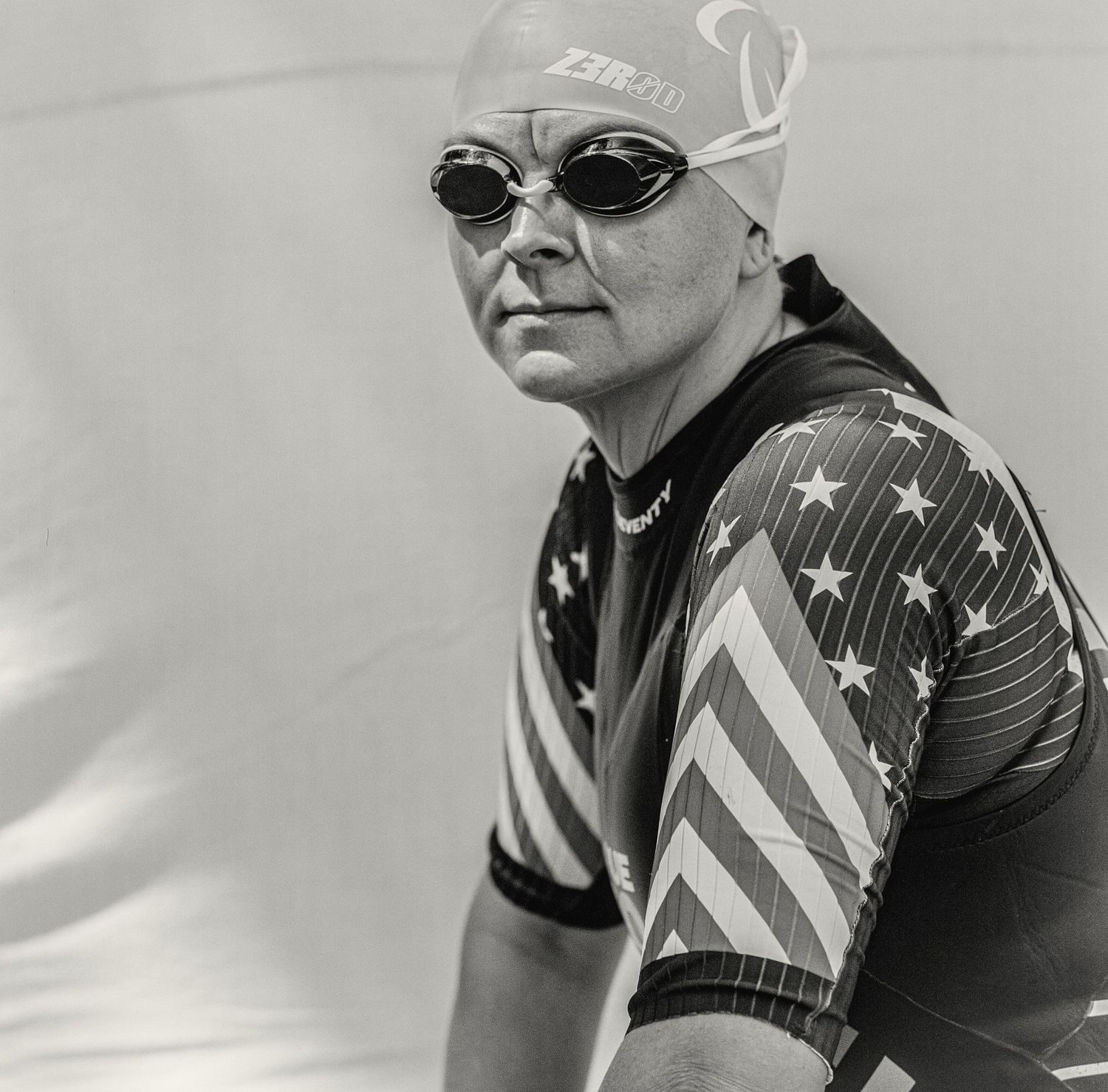
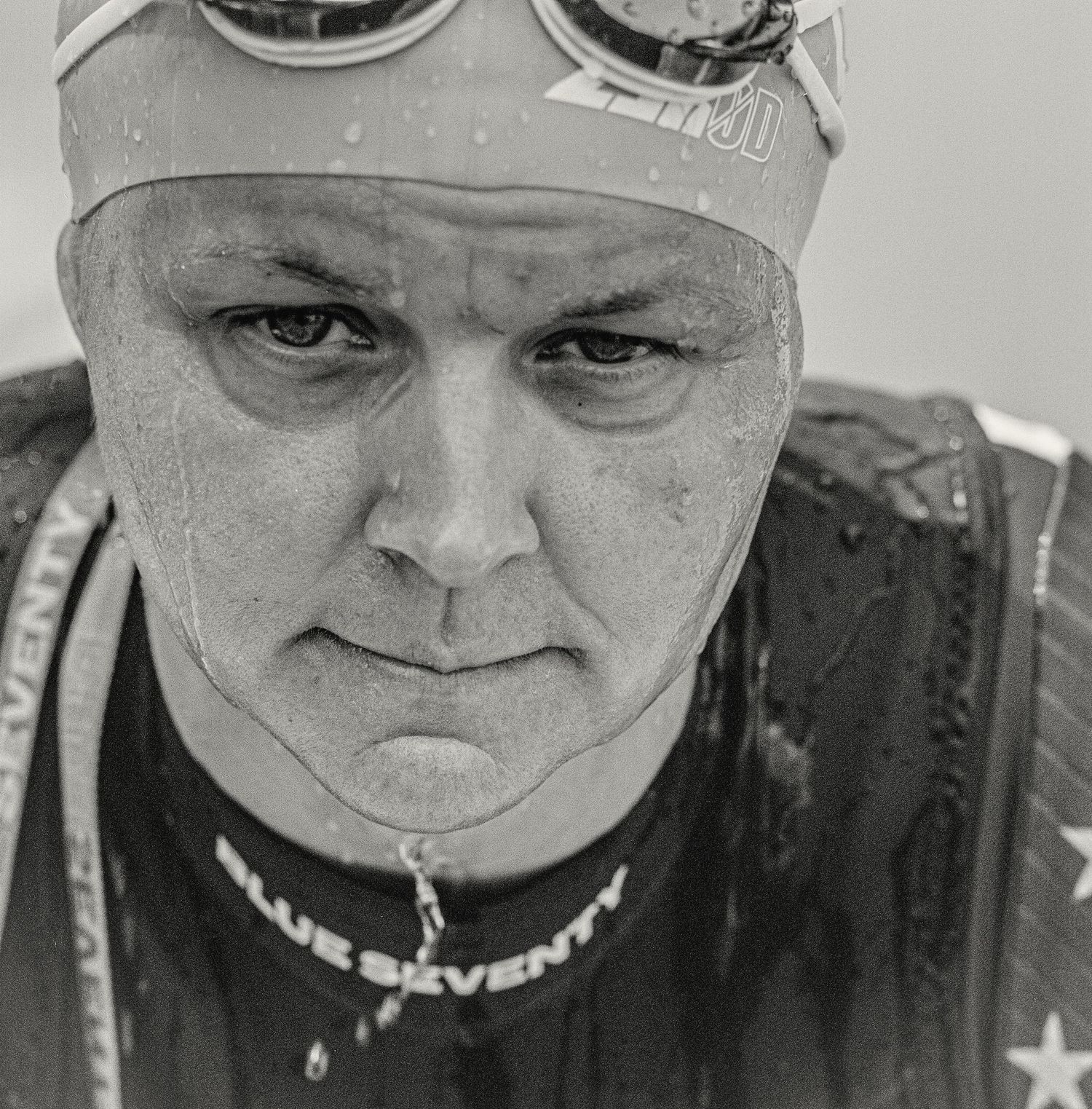
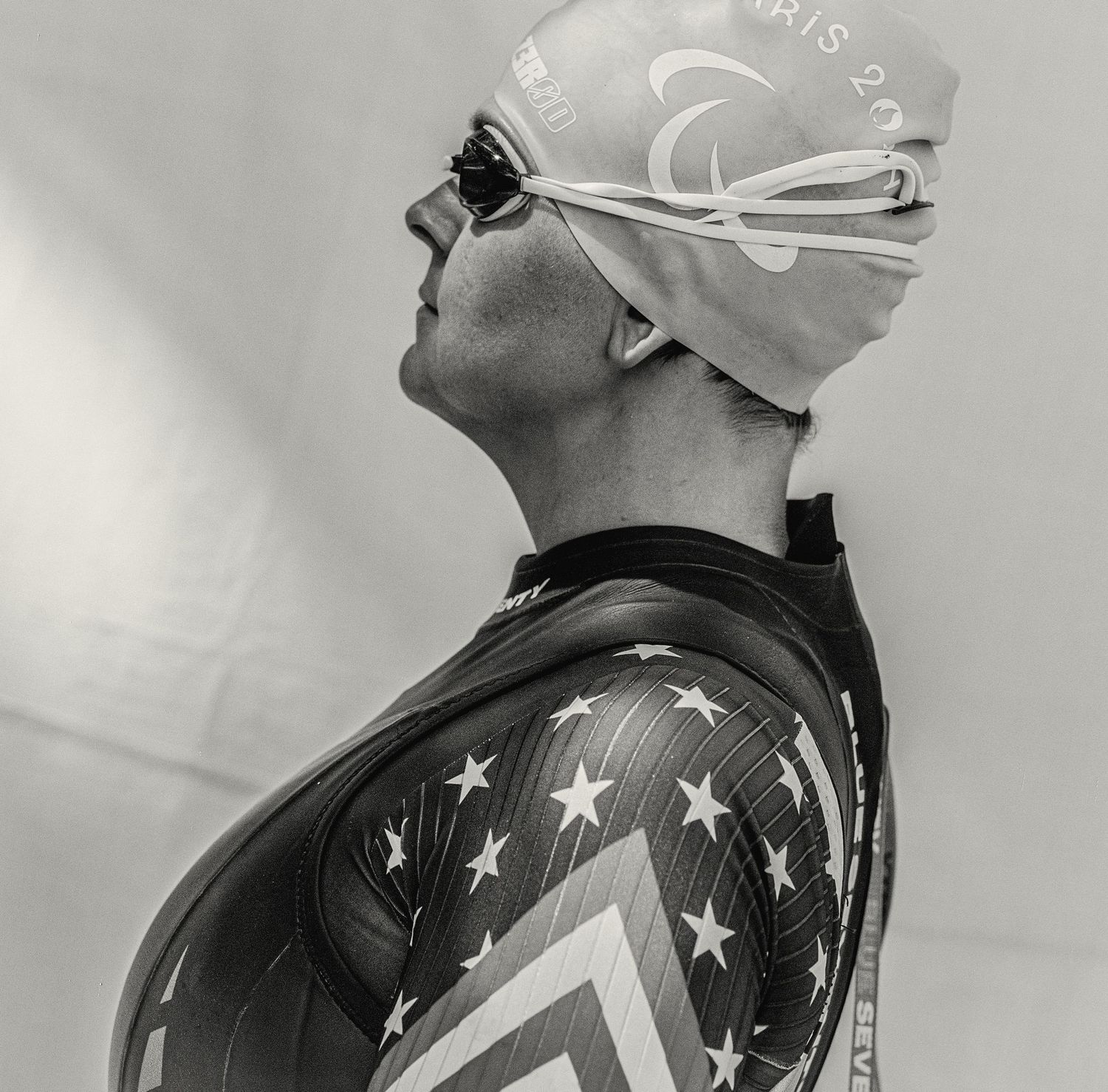
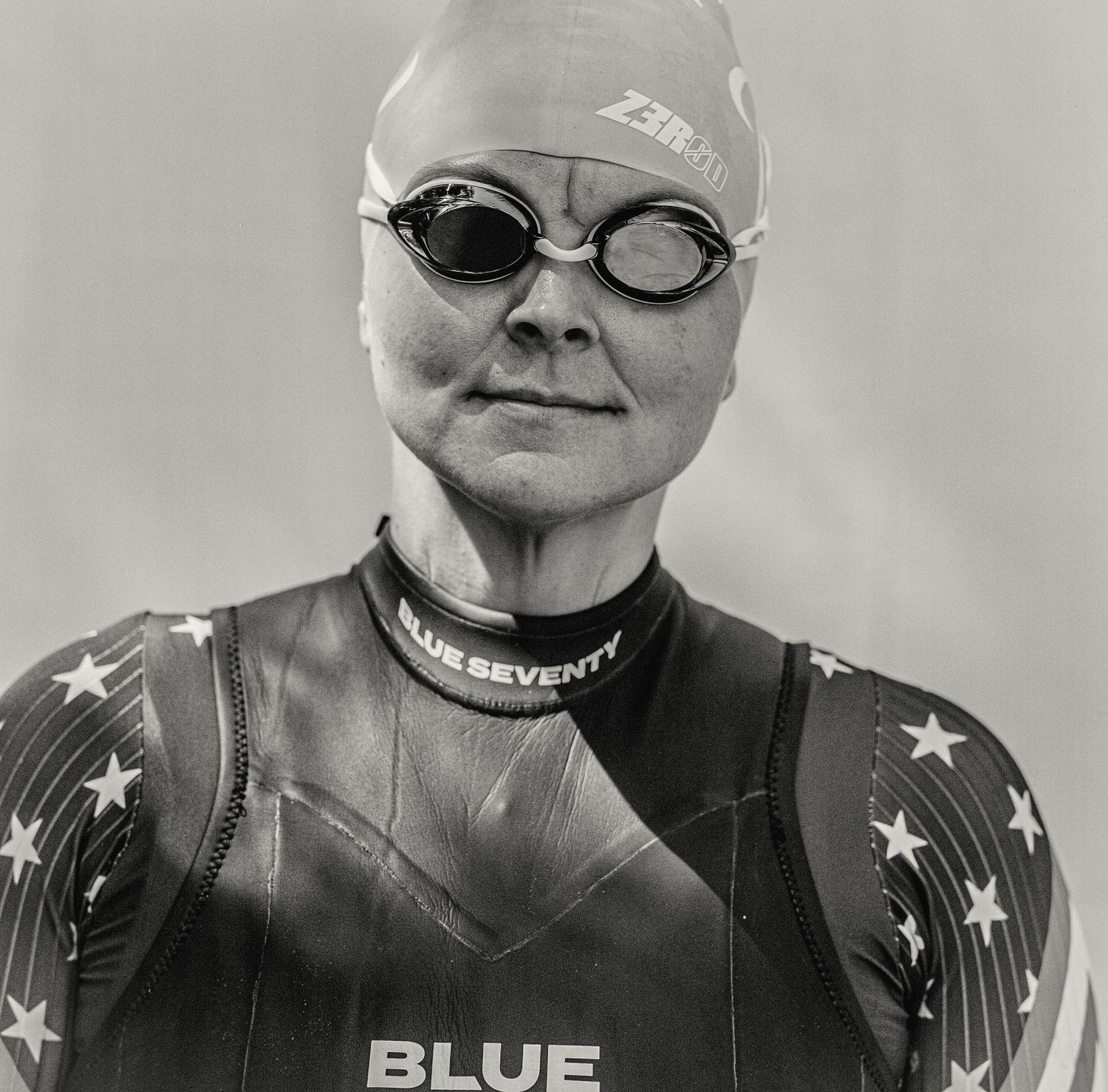
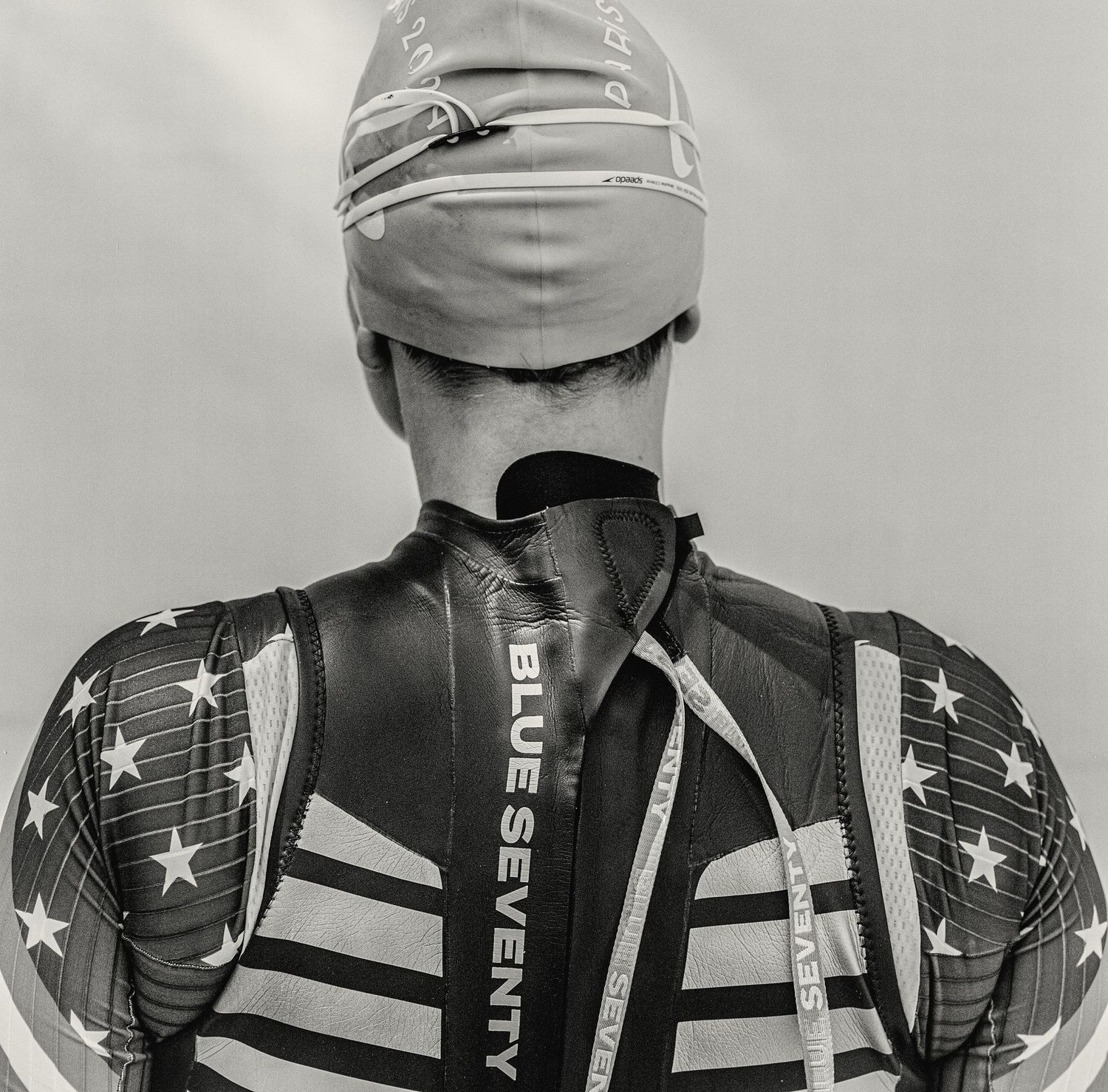
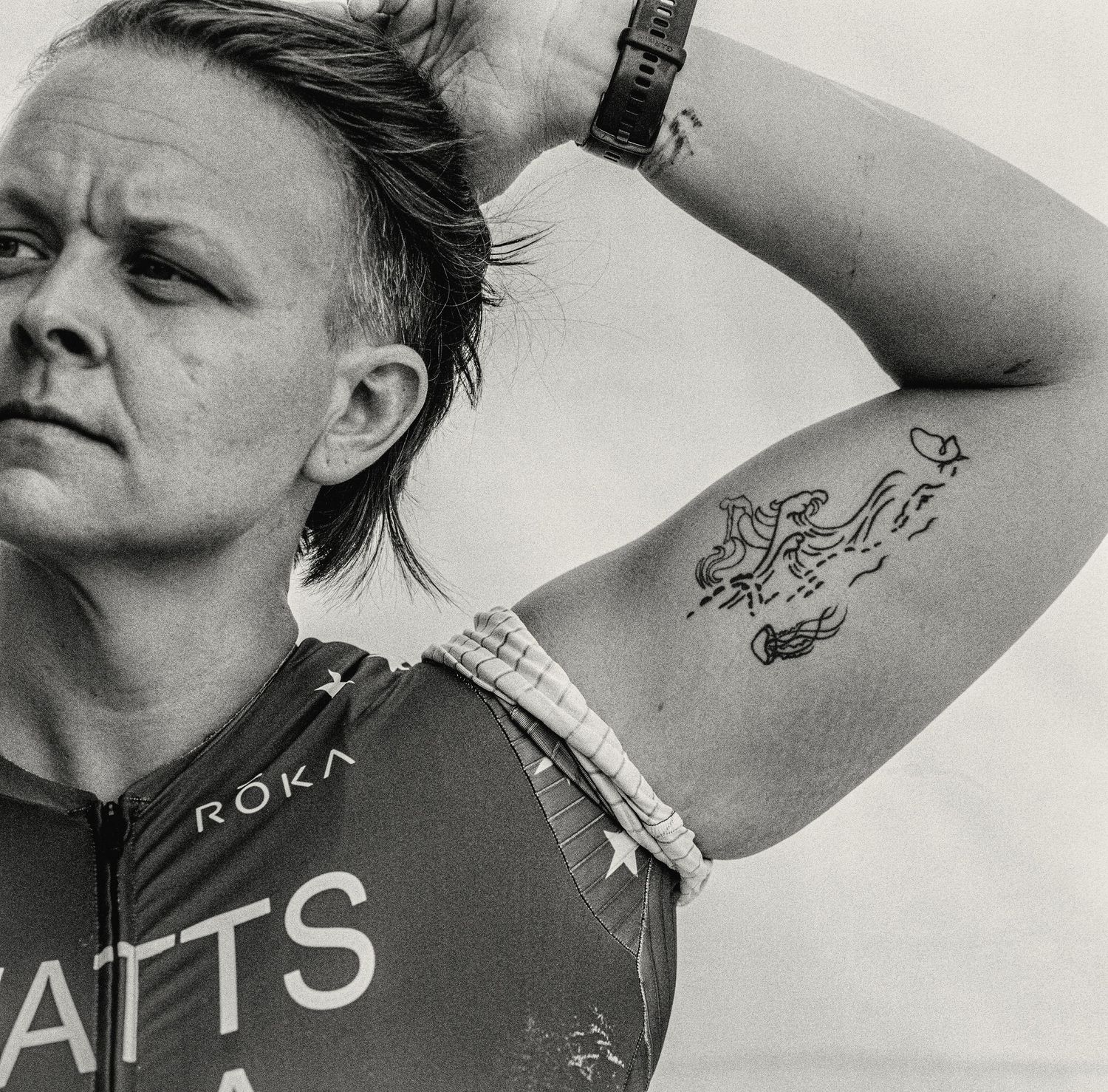
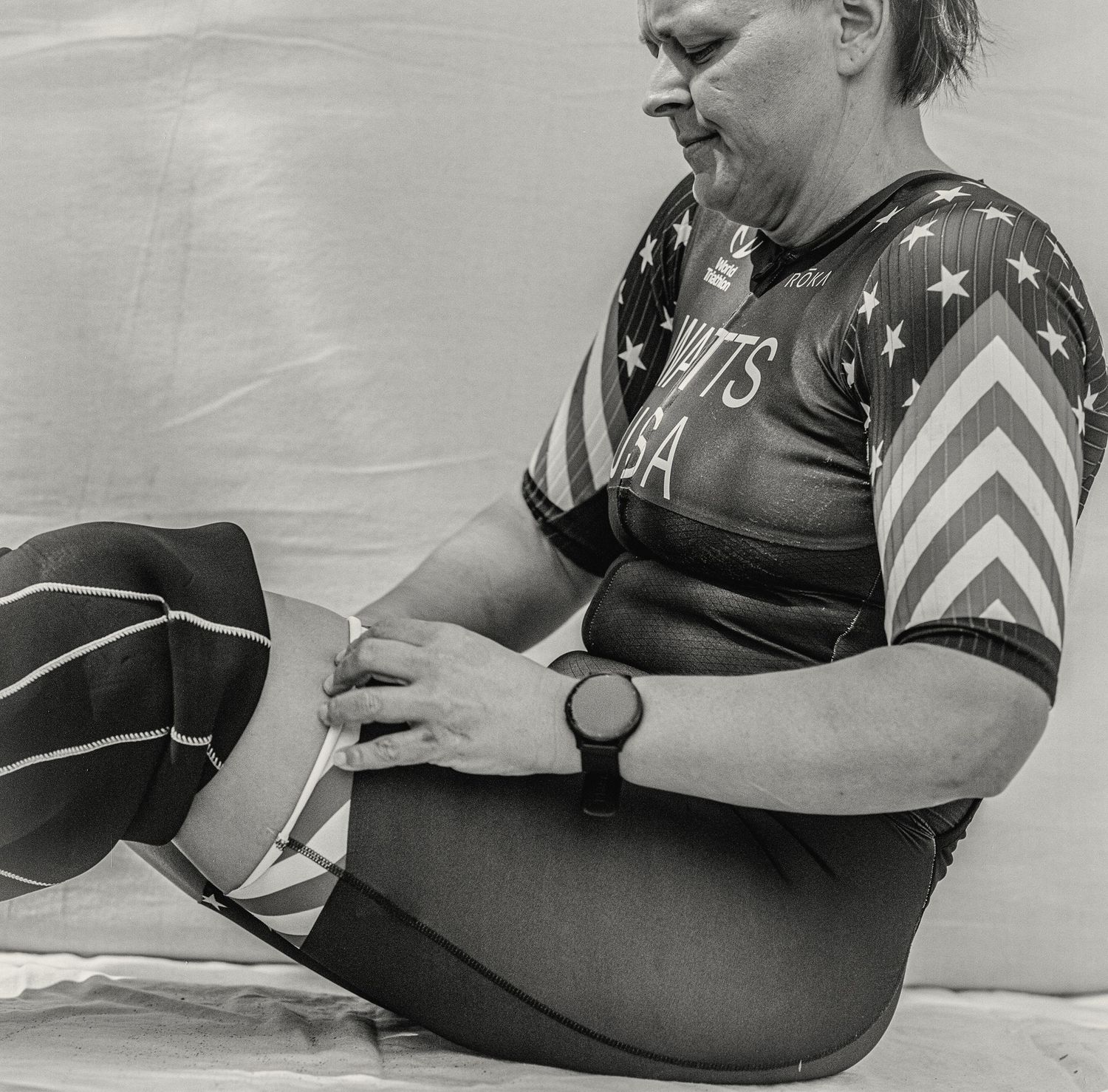
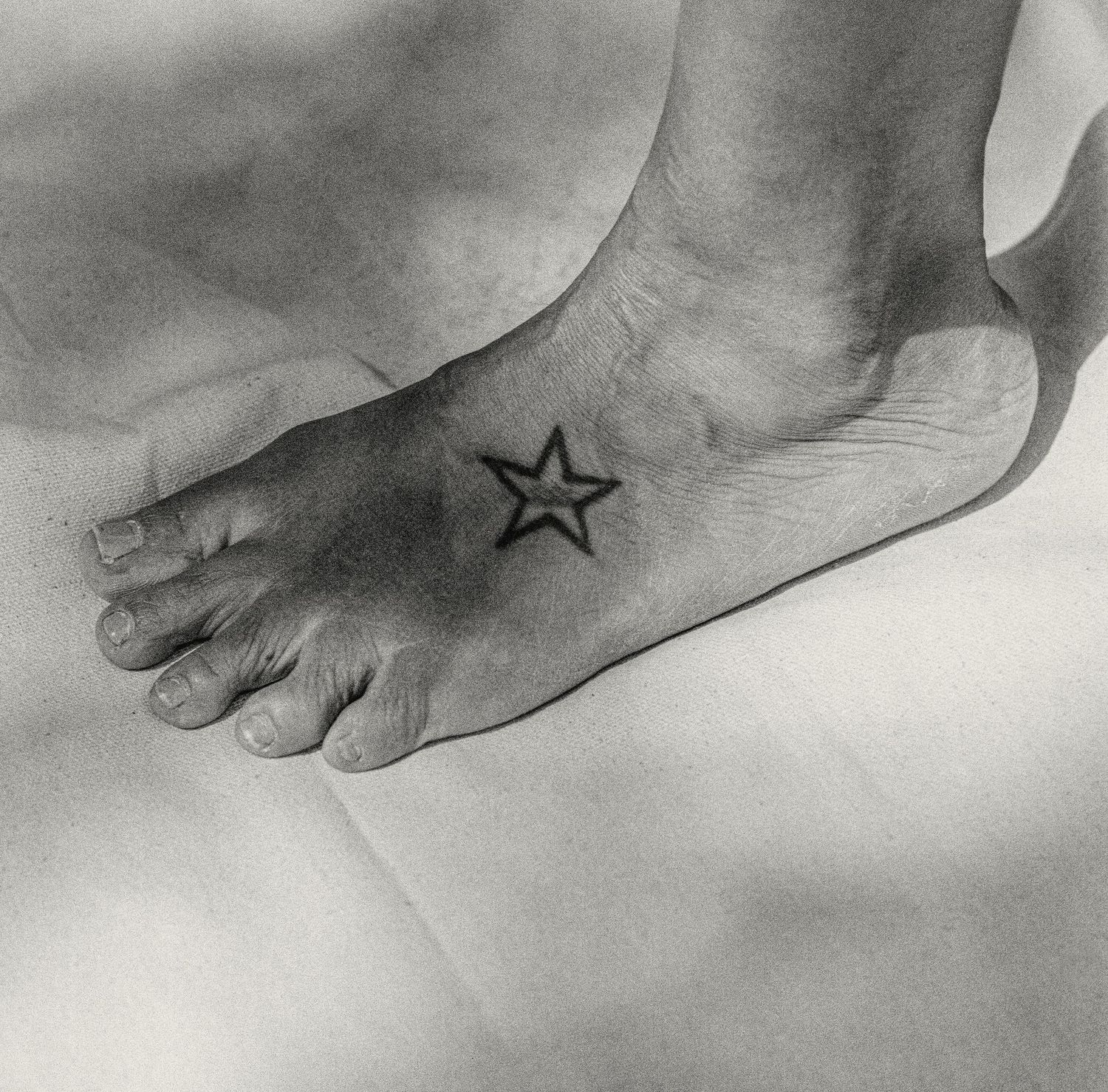
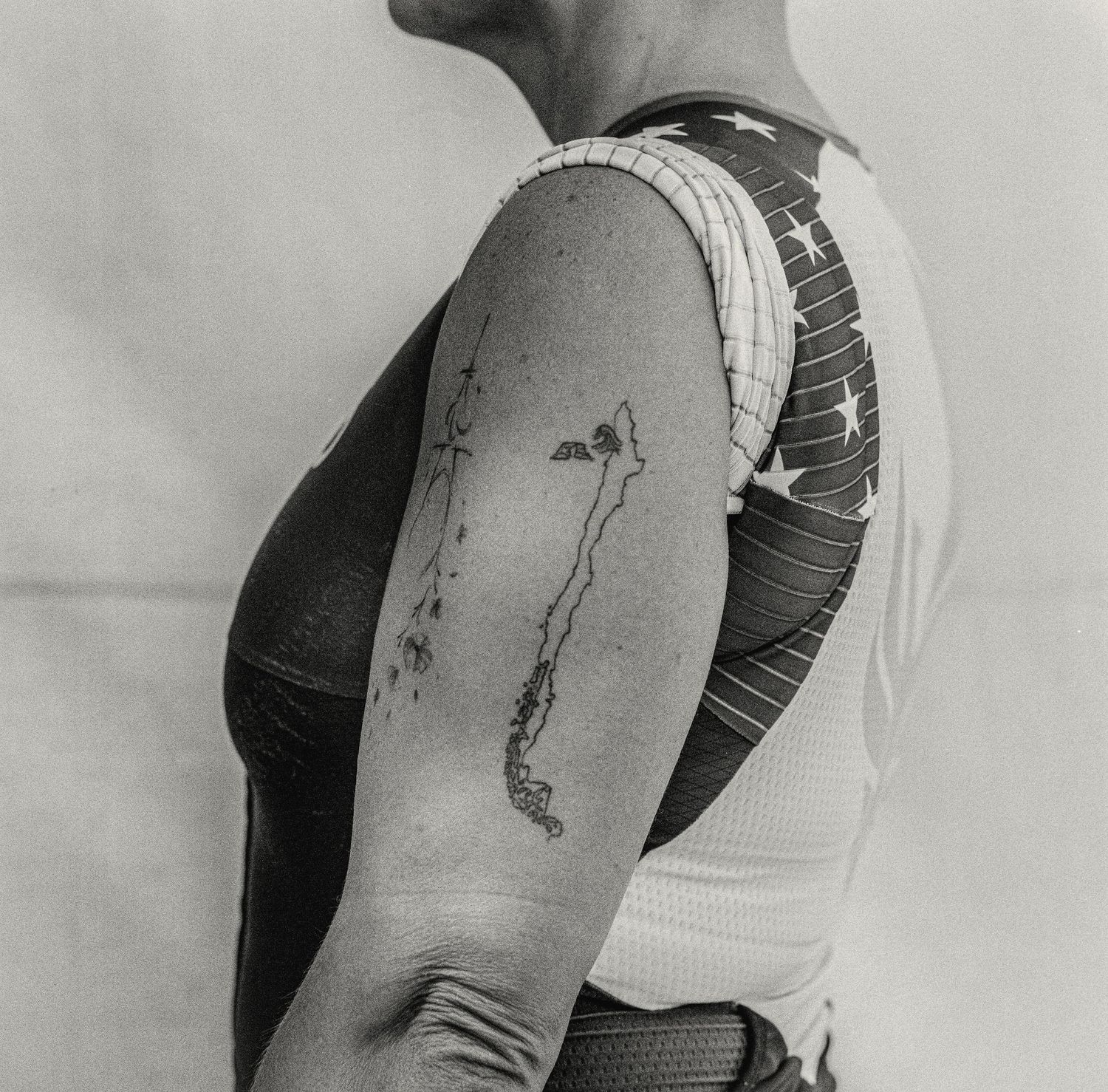
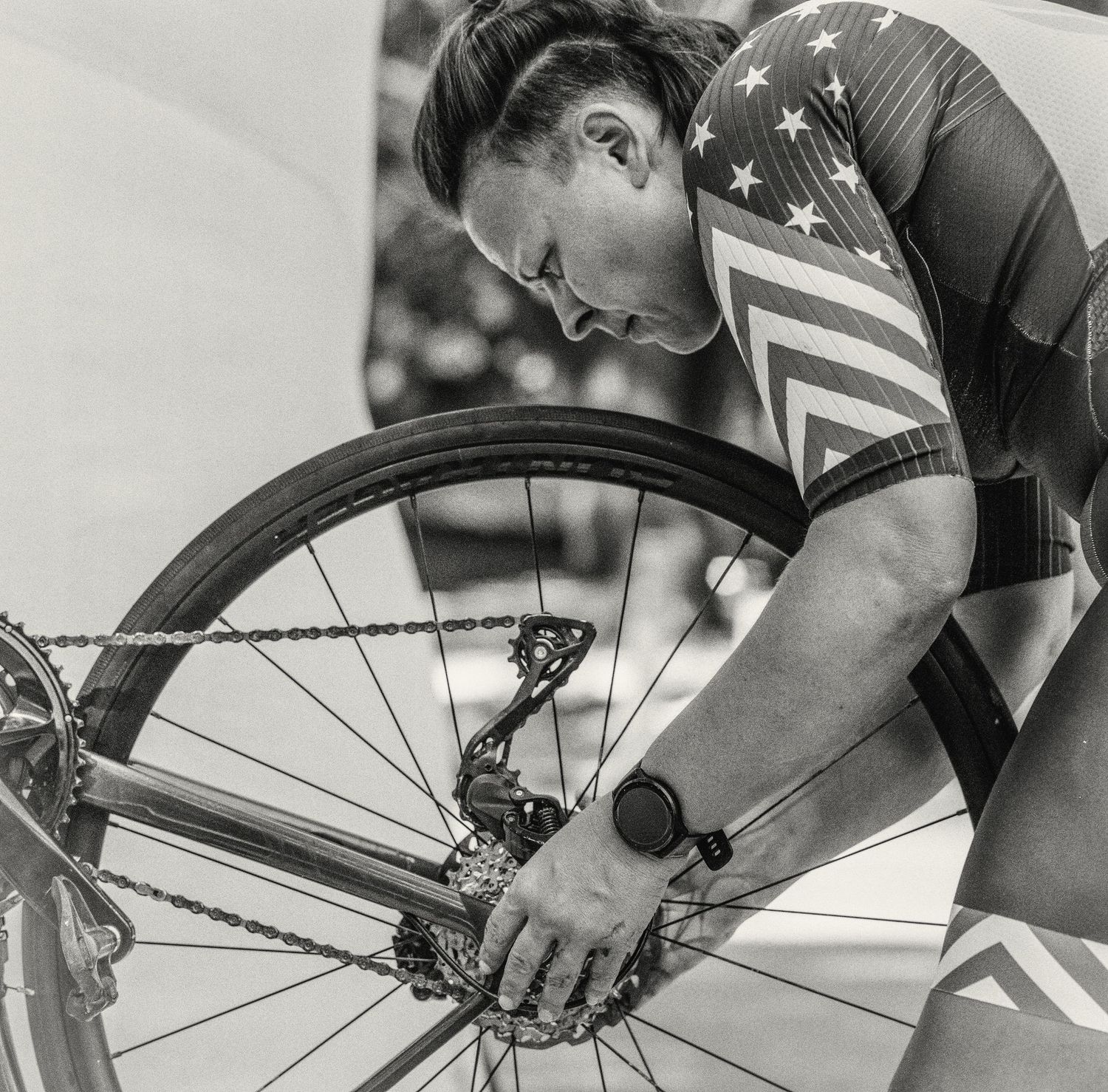
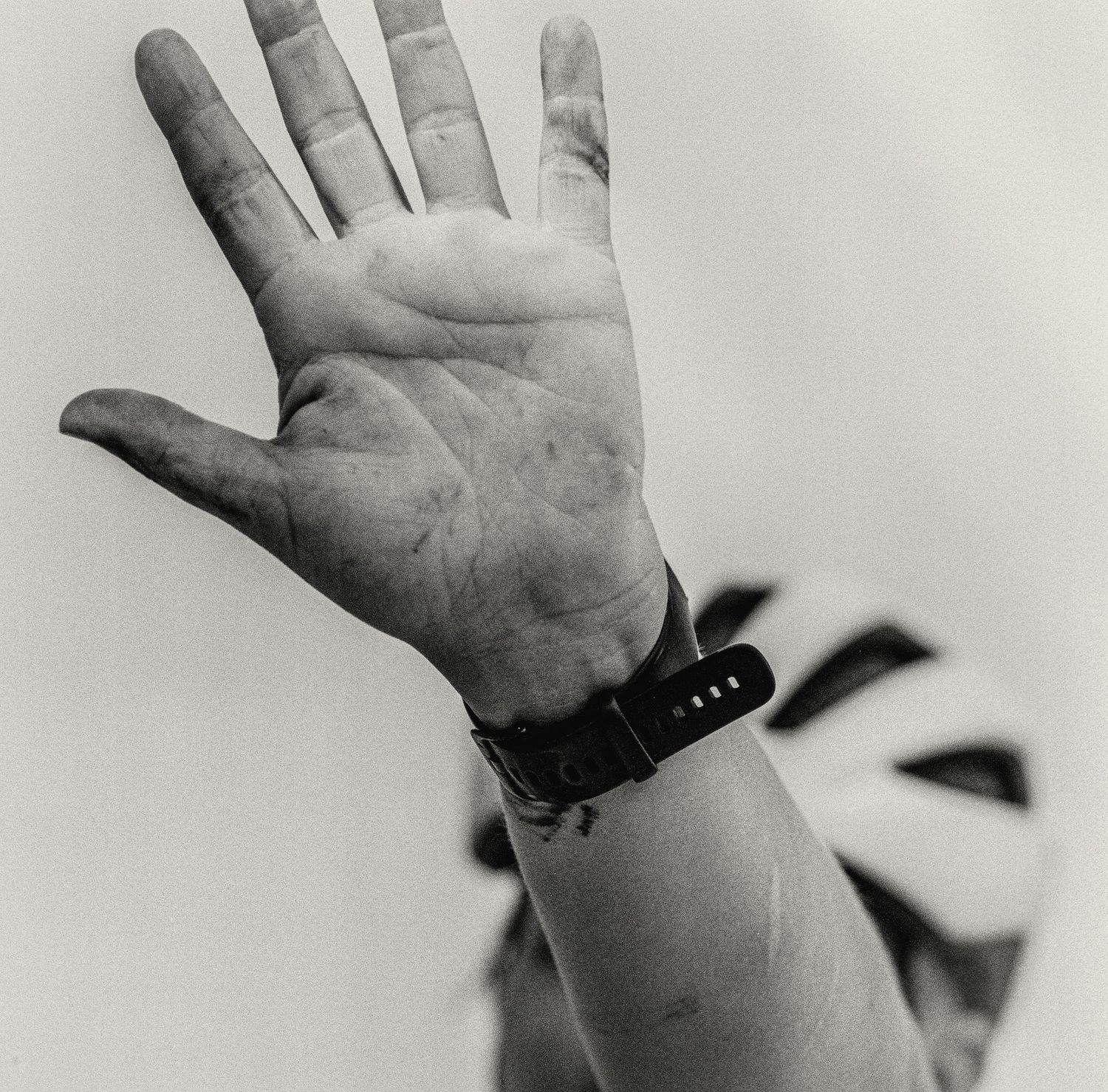
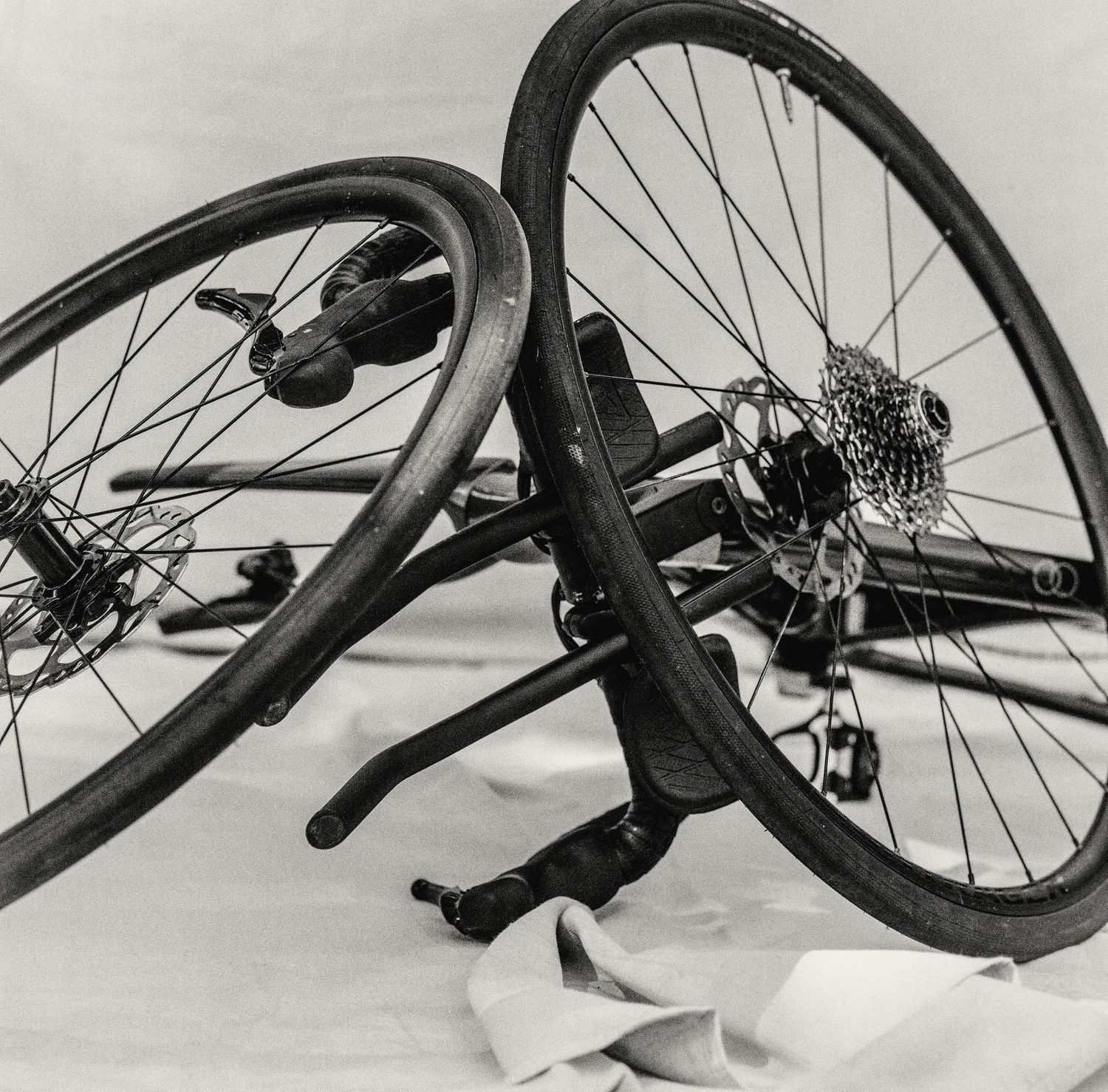
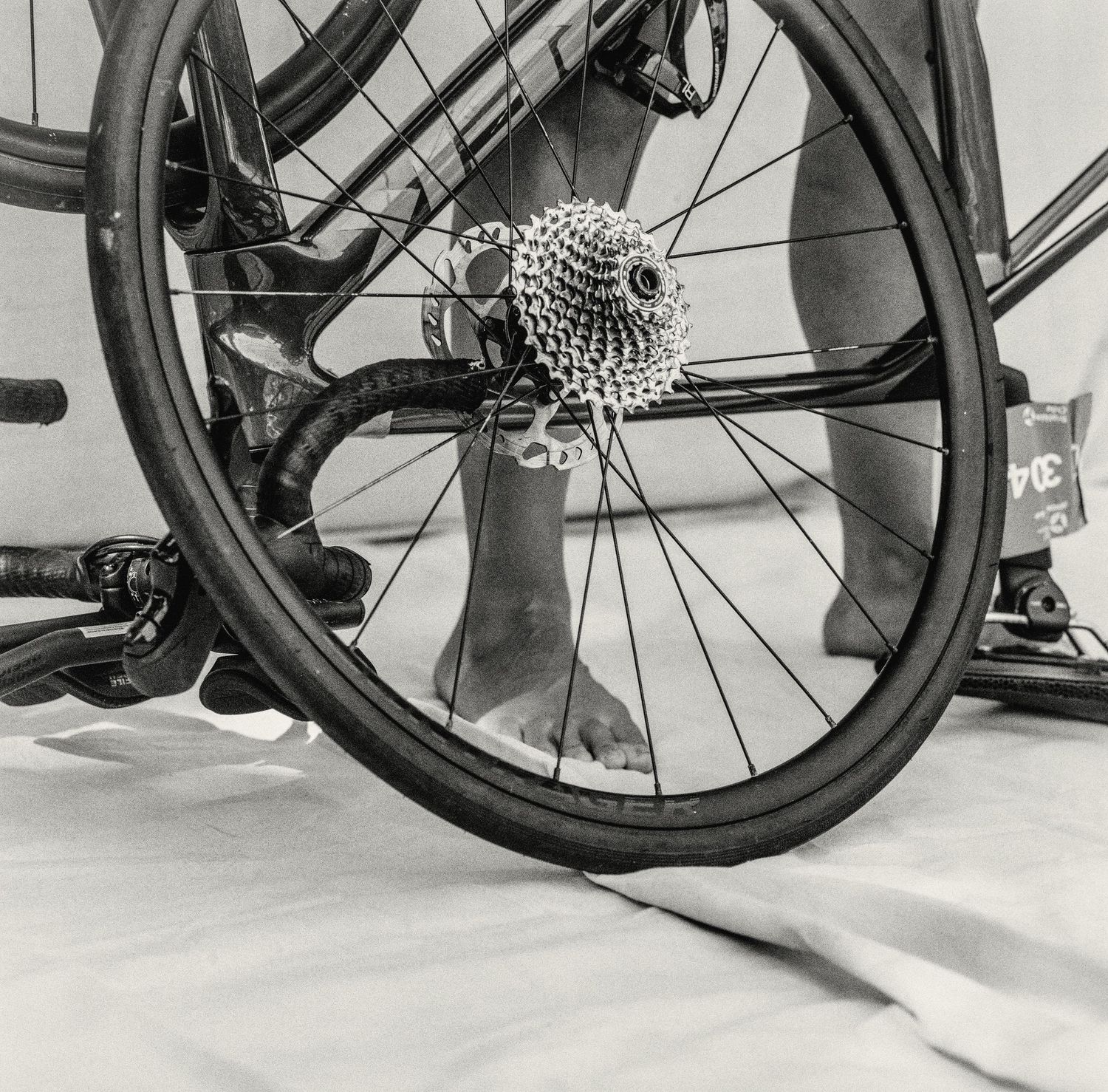
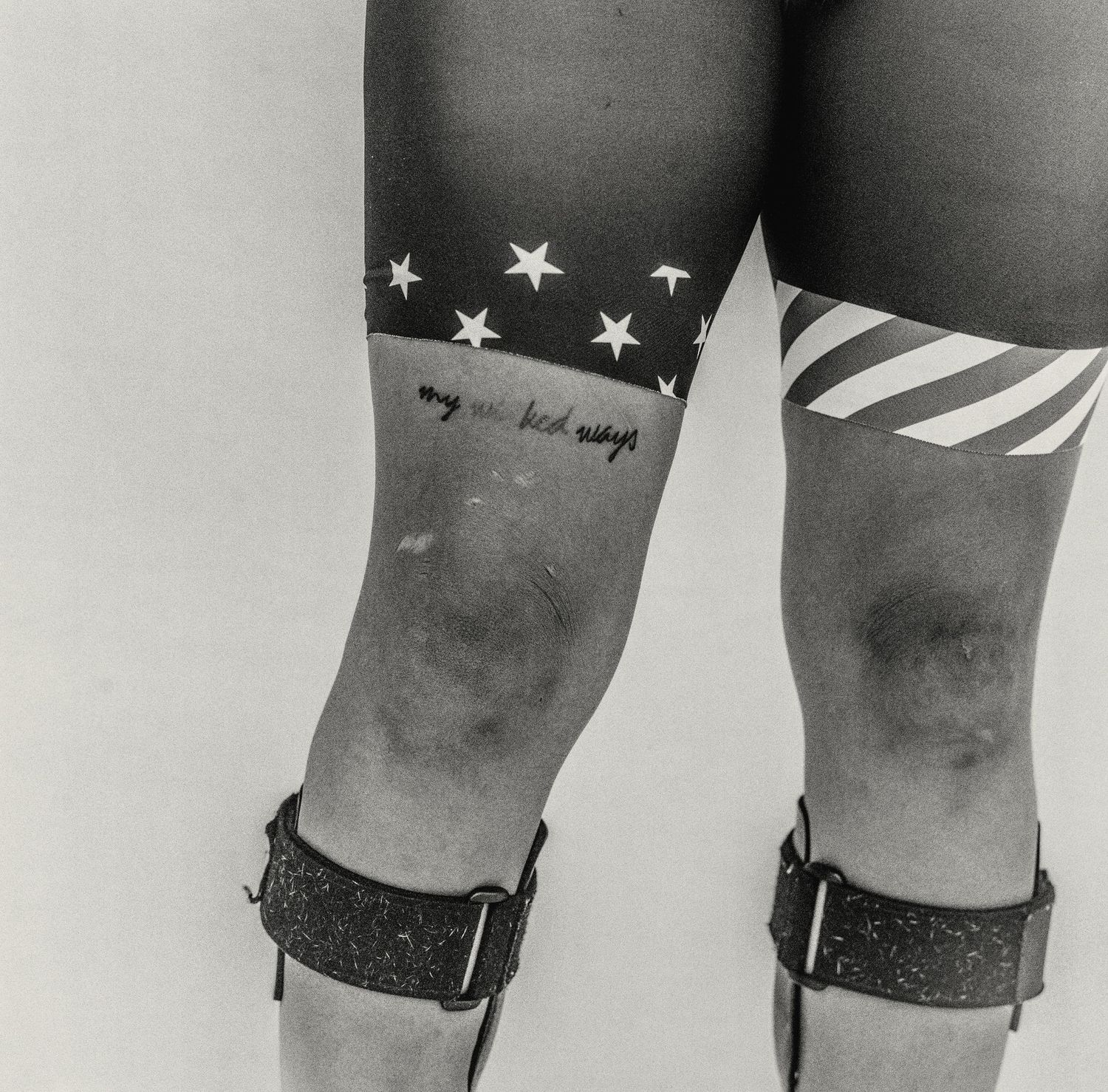
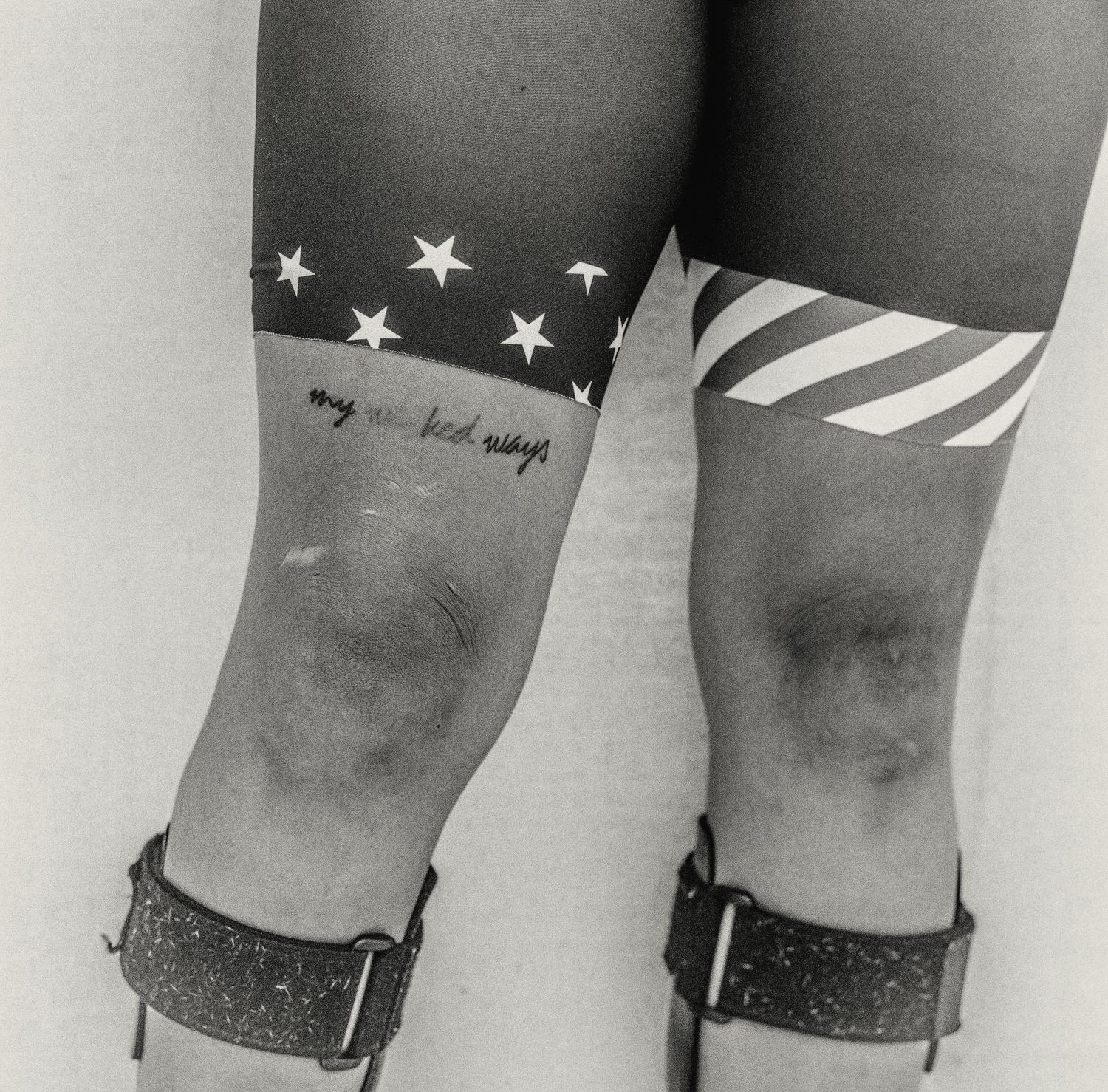
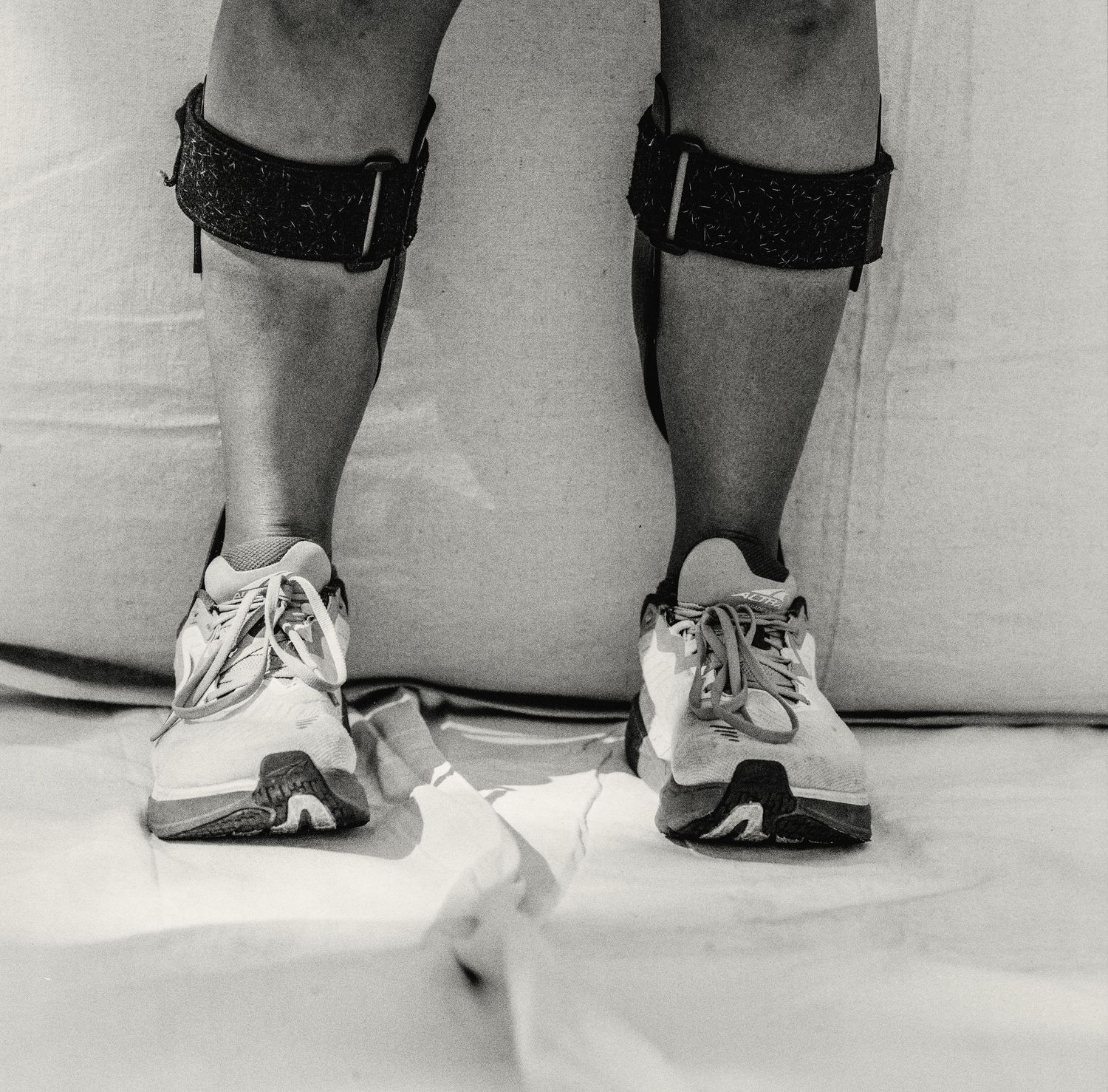
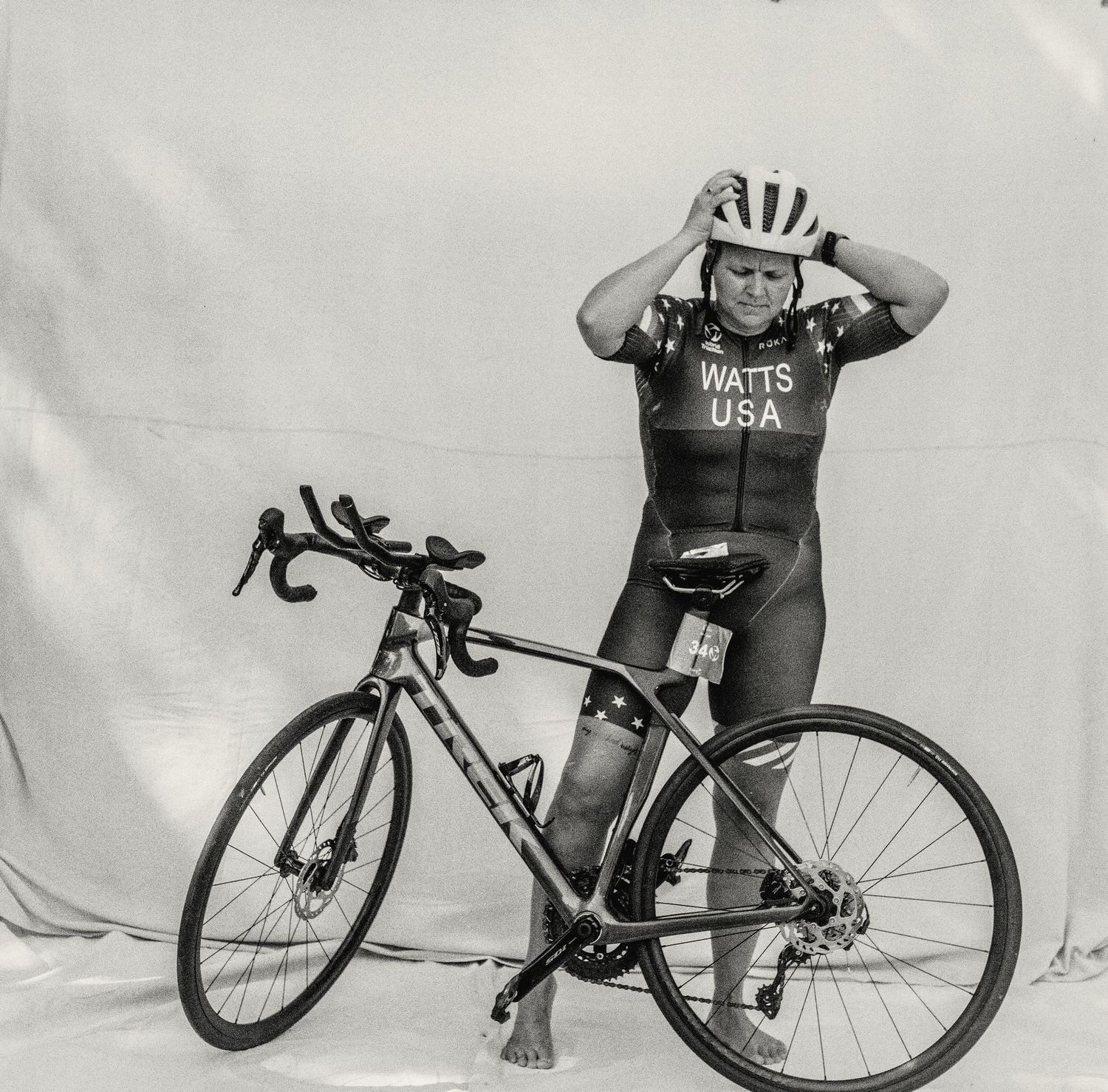
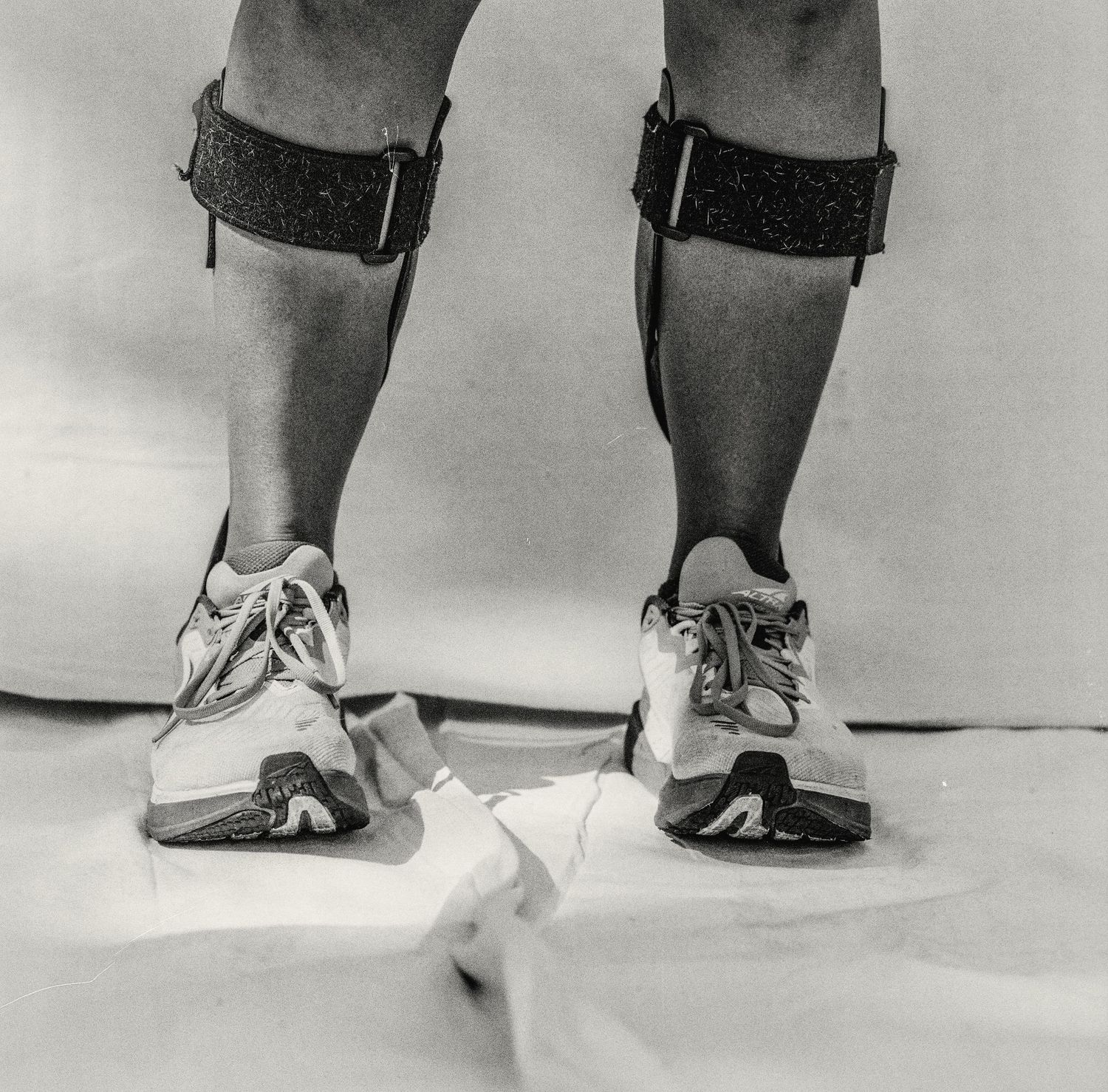
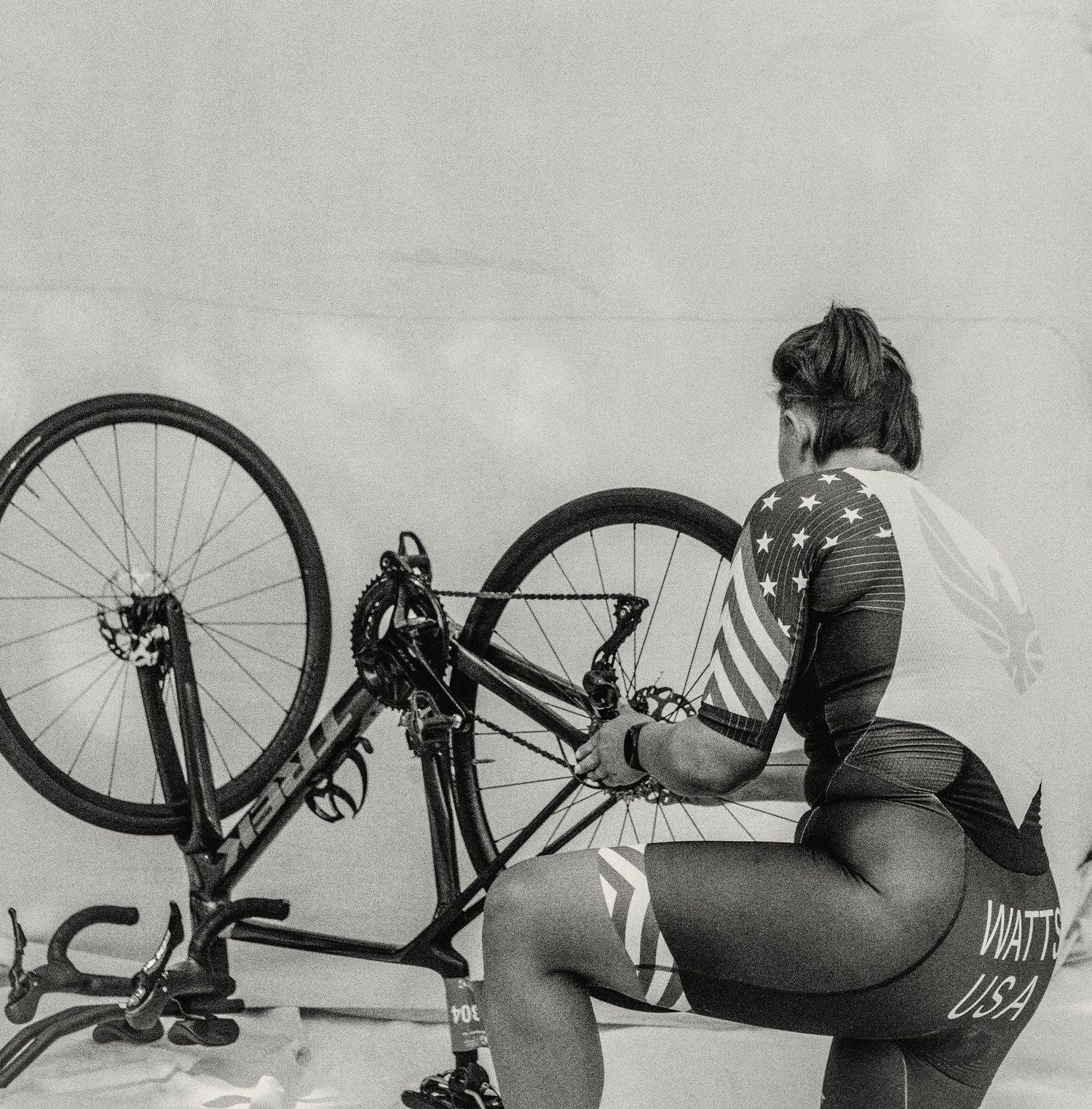
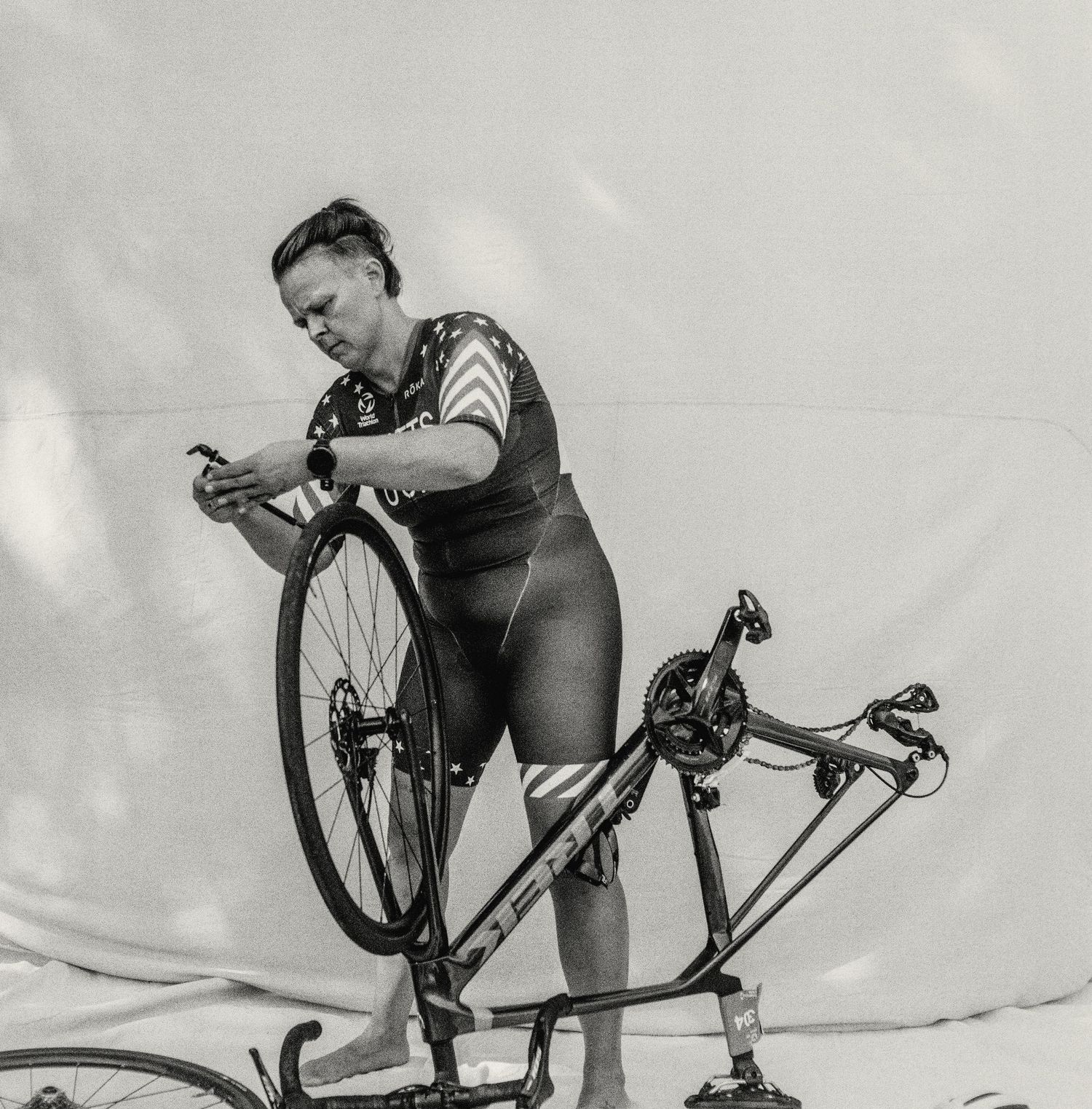
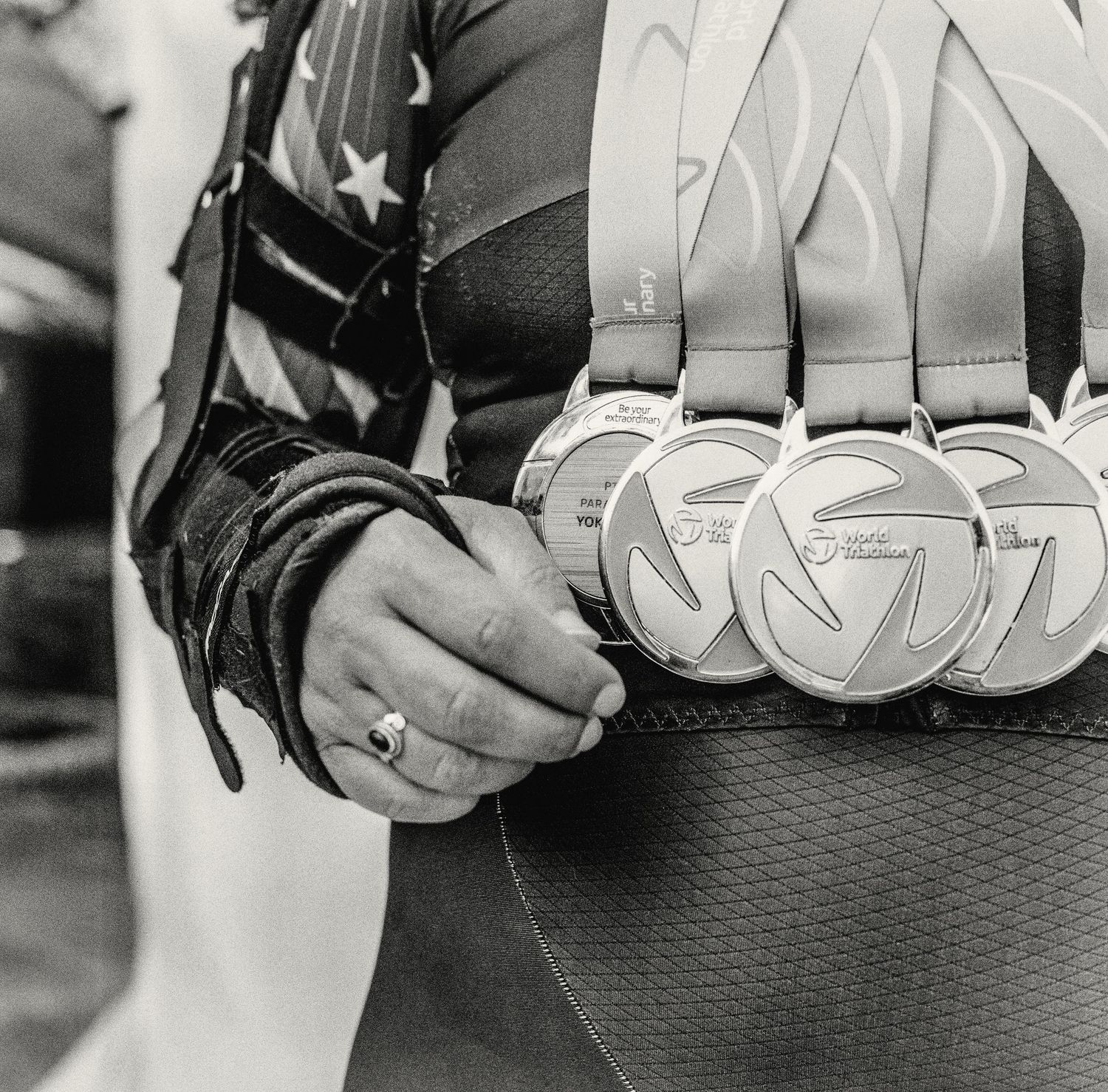
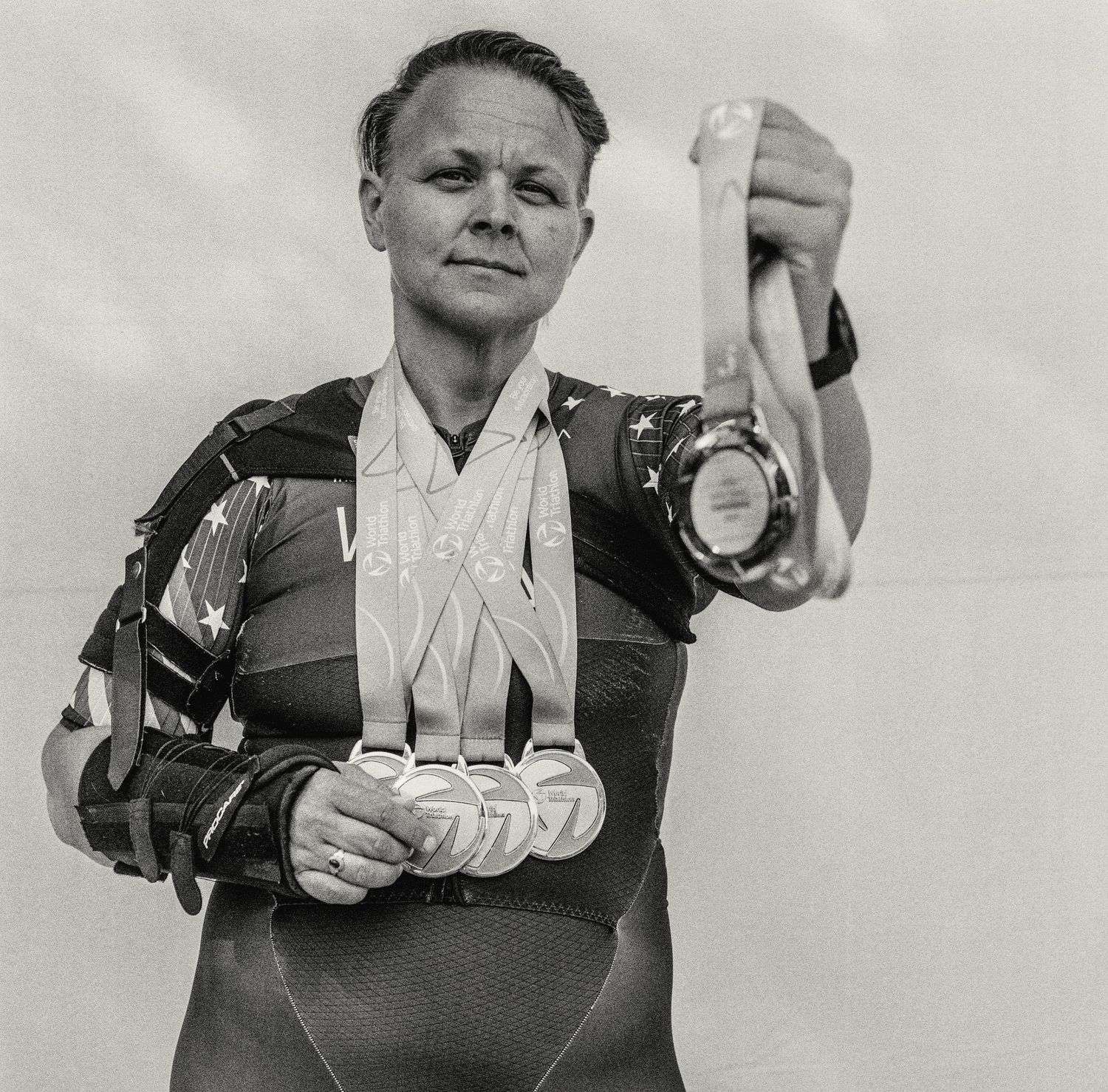
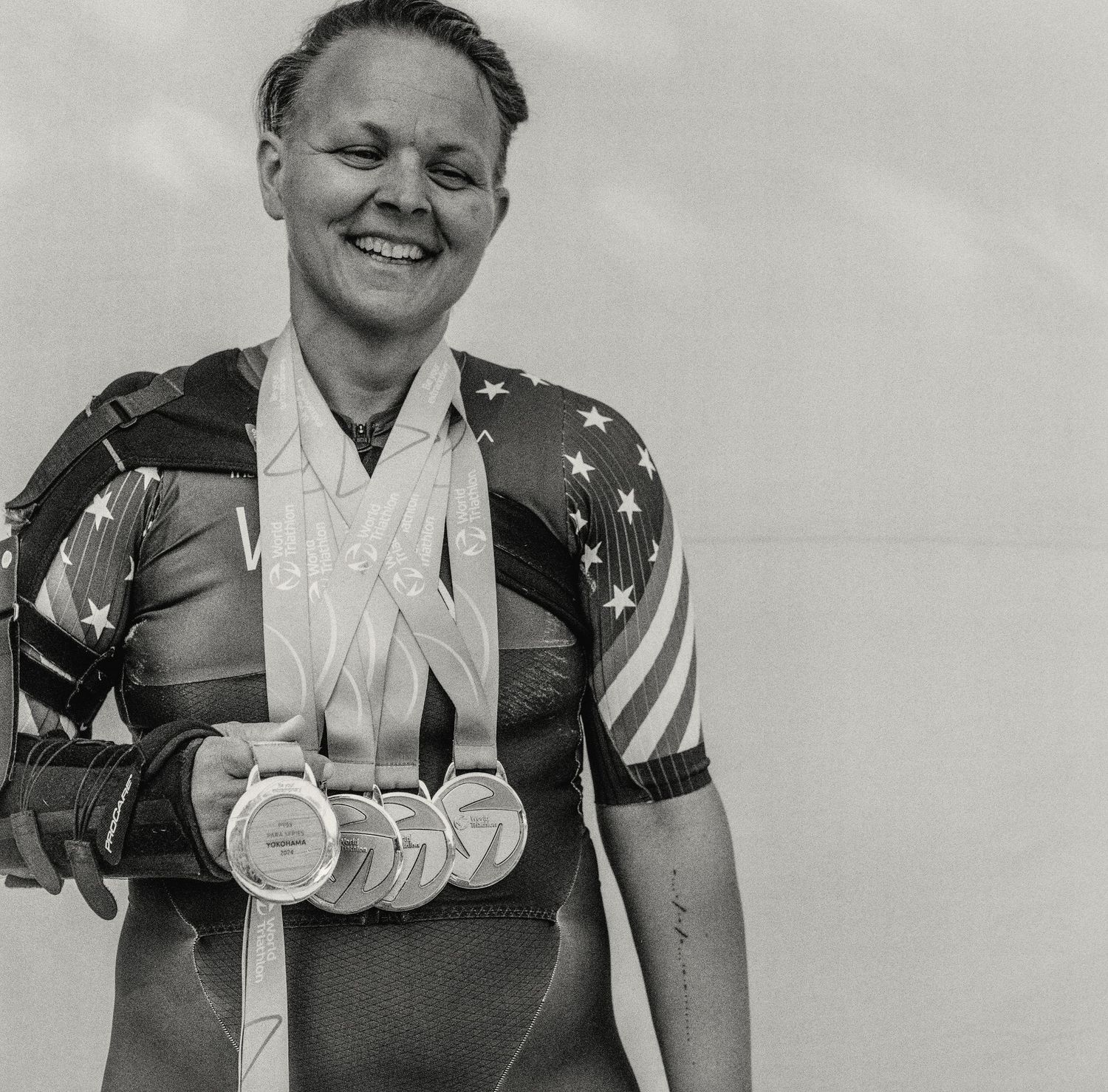
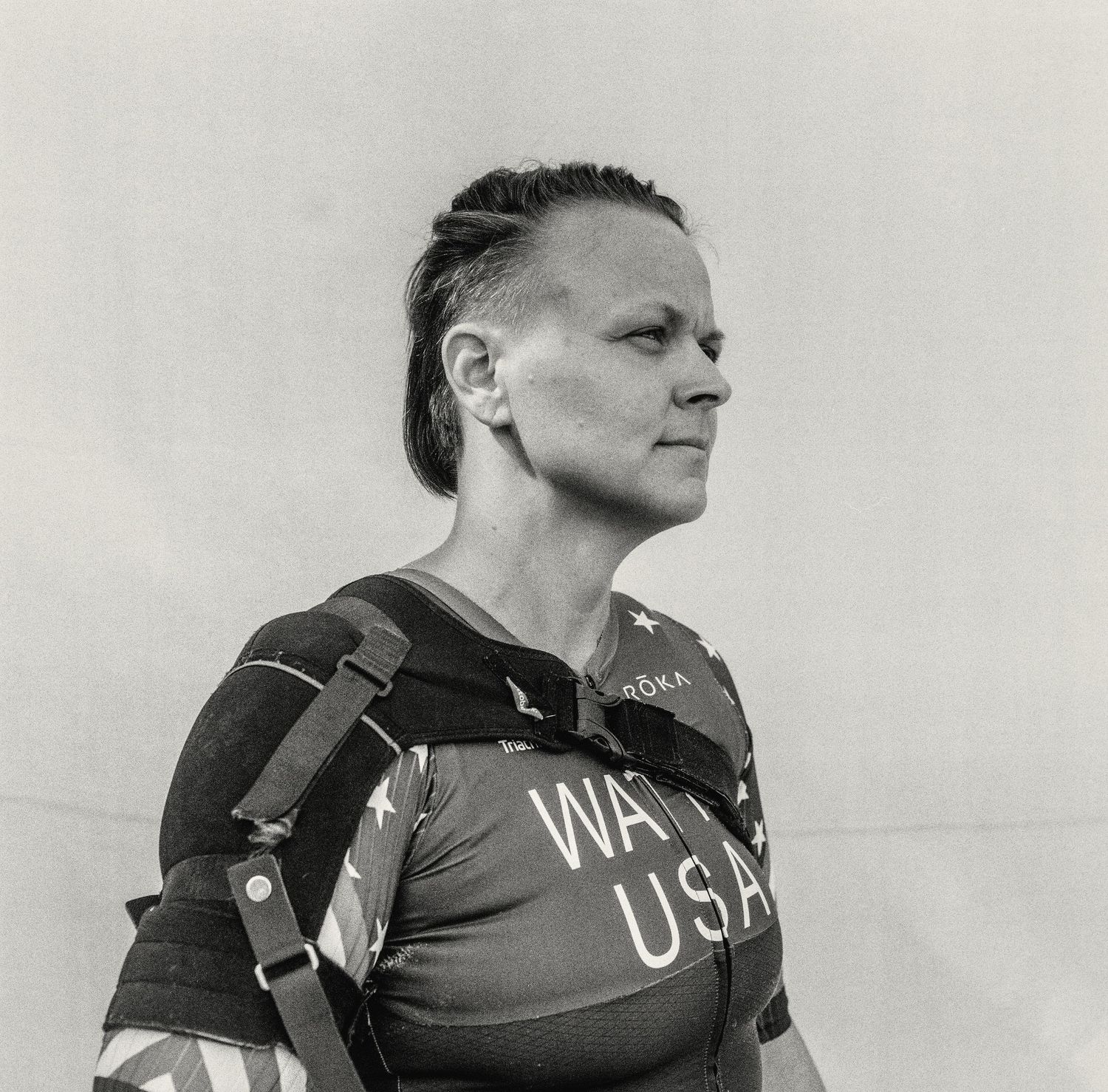
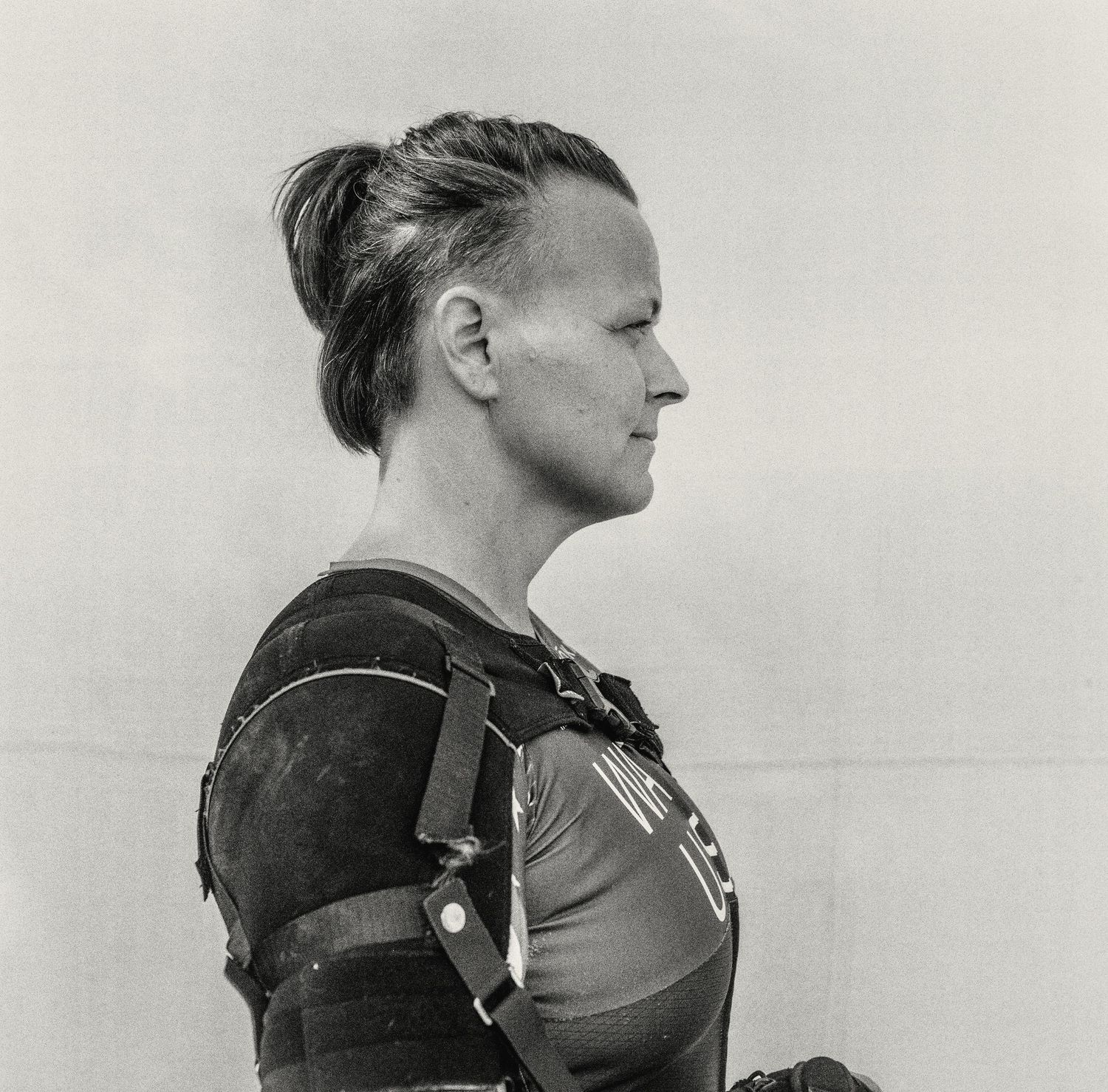
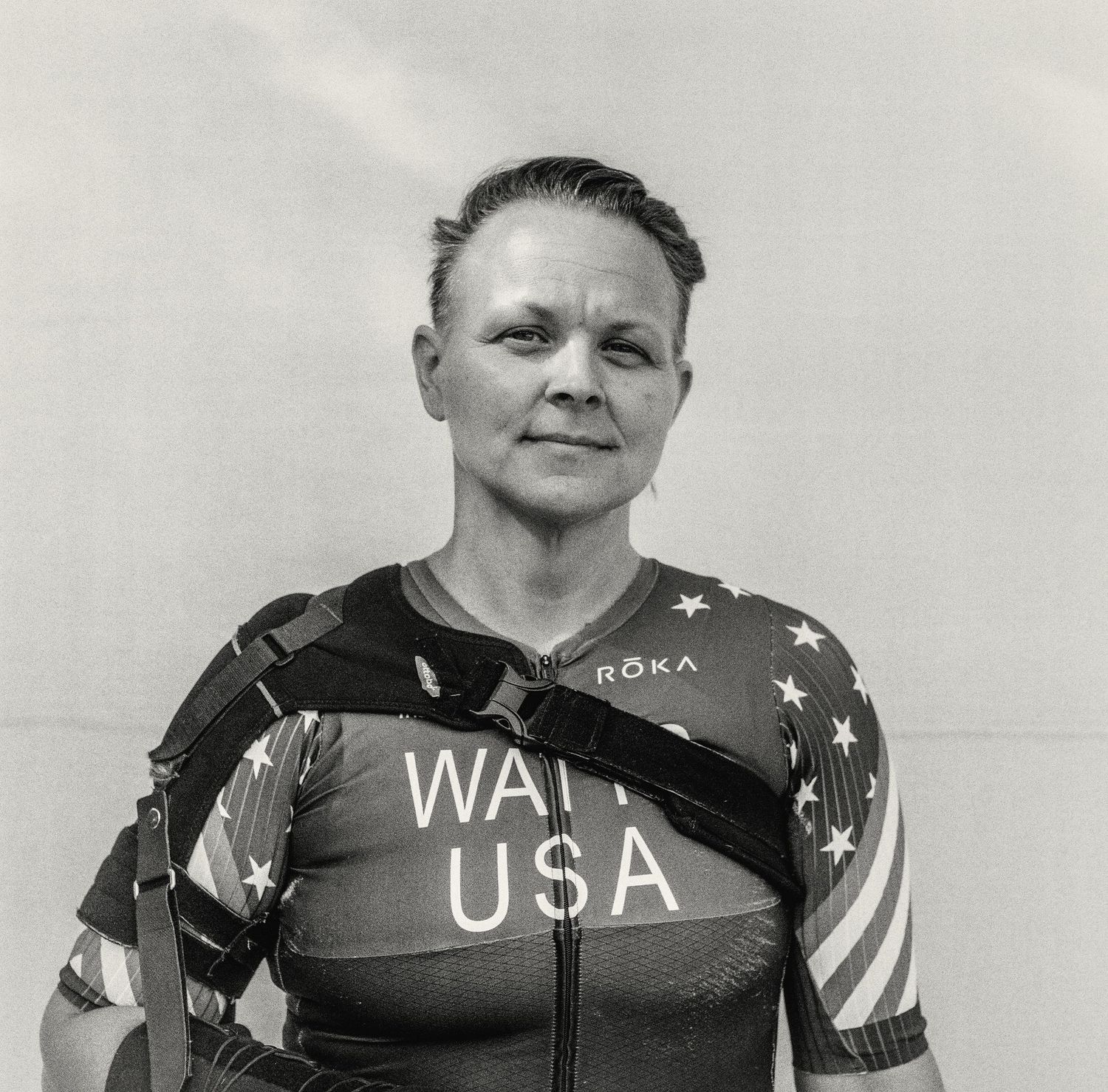
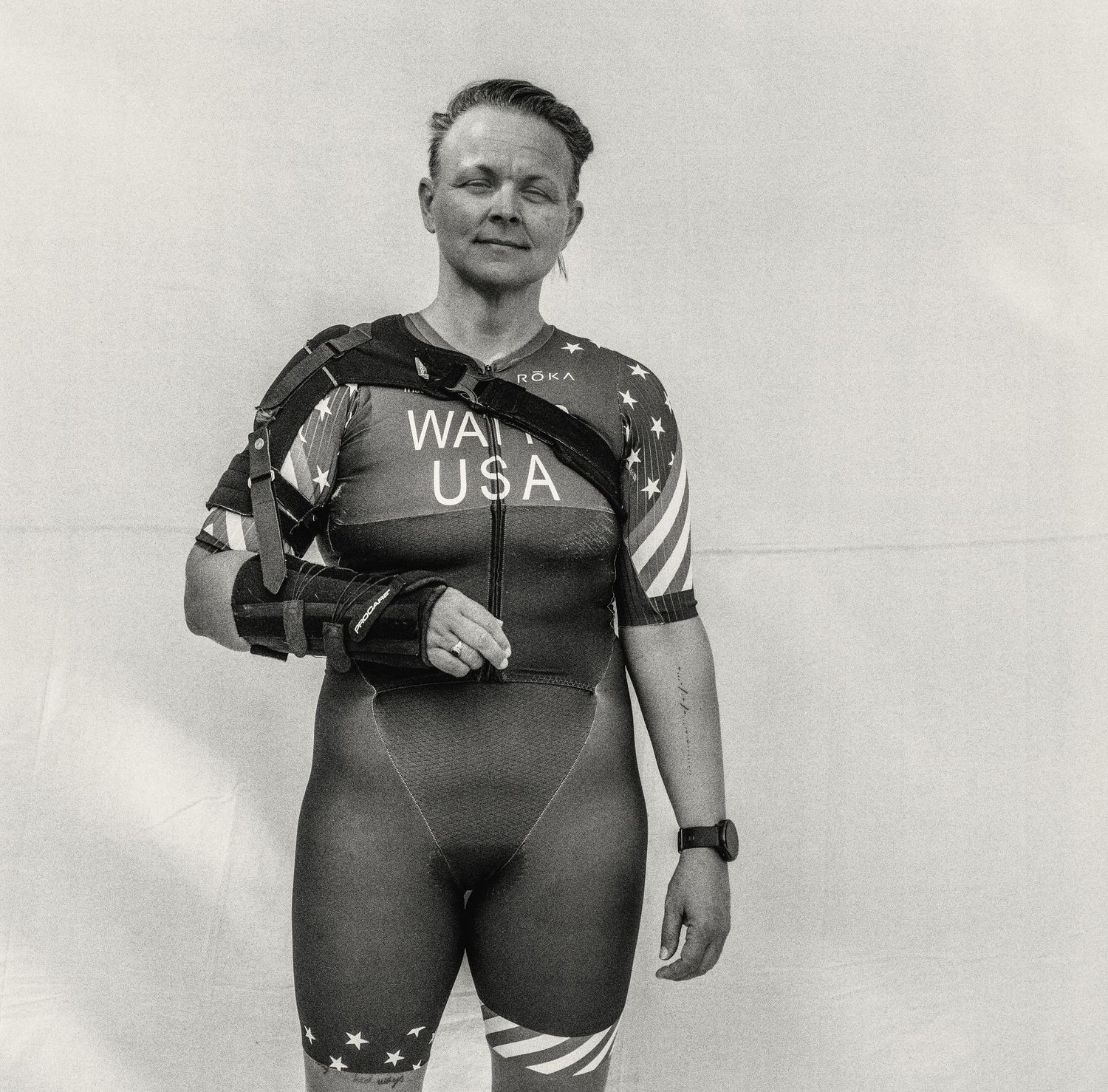
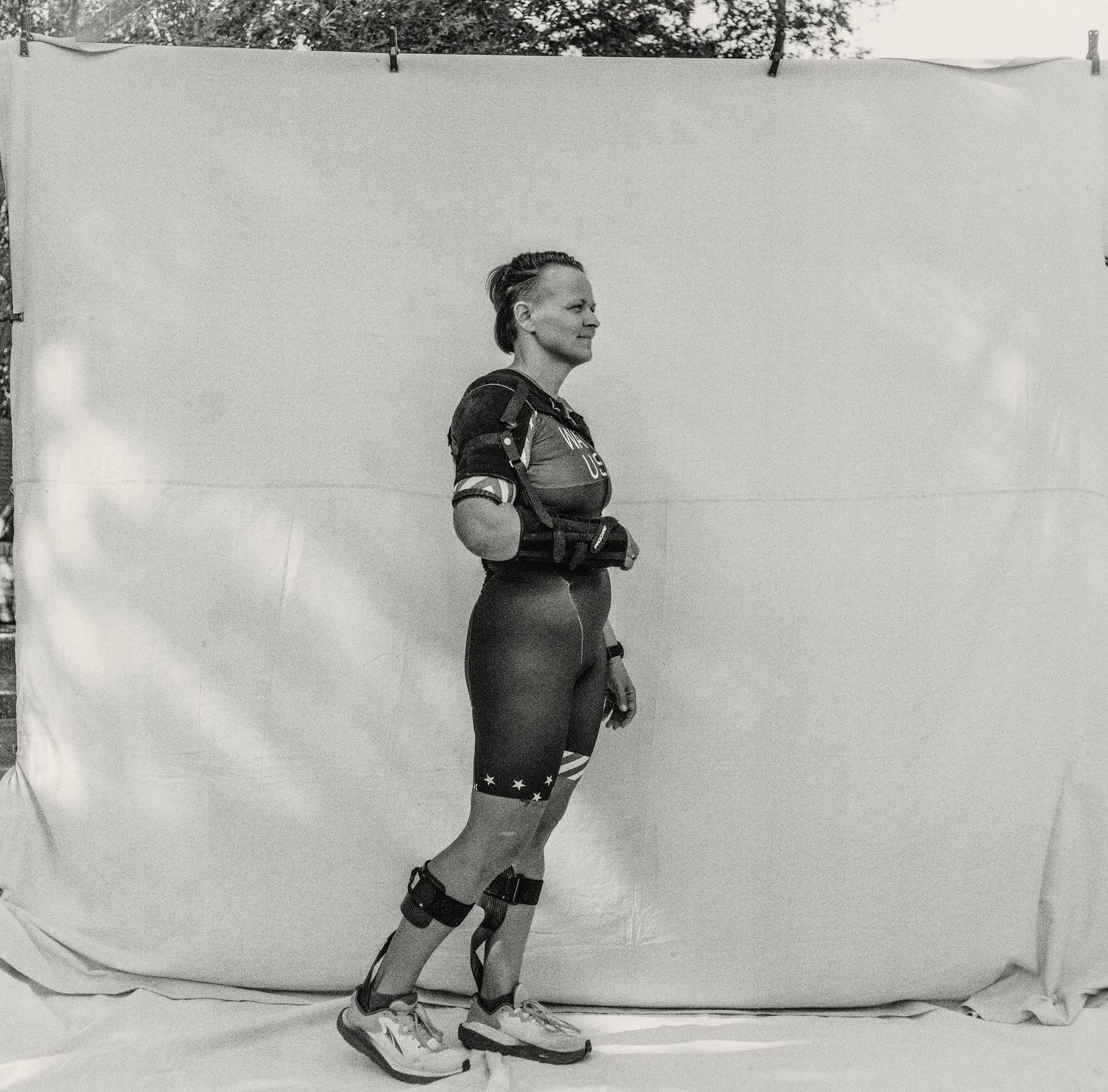
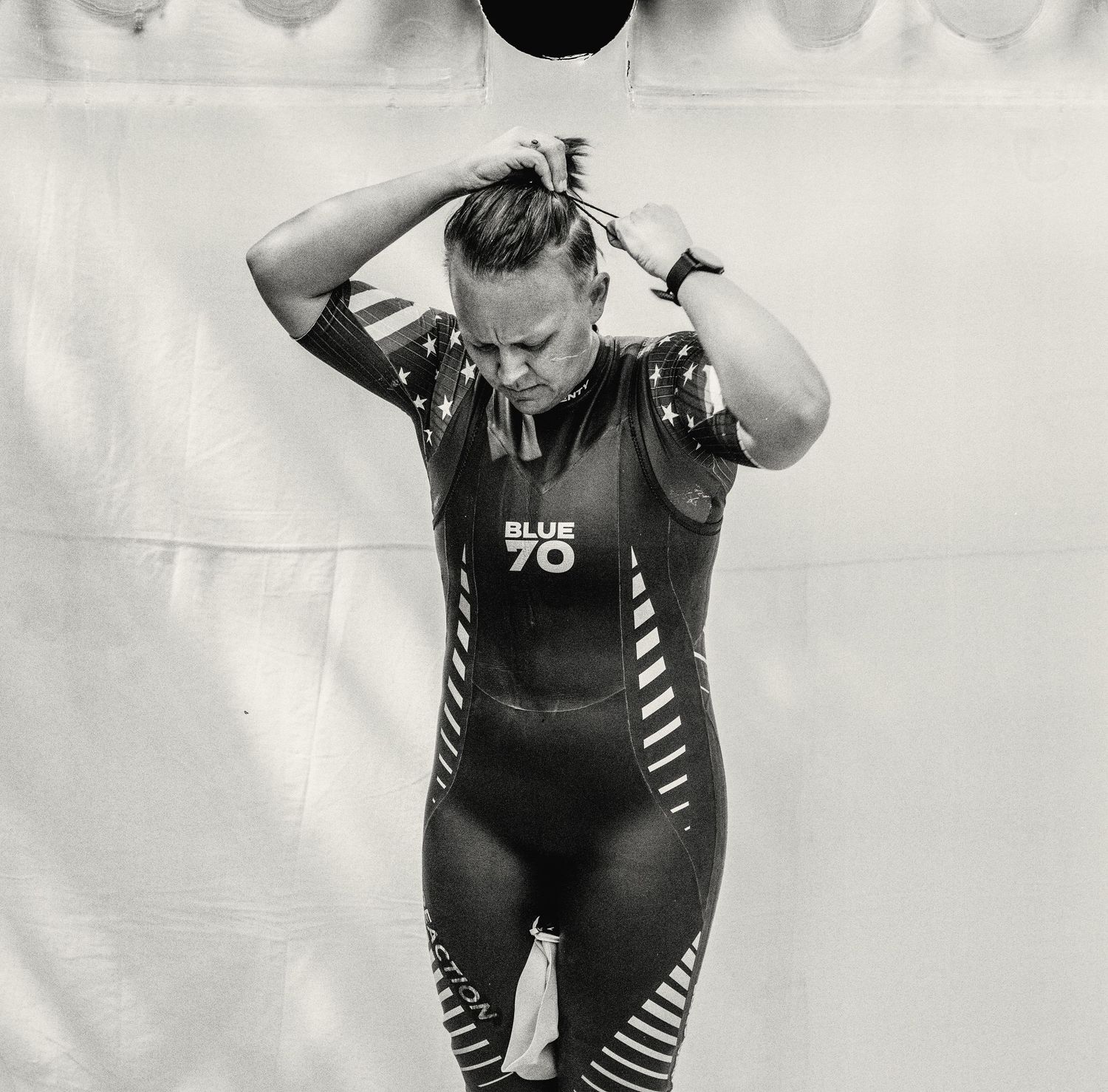
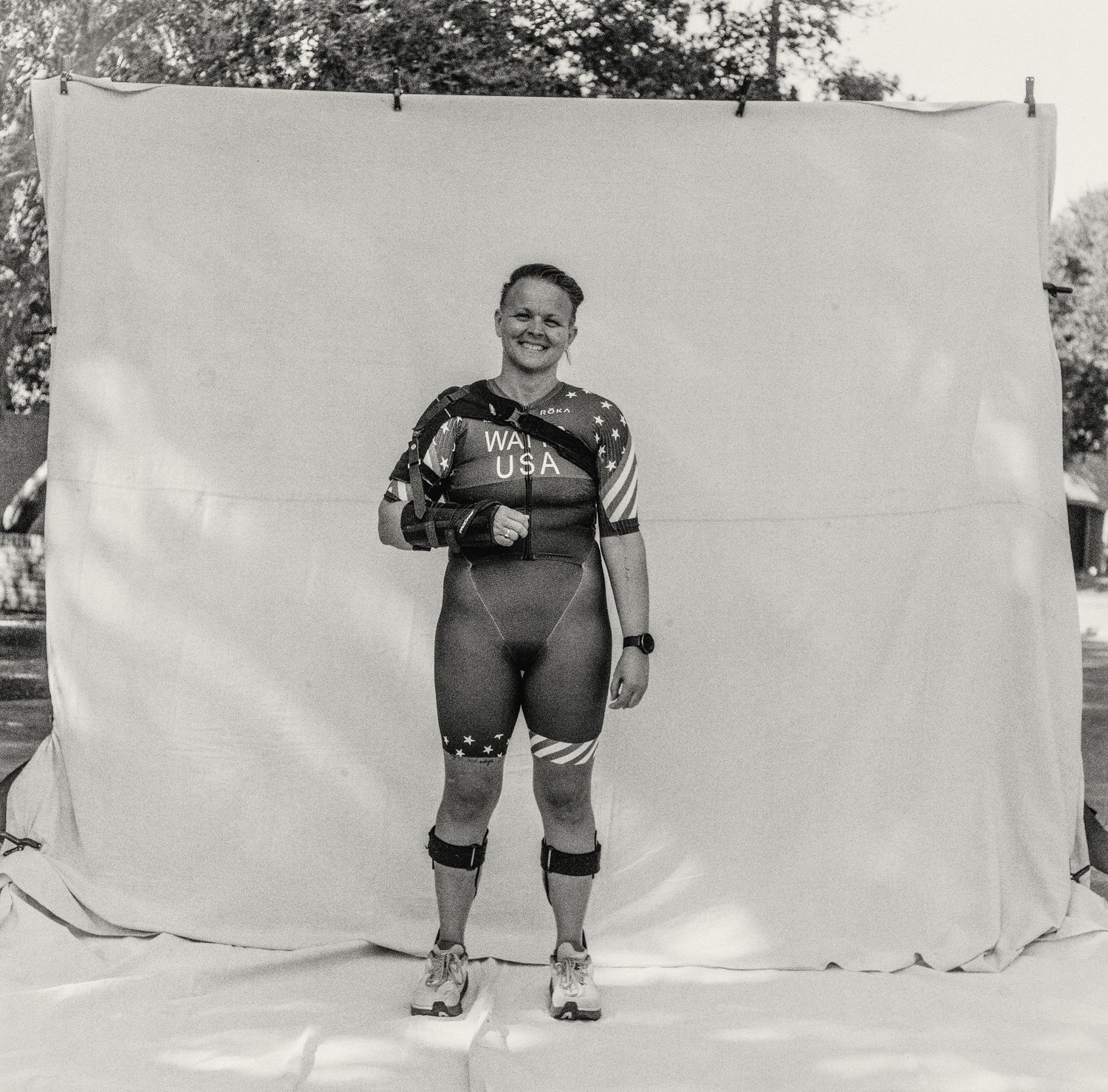
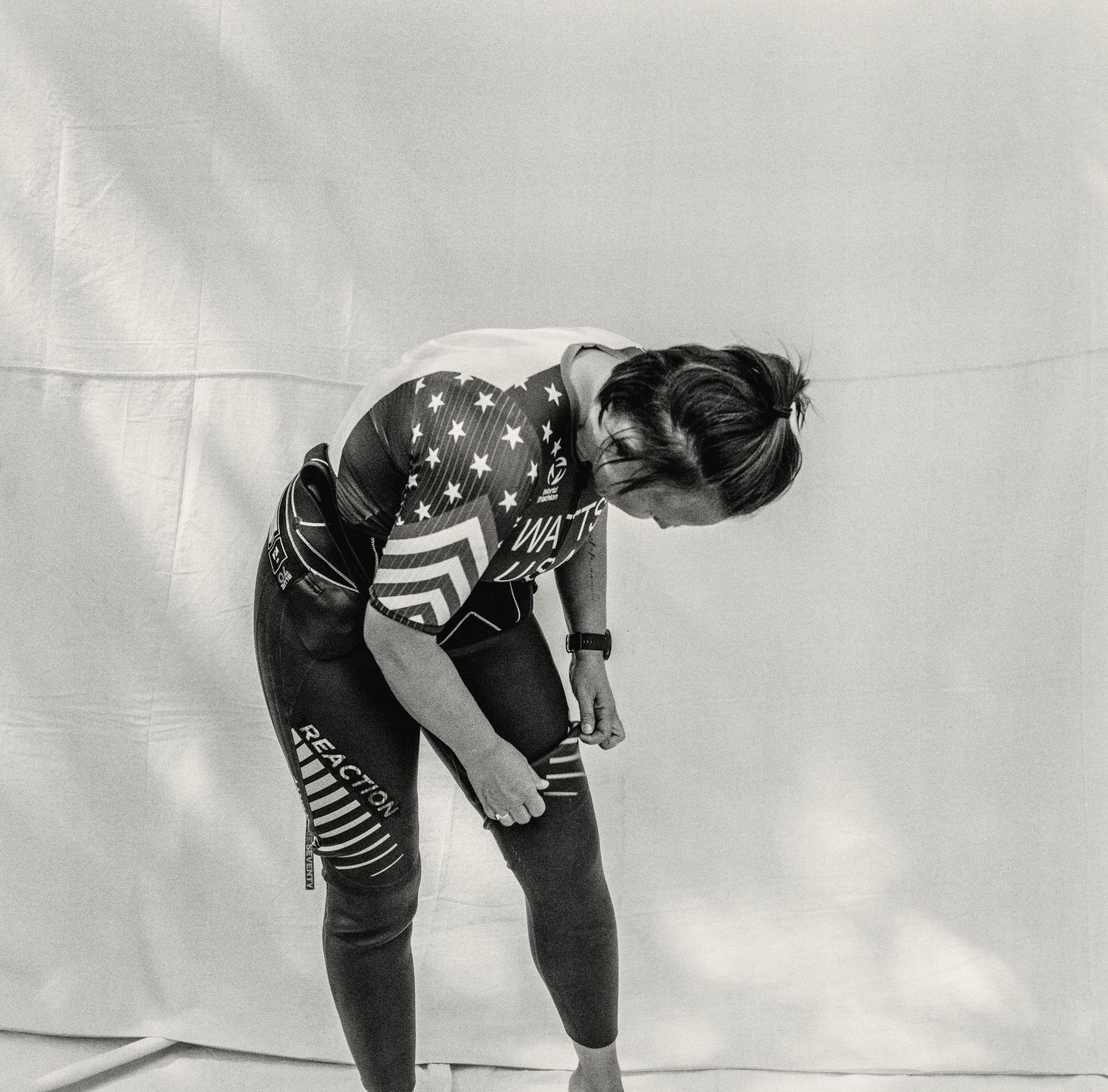
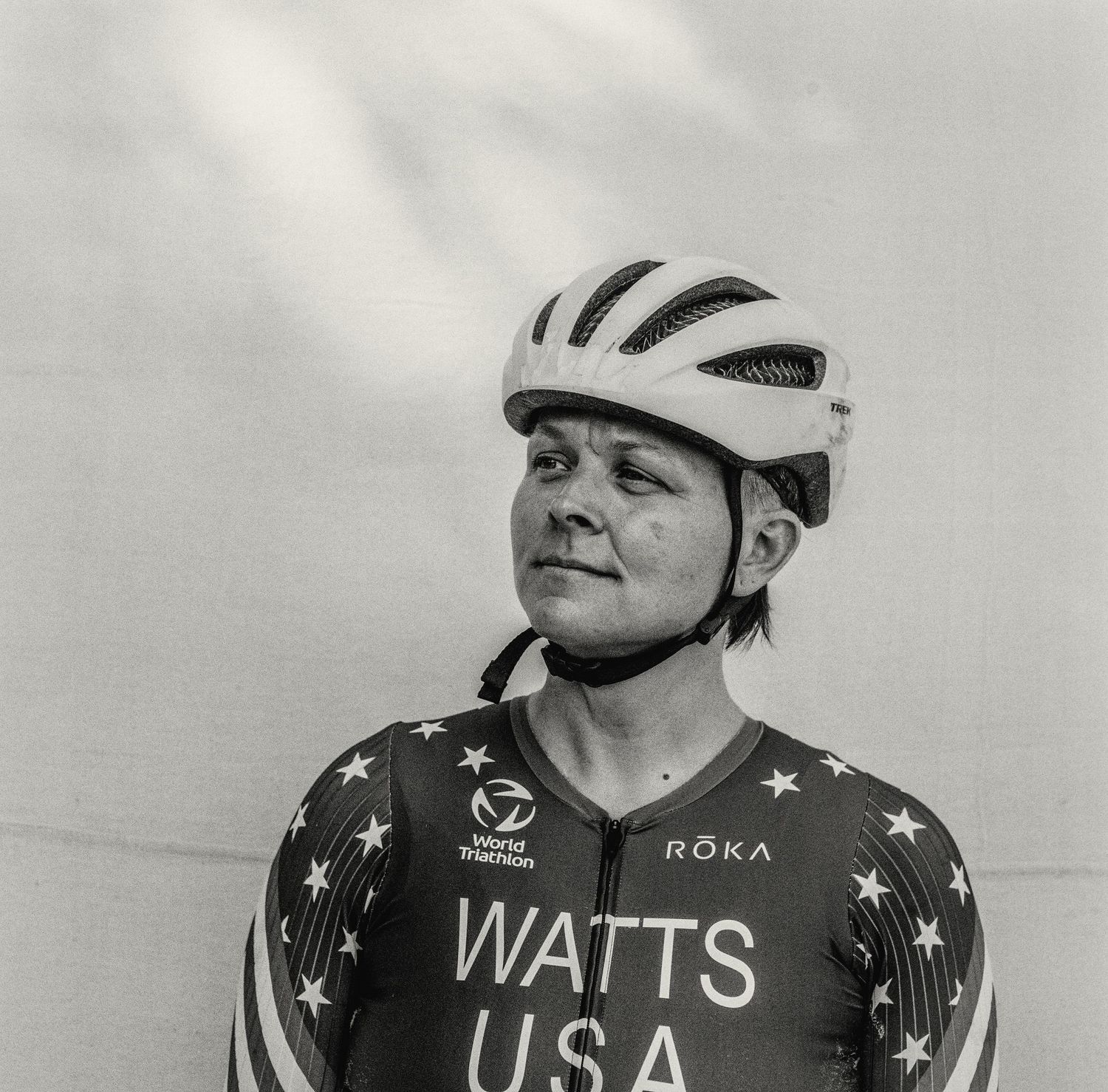
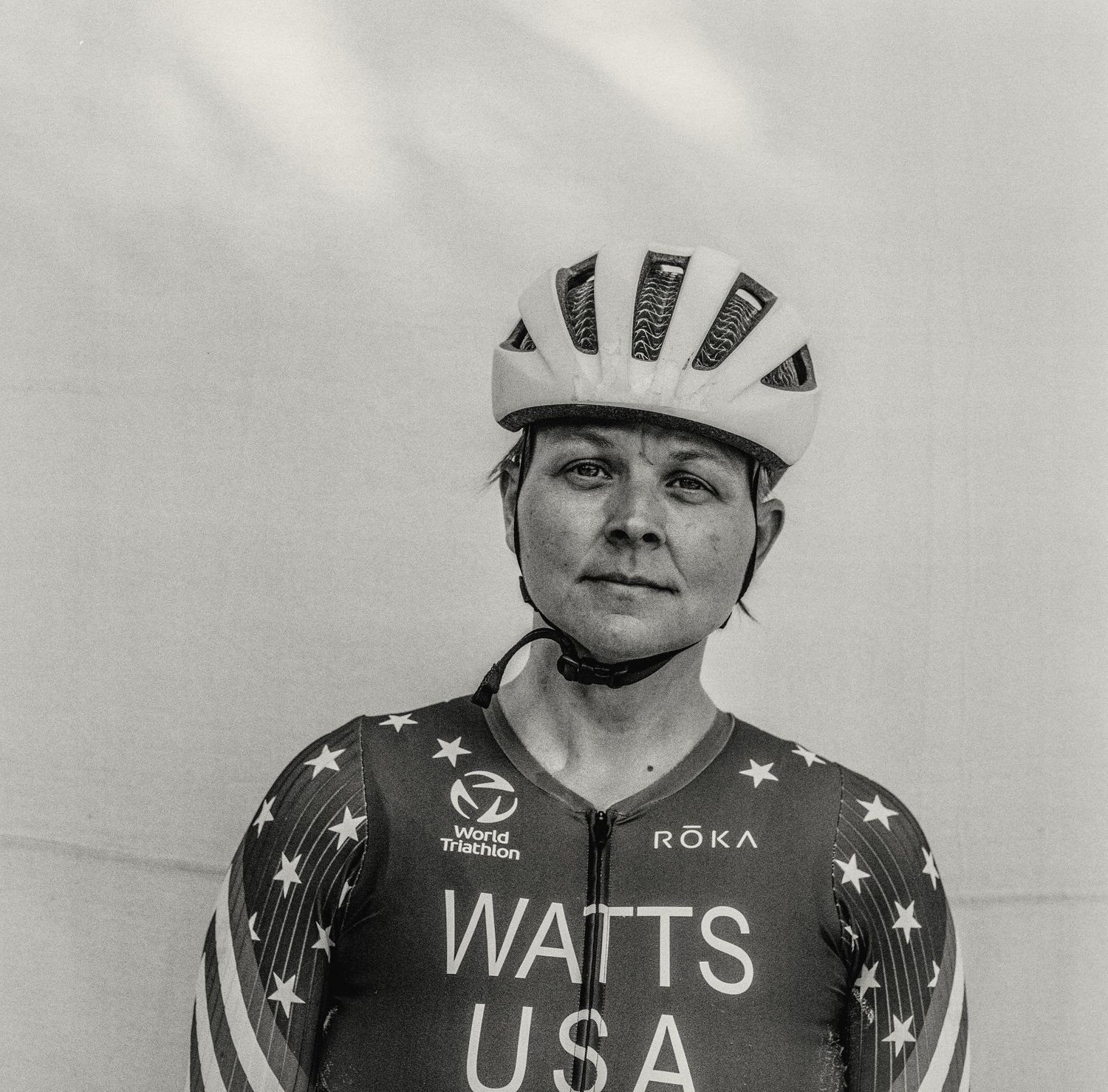
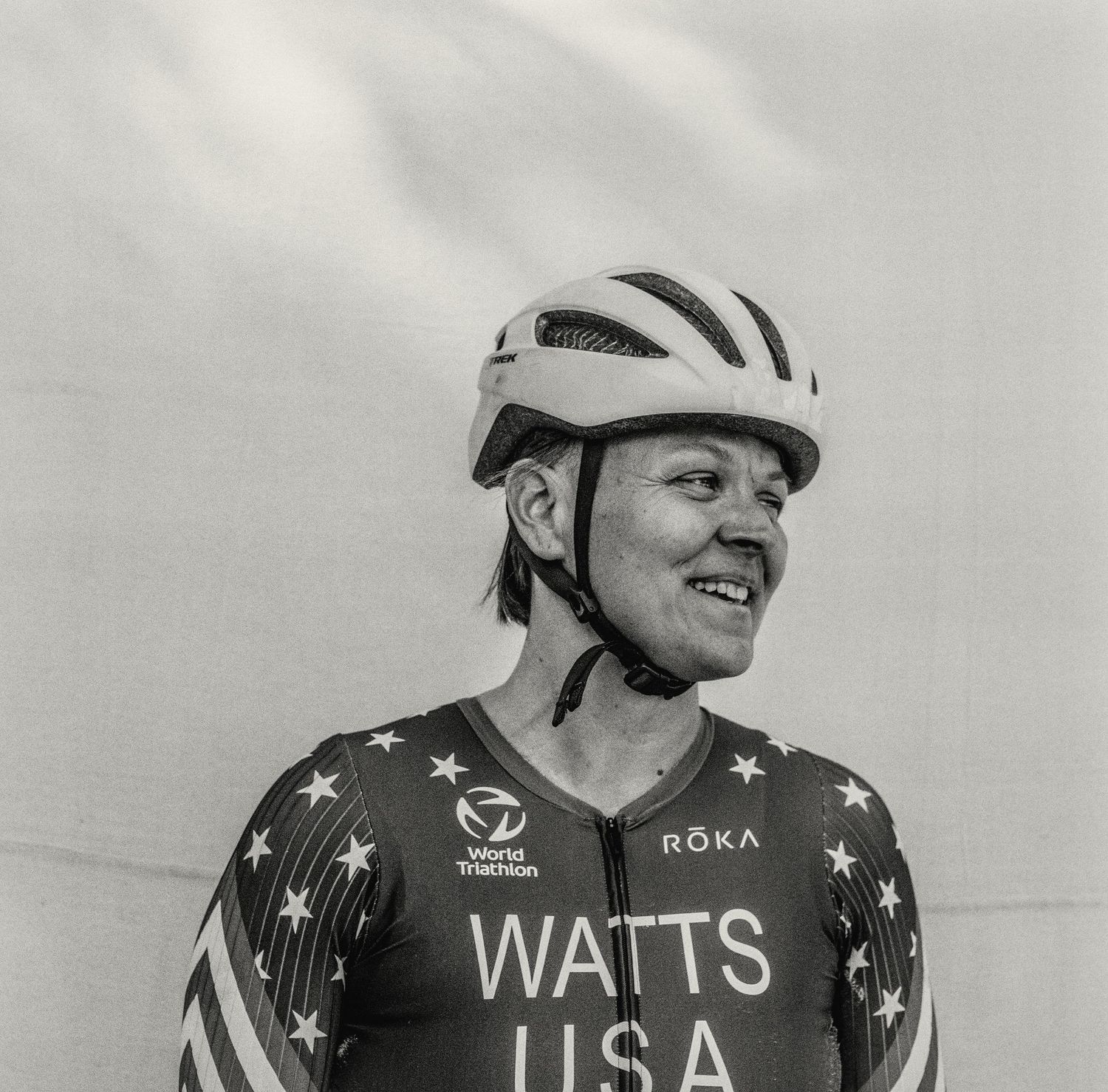
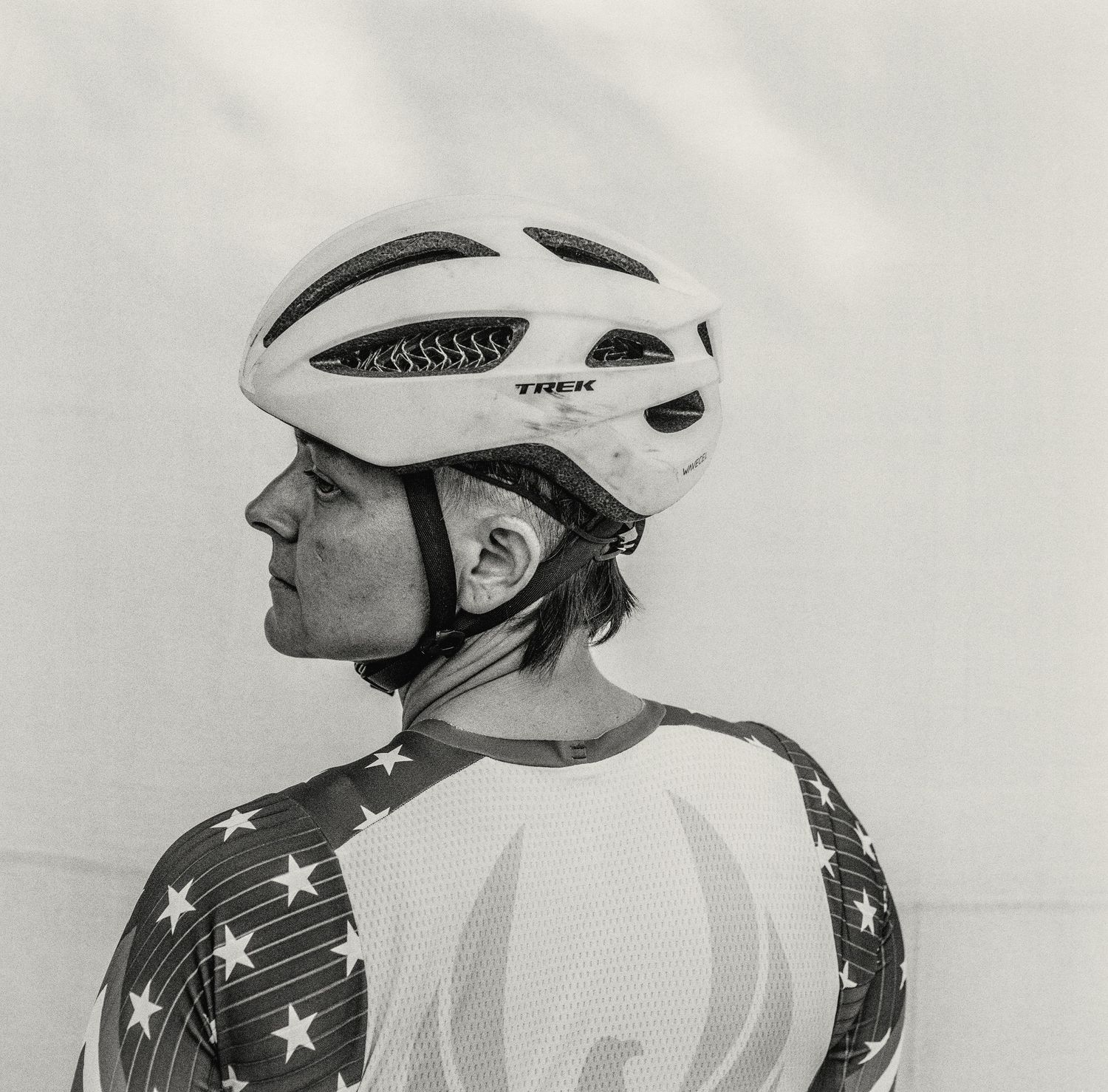
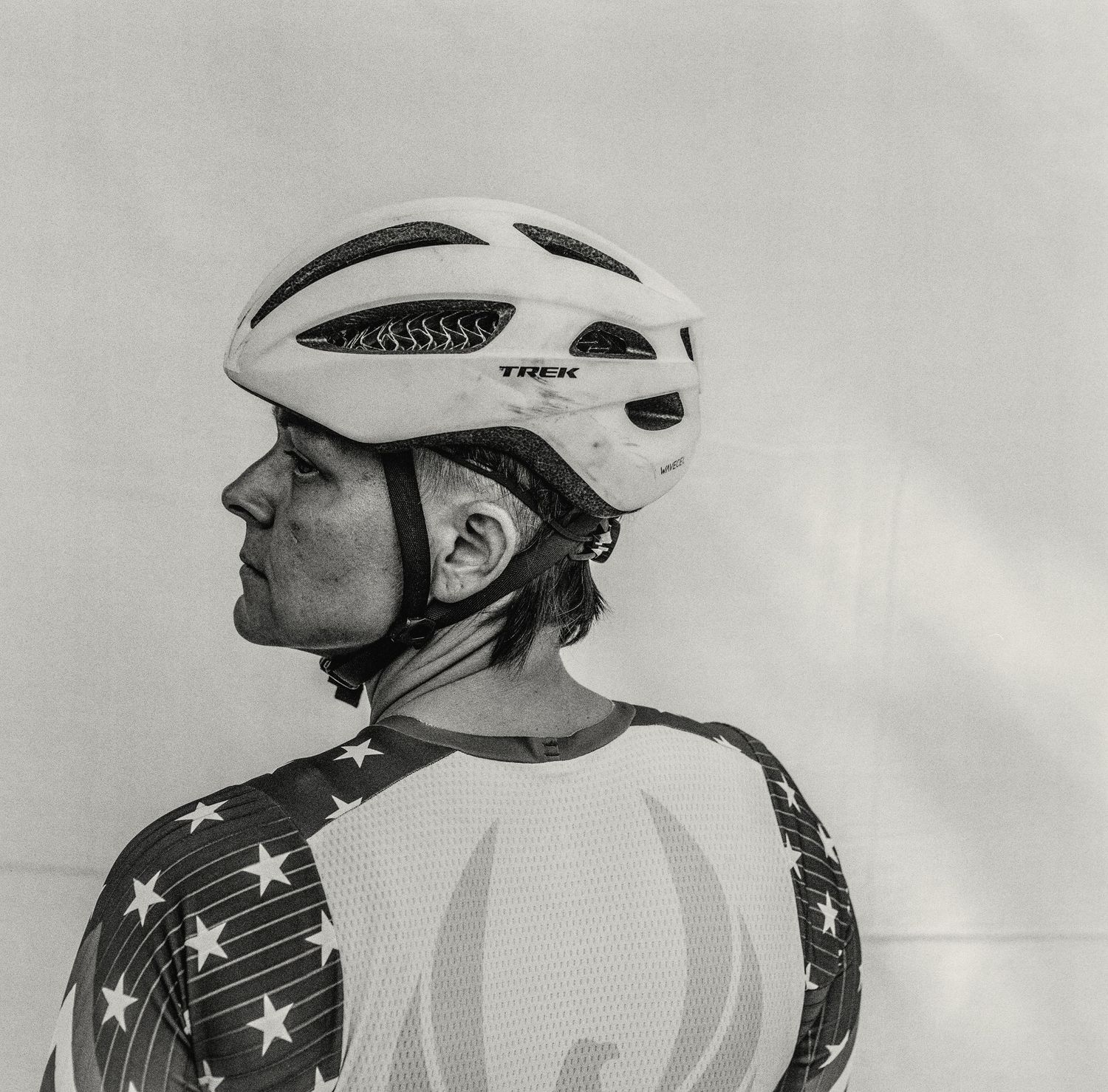
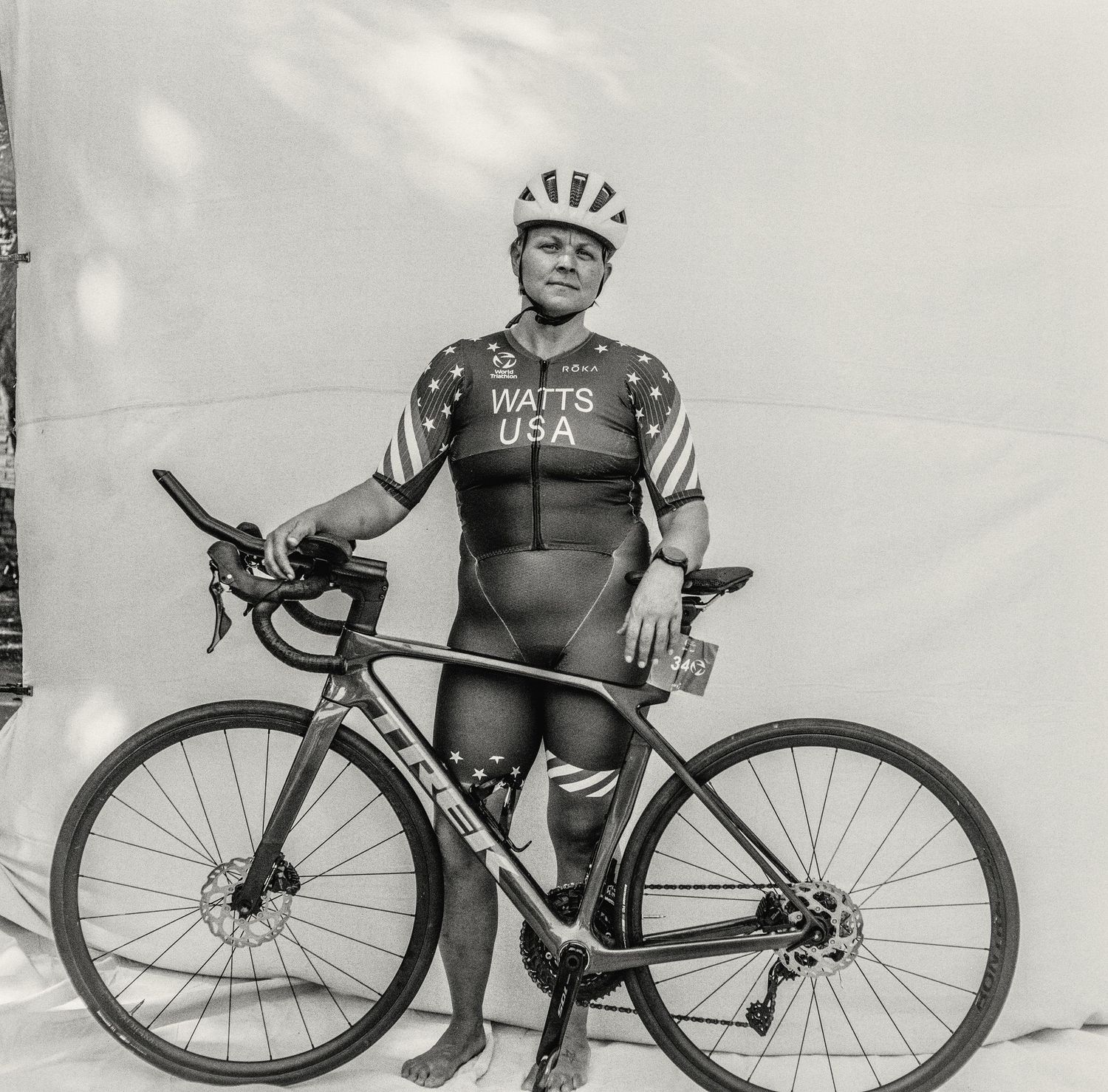
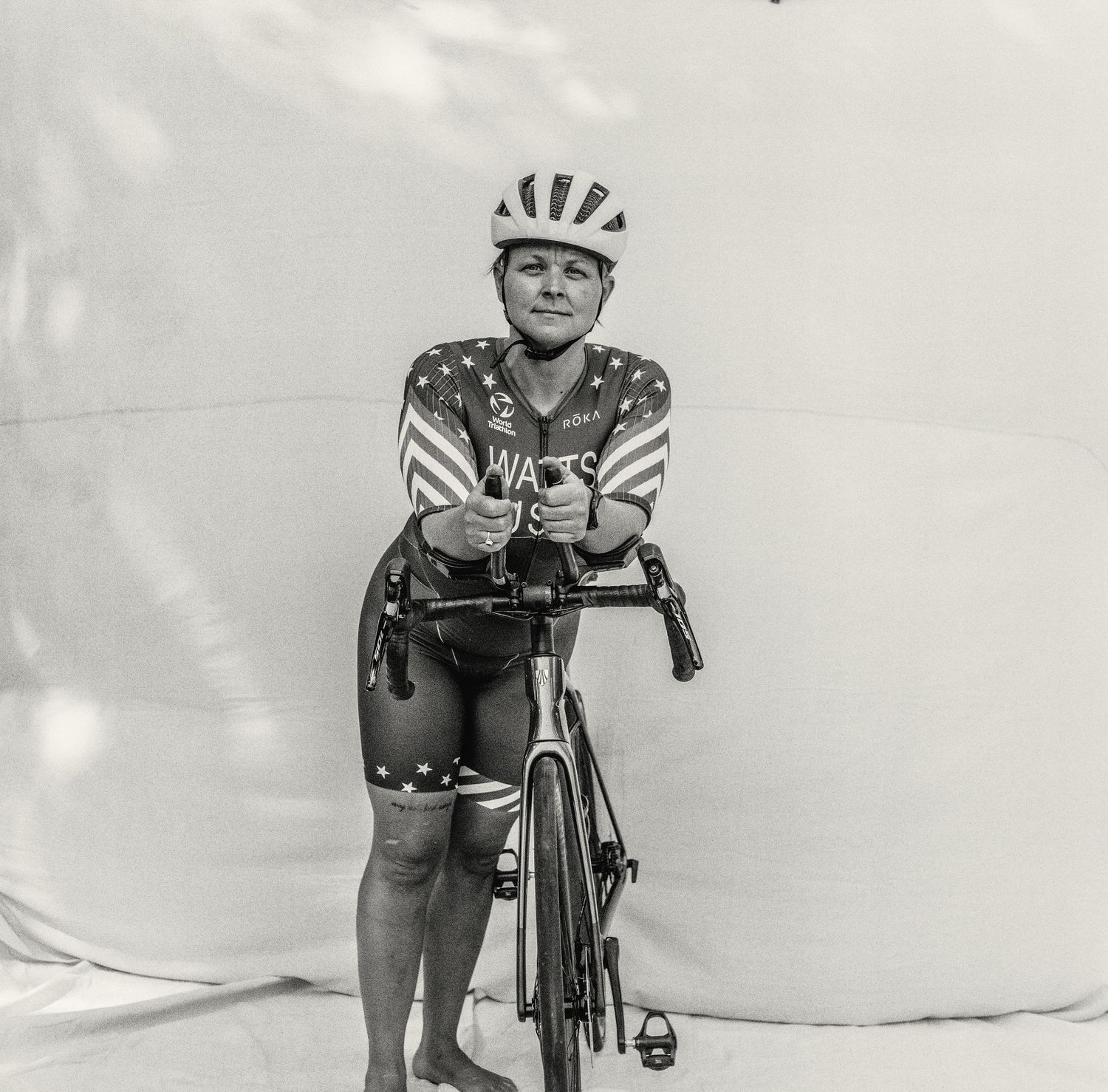
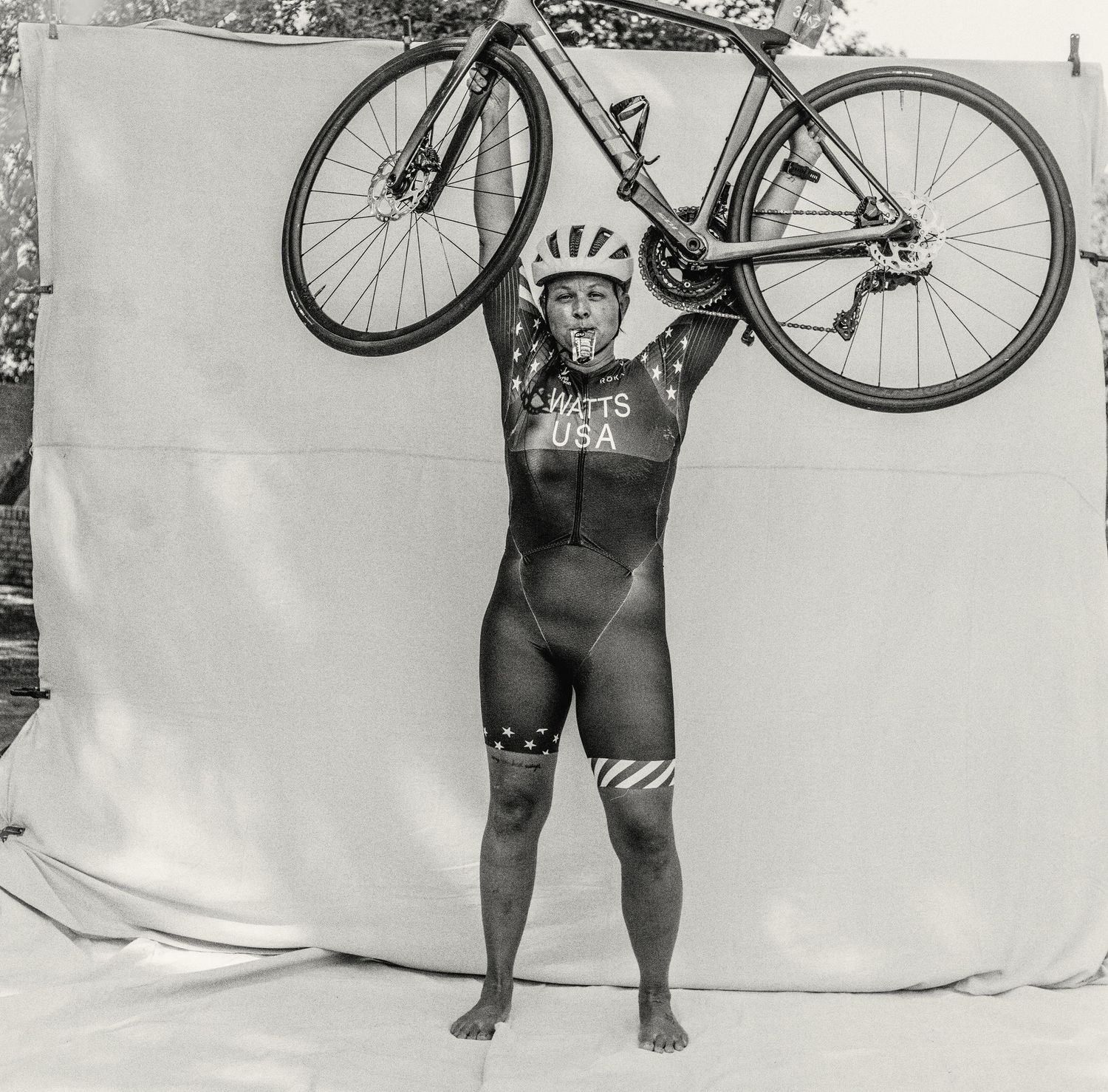
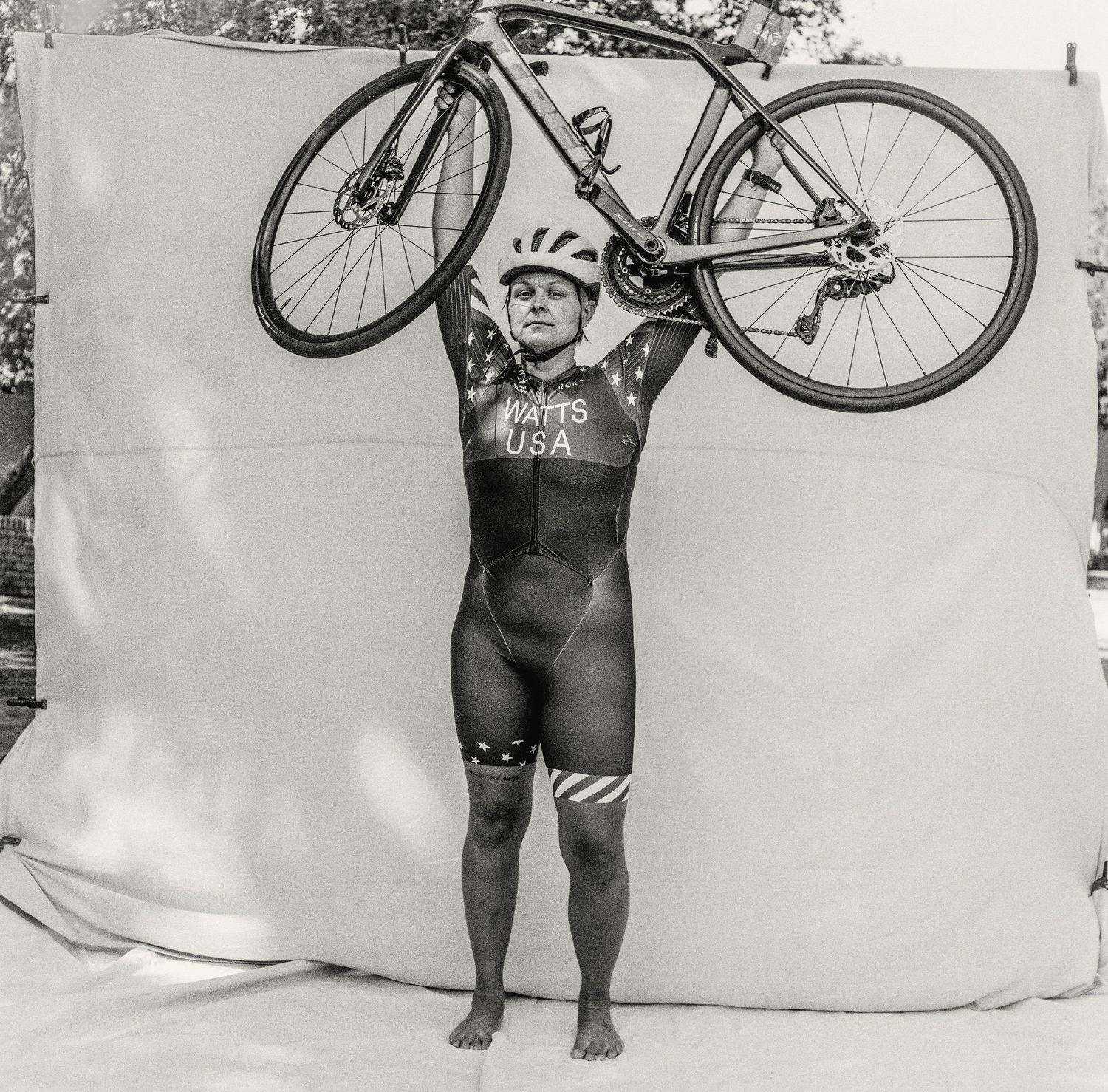
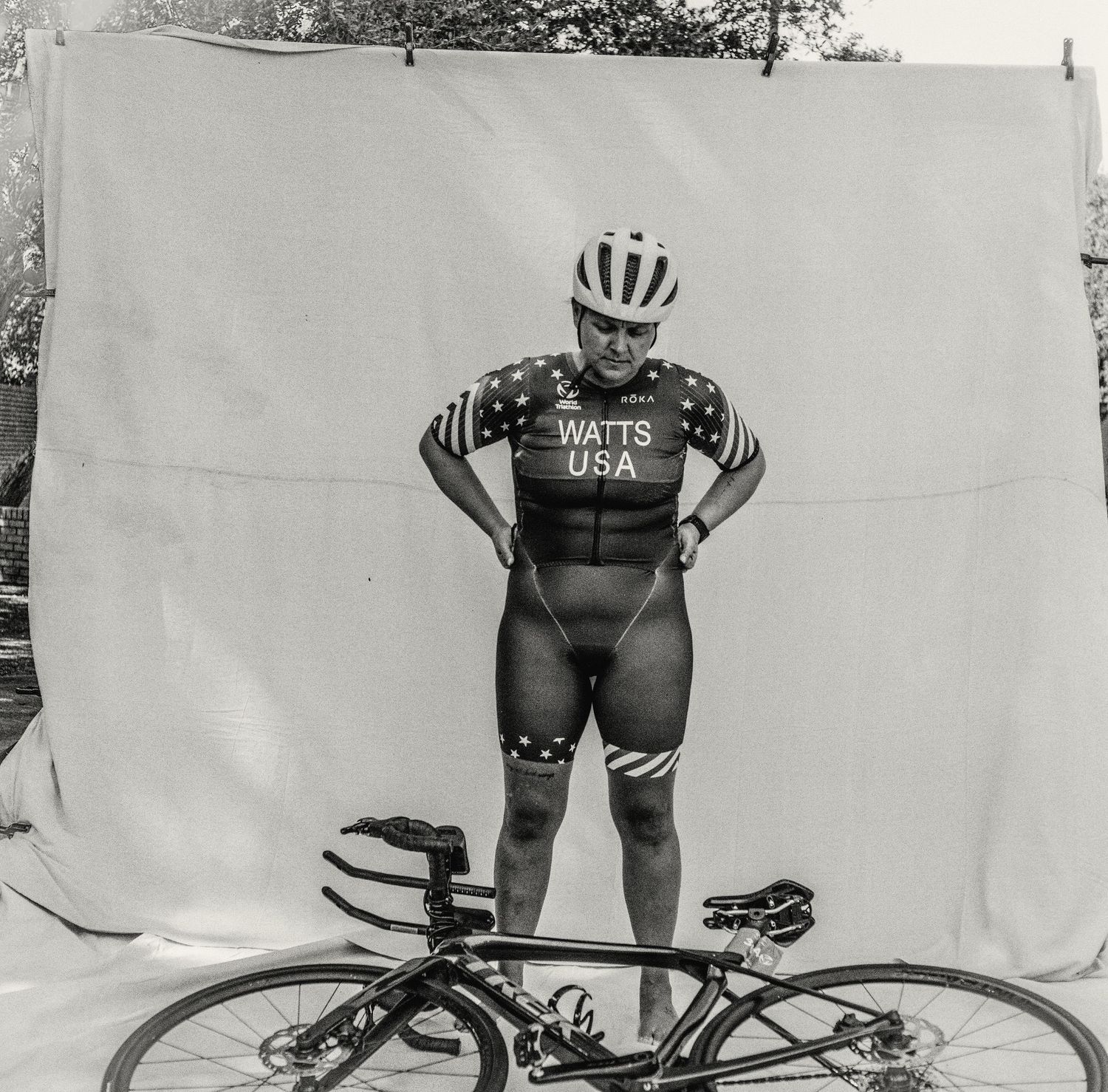
MAMIYA c220 / TRI-X & T-MAX 120 FILM
This Body is Enough
AN INTERVIEW WITH RACHEL WATTS
by
Respect Their Game
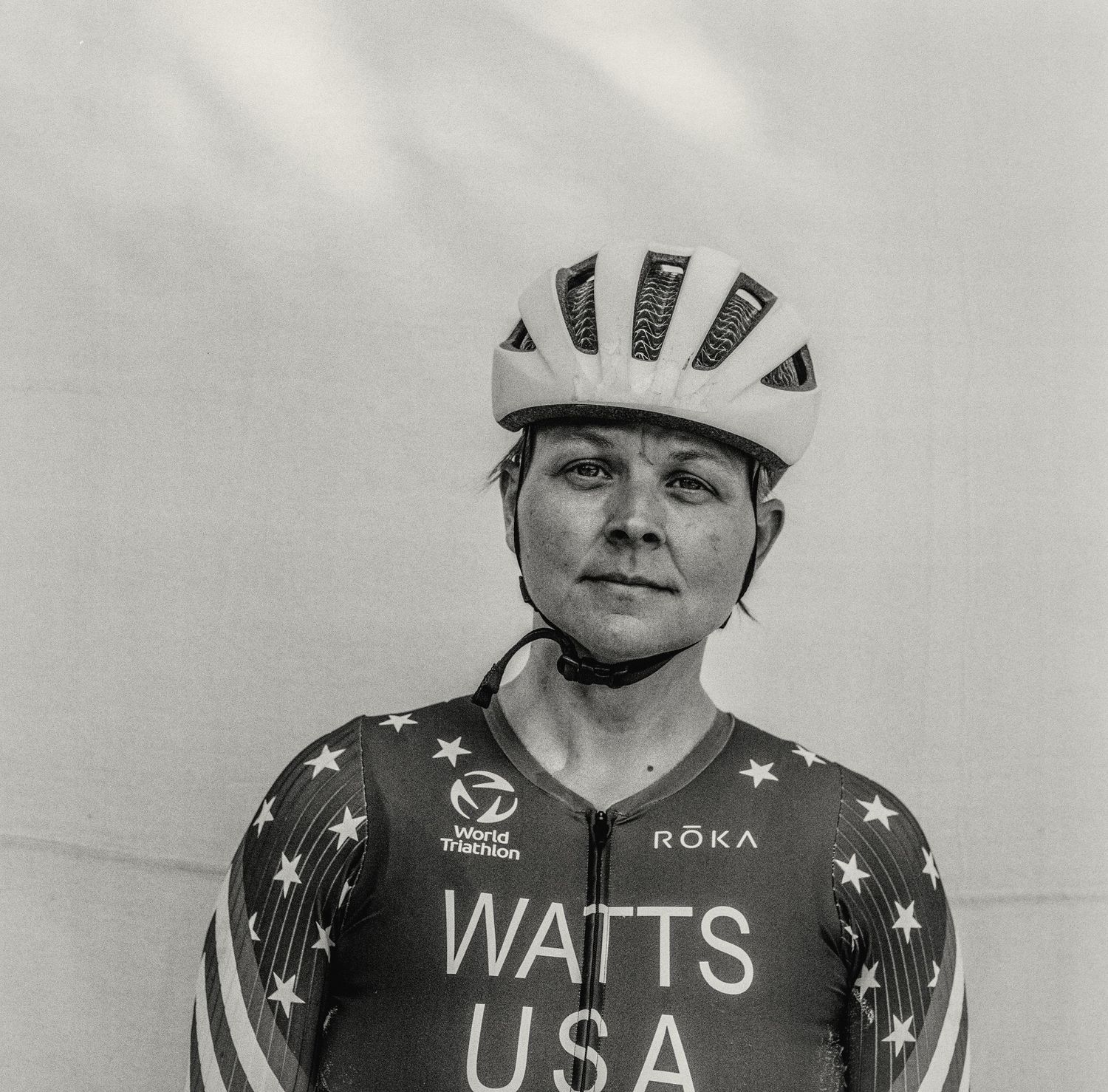
Welcome to the Respect Their Game — a collection of conversations with women athletes about commitment, identity, discipline, and the interior life of sport. These interviews are part of the ongoing portrait project documenting women in sport through film photography and their own words. Rachel Watts, a 2024 Paralympian, registered nurse, and mother of three, shares how she defied her MS diagnosis to compete in triathlon at the highest level in paris, overcoming chemotherapy, a school bus collision, divorce,
and a broken wrist along the way.
So, I’d like to start with just you introducing yourself and what you do.
My name’s Rachel Watts. I am a 2024 Paralympian is my favorite thing to share in triathlon. I’ve been doing triathlon since 2021. In addition to my love for that sport, I’m also a mom. I have three kids, ages 17, almost 12 and eight, and I’m a registered nurse.
Before triathlon and before your MS diagnosis, what role did sport play in your life?
I used running for therapy that I probably should have been getting for a whole lot of years. I had been doing distance running from 5Ks to marathons for about eight years before my diagnosis with MS, and my subsequent step into triathlon afterwards.
What first drew you to triathlon and what did the sport give you that you were not finding anywhere else?
Triathlon seemed like it was too hard for me to do, and I needed something that was impossibly hard in that moment, and so I chose to go after it.
And that moment was in?
That moment was in January of 2020. I was in Pueblo, Mexico at Clinica Ruiz undergoing a treatment called hematopoietic stem cell transplant, HSCT. Basically, it’s like the new way that bone marrow transplants are done. And I had just received my final dose of chemotherapy a couple days before, and I was deep in neutropenia with also critically low hemoglobin, and I didn’t feel like I had it in me to think that it was worth it, what I was going through. And so, I chose something to hold onto in the future that would, I don’t know, be my validation to myself that it was worth getting through that moment because I could do something even harder in the future.
When you were diagnosed, were you ever told that you would likely use a wheelchair full-time?
At diagnosis, I got told that I should make a transition to sedentary activities for recreation purposes. It was suggested that I take up knitting and crocheting and scrapbooking, which are all awesome, but I am terrible at them, and that I should stop training for the marathon that I was training for at that time. Throughout the disease progression, I was told that I would likely be in a wheelchair for all mobility and likely need a personal caregiver by the time I was 40 if I didn’t make some serious changes soon to that disease trajectory.
And since hitting 40, are you doing any of those things?
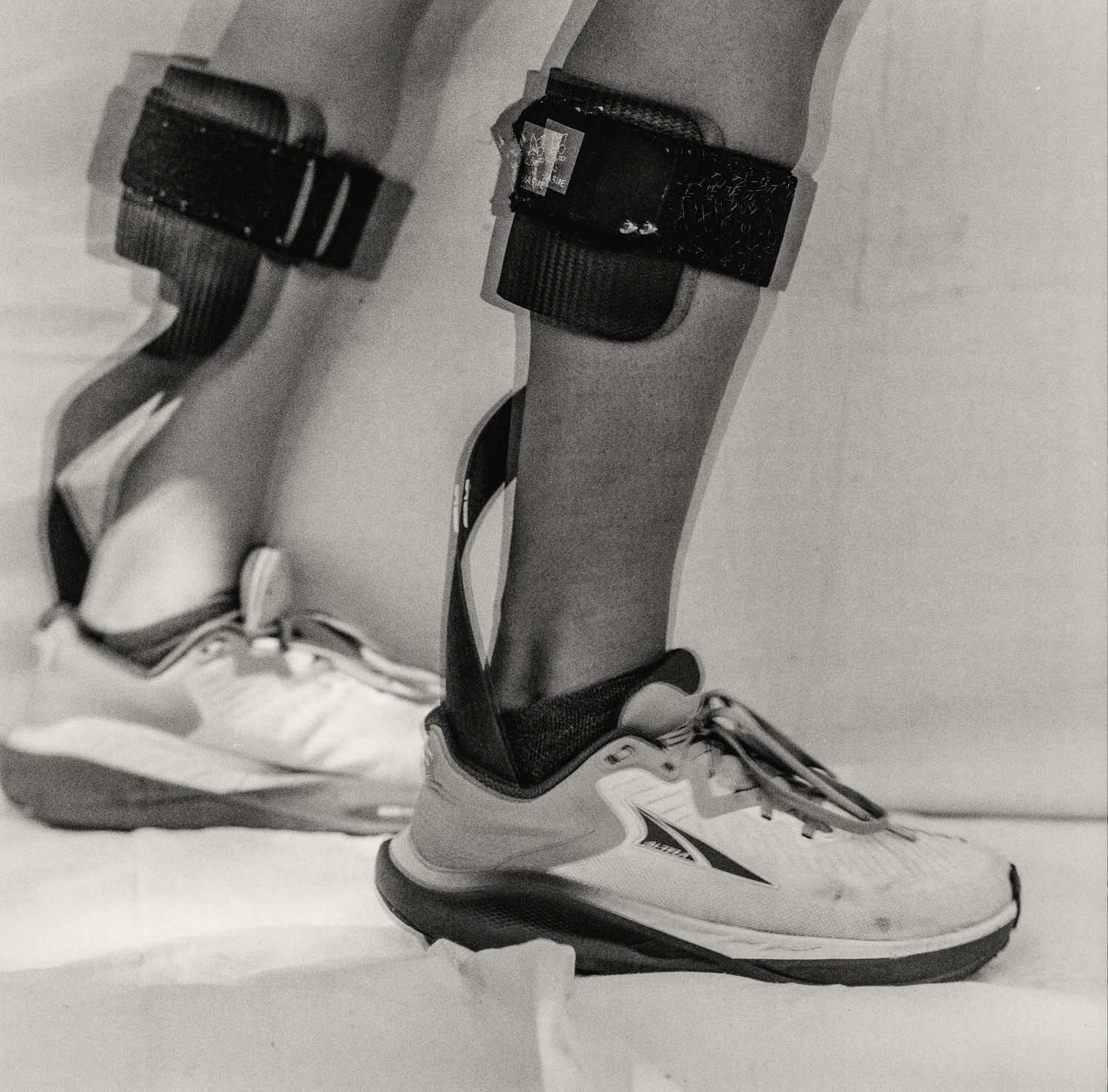
Since hitting 40, I do like to use my wheelchair sometimes. It is a really cool chair, and I like it to help me be able to do more in life at other times and to enjoy life that I otherwise wouldn’t get to enjoy without using it. But for the most part, no, I’m not doing those things. I live independently. I’m a nurse manager at a behavioral health hospital. I enjoy swimming, biking and running, taking my dog for long walks and rock climbing at an indoor gym near me whenever I have the opportunity.
What did finishing Iron Man 70.3 Texas in 2022 mean to you after everything your body had endured?
It meant that it wasn’t over, that it had just started. When I got the hematopoietic stem cell transplant in 2020, my abilities and my strength were pretty affected. They were really affected and I didn’t know what kind of future I might have ahead, especially because there’s not a lot of hope. At least at that time, there really wasn’t a lot of hope in the MS community, and my care providers weren’t the most optimistic showing me possibilities, kind of care providers. So doing that showed me that I could write whatever future I wanted to with my reality with MS. I just had to be willing to endure some discomfort and to push through places where others might not understand. But it showed me that my dreams were not impossible, that they were very possible instead.
Only a month later, a collision with a school bus caused post-concussive syndrome and interrupted much of your recovery. How did you find the will to begin again when the process you had fought for suddenly felt taken away?
I think I was running from my reality, if I’m really honest. I had used triathlon to put myself back together after MS had taken my abilities to a place that. It had taken a lot of abilities away from me for a while. And whenever I started doing triathlon, it was like I was reconnecting parts of my mind and my body that I was having a hard time accessing, that I was having a hard time working with. And so knowing that that had already happened for me, I threw myself into triathlon. I couldn’t go back to the 70.3 distance training because post-concussive syndrome was really cognitively fatiguing for me. But I found out about paratriathlon and I kind of threw myself into sprint triathlon as a result.
When were you first able to see yourself, not simply as someone recovering, but as an elite triathlete?
I don’t know that I’ve ever seen myself as that because being an elite par triathlete is something that you earn again and again, and whenever you’ve got a chronic condition like this, you’re always in a state of recovering and working through whatever the new challenge is like this. So, I see myself as someone who’s always trying to care for my body the best as possible, and sometimes that gives me the chance to do really fun sports at a really fun level.
So the road to Paris, in 2024, you raced across five countries to earn enough qualification points for Paris. What did that campaign demand from you physically, financially, and emotionally?
The two months that I, not even two months, about six or seven weeks that I chased the road to Paris, it was the biggest gamble, the biggest time that I’ve ever said I believe in myself that I’ve ever undertaken. I risked my job because I took over five weeks, four weeks consecutively, and then a fifth week when I went to Japan off from work and I charged over $10,000 on my credit cards and figured if I was paying it off over the next couple of years, it was going to be the best debt that I had ever incurred in my life because I was taking what might’ve been a once in a lifetime chance. Really, it was a once in a lifetime because I can never replicate that back-to-back racing experience. The first weekend of June, I raced in Southern Italy. The second weekend of June, I raced in Eastern France.
The third weekend of June, I raced in Swansea, Wales. And then the last weekend of June that year, I raced in Montreal, Quebec, and I was home less than 24 hours in that whole month. It was exhausting and it was amazing.
Your race included a crash near the Arctic Trail, yet you still finished. What went through your mind when you crossed the finish line?
Where’s the ice bath? That was probably the first though I had. Crossing the finish line, it was really bittersweet. I have multiple sclerosis, and when my body undergoes sudden unexpected stresses, my challenges with multiple sclerosis will get a lot worse for usually a day or two. So the high muscle tone, spasticity, the spasms on my right side, they were really loud. The nerve pain was really loud. I remember coming up to that finish line, all I could see and know because I was the last person of that whole triathlon race crossing that finish line. I knew that I was the last person, and I just knew that I was going to do it, that I was at least going to be able to say that I finished the race. And so I missed somebody handing me the flag. I missed people that I knew that were there cheering for me, and all I kept seeing was that finish line, knowing that I just had to make it across and then I could finally stop and eventually I could go get in the ice bath and then maybe my MS symptoms would calm down a bit.
During your qualification journey, you were also navigating a difficult divorce and rebuilding your sport with secondhand and donated equipment.
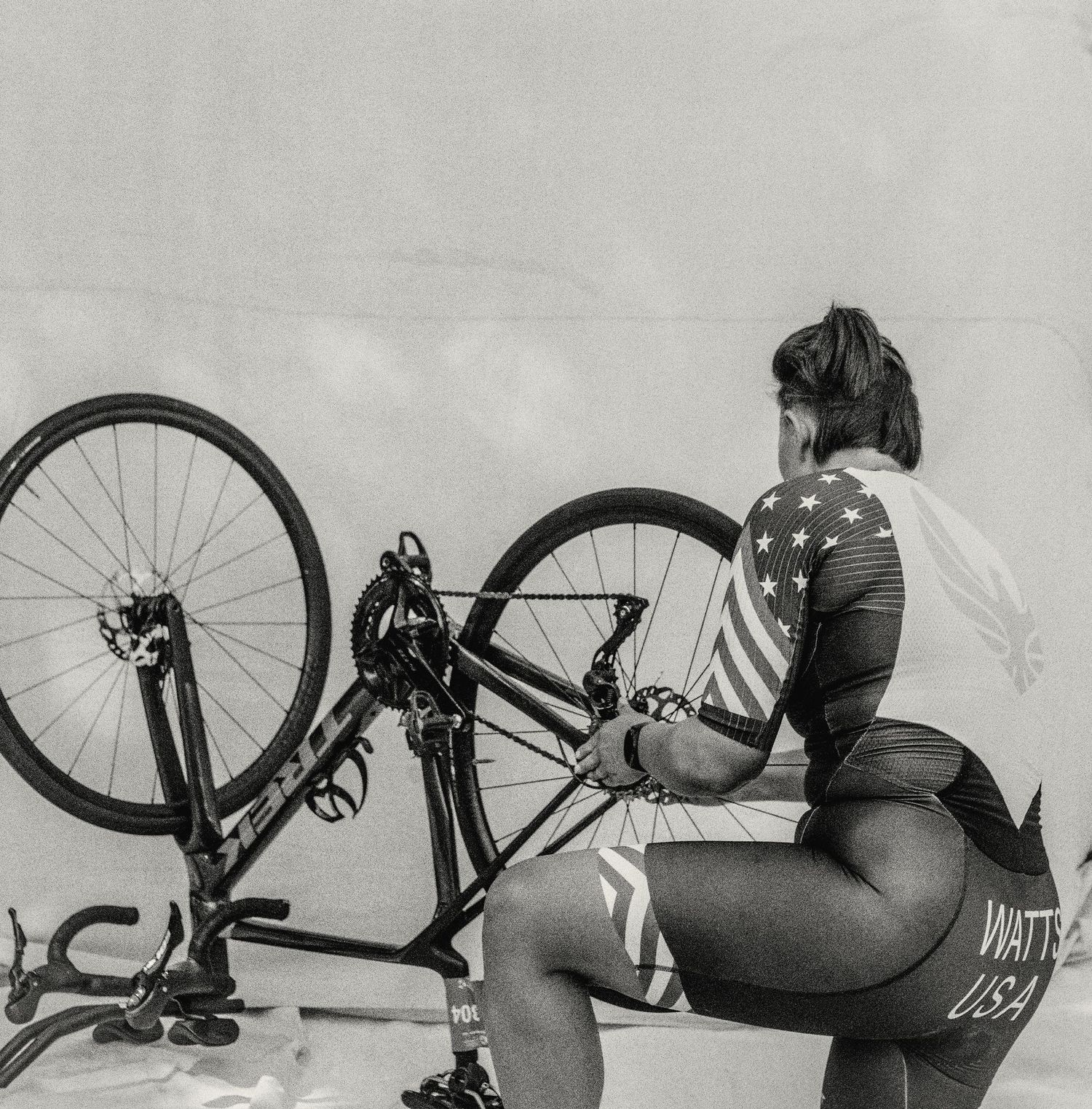
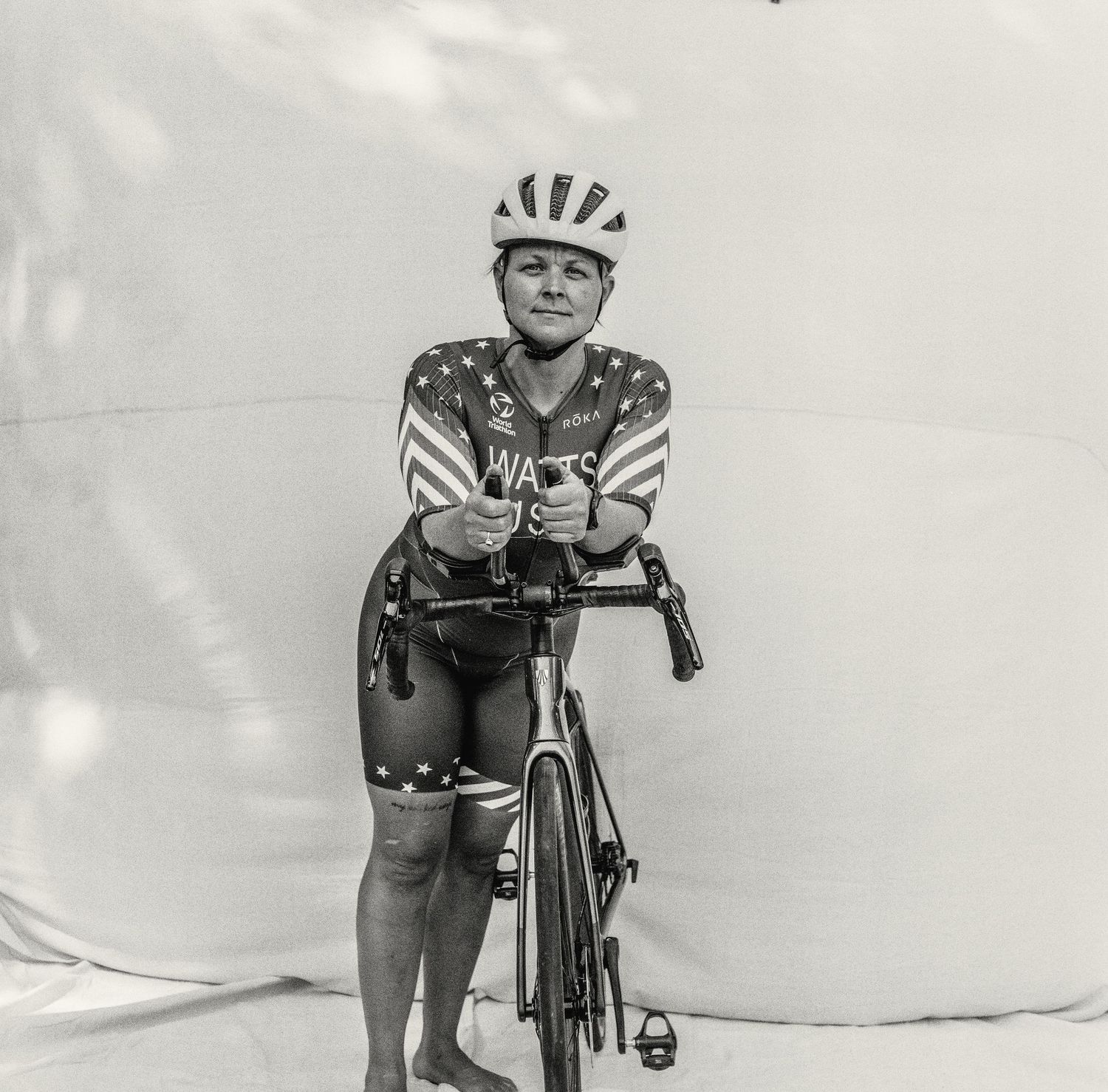
Triathlon is the best community, hands down. Anytime I’ve spoken with another triathlete about whatever is going on, it’s usually met with support and encouragement. So during my difficult divorce, I discovered one morning that all of my triathlon gear and nearly all of my belongings were no longer present in the home, and it had been trash day that day. So I was devastated because this was May of 2023, and I was still holding onto this glimmer of hope that maybe if I got to the world triathlon level and got classified that I might make it to the Paralympics, but that requires triathlon gear. So the first thing I did was reach out to a group on Facebook called Pathetic Triathletes, and I just vented in that space about how heartbroken I was, and someone suggested starting a GoFundMe and other people started asking me for my address, and I ended up with a secondhand bike that had a seized seat post, but was mostly fitted to my size because the other rider was a very similar build.
The owner was a very similar build to me. So I got a secondhand trek speed concept, bunch of secondhand swim stuff and training tools like resistance bands and things like that. And I was able to stay afloat through the 2023 season and even was able to ride that bike in the Paralympics. And so, triathletes, they’re the most wonderful group of people and they’re resilient and they are adaptive. Whenever you’re racing three sports and one, anything can go wrong and you still continue your race even if the things go wrong, and that’s what that sport has taught me and what being in that community has taught me.
What did it teach you about your own resourcefulness?
Oh, do you remember that song from, I think it was from the ‘90s called “Tubthumping” by Chambawamba? I get knocked down when I get up again. Yeah, that was really what that season taught me is it doesn’t matter how many times I get knocked down. If I care enough, I can make something possible and that I can work in less than perfect conditions and I can work with less than perfect tools and it’s still possible. I don’t know, it just showed me to never give up. That’s
This year brought another MS exacerbation and a broken wrist the day before the Para America’s championships. What separates perseverance from the moments when an athlete needs to protect her body?
Ooh, you just asked the question about my lesson this year. goodness, goodness. So I ended up in the hospital in early June for a week of plasma exchange with plasmapheresis with plasma exchange. So, I had a central line in my neck and a bike trainer in my hospital room and a yoga mat and some resistance bands because three weeks after getting admitted to the hospital, I was slated to race at the America’s Triathlon Para Championships in Antofagasta, Chile. I persevered through a month of increasing multiple sclerosis challenges before I went to the hospital, and I fit in as many training days as I could because it was really important to me to go to that race. The day before the race, I was doing a shakeout ride and my bike tire slipped on a wet tiled area of pathway, and I fractured my wrist and my helmet took a pretty good blow for as low of a rate of speed as it was on the edge of a brick building.
And after that happened, as it happened, I was pretty sure I’d fractured my wrist right away, but the team doctor assessed it and was hopeful that it was just a sprain, which is what I was also hoping. So we taped it up. I untaped it right before the race the next morning and raced on it. But about, I don’t know, probably about 150 or 200 meters into that swim, I wished that I hadn’t raced because my body was telling me that it was not, it just couldn’t do it. And after all that happened on reflection, looking back, I probably should have not tried to keep training through that MS exacerbation and taken more of a break. So after the wrist fracture, I did finally take a break. It’s a really hard balance to hit, and whenever you’ve got the added challenges of fatigue and cognitive fatigue associated with multiple sclerosis, it’s hard to tell what is pushing hard enough to stay viable for what you love versus what is pushing too hard and the body doesn’t have a chance to rest.
And I’m not going to pretend like I’ve figured that out yet, but I think I’m getting a little bit better at it.
You sometimes use a wheelchair as a tool rather than as your primary means of mobility. What do you wish people better understood about your disability?
Multiple sclerosis and just a lot of those invisible neurological conditions in general, they can have such a spectrum of presentation and not just person to person, but within the person. There are a lot of factors that determine what my ability level and what the tools that I need to utilize in a day are. And it’s not just me; it’s a lot of people with the different invisible disabilities. And I wish both providers and then just also friends and family understood that what a person’s highest functioning level is and what their functioning level is whenever they’re having one of those hard days, maybe it’s not even during an exacerbation or a flareup of the disease process, but just life. Whenever there’s too many demands, you use different tools to be able to live the day to the best of your ability so that you’re not stuck in bed.
And I wish people realized that tools are there to help us live the life that we want as opposed to just being utilized for times when we’re absolutely dependent on them.
How has being a nurse shaped the way you advocate for yourself, interpret your body’s signals, and make decisions about your MS?
I think being a nurse is the reason that I am here having this interview right now and able to do sport the way that I do. I underwent a treatment that wouldn’t have been recommended to me or suggested to me. I had to learn about it myself. I did all the research to determine if that was the best option, and I made that choice and I think I made the right choice. And even with getting my adaptive tools, getting some of the treatments that I need, different lab tests and stuff, I’m really grateful that I am a nurse because I’m able to confidently request these different needs being met to providers who might not realize that those requests would help patients in my situation.
You are also raising three children while working and competing internationally. What do you hope they learn from watching the way you pursue difficult things?
Oh man. I hope that they learn that their life is never over as long as they’re still breathing, that it doesn’t matter what happens in life, how hard they might get knocked down, that they can always get back up and they can chase their dreams and that their dreams are worth chasing. And I hope they learn how to find joy through the process, even whenever the process sucks.
When someone sees your Paralympic uniform or your wheelchair, what assumptions would you most like your story to challenge?
I’d like it to change the assumption that having a disability is a bad thing and that life sucks because I have a disability and that I’m not capable of doing incredible things just because I have a disability.
Your body has been treated, injured, rehabilitated, classified and trained at an elite level. How has your relationship with it changed through all those chapters?
Oh man, it’s such a cool body. I love it so much. But for a lot of years, the way that I treated it with training and with the process of putting it back together was done through the lens of my body’s not good enough, therefore I’m subjecting it to these interventions, treatments, training sessions, whatever. And I’m finally getting to the point where I get to celebrate that this body is enough and it’s awesome and it’s really cool that I get to live life this way, and I learned to love it, and I think it’s pretty badass.
Do you think your resilience is something you possessed from the beginning or something life kept forcing you to practice?
Resilience is my favorite thing to discuss. When I was recovering from post-concussive syndrome, there was a neuropsychologist who would teach group classes in the rehab program that I was in, and she would tell us that resilience is only created through hardship, and she would remind us to find gratitude for what we were going through because it was giving us the opportunity to become more resilient and other people weren’t getting that same opportunity. And those words stuck with me. That was in spring of 2023, and I remember that all the time. So now whenever something hard comes up in life, it still sucks. I look at it now and I’m like, “Oh, we’re going into that again. We’re going to go into suck again.” But I know that if I can persevere through, I just earn myself some more resilience and that’s what makes everything possible in life.
Outside of nursing, motherhood, MS and sport, who is Rachel Watts?
Oh, that’s a big question. It’s one that I’ve grappled with a lot this year because all of those things except for the mom part got put on pause with the MS exacerbation and then the wrist fracture. I’m an adventurer and I’m a lover and I am a learner and maybe I’m becoming a teacher.
What are you building toward now and what would make this next chapter feel successful even beyond a podium or ranking?
I’m building toward a life of my dreams, being able to help others recognize that they are capable of so much more than they might currently believe, and then helping show them the steps to exiting the belief system that they currently have about what they can do and instead find that confidence along the way and along the journey of growing and meeting goals that they maybe thought weren’t realistic for them. That would be my perfect future to be able to help people see that in themselves. Because my favorite thing to tell people about myself that I know professionally is that I was not this cool a decade ago. I was definitely not this cool 20 years ago. I didn’t have much self-confidence and anything that went wrong, I just didn’t have distress tolerance. I would melt down over the wrong drink at a restaurant or something like that.
And this journey through multiple sclerosis, through a brain injury that looked like it wasn’t very bad, but because of my MS history was just absolutely terrible through a marriage falling apart, through having to start all over, through changing my life again and again, getting back up again and again,
I’m a normal person and people will look at me and think that I’ve done extraordinary things, but it’s just that I don’t want to accept that an uncomfortable future is the only option for me. And so, I’ve learned that I’m capable of creating a life that I actually enjoy. And I think there’s a lot of people that think that they’ve got to wait to enjoy life or that an enjoyable life, like a life of their dreams isn’t something that’s attainable to them. But I really like my life a lot more now that I’ve had MS and have had everything hard happen to me that has than I ever liked it before. And I just, I don’t know, I want people to realize that there’s so much beauty and pain and growth and suffering and maybe my story will be one that helps somebody else remember their own light and that they too can, I don’t know, live a life that they love.
And I think that’s the kind of stuff that matters in the world around us.
Well said. How can my audience, RTG’s audience, help support you and your sport? What are some things we can do?
Easy thing, give me a follow. That helps a lot because you never know where that’ll help down the road. Overall, celebrate women’s sports. Talk about how cool it is to be a female athlete and make sure that we’re using that mindfulness whenever we talk about running like a girl or throwing like a girl. It is awesome because women are amazing athletes. I don’t know, but I guess to support me personally, the biggest thing is to give me a follow on Instagram because I’ve got some big things coming up and I’ll be sharing about them as they start to unfold. And so yeah, being around whenever that starts to happen is going to be a big help for me.
So now we have some fun questions. Quick fire, one word, or very short answers.
Favorite food?
Burgers.
Favorite movie?
Super Troopers was the first thing that popped to mind. The Hangover was the second.
Favorite music artist?
Trevor Hall.
Coffee or tea?
Oh, coffee.
Swim, bike, or run?
Bike.
Morning or night?
Morning, early.
Beach or mountains?
You can’t ask that question. Mountains, but barely.
Favorite color?
Blue.
Your ideal day off.
Oh, a day full of swimming, biking, running, stand up, paddle boarding, or outdoor rock climbing, and also some sauna and massage. That would be the perfect day off.
Dream travel destination?
I have too many of them. Probably the Himalayas.
Thank you so much for your time.
Thank you. This was awesome. I’m super honored that you were going to do this.
Thank you to RACHEL for her time and trust. If you know an athlete whose story deserves documentation learn more about the project here. Respect Their Game remains reader-supported. If you value this work, consider pledging support to help expand the archive.