04
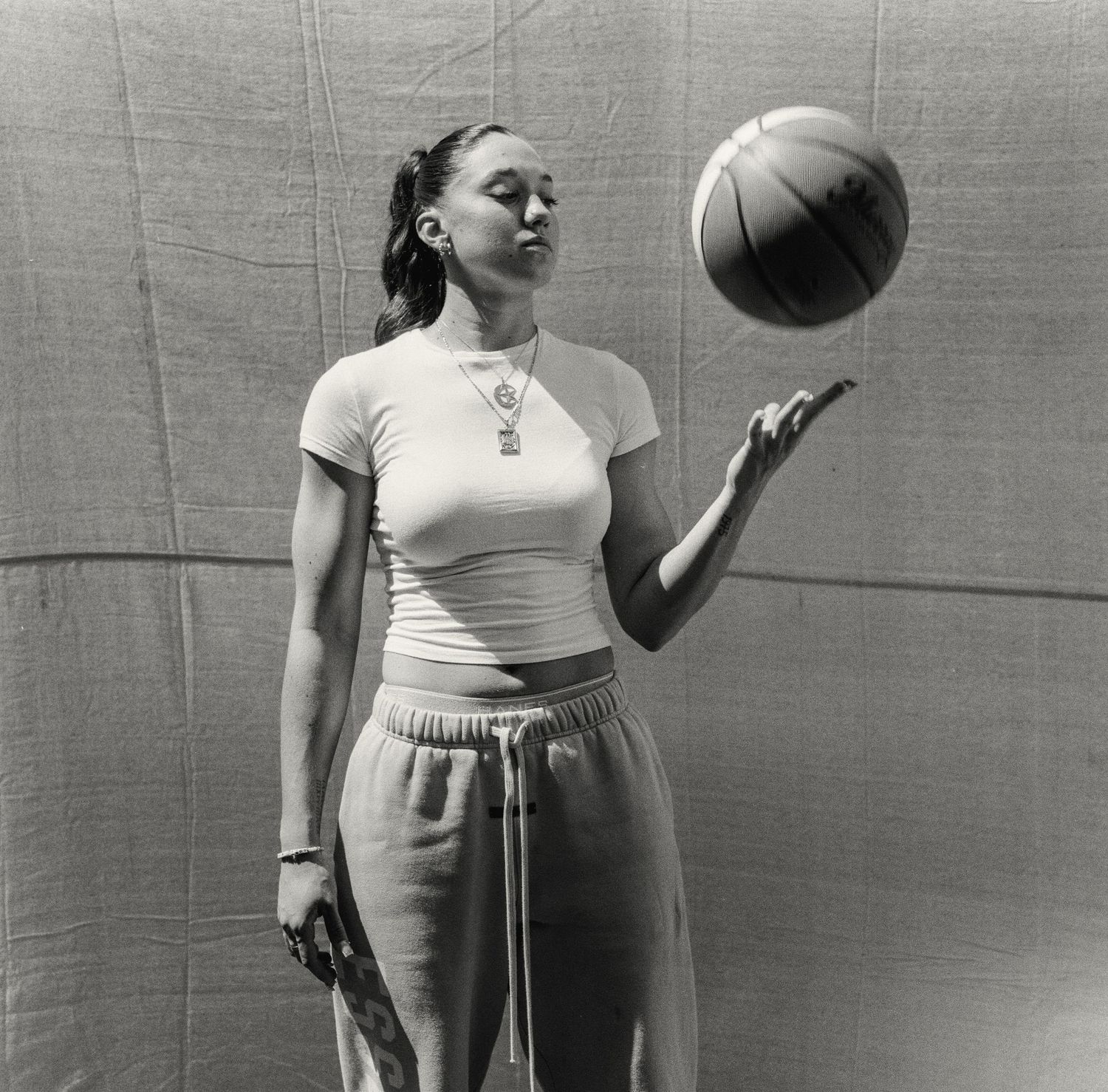
BASKETBALL / LSUS / SHOOTING GUARD
Selma
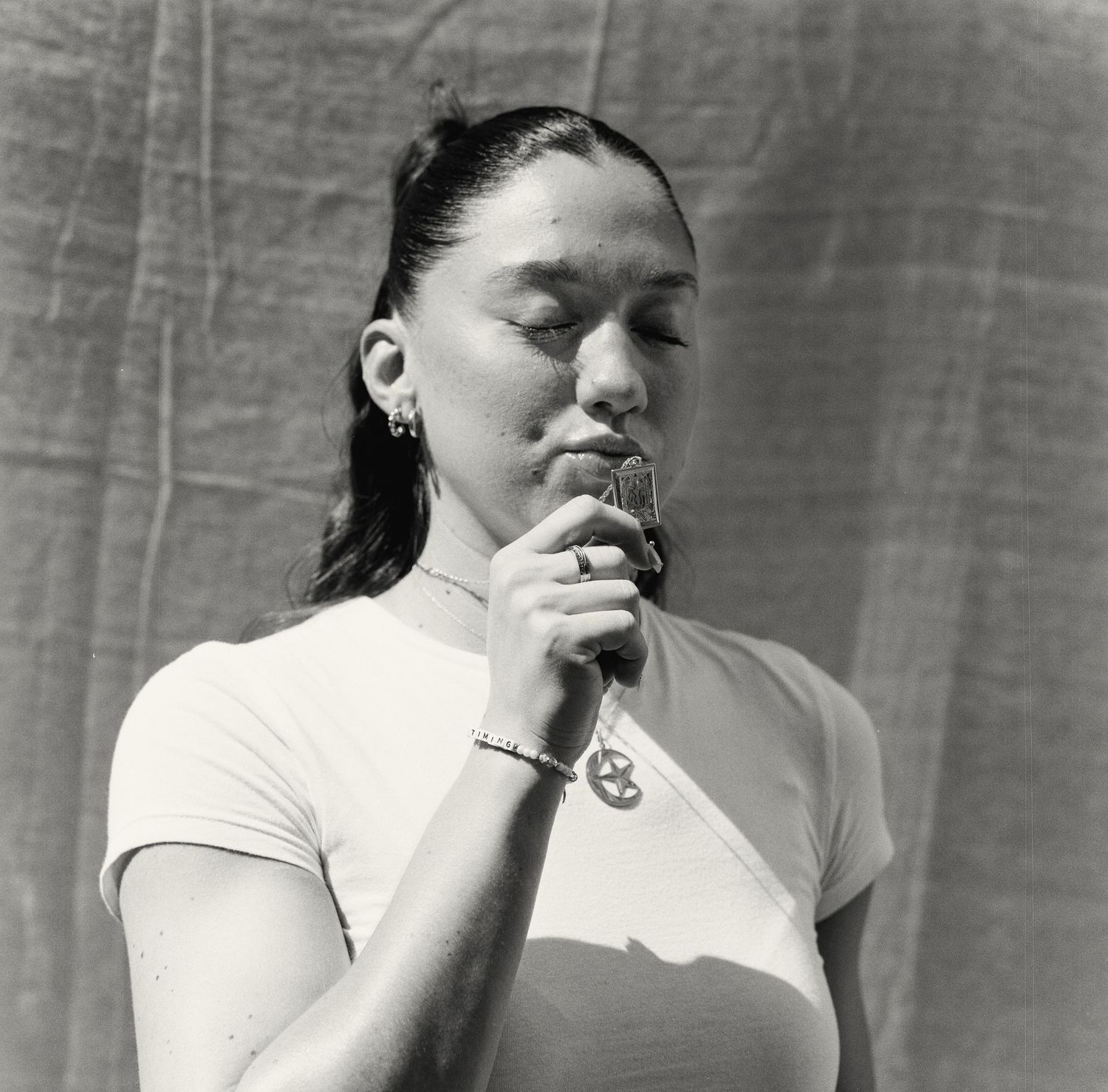
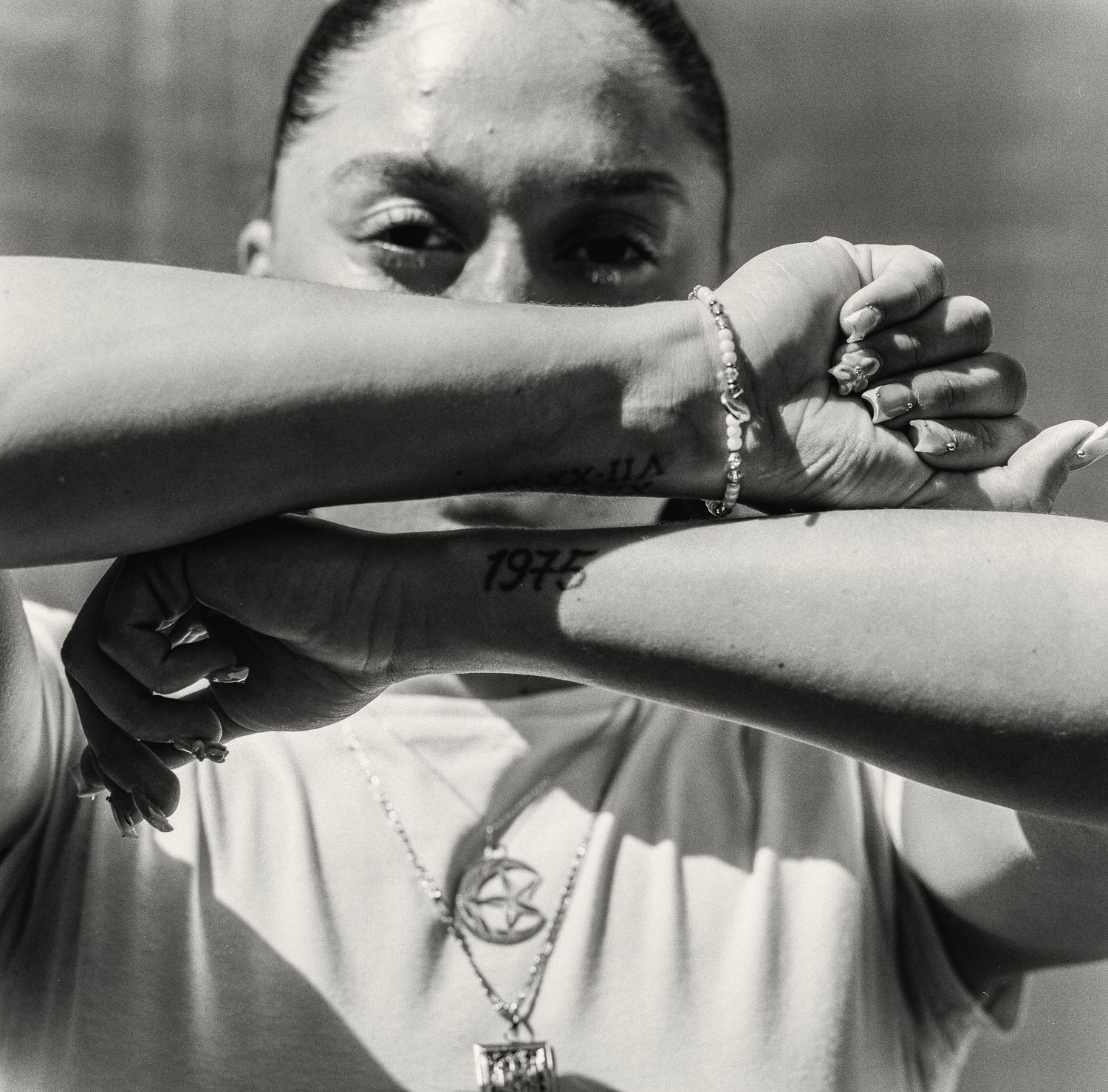
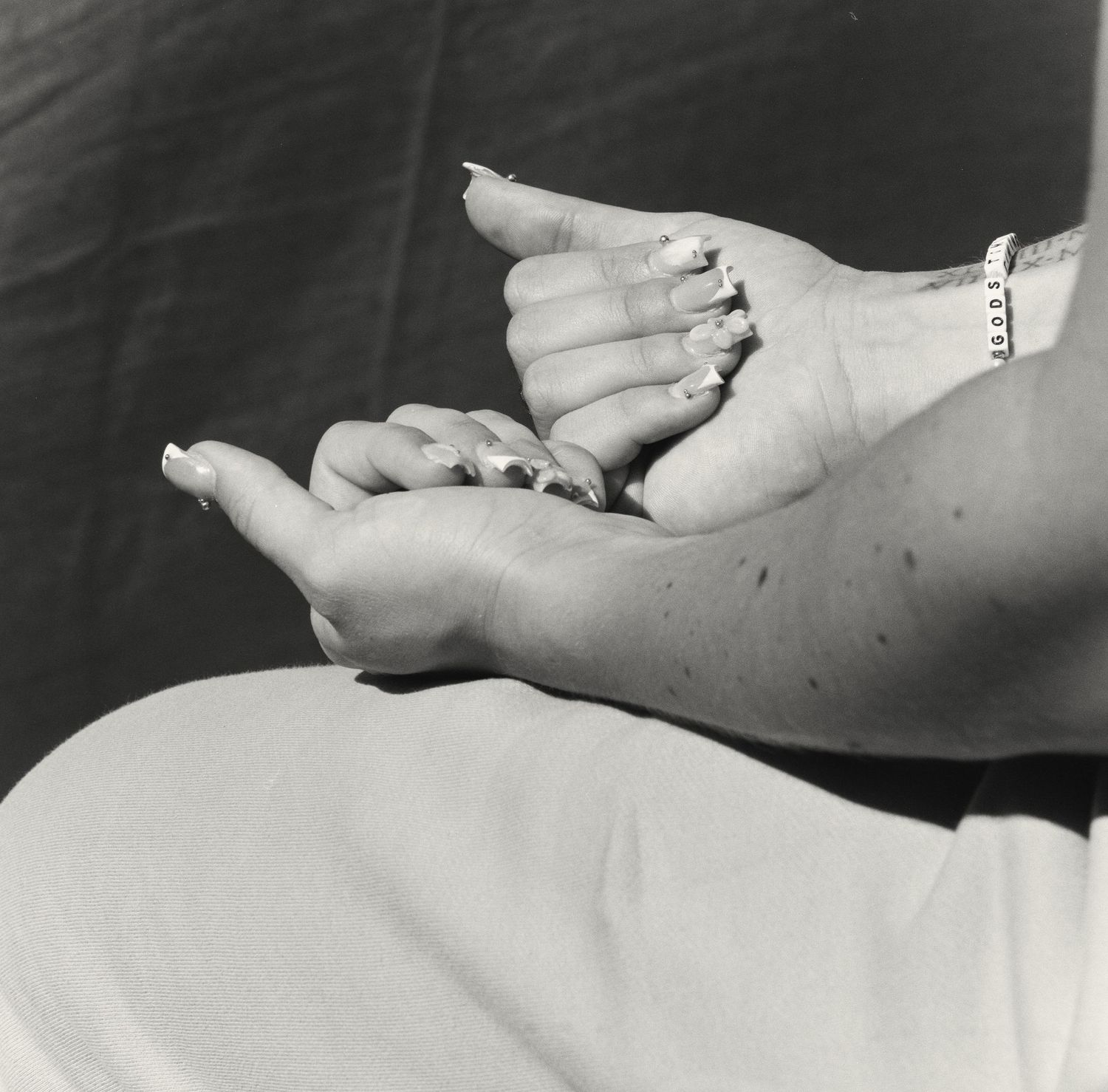
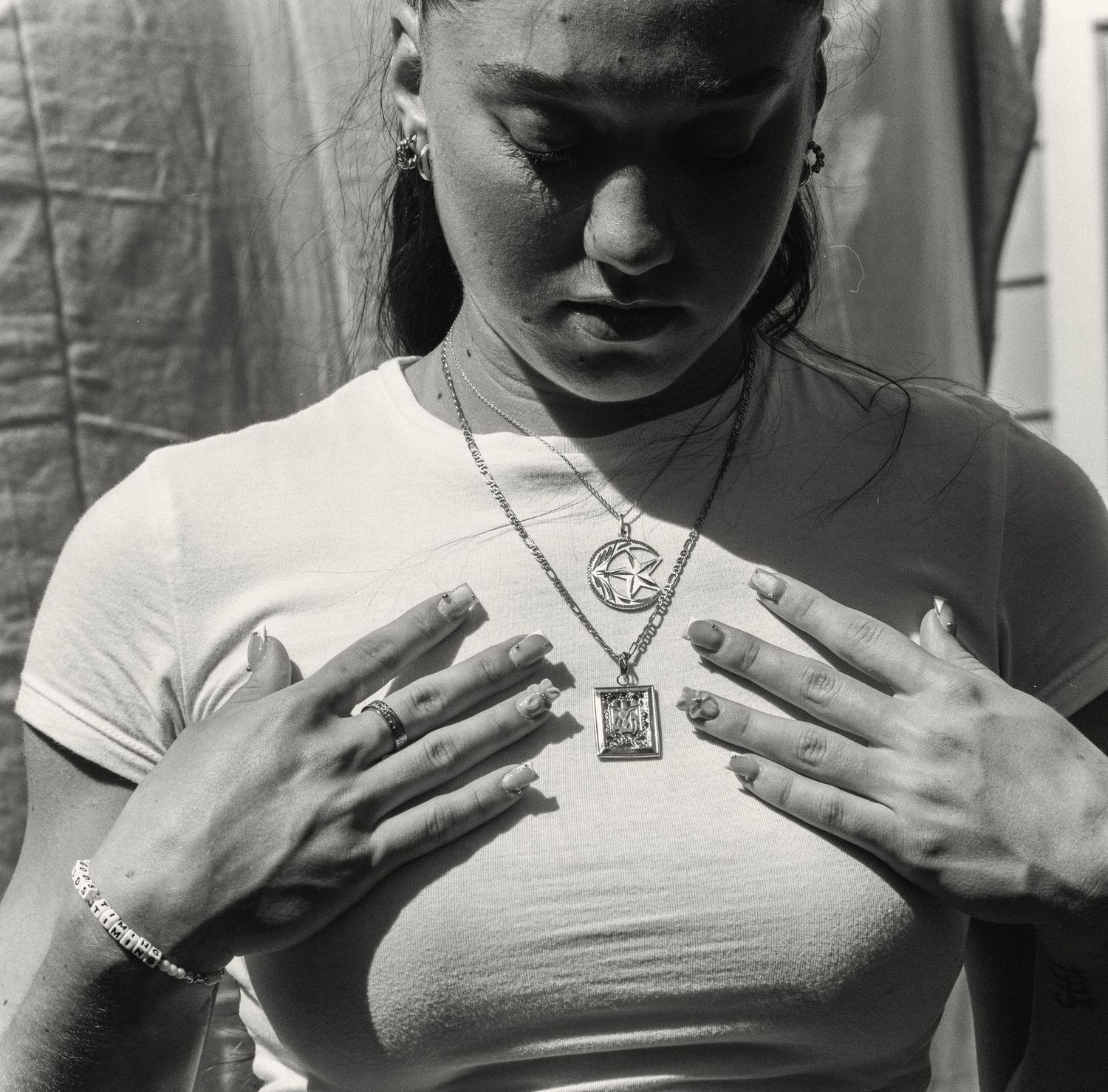
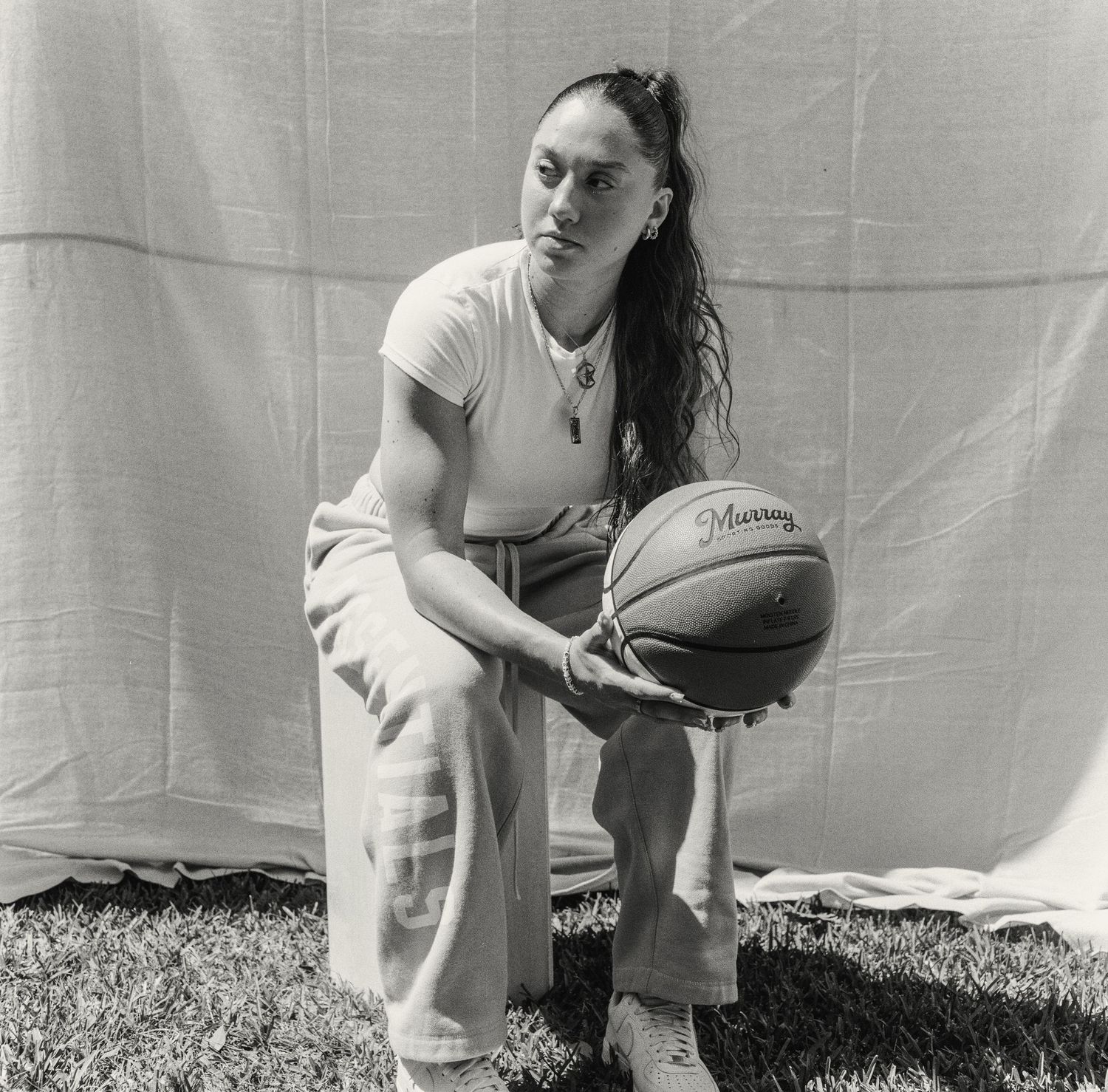
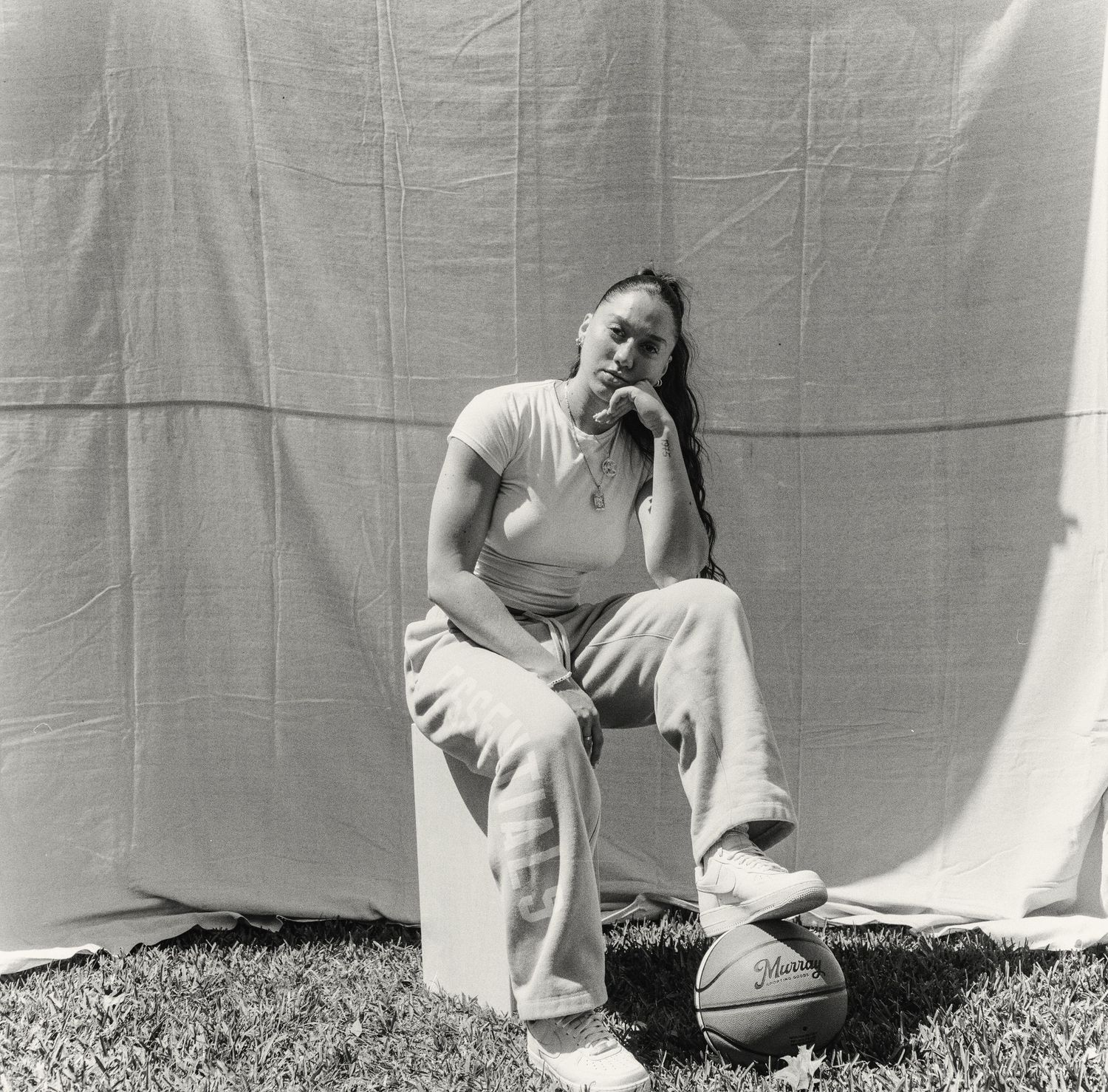
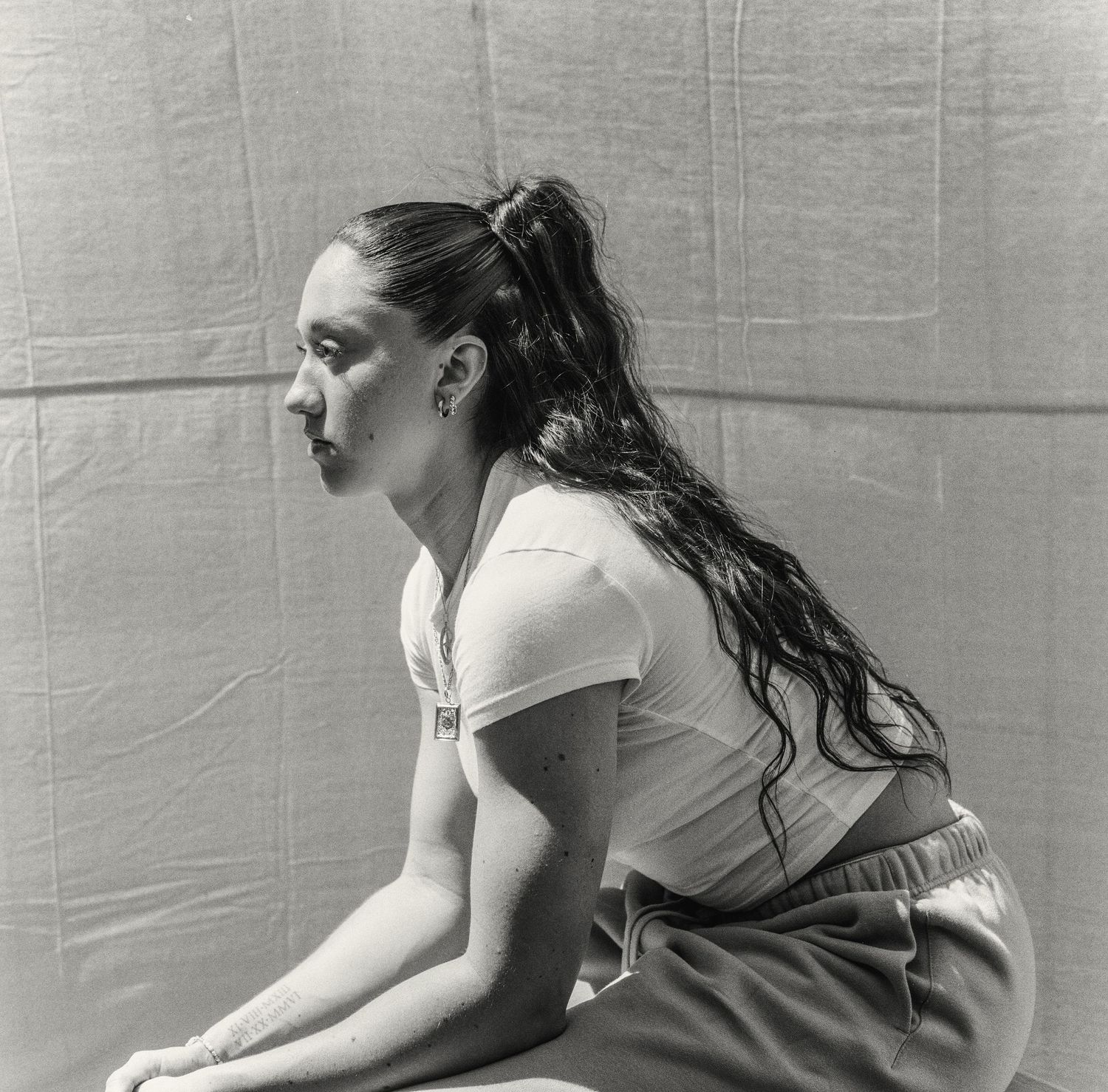
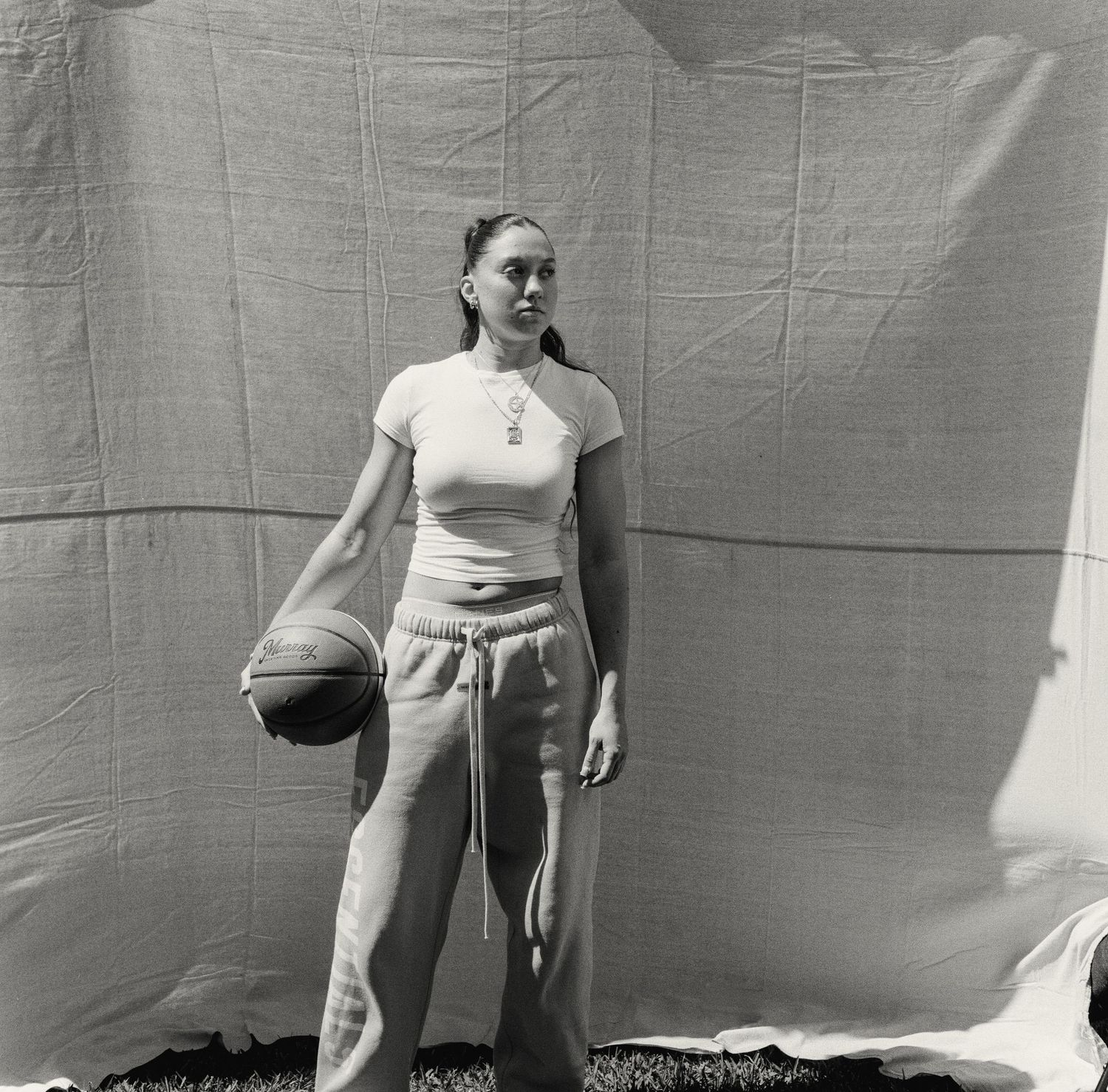
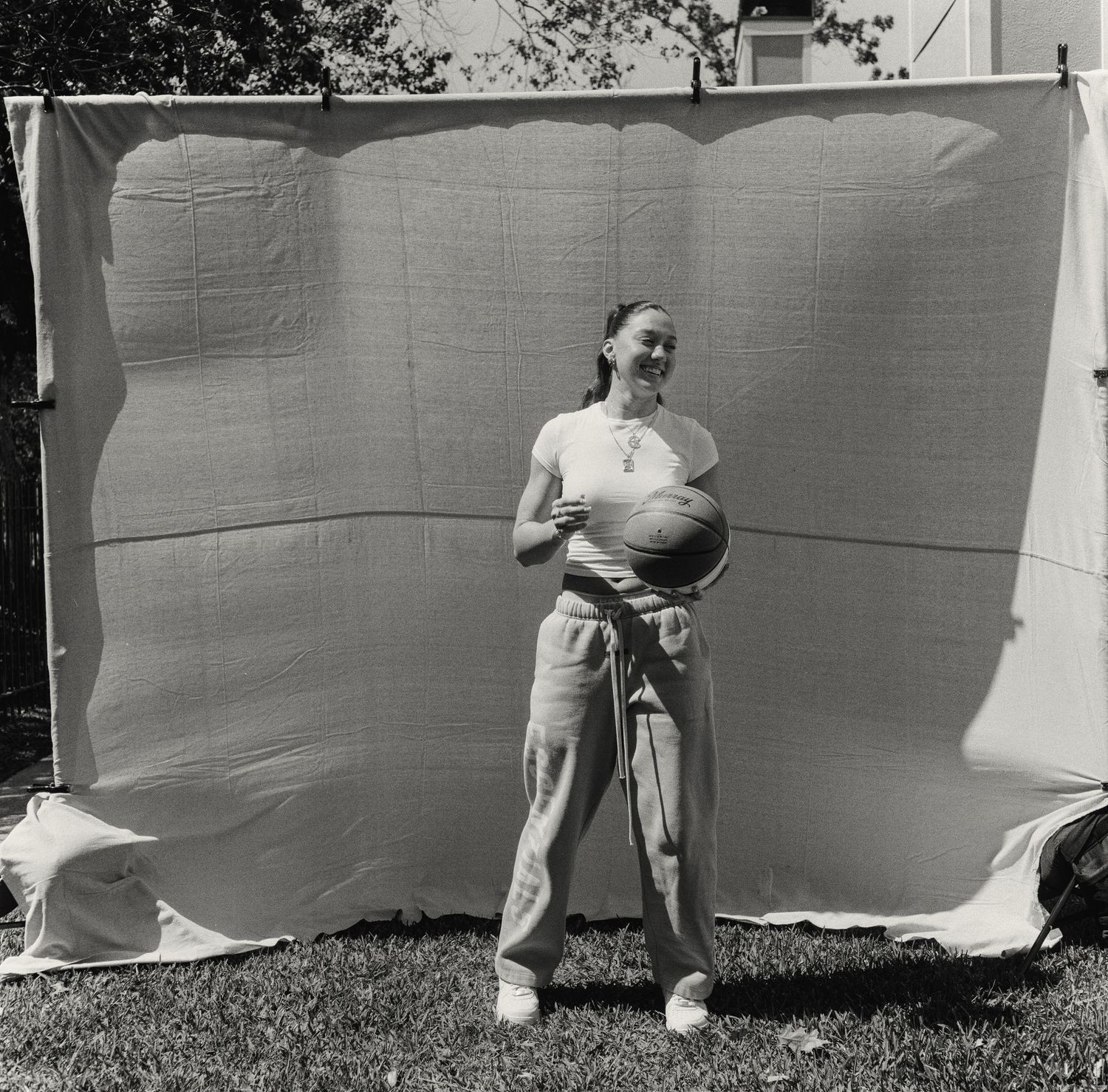
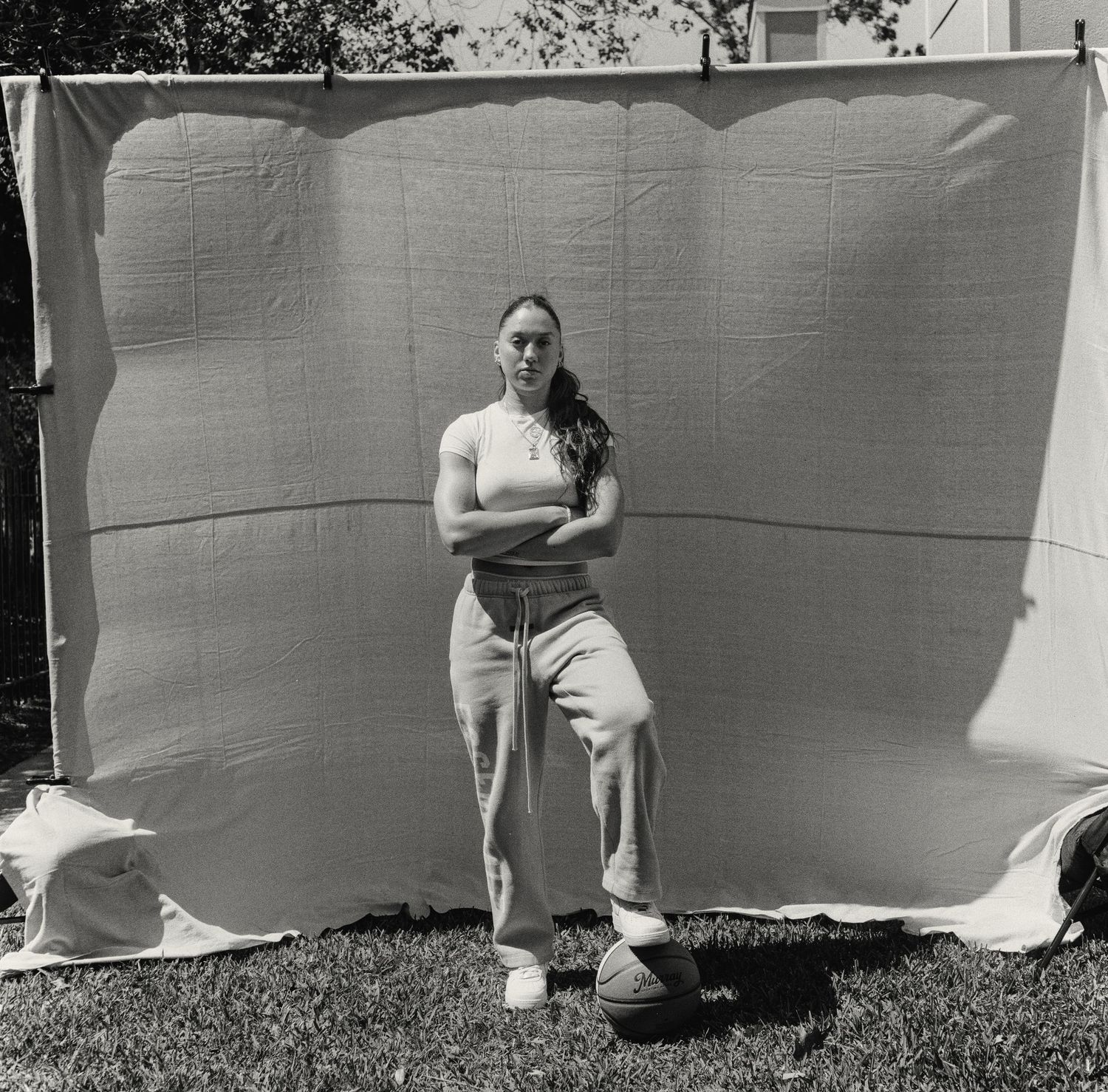
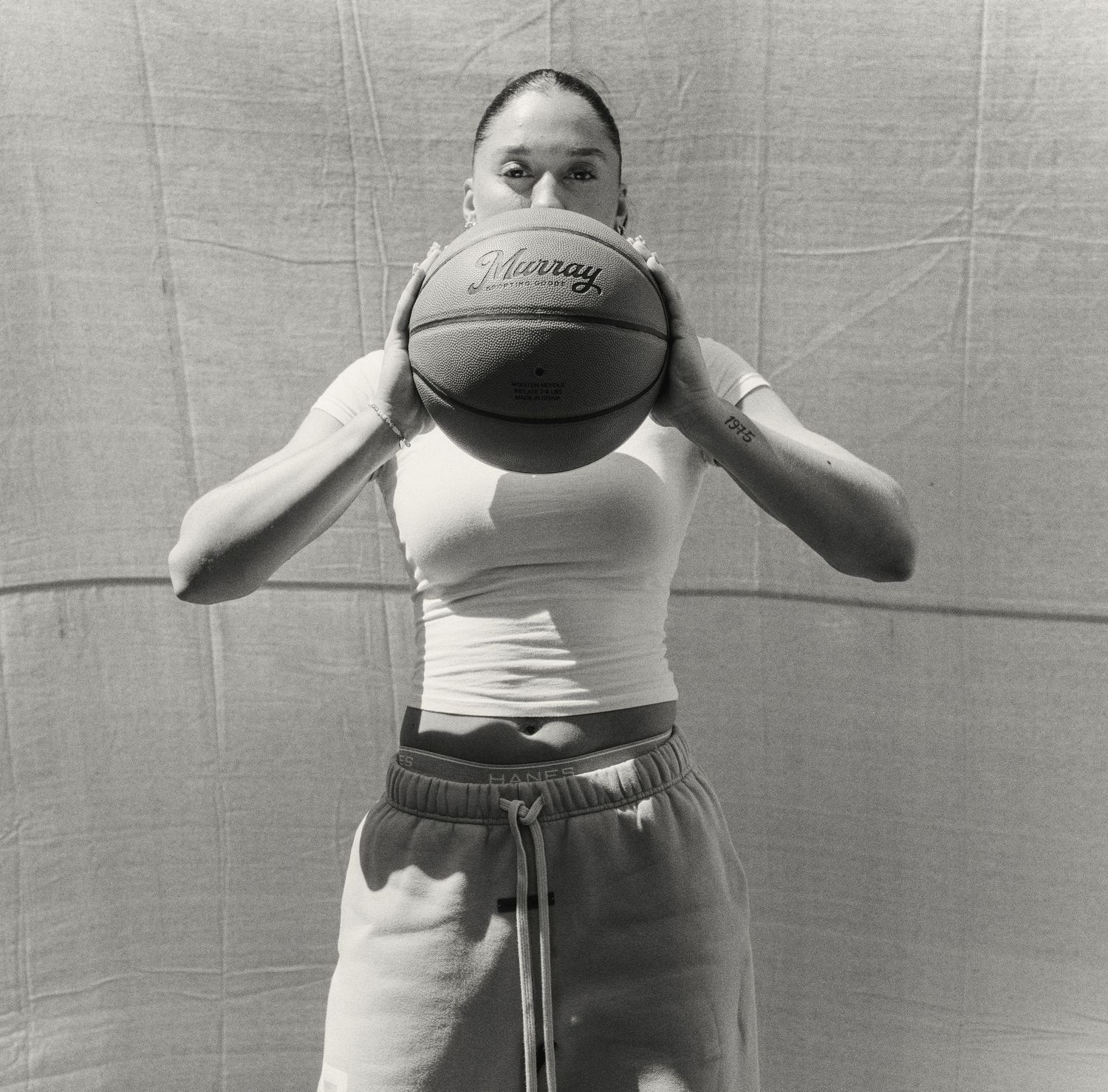
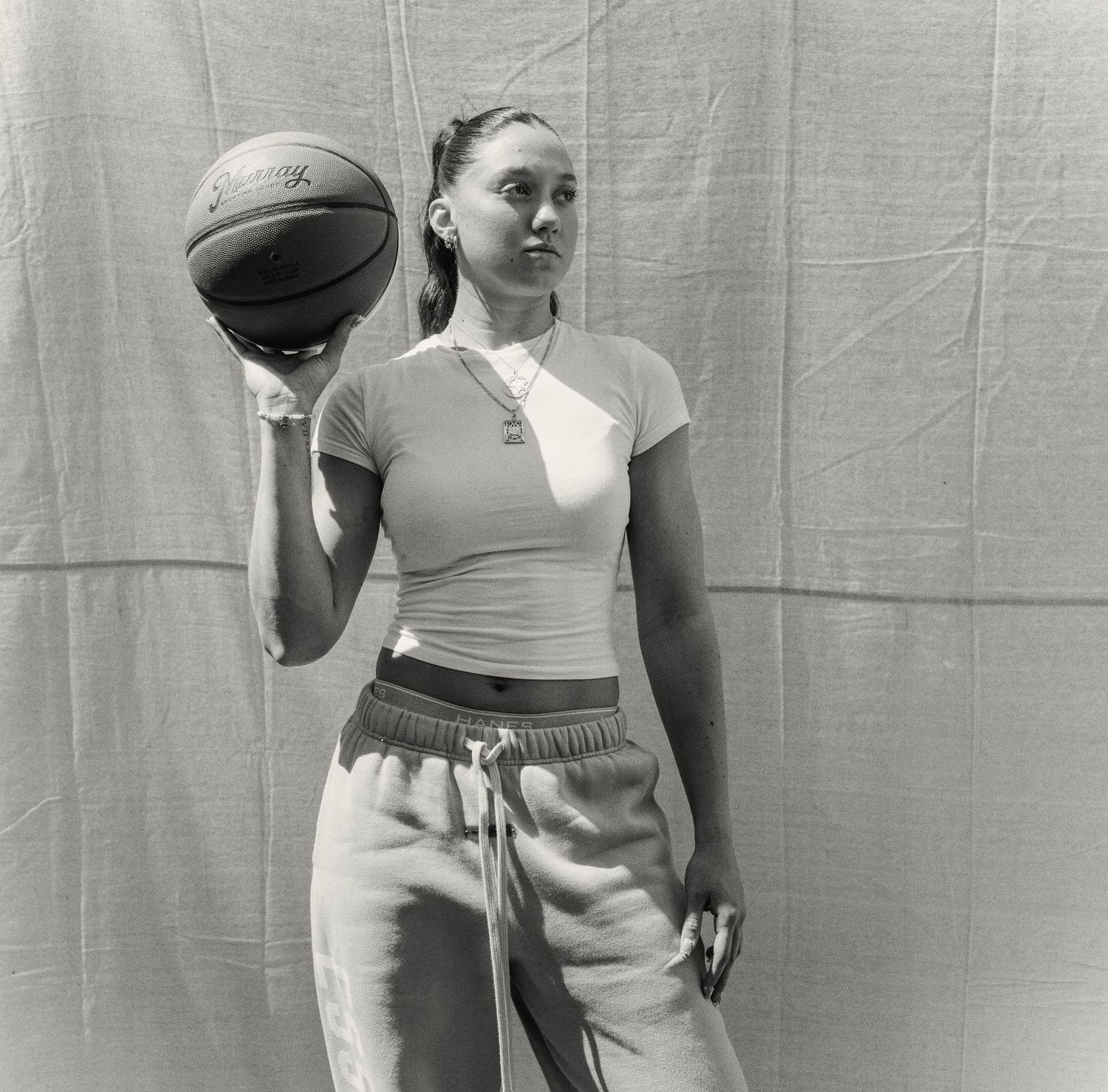
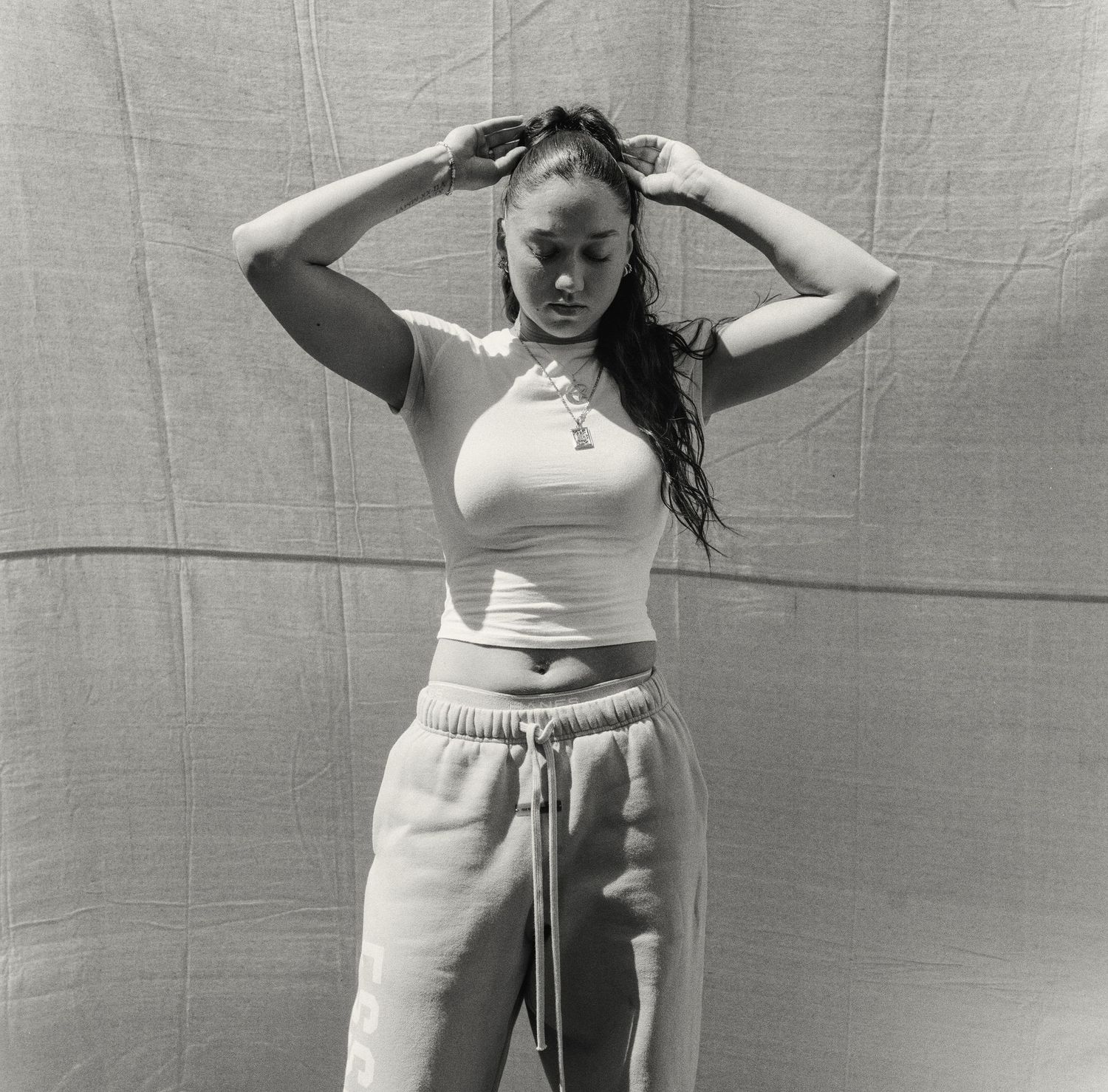
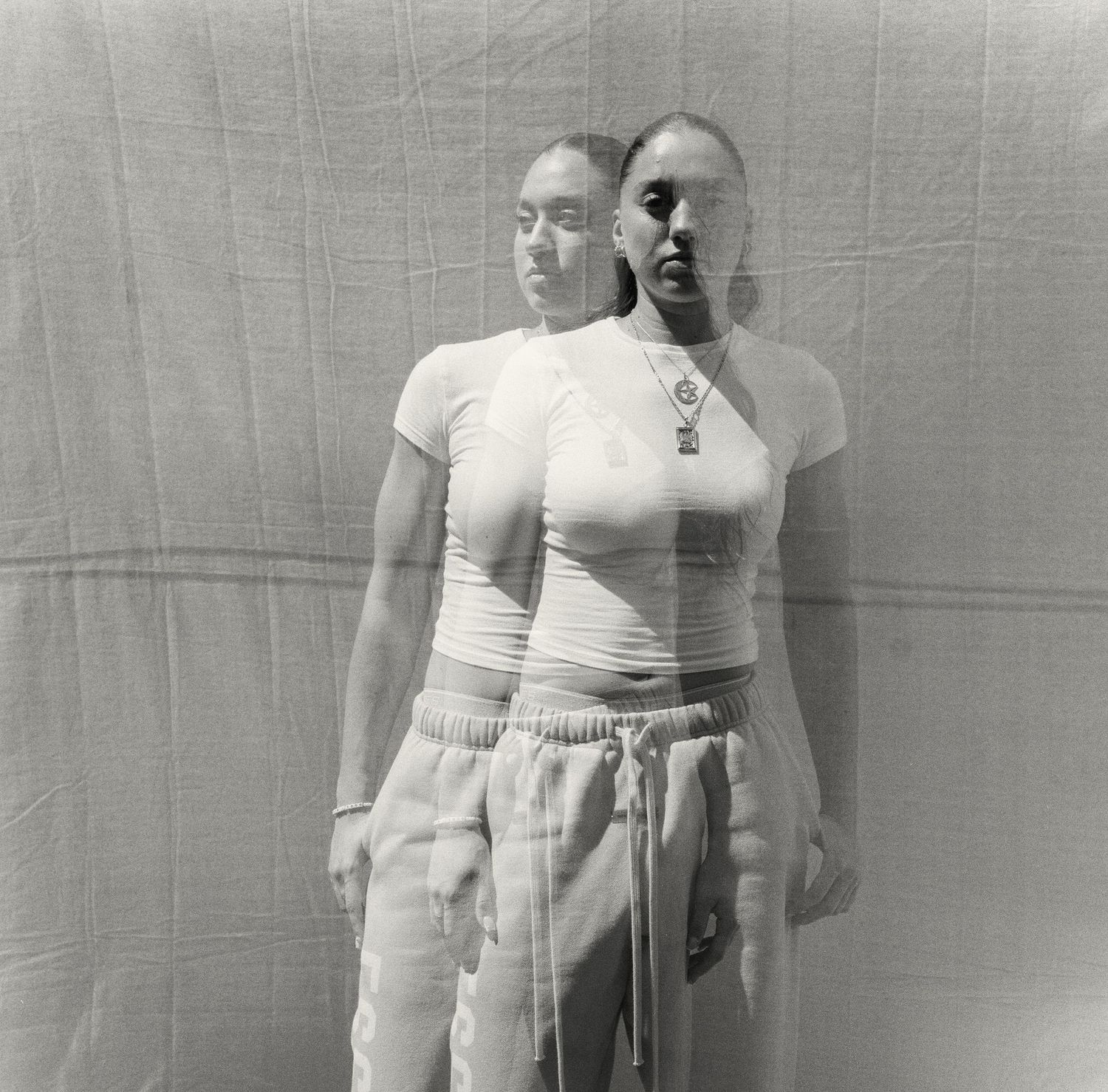
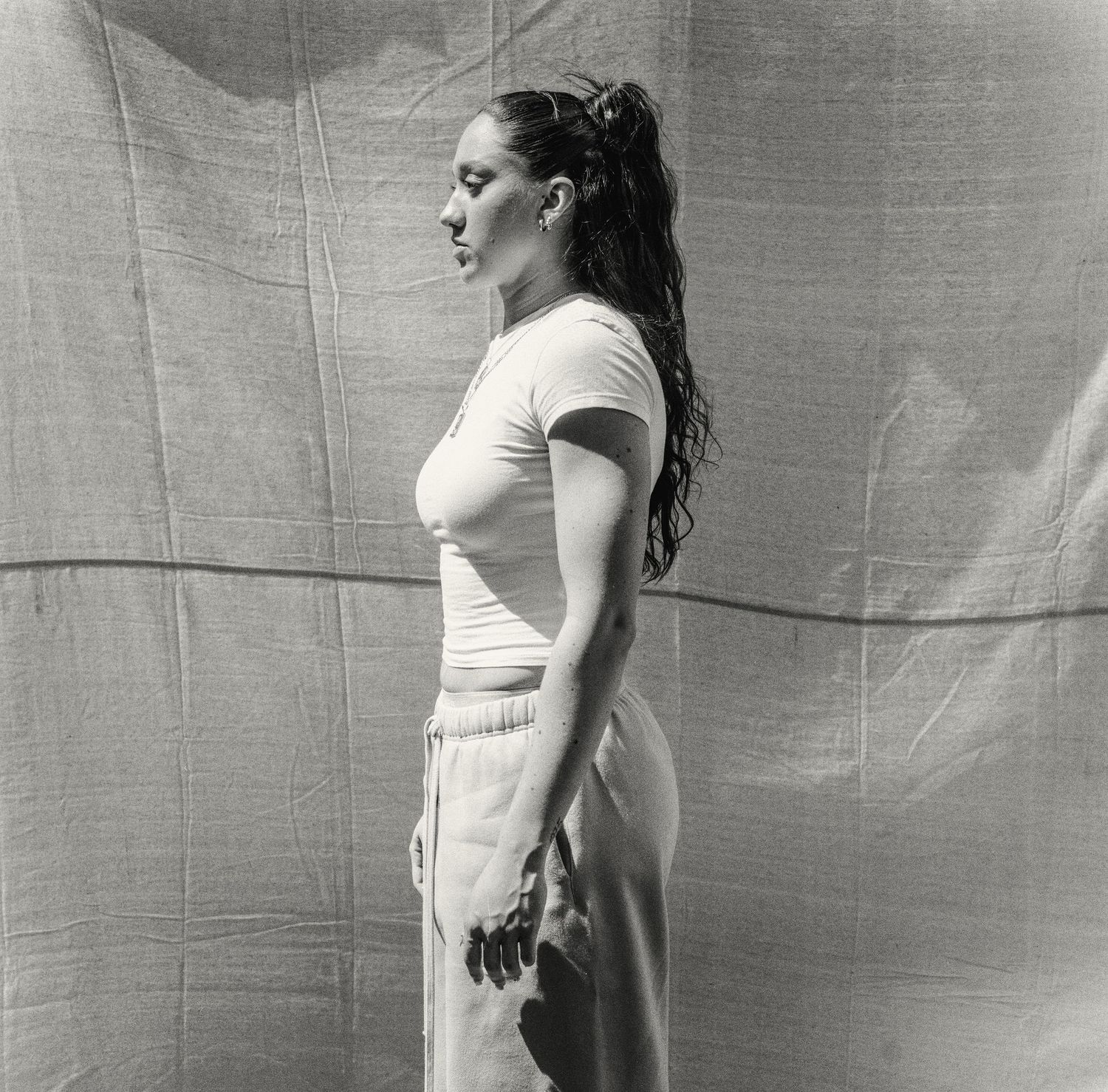
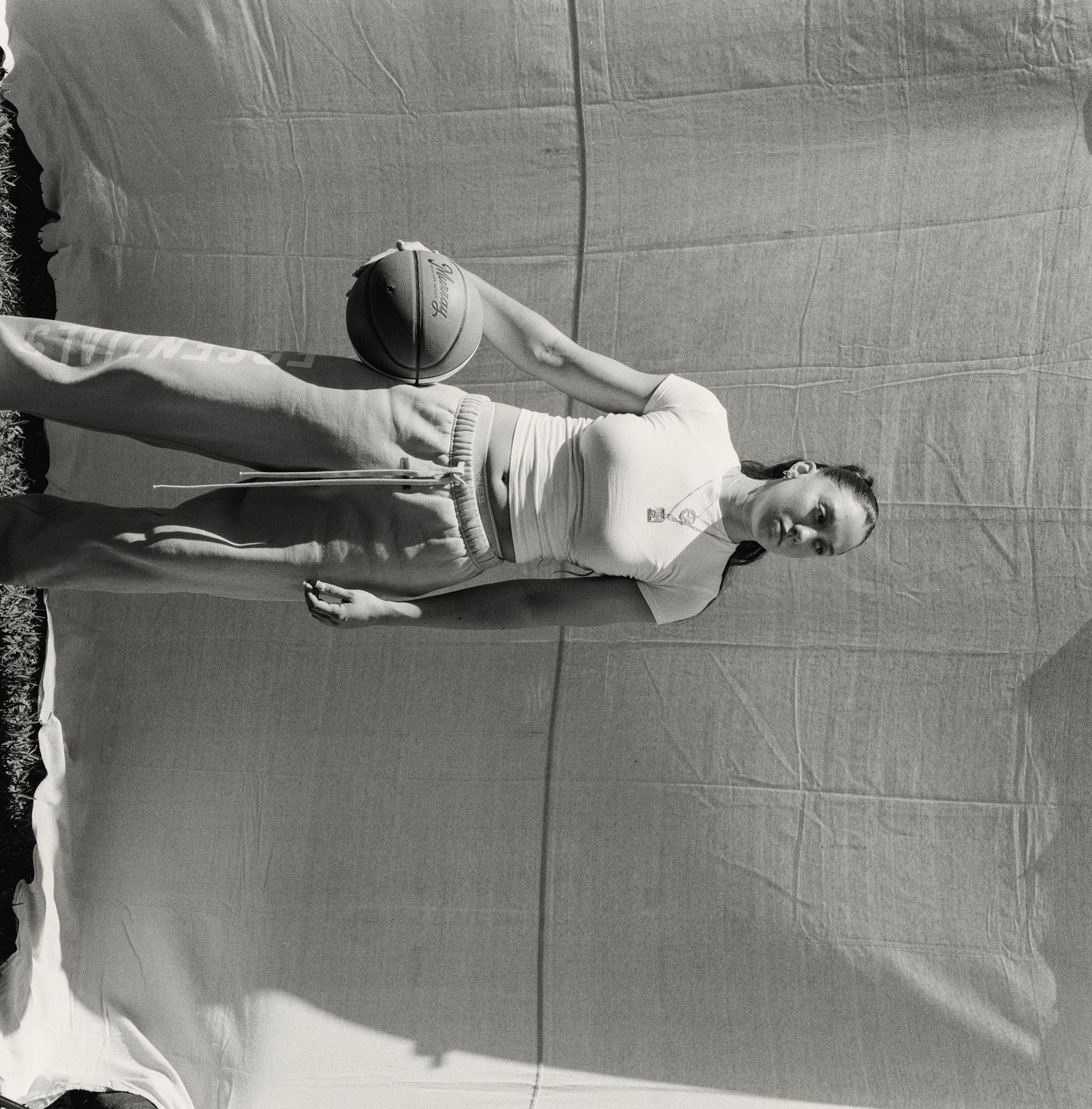
MAMIYA c220 / TRI-X + TMAX 120 FILM
“I’m not done.”
AN INTERVIEW WITH SELMA MARKISIC
by
Respect Their Game
Welcome to the Respect Their Game — a collection of conversations with women athletes about commitment, identity, discipline, and the interior life of sport. These interviews are part of the ongoing portrait project documenting women in sport through film photography and their own words. Today, Selma, a NAIA All-American basketball player, shares her journey from a soccer family to the court. overcoming three knee surgeries AND pursuing a proFESSIONAL career in EuROPE.
So how old were you when you first started playing basketball?
I was around five, six when I first started.
And what made you stick with it?
I just found myself within it, and I just knew that that’s what I wanted to do for the rest of my life.
Almost immediately?
Almost immediately.
Was there someone who encouraged you to get serious about it?
Yeah, my dad. I grew up in a soccer family. My brother plays professional soccer. He’s younger than me. All my uncles played, and my dad played soccer. I had an older cousin who played basketball but didn’t really get to the college level. My dad just saw my undying passion for it, and he was just like: if you want to do this you’re going to have to really do it. So ever since I was a young girl, I just stuck to it and that was my only sport.
So what does a normal practice day look like for you?
Early morning, get up, go to the training room, go back to my room, take care of my body, get another session in before practice starts, then practice with the team, and then after that training room and go home. I take care of my body.
Are you doing weight training?
Yeah, sometimes it will be weight training, depending on the day. During the season, we don't really lift as much. We’re always active, but preseason, it's two-a-days, three-a-days; postseason, it’s two-a-days, three-a-days, and that’s conditioning. Lifting and skill work.
What is the hardest part of practice or training for you?
Regulating my emotions, I would say. I feel like sometimes I have to understand that I play on a team, and it’s not a one woman sport. Where it’s just like if somebody isn’t showing up one day or if somebody’s not giving their all or whatever, I can’t get out of my character to try and fix it. I think this year taught me a lot, well, basketball just taught me a lot about communicating. I know my communication style is different from others. So as a leader, as a captain, as somebody who’s vocal, I need to learn how to communicate with everybody in a different way. So I would say that’s probably the hardest part.
That’s interesting. So physically it’s not the hardest part for you. So what’s something people don’t realize or don’t see how much work it takes to do what you do, especially as a leader on the team?
People forget when you’re a collegiate athlete, you’re a student as well. So I mean, everybody's schedules are different, but I know some girls have five, six classes a day, and then on top of that you have to put in a three-hour practice. And on top of that, you need a two-hour film session. And then you need to take care of your body, and you need to eat, and then you need to sleep. It’s just all of these things. People think it’s just what they see on game day, and it’s really not. There’s a buildup to that. And I feel like doing that day-in and day-out, that’s why when you play college basketball, you’re the top 1% of the world. And it’s not for everybody. Even those who do it end up not lasting. In any sport, you find yourself through it. But I would say playing at the collegiate level, when you go into your next phase of life, whether that’s working for wherever, I feel like you will automatically see the separation from yourself to your coworkers. Not everybody can say they played collegiate sports.
How do you feel right before a game?
Oh, nervous. It doesn’t matter how many games. I mean, I’m in the gym every day, all day, but game day, I’m nervous. Of course I have my pregame routine, and I do everything the way I’m supposed to do it, but always, my teammates will always find me an hour before the game just sitting on the bench just by myself, just trying to visualize the game, trying to visualize my spots. Where do I get to my spots? Where can I be most efficient? But yeah, just that time to myself is very nerve-wracking. But once I hear that whistle and that ball tips off, it’s like I’m fine. But before that buildup is, yeah.
So during that pregame time, do you have music on or no music?
It doesn’t matter for me. A lot of the times it’s no music. If I’m stretching and stuff in the training room, I throw my headphones on. But when it’s like I'm sitting on the bench an hour before the game, it’s me and my thoughts. And to just sit there and take out the negative, take out the doubt, feed it with positivity, visualize myself in the court an hour before I get to play.
What do you tell yourself when things aren’t going well?
Be you. I think what you put out there is what you work on. So if I trust my work and I trust the day in, day out, night in, night out that I put into it, it will all pan out. Every sport is unpredictable. So just continuing to have that confidence within myself, being myself, I think would take me anywhere I want to go.
Has there ever been a moment when you thought about quitting?
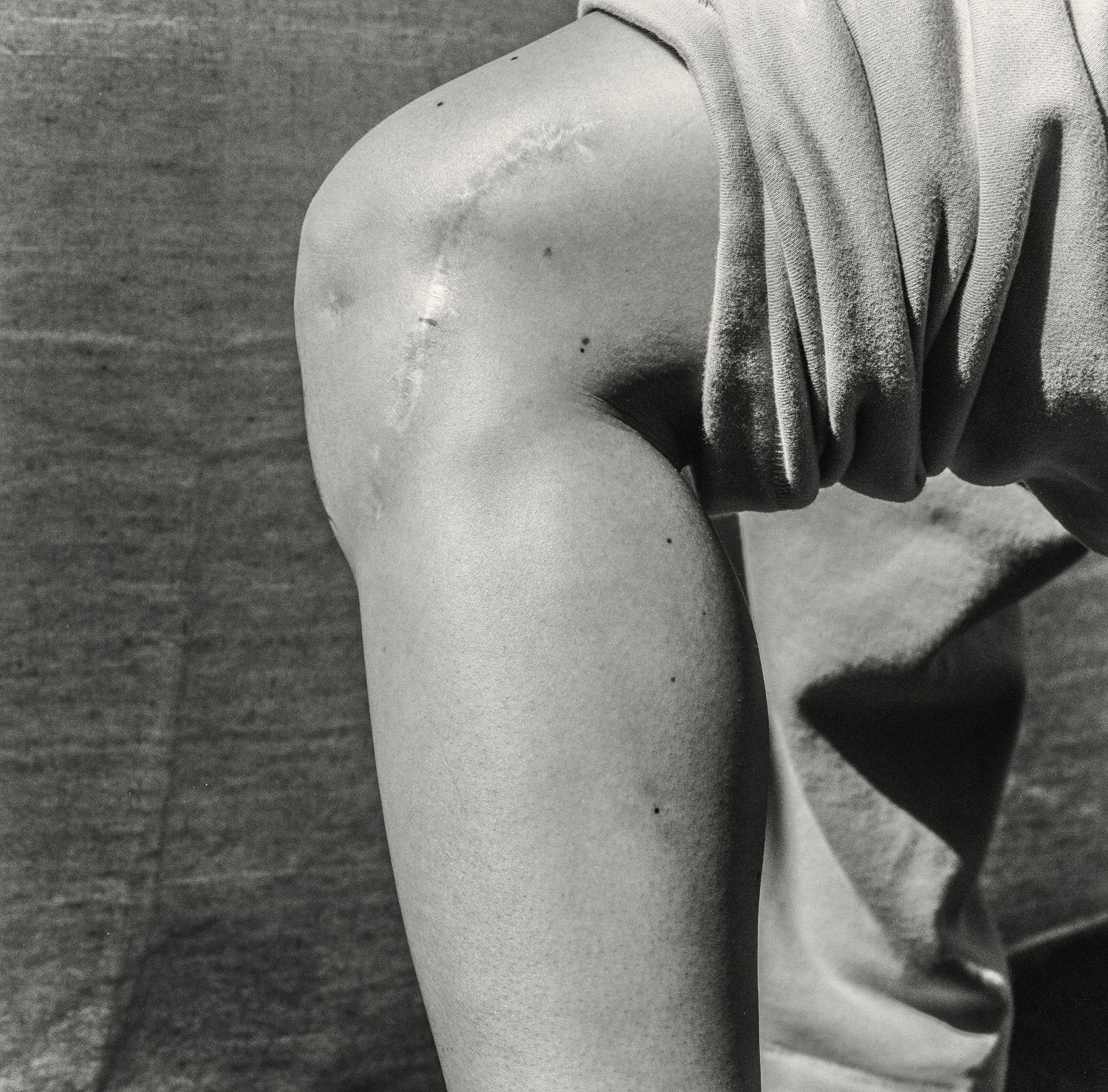
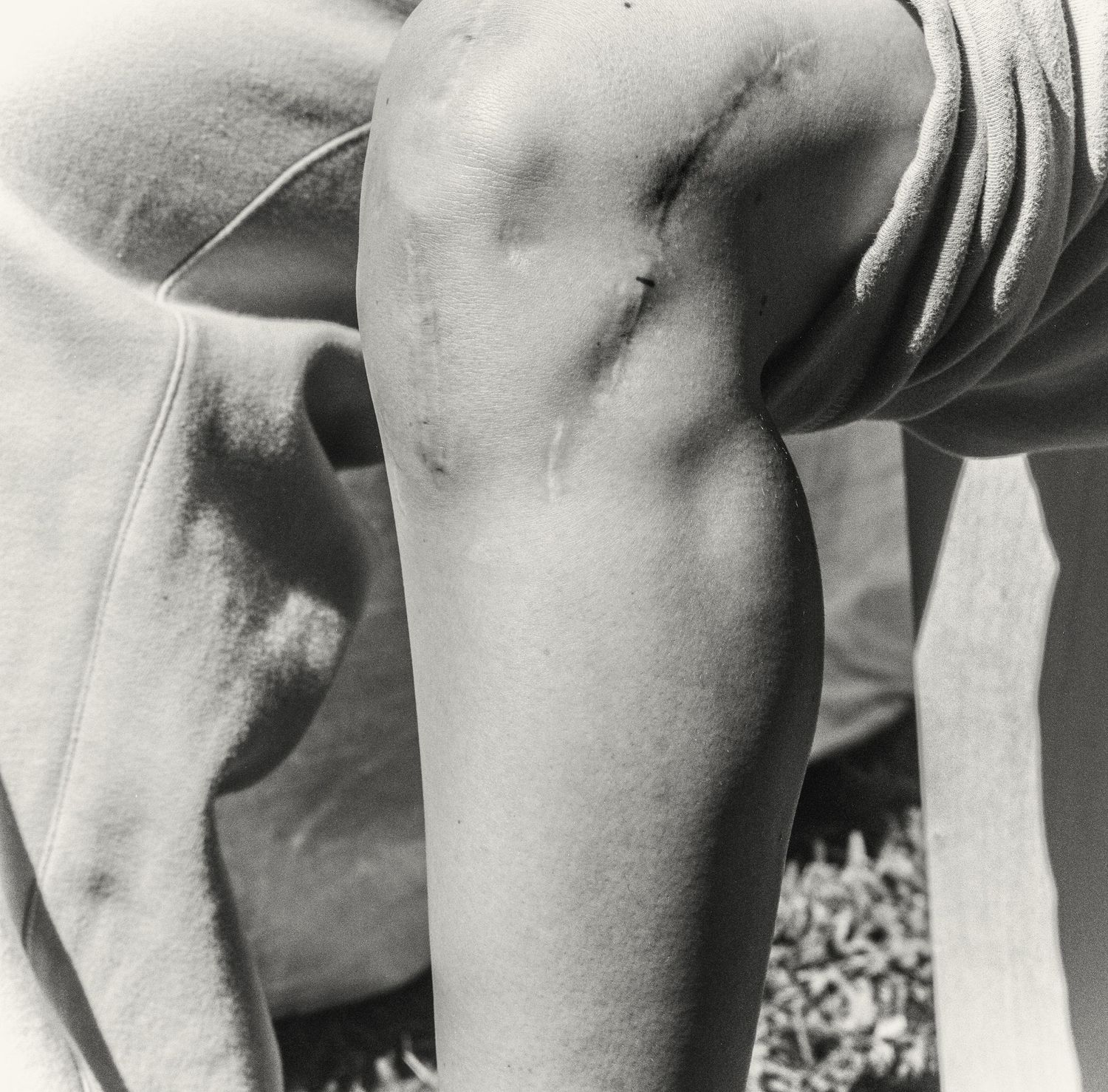
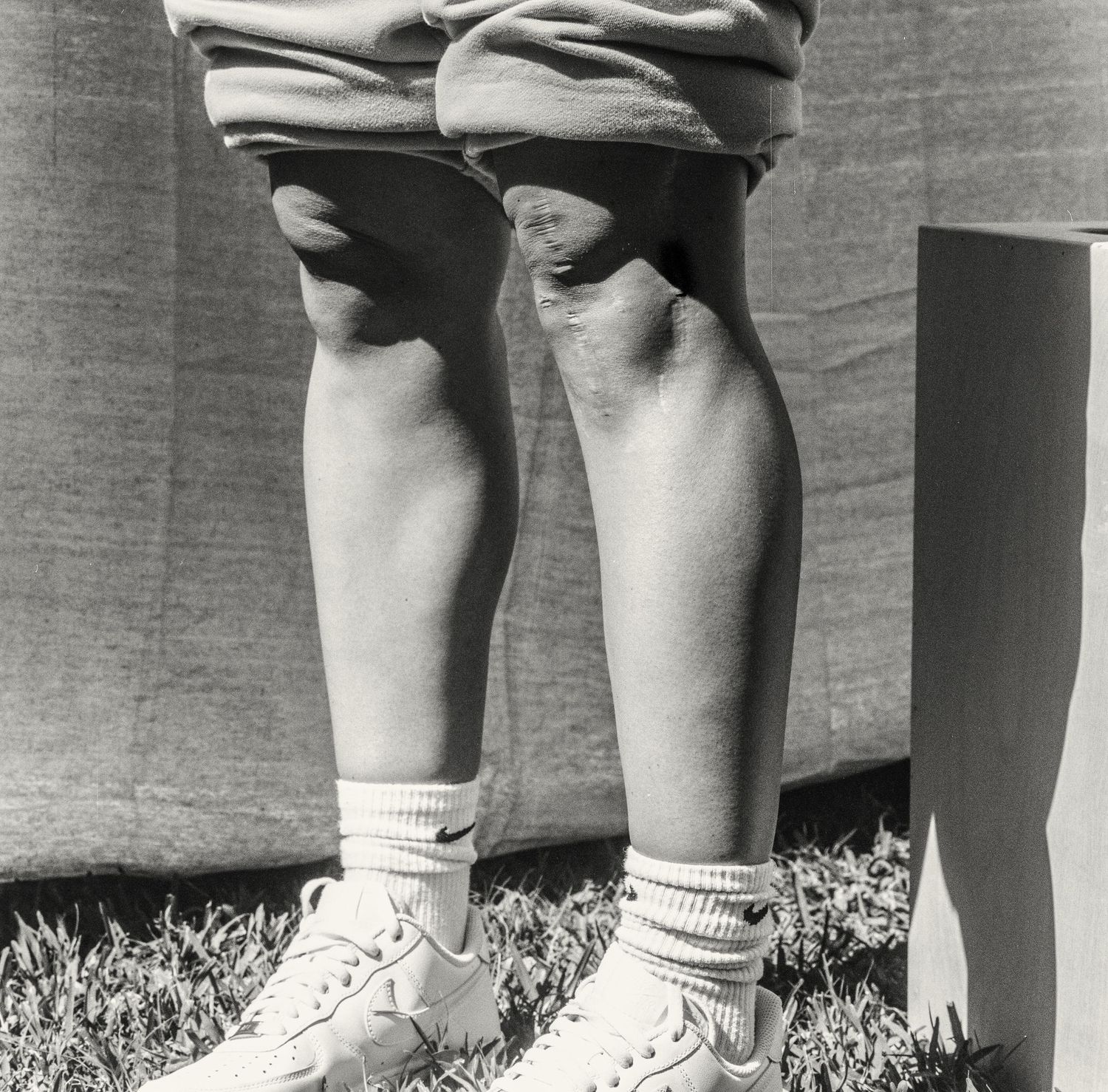
No, but there have been moments of everybody wanting me to quit. And I feel like that was probably my biggest battle in my life. Having three knee surgeries. I’ve had family members tell me: all right, it’s time for you to walk away. It’s time for you to hang it up. I have my parents begging me, do not go back. Do not go back. But I always believe every athlete knows when they’re done, and I’m not done. And I feel like God gave me this path for a reason. These three knee surgeries were going to happen regardless. It didn't matter whether it happened then or later, it didn’t matter. It was going to happen because I wouldn’t be the player and the person that I am right now.
Do people at school or in general just know you as an athlete? Is that your identity?
Yeah. I would say I keep everything basketball, so yeah.
And you’re comfortable with that?
Yeah, a hundred percent. I mean, that’s one thing that I always say is: basketball is what you give it. It’ll give it to you back. So that’s the one consistent in my life where no matter what happens in my life, I can turn around and grab a basketball. I can go shoot, I can go do whatever. I can dribble the ball and take my mind off something.
Who do you lean on the most when things get tough?
My faith. I’m very, very big on my faith and my father. My father is my “why.” So that’s one thing I feel like every athlete needs to figure out. Why do you do what you do? Why do you wake up every morning? Why do you put in those hours of work? So my why is to embody my father's legacy proudly, and that’s just, I put it in four words, but basically my last name means everything to me. I want my parents to look back and be like, you are the representation of us. And I would say my father has been that anchor in my life.
Was there someone who really shaped the style of your game? Was it a coach,or a teammate, or family?
So third grade I played for the Lady Bulldogs, the AAU team in New York. Coach Locasio shaped my game. He really was just like, if you’re serious about this and you want to do this, we’re going to do it the right way. And when kids develop and when they start the sport, they tend to forget about the little things, the fundamentals. And I feel like he was a coach that he thrived on fundamentals, because that’s what women’s sports is about. It's skilled. If you want to go and see some skillful basketball, some high-IQ basketball, some stuff that will still make you go, “Oh!”; those are the things he reminded me of. And that started in the third grade and it shaped me throughout my whole life. He coached me from third grade to eighth grade. And then after that I moved on and moved up. And then I also would say LeBron James and Diana Taurasi are my favorite players ever. So just LeBron’s physicality is something that I love and admire. And his longevity. And then Diana’s IQ and her shot ability and shot-making is just insane.
Have you ever felt underestimated in your sport?
Oh, a hundred percent. I even think just like me going through my injuries, everybody was just like, you’re not going to make it. It is time for you to wrap it up, put the jersey up. It’s over with. So all the time, even now, but at the end of the day, like I said, the work you put in is going to come out, is going to show. The work will always show.
What do you wish people understood better about women in your sport?
I would say that we are also more than our sport. I feel like every player has a story. So there are players out there who are mothers, there are players out there who came from nothing to something. There are players out there who, just like me, who went through injury after injury and are still so resilient. And there are players out there that are just first generation players like myself. Just everybody is more than just their sport. And I love how basketball can just bring all that together.
You’re working towards something ahead in basketball. Can you talk a little bit about what's next for you?
Yeah, so I played four years at a division one. I played my last two years at LSUS (Lousiana State University Shreveport), and I just signed to a sports agency in Europe. I'm looking forward to playing professionally there, Croatia (?), Spain.
What does basketball give you that nothing else does?
I would say for me a reminder to be myself. Basketball is also where I get my confidence. I feel like basketball is my identity and some people think it’s a problem, but if people knew my story, they would understand why I say that and why I’m okay with that. But yeah, a sense of peace, identity, just a reminder to keep being myself.
If people saw these photos years from now, what do you want them to understand about you as an athlete?
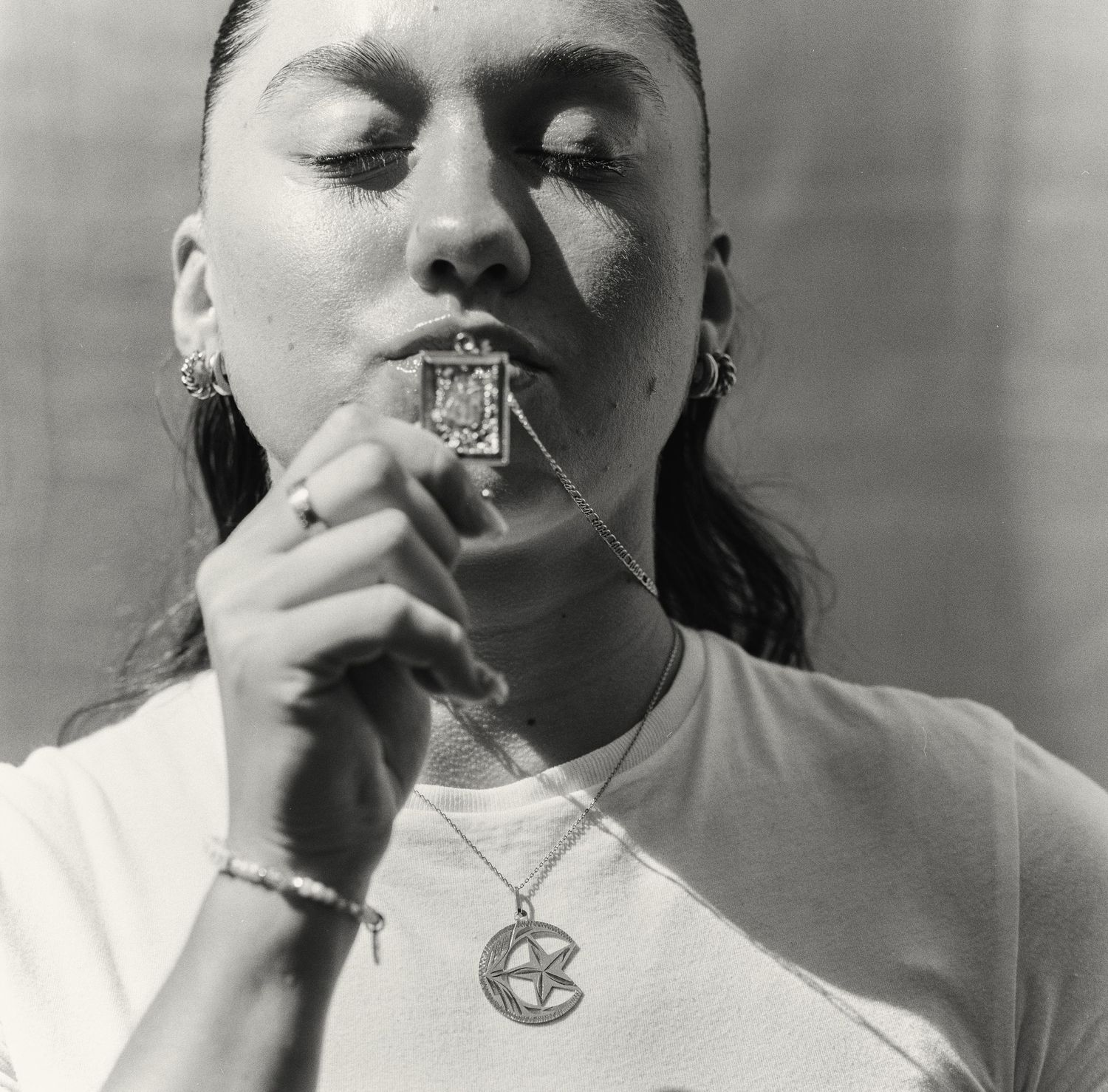
I want them to see resilience. I think that’s important. And just be you. When they see my scars, that’s me being me. I have to go through that. When they see my nails and my chains around my neck, that’s me. Everybody will say, oh yeah, she always wore that, or she always has her nails done. Her knee always looked like that. She always had that knee brace on. But that’s just what makes Selma, Selma. And I don’t think I’d ever changed that.
Thank you to SELMA for her time and trust. If you know an athlete whose story deserves documentation learn more about the project here. Respect Their Game remains reader-supported. If you value this work, consider pledging support to help expand the archive.