06
BALLET / PROFESSIONAL / FORT WORTH
Sojourn
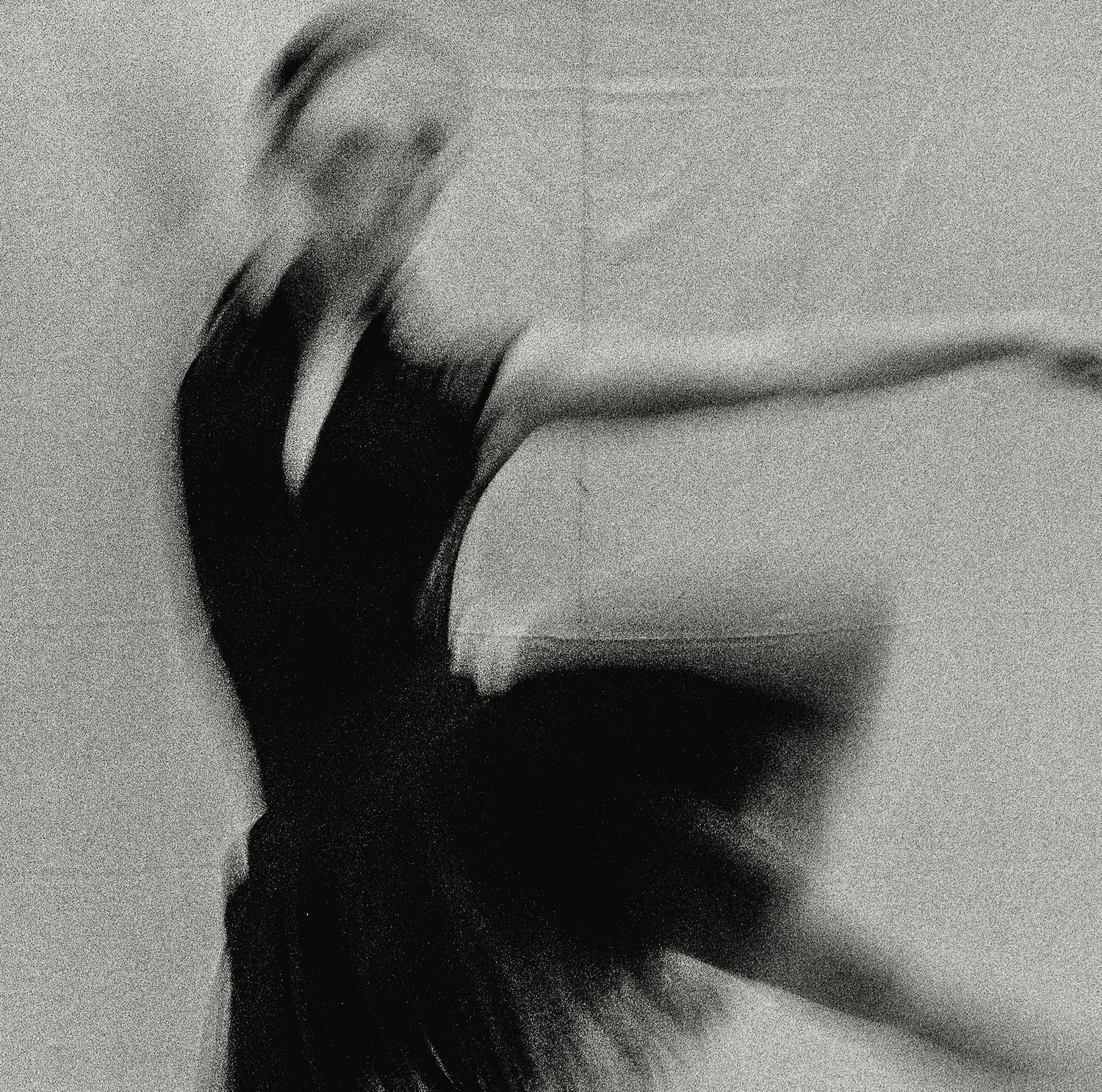
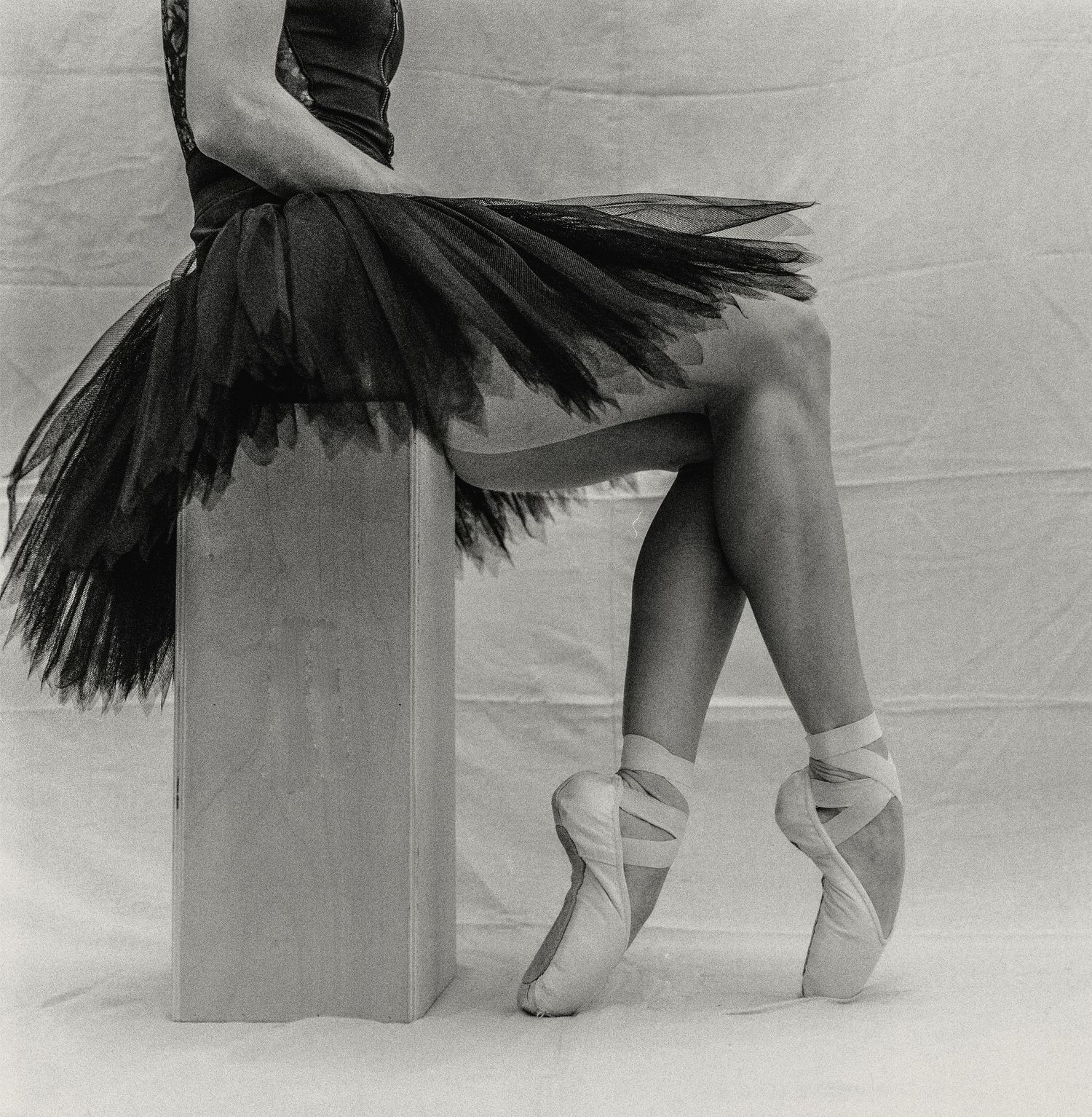
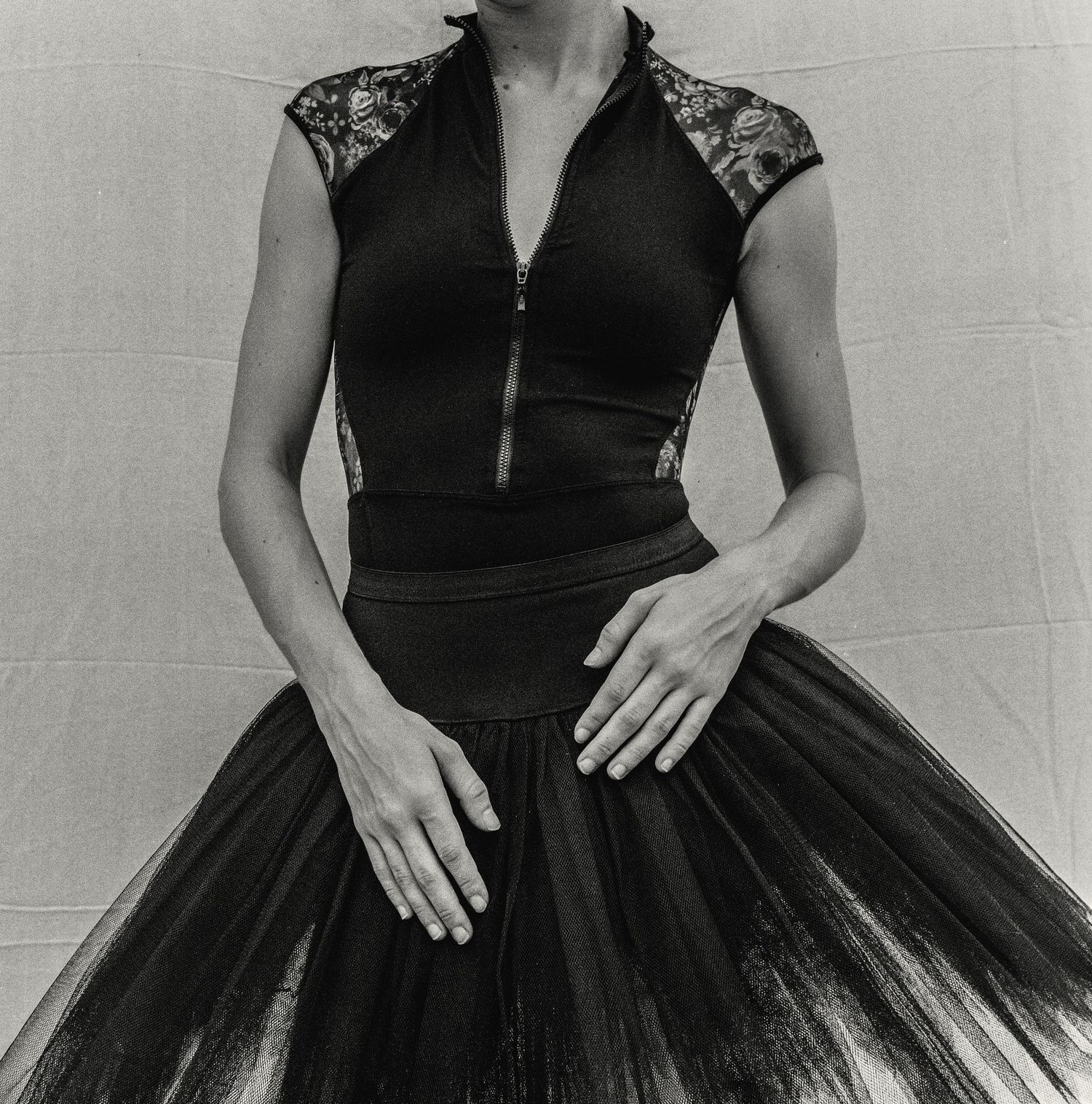
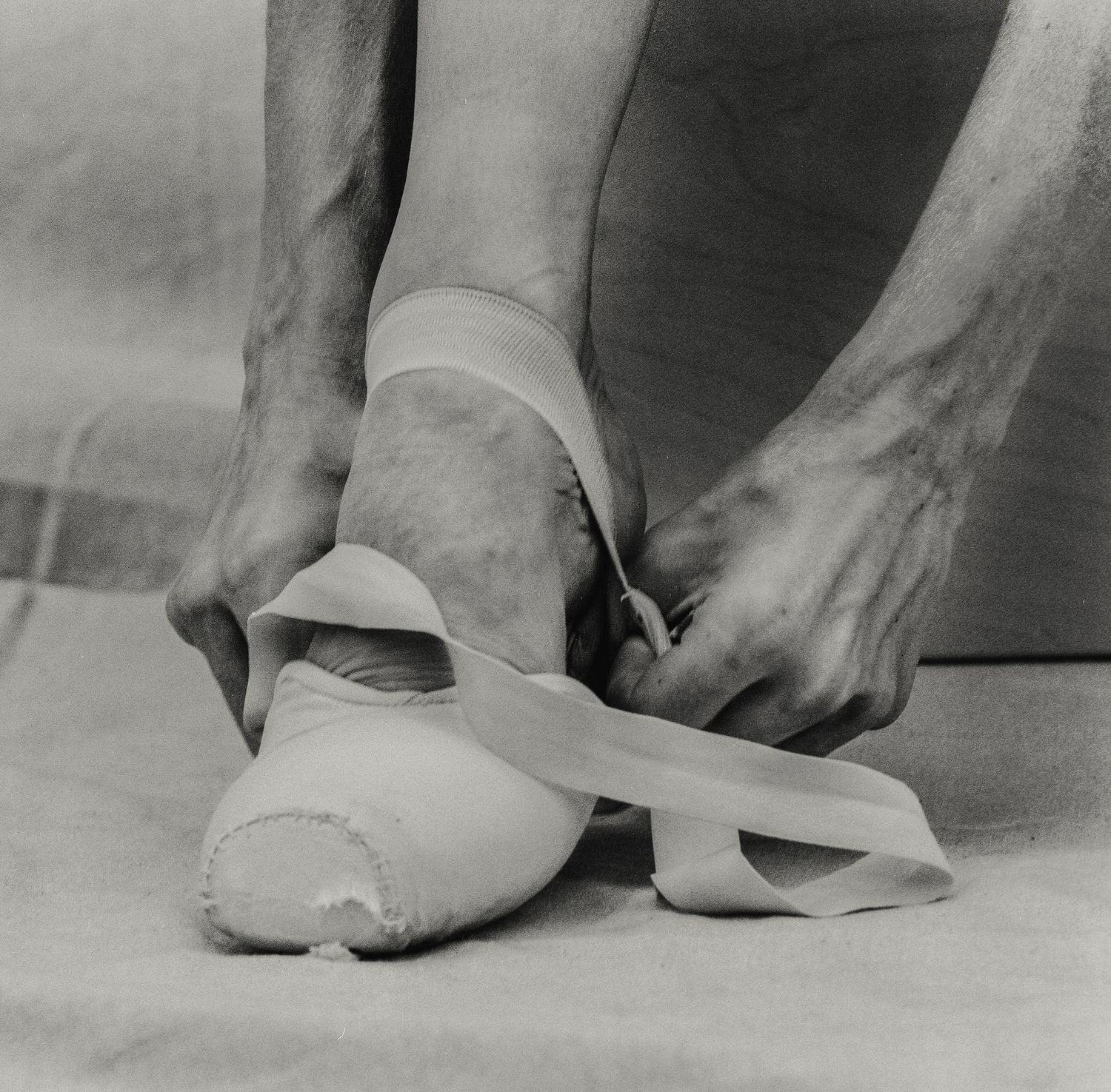
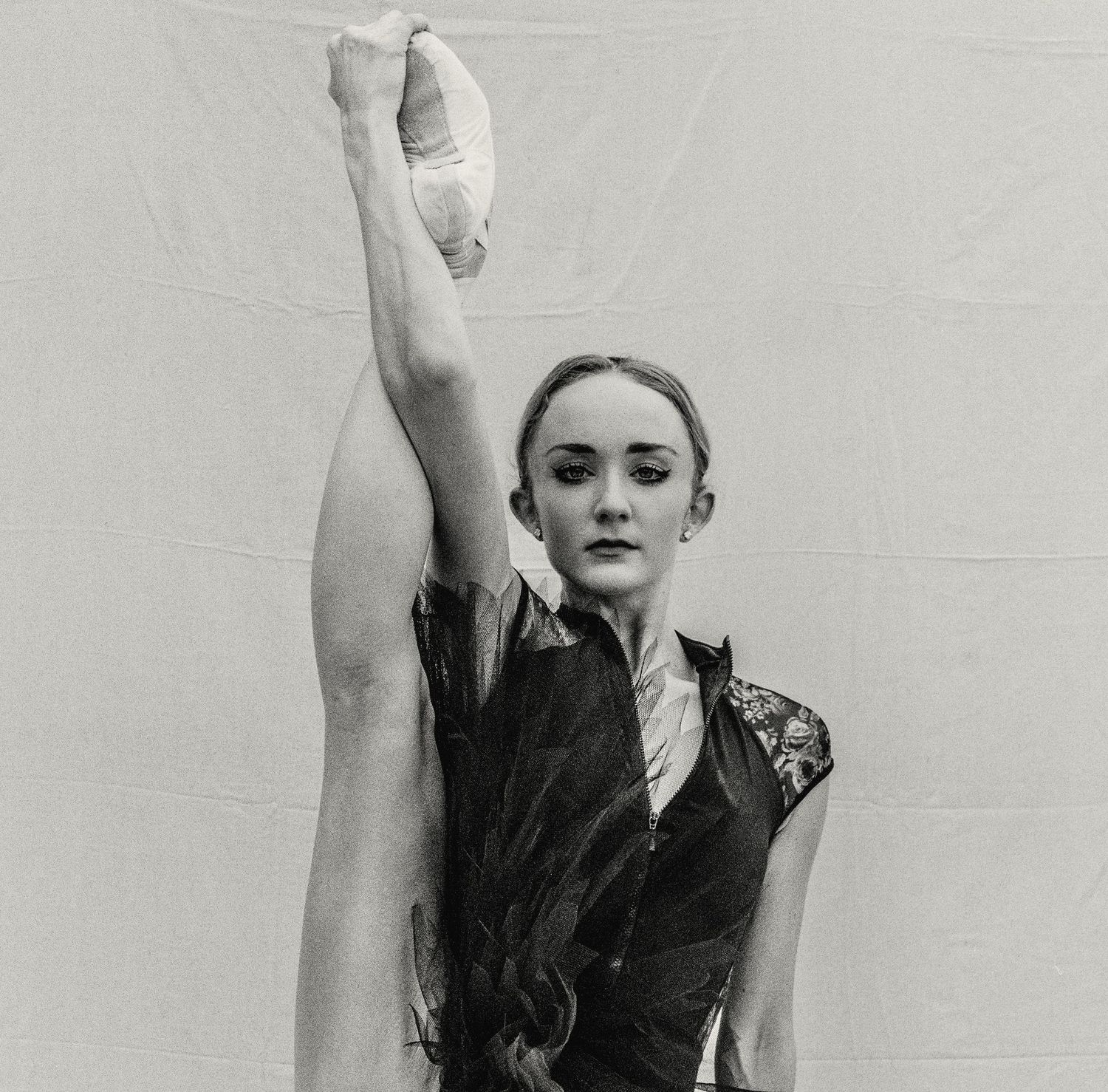
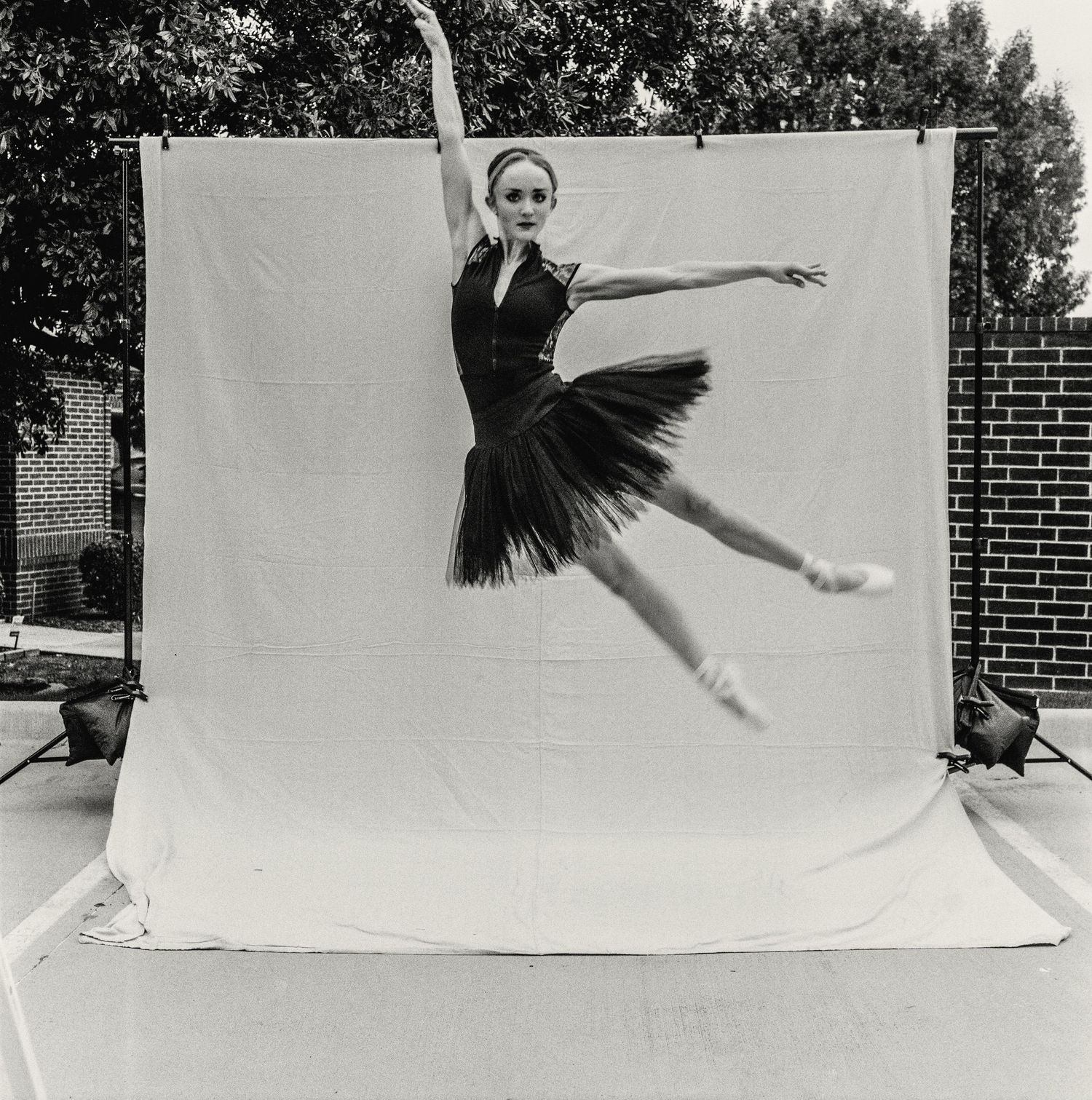
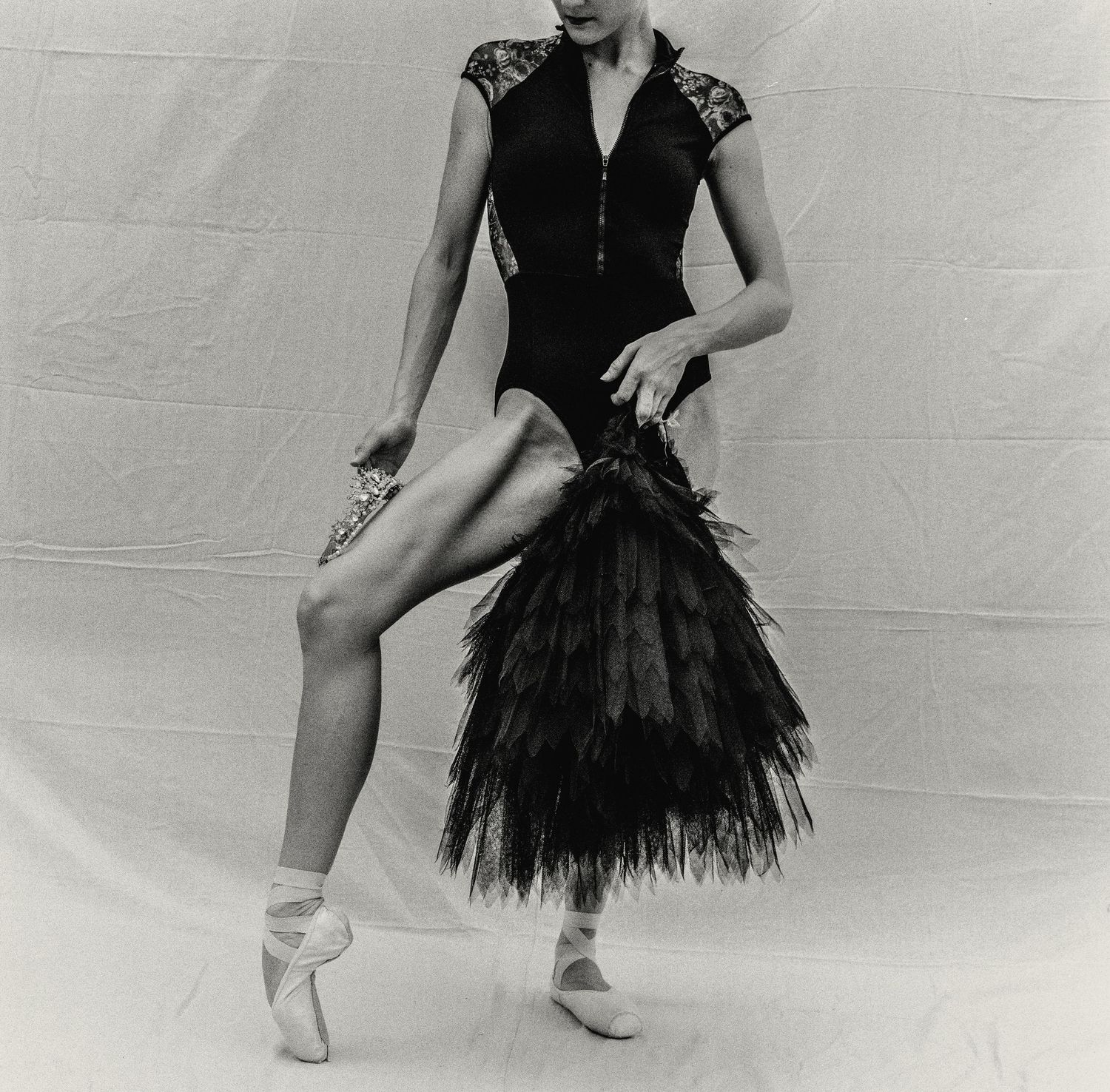
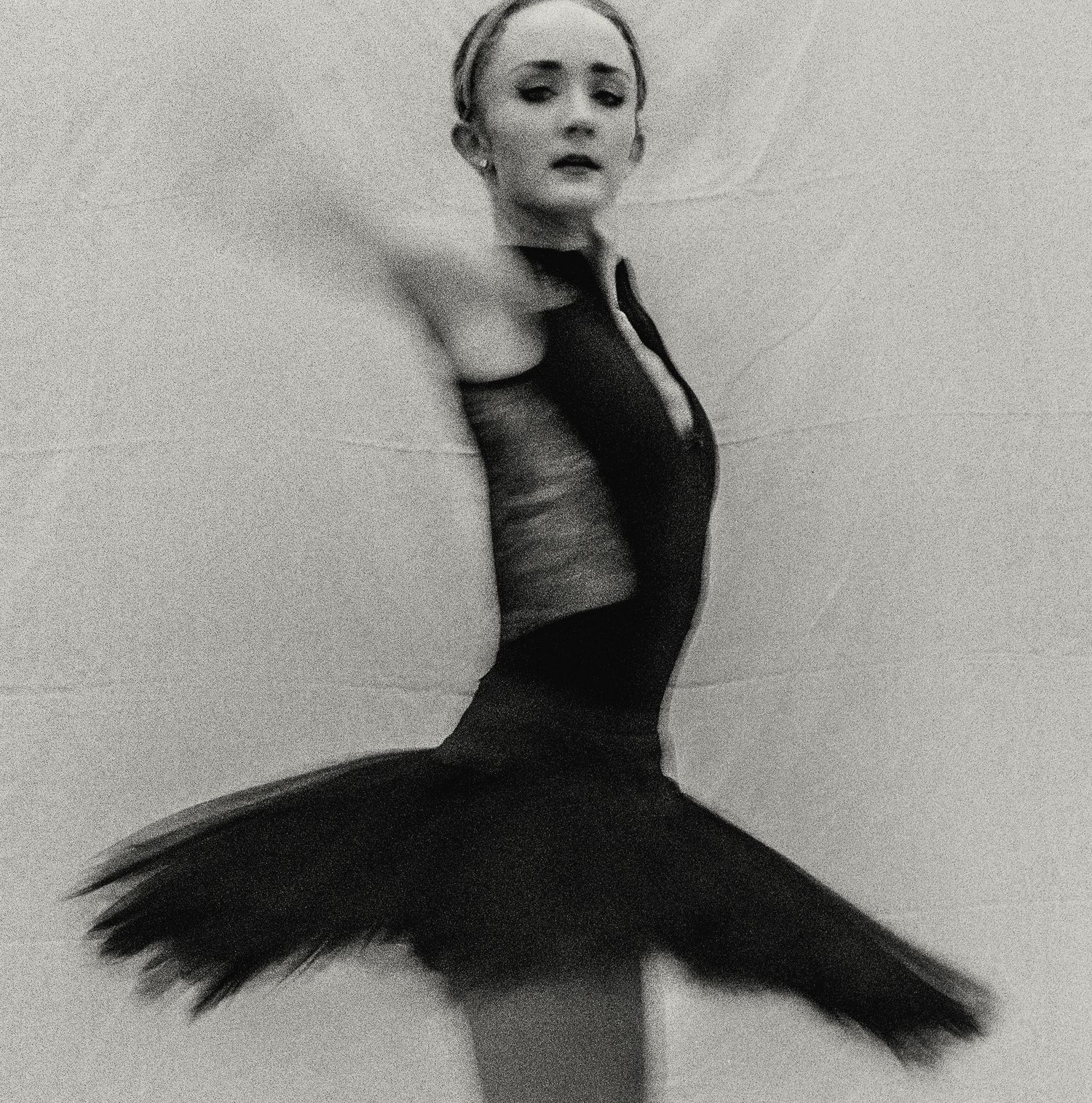
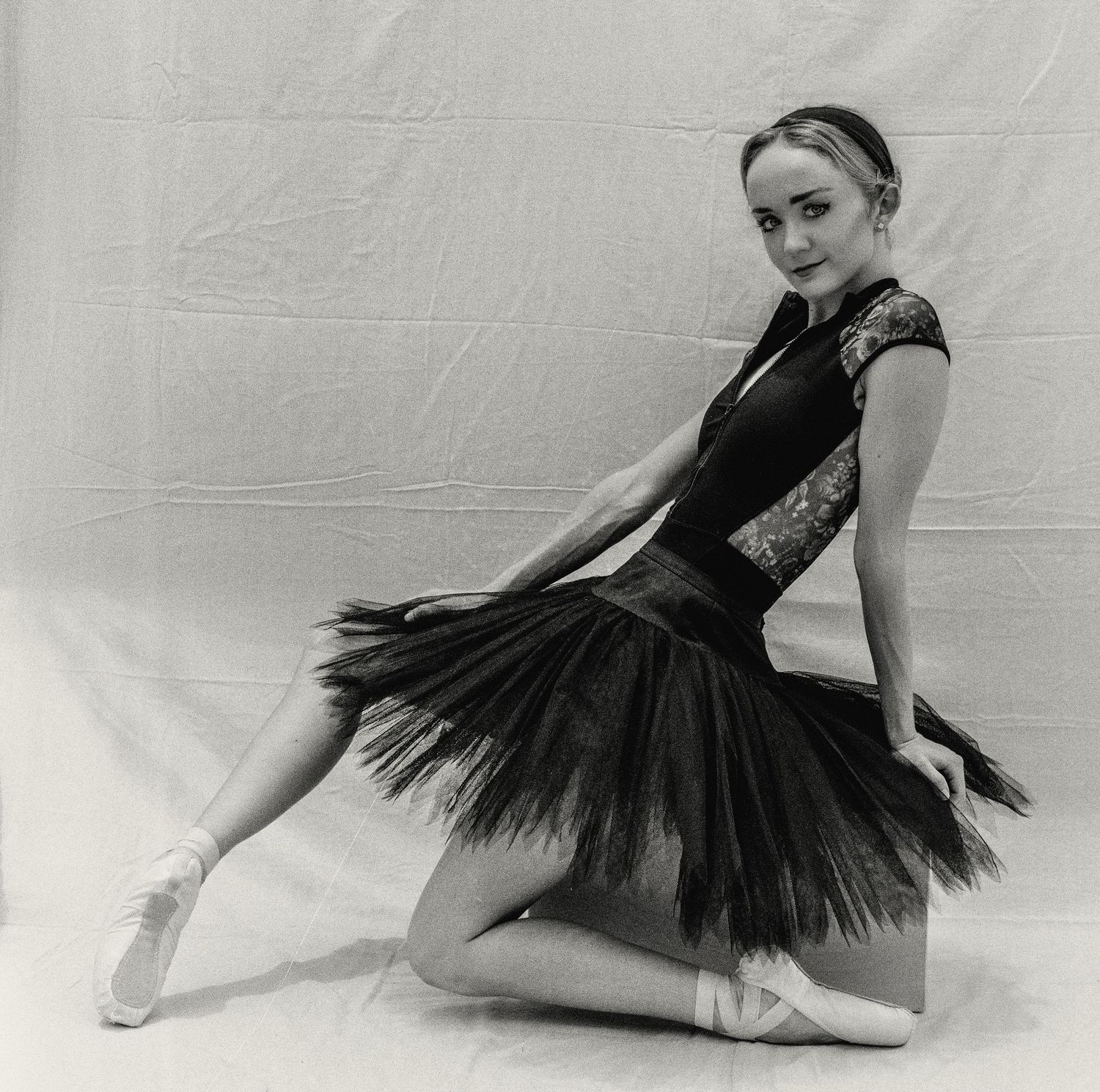
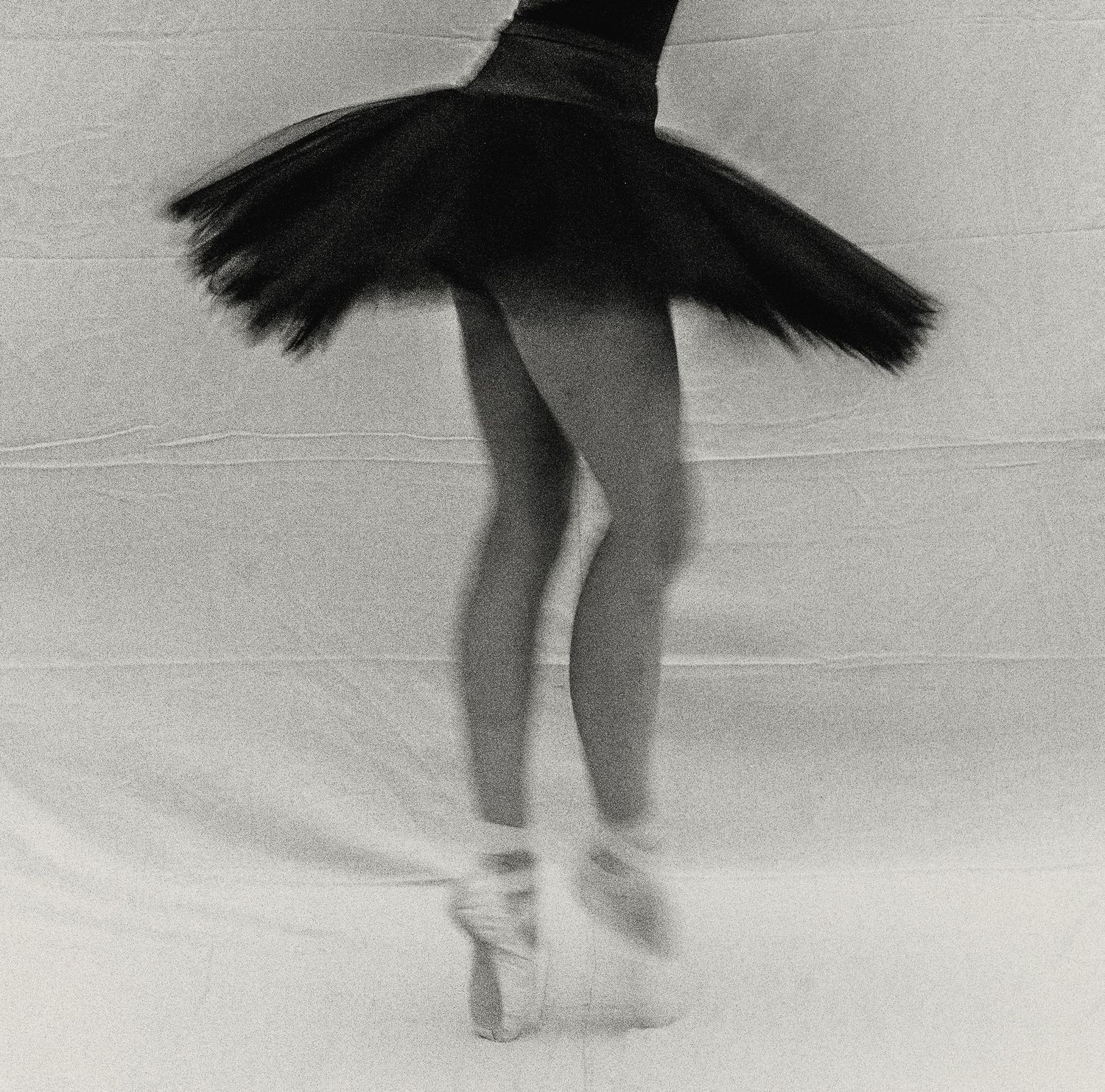
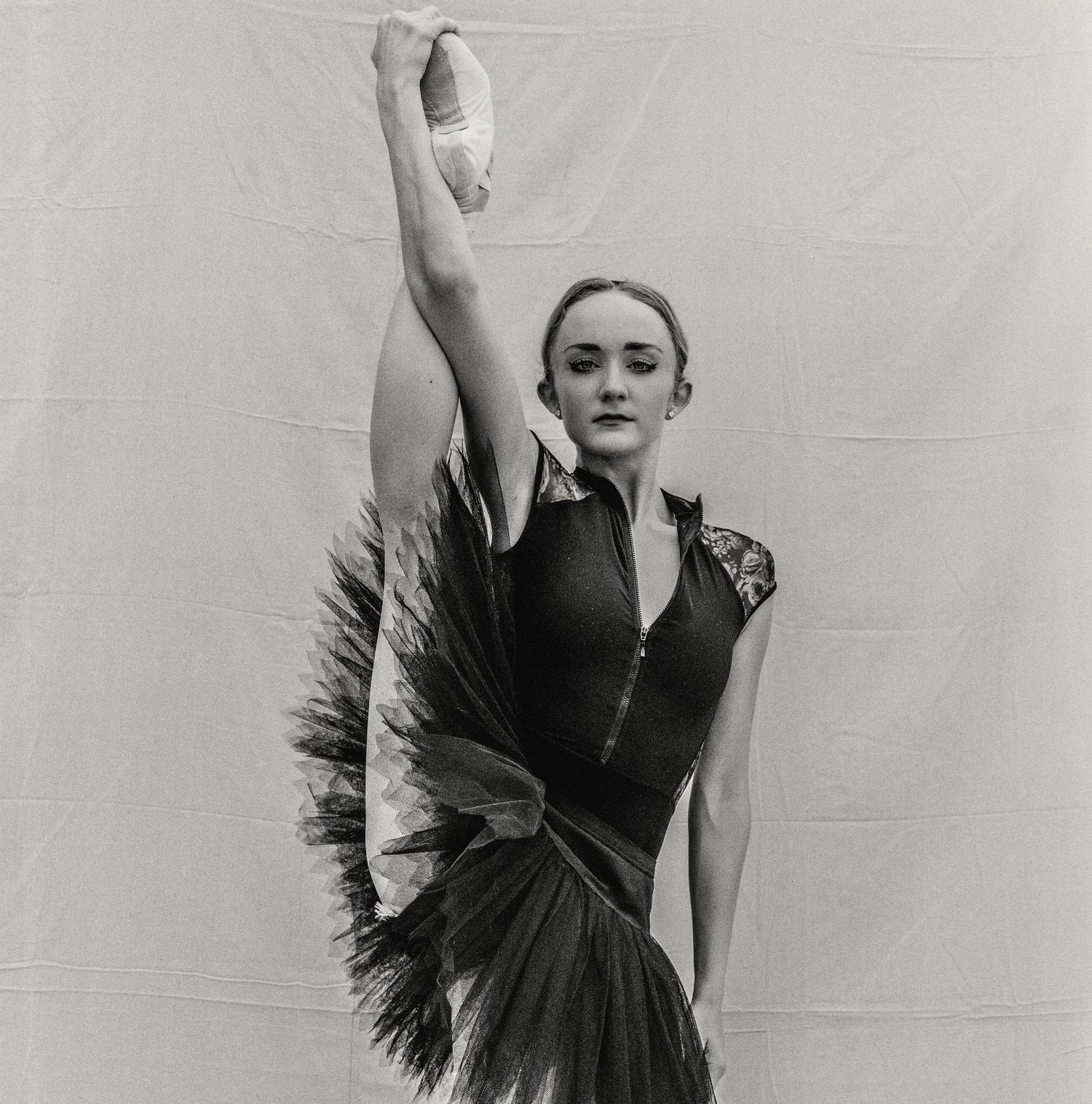
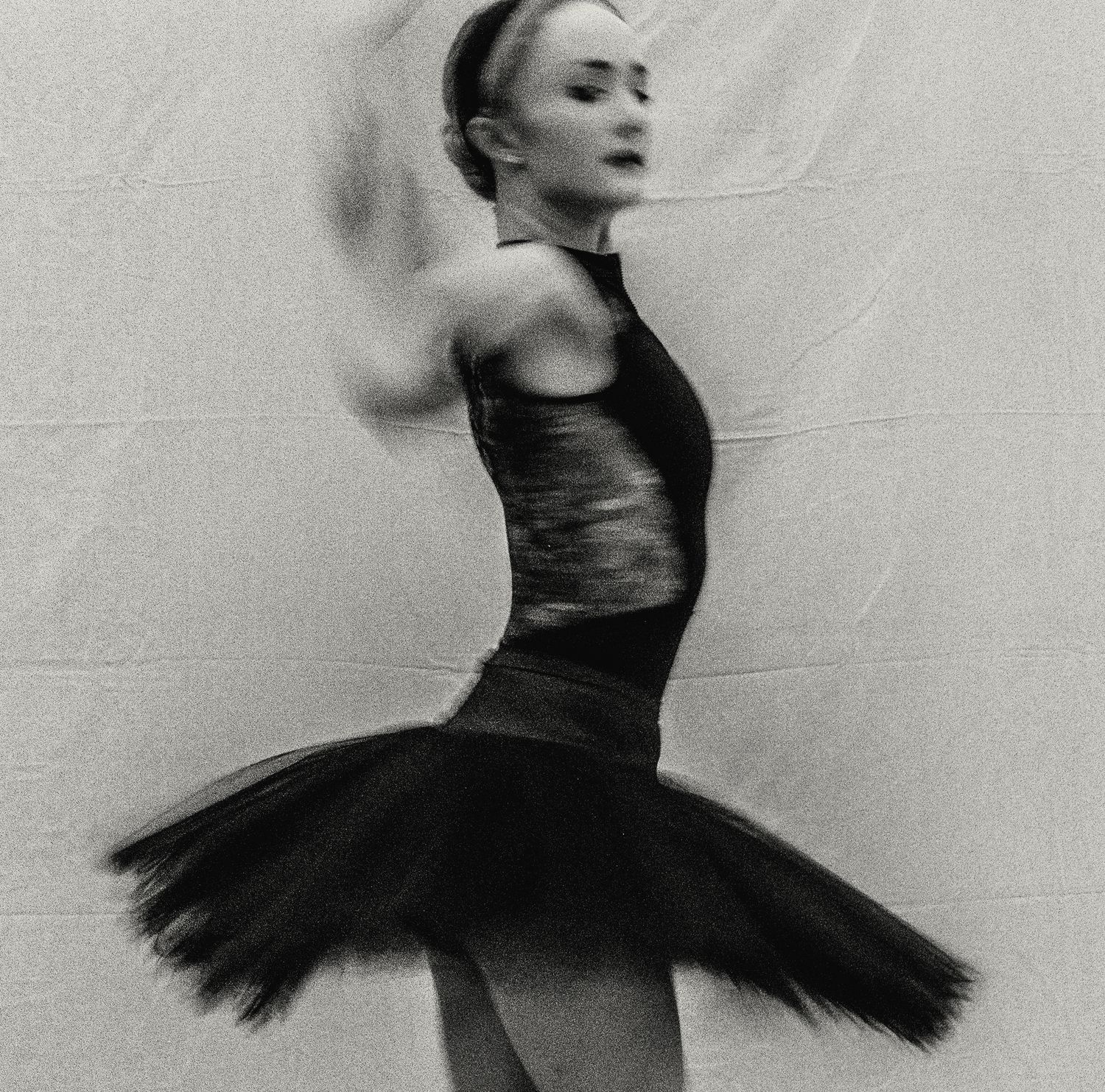
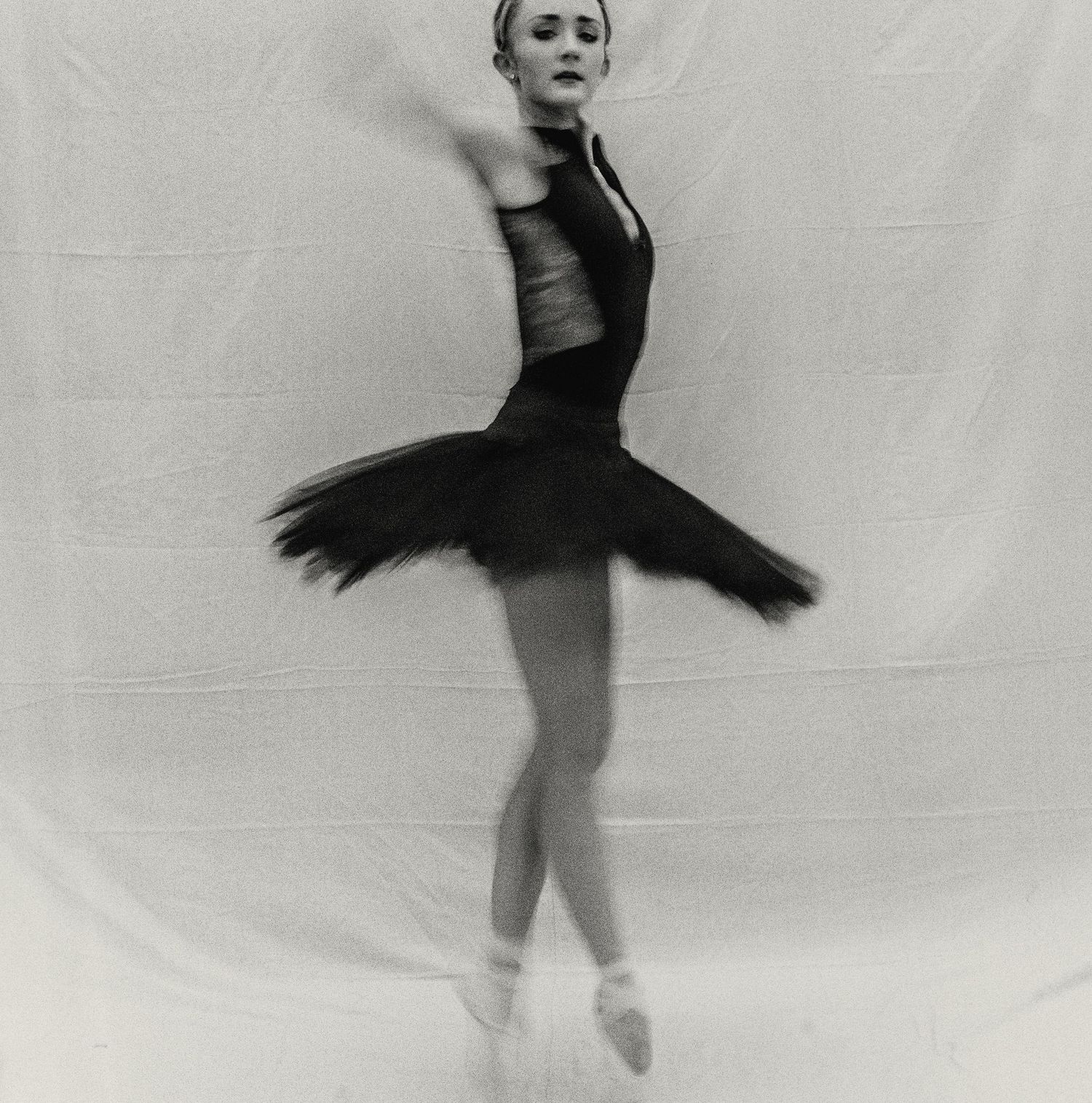
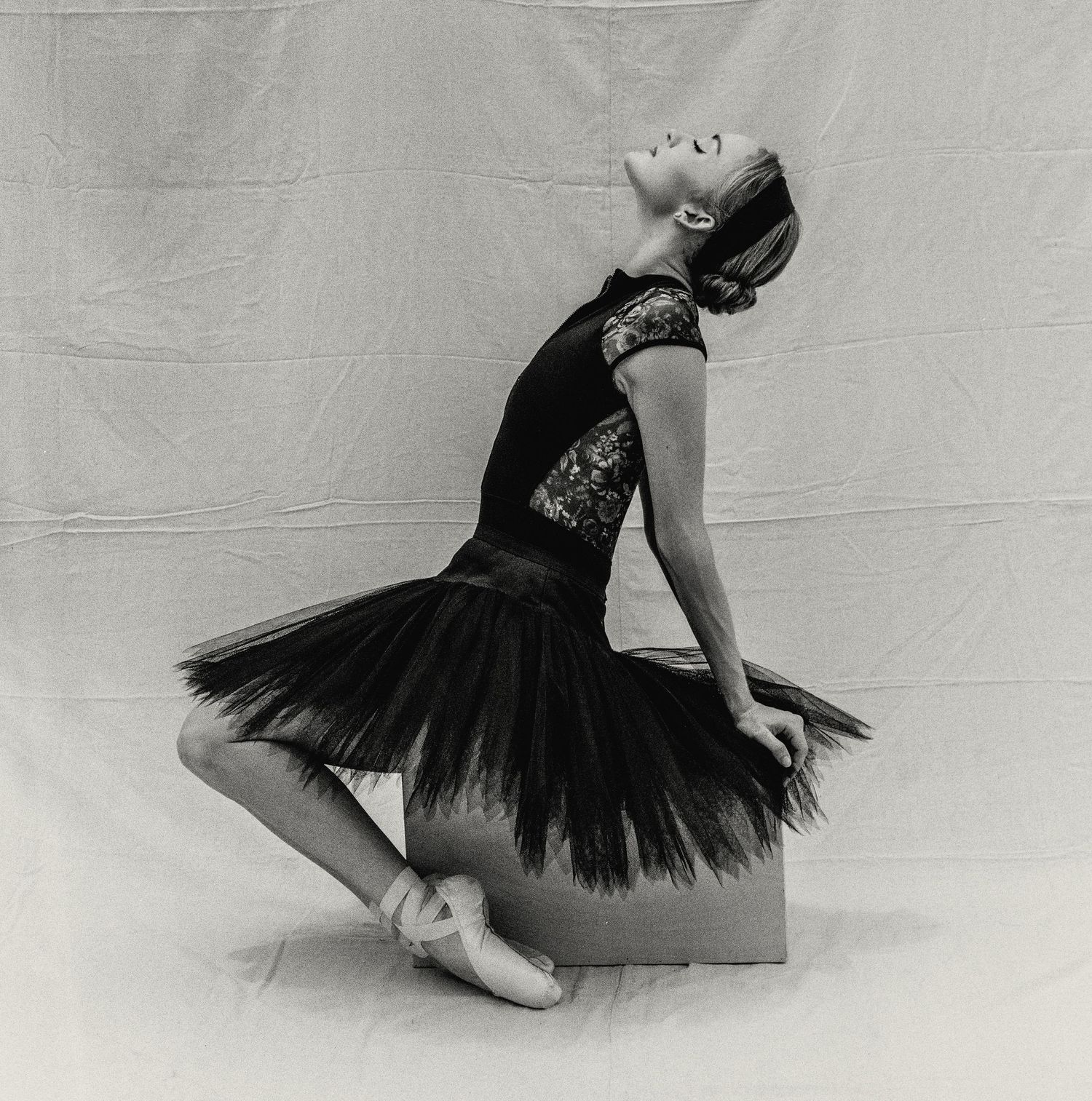
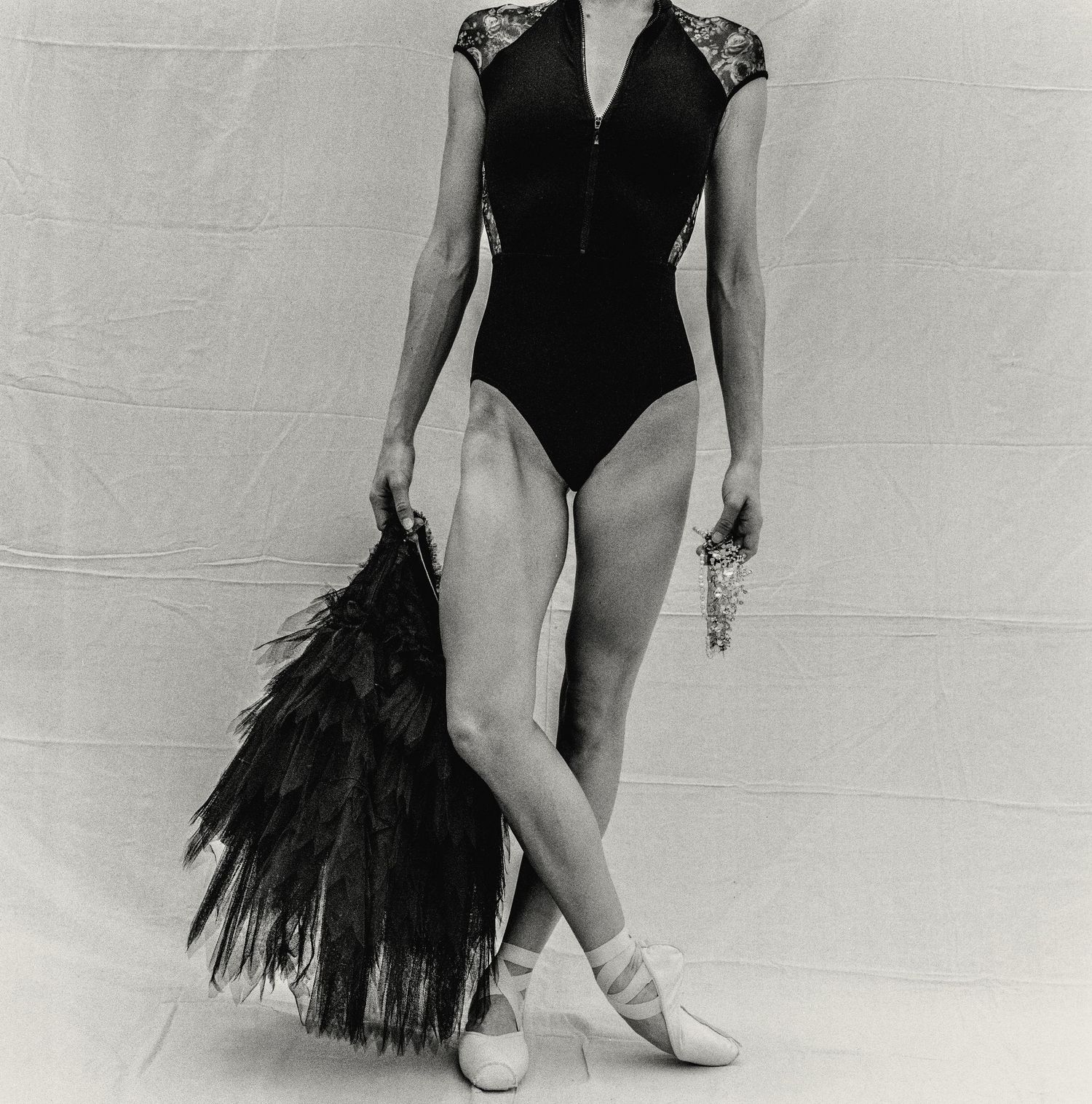
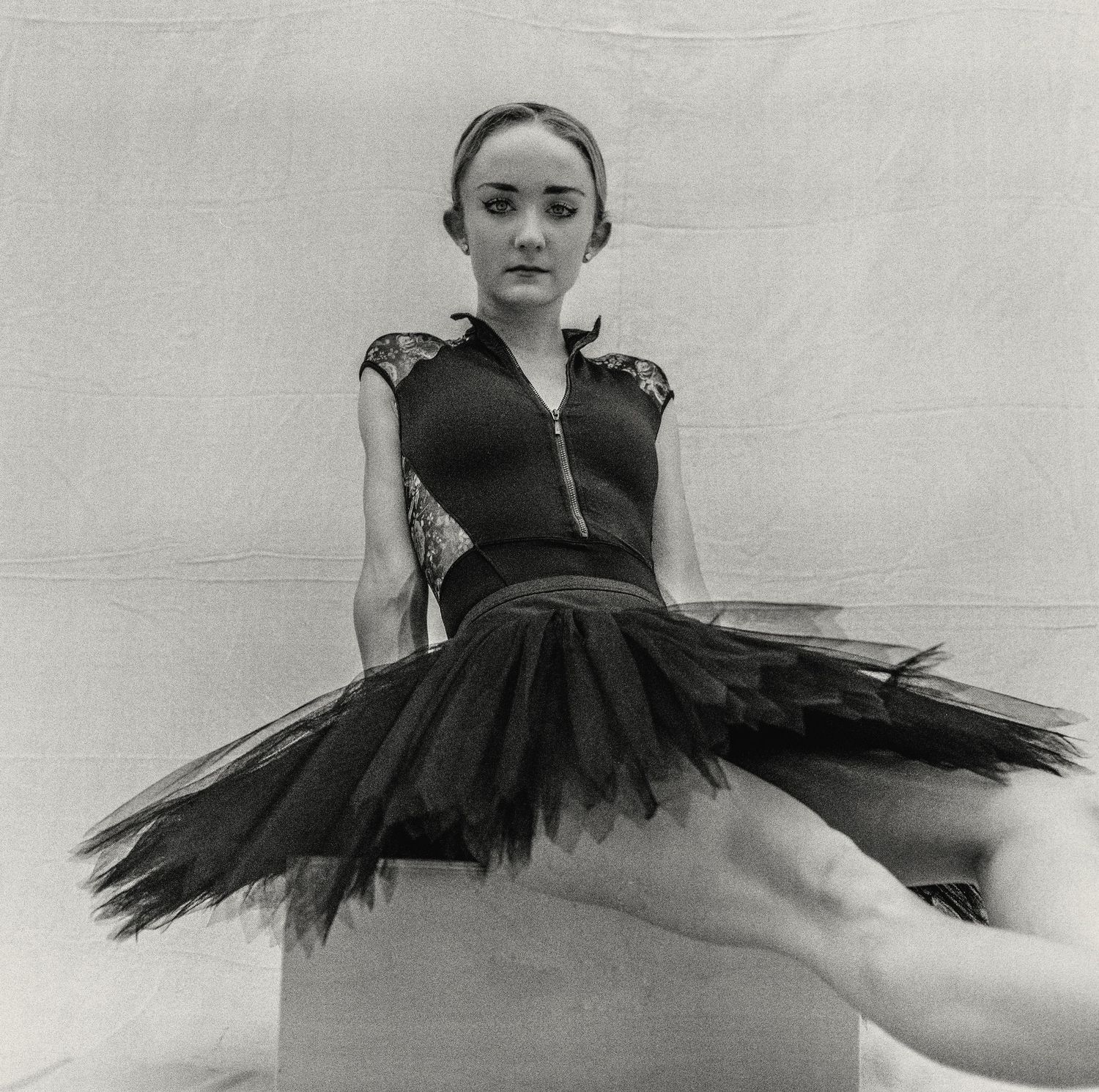
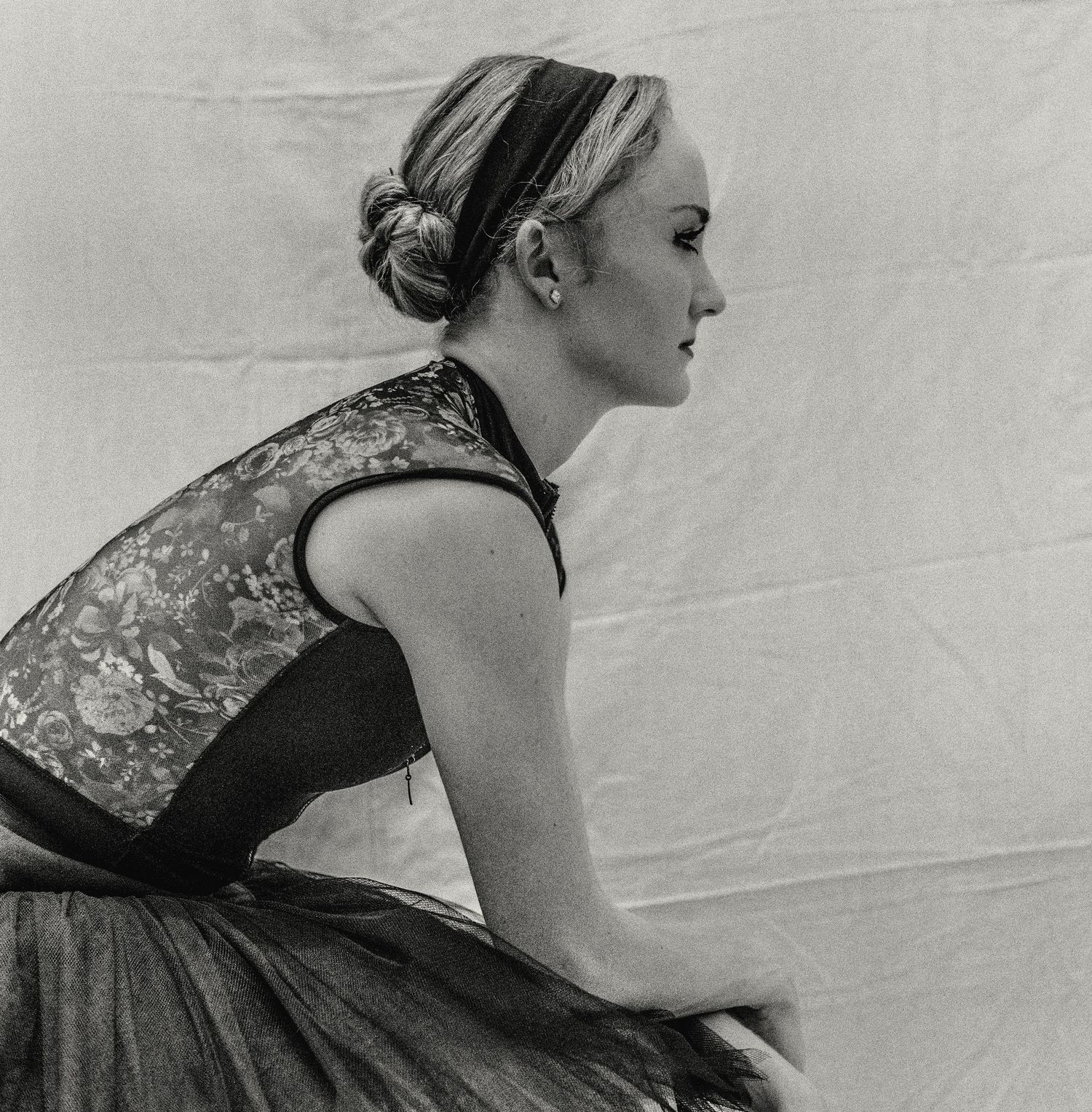
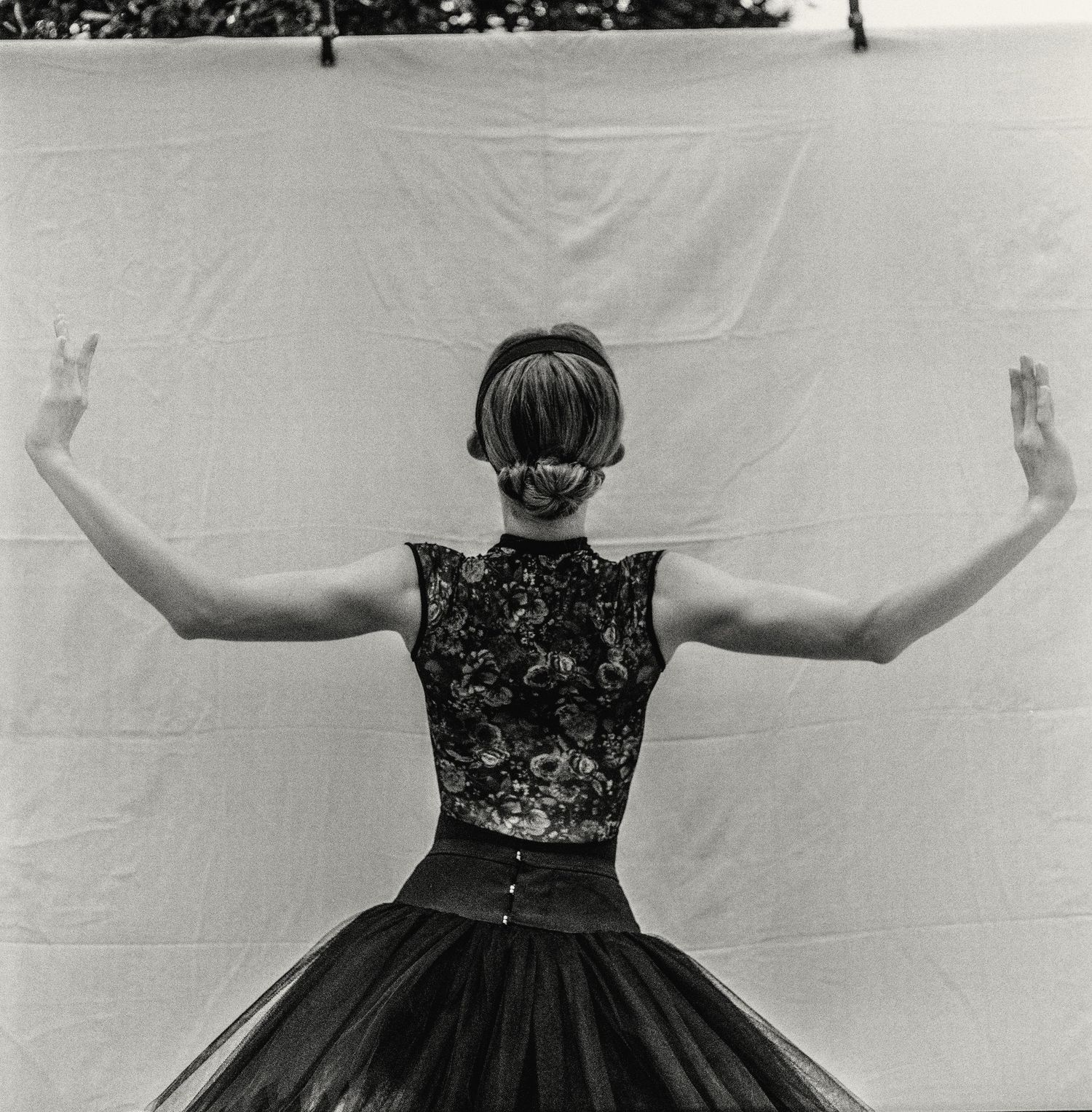
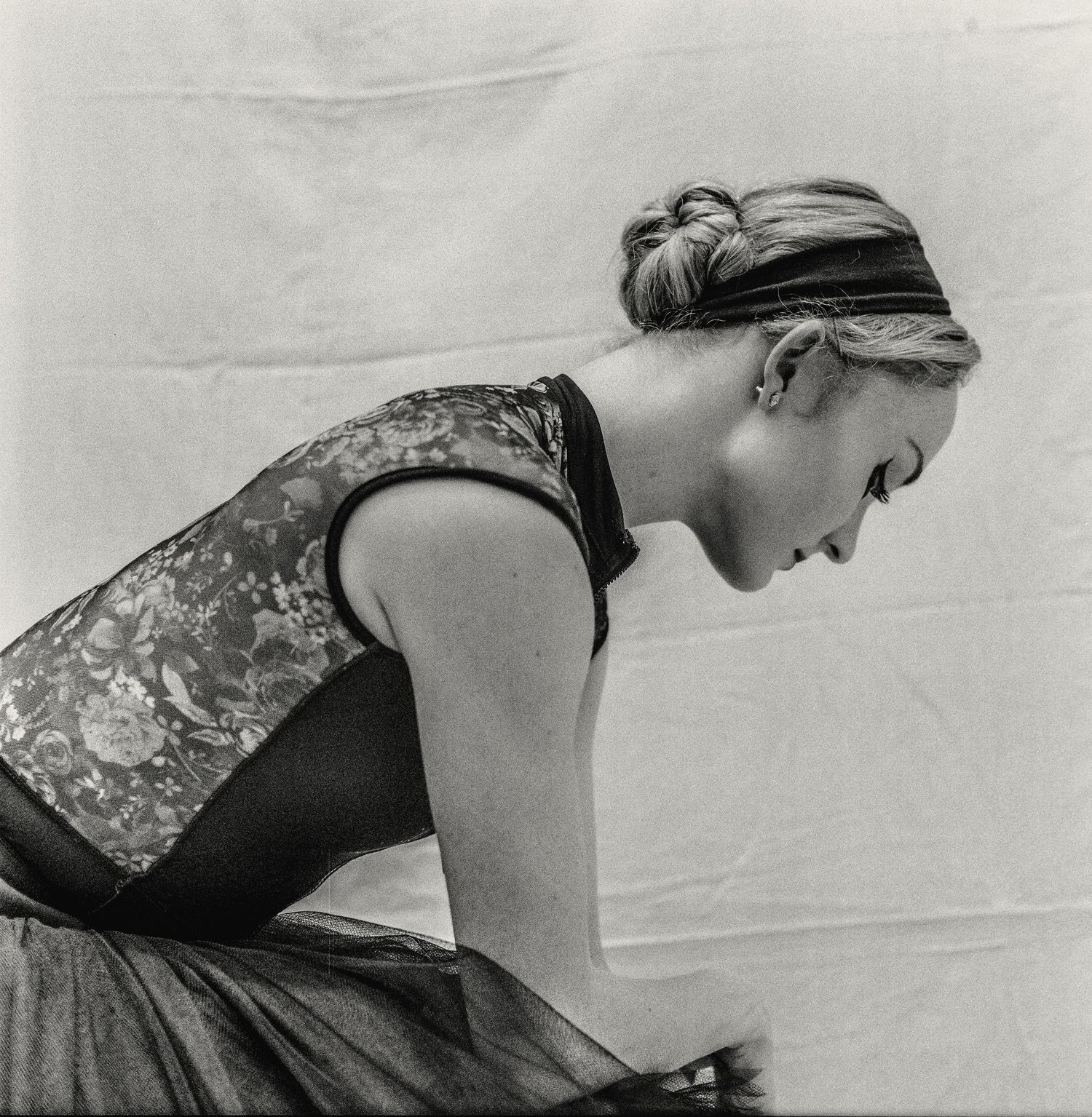
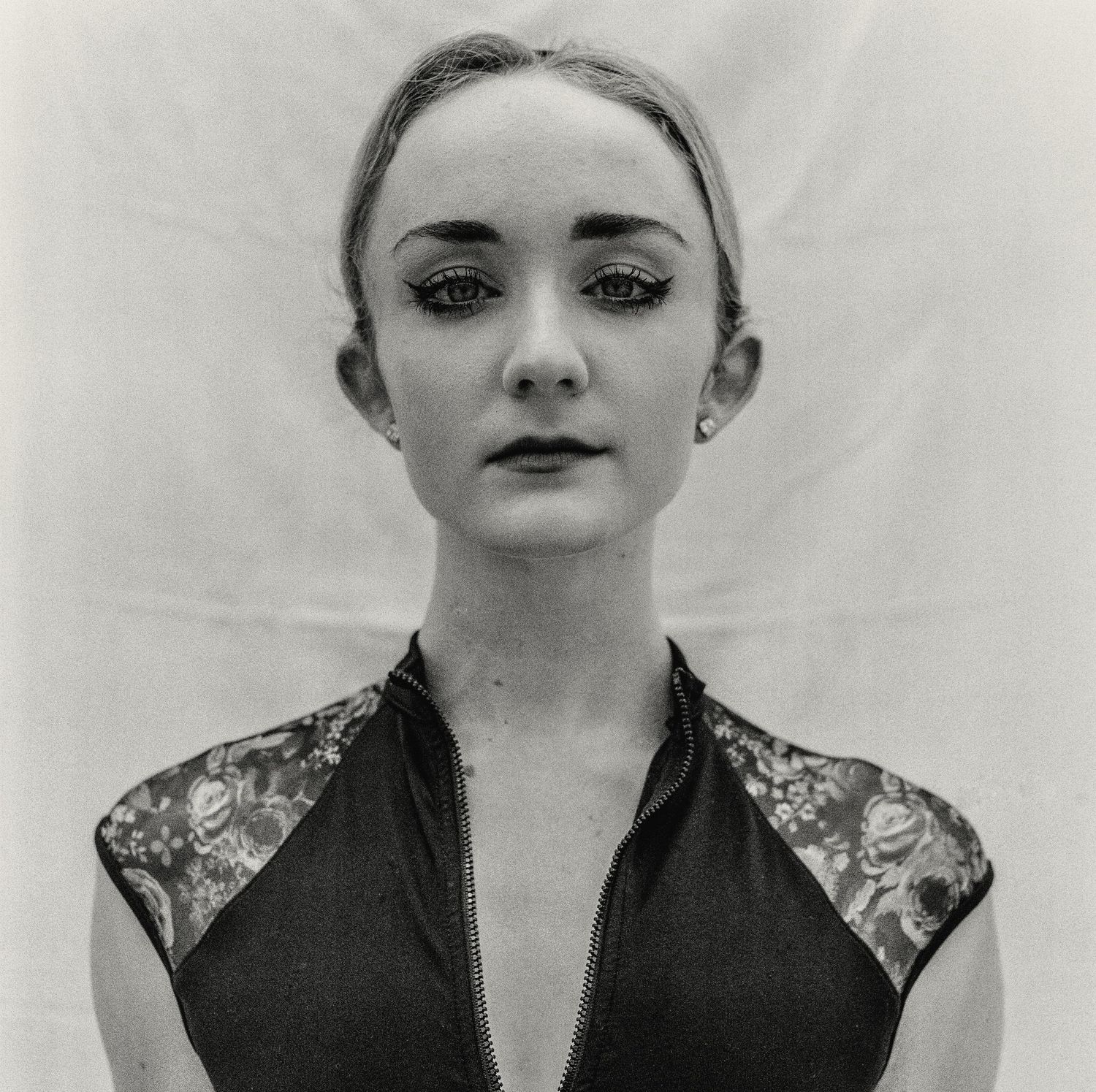
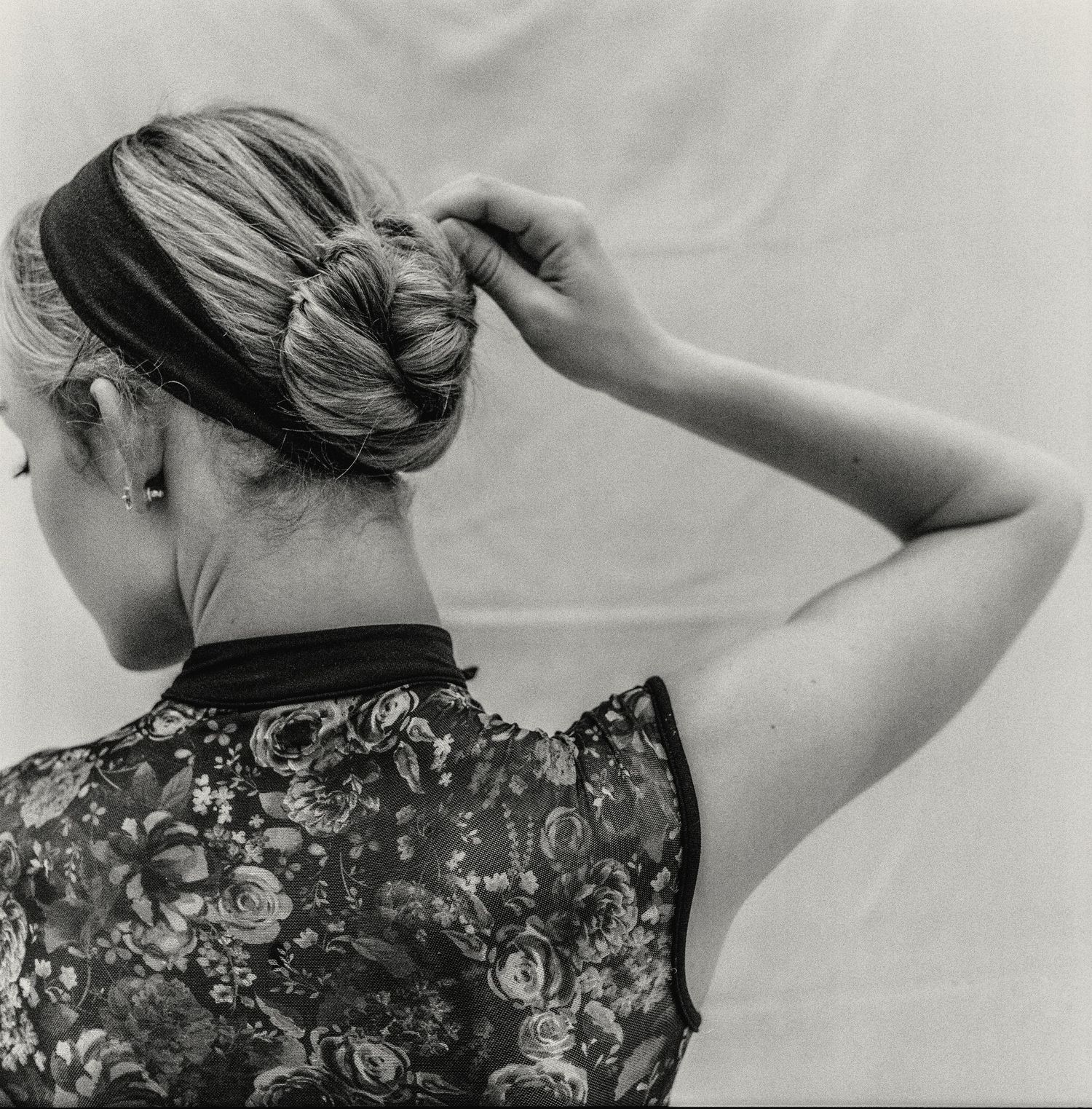
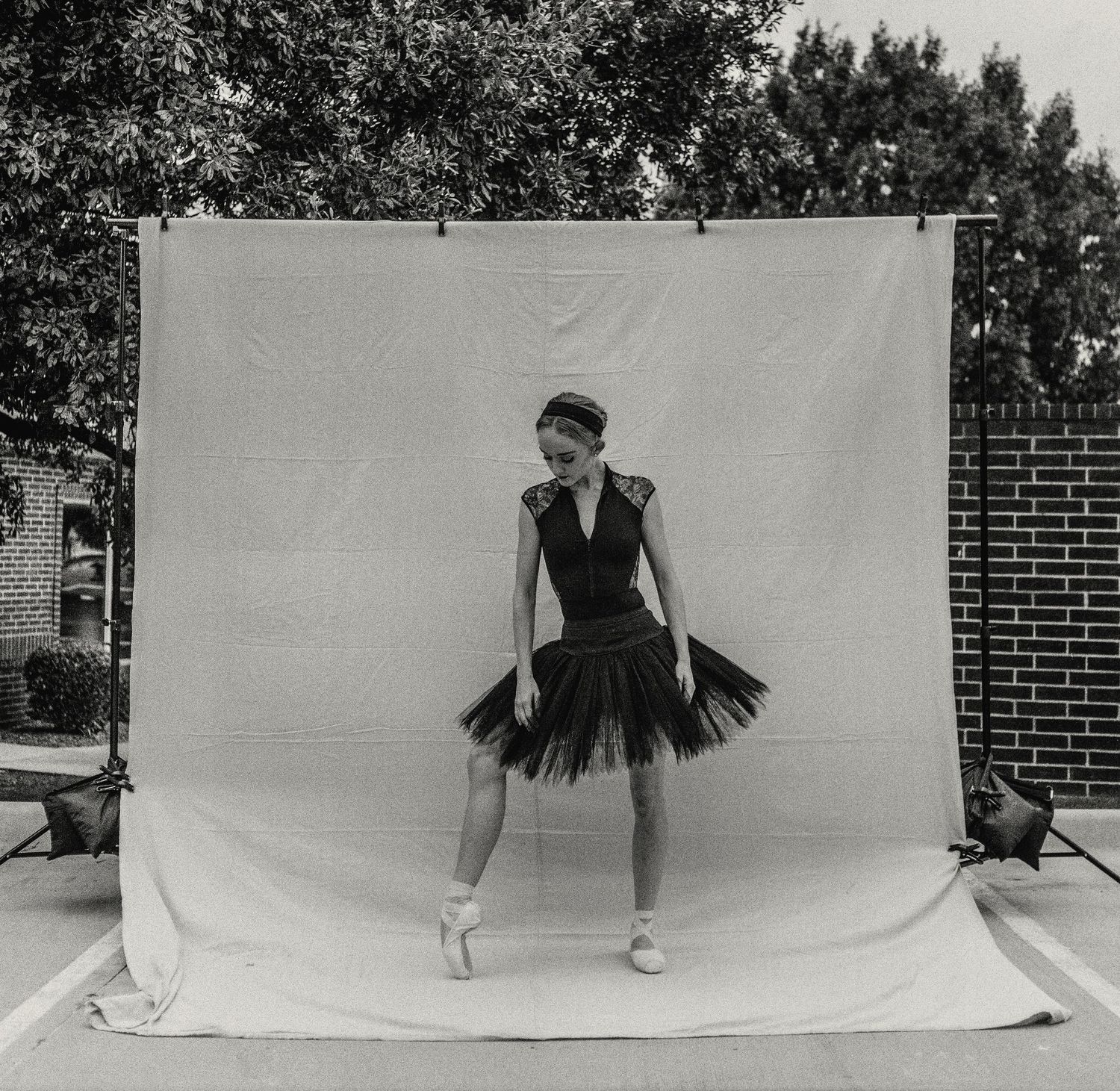
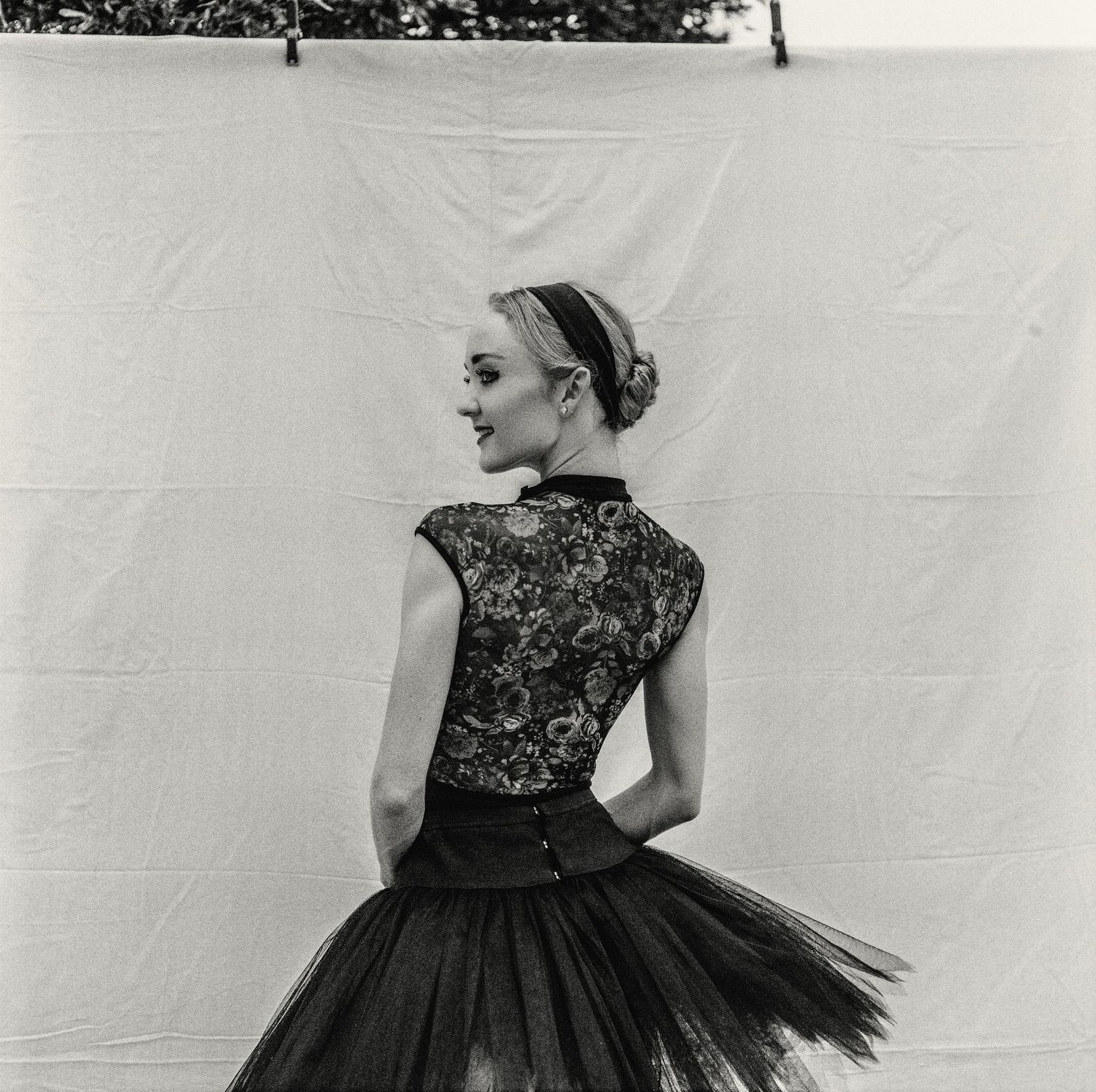
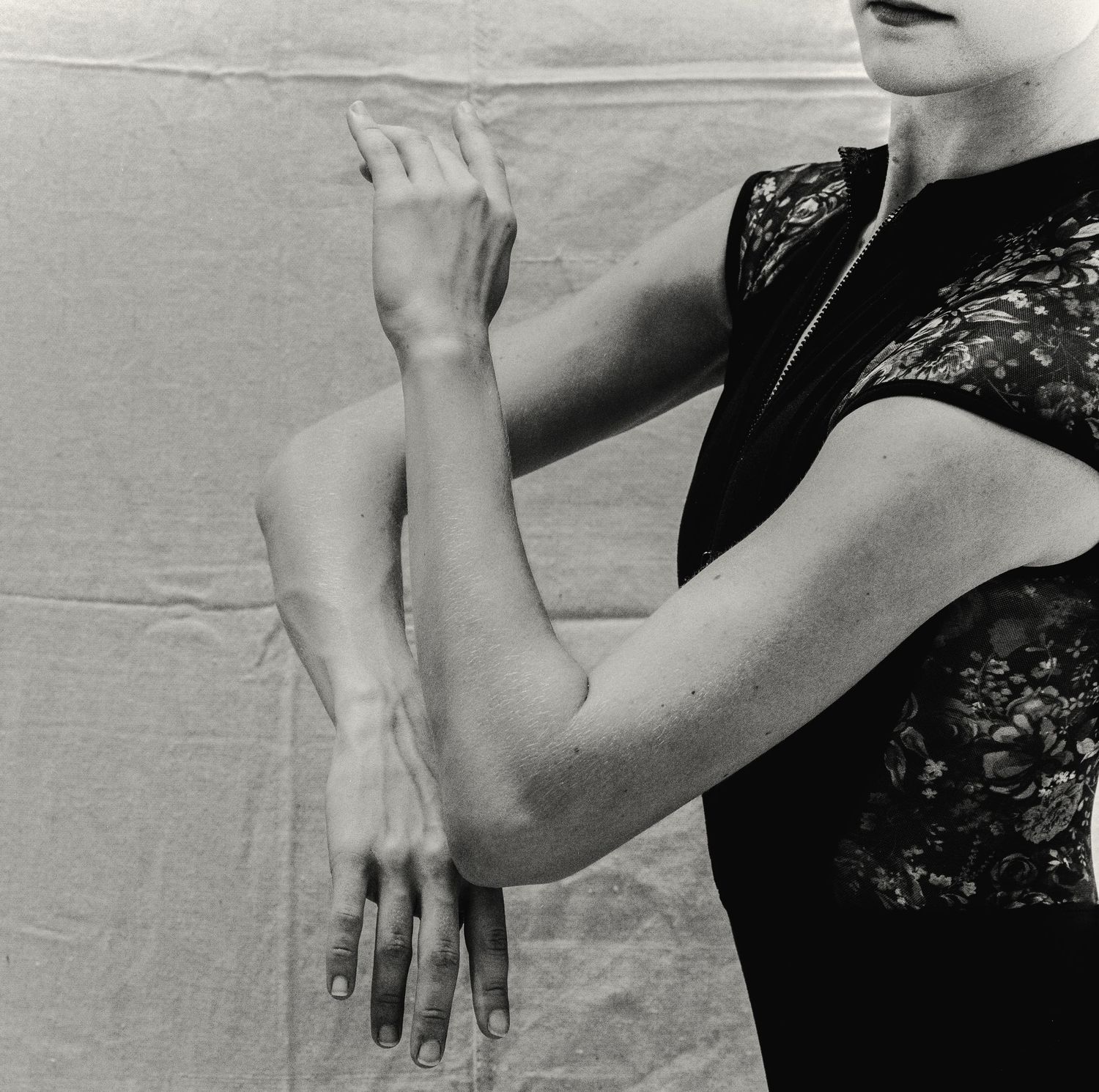
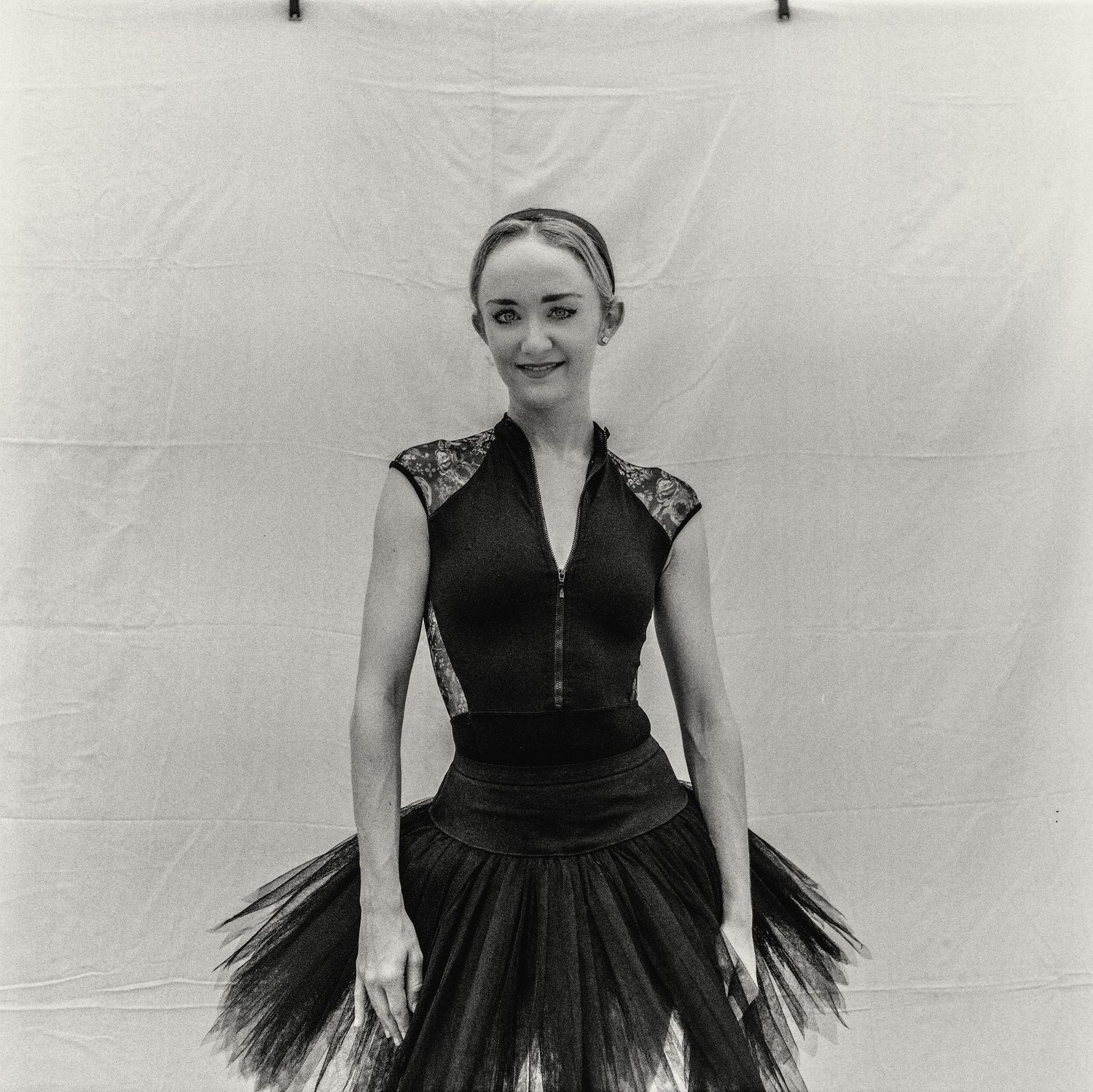
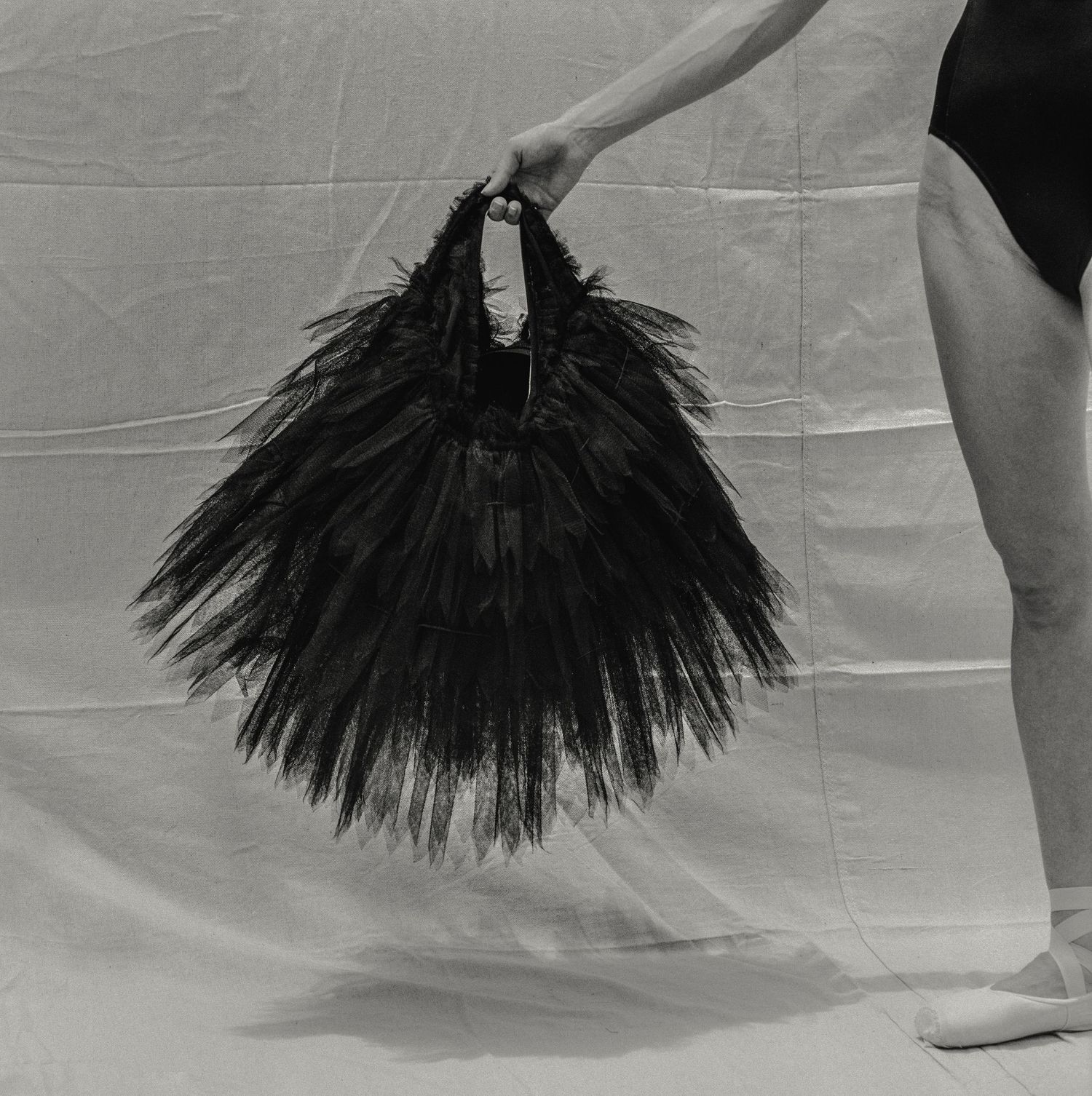
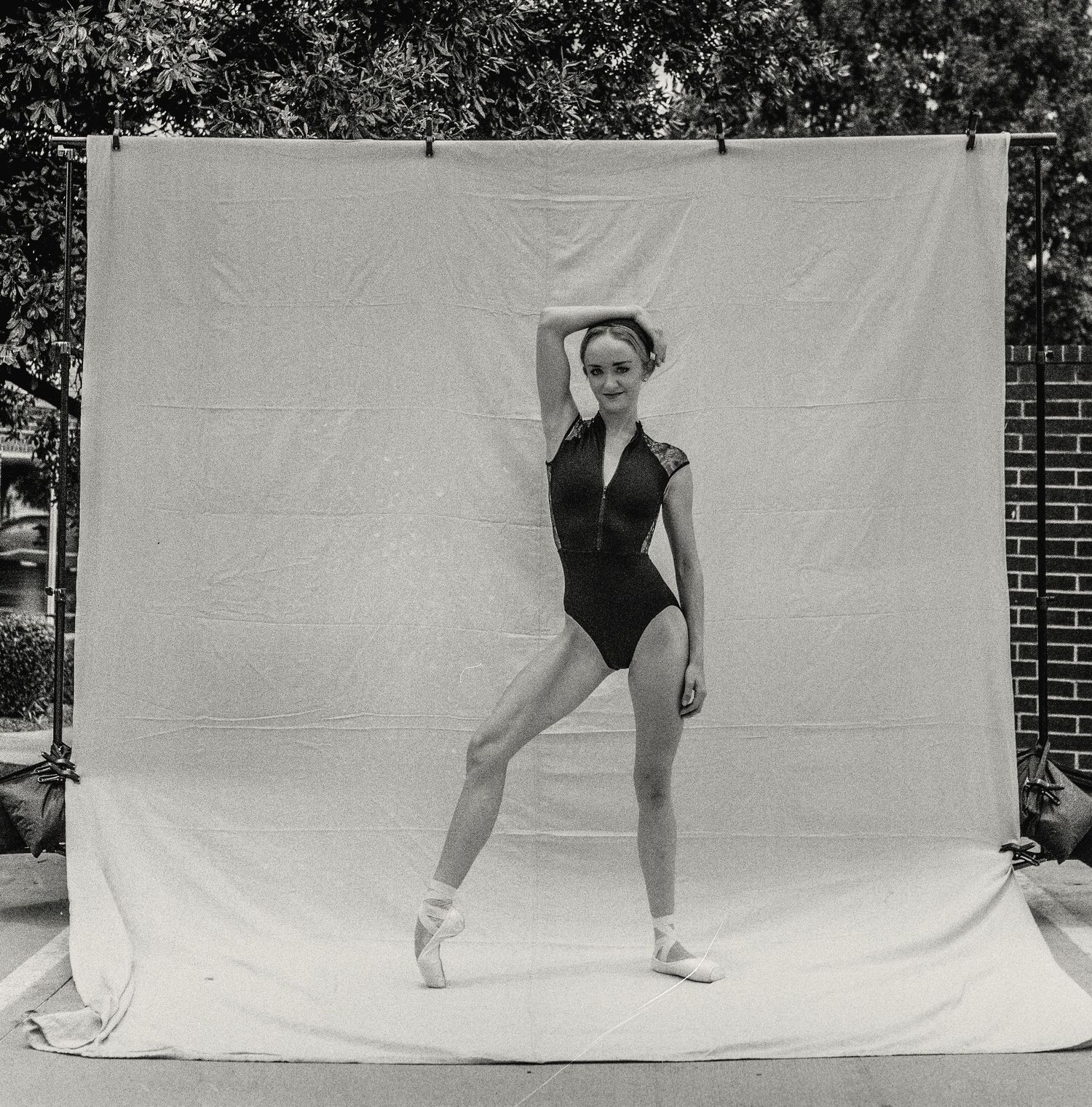
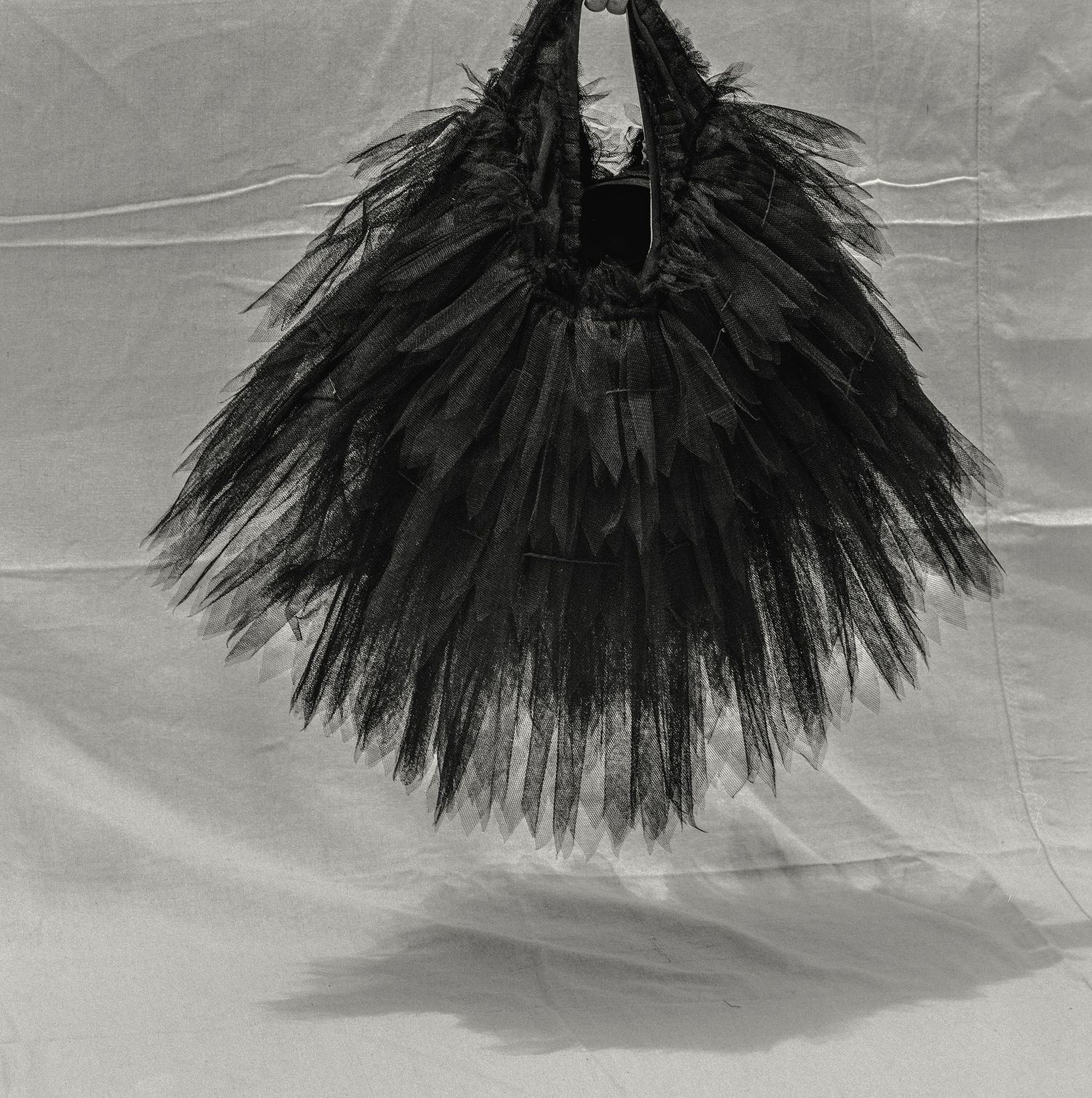
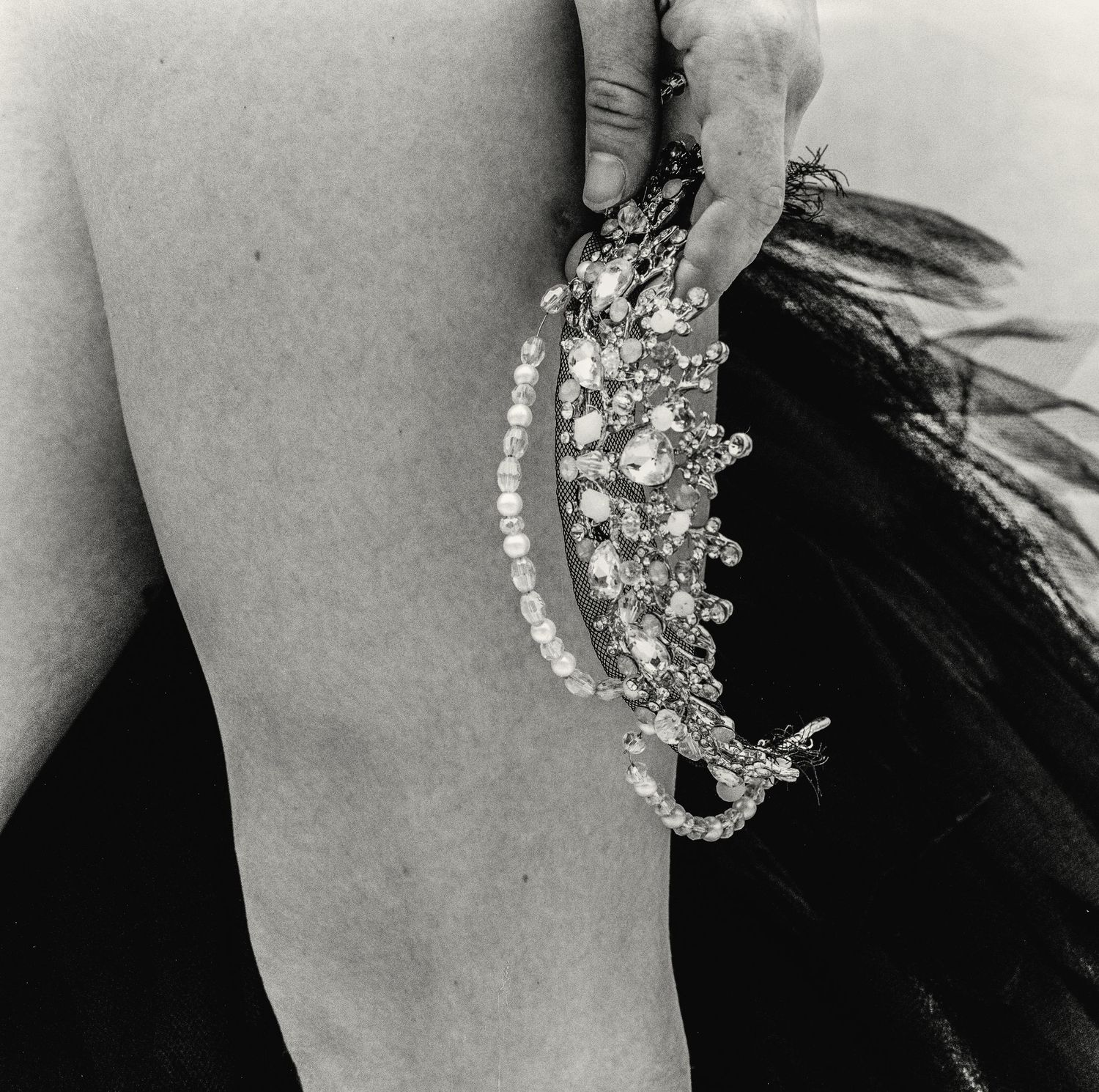
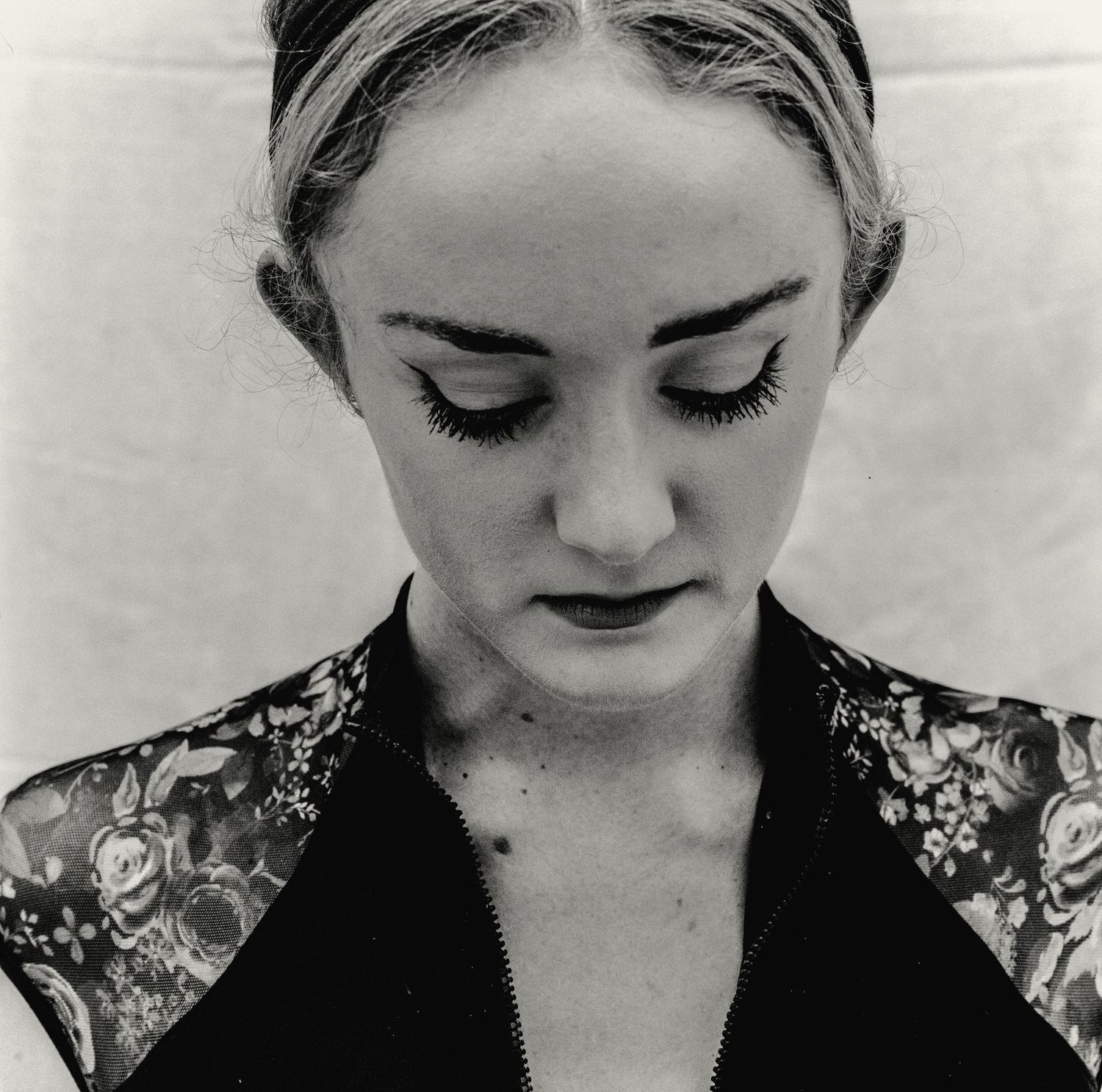
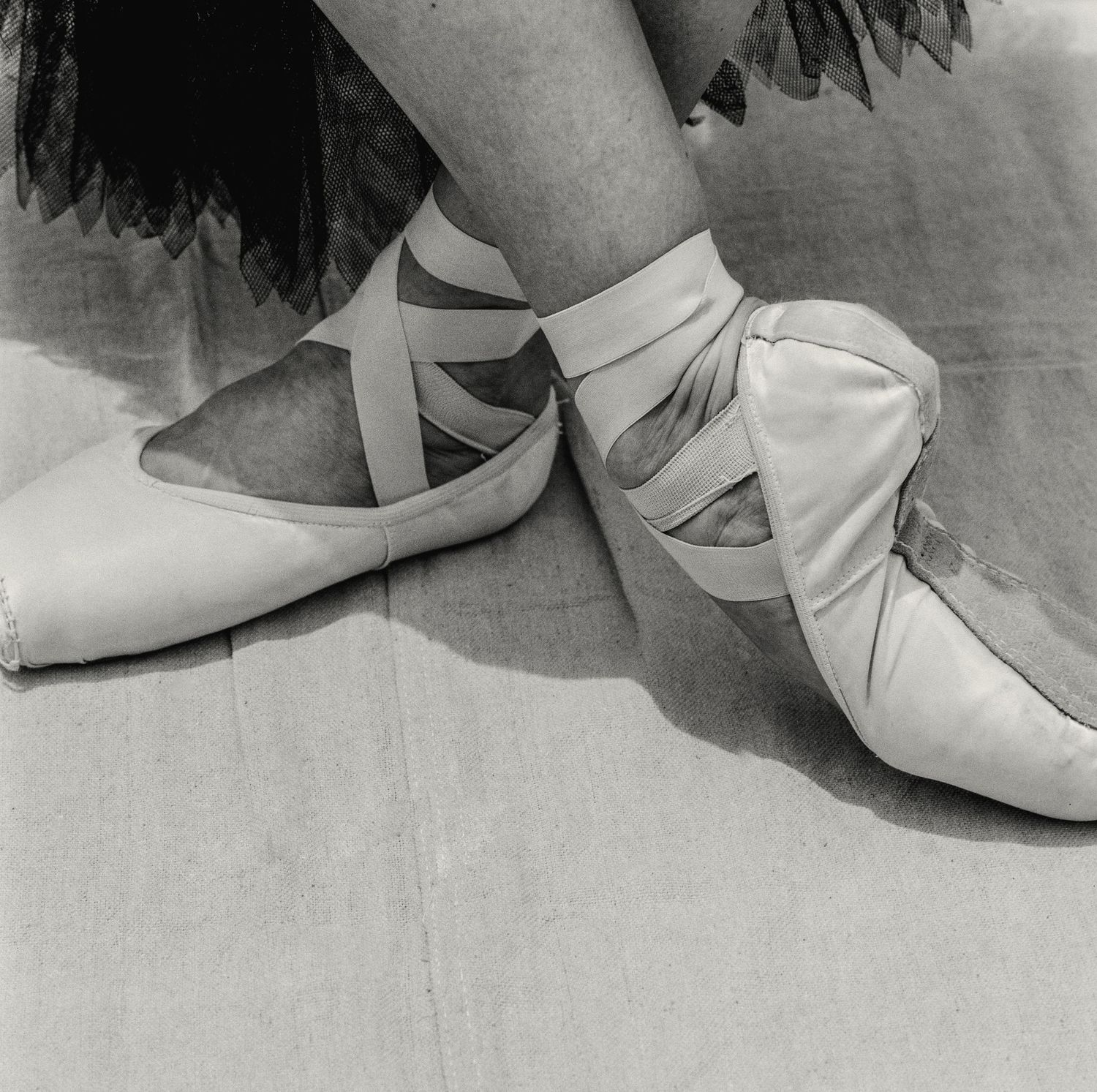
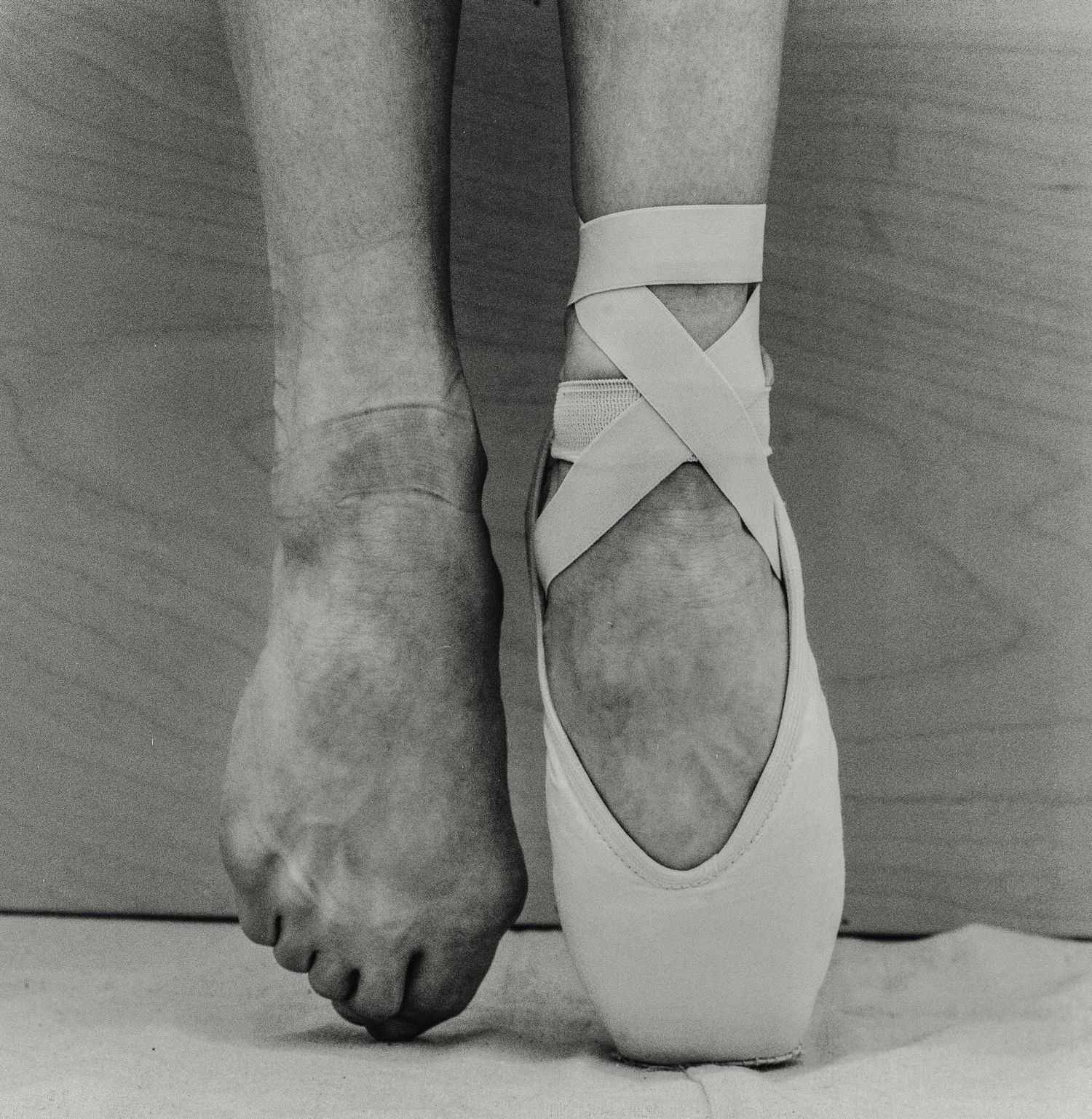
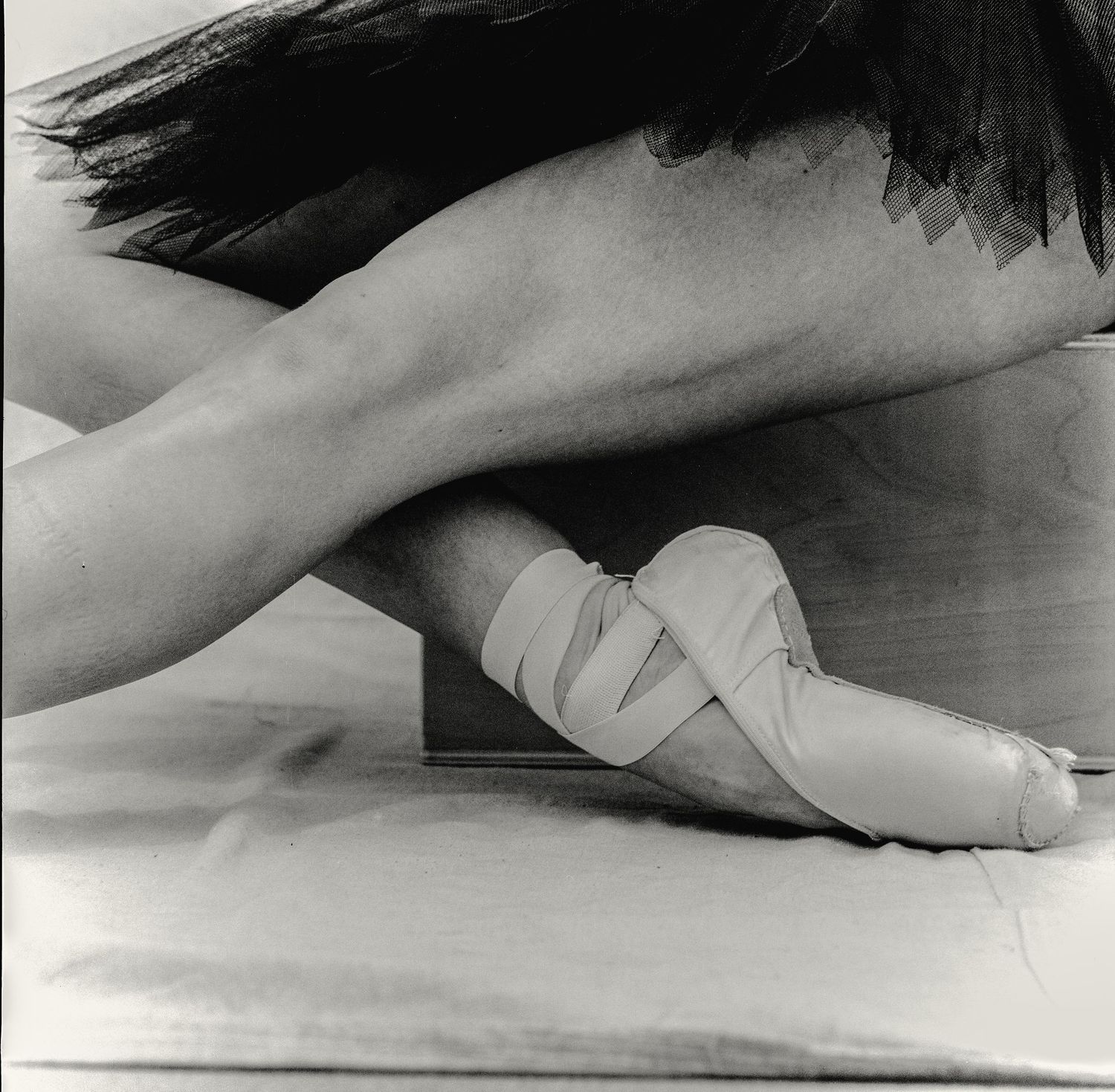
MAMIYA c220 / TRI-X & T-MAX 120 FILM
Dancing Through Blood,
Sweat, and Tears.
AN INTERVIEW WITH SOJOURN JOHNSTON
by
Respect Their Game
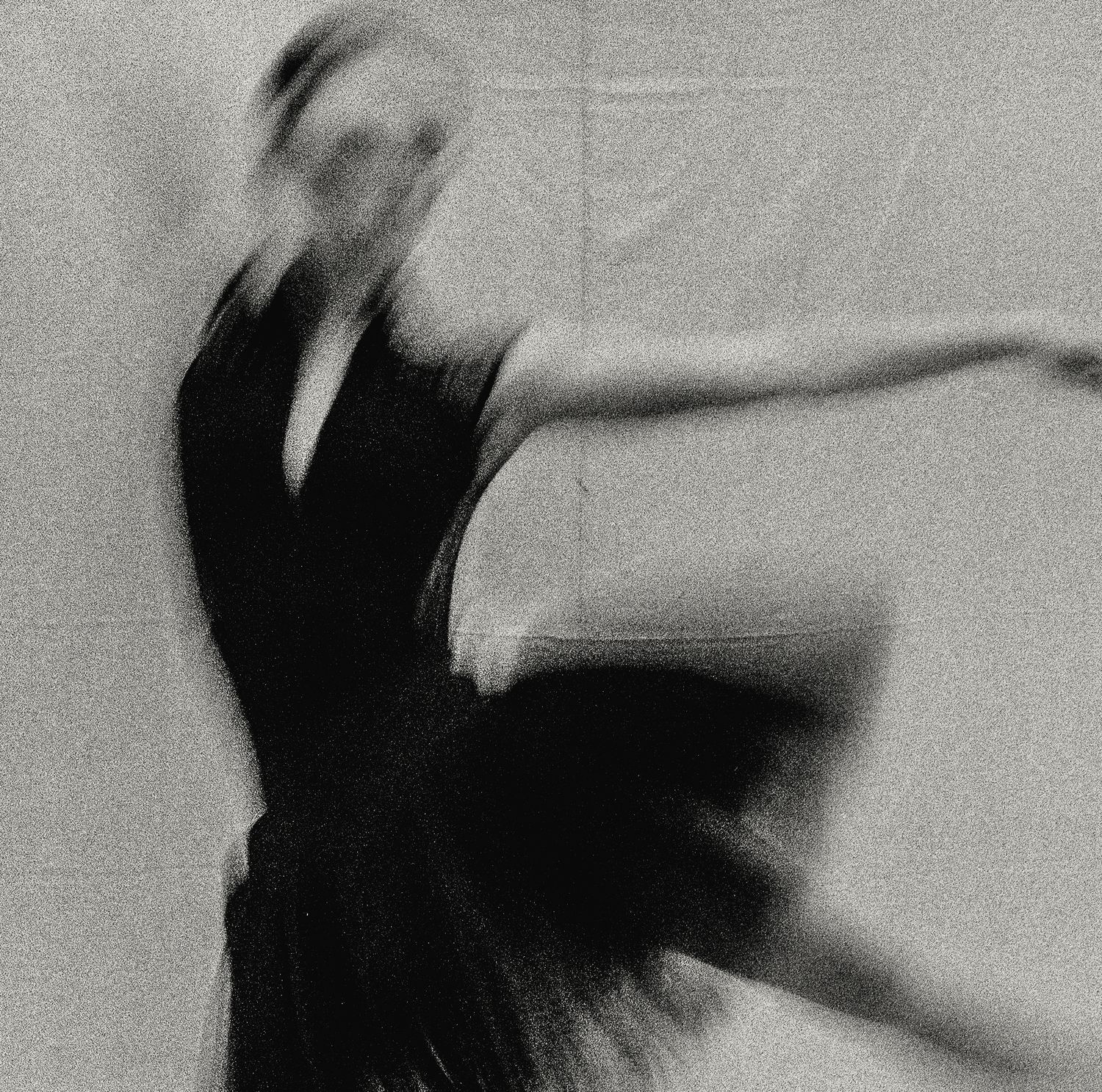
Welcome to the Respect Their Game — a collection of conversations with women athletes about commitment, identity, discipline, and the interior life of sport. These interviews are part of the ongoing portrait project documenting women in sport through film photography and their own words. From a painfully shy kid to a GLOBALLY‑trained professional ballerina, sojourn Johnston shows how ballet became her perfection‑driven craft—demanding elite athleticism, strict discipline, and relentless mental stamina which honors the world of dance as a worthy career deserving of respect.
Can you just start with introducing yourself?
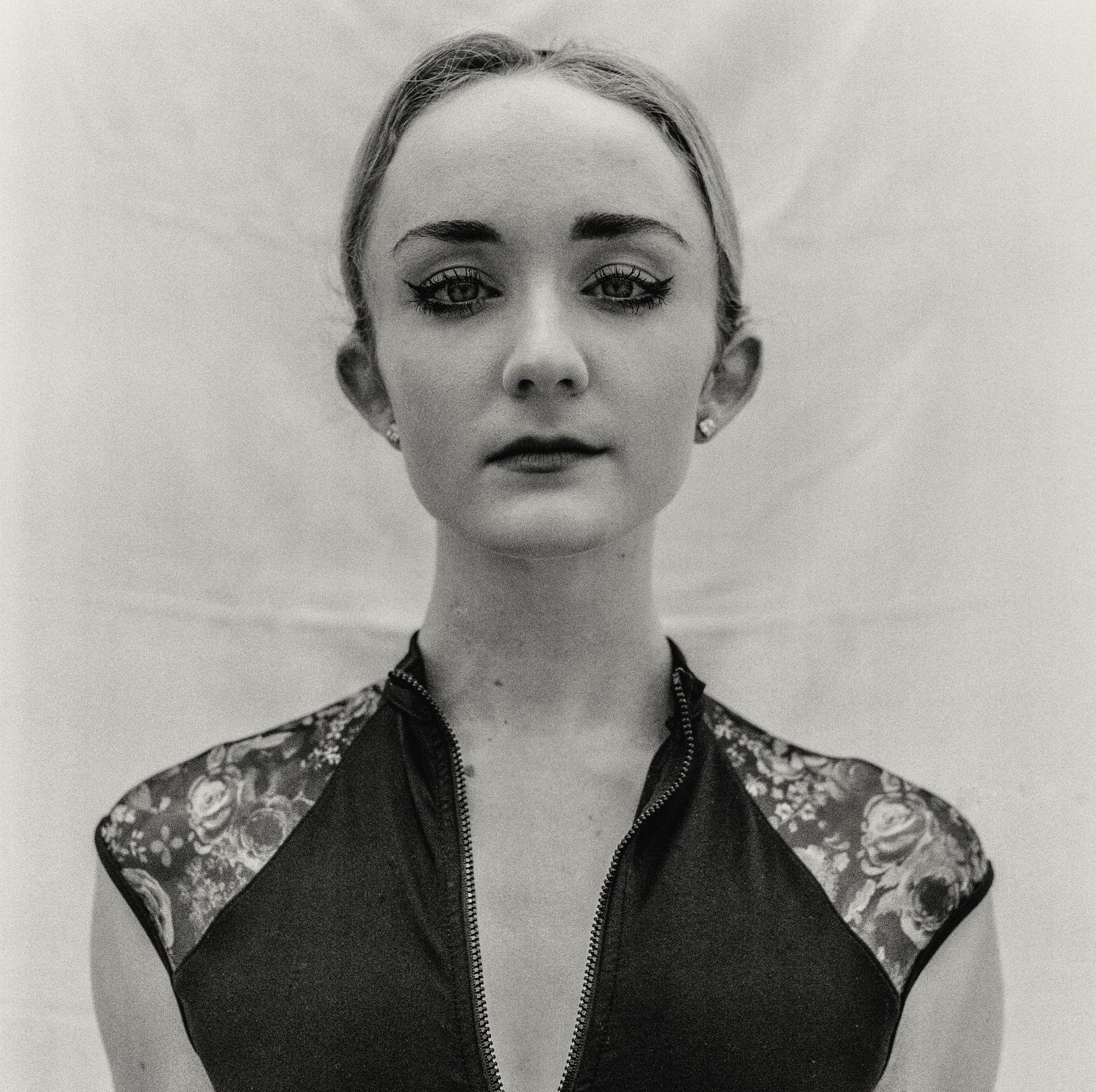
My name is Sojourn Johnston. I am a professional ballerina with Ballet Frontier of Texas.
You said you started dancing when you were around four or five years old. Do you remember what first drew you to ballet specifically?
I was actually a very shy kid. I wouldn’t talk to anyone except for my parents and one of my friends used to take ballet. I went to watch one of her shows and I just turned to my parents and said, I want to do that. So my mom enrolled me in classes. I actually refused to go into the studio for the first six months of my time going there, but I would refuse to stay home at the same time. So I’d make my mom just go sit in the lobby with me every week for six months. Finally, one day my teacher just walked out and grabbed me, brought me into the studio, and I haven’t left.
Was there a turning point in your shyness that got you over the hump, or was it just something you had to ease into?
I think it was something I had to ease into. I’m not shy when it comes to visuals, so being on stage, I never had stage fright, but I still to this day am not a huge fan of public speaking or anything. So I think the silent art form was where I found my place.
At what point did ballet stop feeling like an activity or hobby and start feeling like your life?
I’ve been dancing over 40 hours a week since I was ten, and that was year-round, including summer intensives, and when I was 10, I remember I told my mom that I want to be of a dancer, and she said, all right, if this is something you want to do, we need to get serious then. So we started looking into very serious ballet programs. I started going to summer intensives, and I don’t think I ever really saw dance as a hobby, but I also have never really seen it as a job either. It’s always just been what feels natural to me.
For the lay person, what is an “intensive,” what does that mean?
A summer intensive? They’re typically five to six week dance programs during the summer where you go and you train all day. You train from 8:00 AM to sometimes 8:00 PM and you typically will go to summer intensives outside of your home studio so that you can get more exposure and more than one teacher. You typically do the summer intensives and then come home and train with your home school year round.
For people outside of the dance world how would you describe the reality of ballet training?
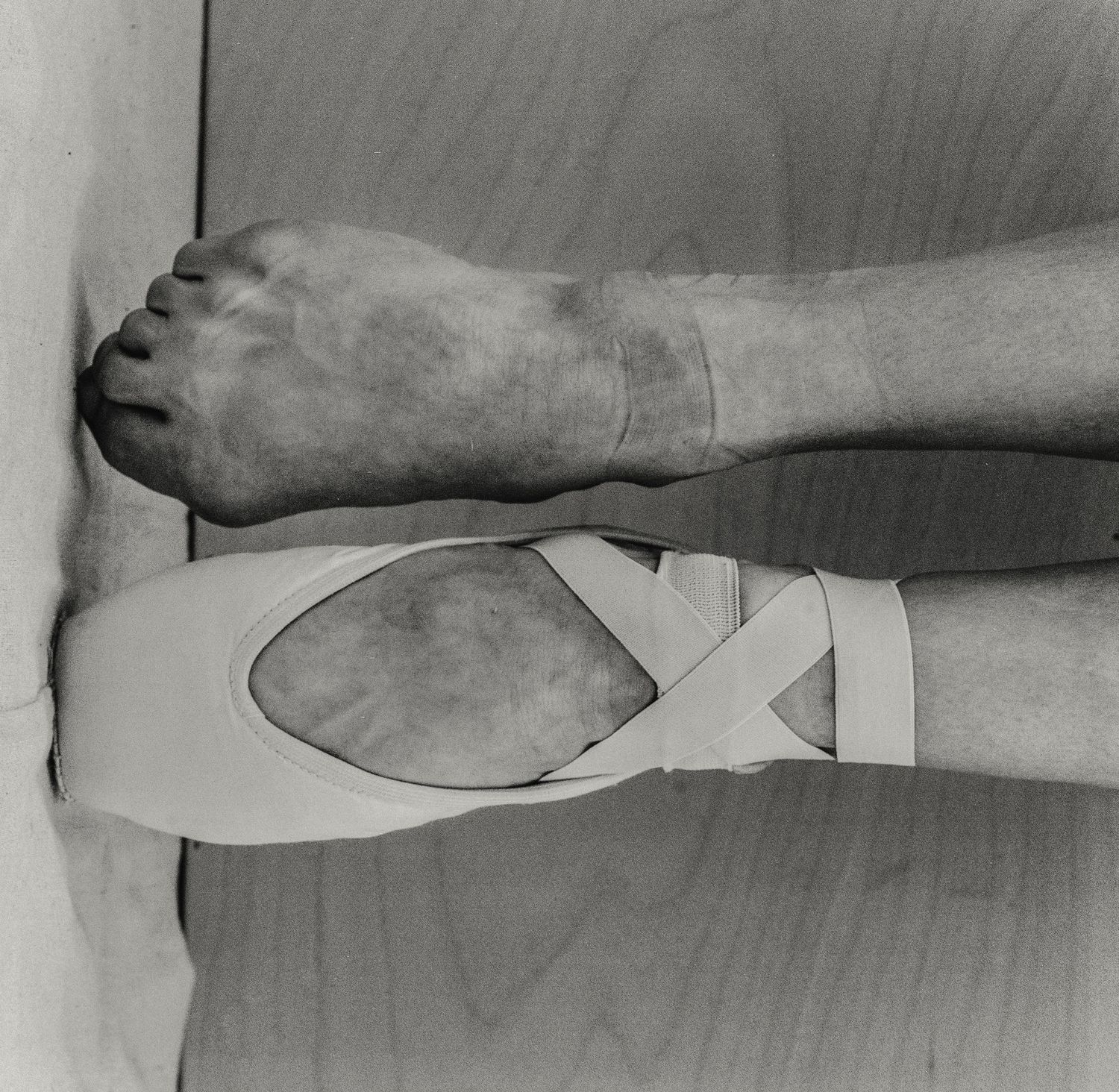
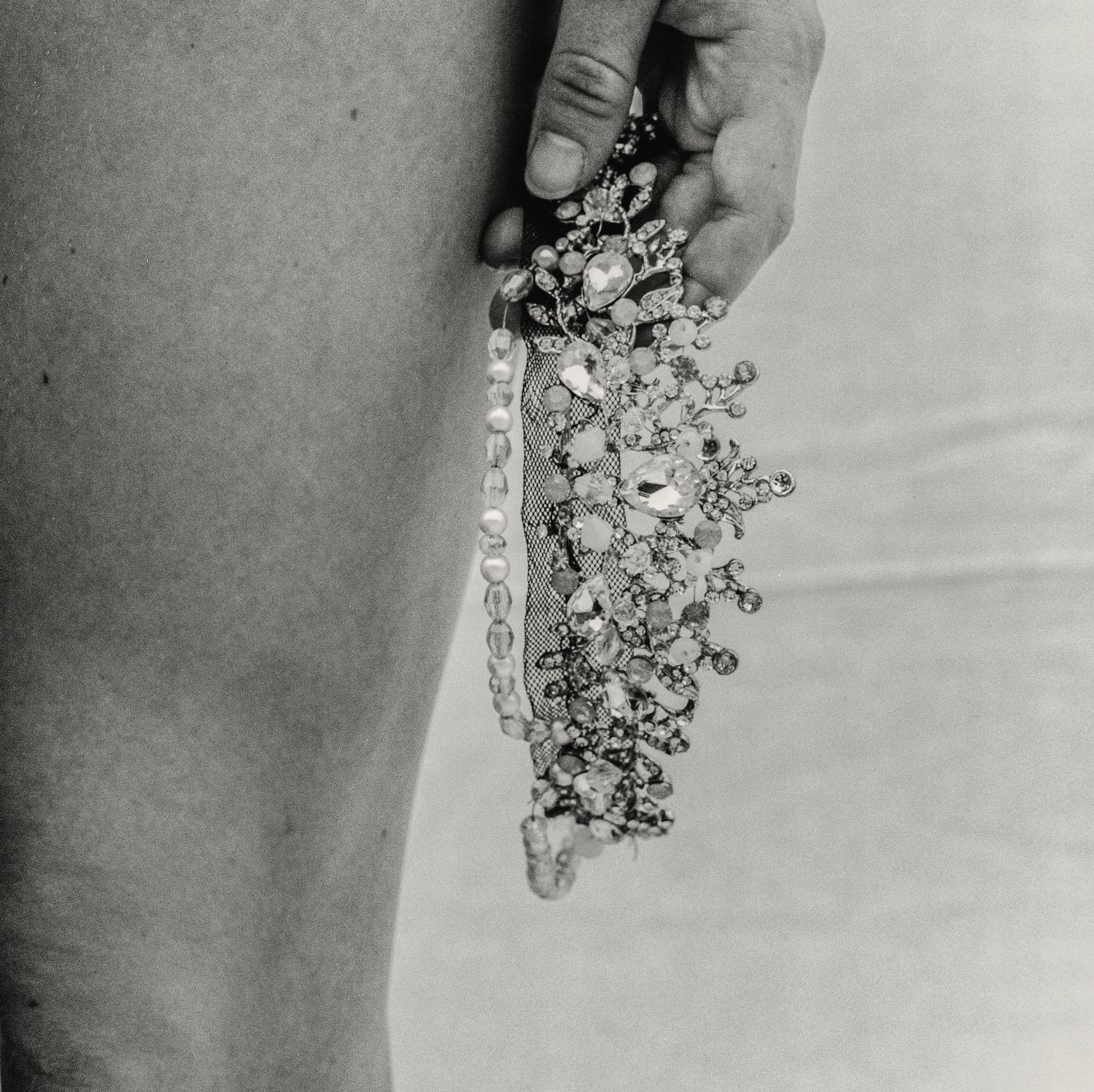
Okay. I think ballet often gets the image that it’s easy and it’s not actually a career. So I think often it just is projected as a hobby. The point that I want to make is that it’s our job to make ballet look easy, and it’s our job to make it look like anyone can do it, however you can’t. It’s very difficult. It’s very time consuming. Like all serious athletes, you are striving for perfection, as close to it as you can. You’re doing the same movements for hours on end, often since you’re five years old, and it’s just about perfecting it. And then once you have mirrored perfection, you find something else that’s wrong with it and keep going with it. So I think it’s a lot about dancers being viewed as graceful and fragile, but it’s actually such an athletic and disciplined lifestyle, and it’s our job to make it look easy and to make it look effortless. But as cheesy as it sounds, you’re quite literally dancing through blood, sweat and tears. You’re dancing through toenails that have popped off inside your shoes, your feet are bloody and it doesn’t matter because you still have to be the Sugar Plum fairy, perfect on stage in a tiara. No one cares what’s happening with your foot.
That’s a great point. Do you view ballet more as a sport, an art form, or something else?
I don’t necessarily think it’s a traditional sport but I think we are definitely athletes. I think sports typically, in my opinion, implies team sports that you’re playing, like soccer and football. But I think because we aren’t that typical sport, we often are not looked at as athletes. But we are athletes, we’re artists, we’re models, we’re actors, all of that in one sport or one discipline. So I don’t know if I would necessarily consider it a sport — I’d call dancers athletes and artists.
It feels like dance gets put into a performance category that is separate from an athletic or sports category, but the same principles apply. Physical athleticism still applies, right?
Yes. It’s similar to martial arts. You don’t necessarily think of them immediately when you think of an athlete, but really, they are. But it’s just because we aren’t your stereotypical sport.
What does discipline look like in ballet compared to other athletic environments? Can you speak a little bit about that?
Yeah, so there’s lots of similarities as far as keeping your endurance at the top shape that you can and keeping yourself strong and physically at your peak performance. But we aren’t allowed to have very bulky muscles, so when we’re weight training, it can’t be training to bulk up. We want long, elongated muscles. There’s a specific look for ballet, and I think that even in this century, it’s evolving, but there’s still stereotypical looks for dancers. It might sound stupid, but we can’t have tan lines. We can’t scrub our calluses from our feet. We can’t go ice skating or do any extreme sports in case of injuries. So those are just some fun facts. It is disciplined because you’re having to perfect every movement, and it’s always evolving, so you’re not just going to do that one specific movement. You’re going to be doing it in a series of different events. It’s about carrying out your technical training. We warm up every day for an hour and a half just to warm up, and then we go into rehearsal for sometimes up to eight hours, and it’s just about working on that same thing over and over. So yeah, I think it’s really a craft.
I was thinking about this: you probably can’t have tattoos either.
You can have them, but they have to be covered during performances. You can’t have brightly colored hair, etc. It’s similar to how modeling is your image, and your image is what you’re being hired for, so you’re expected to maintain that image throughout your contract.
You said you trained under Russian coaches in Boston. What impact did that style of training have on you?
Ballet has different stylized techniques within it. I trained under the Vaganava training, which is very dynamic, very sharp, very clean, and with bravado, so it has a lot of oomph to it. Dancing with Principal dancers Alexandra Kolton and Alex Lapshin was life-changing for me. They were my complete mentors. They got me all the way to where I am today. They truly poured their hearts and souls into me. I wasn’t just their student, they were my coaches. So I feel very lucky that I had their influence and training and experience and care.
What separates elite dancers from talented dancers?
I think artistry — I think technique is easier taught than artistry. Artistry is really something from your soul and how you portray a character on stage. I’ve seen some of the most beautiful technical dancers, but they just don’t give themselves fully to it. It’s about not just playing a role; it’s about actually becoming the role and truly convincing the audience. I think it leans more into the actress side that makes you an elite dancer.
You said you graduated high school at 16 and moved to London to attend Trinity College and the English National Ballet School in London. That’s a pretty big leap at that age. What was going through your mind at that point in your life, and what was the hardest part about leaving home so young?
Well, I technically left home at 12, but to move to Boston with the Russian coaches — my mom moved with me for that, and we lived in a small studio apartment. We drive home on the weekends. But that set me up for being prepared to move abroad. When I was accepted into English National Ballet School, it was a dream of mine to go overseas and to get that training and that exposure. It was definitely hard being 16, living alone in a foreign country where you don’t know anyone, but I think it really helped me grow a lot as an artist and how to actually be able to portray these roles that I perform now. I think it prepared me for that. It was definitely hard leaving home, but yeah, I think overall I’m very grateful that I did. I would not have any regrets.
What did London teach you that Boston couldn’t?
I learned that English National Ballet was a very, very culturally diverse school — I had roommates that were from Japan, Italy, South Africa, Tasmania, so I had an exposure to really all different lifestyles, and I think that we all shared that with each other because we were all on our own there. We brought our culture and exposed it to each other. I think also I learned a lot about myself, as cheesy as it sounds. I was really able to step out of my comfort zone and develop as a person.
Ballet is often perceived as graceful and effortless, but the physical demands are intense. What does your body go through on a normal week?
Well, for a normal week, we have rehearsals Tuesday through Saturday. We start at 9:30 AM with warm up and then we rehearse all day. If you’re rehearsing for a two-hour ballet, that’s all you’re working on for seven weeks and you’re running it nonstop. I think you have to really prioritize and know your own body and how it recovers, so you must know what works, what foods will help you recover faster on your partial days off… You’ll be doing active recovery as well. It’s all about, I think, keeping your body in that peak shape without burning out over that period of time.
Is there any types of specific exercises? Or what’s the number one exercise for ballet dancers?
I think it varies from person to person, but I love doing Pilates and yoga, like hot yoga which helps with those long lean muscles. It might come to a surprise, but actually dancers weight lift quite a bit. We don’t necessarily lift heavy weights, but we do weight lift. I used to run — I’ve run a couple marathons, but it just was not good for my shins, so I’ve stopped running. But swimming or any other way to train endurance — because that’s something that, at least for me, gives out first in a ballet — I try to push in my training.
Is there any part of the body where ballet dancers feel it the most?
Oh, yes. Ballet is not natural whatsoever, so you are going against all your natural physicality. You're rotating from your hips and your knees and your ankles all the way beyond normal angles. You’re standing on your toes, you’re jumping on your toes, you’re being lifted. I think personally for me, it’s always my lower legs that feel it the most — my shins and ankles. A lot of dancers have to get hip replacements, knee replacements, because we are moving in such an unnatural position with our bodies all the time.
Since ballet can be extremely perfection driven how do you personally handle criticism or pressure?
I think part of the reason I dance is for perfectionism. I find it such a beautiful thing to try to achieve and knowing that you’ll never get there is in the best way, satisfying. A lot of people would see feedback negatively because they hear, this is what you’re doing wrong. But in the dance world, when you get feedback, it's such a positive thing because it means you’re being watched and it means that they care enough to help fix you. So in the dance world, having criticism is actually giving you a gold star.
If they’re not saying anything to you, that’s not a good sign?
That could mean they’ve given up; they don’t care anymore. And I think it’s such a subjective art form that it’s always nice to hear different people’s feedback. If you always had just one input for dance and style, you can’t grow into what your potential is — you’re going to agree with every bit of feedback either, but it expands your vision to listen to it.
I think it’s especially important to note that we, well I, am working under some of the best in the business. It’s a great honor to receive feedback from my director, Mr. Chung Lin Tseng, our Artistic Advisor Ms. Enrica Tseng, or our Rehearsal Assistant Ms. Jaclyn Ruiz. They are able to guide you to improve, not just technically, but to help you delve deeper into your roles and expand your characters. They are able to guide you on what the audience will see and what the overall image will look like.
What keeps you motivated during periods of exhaustion or burnout?
The love of it. Let me think about how to phrase this. Of course, you definitely experience burnout. There are times that you’re just absolutely exhausted. But I also couldn’t picture my life if I didn't go into the studio — even if it’s a sick day, I know that I will feel better if I just go into the studio and do something, versus if I sit at home, I’m just going to feel more in a rut. So, it requires a lot of willpower. You definitely have to have a strong mental push, but I think the love of dance will overcome any of the downsides of it.
Is ballet harder mentally or physically for you?
I think it has its phases. In certain ways it’s physically harder but in other areas it is mentally.
Physically it’s so demanding. Mentally you have to always have to find that drive to continue. A dancer’s career is so short that we’re not going to (throw away a class). Every day literally counts because if you’re not improving, you’re getting worse. Whether that means you have to push more through a physical barrier or mental barrier. So, in a short career, you need to constantly, no matter if it’s 9:00 AM or 9:00 PM you need to tell yourself, alright, right now, I’m working on this. And you always have to find that. And when you’re tired, when it’s the end of doing 20 shows and you’ve done the same parts over and over, it does get hard. But yeah, so I’d say it is about 50 physically, 50 mentally. I think it goes in phases.
Also, not all ballets are happy and upbeat. When you’re doing a more emotionally draining ballet, it’s also very much a 50/50 for the mental and physical. For example, if you’re doing Giselle, Romeo and Juliet, Swan Lake, etc you’re running the entire ballet. You’re pretty much running a marathon or the equivalent to it, and you still have to be an actress and portray that heartbreaking story. You have to have that mental stamina and physical stamina to get through ballets, especially in ones that have a darker story. Even if you’ve done the full ballet and it’s a happy ending, you have to have that mental and physical stamina to push through and keep going.
Do you feel like female dancers are asked to carry a unique type of pressure compared to male dancers?
There are so many little girls who dream of being able to wear a tutu and a tiara for work, but much less so for men, so there’s less demand for female dancers because it’s so oversaturated with women. Therefore, I think the requirements of maintaining your perfection and maintaining your trajectory puts a lot of pressure on women because they know that there’s always someone that’s going to be ready to take our place and do it better, to be honest. I think you have to always be showing that you still want it and that you are actually doing something to keep it.
Have your views on strength and femininity changed through ballet?
Definitely. I think women are often expected to do everything with grace and beauty. And when you actually show that something’s difficult, it’s often looked upon negatively. And I think ballet is a perfect example of that. We’re supposed to be these fragile, perfect little things, but it’s really, no, you are like working your butt off to get something, but you have to do it with a smile. You have to do it looking perfect, otherwise that’s not portraying the image that you’re going for.
What has ballet taught you about yourself?
I think ballet pushes me to my limits, but then, you can’t have limits in ballet, so you just have to push past those. I think it’s really shown me how much I can pull out of myself mentally and physically without giving up.
Do you feel like you’ve had to make sacrifices for your art?
I think, of course, it depends on what you think of as sacrifices. I don’t view this as a sacrifice. Did I have a traditional high school experience going to prom and then going to college? No, but for myself, that’s not a sacrifice. I feel that everything that I’ve done, I’m so grateful for. Yes, I’ve given up lots of weekends and whatnot, but I wouldn’t have changed it.
Have you given up ice cream?
Oh, no. (laughs) I’m from Vermont. Ben and Jerry’s is the ice cream from that state, so no. Ben and Jerry’s is my go-to.
What does respecting the game mean to you in your world?
Ballet is a tradition and such a beautiful art form — not just an art form, but a physical form of athletics and artistry while projecting a story. I think so many people overlook that dance can actually be a real career. A lot of people say, oh, fun, you dance, but then what are you going to do for your job? I think how you respect dance is shown by how you present yourself every day. Are you going to come to the studio in PJs? No, you’re going to always present yourself in a way that shows you respect what you do, and in the end, that respects yourself as well.
Well thank you for your time.
Thank you.
Thank you to sojourn for her time and trust. If you know an athlete whose story deserves documentation learn more about the project here. Respect Their Game remains reader-supported. If you value this work, consider pledging support to help expand the archive.