10
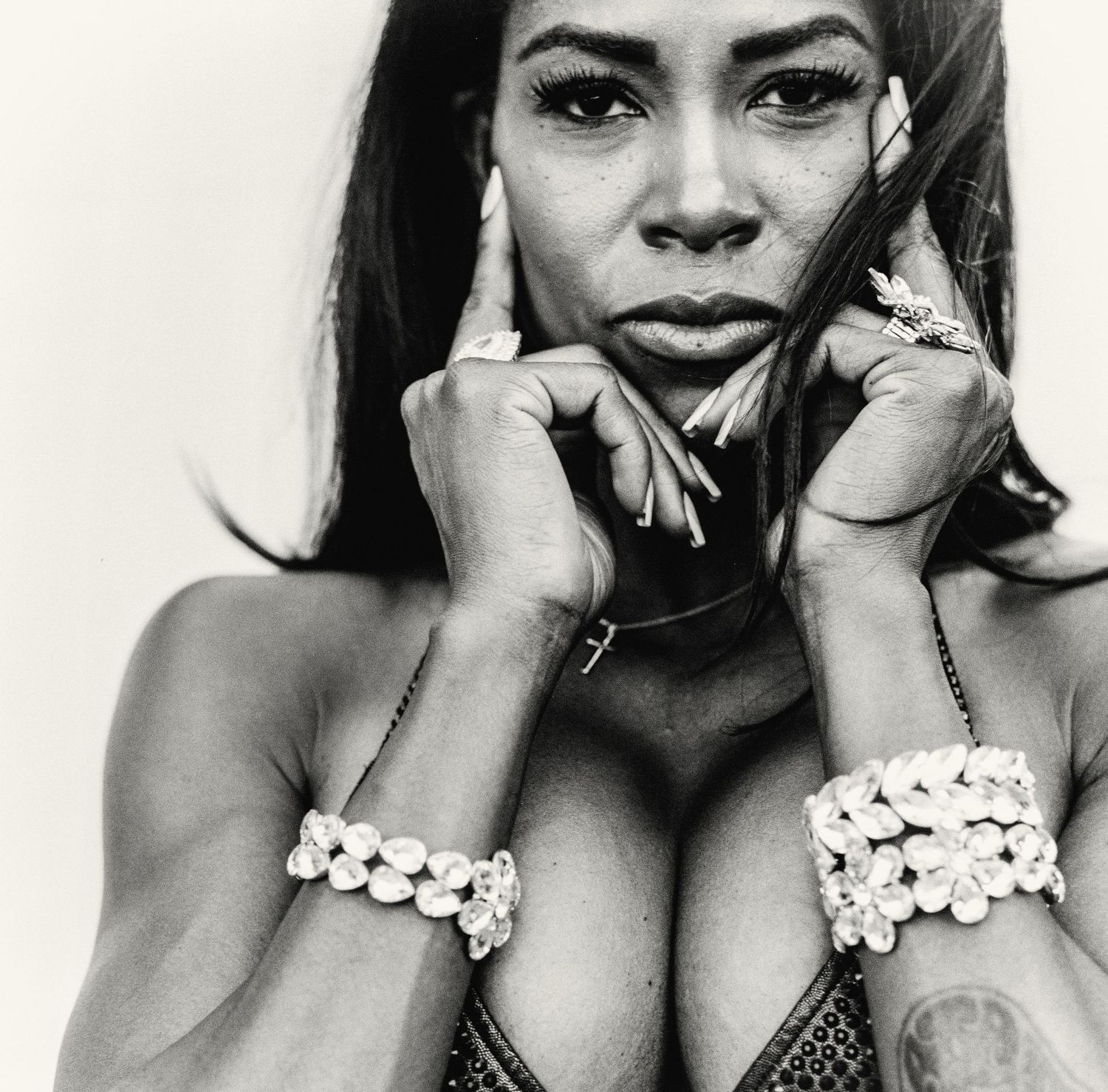
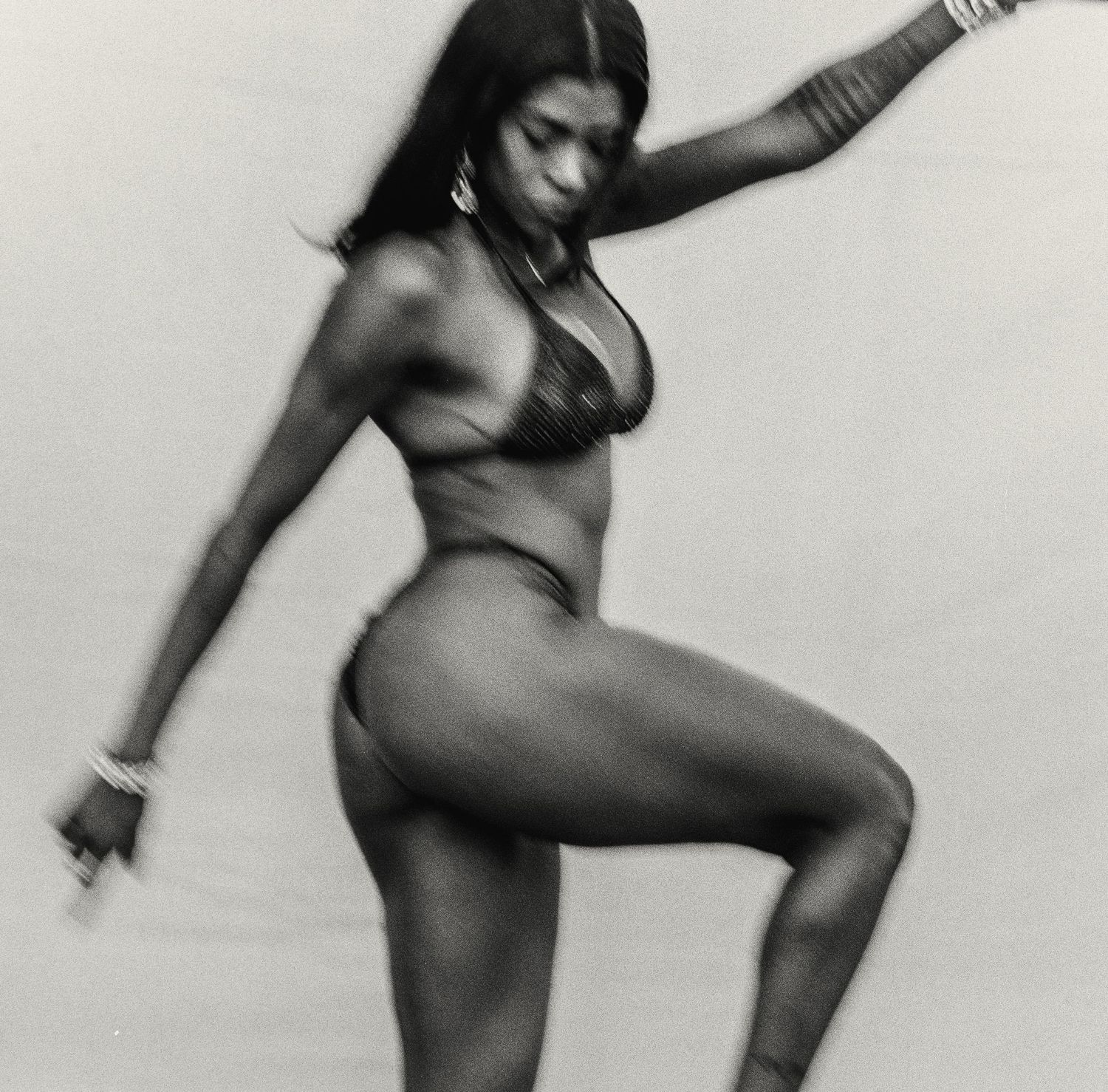
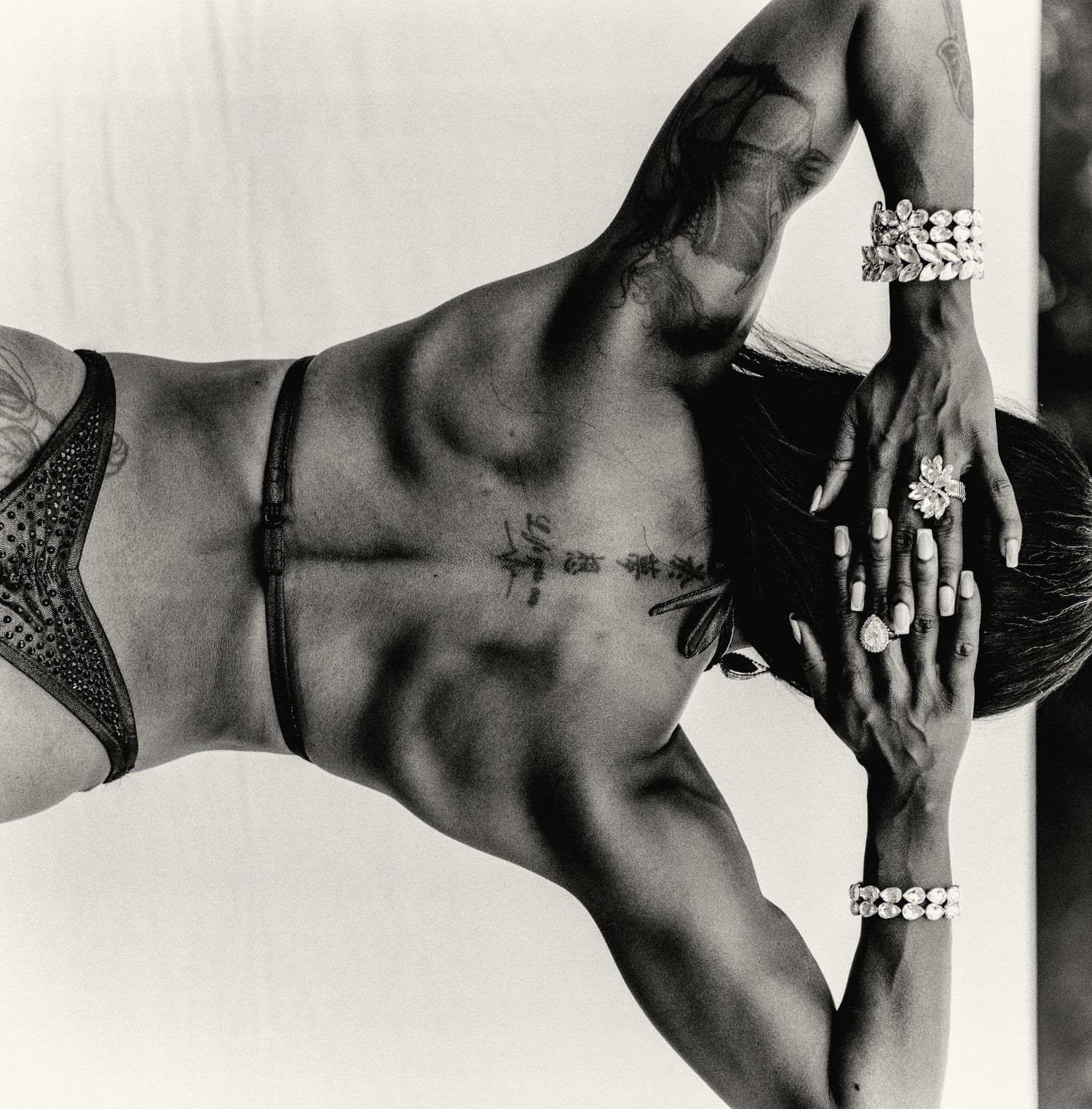
BODYBUILDING / NATURAL BIKINI PRO
Taylor
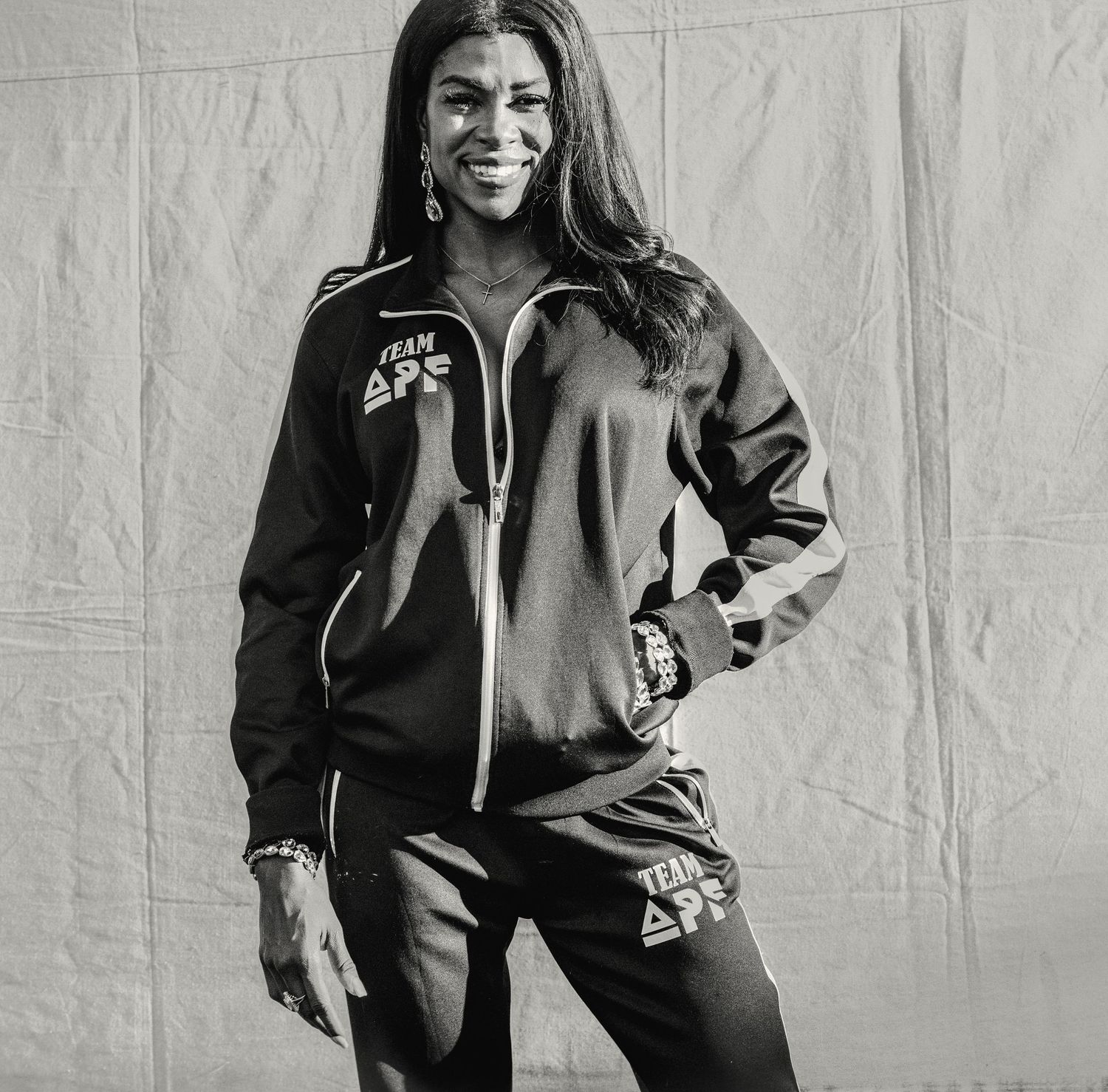
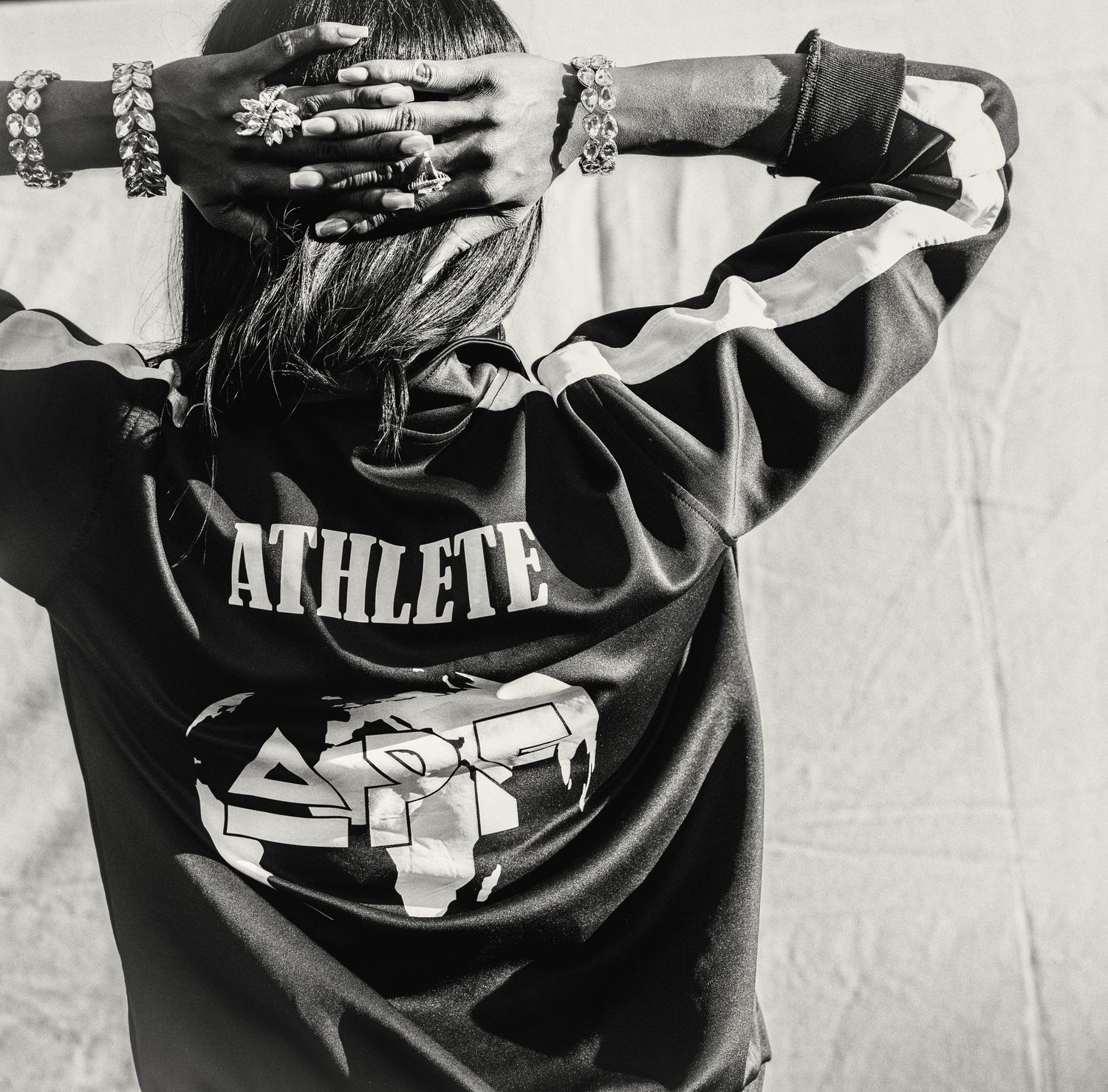
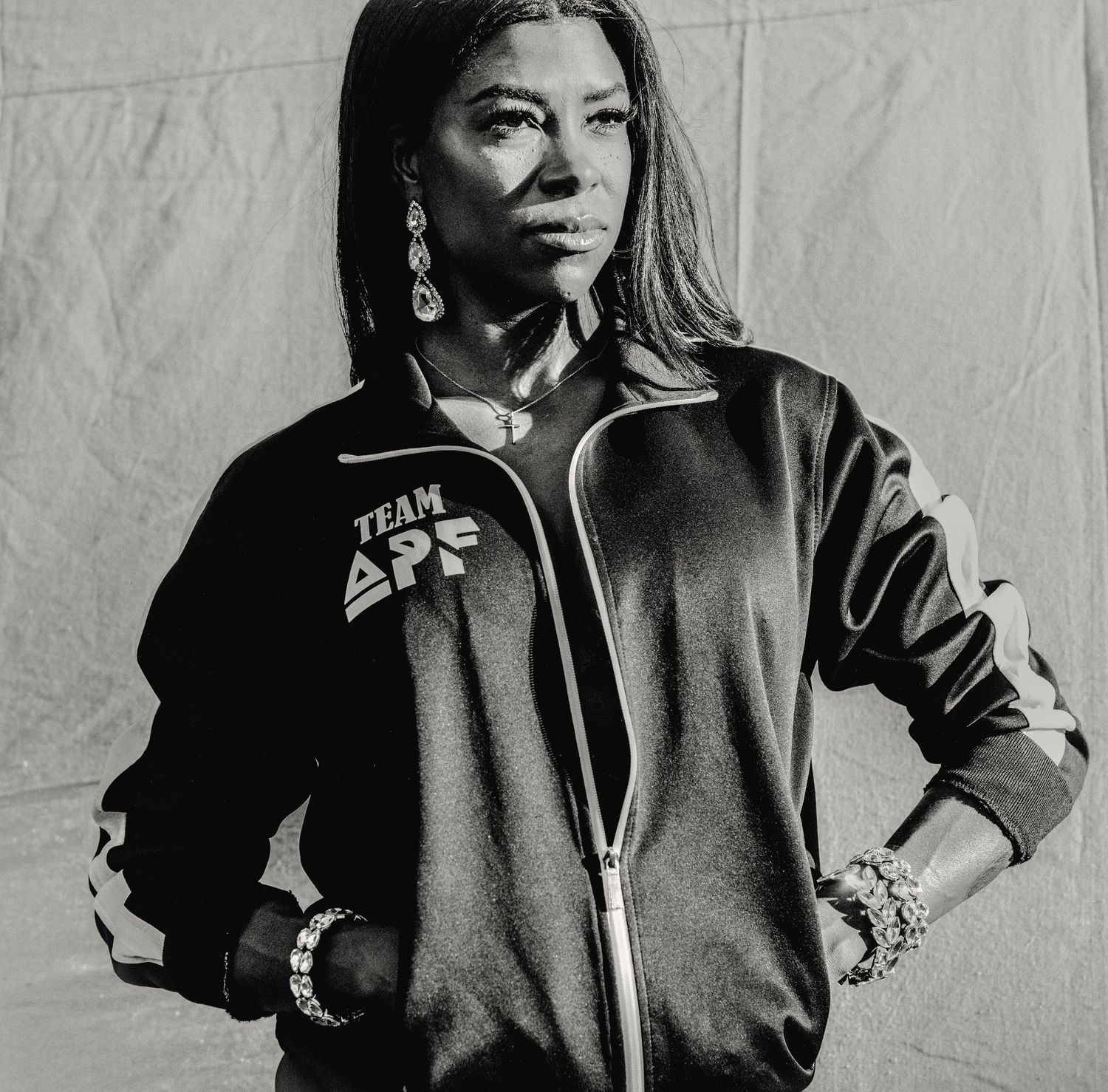
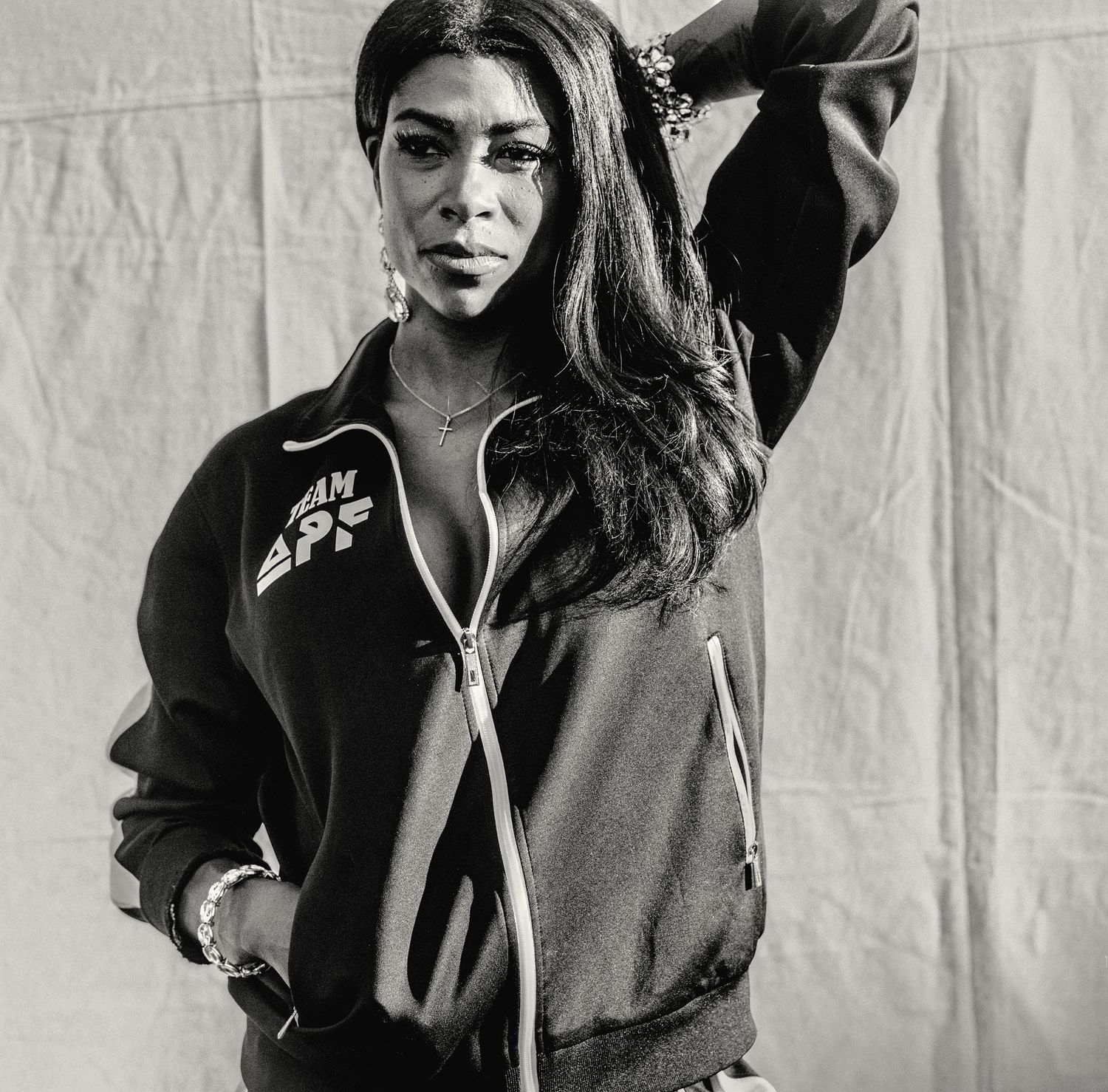
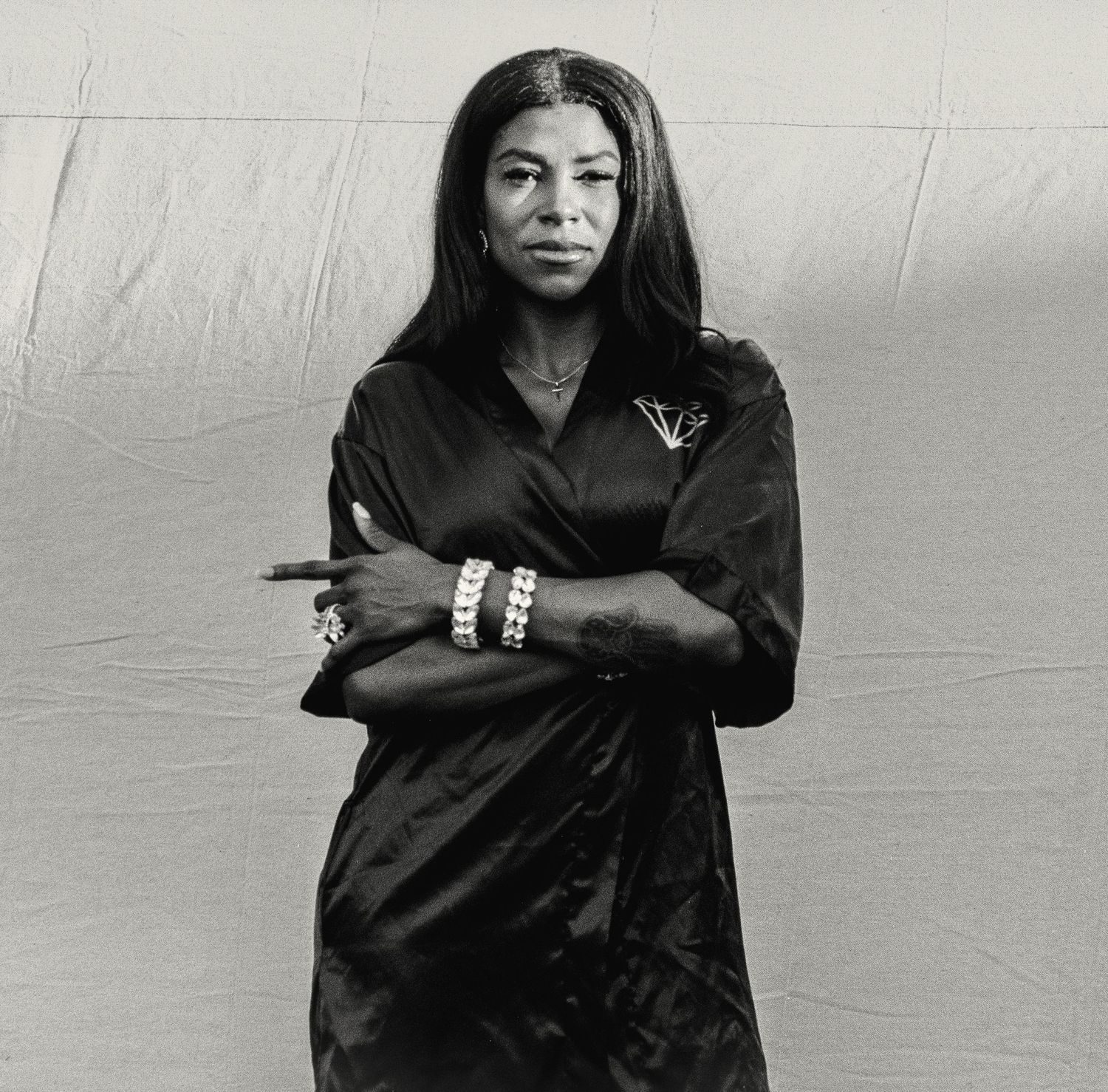
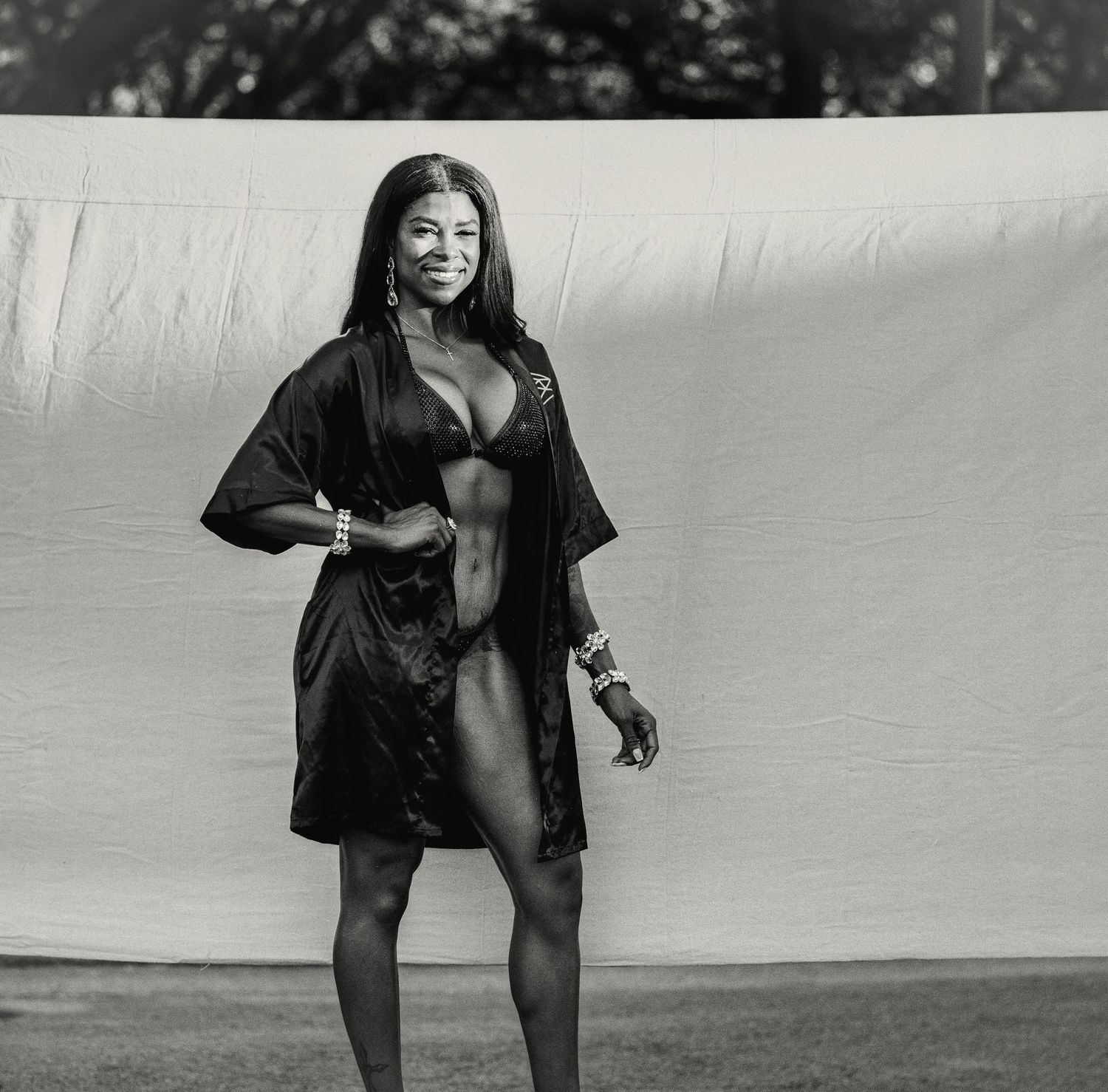
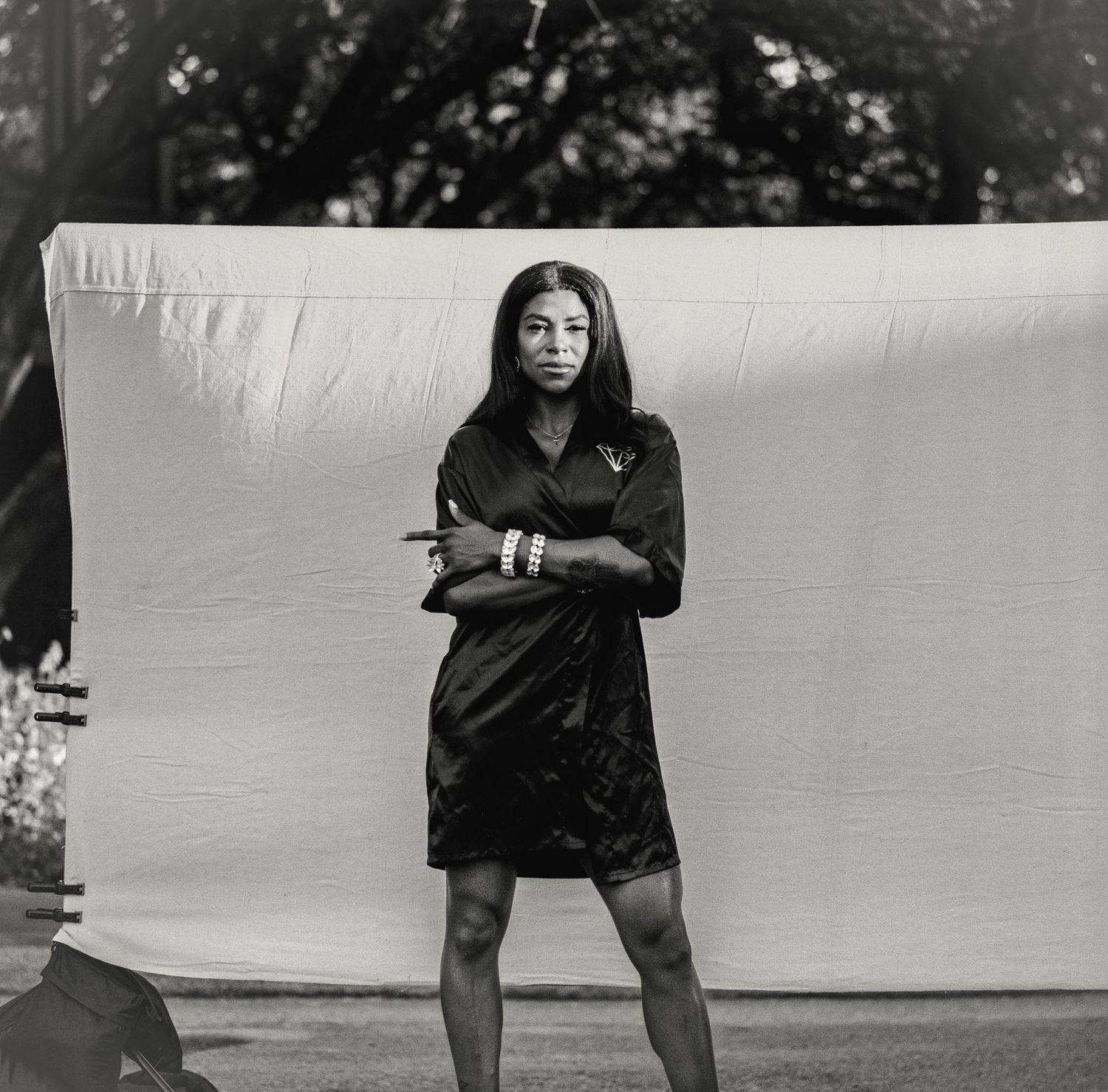
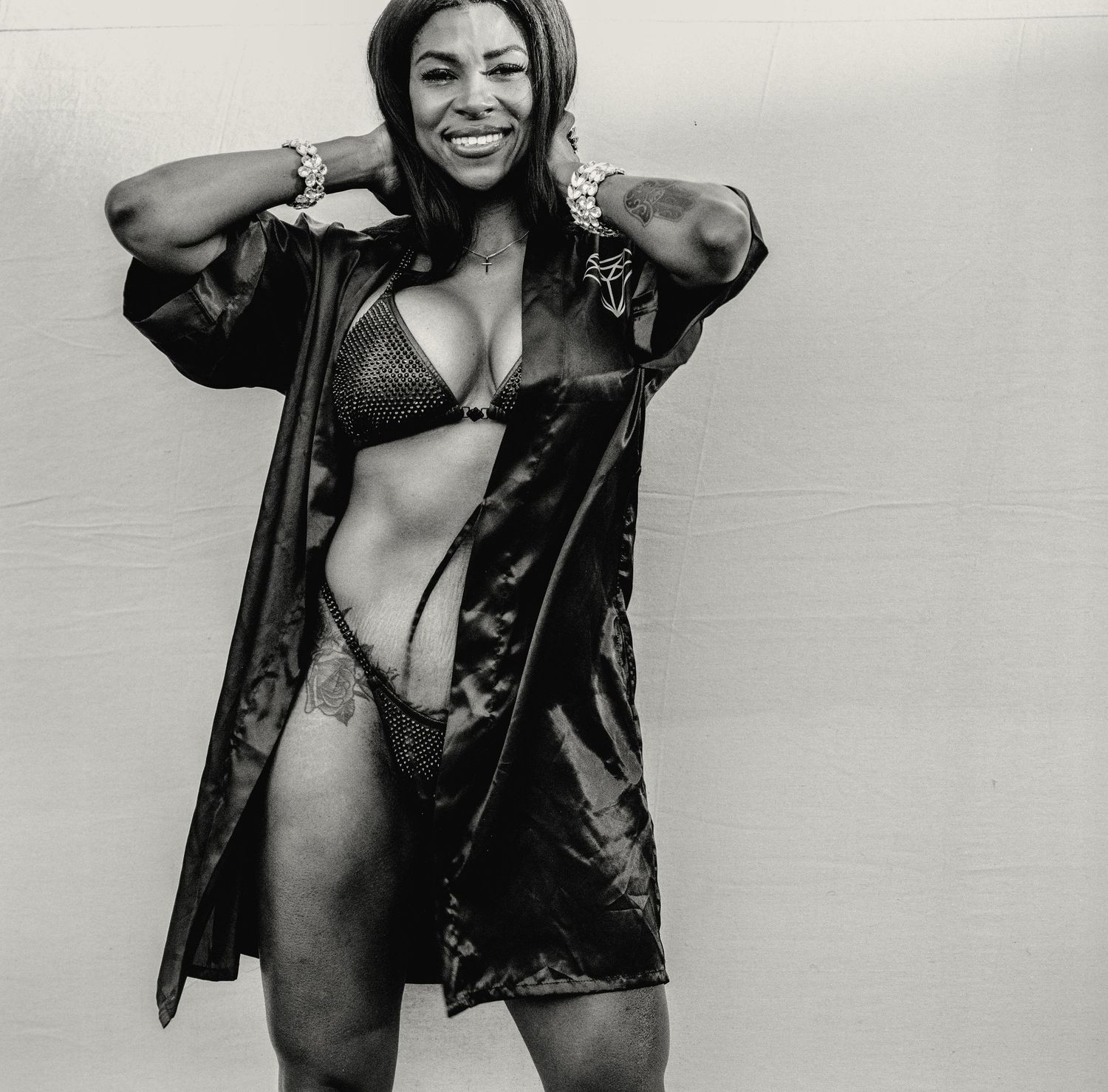
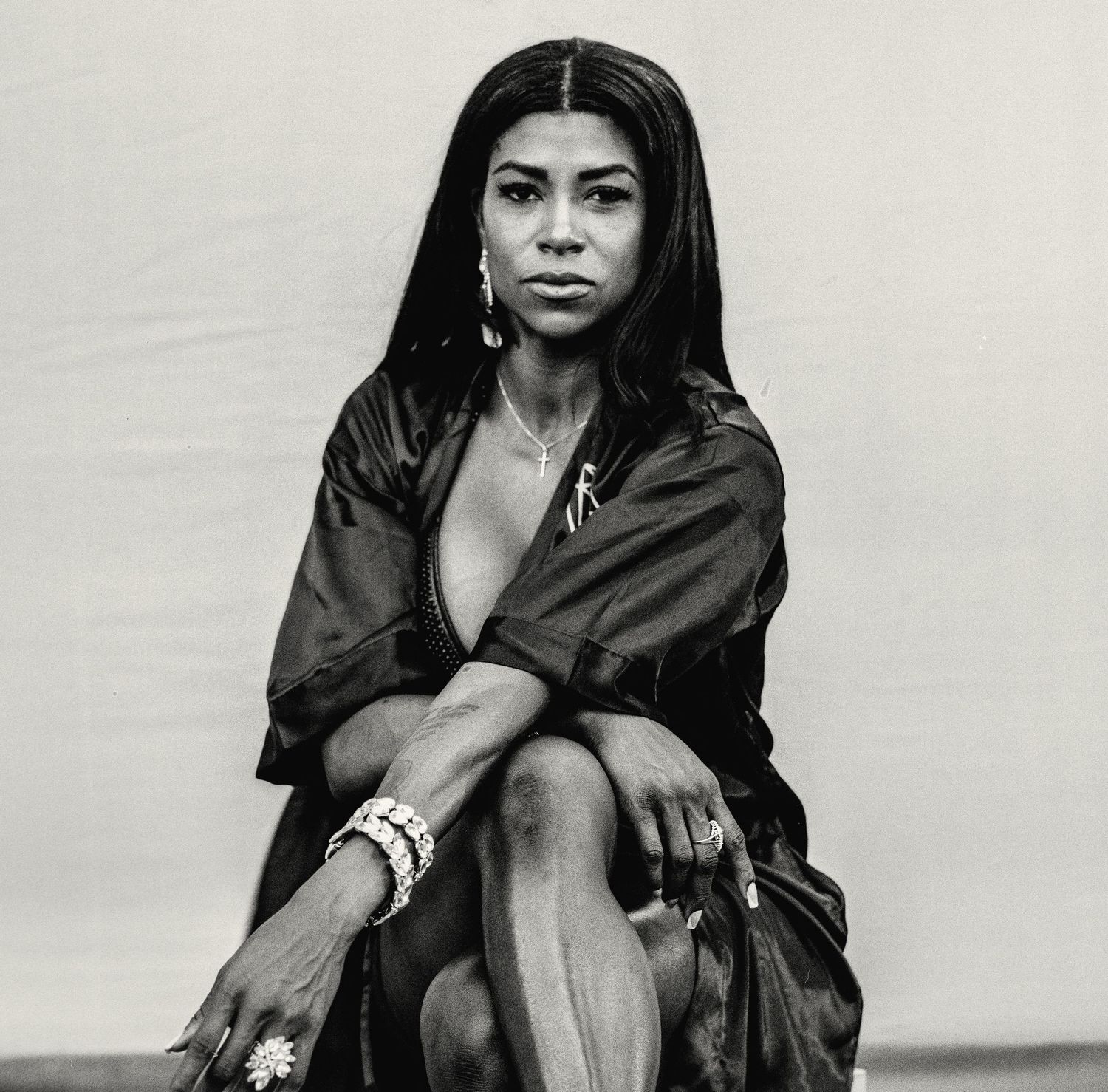
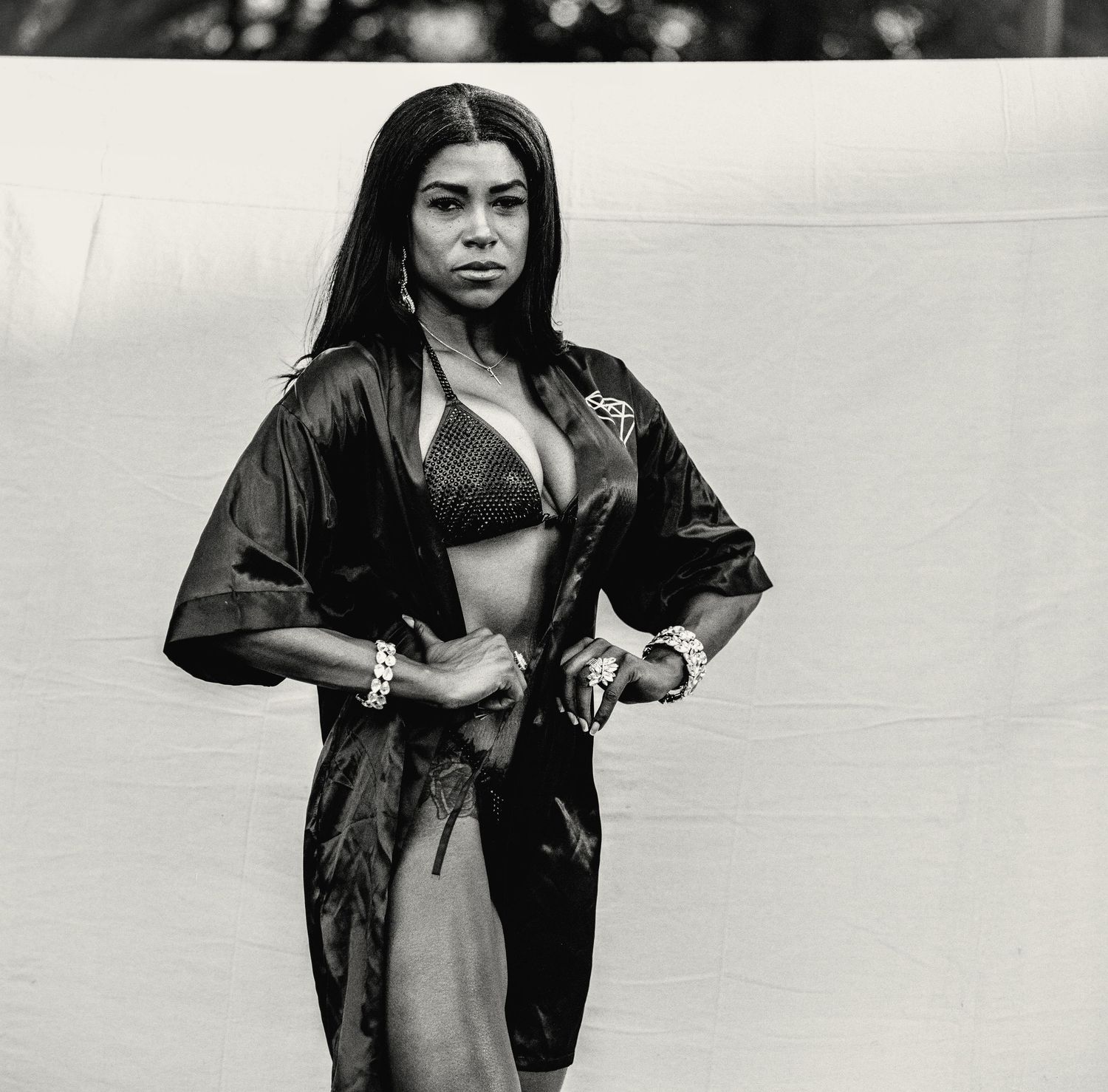
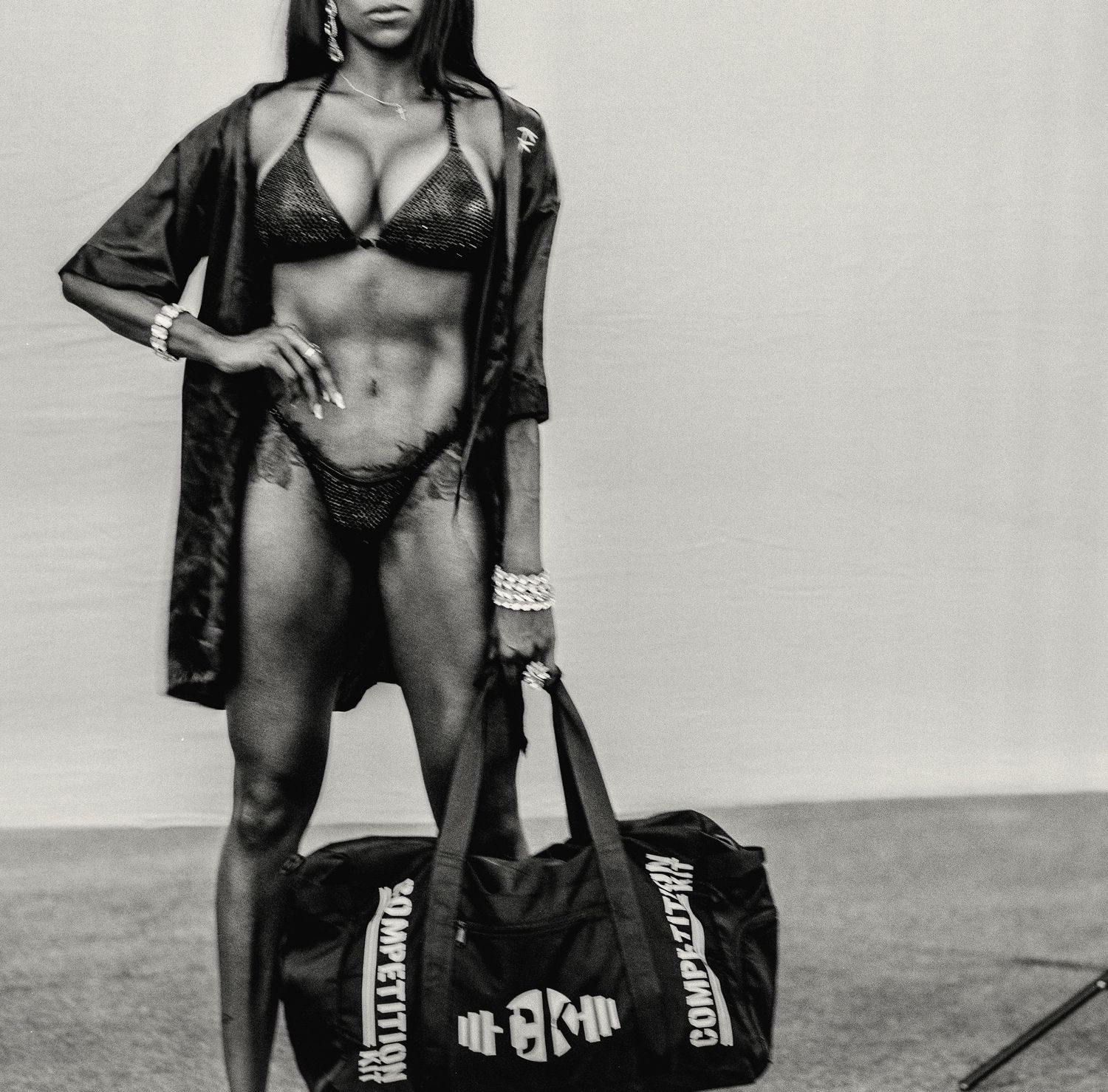
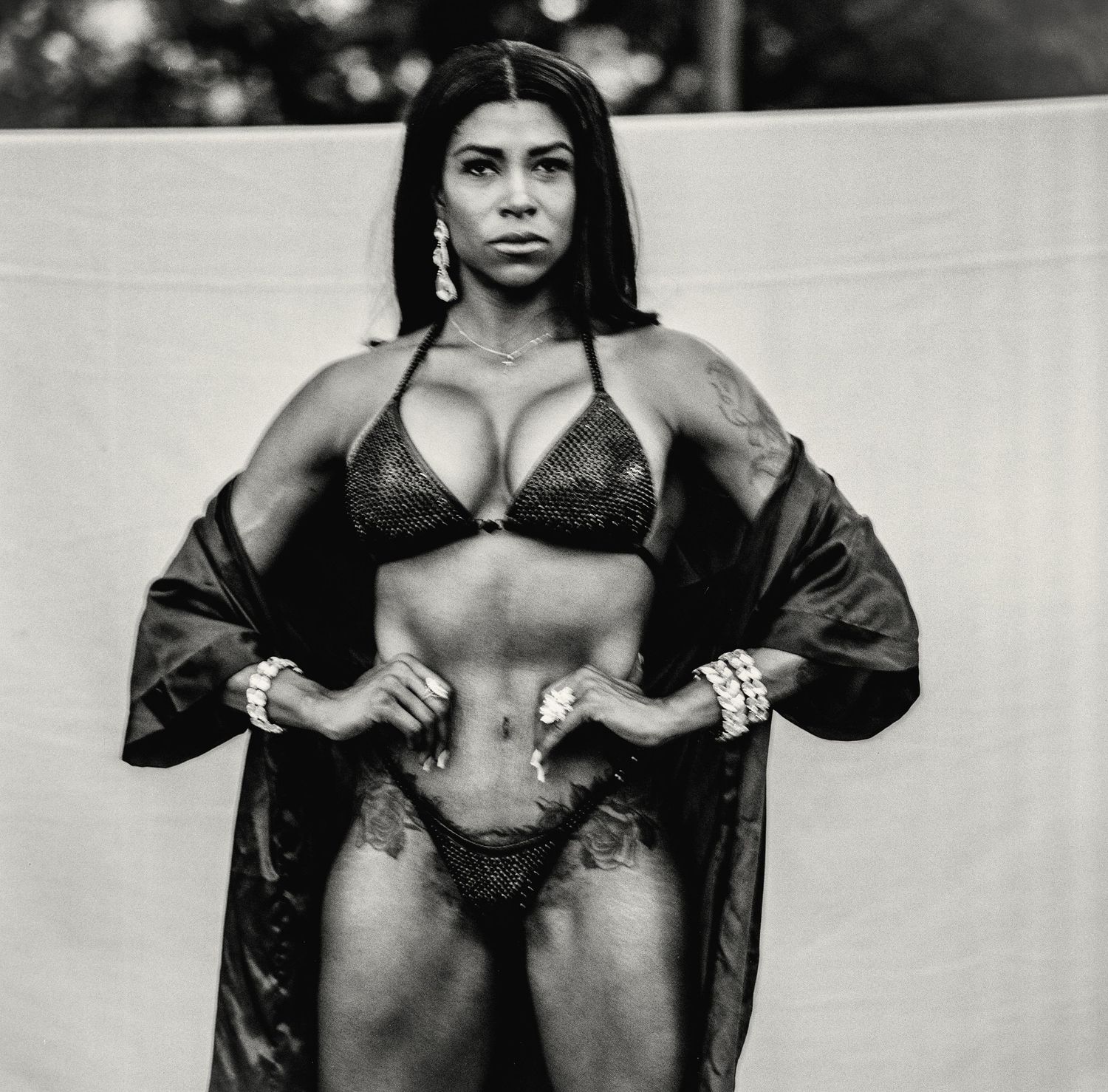
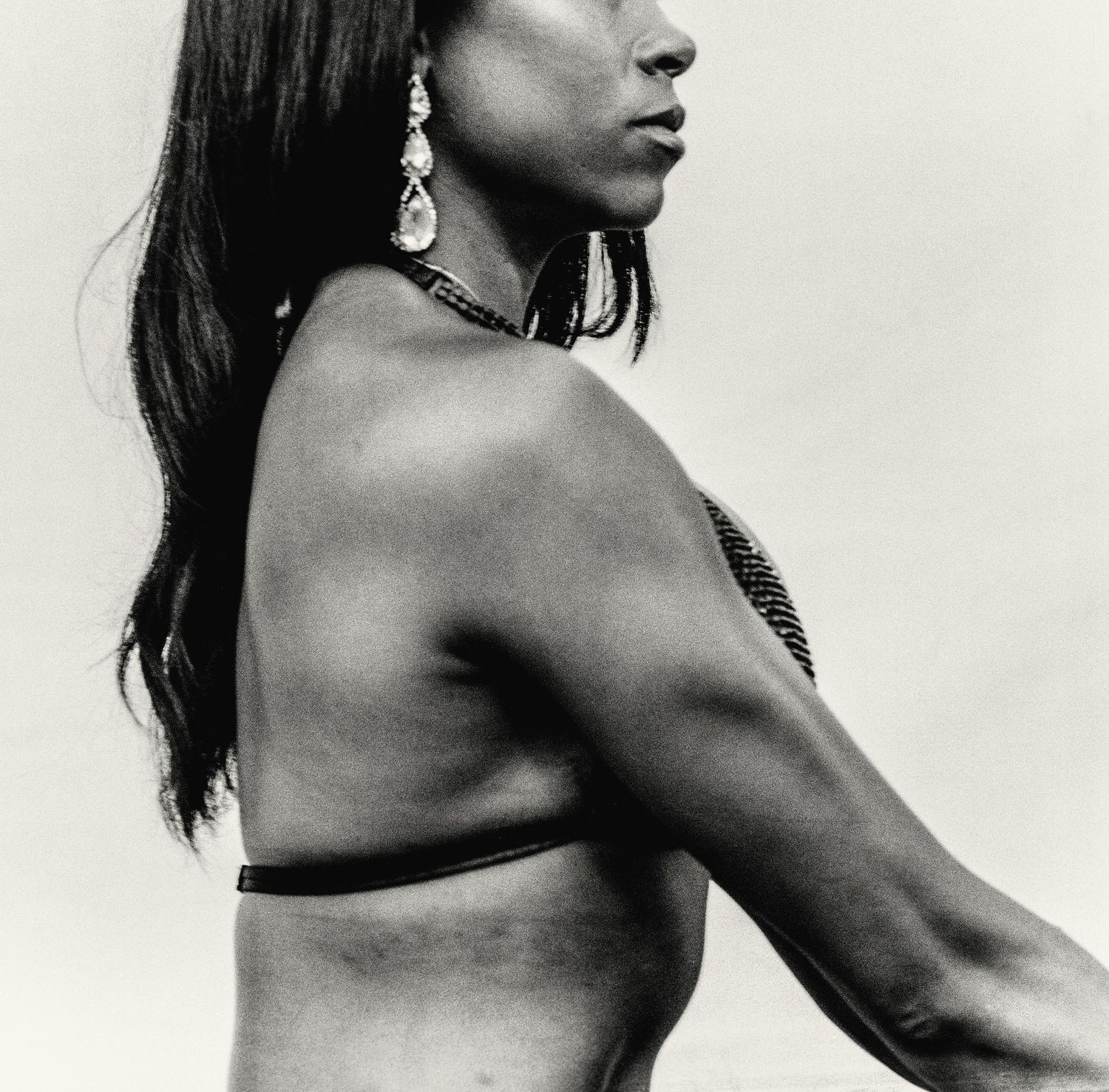
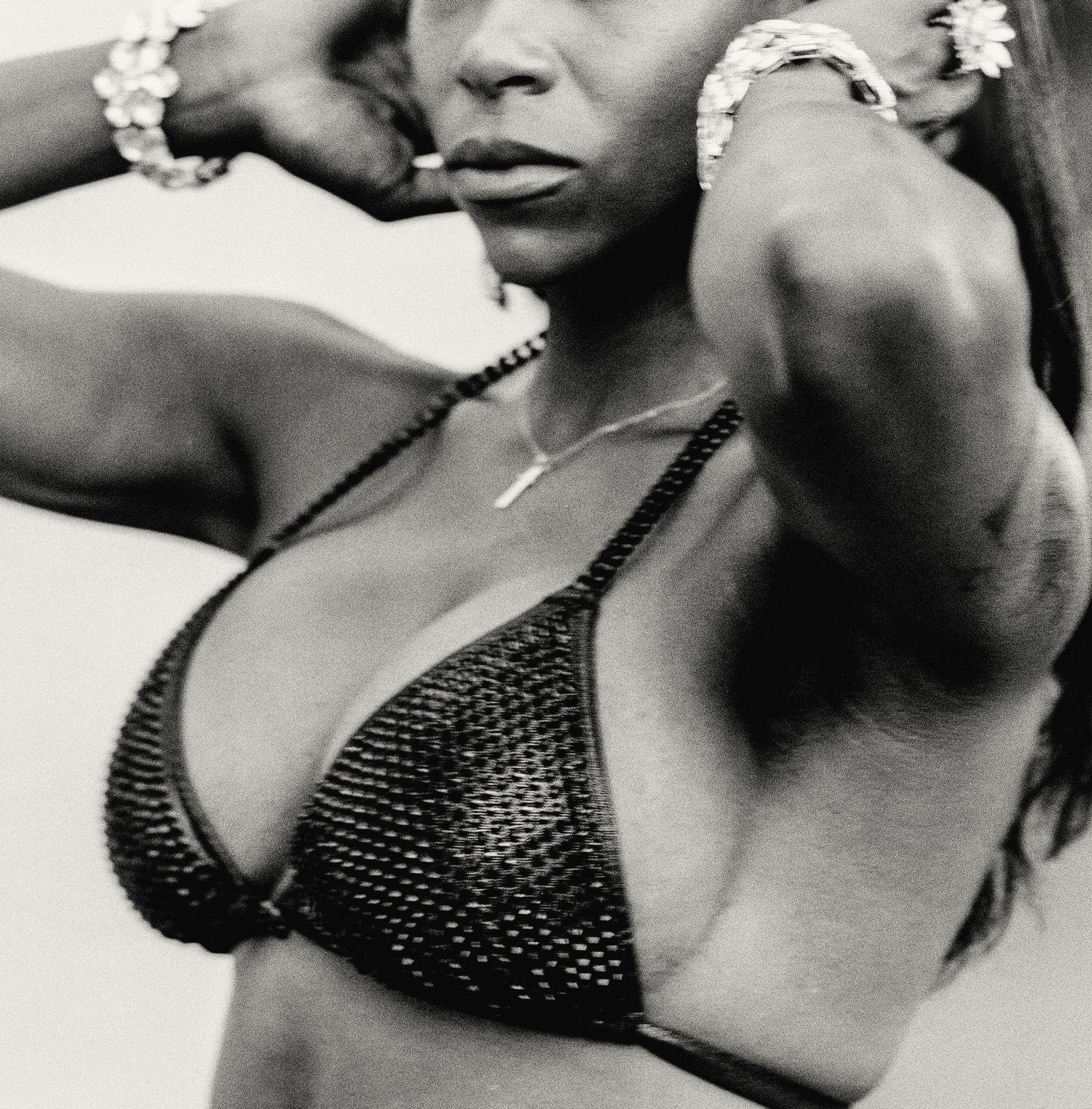
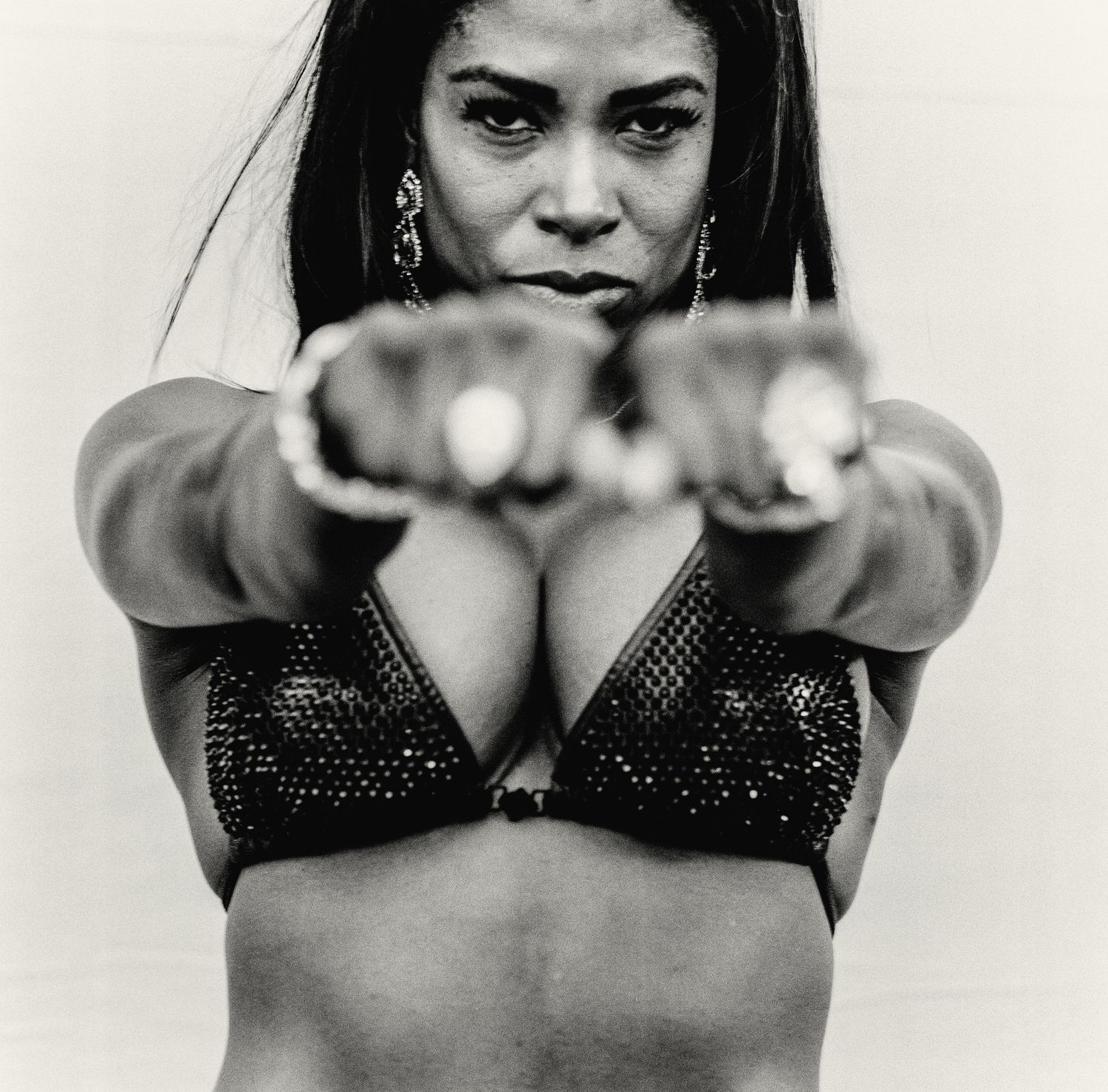
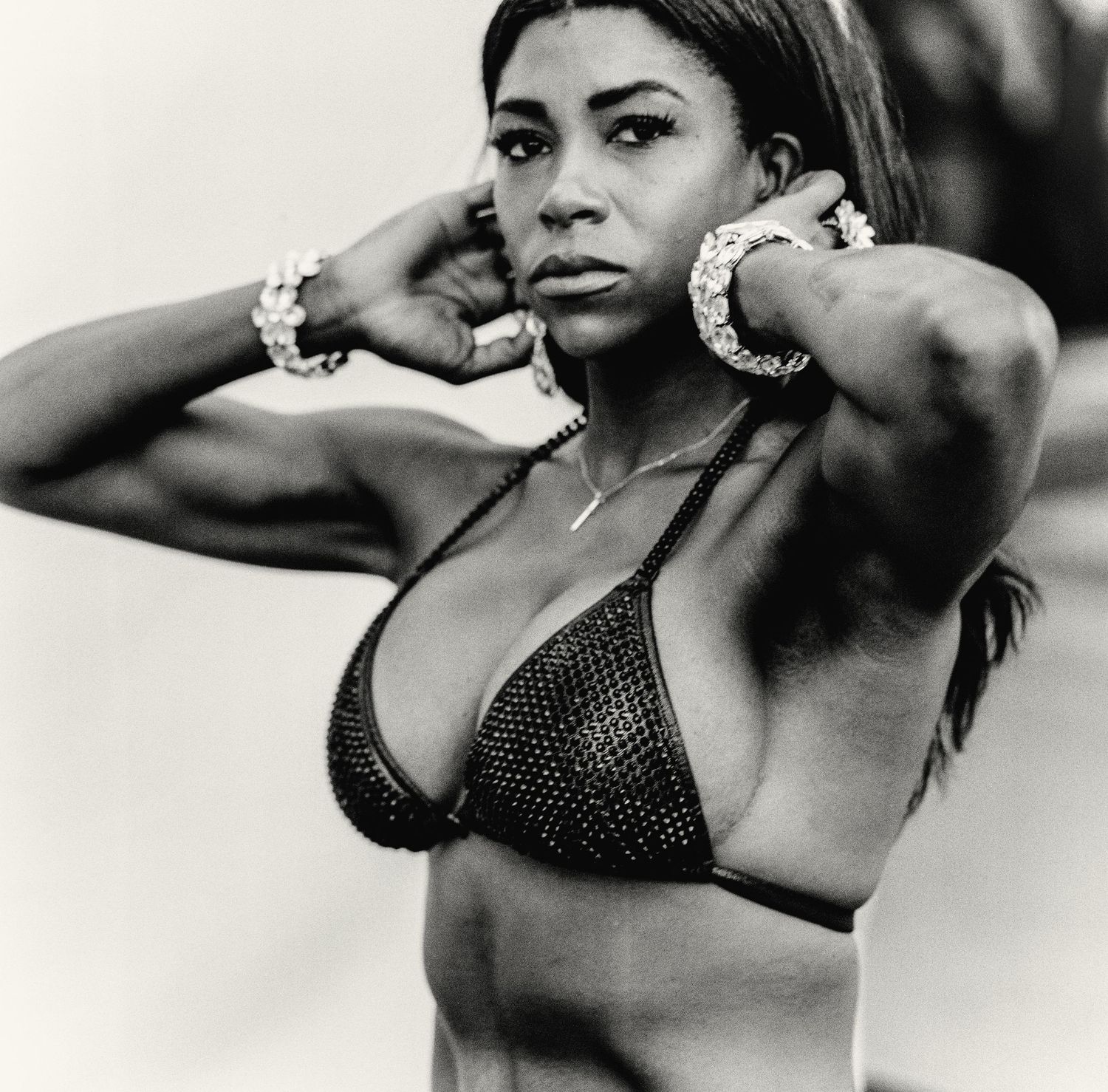
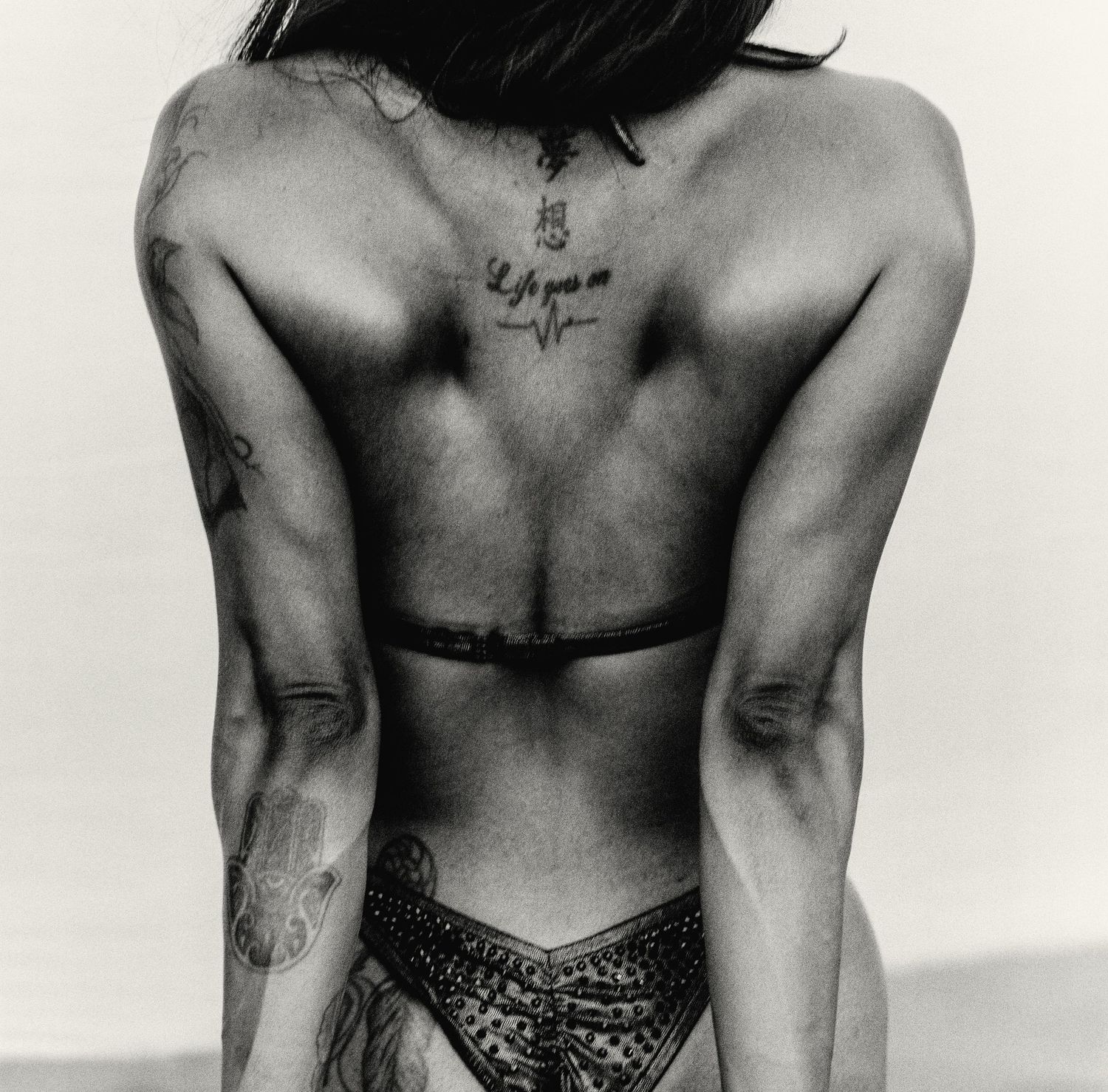
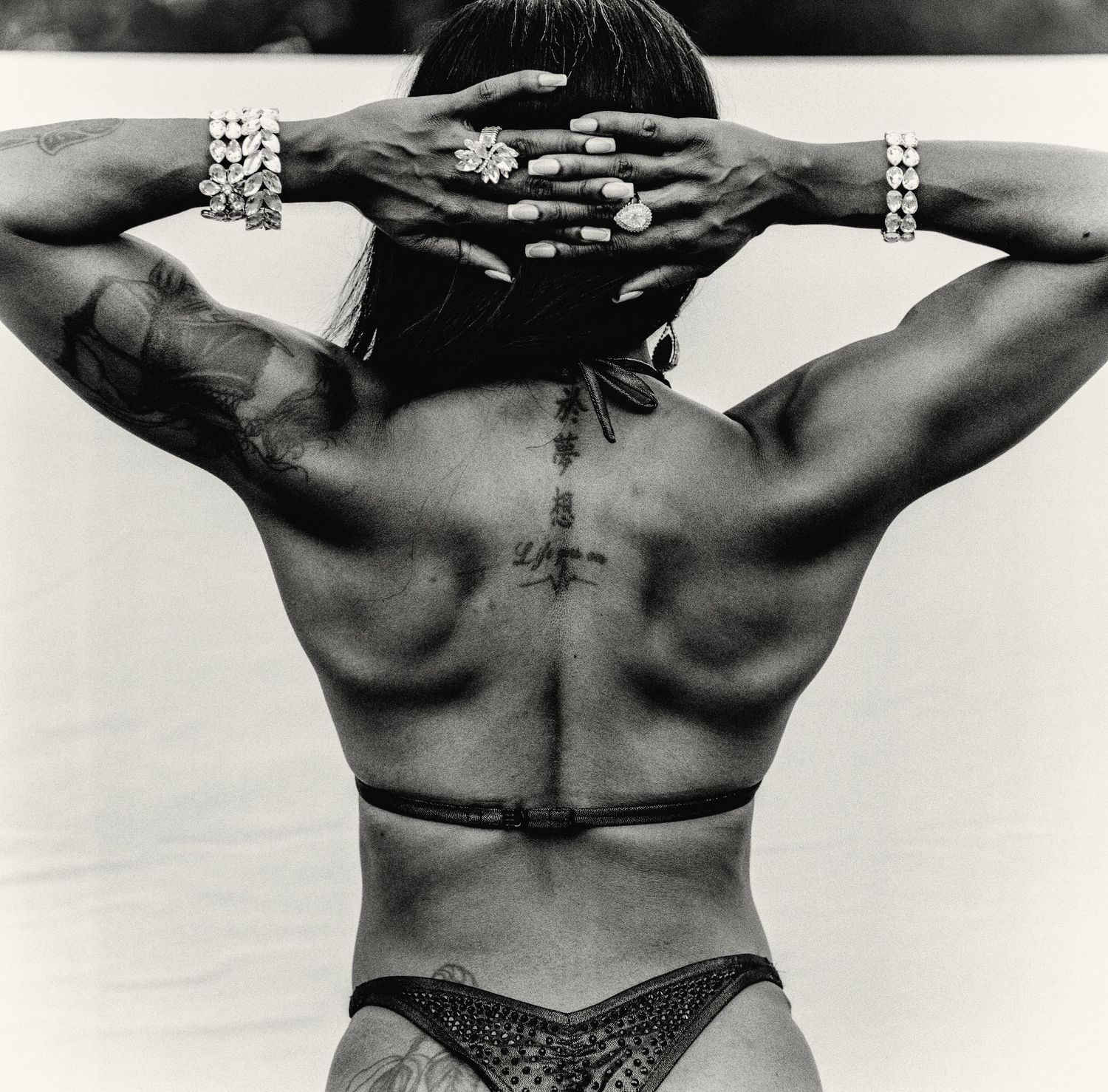
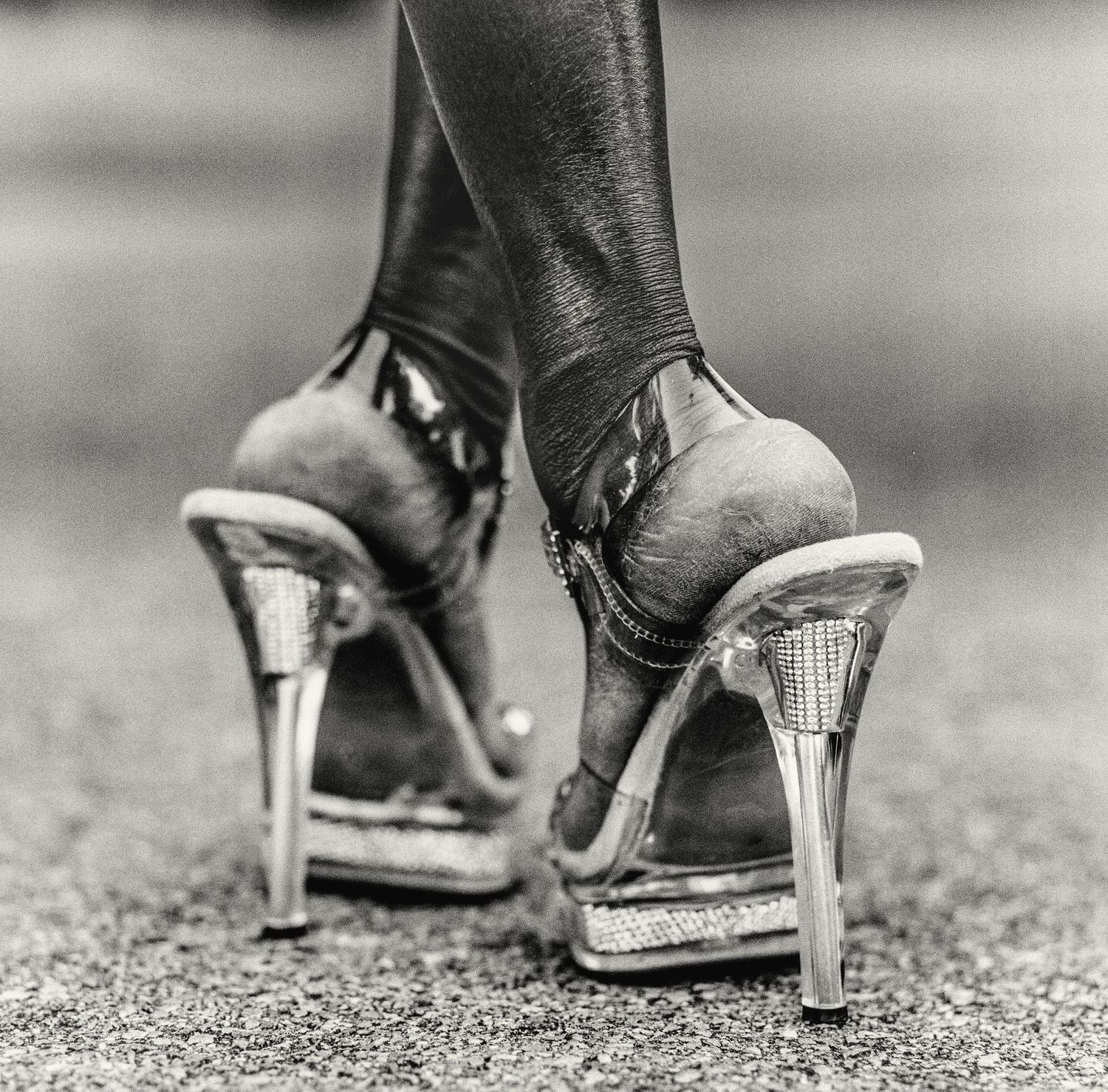
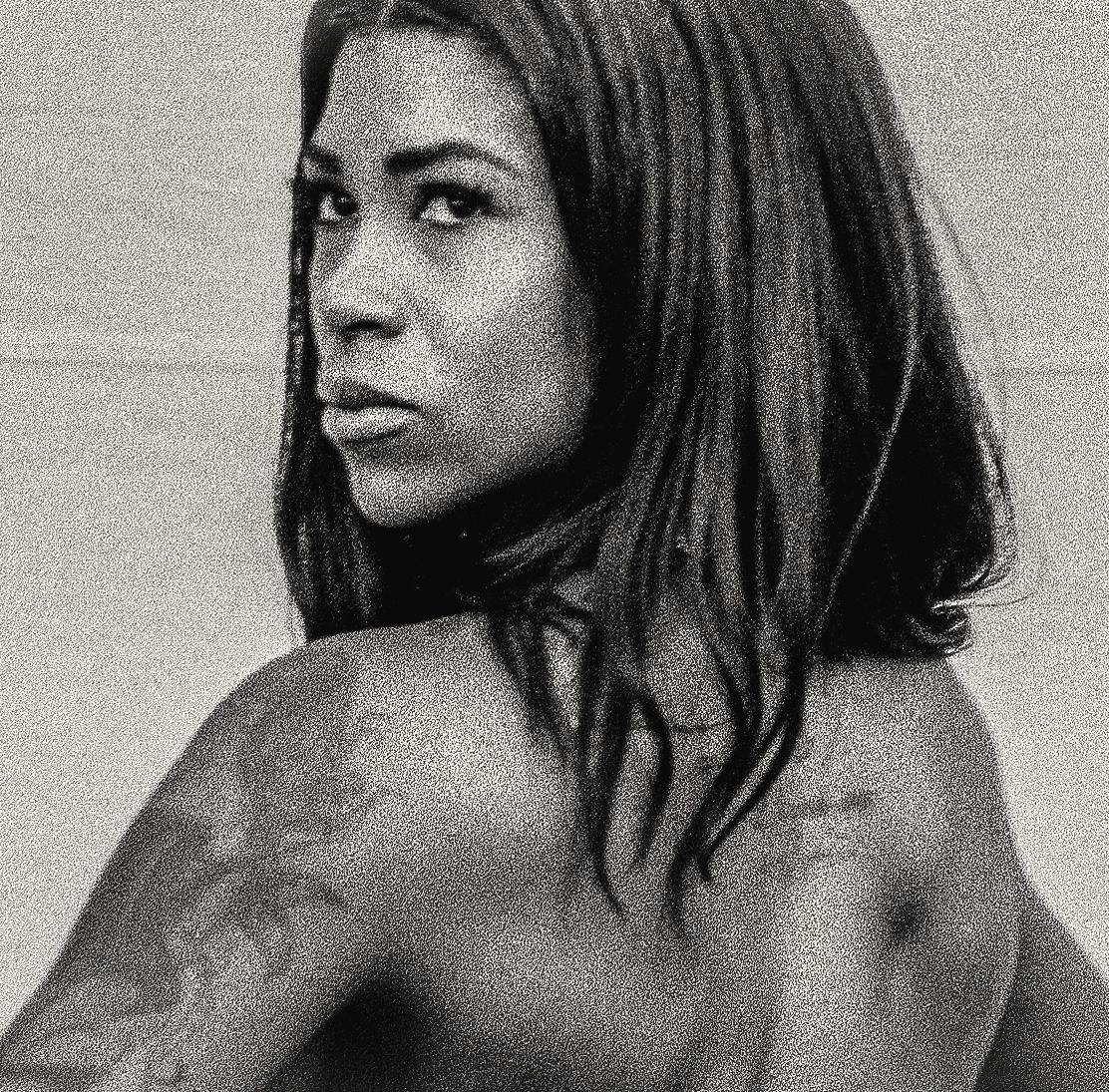
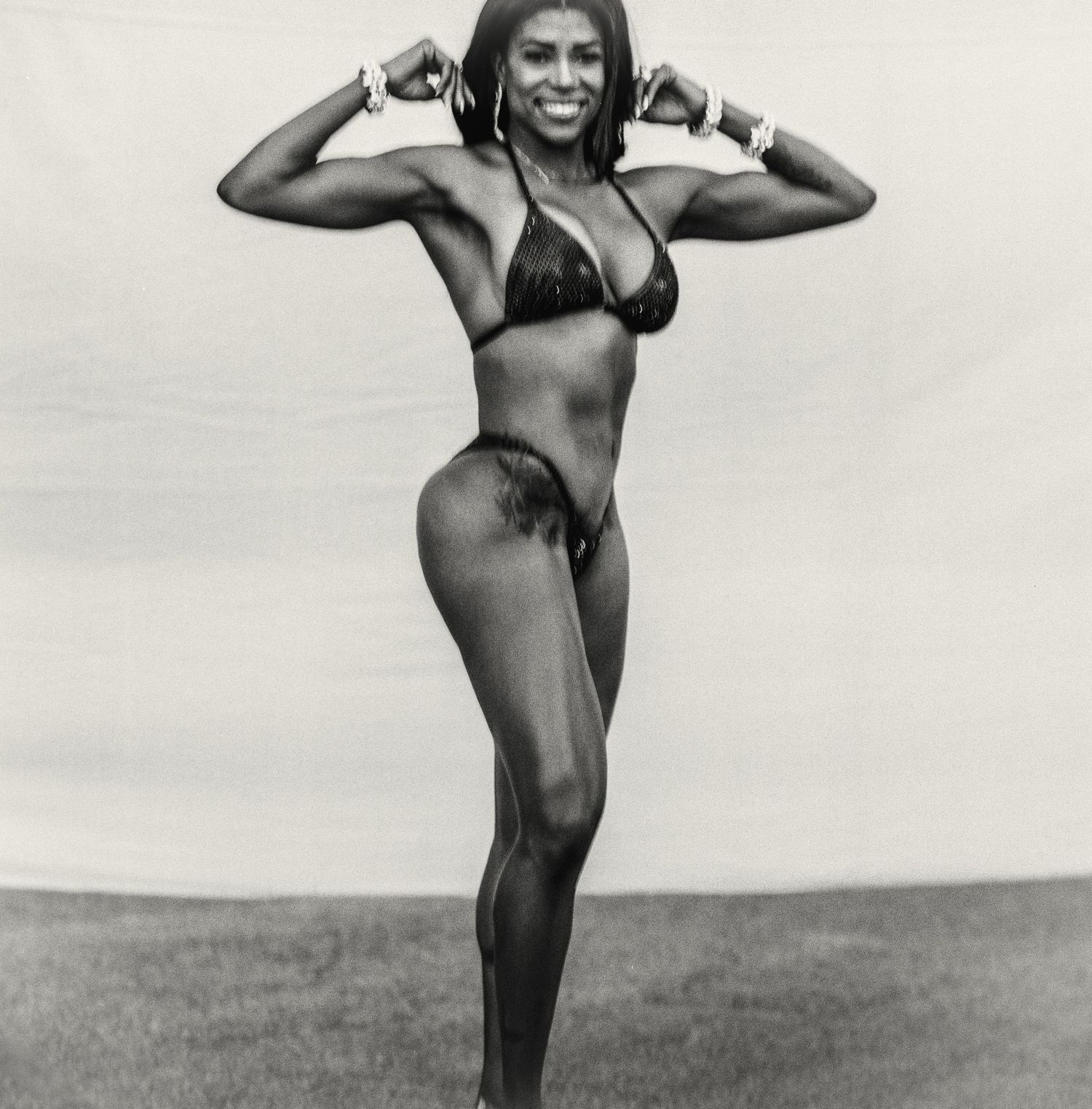
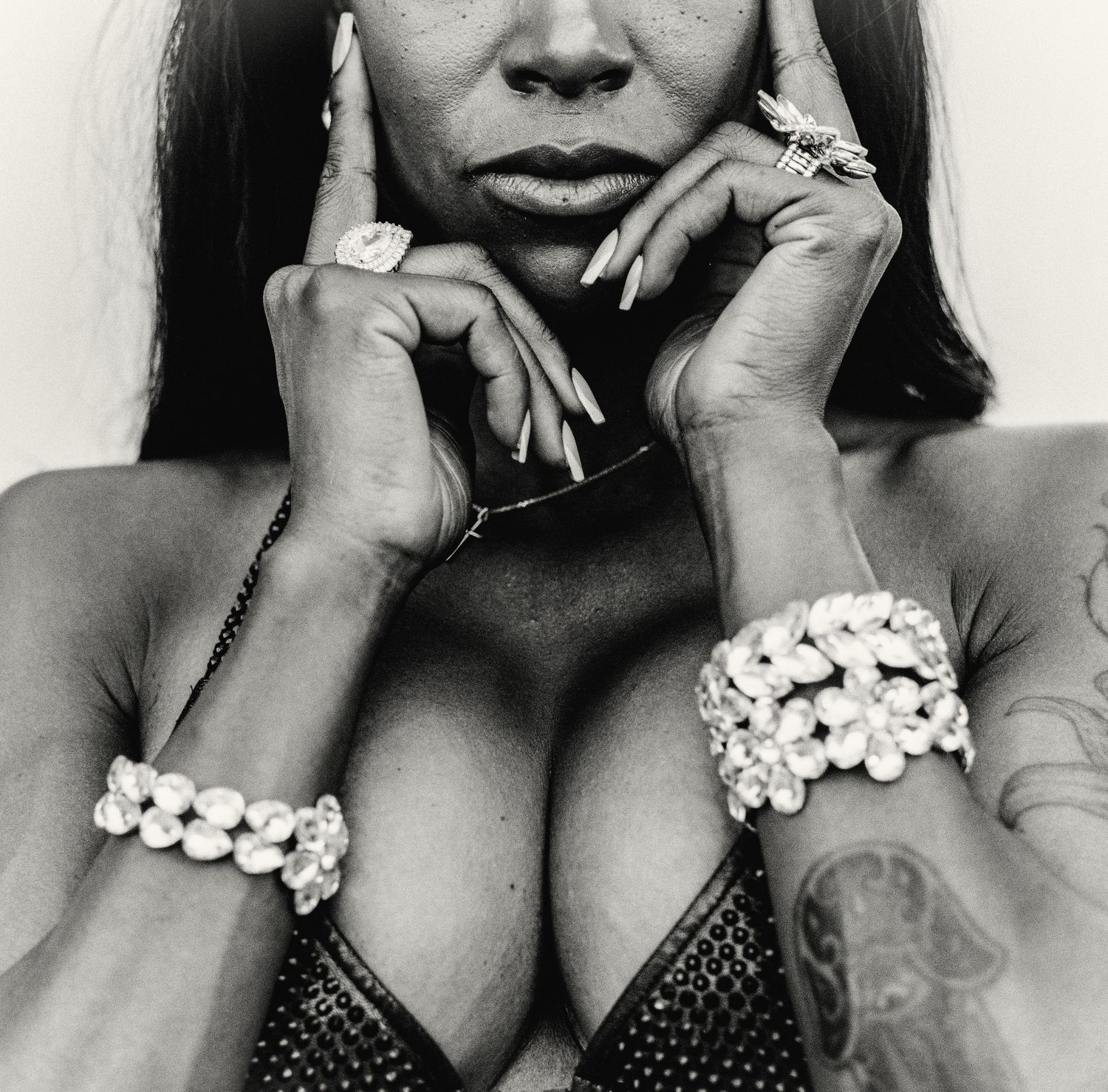
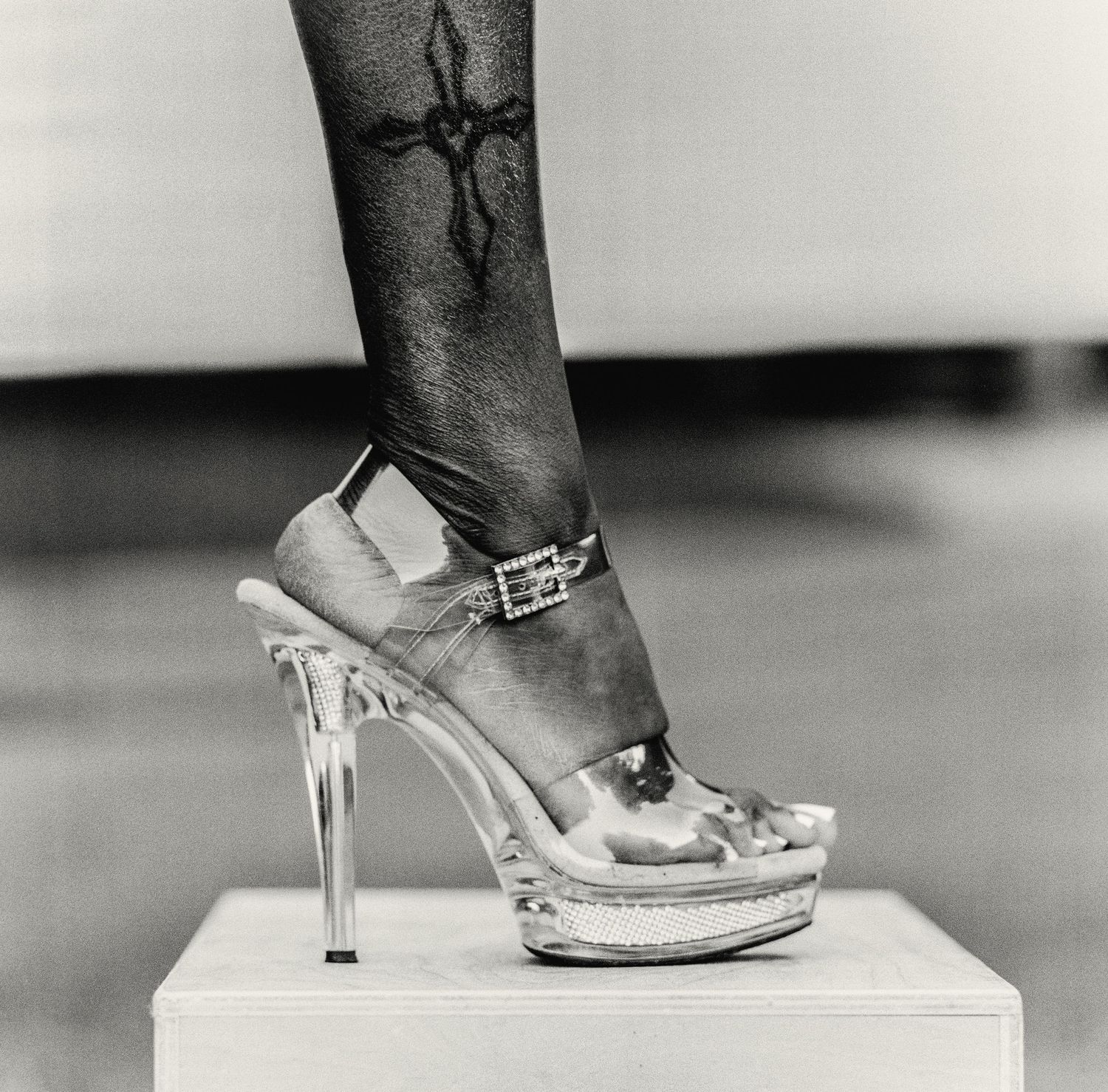
MAMIYA c220 / TRI-X & T-MAX 120 FILM
Just Do Everthing Scared.
AN INTERVIEW WITH TAYLOR COTTINGHAM
by
Respect Their Game
Welcome to the Respect Their Game — a collection of conversations with women athletes about commitment, identity, discipline, and the interior life of sport. These interviews are part of the ongoing portrait project documenting women in sport through film photography and their own words. Taylor Cottingham turns lifelong performance anxiety into elite athletic strength through disciplined training, faith-centered routines, and a sustainable “forever athlete” lifestyle as a natural bikini pro, flag football player, and mother of three.
.
Please introduce yourself to RTG.
Okay. I am Taylor Cottingham, natural bikini pro, and mother of three.
Did you play any traditional sports growing up?
I absolutely loved sports. Growing up, I was a tomboy. I wanted to do all the things: football, baseball, basketball. I was horrible at baseball, but I was amazing at track. That was one thing that came very natural to me from a very, very young age. I ran track my entire life. My dad was actually my coach and people would argue that he is the hardest coach they’ve ever had in their life. So he raised an athlete. He raised a forever athlete.
How did you first get into bodybuilding?
Oh, that’s interesting. Honestly, it was very random. It started when I was kind of lacking a little self-confidence in my own body, and I saw a friend post that she was competing and I was just thinking, let me ask about her coach and just see if I could even just get into really good shape? I never actually thought about being on stage, but I just wanted to get healthy, get in shape, and have a body that I was proud of. I called him up, we talked, and honestly, I signed up the same day. Sent him his payment, and after the first workout I was like, you know what? I kind of love this. Let’s do more. And now it’s kind of a forever thing.
Well, it’s interesting because if you were a lifelong athlete, I can’t imagine you were out of shape or unhappy with your physique. What was it about yourself that you wanted to take to another level?
Well, I’m a mother of three, so having kids that range from 5 all the way up to 14, my body was no longer the same. Yes, I was still athletic, but I never even pictured myself ever having a six pack or anything. Just starting the sport, you realize there’s different types of workouts. So what I was doing wasn’t producing the body of my dreams or the body that I think I could even achieve. And so it was really me just being like, well, let’s see what we can do. Truly, my whole journey has been like, let’s see what my body can do. What can I build this body to be?
So for people who don’t know bodybuilding well, how would you explain what you actually do?
That’s interesting. That’s the first time I’ve had that question. Honestly, I tell people I’m a bikini competitor, but it’s not all about lifting weights, it’s about symmetry. Diet is very important. I think there’s more to bodybuilding than people think. I think a lot of people think, oh, as long as you work out, you can jump on stage. It’s way, way, way more. It’s like a formula: what time to eat, exactly what to eat, how long to sleep, how much water to drink — its a very calculated sport. It is challenging, but I will always say it’s not actually as hard as people think. It’s all about discipline. That’s the part that makes it hard for people is the lack of discipline. The workouts aren’t too hard. The diet actually isn’t bad either. It’s just about following it consistently.
Do you believe you need to have a coach or trainer to do what you do?
100%. Because they see all the things that you don’t. They see the little changes in your body that you may overlook. They’re also not going to be in their head the way you will get in your head when you look at the scale. If it’s not moving, you’re thinking, oh my gosh, I’m doing something wrong. You’re going to make a drastic change when actually you’re exactly where you need to be at. Also, no matter how long you’ve worked out, it is a sport that needs to be studied and practiced and studied again. I would not recommend anyone just diving in without a coach. Also, it takes the stress off yourself. Why would you stress about that when there’s someone else that can just guide you? I really think the best thing to do in bodybuilding is to don’t think, just do, just listen, and just follow.
So you’re in the Natural Bikini bodybuilding category, what does “Natural” mean in competitive bodybuilding?
Natural means we literally do not take any enhancements, which is rare, honestly. Now it’s getting more popular in this field, but it used to be take anything to get the look to be competitive. It was an anything goes type sport. On the natural side, it is literally nothing. There are no enhancements, not even if you take it for medical reasons, you cannot compete in a natural competition. It’s all hard work over and over. And that also means that results take longer. And so it can be a little bit discouraging sometimes to someone who’s looking at a competitor who is not natural and they’re getting these results really fast. Versus someone like me, it may take me two years to build a body that someone maybe could get in six months because I don’t have anything extra working in my favor. It’s just every day showing up to the gym, pushing this weight, sleeping, following diet, and waiting for my body to follow suit. There are no shortcuts. It’s taking the long route, but honestly, I feel like it’s more rewarding in the end.
Do the competitions strictly test in the natural category?
Immediately. So as soon as you place top three, the moment you walk off stage, they will walk you to the restroom immediately. You cannot go and do anything else. You’re going to go pee with the door open (laughs).
What are these judges looking for in this specific division that you’re in?
In bikini, it’s all about body symmetry for your upper body and lower body to match. And then they want an hourglass shape. They want capped shoulders, raised glutes. But overall, if you saw this person on the beach, you’d be like, I want to look like that. That is truly what a bikini body is. Our division is about more of an attainable look. It doesn’t mean it’s easy to achieve, but it’s like the body that you look at on the beach. And so that’s the goal. And then of course you got to have pizazz. They want stage presence, they want glam. So having fun on stage too.
So you had mentioned it already, but are there specific muscle groups or aspects of a physique that the judges tend to focus on the most in your division?
Yes. You’ll often hear coaches and people say that bikini is won from the back. They want amazing glute hamstring tie-ins. Honestly, I feel like anybody who has the best hamstring and glute tie-in is going to win that show at the end of the day because it’s one of the hardest things to achieve. You have to be very conditioned but not overly conditioned. You have to have the muscle maturity to achieve that look. Also, you can’t just come in super shredded and think you’re going to have it. It’s not going to be there. It is one of the hardest things to achieve being natural, and so that’s going to make you be a top contender. And then of course, the capped shoulders.
What does a capped shoulder mean?
It’s basically rounded shoulders.
Do you have a favorite exercise or body part to train, and if so, why?
Oh my gosh, it’s funny. It’s honestly the most unpopular one, but I have a love for the hack squat machine simply because I can out-lift everyone in it — I have very strong legs, very strong quads. Also a favorite because it is such a hard machine that I could barely have any weight on when I started. So I purposely got on that machine every day until I was amazing at it, until I could just keep adding plates, and another plate and another. So it started off as just a challenge for myself, like, I hate this machine. I’m going to do it until I love this machine. And now it’s fun because everybody’s like, how is she adding more weight? You know what I mean? Now it’s fun to do, but it started off as its own little challenge for me because I was so bad at it.
I imagine that’s a source of pride too. When you have a strength in one area, that gives you a sense of pride and confidence, right?
Yes, it really does, honestly. So what’s funny is that kind of goes for any machine or any exercise. If I’m not good at something, it drives me to be the best at it. I’m going to be like, oh, that was terrible, so I’m going to do it until I’m the best at it. Until this is easy, I’m going to do it until it just feels like second nature. So that’s with anything and actually was the case when it came to the StairMaster, too. Oh my goodness. I have a love hate relationship with that. I remember I was struggling on the StairMaster. I really was. I was going on 6, and while stepping this grown lady, I am not kidding, she was probably 20 years older than me, got up there and was killing it. And In my head I'm saying "oh, hell no". And so I started pressing the number up, and then I obviously could not keep up with her at the time, but I put it up to 12. She was on 13 killing it. Well, after that, it lit a fire under my ass, and I was doing that StairMaster on 12 to 14 consistently. And I was on StairMaster for an hour at 14. I almost died, but I did it, but then it got really easy — like “wait, she’s not struggling. I’m going to look like that.” So anything I struggle with I’m going to do it until it’s no longer a struggle for me.
Sounds like you’re a bit of a competitive person (laughs).
Yes, unhealthy (laughs). Actually, I have a twin and she reminds me, she’s like, you’re a little bit unhealthy with your competitiveness. I’m like, I’m working on it, I’m working on it. But it could be a good and bad thing. Now I am a great team player and I’m very, very supportive. I’m not a shit-talker unless it’s something for fun. I will beat anyone in a childish game, and I’ll talk mess the whole time. So Connect Four or anything, that is my favorite thing to bring to a table. Very childish game. When it comes to serious sports, though I am everyone’s number one supporter, your number one fan. I will be always uplifting because it takes a lot to do what anyone does in a sport. So yes, I will always be competitive. I’m never going to talk down to the person I’m competing against, even in football or anything. I will always go and talk to whoever I’m competing against and uplift them.
That’s great. What does a typical day look like for you during contest preparations?
Oh my gosh. So during contest prep, I am known as an old lady. My mornings we’ll start between 3:30 AM and 4:00 AM. I get up, I eat within 15 minutes of waking up, and I jet right over to the gym. And that’s when I hit my weights immediately because I am a mother, and I have to make sure I’m back by 6:00 AM. Then I’m getting the kids ready for school, and I like to kind of be a Pinterest mom, so I like to make sure they have a full breakfast on the table. They get to eat and feel really good before going to school. Drop them off. I get right to work. So when school is out, I pick them up, I have dinner going. As soon as they eat dinner, I’m out the house for an hour of cardio, get back. I do bedtime routines, and then we’re all asleep by about 8:00 PM, or at least I’m asleep. They go to their room and hang out and they kind of pass out when they want. But we’re all kind of in a routine and then we do it all over again. I am not someone who tends to watch TV. I’ll definitely open up my Bible in the morning, and I’ll open it up at the end of the night. And that’s how I start and end my day, which I should have said — I start my day with the Bible, and I end it with the Bible, and we do it all over again.
Does that routine change when it’s off season or you’re not in contest prep mode?
It took me quite a while to figure out a routine that worked for me. Now that I figured out one that does, even in my off season, I keep it the same. I’m still going to get up at the same time. I’m still going to go to sleep at the same time. The routine basically stays the same. What’s fun is though is when my kids are out of school for the summer, because then I don’t have that extra in between time where I’m running around the city doing school runs. But other than that, it is so hard to figure out a routine. Once you find it, you just stick with it forever.
It’s too easy to go back into bad habits?
Yes. So you’re like, no. No matter what, you have to stay into it.
Are you an early riser?
Yes, but never encourage anyone to be up at 3:30 or 4:00 AM. I’m like, there’s actually not a benefit to it. I do it because my kids have to go to school. I do not think I’m winning the day because im the first person up. No, I would rather be sleep a little longer. People are like, oh, you have to be at 4:00 AM for success right? No, you do not. I’m like, I do not encourage that.
Yeah, it’s a sacrifice you’re making to fit in what you do AND be a mom.
Exactly. But I’m not going to tell anyone, oh, you have to wake up at 4 AM. No. If you can wake up at 7 AM, do that a thousand percent.
So in doing your sport, you’re literally shaping your body. Has it changed the way you see yourself?
Yes. I went through many different stages of how I saw myself, and it started off with when I first started working out. Absolutely loving, completely loving everything about my body, and I went and did my first show. And I actually got my pro card, my very first show. I was super proud of it, but that also led me into overthinking. I started following different bikini competitors. I started following people who weren’t natural competitors, thinking I needed to look like that. Now that I’m a pro, I have to build this pro body that I don’t have, but I just was an amateur 24 hours prior, and it actually took me into a dark space. Then I was living in comparison, and working out, over-doing everything, always being in my head. And I remember my twin telling me, she was like, honestly, even before you started competing when you just wanted a better body. You were the most confident person I knew, and you talk about yourself so badly now. And it made me sit and reflect. She was like, "I’ve never heard anyone talk about themselves so negatively. And you were honestly, to me, the most confident person." I was trying to take that feedback. But of course when I’m only thinking about negative stuff, chasing a look that’s not even mine, and comparing myself to someone else, I got burnt out. I was like, what am I doing? Taking long drives reflecting, you know what I mean? Idolizing this sport, and it ruined me. And one day, just in the daily routine and the slow mornings, God started talking to me again. I got back on my path with him and realized this is what I need to idolize: GOD, put him first, not this sport. And when I started doing that, I started finding myself again, finding the absolute love for my body. And then my training started looking different because I started getting back into my Bible. I started praying again. I started doing my mornings with him, and it shifted from: oh, I need to look like this to I just want to be strong, I want to be healthy. And it was like, well, what would God’s strongest warrior look like? How would his strongest warrior train? How would his strongest warrior act whenever they may not win? How would God’s strongest warrior present themselves to the world? They wouldn’t be comparing themselves. They wouldn’t be let down because someone else did great and they didn’t. You know what I mean?
And so I was like, well, what would God’s strongest warrior look like? What would they do? How would they behave? And that simple mindset shift changed everything for me to where I love everything about my body, every day. I used to hate off season. I remember telling my coach, I don’t want to gain weight, I don’t want to gain weight. Now I love every single size I’m at. Whether he has me gaining 20 pounds, or losing 30, or an inbetween weird phase, I love my body at every stage because it’s functional, it’s strong, you know what I mean? And I appreciate being able to do life and being able to do this stuff. And so now I love everything about the body changes. It’s no matter if I’m in off-season or in-season getting ready for the stage.
How long do you think that process was from when you started, you got your card and then you went in a dark place and you came back around? How long are we talking about?
Probably it was my full last season. So I ended up getting an injury because I play flag football also. So after I got my pro card, I continued to play, and I got a hip injury doing flag football in January. And I continued to still do bodybuilding and everything. I remember being in so much pain and not wanting tell my coach I was in pain. I could barely squat. I could barely do any exercises. And I remember leaving to cry between workouts. I was in so much pain, but I wouldn’t tell him because I was obsessed with getting a certain look. And that lasted my whole second season where he literally was telling me that I had to take a break. And I went into almost like a depressive moment where he let me get on stage, just because my identity was in the sport where I was like, “if I don’t do this, I am nothing. I need to do this. I am an athlete. That’s what I am. So this is what I have to be doing.” And I had the worst season of my life. Obviously. I couldn’t build any muscle I needed to build because I had an injury. I couldn’t do half my workouts. I could barely lift any weight. And it lasted that entire season until I went into off-season, and I was still doing my workouts. But then the pressure of the stage was gone during off-season. And that’s when I was able to really start listening again to God. I wasn’t so focused on the show. I was more like I had a clear mind, and I could start hearing him talk to me again. So it lasted about a year, and it was the worst place. But then I learned from that, and I tell everyone now: “I was like, your sport is what you do. It’s not who you are. It is not your identity.” Because when I go to my kid’s school, I’m not a bodybuilder. When I play flag football, I’m not a bodybuilder, at the store, I'm not a bodybuilder. When I’m at work, I’m covered up in clothes. They don’t see my physique. I’m not that. What I am though when I go to the school, when I go to work, when I’m on the field, when I’m in the gym — I’m a woman of God. And that, people feel, and they see that. They feel it in my energy, and the way I talk. And that is what shows no matter where I’m at. So I’m like, who you are, you’re a child of God, you’re a woman of God. And that’s what shows in every setting. Your sport is not what shows. And so I was like, who you are is different from what you do. What I do is I compete, and I do flag football on the side, and I do other sports. It’s not who I am. And so remembering who i am is really what holds everything for me. And it also helps me freaking relax. So at the end of the day, who am I without the sport? I’m still a child of God. And so that’s what I’m going to show up as in every setting, the one thing that I always wear on my sleeve, and that’s always felt and seen.
I have to ask, do you do motivational speaking engagements?
Not at all. I’m actually scared to talk all the time. Oh my God, I just found my voice a year ago. I'm honestly such a nervous speaker that I force myself to do things to get comfortable being uncomfortable.
That’s what you do on your exercises too, and what I took away from it is: you work on your weaknesses.
Yes.
And that’s smart. That’s elite thinking from an athletic perspective. I believe.
That’s why I didn’t want to get on stage. I was scared. I don’t claim it anymore, but I used to. In the past I had performance anxiety ,and that started from a young age, even running track. Oh my gosh. I used to tell the officials, “wait one second,” and I would go to the side of the track and throw up so much. And then I would get back on the track and win. But I was like, I need to throw up. So with bodybuilding, I just remember my first show… we don’t have food before you get on stage, you’re starving. There was nothing to throw up. And I just had all this anxiety, and I was like, I don’t know what to do. I was so scared to be in front of the judges that I remember I got on stage, and when I got off, I asked my coach, “did I do anything? I just blacked out.” They were like, you did your whole routine. I didn’t remember. I was so scared. I didn’t remember anything. I was like, I've got to fix this. So I purposely started booking endless photoshoots. And I was so uncomfortable, so awkward in front of the camera, but I just kept doing it until it was easy for me. I just made myself do it and told myself I’m going to do this until it feels natural.
Yeah, that’s smart.
So I’m just like, “do it scared, Just do everything scared.”
Do you think there are different expectations placed on female competitors than men? Or do you feel that difference between the female competitors and the male competitors?
Honestly, I would say in the past, yes. I feel like recently recent times, we are finally getting the respect we need because, honestly, we work just as freaking hard, if not harder. At least in bodybuilding, it’s way harder for women to grow muscle, way harder. And guys are supposed to be more naturally athletic than girls. So I feel like sometimes we’re working overtime, and I do feel like now we’re being more seen. And so I won’t say there’s a massive difference now, but I think it started with basketball, to be honest. So shout out to the women basketball players for putting women on the map because I feel like the respect started from them. So I’m like, yes, you go ladies! Because now it’s being respected across the board. Now you see, even with flag football and stuff, it’s getting more recognized. More women playing, and even in bodybuilding. You used to only see all the men get recognized. And now the women are the face of that sport. All the IFBB pro women, they’re the ones you’re seeing across all the IFBB Pro news and everything. They’re who people are showing up for now. I used to be like, oh, everyone’s showing up for the men. No, they’re showing up for these women now. So it’s funny because it’s a totally different sport, but I feel like basketball paved the way for us. Those women did their thing and now they’re like: you know what? These women are actually ballers. These women are actually doing things. And that’s tracking with everything where it’s almost like they’re like, actually this is very impressive. So I think we’re being shown finally the respect we need. I think we’re getting exactly to where we need to be.
Do you ever personally feel pressure to balance strength and muscles with femininity? Can you have muscles and still be feminine?
I think strong and fit is the new sexy, to be honest. I really do. I think that shows so much. I think that’s feminine in itself, just showing how well you take care of your body and that you are hitting the gym, and you are lifting heavy weights. I think it reflects on how you carry yourself, your mindset, and it’s something to look up to, and it’s something to admire. And I think honestly, one of the most feminine things is to be strong. You know what I mean?
Yeah, I totally agree. So as a bodybuilder do you consider yourself an athlete? In the traditional sense?
A thousand percent. And I know a lot of people don’t see that because, I mean, depending on what body you’re building, there are different aspects of it. But we’re still doing two-a-days. Most athletes, you have to do two-a-day to get in all of your workouts. And it’s not like you could do the same workout and weights the whole time, otherwise you’ll stay the same. You have to push yourself every single time. It is literally lifting to failure. It is definitely one of the hardest sports because off-season is not a real off-season. You’re still in diet. You have to follow a meal plan the entire time. I feel like it’s the one sport that even once you’re done practicing, you have to continue the lifestyle the rest of day, the entire year. Other sports have an off-season where they get to do whatever. They can have a hard workout and say that was hard. Let me go and eat something amazing to feel better. No, we have to go and eat asparagus when our body’s begging please, we just want bread and a fat ass sandwich. We’re like, let me get this ground turkey. So I feel like with bodybuilding, we have to be 100% “on” all the time, even though off-season may not be as strict as on-season, off-season, does not mean stop. People think since your show is done you can skip workouts and eat whatever. So it is thousand percent a real sport. We are still doing cardio. We’re still lifting. You still have to practice a routine. You still have to have to perform, You still have to show up. Take basketball for example. You’re sitting on the bench, on the sideline no one is watching you. When you’re on the sideline of the stage, they’re watching and judging before you even walk on. And people don’t know that. They look to see how you’re behaving on the side of the stage. So you have to be 100% on at all times. It is a real sport. As someone who played so many, I feel it’s one of the most mentally tough sports
Do you have a long-term vision or goal for your sport?
Honestly, one thing that I’ve always felt in my heart, literally since I was a little girl, I am truly going to be a forever athlete. I’m going to be one of those old-as-hell competitors just getting up there. Even if it’s me just doing two shows a year. I truly do believe it’s a forever thing because I love the sport, I love the lifestyle. I actually don’t mind the diet at all. That diet actually fixed my life. I used to be sick every single day, and when I started competing, I stopped being sick.
I struggled with a lot of body dysmorphia growing up. It has fixed that also, I didn’t realize, but my kids are so proud of what I do and proud of me being strong. They talk about it in their school papers. When they write about their mom, and my son, who plays soccer, was like, “I want you to be my coach” just because he sees the way I work out and stuff. So just moments like that. Knowing my kids are watching, and they’re proud of me. And then even my daughter’s teachers are like, “your daughter told me that you bodybuild.” Why not be that example of a strong person in their life, even if I am a woman? Look at all the things I’m doing, and you can do it too. You know what I mean? So just because I know I have my kids watching, and how proud they are to just show me off, why wouldn’t I keep going? So even if that’s me doing one or two shows a year, I think I’ll forever do it.
Thank you for your interview.
Thank you. Thank you for the questions.
Thank you to TAYLOR for her time and trust. If you know an athlete whose story deserves documentation learn more about the project here. Respect Their Game remains reader-supported. If you value this work, consider pledging support to help expand the archive.